|
||||||||||||||||||||||||||
Search Results for: Latin Music













Profile of Raimundo Elpidio Vázquez Lauzurica: The Guardian of the Rhythm in Sonora Matancera
The heir to a musical dynasty that defined the sound of the “Dean of Latin Ensembles”
On March 15, 1934, the Jesús María neighborhood in Havana saw the birth of one of the most solid figures in Cuban syncopation: Raimundo Elpidio Vázquez Lauzurica. Known worldwide as “Elpidio Vázquez,” his destiny was written between the strings of a double bass and the mystique of Cuba’s most iconic musical group.
As the son of the legendary Pablo Vázquez Gobín (“Bubú”) and the older brother of master pianist Javier Vázquez, Elpidio did not just inherit an instrument he inherited a historical responsibility.
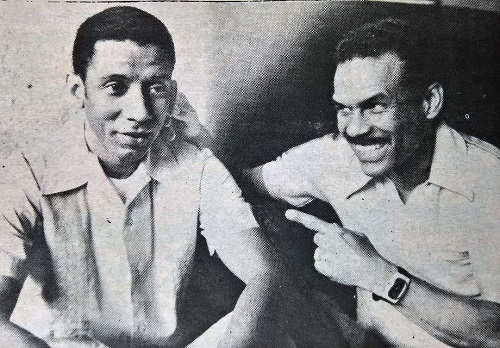
His formal connection with Sonora Matancera began in 1952, when he started subbing for his father. It didn’t take long for his talent to secure him the permanent spot, becoming the rhythmic backbone of the institution until the end of his career.
Legacy and Musical Contributions: Beyond the Double Bass
Elpidio Vázquez was not just a performer; he was a sonic architect. His ability to maintain a precise tumbao allowed Sonora Matancera to preserve that unmistakable harmonic signature that captivated the entire continent.
In addition to his technical prowess, Elpidio shined as a composer, contributing tracks that became essential hits:
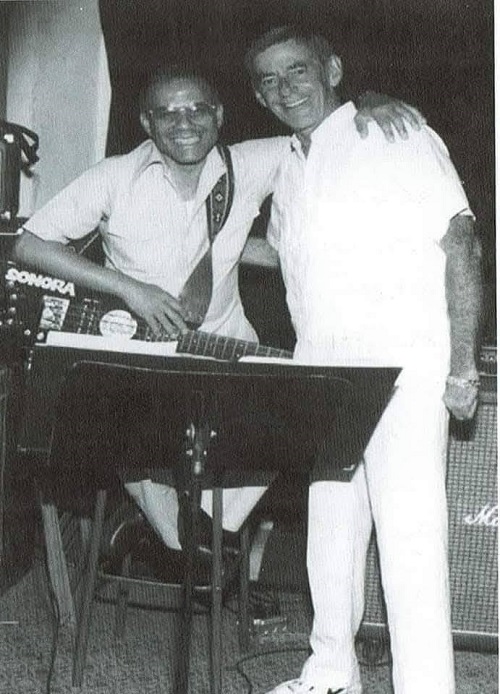
- “Le dio con la sartén”: A guaracha recorded by the “Flaco de Oro” (The Golden Thin Man), Celio González, in late 1959.
- “La negrita inteligente”: A gem performed by the Queen herself, Celia Cruz, in 1961.
His versatility led him to explore other musical horizons. He participated in the vibrant Cuban descarga (jam) sessions alongside Osvaldo “Chihuahua” Martínez and collaborated on historic recordings with giants of salsa and bolero, such as Ismael Rivera, Daniel Santos, Johnny Pacheco, Justo Betancourt, and Roberto Torres.
The Double Bass: Unlike many bassists of the salsa era who quickly transitioned to the Baby Bass or the electric bass, Elpidio is remembered for his mastery of the acoustic double bass, maintaining that organic, deep sonority of traditional, evolved Cuban son.
Recognition and Saying Goodbye to the Stage
One of the most memorable chapters of his career took place in 1989, during the 65th-anniversary celebration of Sonora Matancera. Organized by Gilda Mirós, Elpidio rocked world-renowned stages like Carnegie Hall and New York’s Central Park, reaffirming the band’s timeless relevance.
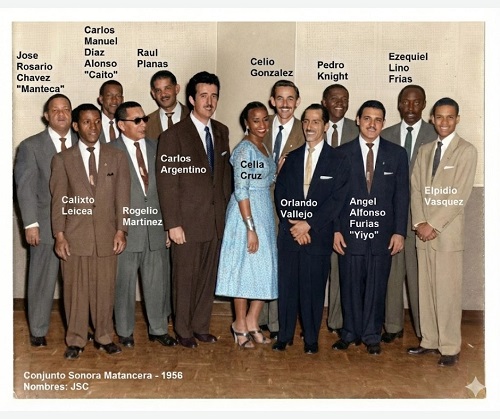
Career with Sonora Matancera
- The Historic Handover: In 1952, Elpidio took on the responsibility of replacing his father on the double bass for Sonora Matancera. This was no small task, as he had to maintain the characteristic tumbao that had defined the group’s sound for decades.
- Sonic Signature: He is credited with imprinting a robust harmonic stamp and a rhythmic stability that allowed Sonora to back the biggest stars of the era (Celia Cruz, Nelson Pinedo, Bienvenido Granda, etc.) with flawless precision.
- Exile and Continuity: Like the rest of the group, he left Cuba in 1960, continuing his career abroad and participating in Sonora’s prolific New York era and their international tours.
A historical footnote: After the death of Rogelio Martínez, it is said that Elpidio was designated as the group’s musical director by public deed. However, in a gesture of humility and after decades of dedication, he preferred to retire in New Jersey, letting his brother Javier take the helm for the orchestra’s new era.
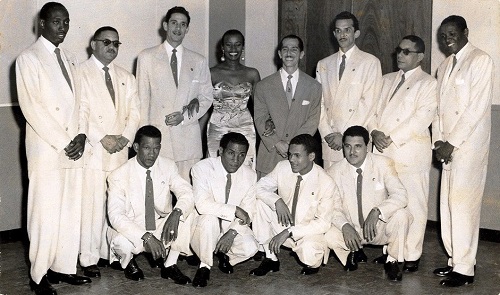
Today, the figure of Elpidio Vázquez remains a symbol of artistic fidelity and musical excellence the bridge between the tradition of “Bubú” and the modernity of New York salsa.
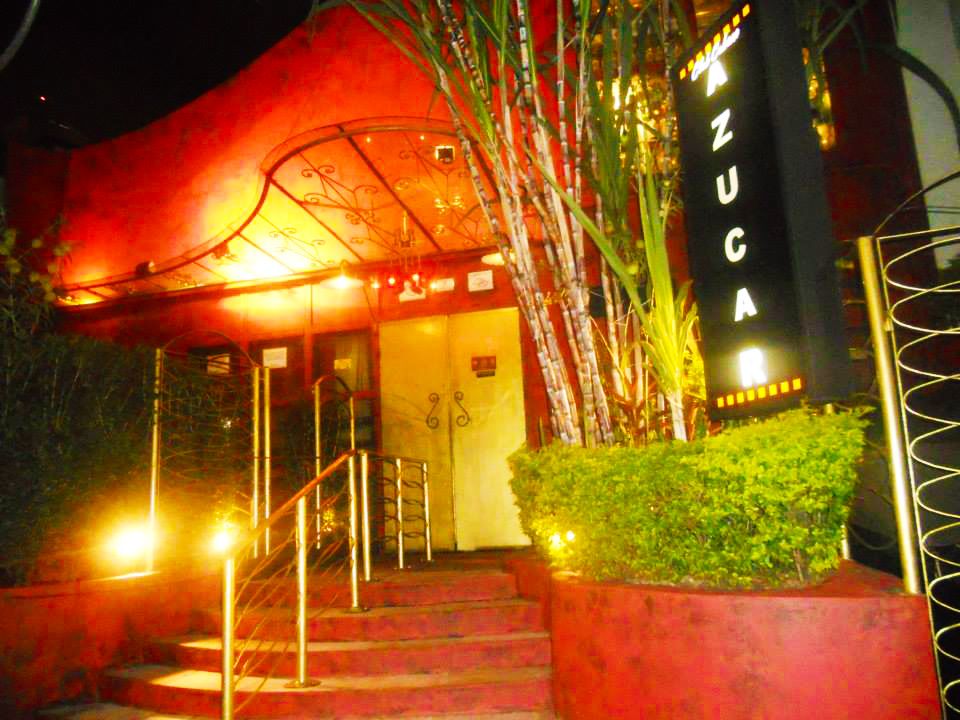
Azucar Club Cubano
Latin America / Brazil / São Paulo

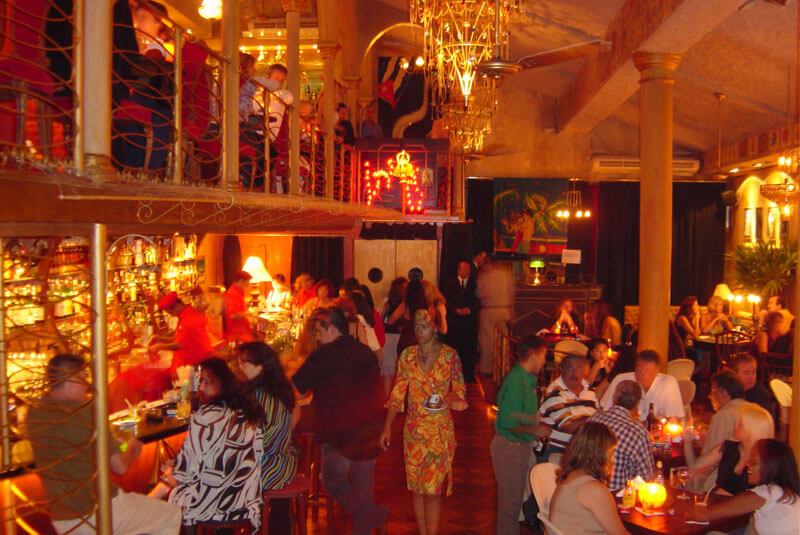
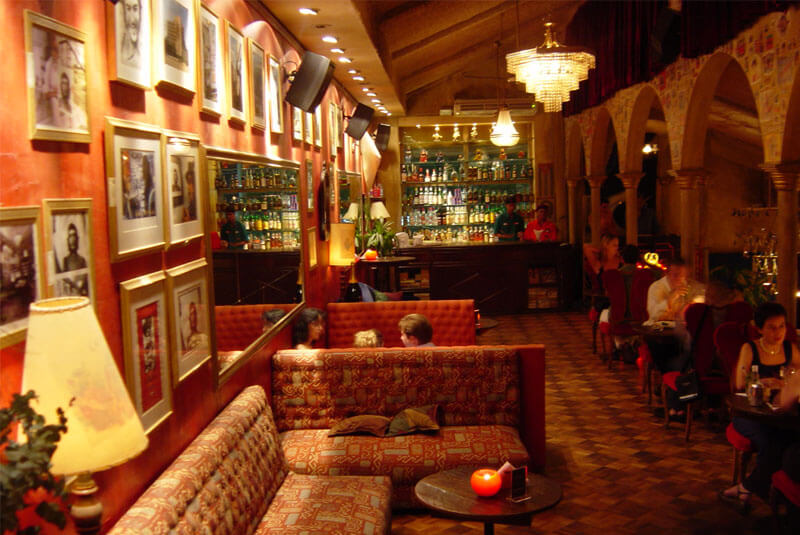
The “Azucar Club Cubano” opened in August 2000. The idea stemmed from Latin inspiration, with its vibrant and magnificent Caribbean music, leading to the opening of the first Latin club in São Paulo. To this day, it is recognized for its lively atmosphere and excellent service, where it enjoyed great success and continues to welcome all those who love Latin rhythms.
Among the rhythms played at “Azucar” are Merengue, Salsa, and Cumbia. It’s worth noting that Reggaeton and Bachata were added due to their popularity. All of these genres are provided by top Latin DJs, including Azucar Nelson Noce, Will Rosbon, Daniel Venezuela, and Julio Moracén. Both Brazilians and tourists visit “Azúcar,” so they specify a schedule of Latin rhythms to be played, as customers have different tastes. This way, you can enjoy the musical genre you want to dance to or listen to at the club that day. However, on Fridays and Saturdays, there’s a mix of Latin rhythms since those are the busiest days, marking the start of the weekend.
|
|
|
|
|
|

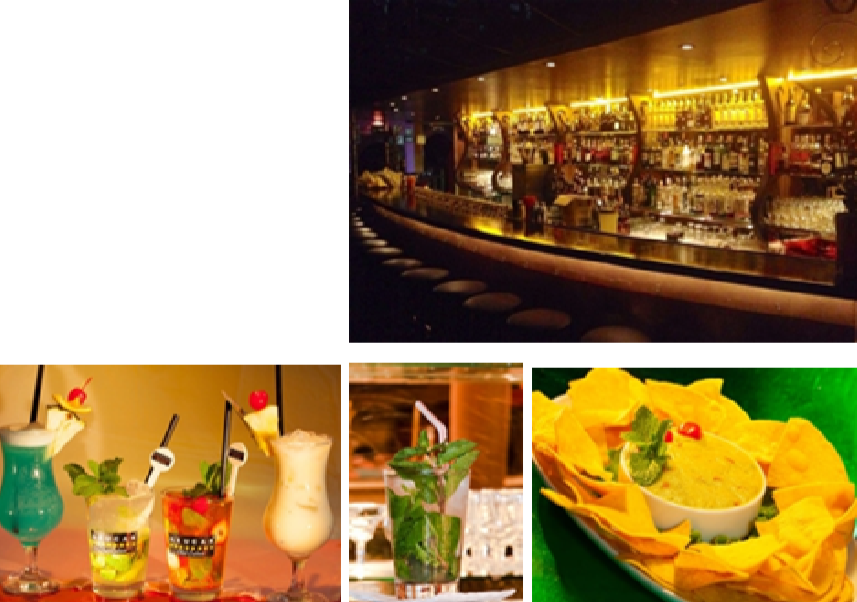
They also have a bar where the most popular drinks are rum and tequila, and their cocktails include the Margarita, the Tequila Margarita, and the Mojito, the latter known as the best in all of São Paulo. They also have a varied menu.
The club is open to the public from Tuesday to Friday from 7:00 pm and on Saturdays from 8:00 pm, and you can pay with any credit or debit card. For more information:
- Website: http://www.azucar.com.br/
- Phone: +55 (11) 3074.3737
- Facebook: https://www.facebook.com/azucarclubcubano/
- Instagram: instagram.com/azucarclubcubano
Miguel & Mayana
Europe / England / London

Miguel & Mayana. Salsa & Bachata Classes in London
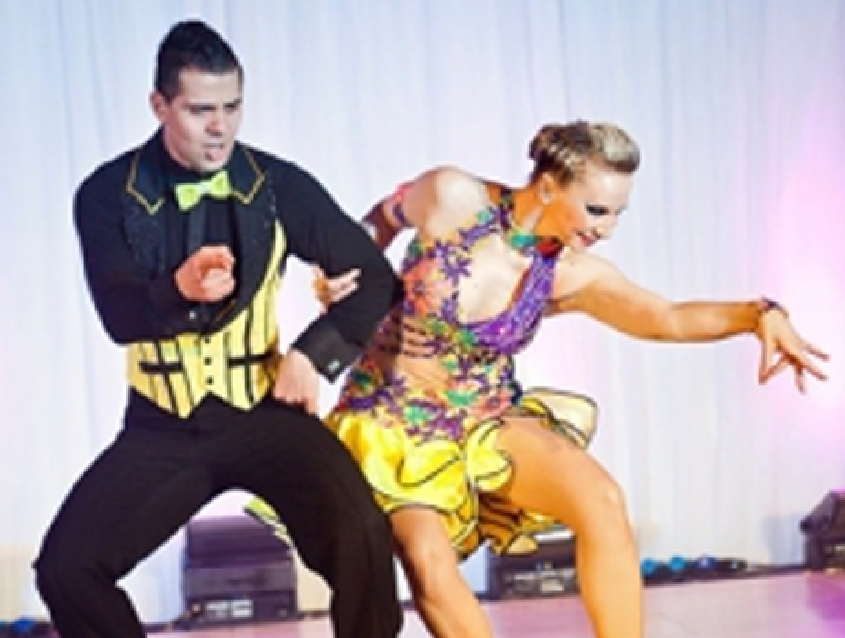
Miguel Rico
Corona Salsa Champion 2001, Scala Latina Salsa Champion 2003 and UKA Salsa Champion 2006 are some of his rewards and achievements since he started this amazing journey 17 years ago.
Miguel’s music interpretation is a gift from his both musician parents, this knowledge & experience makes him stand out in his performances and freestyle.
His personality and smile is simply contagious.
Mayana
Mayana’s love for dance started at an early age, she followed her heart and went to one of the best Russian Dance Academy where she studied from traditional dances to ballet & contemporary.
She continued teaching various dance styles until she found Salsa.
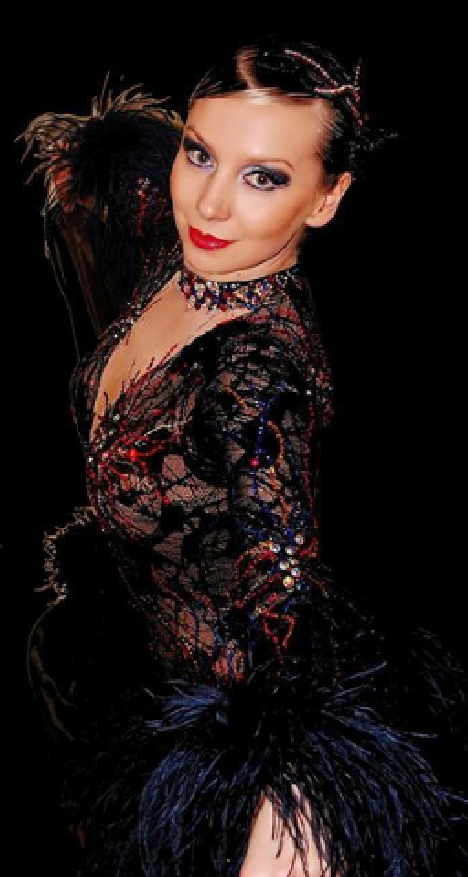
What really makes her unique its her dance style where she combines all the knowledge she has of various dances, creating her own signature which portraying her as an elegant and stylish dancer.
- 2007-2008 UK Professional Salsa Champions.
- 2009 & 2011 Top Salsa UK Teachers Award

Salsa & Bachata Classes In London
Regular weekly Salsa classes in London
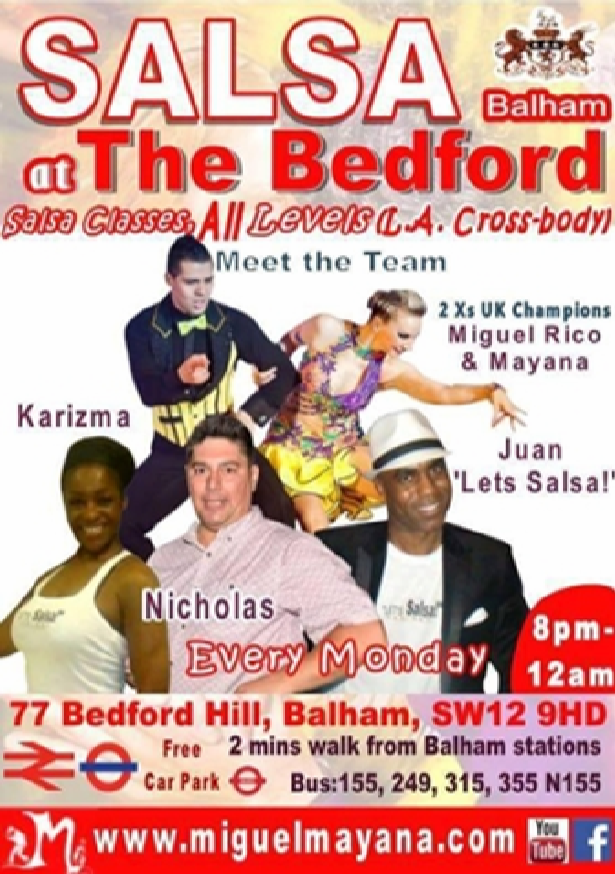
Salsa Classes & Club every Monday night at The Bedford in Balham, 77 Bedford Hill, SW12 9HD
All levels classes cross body New York Style with Miguel Rico, Karizma, Juan & Nicholas.
- Doors open from 8pm
- Free cha cha intro from 8:00pm – 8:30pm
- Classes from 8:30pm – 9:30pm
- Club after till midnight
- Absolute beginners are welcome.
- No partner required.
- Loads of fun and a very friendly atmosphere!
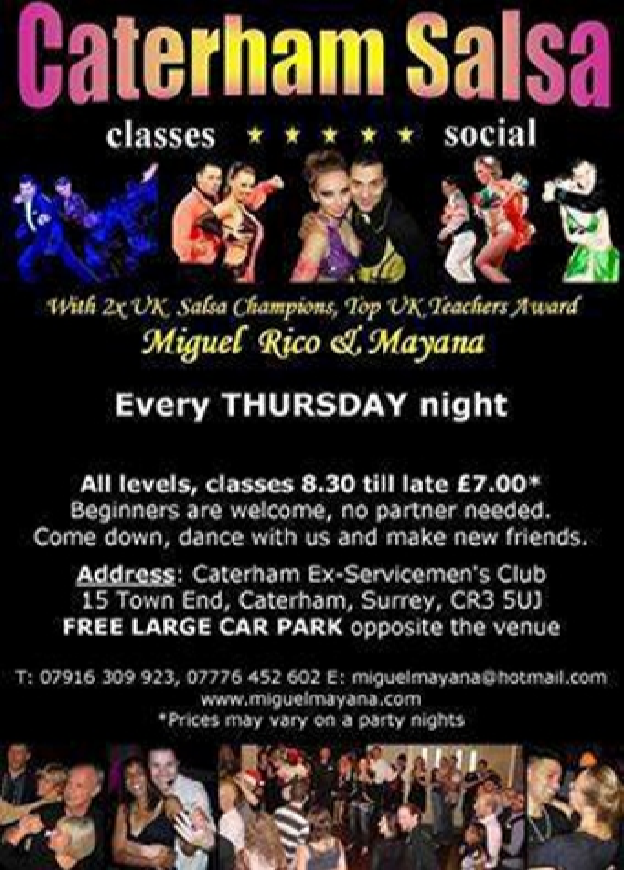
Salsa Class & Club every Thursday at The Ex-Servicemen’s Club in Caterham on The Hill CR3 5 UJ
The Classes are being held in the evenings from 8:30pm – 9:30 pm followed by Club until late.
Salsa Classes from absolute beginners to improver and Int/Adv Level.
Always there will be a Club after where you can freestyle, socialise and dance with each other.
The admission is a drop in basis, no partner is required and no advance booking is necessary.
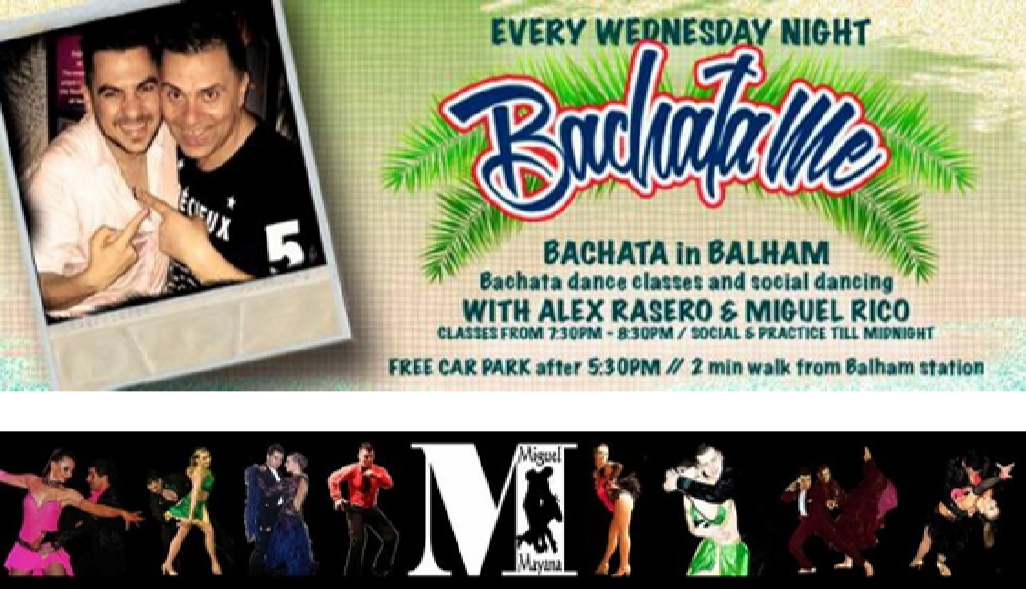
Bachata Class & Club, every Wednesday night at The Bedford in Balham, 77 Bedford Hill, SW12 9HD
Since 9th November 2016 Miguel Rico of Miguel Mayana London & Alex Rasero are running a regular weekly Bachata class & club, every wednesday at The Bedford in Balham.
Times: Doors open from 7pm. Classes from 7:30pm-8:30pm.
Follow by strictly Bachata social dancing till midnight.
Absolute beginners welcome
Class with Miguel & Improvers & above-class with Alex.
Social dancing after classes is from 8:30pm until midnight.
It’s time for Bachatame Nights!!! and have fun with two of the most charismatic dancers/instructors in the UK.
10 week Salsa Training & Student Performance Course Miguel Mayana Mambonito
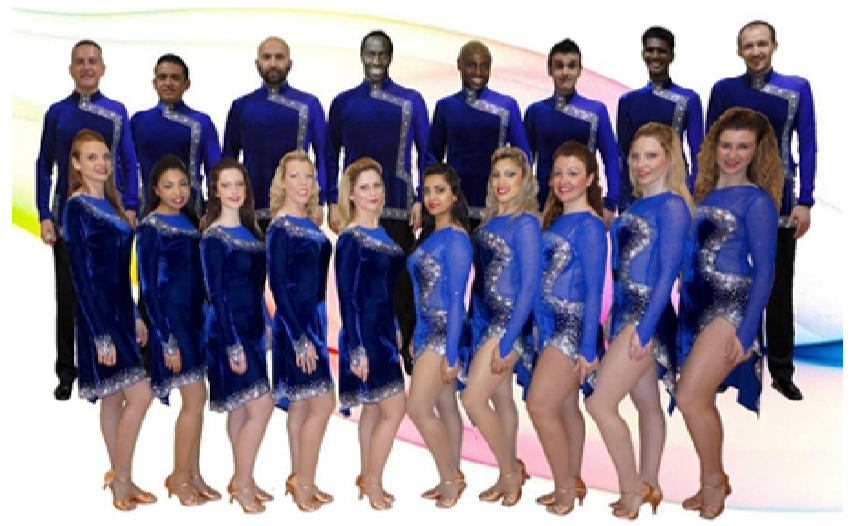
10 week intensive Salsa training & performance course with UK Salsa Champions Miguel Rico & Mayana.
On2 Intermediate/Advance Mambonito Student Performance Team
Starting 15th January 2017
Places available on request
- Email: [email protected] for your free info pack.
- Miguel Rico & Mayana http://www.miguelmayana.co.uk
- https://www.facebook.com/profile.php?id=100006814576565
- https://www.facebook.com/miguel.mayana/
Los Van Van Orchestra
European Union
Los Van Van Orchestra. The Flavor in Zurich
1960-1969
Vital to the success and peculiar sound of Van Van, was the career of its director Juan Formell. Before founding it on December 4, 1969, ventures as bassist in several groups, from the Orchestra of the Cuban Institute of Radio and Television, to several groups are and jazz, these multiple experiences conditioned their future.
Its passage by the Orquesta Reve marked a turning point in the search for the style I wanted to achieve. He tested his innovative spirit giving it some sound and format solutions.
It incorporates bass, organeta, electric guitar, violins and flute replaced the five by the system. The vocal work was replaced by mounting quartets own voices. This experiment served as a starting point for, once created the VAN VAN, their contagious rhythm patterns sit in popular dance music.

1970-1979
Earlier this decade important critics and connoisseurs of the subject could notice the successful future of the Van Van. Juan Formell maintaining the contributions made to the previous group (The Revé), enriched the set with other instruments such as percussion, that an exceptional and unique way, were weaving what would define as the SONGO.
This mode of address are elements taken from jazz and rock, it consists of a rhythmic design combined with a figurative percussion piano and bass. Then creating harmonic and melodic different timbres.
José Luis Quintana (Changuito), Raul Cardenas (the Yulo), Cesar Pedroso (Pupi), Fernando Leyva, Jesus Linares, Orlando Canto, José Luis Cortés (The rough), Julio Noronha, Gerardo Miró, William Sanchez, Jose Luis Martinez Miguel angel Rasalps (Lele), together with its director, explored all possible ways and then came to this rhythm that becomes the basis of its sound.
It is for these years that begin recording their first five albums and debuted on several international stages.
1980-1989
This represents an important period for the orchestra. They break their own style incorporating the bronco and cracking of the trombones sound. Turn introduced synthesizers, keyboards with multiple sound possibilities. The use of synthesized saxophone and electric violins draw much attention at the time. In addition to his recording material have new triumphs as: Báilalo eh! Ah! (1982), Come, see and move (1984), Havana itself (1985), Eso que anda (1986), We the Caribbean (1987), wanting (1988) is over, and finally Songo gives way to a new stage.

A hallmark of the group is the use of the picaresque, irony, manners in their songs. Becoming a sort of chronicle of the Cuban reality, his writings offer a social circumstance, themes that recreate the jocular of everyday life.
In these years his music transcends borders and Latin American venues like the Empire in London, England, Austria, Switzerland and Germany are witnessing a pace capable of passing the most skeptical of the dancers.
1990-1999
90 start with a tour around the country celebrating its 20 years, evolving into the contemporary timbre and go in search of more complex and preciosistas as the father expressions.
Their latest results leave no doubt that reach maturity. Pieces like “Give him cadela” and “That’s my problem” Disco Sugar (1993), “I am normal, natural” and “What a surprise” the latest in vivo (1994), “Let anger” and “De equals “Ay ampárame god (1995) and” This puts you bad head “and” Take her to your vacilón “Te puts the bad head (1997) are some of the records that predate came VAN VAN ( 1999) containing “Van Van arrived Permit”, “the black is cooking” and “Temba tomb timba”, works that have ravaged mercilessly in the context of salsa, for their contagious rhythm, joy and good taste. All retain the seal of the group even when using other orchestral resources.

2000
Thanks a work of more than thirty years with the Grammy award with Disco Van Van is here or Llego Van Van. Award for best salsa album recorded by soloists, duos and vocal and Instrumentalist groups. (It’s worth noting that the award received is not the Anglophone Grammy Latino) Such award is the result of its continued making magic for over thirty years.