• Skip to primary navigation
  • Skip to main content

International Salsa Magazine

  • HOME
  • Previous editions
    • 2026
      • ISM / May 2026
      • ISM / April 2026
      • ISM / March 2026
      • ISM / February 2026
      • ISM / January 2026
    • 2025
      • ISM / December 2025
      • ISM / November 2025
      • ISM / October 2025
      • ISM / September 2025
      • ISM / August 2025
      • ISM / July 2025
      • ISM / June 2025
      • ISM / May2025
      • ISM / April 2025
      • ISM / March 2025
      • ISM / February 2025
      • ISM / January 2025
    • 2024
      • ISM / December 2024
      • ISM / November 2024
      • ISM / October 2024
      • ISM / September 2024
      • ISM / August 2024
      • ISM / July 2024
      • ISM / June 2024
      • ISM / May 2024
      • ISM / April 2024
      • ISM / March 2024
      • ISM / February 2024
      • ISM / January 2024
    • 2023
      • ISM / December 2023
      • ISM / November 2023
      • ISM / October 2023
      • ISM – September 2023
      • ISM – August 2023
      • ISM July 2023
      • ISM Edition June 2023
      • ISM – May 2023
      • ISM April 2023
      • ISM March 2023
      • ISM February 2023
      • ISM January 2023
    • 2022
      • ISM December 2022
      • ISM November 2022
      • ISM October 2022
      • ISM September 2022
      • ISM August 2022
      • ISM July 2022
      • ISM June 2022
      • ISM May 2022
      • ISM February 2022
      • ISM January 2022
    • 2021
      • ISM December 2021
      • ISM November 2021
      • ISM October – 2021
      • ISM September 2021
      • ISM August 2021
      • ISM July 2021
      • ISM May 2021
      • ISM April 2021
      • ISM June 2021
      • ISM March 2021
      • ISM February 2021
      • ISM January 2021
    • 2020
      • ISM December 2020
      • ISM November 2020
      • ISM October 2020
      • ISM September 2020
      • ISM August 2020
      • ISM July 2020
      • ISM June 2020
      • ISM May 2020
      • ISM April 2020
      • ISM March 2020
      • ISM February 2020
      • ISM January 2020
    • 2019
      • ISM December 2019
      • ISM November 2019
      • ISM October 2019
      • ISM Septembre 2019
      • ISM August 2019
      • ISM July 2019
      • ISM June 2019
    • 2016
      • ISM December 2016
  • Spanish
  • Download Salsa App
    • Android
    • Apple

Search Results for: Latin Music

Nahití Ortega. Dance is her Passion and Life

Latin America / Venezuela / Caracas

Nahiti Ortega, is a Venezuelan with exceptional talent, more than 25 years as a performer of traditional Venezuelan dances, this time International Salsa Magazine has the privilege of conversing with this artist of international stature.

She began her Dance studies in the Popular Culture workshops of the Bigott Foundation, taking classes in different regions of the country.

Nahiti Ortega
Nahiti Ortega

It also conducts courses in other international dances such as: African, Colombian, Cuban, Argentine, Dominican, Bolivian, Brazilian, Chilean, among others.

She expands her knowledge by taking other workshops on dance accessories, body expression, rhythm, dance analysis, theory of popular culture, anti-stress elements of music and singing, vocal technique, artistic makeup, stage costume design, organization of special events, corporate image, online tradition, training of teletrainers, pedagogical resources of a virtual classroom: moodle among others.

Augusto: What does dance mean to you personally?

Nahití: Dance is life…

Life begins with a dance, since we are conceived, we dance when a child is inside his mother’s womb, when the earth turns on its own axis, when the waves of the sea reach the shore, when the wind blows and moves the leaves of the trees… in all those movements a beautiful dance is produced, as well as life itself.

“The Dance is so important that the celestial heroes created the world with the power of the dance, and the whole earth is the magical work of the first dancers. The very existence of human beings is the result of the dance. Therefore, dancing is ensuring the continuation of existence” (Morela Maneiro)

For me, dance is a way of life that connects me with the depths of my being and allows me to undress and show myself as I am. My movements are the physical expression of everything intangible that happens to me. By moving I highlight the relationship I have with myself and with my surroundings.

Augusto : Is there or was there any guide that inspired you to this art?

Nahití : My father has always been my inspiration and my guide; Since I was little I always wanted to dance, one day he asked me, do you really want to dance? and I said yes, it was then he who took me by the hand to study dance and introduce me to this wonderful world.

Throughout my career I have had incredible teachers, which I must mention Professor Freddy Medina who, due to his discipline, demand and dedication, I learned to differentiate and perform a large part of our traditional dances and Omar Orozco who taught me that dance, beyond if interpreted, it serves us for life itself.

Augusto: Name me the best anecdote in your career, nationally and internationally

Nahiti: Hahaha… Woow! Throughout my career I have had many anecdotes, I can tell you a few:

One of the ones I remember right now was in a presentation with Master Cheo Hurtado where I had to show the difference in the execution of the Venezuelan Joropos, when I got to the dressing room and took out the costumes I realized that I had two shoes on the same foot, namely; I had two right shoes, you can imagine my frightened face, after this I had a fit of laughter and my friend Rossmary Rondón, also a dancer, seeing the situation and my reaction, asked me if I was crazy, why was I laughing?…

? and I replied “because I still have to solve it and I don’t do anything to bother myself”. Finally I danced with my two identical shoes and nobody noticed that detail, only she and I knew. And everything went well.

Another was on a long tour of Asia, we were in Korea and we did 3 shows a day, I remember that on the third of the day we did the monkey dance, in this piece we invited the public to join in, in the performance we threw ourselves on the ground and then we couldn’t stop quickly due to fatigue and it made us laugh a lot, the public had to act by imitation and since they didn’t know what was happening, they ended up getting our laughter.

Augusto : Was your father an influence on your work?

Nahití : Undoubtedly yes, I greatly admire my father, he is a great artist one of the best in his style, he has always been a reference in the musical field, I have learned that with discipline, perseverance, dedication and love for what you do you can achieve the proposed goals, my father currently has more than 50 years of uninterrupted artistic career, which shows that his formula works.

Augusto : Tell us a little about your career as a teacher

Nahití : In my classes I usually teach the origin of the dance to be worked on, the main body movements, basic steps and choreographic sequences, depending on the level, as well as breathing and physical preparation for each dance. I also introduce the student to the personal search so that he can achieve his own style and projection.

Augusto : We express, how was your work as Artistic Director of Vasallos de Venezuela?

Nahití : I like to stimulate the members mentally, we create a world together with some characteristics and rules. For me, each body has a story to tell, each one has particular movements acquired through their experiences that they can contribute, so I try to find ways in which the members can identify with the motivation, get involved and feel willing to propose. What I seek is to find during the process, movements that adapt to what I propose.

I also like to work a lot on muscle memory through repetition, to make the movements non-robotic. We work deeply, the gestures and the staging is important for each one to take out and project their personal style.
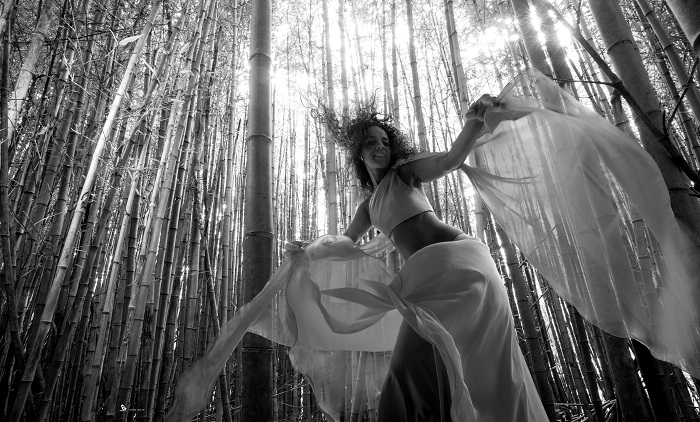
Nahiti Ortega
Nahiti Ortega

Augusto: Do ​​you have future projects?

Nahití: Many projects, tours, concert that I won’t tell you details for cabal hahaha…

Augusto : Explain your experience as manager of Coco y su Sabor Matancero

Nahití : It is really wonderful, seeing how successful my father’s career has been and now his Manager, it is a great commitment, all the years of experience in the artistic world made me worthy of this responsibility. In this short time we managed to record his new record production entitled “Con Todo” in which we managed to bring together great artists such as: Mariana “La Sonera”, Wilmer Lozano, Rodrigo Mendoza and El moreno Michael, and we have already visited several countries for its promotion. , United States, Chile, Peru and Panama, we have just performed a concert in one of the best venues in Venezuela, just as we performed its baptism.

Nahití Ortega, has a long history at the National and International level, has an extraordinary personality that transmits joy, good vibes, harmony, feeling for what she does that comes straight from the heart, taking into account her particularity and professionalism of the teachings of her dad.

He began his activities in the field of Popular Culture by participating in the Agrupación la Patria y su Gente led by Professor Freddy Medina for three years; In 1994, she participated as a special guest of the Agrupación Autochthono de la Vega in the “Barcelos Festival”, belonging to the CIOF – UNESCO circuit, in the countries of Portugal and Spain.

In 1995 he joined the group with Venezuela directed by Professor Oswaldo Lares in which he worked for four years, participating in the “Caribbean Festival 95” in the cities of Cancun, Cuzumel, Playa El Carmen, State of Quintana Roo – Mexico, in 1996, he carried out the Afro-Venezuelan percussion workshop in the Popular Culture workshops of the Bigott Foundation, dictated by Professor Jesús Paiva, with a duration of three years.

She participated as a dancer in the Oscar D´ León video clip “Mírala Como se Menea”, as well as in the Venezuelan film “Juegos Bajo la Luna”, directed by Mauricio Walerstein.

In 1995 he joined the group with Venezuela directed by Professor Oswaldo Lares in which he worked for four years, participating in the “Caribbean Festival 95” in the cities of Cancun, Cuzumel, Playa El Carmen, State of Quintana Roo – Mexico, in 1996, he carried out the Afro-Venezuelan percussion workshop in the Popular Culture workshops of the Bigott Foundation, dictated by Professor Jesús Paiva, with a duration of three years.

She participated as a dancer in the Oscar D´ León video clip “Mírala Como se Menea”, as well as in the Venezuelan film “Juegos Bajo la Luna”, directed by Mauricio Walerstein.

In the teaching area, he has taught traditional dance workshops at a national and international level.

As well as accessories for dance, body language, dance therapy, clothing, basic stage makeup, artistic makeup, staging, among others.

Among the institutions in which he has given workshops we can mention some such as: Popular Culture Workshops of the Bigott Foundation – Venezuela University of the Arts in Lima – Peru.

Simon Rodriguez University. Nucleus Barquisimeto -Venezuela

She has done work as a dancer, choreographer, image consultant and producer for various groups.

In 1993, he joined the group “Vasallos del Sol” of the Bigott Foundation under the direction of Professor Omar Orozco.

In 2000 she joined Danzas Itanera, as a dancer, costume designer and image consultant for the group.

He has shared the stage with artists such as: Serenata Guayanesa, Un Solo Pueblo, Francisco Pacheco y su pueblo, Simón Díaz, Cruz Tenepe, Vidal Colmenares, Cristóbal Jiménez, Gurrufio, El cuarteto, Caracas Youth Symphony Orchestra, Chamber Orchestra of the Armed Forces , Coco y Su Sabor Matancero, Oscar de León, Guaco, Invisible Friends, Aquiles Báez among others.

He has toured the entire national territory, appearing on countless stages with participation in international festivals. In 2009, she participated as a dancer and workshop facilitator at the X Meeting for the promotion and dissemination of the intangible heritage of Ibero-American countries “Fiestas and Rituals” in Lima, Peru. Currently Manager of Coco y Su Sabor Matancero and dance and artistic director of the Vasallos de Venezuela group.

Nahiti Ortega
Nahiti Ortega

Photos courtesy of Nahití Ortega

What The Namm Show is and how it works

Latinos and their music have managed to conquer all types of spaces over time thanks to their talent and dedication, and one of them has been The NAMM Show, which is the event to which we are going to dedicate the next lines to be read.   

The NAMM Show is an annual trade fair for music producers from all over the world which is organized by The National Association of Music Marchants (NAMM) and is intended to receive suppliers, distributors, social communicators, artists and guests from NAMM member companies. The event takes place in January of each year at the Anaheim Convention Center in California, United States, and the 2024 edition took place between January 23 and 35. 

Among the main reasons for the realization The NAMM Show we can mention the promotion of the music industry and the producers offered to consumers anywhere on the planet, which makes it a very important space for anyone who wants to have a place in this highly competitive business.  

NAMM Show at the Anaheim Convention Center
The Anaheim Convention Center, where the NAMM Show is held every year

The National Association of Music Merchants 

Before delving into what The NAMM Show is, we think it is appropriate to talk about the organization in charge of realizing it and what exactly it does. 

The National Association of Music Merchants is a non-profit association that focuses on promoting the advantages and benefits of music and seeks to strengthen the marketing of music products in general as much as possible. 

The association was founded in 1901 under the name of The National Association Piano Dealers of America, but since it had much more ambitious aims for the future, the name was changed to NAMM. Today, NAMM and its trade shows function as a meeting center and bank of information for all who wish to stay abreast of the very latest in music products, recording, sound, among other things. However, it is important to note that activities and courses created by NAMM were offered to interested parties of all ages and musical backgrounds.   

An important division of Namm that must also be mentioned is The NAMM Foundation, which is a subdivision founded in 2006 of the aforementioned organization that seeks to promote active participation in the creation of music making use of scientific research, donations and public service. A very important element of The NAMM Foundation is that it relies on the generosity of industry members and is based on donations and trade association activities.    

This foundation provides opportunities for people of all ages, funding scientific research in music and music education.   

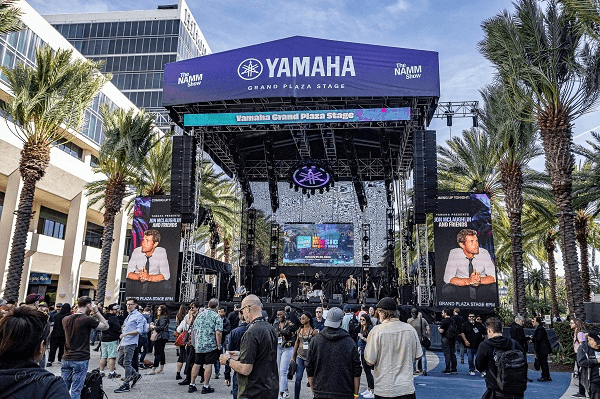
Stage at the NAMM Show
Yamaha Grand Plaza Stage at The NAMM Show in 2024

The NAMM Show 

The NAMM Show is considered as one of the largest trade shows in the music industry to be found on a global level and the most important producers, distributors, artists, record labels, music entrepreneurs and accredited members of the media get together every year at this lavish event to promote everything it has to offer to its audience.   

All who enters The NAMM Show will see vendors displaying all kinds of products in stands, allowing traders and producers present to keep up with the latest in music, reach all types o agreements and make purchases of what they need for the next few months of work. In addition to that, the event draws renowned musicians, who also exhibit their own models and equipment to those who may want to acquire them.   

Among some important facts about The NAMM Show, we can mention that 2018 was very important for the event, as it was the year in which it began to be held at the Anaheim Convention Center, joined the Audio Engineering Society and organized the Parnelli Awards, which are the prizes that reward all those professionals and companies that work behind the scenes so that everything works such as lights, effects, projection, among other areas. 

Three years later, The NAMM Show was not held in January due to the Covid-19 pandemic, so instead, NAMM held a virtual meeting which it named ”Believe In Music Week” starting on January 18 and had over 500,000 views from the general NAMM membership. While it is true that this event was about The NAMM Show every year, its purposes were very similar, as it sought to answer the immediate needs of the companies that are part of NAMM through training for opinion leaders who lead each of the music industry segments, especially at a time as complicated as those experienced back then.     

Products at the NAMM Show
Some of the music products offered at The NAMM Show in 2024

Last events of The NAMM Show 

Once the pandemic began to decline, fortunately the event was again held at the Anaheim Convention Center in 2022 with a three-day trade show that compensated perfectly for the previous year’s lockout.   

In 2023, the trade show held in April of that year welcomed more than 46,700 attendees from more than 120 countries and more than 1,200 exhibitors representing more than 3,000 brands overall, making it one of the largest and most beat-attended editions in recent years. This is not surprising due to the quarantine.  

As for this year’s edition, the event had a number of 1600 stands offering their music products, 3500 brands and about 62,000 attendees. 

Read also: Gabriel from the band Changüí Majadero talks about traditional Cuban Music 

Nixmotion begins to mid- February 2019 in the Vermont State

North America / USA / Burlington

The major Salsa experience together to the pleasures of the winter in this creative Latin event similar to a Salsa Congress

Date: From Friday, February 22th to Sunday, February 24th

Nixpass (All -Access): $195 + $6.87 FEE (Sales end on February 22nd)

Venue: Hilton Burlington Lake Champlain. 60 Battery Street, Burlington, Vermont 05401

Nixmotion
Nixmotion

Nixmotion is something truly unconventional! This creative and unique Latin entertainment is designed for learning, so they have crafted workshops of one hour and 15 minute, with the last 15 minutes exclusively dedicated to practice and questions to the instructors. Also, 11 DJs will keep you dancing as early as 8PM, all the way until 5AM. As if this wasn’t enough, in addition to their Salsa room and Bachata room, they now will have a separate Kizomba chamber!

The refreshing experience NIXMOTION includes:

  • GRAMMY-NOMINATED NEW SWING SEXTET LIVE
  • 1HR SHOWCASE PER NIGHT
  • 3 NIGHTS OF PERFORMANCES
  • SALSA & BACHATA ROOM
  • NEW: KIZOMBA CHAMBER
  • ENHANCED WORKSHOPS
  • ICEBLOCK OUTDOOR SOCIAL
  • 23 HOURS OF SOCIAL DANCING
  • AFTER PARTY THEMATIC
  • AND MUCH MORE!

LIVE BAND

New Swing Sextet on February 23rd:

The band has been a popular and innovative exponent of Latin Jazz and Salsa with a long history of making music on the streets of Latin New York through harmonized vocals, piano, vibes, bass and Latin percussion for over five decades.


New Swing Sextet (NSS) had their professional debut performing in the Singer Bowl at the last New York World’s Fair in 1965 and recorded the last of 4 albums, all under the “Cotique” Label in 1970 and broke up in the late seventies.


The band offers the classic Latin New York sound of another era, perfectly preserved and bottled for today’s global Salsa enthusiasts. Their recent performances to large audiences all over the North America, South America, Europe, Russia, Asia and the Middle East have proven that NSS is better than ever.


Today, New Swing Sextet celebrates their 50th Anniversary preparing to release their new CD “50 Years of Swing” early next year, following up their “Back on the Streets…a taste of Spanish Harlem Vol 2” which was nominated for a Grammy Award in 2009 by the Recording Academy, and “Yesterday Today & Tomorrow,” released in January 2013. Please, visit: https://nixmotion.com/new-swing-sextet


The Unique Salsa Experience That You Don’t Miss Out!

Reserve your TICKETS Today:
https://www.nixmotion.com


Event Details:

FB Page: https://www.facebook.com/nixmotion

Don Perignon and La Puertorriqueña are prides of Puerto Rico

There are many legendary orchestras in Puerto Rico that may not be widely known to many, but La Puertorriqueña is one of those names that cannot be excluded from the musical history of Puerto Rico and Latin America in general. Today, we were fortunate to interview Don Perignon, leader of the group, so that he could tell us about himself and the orchestra he founded. 

Pedro Luis Morales Cortijos, better known as Don Perignon, is a bandleader and timbalero with whom we had the pleasure to talk about his musical background and the Orquesta La Puertorriqueña, which has given him the recognition he has nowadays. Then, these are the most important topics covered in the pleasant conversation we had with the veteran musician.  

Don Perignon from La Puertorriqueña
This is Don Perignon, bandleader of La Puertorriqueña

Why the nickname ”Don Perignon”? 

When asked about why he is known as Don Perignon, he laughs and says that this is the most frequently asked question he has answered in the past three decades.   

It all started because his familly called him ”Perin”. Then, one day, a musician from Andy Montañez orchestra in Miami asked him why he was called that, to which he replied that he has always been called ”Perin” in Puerto Rico. Later, the same gentleman arrived with a bottle of Dom Perignon (a well-known vintage champagne brand) and said that, for him, this young man was a grown man because of how he conducted himself, so from now on he was going to call him Don Perignon. 

After that, Andy Montañez took it as a joke and began referring to the musician as Don Perignon, which other fellow musicians began to do, so it ended up being his official stage name. 

How did Don Perignon fall in love with music?  

Don Perignon told us that the first instruments he liked were the bongo and the conga, but that changed immediately as he knew the timbal, which he felt was more in line with the personality that he projected.  

This curiosity for music led him and other teens his age to create an improvised group, while being at the school and studying at the Puerto Rico school of music. It was not a long time that he was in the institution, but it was enough to learn everything he would need in the future. In addition, the style he has nowadays when performing and leading an orchestra was acquired by watching Barry White, Ray Charles, Elvis Presley, among other celebrities of the day. 

Don Perignon and Andy Montañez
Don Perignon next to Andy Montañez

La Puertorriqueña   

Something that Don Perignon wanted to clarify with regards to La Puertorriqueña is that the project did not start in 1975 as we thought, but that the group started with other names until 1987, which is when the artist and his colleagues finally decided to name it that way.   

In the early 1970s, both Don Perignon and the rest of his colleagues, in his own words, were ”kids playing at being musicians” who were only interested in playing. However, over time, they started taking things a lot more seriously and decided it was time to pass the baton to someone, so they all took a vote and chose the young man as their bandleader because he was the tallest, had more physical presence and more character. 

That responsibility he was given was a training-school for Don Perignon and acquired most of the knowledge he has today about music. Although the group eventually broke up, the artist is proud that his former orchestra fellows have achieved success and obtain prestige in the projects they undertook, which shows that those seeds they sowed at the time have borne fruit. According to him, ”they all achieved their dream thanks to discipline”.  

Over time, other musicians joined the orchestra and also did their bit to make La Puertorriqueña what it is today.  

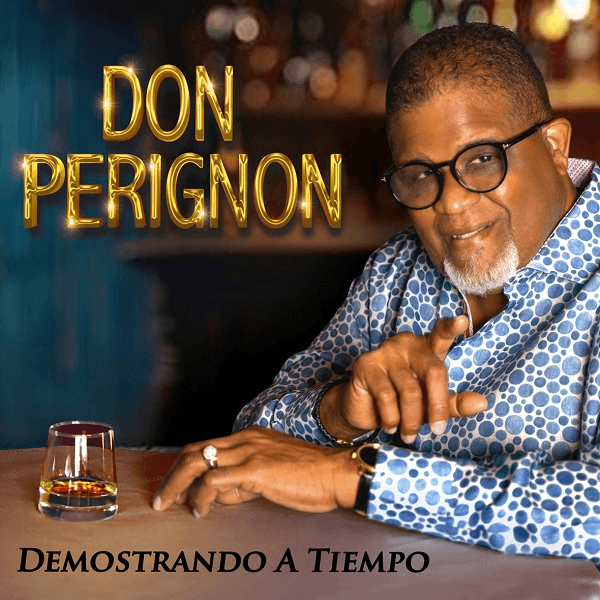
Demostrando a Tiempo
Cover of the Album ”Demostrando a Tiempo”

Demostrando a Tiempo 

Don Peringnon has said that one of the most important features of La Puertorriqueña is to always pay homage to the dancers and of course their latest album ”Demostrando a Tiempo” could not be the exception. Orchestras and Latin artists in general can interpret music in their own way, but a common denominator between all of them is that they will always include the characteristic spice of the dance and that is what we aim for in each of our productions,” said the musician. 

It is for this that the artist says that ”Demostrando a Tiempo” is not very different from the rest of the work made by the orchestra, since they have always paid homage to dancers and they will never deviate from that path. What has changed is that the group experienced with much more romantic lyrics than ever and included them in special rhythms for dancers. This makes the production have the perfect fusion of rhythms for those who dance or simply listen. 

Another important detail is that ”Demostrando a Tiempo” can also be defined as a mix between tradition and modernity. In this regard, the bandleader points out that, in the early days of salsa, most musicians were self-taught, until conservatories and music schools welcomed salsa, so musicians were better academically trained and new ways of performing and doing things in general emerged. Therefore, Don Perignon and his musicians, who are from the old guard, have had to adapt to the new times, but without leaving aside the essence with which they started their project. 

Some of its main songs are a new version of the classic ”Soy Tu Ley”, ”A Quien Iré”, ”Sácala A Bailar”, ”Sin Rumbo”, among many others that La Puertorriqueña fans will find in this album.   

After a few weeks of its release, critical reception to the album was very positive and Don Perignon trusts that the impact will be greater as days go by. 

Read also: Career and interesting facts about Venezuelan singer and musician Omar Ledezma Jr. 

Benny Moré. The story of Cuba’s biggest crowd idol

Latin America / Cuba / La Habana

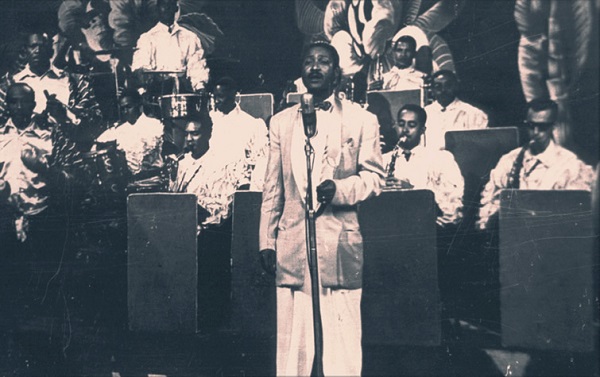
Who is Benny Moré? He is not just another musician, he is unanimously the most brilliant popular artist that has existed on the Afro-Cuban island. He is the symbol, the myth, the legend, it is undoubtedly the summary of the popular, rich and abundant music of Cuba.

Benny Moré symbolizes the peasant “Guateque”, the “Sarao”, the bohemian, the coffee, the bar, the theater, the party, carnivals, the show. “El Bárbaro del Ritmo” was the most popular in Afro-Cuban music.

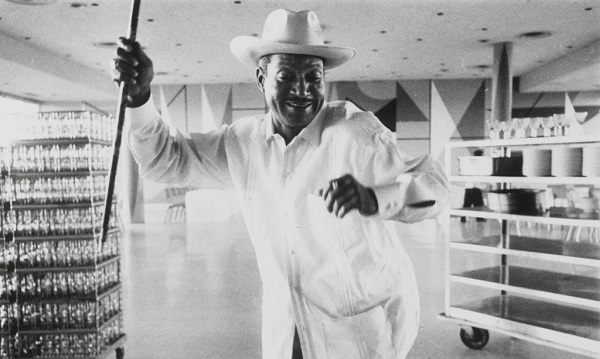
Benny Moré
Benny Moré

He was born on August 24, 1919 at seven in the morning in the Pueblo Nuevo neighborhood of the town of Santa Isabel de las Lajas, belonging to the Cienfuegos province. His parents were Virginia Moré and Silvestre Gutiérrez, and Benny was the oldest of 18 siblings. His last name Moré came from Ta Ramón Gundo Moré (slave of the Count Moré), who, according to the tradition of the Congos, was his first king in Santa Isabel de las Lajas.

Benny was gifted with a fluent tenor voice that gave life with great expressiveness and this context was definitive for his future career in music. He learned to play the insundi, the yuka drums, the Makuta and Bembé, invocators of deities, with whom he not only sang and danced to perfection, but also played the son, the guaracha and the rumba.

Since he was a child he expressed his great vocation for music, he would spend all day humming a song or improvising and directing ensembles composed of machetes, bongos made with milk cans, guitars made with a board and nails with strings of string sew, two sticks as keys, and so on.

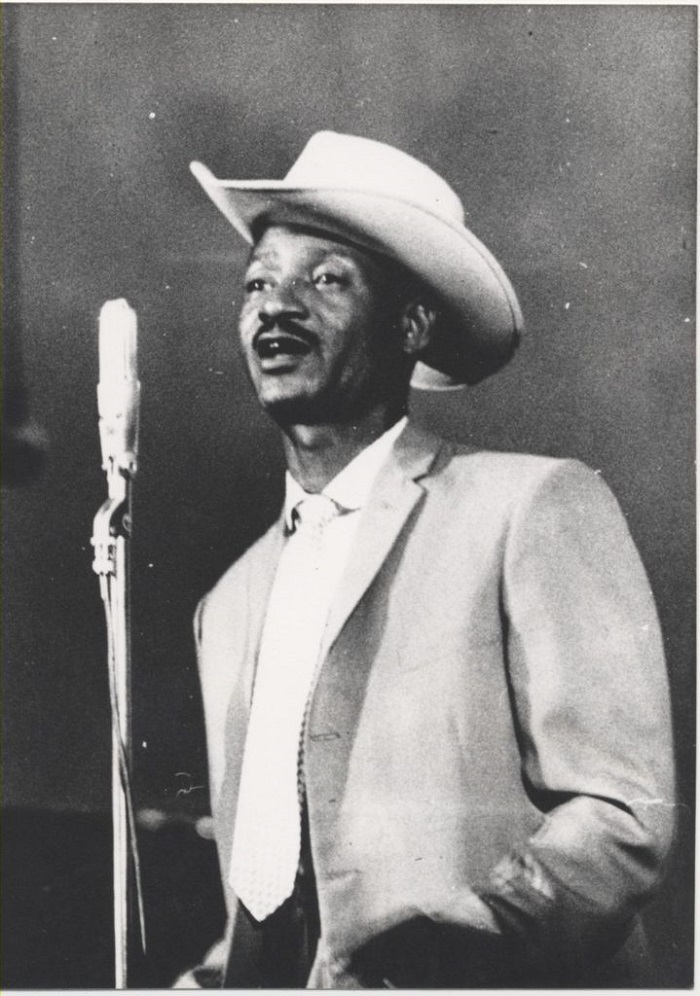
Benny Moré singing
Benny Moré singing

Moré was a teacher in all genres of Cuban music

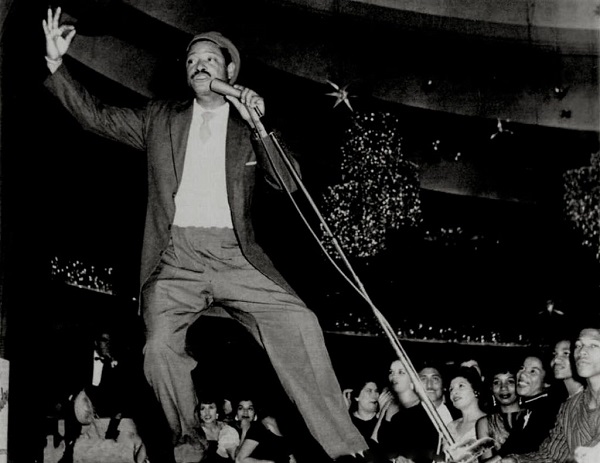
The “Bárbaro del Ritmo” could always be found standing on a table singing and playing, surrounded by listeners. Bartolomé spent his childhood and adolescence, with no opportunity for study or permanent employment. Like his brother Teodoro, Bartolomé was enrolled in the School of Public Instruction “José de la Luz y Caballero”, where he always stood out for his conduct and application.

Why is the Bacardi symbol a bat?

Since he was a child, Moré had skills for singing and improvisation, which he demonstrated when he was barely seven years old, when he would run away for a few hours to entertain parties in the neighborhood and loved singing notes with his mother, to prevent her from sleeping while ironing late into the night.

His voice was particularly highlighted in the Son Montuno, the Mambo, and the Bolero

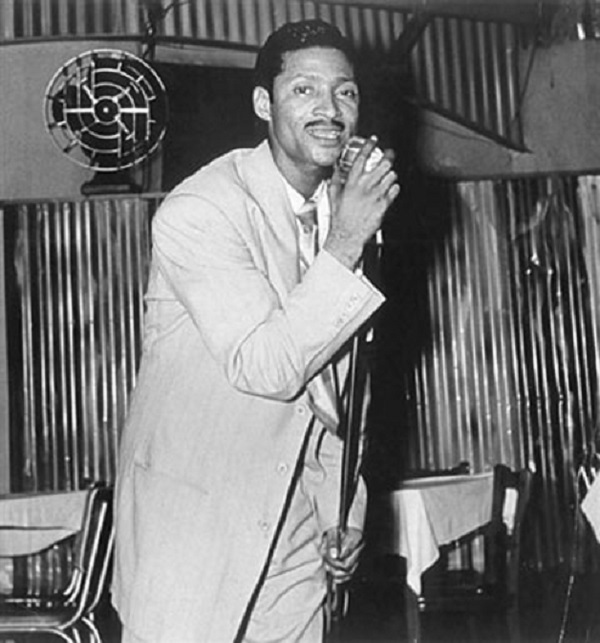
Benny Moré live
Benny Moré live

Benny went through a complicated life, but he was willing to do anything to achieve his dreams of triumph. With almost 20 years of age, in 1940 Bartolomé said goodbye to his mother at the Hotel Ritz in the Central Vertientes, where she worked, and traveled hidden, indistinctly, by train and truck to the City of Havana. He was definitely in the mission to try his luck in the bustling city!

Since then, he was seen by the famous neighborhood of Belen, with a guitar acquired in a pawnshop, wandering through cafes, bars, hotels, restaurants, and even brothels. That same year he told his cousin: “I stay in Havana, I rise up here or I sink”. From that moment began the saga of concerts at the bars of the port avenue … Once remembering those times, he confessed: “I threw myself into the street with a guitar on my shoulder to sing to tourists. I am not ashamed of it; Carlos Gardel also did it in Argentina and is the king of tango. ”

At that time, the CMQ station began broadcasting the Supreme Court of Art. Bartolomé Maximiliano Moré appeared in that program that Germán Pinelli and José Antonio Alonso encouraged. After presenting it and at the moment of beginning his presentation, they rang the bell.

Later Bartolomé returned to Monte and Prado to the Supreme Court and on this second occasion he won the first prize. Possessing a fresh voice, beautiful timbre, sensual and evocative. Bartolo sang with all the inner strength that claimed the Cuban rhythms.

In one of his raids, Siro Rodríguez, member of the famous Matamoros Trio, heard him sing in the bar of El Templete restaurant, on Avenida del Puerto, and was very impressed by the boy’s voice and tuning.

The entry of Bartolomé to the group of Miguel Matamoros was a fact and can be considered as his real debut as a professional singer, because with this group he had for the first time a steady job as a musician and made his first recordings on 78 revolutions per minute discs.

Benny knew he had a voice, the luck and a destiny. Perhaps he sensed it, intuited it, or simply trusted his triumph. When he started with Miguel Matamoros and his group, I already wanted to make changes in the picket line.

In Mexico, when Miguel became ill, he was able to direct the group, took control and enjoyed the “Cuates” in El Patio cabaret. When the contract ended, the Matamoros group returned to Havana, but without Bartolomé, who decided to try his luck by himself in Mexico.

When he communicated his decision to the famous author of El Son Siembra Su Maíz, Miguel Matamoros said: “It’s very good, but you have to change the name of Bartolo, which is very ugly. With that name you will not go anywhere”, You are right, Bartolo replied, from today I will call myself Benny, yes, Benny Moré. ”

The owner of the business was hypnotized by the very tasty atmosphere that Benny led as director. After singing with several push orchestras in Mexico, he planted himself beautifully with the most famous band of the 20th century: Pérez Prado and the Cuban mambo.

With this meeting two geniuses joined: Benny Moré had talent and natural intuition; in Pérez Prado, in addition to all that, the mastery of technique and an enormous facility to make music. With Perez Prado he conquered the noble Aztec people on tours of different states of that sister country.

Benny Moré
Benny Moré

Due to the success achieved by Benny, the town gave him the title of “Prince of Mambo” and Pérez Prado, “King of Mambo“. He sang like nobody else in the world and began his international promotion.

By that time, Benny’s voice was known in Panama, Colombia, Brazil, Puerto Rico, Haiti, Venezuela, and of course, in his native Cuba.

In the joyful world of nightlife in Mexico City, the Cuban singer performed in many theaters, including Margo, Blanquita, Folliers and Cabaret Waikiki, alternating with renowned artists such as the legendary star Yolanda Montes (Tongolele), the Mexican Toña la Negra, and the outstanding cuban pianist and composer, Juan Bruno Tarraza, of whom Benny sang the bolero “It’s already twelve o’clock”.

Benny participates in many films and upon his return to Cuba, he was already certain that he had to be counted on.

The nostalgia for his family, friends, for the Homeland, and the desire to obtain laurels on his Island, where he considered that he was not known enough, made him return to his beloved Lajas at the end of the year 50. The ‘sonero mayor’ was definitely in Cuba, where he had left behind comforts, material and spiritual satisfactions, friends and even the loves that the successful do not usually lack.

During the following two years he acted by contract for a program called “De fiesta con Bacardí”, which was aired by the Eastern radio station with the orchestra of Mariano Mercerón, and the singers Fernando Álvarez Pacho Alonso.

Benny Moré
Benny Moré

As Benny Moré was an exclusive artist of RCA Víctor, this firm claimed his presence in Havana to make different recordings. In order to fulfill this commitment he gave alternative trips to Havana and thus maintained his responsibility with the eastern radio station.

After the commitment at Casa Bacardí and maestro Mercerón, in 1952 Benny Moré returned to Havana.

Certainly, Benny concluded an era, closed a chapter of Cuban musical life, that stage of nightlife that was already declining.

Benny’s life was related to a world that has already disappeared. Then everything became myths and legends … Benny kept on singing, but now it would be on scratch discs, which were digitized.

The “oidores” (listeners) will be transported in time, imagine the bars of the Havana port full of curious tourists. From Chinese restaurants selling “complete” to poor people who passed their hats, after singing through the streets of Havana – Cuba.

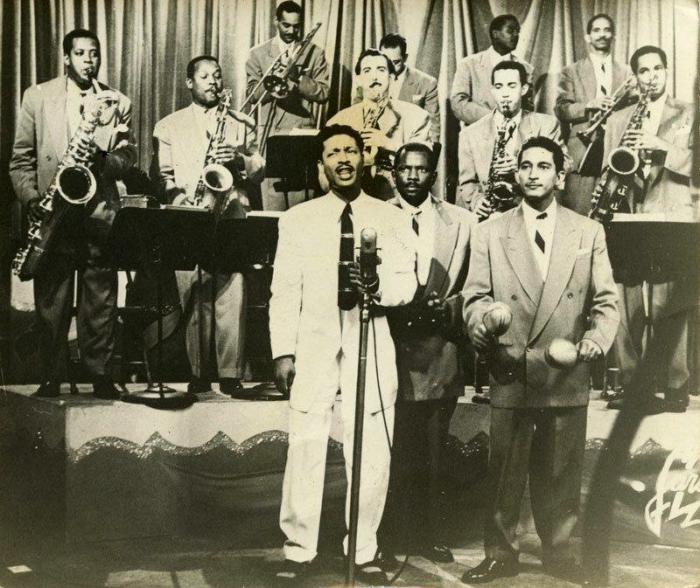
Benny Moré in concert
  • « Go to Previous Page
  • Page 1
  • Interim pages omitted …
  • Page 177
  • Page 178
  • Page 179
  • Page 180
  • Page 181
  • Interim pages omitted …
  • Page 246
  • Go to Next Page »

International Salsa Magazine (ISM) is a monthly publication about Salsa activities around the world, that has been publishing since 2007. It is a world network of volunteers coordinated by ISM Magazine. We are working to strengthen all the events by working together.