• Skip to primary navigation
  • Skip to main content

International Salsa Magazine

  • HOME
  • Previous editions
    • 2026
      • ISM / April 2026
      • ISM / March 2026
      • ISM / February 2026
      • ISM / January 2026
    • 2025
      • ISM / December 2025
      • ISM / November 2025
      • ISM / October 2025
      • ISM / September 2025
      • ISM / August 2025
      • ISM / July 2025
      • ISM / June 2025
      • ISM / May2025
      • ISM / April 2025
      • ISM / March 2025
      • ISM / February 2025
      • ISM / January 2025
    • 2024
      • ISM / December 2024
      • ISM / November 2024
      • ISM / October 2024
      • ISM / September 2024
      • ISM / August 2024
      • ISM / July 2024
      • ISM / June 2024
      • ISM / May 2024
      • ISM / April 2024
      • ISM / March 2024
      • ISM / February 2024
      • ISM / January 2024
    • 2023
      • ISM / December 2023
      • ISM / November 2023
      • ISM / October 2023
      • ISM – September 2023
      • ISM – August 2023
      • ISM July 2023
      • ISM Edition June 2023
      • ISM – May 2023
      • ISM April 2023
      • ISM March 2023
      • ISM February 2023
      • ISM January 2023
    • 2022
      • ISM December 2022
      • ISM November 2022
      • ISM October 2022
      • ISM September 2022
      • ISM August 2022
      • ISM July 2022
      • ISM June 2022
      • ISM May 2022
      • ISM February 2022
      • ISM January 2022
    • 2021
      • ISM December 2021
      • ISM November 2021
      • ISM October – 2021
      • ISM September 2021
      • ISM August 2021
      • ISM July 2021
      • ISM May 2021
      • ISM April 2021
      • ISM June 2021
      • ISM March 2021
      • ISM February 2021
      • ISM January 2021
    • 2020
      • ISM December 2020
      • ISM November 2020
      • ISM October 2020
      • ISM September 2020
      • ISM August 2020
      • ISM July 2020
      • ISM June 2020
      • ISM May 2020
      • ISM April 2020
      • ISM March 2020
      • ISM February 2020
      • ISM January 2020
    • 2019
      • ISM December 2019
      • ISM November 2019
      • ISM October 2019
      • ISM Septembre 2019
      • ISM August 2019
      • ISM July 2019
      • ISM June 2019
    • 2016
      • ISM December 2016
  • Spanish
  • Download Salsa App
    • Android
    • Apple

Search Results for: Latin Music

Shoemaker and shoe designer Carlo Farroni

We talked with shoemaker and shoe designer Carlo Farroni

In entertainment, singers, musicians and dancers are always the ones who show their faces to the audience, so they usually take the credit that comes from the final result, but there are many other professionals who also do their part so that a stage performance can be carried out, but unfortunately they do not get the recognition they deserve from the mass media.
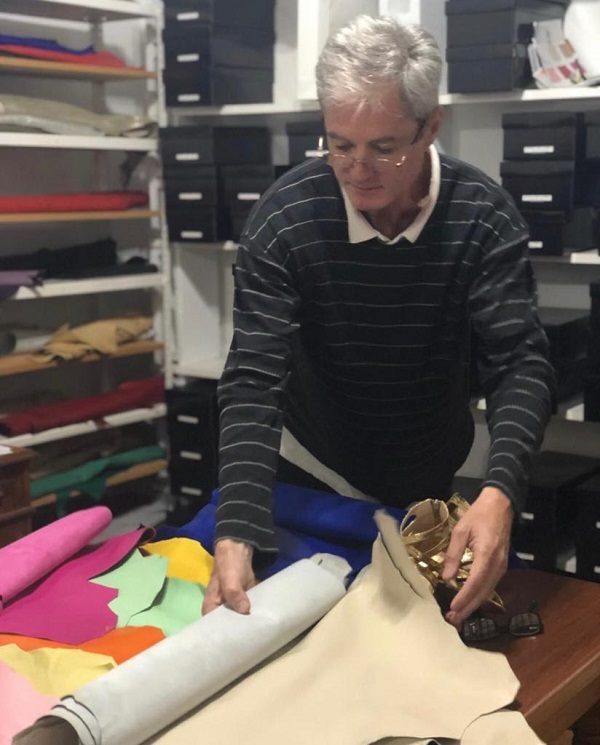
Carlo Farroni checking his materials for shoes

Some of those professionals are shoemakers and shoe modelists, who offer absolute comfort and elegance to artists during their shows, especially when it comes to dancers. Today, we are going to bring the story of Mr. Carlos Farroni, who kindly agreed to talk to us and told us how he began in this interesting and important occupation.

How did you start your career as a shoemaker and shoe designer? (título 3)

Carlos Farroni tells us that he started his apprenticeship at the age of 20, namely more than four decades ago. All this training took place at the shoemaking institute in Buenos Aires, Argentina, Farroni’s native country, but it was not the only place responsible for teaching this man everything he knows today. He also combined his studies with certain tasks in an artisan footwear workshop, something that would be a great support to the knowledge gained within the field of formal education.
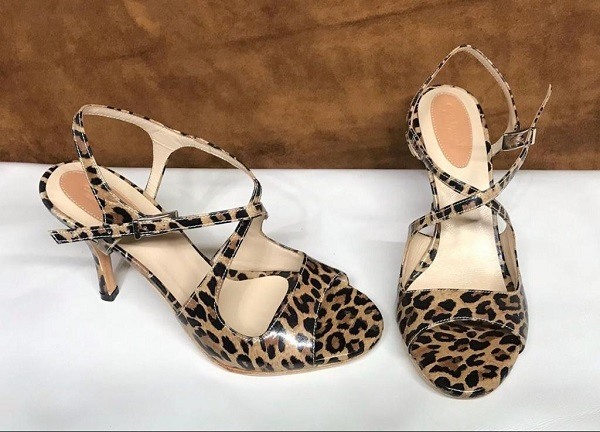
Dancing shoes for women made by Carlo Farroni

A few years later, he enbarked on a trip to Italy, where he worked in various areas of the creation of shoes, such as design and subsequent manufacturing, which was also extremely important for the Argentinean to continue learning how to navigate the world that has made him so well known.

Asked why he dedicates himself to the creation of special shoes to dance, he replied that he was carrying out exclusive footwear for theatre plays for many years, during this time his work started to become known in many parts of the world. After the quality of his products made news in many countries, many dancers started contacting Farroni to design exclusive shoes for them. It can be said that this is how he started the famous brand we know today.

More dancing shoes for women made by Carlo Farroni

How is your working methodology? (título3)

Regarding the production process, Mr. Farroni has revealed to us that everything is hand-made, which means that the tailoring, design, choice of materials, cutting, sewing, assembly and finished are handmade. In the same way, he ensures that the materials used for his products (most of the shoes are made of leather) are of excellent quality both in tanning and in thickness. This whole process is what makes the shoes look so professional and, at the same time, so comfortable and light as to allow the wearer to move freely.

It is also important to underline that the shoes handmade by Mr. Farroni’s brand can be used to dance every kind of musical genre without an problem. Obviously, tango dancers are the ones who most often seek out and promote these products, but there is no limit with regard to this detail. Anyone who wants the greatest elegance, sophistication and comfort at the moment of dance anything can contact Carlo Farroni, who will be happy to assist them and offer them the best of his work.

Dancing shoes for men made by Carlo Farroni

Read also: Omar Ledezma Jr talks about his experience at the Tempo Latino Festival
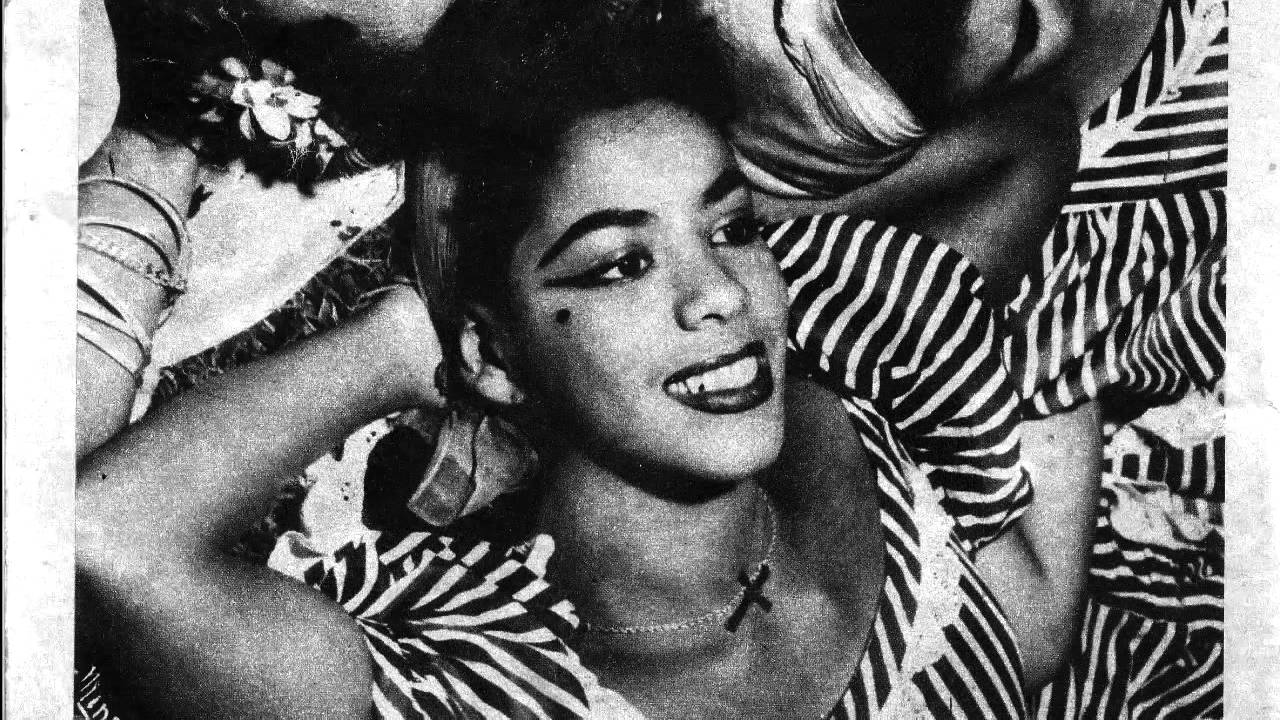
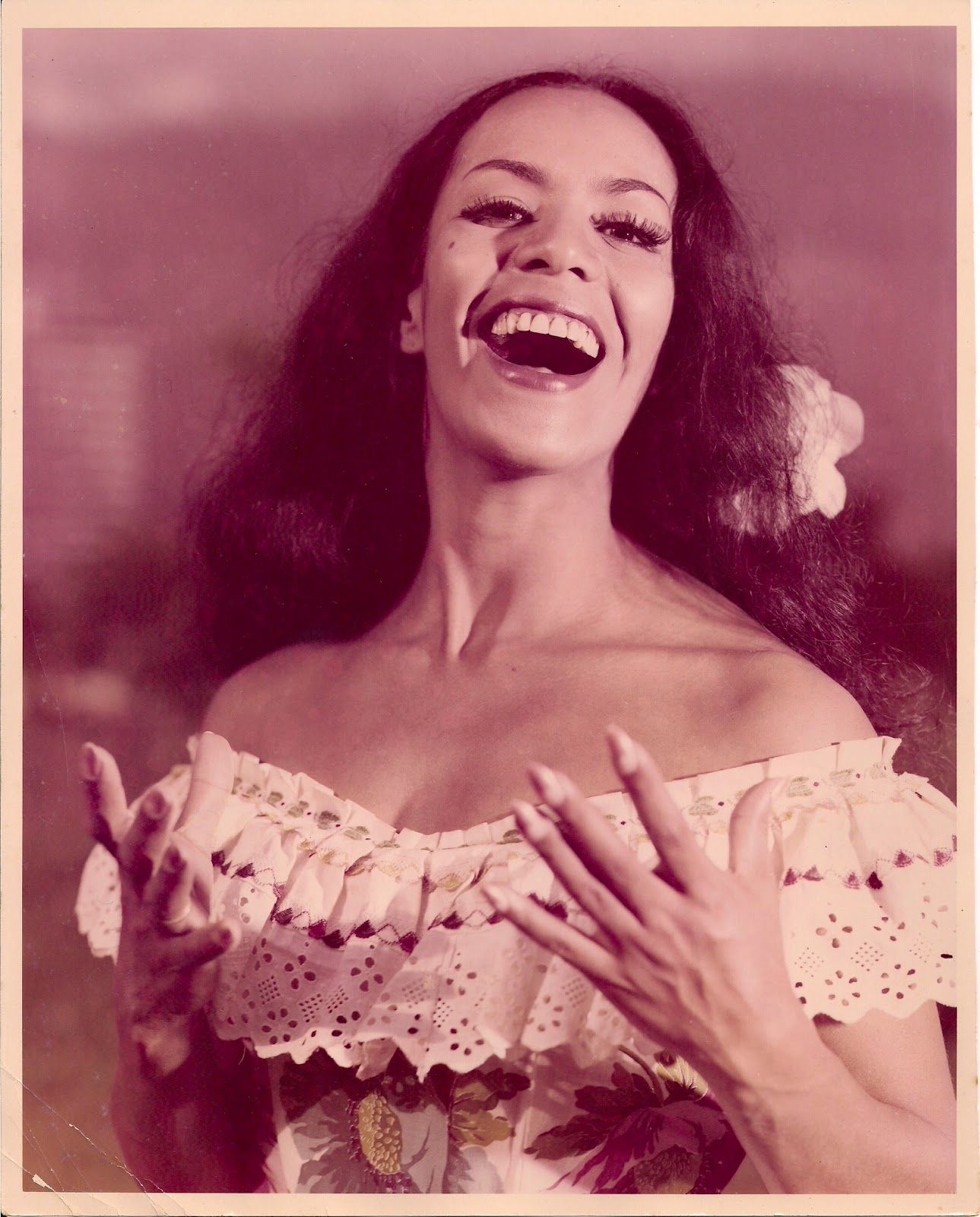
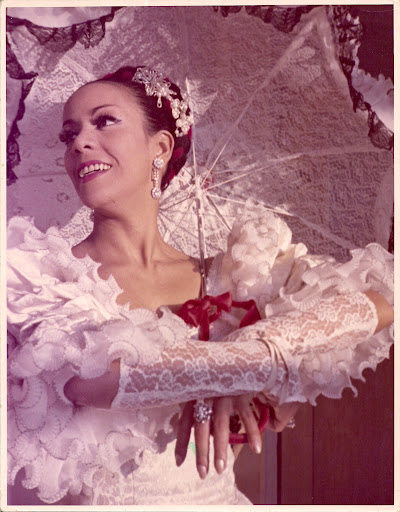
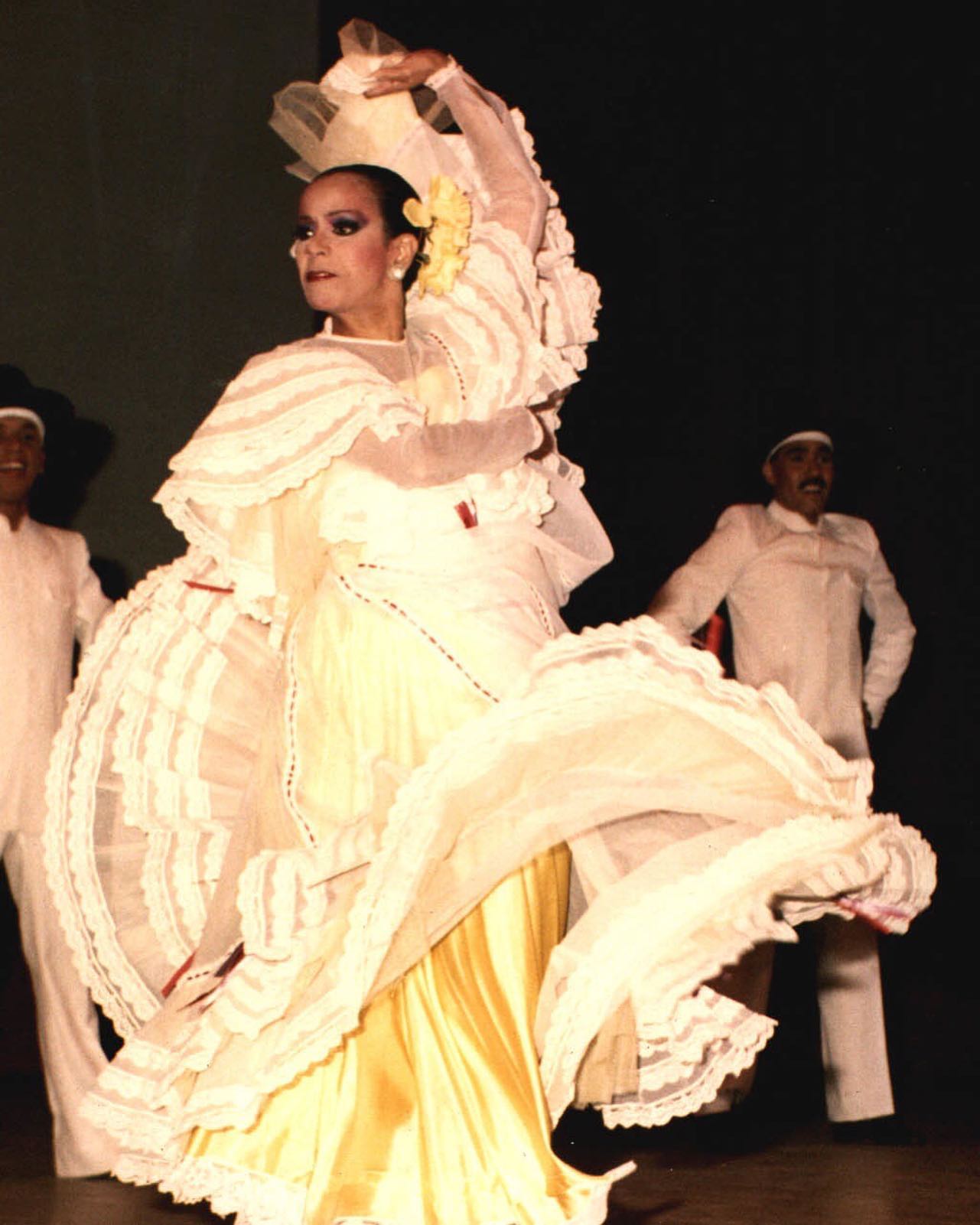
Yolanda Moreno “the People’s Dancer”

Venezuela has been a Caribbean and South American country that has always shown artistic tendencies among its inhabitants. Dance is no exception here, and one of the great representatives of typical Venezuelan dance is Sixta Yolanda Moreno de Rodríguez, better known as Yolanda Moreno the People’s Dancer” In this article we will talk more about her, keep reading.

The beginnings of Yolanda Moreno’s Career

This great Venezuelan dancer was born on August 6, 1936, in El Guarataro neighborhood of San Juan parish, in Caracas. Her parents named her Sixta Yolanda, a fact that few know unless her life is investigated, but she considered that Yolanda was easier to say and pronounce.

She grew up in a low-income family, but that didn’t stop her from pursuing her passion for singing and dancing. At the age of 13, she joined as a chorister in the musical group “Retablo de Maravillas” created by the Ministry of Labor. In this group she demonstrated her talent for music and a wonderful voice, in addition to fulfilling a childhood dream: «As a child I wanted to be a flamenco singer, I listened to the «Gitana de Color». With this group she met her first mentor, the Austrian dancer Margarita Brenner.

During this stage Yolanda met the one who will be the love of her life, her husband Manuel Rodríguez Cárdenas. To whom she also thanks all the support he has given her throughout her career, to the point of assuring that she would not be the dancer and woman she is today without his total trust and company. Although their relationship was a surprise since the marriage took place when she was only 16 years old.

The foundation of “Danzas Venezuela”

Another of her great achievements with her husband Manuel, is the founding of the group “Danzas Venezuela” in 1962. With it Yolanda manages to modernize the dance and folklore of the country, by changing the image of the dancers with very wide skirts and hair collected, that way they look more refined; she also changed the footwear to give more force to the zapateado.

Although at first these changes were not well received, Moreno with her husband achieved public acceptance, and also captivated the international public. Among the places they managed to visit are: China, Japan, Korea, Hawaii, San Francisco, Washington, New York, Canada, the Soviet Union and Latin America, from Mexico to Argentina. One of her special places was Puerto Rico, where she was given her nickname: “La Bailarina del Pueblo” (the People’s Dancer).

She also has great memories of China, especially when she was amazed by the respect for elders and the large number of artistic expressions that exist in this country. «Dance is a permanent job, very pleasant. I work until I am asleep. I got used to hard work, although it hurt, I danced» her words sum up her love for dance and art.

And Yolanda Moreno’s retirement came

Despite the fact that she will always be “The dancer of the Venezuelan people”, Yolanda has accepted that her days on stage are over, this of course does not mean that she won’t continue directing dancers and giving her advice with contributions in choreography. But Yolanda no longer actively follows her career, her big farewell was in 2008 with two performances at the Casa del Artista.

Of course, she has had special appearances like the one she presented in the posthumous tribute to Joaquín Riviera, which was part of the pre-opening of Miss Venezuela 2013. There have been other special events, but none as splendidly as the golden years of his career.

It is more than understandable that Moreno would withdraw from it, at 86 years old she is a woman who since she was a child has given everything to the art and folklore of her country. She also had to bravely face the farewell of her husband Manuel, which occurred in 1991 accompanied by her two sons Manuel Rodrigo and Fernán. It only remains to hope to be able to enjoy a few more years of her great ideas for the preservation, as well as modernization, of the typical dance of Venezuela.

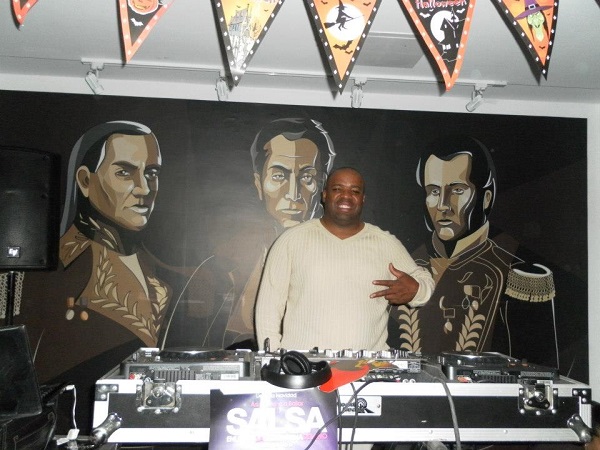
International Salsa Magazine presents “El Cangri de la Salsa” Dj. Caramelo after triumphing in Lima Peru

On October 2, 1974, Jesús Rafael Torres Caldea, nicknamed “El Cangri de la Salsa” and also known as “El Caramelo de la Salsa”, was born in the populous parish of El Cementerio, son of Candelario Torres, the popular “Robinson” and Doña María de Jesús Caldea, In addition to his biological parents, life also gave him two foster parents who gave him all the love, affection and values, they were Emilio Torres, younger brother of the percussionist musician and Orchestra Director Lisandro Torres, and his wife Alicia Castillo.

Since his childhood he felt great interest in Salsa music and with the help of his childhood friend Oscar Madrid Colina “NENE” they began to buy his first vinyl records without realizing that from that moment on he would begin his career as a collector, musicalizer and producer of events, being today recognized as one of the best music lovers in Caracas and Venezuela.

Dj. Caramelo
Dj. Caramelo

Although he was raised in the parish of El Cementerio, part of his youth was spent in the Marín neighborhood of San Agustín in the home of the Pino and Palacios families, where he was influenced even more by this tasty musical genre.

He rubbed shoulders with other excellent musicians such as Augusto Felibertt, Alfredo Lozada from whom he learned many things and also with Ivan Piñero, Jonathan Castillo and Ivan Walcott among others.

He ventured as a producer of events with Alejandro Tovar and Betty Zapata, whom he baptized as “The True Lady of Salsa” nothing more and nothing less than with the presentation of Ray De La Paz at the Lido Center in Caracas.

Dj. Caramelo y Dj. Augusto

Among the places where he had the opportunity to provide the best of the artillery of his musical collection for music lovers and dancers we can name the Gran Salón Cedro Líbano (La Mezquita), JABEGUERO, La Pachanga among others, reaching his musicality to events where prominent artists such as Herman Olivera, Tito Allen, BAILATINO have participated and also had the honor of being the official musicalizer in the debut of the great Venezuelan orchestra Rumberos del Callejón.

Caramelo was one of the founders of the Online Program via Facebook “Bloque de Salseros de la Mata” which is transmitted every Sunday by the hand of the Master of Masters Mr. Ali Delgado with Junior Villasmil and Alfredo Lozada.

“El Cangri de la Salsa“

Among his favorite artists and orchestras we can mention the Great Carlos “Cano” Estremera, the Bobby Valentin Orchestra, the Willie Rosario Orchestra and the Yambó Orchestra among others; He is currently living in Lima, Peru but has plans to return to Venezuela very soon, to return to the arena of musicalization and production of events again and already has an excellent proposal to participate as a musicalizer in an event where an international artist will participate later this year, from Salseros de la Mata we wish our pana Caramelo a happy birthday and the greatest of success and happy return to his homeland Venezuela.

You can read: The owner of the Soneo’s solo career Cano Estremera

Dj. Caramelo

Duo: Yiyo Sarante and Fefita La Grande In Concert

The perfect union of Salsa and Typical Merengue in a night to remember

An evening full of emotions will be lived next Saturday, November 12th at the Masal Deluxe facilities (Küchgarten 21 Küchgarten 21 21073 Hamburg, Germany) with the presentations of the exponent of Salsa Yiyo Sarante and Merenguera Fefita La Grande starting at 9 PM to 5 AM accompanied by DJ Cesar (Hamburg), DJ Miguelin Beatz (Berlin), and DJ Sonrisa (Frankfurt) mixing the best of tropical music. Tickets range from €60 (General) to €120 (Platinum VIP).

Yiyo Sarante debuted as a solo artist in 2010

Eduardo Sarante whose artistic pseudonym is “Yiyo Sarante” exponent of hits like Pirata, Maldita Primavera, Tierra Mala, Nos engañó a los dos and Tres semanas, was born in Baní “La Capital del Sur”, the most important city in the province of Peravia in the Dominican Republic.

He comes from a musical family, the seventh son of nine brothers, five musicians and singers. In 1999 Yiyo performed in Bávaro (Punta Cana, Dominican Republic), and four years later he was a member of the Oro Duro orchestra led by his brother Julián Sarante.

In 2011 Yiyo obtained international recognition thanks to the support obtained from radio stations in the state of Florida and the East Coast of the United States for the single Maldita Primavera from his EP titled Single launched in 2103.

During that same year, Sarante made his first tour outside his native country, taking him to step on the different stages of some Caribbean countries such as the Virgin Islands, Aruba, and Saint Martin.

Yiyo Sarante’s discography https://www.facebook.com/yiyosarante extends from his albums Lo Nuevo de Yiyo Sarante (EP-2013), La Voz de la Salsa (2015), La Voz de la Salsa. Vol 2 (2019), Clásicos (2019) to his most recent singles released this year Quiero Perderme Contigo, Llorarás, Eres Pasado, Demonio, and Prohíbeme Verte.

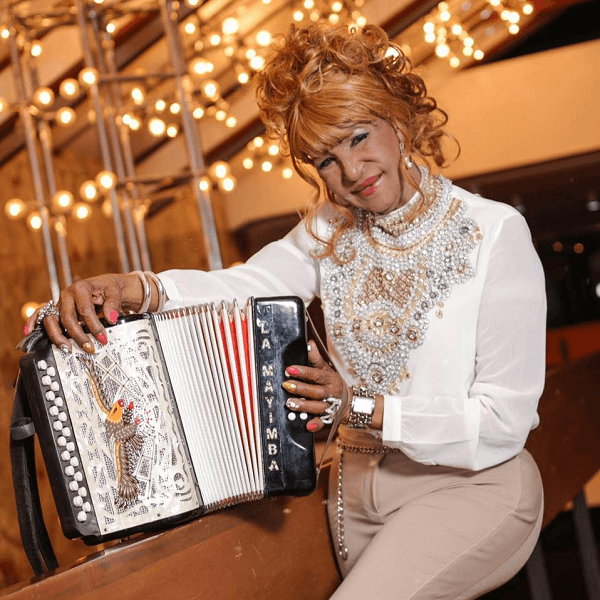
Fefita La Grande is also known as La Vieja Fefa and La Mayimba

On the other hand, the singer, composer, and extraordinaire accordionist, Fefita La Grande (Manuela Josefa Cabrera Taveras) during the last four decades has been an icon of the Dominican Merengue Típico.

This representative of the main musical genre of the Dominican Republic was born on September 18th, 1944, in the municipality of San José de Ocoa. Her father was Eliseo “Seito” Cabrera, an accordionist and owner of a musical instrument repair shop.

Her incursion into the artistic world at a professional level was in 1976 with her first LP Si quiere venir que venga, obtaining great acceptance by the public due to the incorporation of the Saxophone, Congas, and Electric Bass in her melodies when until now there had only been groups of Merengue with traditional instruments: Accordion, Güiro, and Tamboril.

With this new variant of Merengue and with a musical environment dominated by men, Fefita became the first woman to transcend borders and travel to Europe to present this new and authentic style of the Caribbean, in addition to taking her performance to different countries of Latin America thus defining the path for the new generations of Dominican women dedicated to music.

Throughout her artistic career, the performer of La Chiflera (1999), has received various distinctions and has played at Yankee Stadium (New York) with Romeo Santos, and her popularity has led her to participate in major film productions in her country native as Nueba Yol 3: Bajo la nueva ley (1997), Perico Ripiao (2003), and Ponchao (2013) among others.

In 2017, she made the single La Pimienta Es La Que Pica in collaboration with Milly Quezada and Maridalia Hernández, obtaining great support from her followers.

Fefita La Grande https://www.facebook.com/viejafefard has recorded more than 200 songs and her repertoire of greatest hits includes Vamo’ a hablar inglés, O te menea o te apea. Her latest production is La Ciudad Corazón launched in 2021.

Directory of Salsa Clubs in North America

Here you will find the directories of Clubs with Salsa events in North America.

CALIFORNIA

Alameda

Yoshi’s Trilliant Studios LLC Salsa With Juan
Just Dance Ballroom Zanzi Oakland La Peña Cultural Center
The UC Theatre Taube Family Music Hall

Contra Costa

Vinnie’s Bar & Grill Sizzling Latin Dance Studio Rhythm and Flo
Allegro Ballroom and club Gaucho Brazilian Steakhouse & Nightclub Retro Junkie
Tip Top Ballroom

Los Angeles

The Granada LA  Steven’s Steak House   Room 2 Dance
ArtBox Studio By CrystalArts En Pointe Dance & Fitness PCH Club
The Mayan El Floridita Restaurant ViBE – dance studio & creative space
Ballet Hollywood MNR Dance Factory Soho Dance LA
VLounge Bar And Night Club La Clave Salsa Club Quiet Cannon
Black ‘N Blue The Victorian Ocean Towers
State Social House
Marin Salinas Seaside
Sausalito Seahorse Dance Arts Jeanne Robinson Deja Blue Soul Food Restaurant & Club

Orange

Sevilla Nightclub of Costa Mesa Club One Studio OC Salsa with Esteban Conde
Spectrum Dance Center LINE-X of South Coast

Riverside Craft Brewing Company

Sacramento Cantina Azteca Eagles Hall Aerie 9FOE

San Bernardino

The Canyon Salsa Cumbia & Bachata RhythmAddict Dance Studio Cosmos Taverna

San Diego

McCann Dance Sevilla Nightclub of San Diego
Tango Del Rey Queen Bee’s Art and Cultural Center

San Francisco

El Valenciano The Cigar Bar & Grill Space 550
Roccapulco Verdi Club Rockwell
DecoDance Bar Kimbara 1015 Folsom
Skylark Bar Bar Fluxus

San Mateo Motion Arts Center

Santa Barbara Leslie Sack Dance Studio

Santa Clara

Charley’s Bar LG Alberto’s Night Club Cascal Restaurant
Stone Stew 1 San Jose Center for the Performing Arts Aura Kitchen + Bar
Dance Boulevard Starlite Ballroom Studio M Ballroom Club

Ventura Studio M Ballroom Club

New York

The Bronx Havana Café

New York

Copacabana Nightclub Gonzalez y Gonzalez Birdland Jazz Club

Queens Nieves Latin Dance Studio

Chicago Vintage Bar

Las Vegas, Nevada Hard Rock Café

Worcester County Palladium

Fairfield County La Vista Bistro

Pinellas County Acropolis Greek Taverna – St. Petersburg

Houston Texas Sable Gate Winery

  • « Go to Previous Page
  • Page 1
  • Interim pages omitted …
  • Page 209
  • Page 210
  • Page 211
  • Page 212
  • Page 213
  • Interim pages omitted …
  • Page 246
  • Go to Next Page »

International Salsa Magazine (ISM) is a monthly publication about Salsa activities around the world, that has been publishing since 2007. It is a world network of volunteers coordinated by ISM Magazine. We are working to strengthen all the events by working together.