• Skip to primary navigation
  • Skip to main content

International Salsa Magazine

  • HOME
  • Previous editions
    • 2026
      • ISM / April 2026
      • ISM / March 2026
      • ISM / February 2026
      • ISM / January 2026
    • 2025
      • ISM / December 2025
      • ISM / November 2025
      • ISM / October 2025
      • ISM / September 2025
      • ISM / August 2025
      • ISM / July 2025
      • ISM / June 2025
      • ISM / May2025
      • ISM / April 2025
      • ISM / March 2025
      • ISM / February 2025
      • ISM / January 2025
    • 2024
      • ISM / December 2024
      • ISM / November 2024
      • ISM / October 2024
      • ISM / September 2024
      • ISM / August 2024
      • ISM / July 2024
      • ISM / June 2024
      • ISM / May 2024
      • ISM / April 2024
      • ISM / March 2024
      • ISM / February 2024
      • ISM / January 2024
    • 2023
      • ISM / December 2023
      • ISM / November 2023
      • ISM / October 2023
      • ISM – September 2023
      • ISM – August 2023
      • ISM July 2023
      • ISM Edition June 2023
      • ISM – May 2023
      • ISM April 2023
      • ISM March 2023
      • ISM February 2023
      • ISM January 2023
    • 2022
      • ISM December 2022
      • ISM November 2022
      • ISM October 2022
      • ISM September 2022
      • ISM August 2022
      • ISM July 2022
      • ISM June 2022
      • ISM May 2022
      • ISM February 2022
      • ISM January 2022
    • 2021
      • ISM December 2021
      • ISM November 2021
      • ISM October – 2021
      • ISM September 2021
      • ISM August 2021
      • ISM July 2021
      • ISM May 2021
      • ISM April 2021
      • ISM June 2021
      • ISM March 2021
      • ISM February 2021
      • ISM January 2021
    • 2020
      • ISM December 2020
      • ISM November 2020
      • ISM October 2020
      • ISM September 2020
      • ISM August 2020
      • ISM July 2020
      • ISM June 2020
      • ISM May 2020
      • ISM April 2020
      • ISM March 2020
      • ISM February 2020
      • ISM January 2020
    • 2019
      • ISM December 2019
      • ISM November 2019
      • ISM October 2019
      • ISM Septembre 2019
      • ISM August 2019
      • ISM July 2019
      • ISM June 2019
  • Spanish
  • Download Salsa App
    • Android
    • Apple

Search Results for: Latin genres

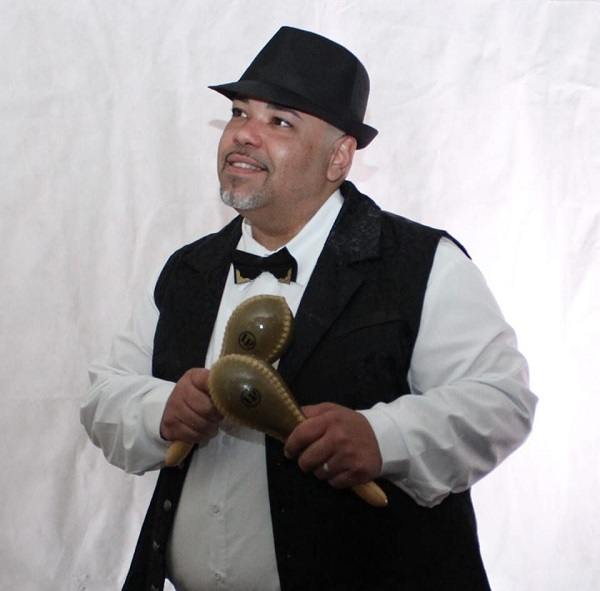
Son Del Monte’s musical director and timbalero Manuel Rivera

Who is ”Manny”

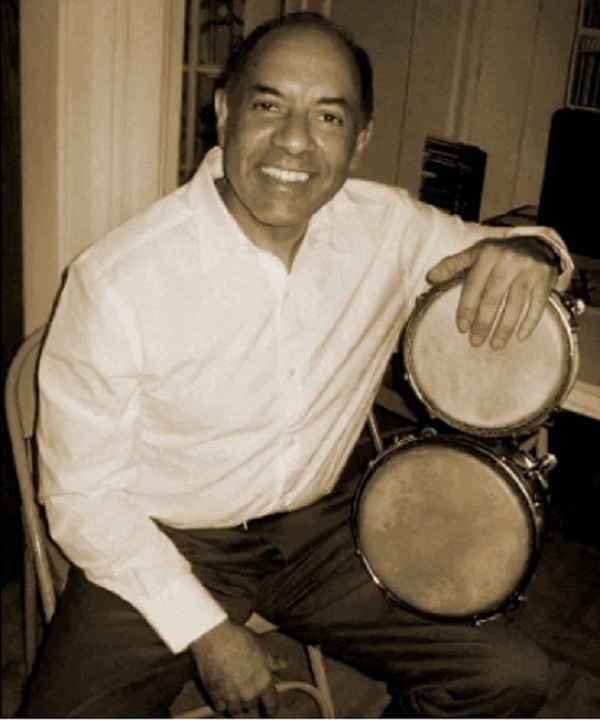
Manuel ”Manny” Rivera is the musical director and timbalero of the Son Del Monte Orchestra. We had the great opportunity to have a friendly conversation with him to know in detail his beginnings, career, groups, role as musical director, among other things.

Manuel ''Manny'' Rivera tells us his interesting story
Manuel ”Manny” Rivera tells us his interesting story

Time in the Yambú Orchestra

After apologizing for his deficits in the Spanish language, he continued by thanking us for the opportunity to tell his story and describe his time in the Yambú Orchestra, which was the first group in which he could start developing his talents in the 70’s. ”what we wanted to do at that time was make a mix between jazz with typical music because the pianist, who was of African descent, was who wrote the music with musical director and bassist Ramón Rodríguez”. It is presumed that the pianist focused a lot on these genres because of his roots, but his colleagues were fine with it.

Although he loved jazz, Manuel began to notice that it was not very danceable for the audience, which is what caused him to become interested in charanga, a genre that was already very famous in New York City in those years. That’s how he decided to immerse himself in this set of rhythms because he liked to see people go to the dance floor and enjoy themselves.

He also liked Yambú’s style a lot, but felt he had to take a more accurate path for what he was feeling at the time.
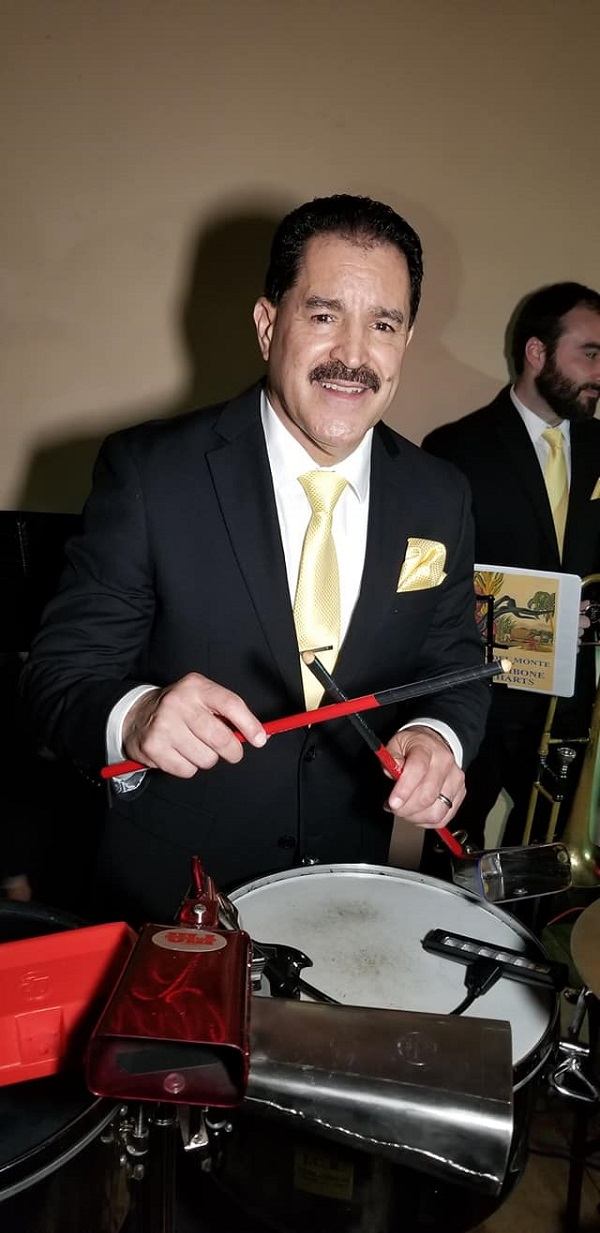
Manuel Rivera performing on stage

Similarities of Son Del Monte with other jazz big bands and members

I was a bongo player, but I started playing timbales because they are widely used in charanga. What I was looking for was to do a similar thing to what Eddie Palmieri did with La Perfecta, who used trombones and a flute mixed with timbales to achieve a charanga sound” said Rivera on this subject. He also added that ”I also wanted to avoid monotony of charanga so I also started using trombones, violin and a flute. This is what I have baptized as chajunto, a mixture of charanga with the characteristics of an ensemble (conjunto in Spanish) ”.

He also pointed out that New York does not have an orchestra like his because he did not want to do the same thing that all groups of this kind do, but something different and novel. ”Son Del Monte is charanga with something more for the people, not only violin and flutes,” said the artist. ”I have three singers with three different styles and they are Puerto Rican Luis Ayala, Colombian Armando Son Giménez and Puerto Rican-Dominican Luisito Soto Junior,” he added.

The Son Del Monte Orchestra also features from the talent of flutist Mauricio Smith Junior, violinist Erick Salazar, trombonist Juanga Lakunza, trombonist Charlie García, bassist Bert Castro, conguero Joe González, pianist Andy Colón, among others. This is the group that has stuck by his side for more than six years in spite of the storms and they always perform together.
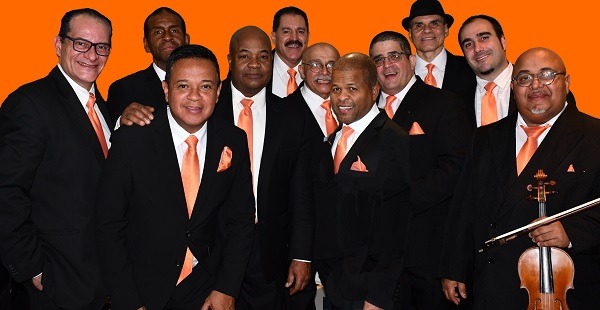
All members of the Son Del Monte Orchestra

Opinion on the academic training of musicians

Rivera was one of the best students at Harbor’s Conservatory of Music in Manhattan, New York and he thinks that institution had done so mucho good for folk music because of all the talent that graduated there. After studying there, he began to read percussion music and learned to play batá, tumbadora, Colombian rumba, guaguancó, yambú, and so on.

The musician stresses the importance of studying, as this knowledge helps to understand the clave, the moment to start playing an instrument, the chime, the reading of music, discipline and many more. Before this, Manuel played led by the spirit and sensations, but his teachers at the conservatory taught him to have the technical tools necessary for being even more professional.

What is more important, experience or studies?

”Definitely experience. I have seen many great artists learn to read music without going to a conservatory and a great example of that is Roberto Roena, who did not need that learning to be who he was. However, that is something that not everyone can do” said Manuel. I can also mention the case of Tito Rodriguez who was not a musician guided by the lyrics, but he knew very well what he wanted. These are some of the many examples of privileged artists who only needed accumulated experience to achieve wonders with their work”.

However, this does not mean studies are not important, as they can teach things that can be useful later on and under some circumstances.
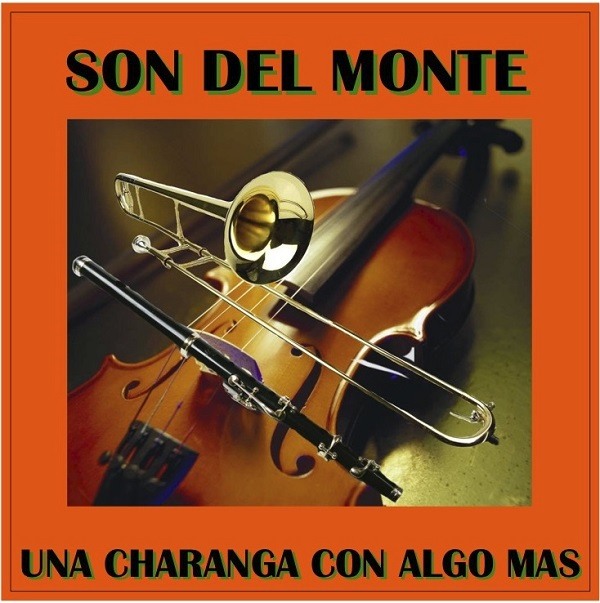
Front cover of the Son Del Monte Orchestra's album ''Una Charanga Con Algo Más''
Front cover of the Son Del Monte Orchestra’s album ”Una Charanga Con Algo Más”

Covid-19

”The pandemic did not let us do anything on stage. The guys went to the studio from time to time or we met virtually, as we do now. It was so sad because there are many venues that have failed to open their doors again. Since the pandemic started, we have not seen as much activity in New York as it used to be before” expressed the artist sadly.

Also of concern to the musical director of the Son Del Monte Orchestra is that this situation has put many musicians out of work, at least in the industry. Active musical groups have very few members in the vast majority of the cases, contrary to his and the orchestra he conducts. He hopes that it will improve with time.

Read also: Founder of the Son Latino de Orlando Orchestra Carlos Rodríguez

Salsa singer Angel Rumba and what he has to say

Interview with Angel Rumba

Angel Manuel Ramos Sanchez, better known as Angel Rumba, is a New York singer of Puerto Rican descent with whom we had the great opportunity to talk about several issues of importance such as the beginning of his career with Pancho Bongó Y Su Orquesta, his debut as a soloist, the meaning behind his lyrics, among other things. It is a pleasure for us to have talked with this Latin talent and to bring the story to all our readers of International Salsa Magazine.

Angel Rumba tells us his story

His beginnings

Ramos Sanchez was born in New York City in the 1980s, when there was a well-established salsa movement in New York City and the United States in general. Evidently, little Angel could not be left out of this trend, especially if we take into account that through his veins ran Latin blood.

In addition, his father was a singer, musician and guitarist, so he always listened to salsa, merengue, bolero and other genres at home. It was at the age of seven when he started playing güiro, bongo and conga due to the curiosity generated by his father’s work, who spent a lot of time teaching his son to play as many instruments as possible.

In 1992 when Angel was 12 years old, he started playing with an orchestra called Projecto 3 in the city of Allentown, which represented his first opportunity to be on stage and show his face to an audience waiting to see what he could offer. It could be said that this was the beginning of what would become his life’s work.

Moving to California and Pennsylvania

Given that Angel’s father was a truck driver, the family had to move around a lot until 2003, the year in which he moved to Puerto Rico and lived there for three years. In 2006, he moved permanently to Pennsylvania, where he has been living until today.

Angel Rumba performing on stage

Release as a solo artist

When asked about his release as a solo artist, Angel stated that ”my beginnings were with merengue, but salsa always fascinated me because I really liked soneros such as Ismael Rivera, Gilberto Santa Rosa, El Canario and many more. I saw them improvising on stage and I always wanted to do the same.”

In 2014, he was given the chance to belong to the group Pancho Bongó Y Su Orquesta, which he was a member of for more than seven years until he wanted to make his own project in 2020. He felt he had the experience and took all the necessary stages to get to that point. In addition to that, being subject to command of a musical director greatly limits the creativity of the artists and the New Yorker singer no longer felt comfortable with what he was doing at that time.

The singer is also a composer and was not allowed to play his own music with the orchestra, which also led him to seek new horizons and, in turn, record his first solo track.

While acknowledging that this was no easy decision, he says that he has no regrets about it and all that he has been given from then until now has been a blessing for him and his family.

Obstacles during his solo career

On this subject, he confessed that many of his orchestra fellows were not happy with his decision to leave the group and he even felt that certain figures tried to put obstacles in his way so that he would not succeed in the way he wanted to. This is one of the reasons why he prefers not to show so much about his work and future projects to the public to avoid problems.

Angel Rumba in a photo shoot

”Mi sentimiento En Rumba”

The process of making this album was not easy, since the artist had to knock on many doors until making contact with Rafael Lozano, who arranged the first song ”Sin Un Amor”. This was a cover of a song by Los Panchos, so we can say that it is a tribute to the group in a totally different genre.

We went looking for musicians from several countries to work with u among whom was Angel Guzman, who plays trombone, baritone, saxophone, trumpet and many more. He also told us about sound engineer José Guerrero, who makes the mixing and mastering of the songs.

The album includes six songs composed by Angel himself and three that were adapted such as ”Perfidia” in a bolero version as a gift for fans of musical trios.

In total, the whole project has two merengues, two boleros and the rest are salsa songs.

Angel Rumba's last album ‘’Mi Sentimiento En Rumba’’
Angel Rumba’s last album ‘’Mi Sentimiento En Rumba’’

Salsa in a market dominated by trap and reggaeton

”Every genre has its audience and every artist has his fans” was what the singer answered when asked about the challenges facing a salsa singer in these times. With this, he shows that it does not bother him in the least that there are more popular genres than salsa and that every artist could have a strong fan base without this meaning involving damage to another one. He says that he will continue to create music with his favorite rhythms in spite of passing trends.

One thing he did emphasize is that there should be more artists who focus on writing and creating original music instead of doing so many covers. A lot of creativity is needed.

The importance of continuing to promote romantic love in the lyrics

The salsa exponent says that it is very important that music continues to promote romantic love and bring positive messages because unfortunately there are many genres focused on negative stuff such as disrespect for women, drugs, violence and much more. The salsa singer seeks to make his contribution to creating a better society in these hard times.

”The lyrics of the songs have always influenced society because their meanings anchor in the minds and the message endures” said Angel about this issue.

Read also: Are we really what we listen to?

Winterthur receives the Bachata Fusion Festival

Latin rhythms reach corners of Europe every day where it would never have been thought that these genres could be heard, much less danced. In this case, we have that Bachata is reaching unthinkable borders such as Switzerland, which is why the next Bachata Fusion Festival 2023 Carnival Edition will take place in the city of Winterthur in the Zurich region, during February. Know the details in the following lines.

Bachata Fusion Festival 2023 Carnival Edition in February

Young love couple dancing social danse kizomba or bachata

This festival is a continuation of the one that took place in November, a way to close Winter and begin Spring. It was the first festival dedicated exclusively to bachata, which was organized in Switzerland in the entire dance history of this country. And after that mega success it had, there was no reason not to organize another soon.

This edition will be dedicated to Carnival, a festival that is traditionally celebrated during the month of February in the Caribbean and South American countries. And when it comes to Latin rhythms, Carnival is a perfect concept to show them. That is why the organizers decided to carry out the Fusion with this premise but as always with the central axis of bachata.

As in the previous edition, the Carnival one will feature the best international artists, who in turn will attract the best dancers from all over Europe and other borders. But there is no need to be a professional dancer to enjoy the complete package that this festival offers. If you like Latin rhythms and even want to learn to dance next to the best dancers, this is your cue.

Confirmed artists include:

  • Mark & Sarah
  • Carlos & Idaira
  • Magda & Valerie
  • Gaby & Stefi
  • Dario & Sarah
  • Anthony & Ivana
  • Marco & Paola
  • Sorush – Let’s play bachata
  • Tony & Ana
  • DJ York
  • DJ Husky
  • DJ Paul G

The organizers at GO&Dance have left the prices of the packages and everything they offer. Prices range from €65 to €240, with various discounts depending on the package, and the days of reservation, remember that the closer the date is, there will be fewer opportunities for discounts or promotions. But from this moment Winterthur awaits you with open arms.

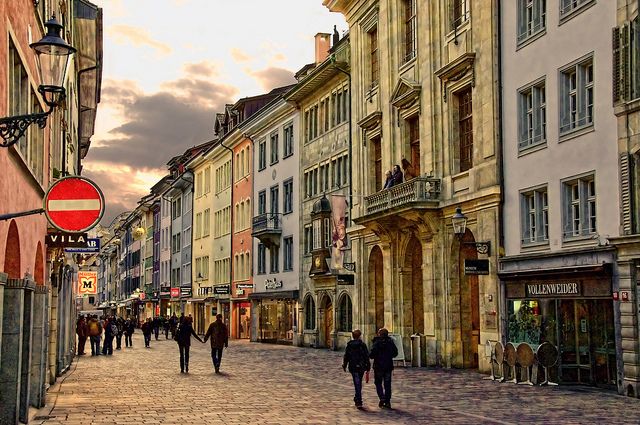
Winterthur, a historic city in the heart of Europe

Switzerland is a country located in the heart of Europe. It is very marked by its magnificent natural landscapes where the star is the central mountain range of the Alps. Its cities are must-see places on the continent, from Zurich, one of the most dynamic, to Winterthur, where culture takes center stage.

But there’s a lot to do in Winterthur while visiting for the festival. Just 30 minutes from Zurich, it has the largest continuous pedestrian zone in Europe, museums that house masterpieces of European art between the 14th and 20th centuries. Even presentations in the middle of the street, and a wide range of festivals since culture is the main thing in this city.

Despite not having the cosmopolitan air of many European cities, Winterthur has its own identity which makes it unique in the eyes of the visitor. And an excellent place to carry out the Bachata Fusion Festival 2023 Carnival Edition, this February will be a month highly anticipated by all.

La Gozadera in Barcelona will never be the same

Latin rhythms are very popular in Europe, Spain is not escaping this and one of its most cosmopolitan and original cities is enjoying the Latin party. In Barcelona you can enjoy the best Latin party “La Gozadera” every Thursday at La Fira Provença. There is a lot to do in this city but if you want to dance the night away to the best Latin rhythms, La Fira Provença is your place. Learn more in the following lines.

Barcelona is your city if you are looking for cosmopolitan and original environments

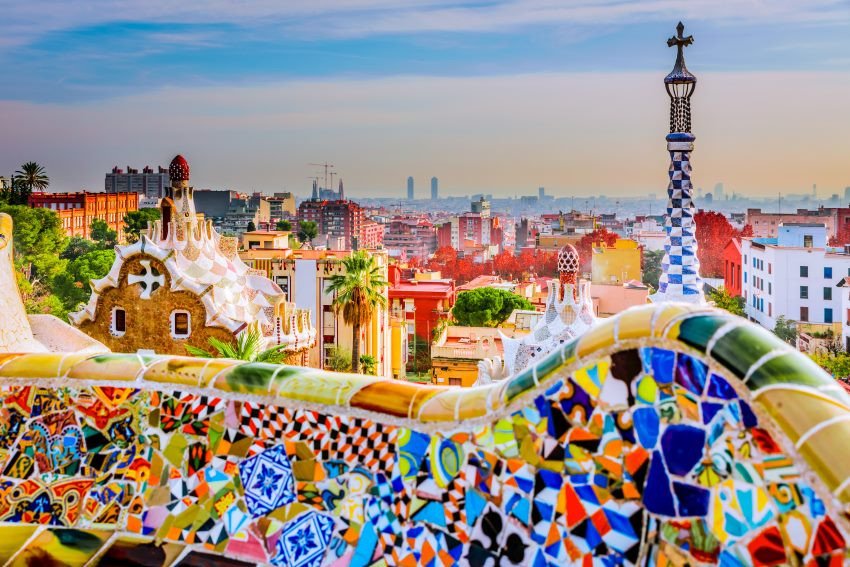
One of the most impressive cities in Spain is Barcelona, filled with a lot of art and creativity. It has become one of the cultural capitals of Europe, where in each street there is an artistic representation of different genres. It is a place that knows how to mix the new with the old, that is not afraid to show how its artists left their marks, and that attracts people for its tendencies.

Gaudí is one of those artists who left his artistic signature wherever he could, and one of those who gave the city the most fame. It is not strange to see the Gaudí touch in most of its buildings, but also the modernization that this fame has brought it. Visitors can easily enjoy the city life together with the flair of the Mediterranean coastwhich turns nights into an adventure.

Find La Gozadera in Barcelona Nights

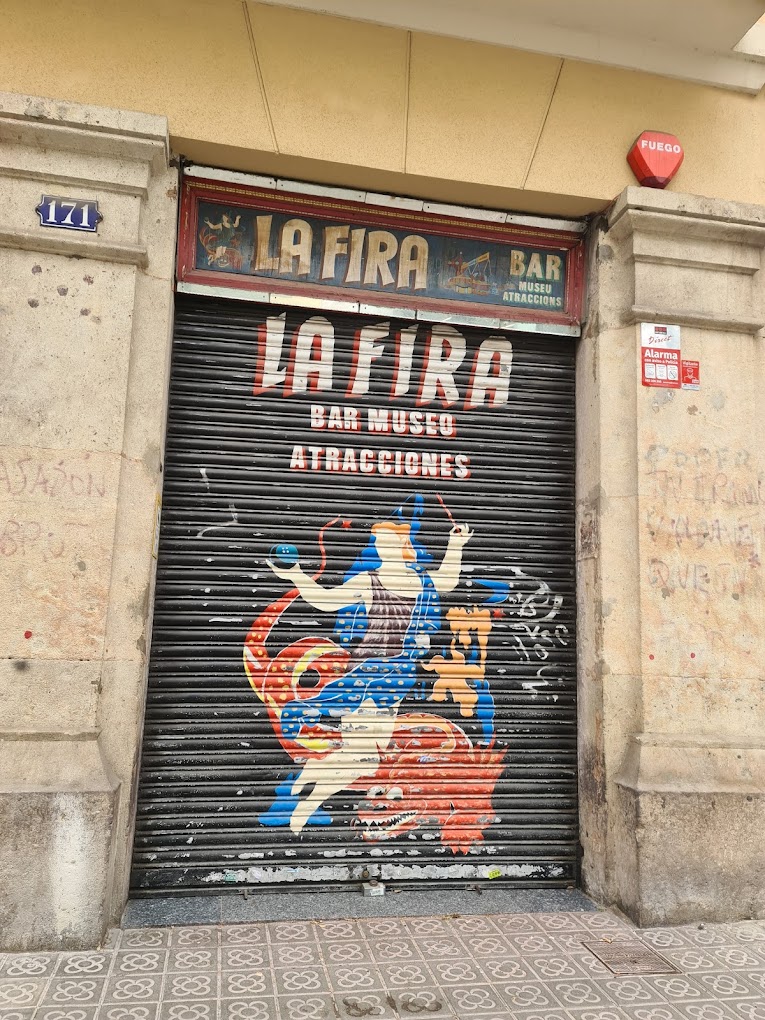
One of those adventures can be found in La Fira Provença, one of the most fashionable nightclubs in the city. La Fira translates to The Fair, and precisely the style of this place can be defined as a fair, since everything is very lively and exuberant. From the decoration of the premises that is governed by Feng Shui, which gives it a unique atmosphere, to what they offer in food and drinks, and of course the loyal public of La Fira.

Its location is highly exclusive on Carrer de Provença, one of the most elite areas of the city, which generates one of the most visited experiences in Barcelona. From sunset to midnight, it offers a great gastronomic service but at 12, the disco starts its Latin party.

It has become so popular that you can see great figures from Barcelona, Spain and even international celebrities in the VIP area. But the central day of this Latin party is Thursday with “La Gozadera”, a party organized by Barceloning, which starts at midnight and ends at 5am.

During those hours the best Latin music of the moment is presented with great hits from the past, some Thursdays there is live talent. But the best thing is that until 1am the entrance is completely free, so it is not strange to go through Carrer de Provença before midnight on Thursdays and observe a line to be able to enter to enjoy “La Gozadera”.

Barcelona offers a lot for all its inhabitants and visitors, but if it is about Latin rhythms, La Fira Provença is the best place for this. Its location, atmosphere, and service make it one of the best nightclubs in this Spanish city.

This is the story of Percussionist Joe González

Young Joseph

Joseph Gonzalez has been one of the greatest Latin percussion icons of our time and it is worth talking about his past and current accomplishments. He was born on March 12, 1953 in the San Juan Hill section of Manhattan and grew up in a mixture of cultures with Puerto Rican and Italian roots, which ensured that the young Joseph and the rest of his siblings were raised with the best of each.

Percussionist Joe González posing for the camera

According to the musician himself, his passion for music started in the 1950s when he listened to all kinds of genres and rhythms at home, which trained the young man almost without him realizing it. At home, his family used to enjoy the talent of Frank Santana, Machito, Jerry Vale, Tito Puente, Mario Lanza, among many other artists of the time. Upon hearing these names, one can already get an idea of what Gonzalez’s vocational training would be like in the future.

From a young age, he would liven up family parties by playing the conga. At the age of 15, the boy first became interested in music as something more than just a hobby to kill some time. The teenager gave signs that music would be a very important part of his life.

Already in the 1960s, Gonzalez had made his first long-playing record with Frankie Nieves, vocalist and neighbor of the artist who had set himself the goal of taking over the boogaloo world and become one of its greatest exponents. The album was called ”The Terrible Frankie Nieves”, was under the direction of producer Stan Lewis and contained all kinds of popular genres for those years such as R&B, guaracha, mambo and much more.

Joe González and Ray Santos

Self-taugh musician

Something very striking about this music is that he never attended an institute or school of arts, but learned everything by himself through the experience he gained in San Juan Hill, where the best Latin music orchestras were always heard and whose musicians lived and some even resided in Amsterdam Houses.

In 1971, he became  a member of the Ruben Betancourt’s orchestra, with whom he would play the group’s first LP entitled ”Orquesta Tentación” and published by the record label Mañana Records. A few years later, he married and soon he and his wife had their first daughter, to whom they gave the name Audrey Valentina. Around the same time, he separated from Rubénm stayed with ”Felix Morales & Orchestra Caprí” for two years and was part of ”Son De La Loma”, whose members were veteran musicians who taught Joe everything they knew.

Cover of the album ‘’62nd and 10th’’

During the 1980s, there was a dramatic decline in the Latin music scene, which caused Gonzalez to look for a regular job that could support his family and provide them with the the finaltial security they need. In those years, he partnered with jazzman Mario Bauzá and his orchestra, a group with which the percussionist finally achieved the level he was destined to get to.

He started making very important appearances in a lot of concerts with the Bauzá’s orchestra and recordings that would lead him to have access to many other opportunities on TV shows, film soundtracks, tours, awards, among many other things. This led him to be worthy of the Latin Grammy on several occasions and perform with stars such as Celia Cruz, Papo Vázquez, Arturo O’Farrill, Daniel Poce and many more.

His most recent album is entitled ”62nd to 10th”, which is absolutely dominated by Latin jazz and whose compositions are written by Gonzalez himself, except for one track. In this album, Joe Gonzalez once again demonstrates that he has not forgotten everything he has learned and is still as strong as ever.

Read also: Tribute to Larry Harlow about a year after his departure


By Johnny Cruz, ISM Correspondents, New York, New York City

  • « Go to Previous Page
  • Page 1
  • Interim pages omitted …
  • Page 42
  • Page 43
  • Page 44
  • Page 45
  • Page 46
  • Interim pages omitted …
  • Page 62
  • Go to Next Page »

International Salsa Magazine (ISM) is a monthly publication about Salsa activities around the world, that has been publishing since 2007. It is a world network of volunteers coordinated by ISM Magazine. We are working to strengthen all the events by working together.