• Skip to primary navigation
  • Skip to main content

International Salsa Magazine

  • HOME
  • Previous editions
    • 2026
      • ISM / March 2026
      • ISM / February 2026
      • ISM / January 2026
    • 2025
      • ISM / December 2025
      • ISM / November 2025
      • ISM / October 2025
      • ISM / September 2025
      • ISM / August 2025
      • ISM / July 2025
      • ISM / June 2025
      • ISM / May2025
      • ISM / April 2025
      • ISM / March 2025
      • ISM / February 2025
      • ISM / January 2025
    • 2024
      • ISM / December 2024
      • ISM / November 2024
      • ISM / October 2024
      • ISM / September 2024
      • ISM / August 2024
      • ISM / July 2024
      • ISM / June 2024
      • ISM / May 2024
      • ISM / April 2024
      • ISM / March 2024
      • ISM / February 2024
      • ISM / January 2024
    • 2023
      • ISM / December 2023
      • ISM / November 2023
      • ISM / October 2023
      • ISM – September 2023
      • ISM – August 2023
      • ISM July 2023
      • ISM Edition June 2023
      • ISM – May 2023
      • ISM April 2023
      • ISM March 2023
      • ISM February 2023
      • ISM January 2023
    • 2022
      • ISM December 2022
      • ISM November 2022
      • ISM October 2022
      • ISM September 2022
      • ISM August 2022
      • ISM July 2022
      • ISM June 2022
      • ISM May 2022
      • ISM February 2022
      • ISM January 2022
    • 2021
      • ISM December 2021
      • ISM November 2021
      • ISM October – 2021
      • ISM September 2021
      • ISM August 2021
      • ISM July 2021
      • ISM May 2021
      • ISM April 2021
      • ISM June 2021
      • ISM March 2021
      • ISM February 2021
      • ISM January 2021
    • 2020
      • ISM December 2020
      • ISM November 2020
      • ISM October 2020
      • ISM September 2020
      • ISM August 2020
      • ISM July 2020
      • ISM June 2020
      • ISM May 2020
      • ISM April 2020
      • ISM March 2020
      • ISM February 2020
      • ISM January 2020
    • 2019
      • ISM December 2019
      • ISM November 2019
      • ISM October 2019
      • ISM Septembre 2019
      • ISM August 2019
      • ISM July 2019
      • ISM June 2019
  • Download Salsa App
    • Android
    • Apple
  • Spanish

Search Results for: Latin

Tito Rodríguez The Unforgettable “Gentleman of Salsa”

A journey through the life and legacy of Pablo Rodríguez Lozada, the voice that defined an era between mambo and bolero.

Pablo Rodríguez Lozada, known worldwide as Tito Rodríguez, was born on January 4, 1923, in Santurce, Puerto Rico. From early childhood, young Tito displayed a natural affinity for Caribbean rhythms, organizing the ensemble Sexteto Nacional alongside his lifelong friend, Mariano Artau.
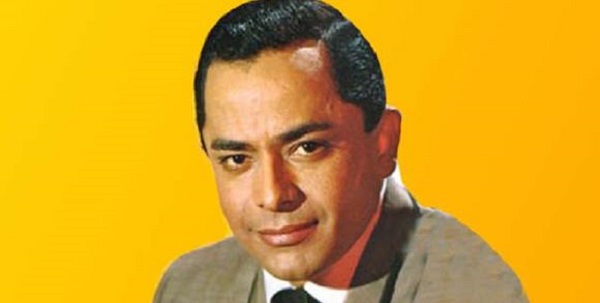
Pablo Rodríguez Lozada, conocido mundialmente como Tito Rodríguez

The Early Steps of a Prodigy

At the age of 13, his professional career began to take shape when he joined Conjunto Típico Ladí (also known as Conjunto de Industrias Nativas), led by Ladislao Martínez. Shortly after, he joined the Cuarteto Mayarí under the direction of Plácido Acevedo, where he played maracas and sang second vocals. Although this stint lasted only four months and left no studio recordings, it was fundamental to his musical development.

In 1939, at just 16 years old, Tito emigrated to New York City with hopes of carving out his own musical path. His first jobs in the Big Apple included collaborations with his brother Johnny Rodríguez’s orchestra and recordings with Cuarteto Marcano.

After passing through prestigious groups like Cuarteto Caney and the orchestras of Enric Madriguera and Xavier Cugat, he had to pause his rising career in 1945 to serve in the U.S. Army.
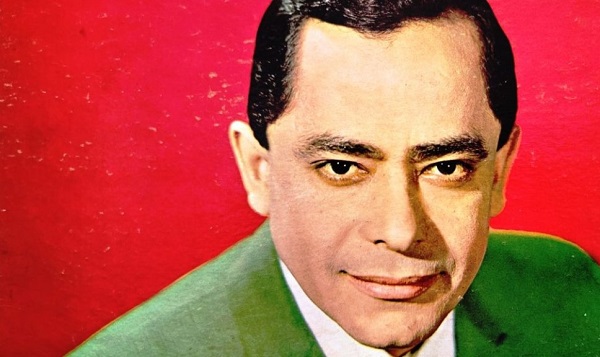
El legado de Tito Rodríguez es analizado este domingo en el Viejo San Juan. (Foto UA Latino)

The Rise of the “Mambo Devil”

Upon his discharge, Cuban pianist José Curbelo recruited him for his band. It was at the China Doll nightclub where Tito met Japanese-American chorus girl Takeku Kunimatsu (Tobi Kei), who would become his wife and lifelong partner.

In 1948, Tito founded his own group: the Mambo Devils. During the height of the mambo craze, Rodríguez entered into a legendary musical rivalry with Tito Puente and Machito’s orchestra.

Under the Tico Records label, he renamed his group Los Lobos del Mambo. Ever conscious of the importance of formal training, he enrolled in the Juilliard School of Music, where he studied percussion, vibraphone, and xylophone.
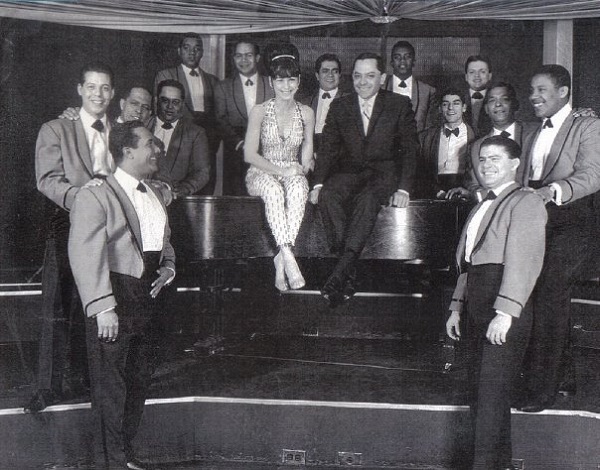
Un recorrido por la vida y el legado de Pablo Rodríguez Lozada, la voz que definió una era entre el mambo y el bolero

Reinvention: From Mambo to Bolero

In 1953, he signed with RCA Victor, formally establishing the name Tito Rodríguez and his Orchestra. Years later, in 1960, he achieved massive mainstream success with United Artists and the album Live at the Palladium.

However, in 1963, an artistic union dispute prevented him from performing with his usual musicians. Refusing to back down, he took on the challenge of radically shifting his style: he traded the frenzy of mambo for the intimacy of boleros accompanied by a string orchestra. The result was the album From Tito Rodríguez with Love, a commercial phenomenon that established him as an unparalleled romantic crooner.

Return to Puerto Rico and the Beginning of the End

After dissolving his orchestra in 1966 due to contractual issues, he returned to Puerto Rico to star in his own television program. However, nostalgia and his enduring passion brought him back to New York for the record Estoy como nunca.
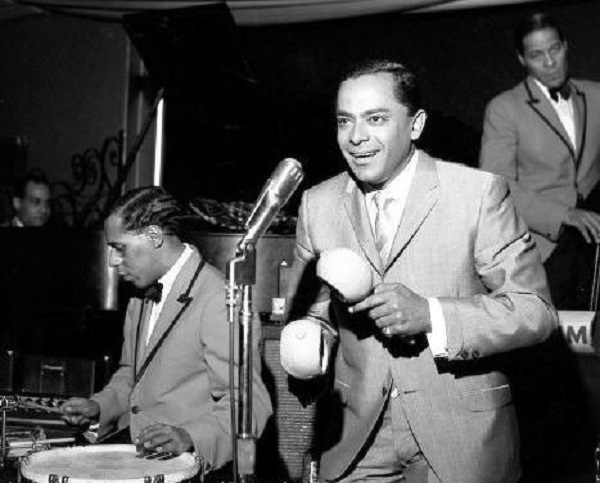
Tito Rodriguez era excelente tanto en guarachas como en boleros. Esto lo convirtió en uno de los artistas más versátiles de la época.

It was in 1967 when the first symptoms of leukemia appeared. Despite the diagnosis, Tito continued to work. In 1971, he founded his own label, TR Records, releasing the iconic album Inolvidable (Unforgettable).

A Final Farewell on Stage

In 1972, he celebrated 25 years in the industry with a show at the El Tumi club in Lima, Peru, alongside Lucho Macedo’s orchestra. This live recording would prove to be a premonition of his end.

Ignoring medical advice, he gave his final performance at Madison Square Garden on February 2, 1973, alongside Machito’s orchestra. During the show, his health failed, and he had to be hospitalized. Finally, on February 28, 1973, Tito Rodríguez passed away in New York in the arms of his wife.

Per the singer’s express wish, his remains were returned to Puerto Rico. At his funeral, legendary figures of the music world paid their respects, including his old rival, Tito Puente. Today, his ashes rest alongside those of his wife, while his voice continues to resonate as one of the most elegant and versatile pillars in the history of Latin music.

Also Read: Tito Rodríguez, Jr. “The Palladium legacy lives on”

ISM / February 2026

ISM Feb 2026 L ISM Feb 2026 R
SalsaApp Left SalsaApp Right
NA Feb 2026
LA Feb 2026
WU Feb 2026
AF Feb 2026
AS Feb 2026
OC Feb 2026
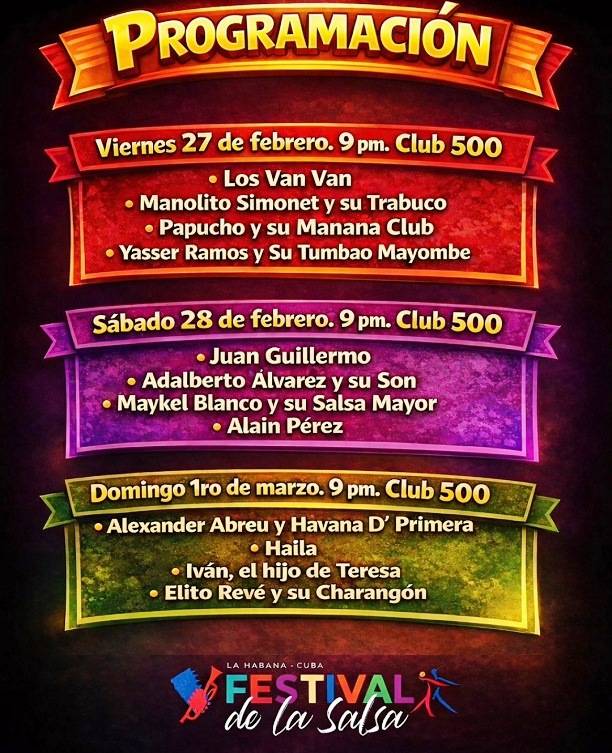
 Festival de la Salsa Cuba
Michael Joseph 02 2026

“We are the Real Latin music world network”

Letter to the Editor Joint our team

Chicago International Salsa Congress

North America / USA / Chicago

Mission of the Chicago International Salsa Congress

The mission of the Chicago International Salsa Congress is to unite cultures and generations, engender leadership through empowerment opportunities in its showcase and to keep alive the history of the many cultures collaboration in the creation and evolution of Latin and Afro-Caribbean music and dance.

Chicago International Salsa Congress

The Chicago International Salsa Congress is brought to you by a special group of dedicated individuals whose energy, skills, passion and perseverance unite to bring you the number one Latin Music and Dance event in the Midwest!

In 2002 they produced the first Chicago International Salsa Congress (CISC) now in its 14th year. The CISC fosters personal awareness, develops leadership, creativity and inspires highest performance by providing emerging artists an opportunity to learn from and perform with professional artists in the congress showcase.

Schedule: Chicago International Salsa Congress

Día Horario Actividad
Jueves 2/9/17 3:00 PM – 11:30 PM Onsite Registration opens
7:30 PM Rueda Summit
8:30 PM – 9:30 PM Opening Night! Meet & Greet the STARS of the 2017 CISC
9:30 PM – 10:30 PM Dance Showcase
10:30 PM – 3:00 AM CISC Concert Series featuring Carpacho y Su Super Combo!
Viernes 2/10/17 9:00 AM – 4:30 PM Onsite Registration
9:30 AM – 3:30 PM Workshops
4:00 PM – 5:30 PM Emerging Artist Showcase / Chicago Midwest Salsa & Bachata Open Competition (Elimination)
5:30 PM – 7:30 PM Youth Performance Challenge w/Natasha Silva
6:00 PM – 8:00 PM Kizomba Bootcamp with Philippe & Upa Danca
6:30 PM – 11:30 PM Onsite Registration
8:00 PM – 10:00 PM Dance Showcase
10:30 PM – 3:00 AM CISC Concert Series: Tromboranga / Bachata Ballroom / Kizomba Party!
Sábado 2/11/17 9:00 AM – 4:30 PM Onsite Registration
9:30 AM – 3:30 PM Workshops
4:00 PM – 5:30 PM Emerging Artist Showcase
5:30 PM – 7:30 PM Youth Performance Challenge w/Natasha Silva
6:30 PM – 11:30 PM Onsite Registration
8:00 PM – 10:00 PM Dance Showcase
10:30 PM – 3:00 AM CISC Concert Series: Jimmy Bosch with Yoko, La Japonesa Salsera! / Bachata & Kizomba
Domingo 2/12/17 9:00 AM – 4:30 PM Onsite Registration
9:30 AM – 3:30 PM Workshops
12:00 PM – 2:00 PM Youth Performance Challenge w/Natasha Silva
4:00 PM – 5:30 PM Emerging Artist Showcase / Chicago Midwest Salsa & Bachata Open (Finals)
6:30 PM – 11:30 PM Onsite Registration
8:00 PM – 10:00 PM Dance Showcase
10:30 PM – 3:00 AM CISC Concert Series: Herman Olivera with Nelson Gonzalez / Bachata & Kizomba
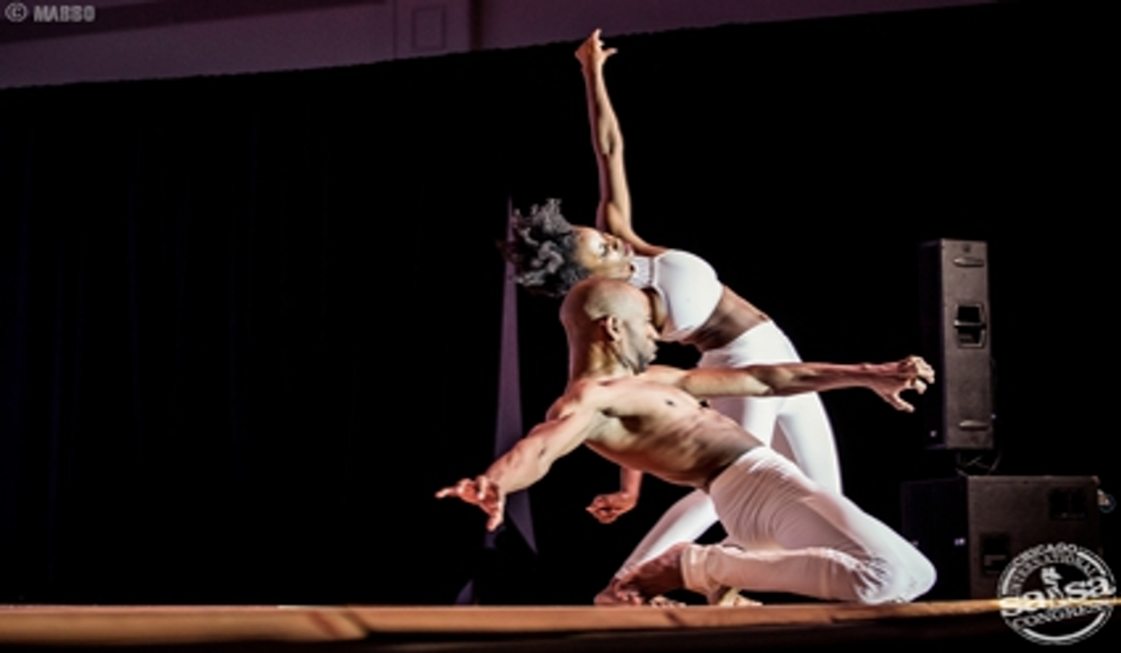
Photo 1: Chicago International Salsa Congress

INSTRUCTORS

Enjoy 3 days of over 70 workshops covering Beginner, Intermediate and Advanced levels of dance styles, movement and musicality. The instructors are from American and European continent to don’t stop dancing.

PERFORMERS

The CISC produces seven Dance Showcases to excite your senses and inspire your creativity. Featuring world-class dancers from near and far, you will be captivated as we unleash their talents on the stage. The shows include our Matinee Emerging Artists Showcases at 4:00PM and World Class Dance Spectacular at 8:00PM featuring national and international performers.

LIVE MUSIC

CICS will present an unforgettable dancing experience in an elegant Grand Ballroom where Latin Music’s top artists and salseros connect. Enjoy four nights of non-stop dancing on our spacious dance floor until 3:00 AM to the hottest sounds of yesterday and today. The Chicago International Salsa Congress Concert Series is unmatched in celebrating Latin Music’s timeless presence in honoring the legendary pioneers while inviting a forward vision as new, young artists take up the torch and carry it forward.

Photo 2: Chicago International Salsa Congress

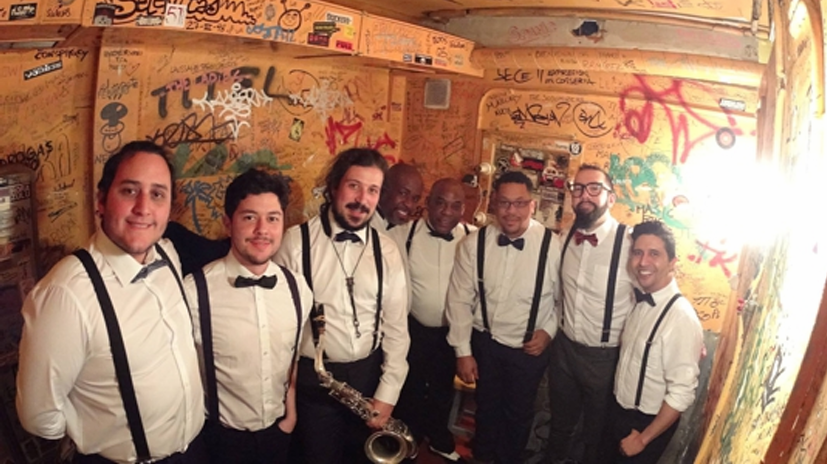
TROMBORANGA SALSA ORCHESTRA

As part of the new generation of independent latin orchestras, Tromboranga is the pure essence of “Salsa Dura”. Tromboranga’s spicy ingredients are the trombones sound, solid and strong percussion, and they recover the essence of “soneos” (voice improvisation among the chorus). With influences from the salsa music from the 60s and 70s, maintaining a raw, strong and a very danceable sound.

His original songs like “Humildad”, “Palo pa la campana”, “Amigo el ratón”, “Adios que te vaya bien”, talks about stories that can describe the life of any of us, and they have become number one in Latin radios and dance floors worldwide. Tromboranga is made up of musicians from the Caribbean and Europe, all residents of Barcelona, Spain.

JIMMY BOSCH

(18 October 1959, Jersey City, New Jersey), known also “El Trombón Criollo”, is a trombonist, composer and producer of Afro-Cuban jazz, salsa and Cuban music.

At thirteen he was already part of different local bands of Latin music. At age 18, while studying classical music at Rutgers University, he meets Manny Oquendo and joins his band. He plays with Manny Oquendo about two decades; then comes to work with Marc Anthony. In 1996 he created his own band, “Los Masters”, with whom he recorded two albums. He has his own record label, JRGR Records.

Photo 3: Chicago International Salsa Congress

YOKO LA JAPONESA SALSERA

Born in Osaka, Japan, Yoko Mimata began her artistic career at the age of fifteen as a vocalist in a rock band her native Osaka. Las Estrellas, a salsa band composed of former members of the famous Japanese orchestra “Orquesta de la Luz”, invited Yoko to join them as lead vocalist.

Subsequently, in 1997, settled in the Big Apple, city in that began to venture into the salsero environment. Her great debut took place at the Salsa Congress in New York in 2006, where she performed with the orchestra Chino Nuñez and Friends. Later she became the lead vocalist and participated in the recording of the second album by Chino Nuñez, “Dr. Salsa”; In which she sings duet with Ray Sepulveda “Hoy les cantamos”.

NELSON GONZÁLEZ

(Born May 30, 1948) is a Puerto Rican tres player. He specializes in the Cuban tres, and only occasionally plays the Puerto Rican tres (similar to the cuatro). He is a prolific session musician and has been a member of renowned salsa ensembles such as Fania All-Stars, Orchestra Harlow and Típica 73. He has authored a book on the tres guitar method published by Mel Bay. Together with Pancho Amat and Papi Oviedo he is considered one of the most influential modern tres players.

Photo 4: Chicago International Salsa Congress

HERMAN OLIVERA

He is a salsa singer from Newark, New Jersey. Born to Puerto Rican parents, he began his career in New York City where he earned his reputation as a “sonero,” that is, an expert in the demanding art of lyric extemporization. In a genre overrun by pop-oriented singers, Herman’s musicality and mastery in this regard garnered him the sobriquet of “El Sonero del Siglo XXI”. Today Herman counts among the most in-demand and hardworking salsa singers around. His voice literally permeates the sound of hard-hitting salsa from the 1980s to the present-with album credits with the likes of Tito Puente and Eddie Palmieri, among many others where he has contributed to the continued vitality and development of the sonero tradition.

DJS

The fifteen DJs at this year’s congress will definitely get your feet, hips, shoulders, and everything else grooving on the dance floor with the best Salsa, Mambo, Cha Cha Cha on the planet!!!

VENUE INFORMATION

HYATT REGENCY O’HARE is just 5 minutes from O’Hare airport with a free shuttle. Easy access by train or car. Beautifully appointed guest rooms, great amenities and nearby shopping and dining make this a perfect getaway for your CISC weekend.

Photo 5: Chicago International Salsa Congress


Ricardo Vega and Karen Forcano

Latin America / Argentina /

Ricardo Vega and Karen Forcano. Salsa dancers and instructors of Latin dances.

Karen Forcano is originally from Argentina and took her first steps into the dance world at an early age, largely due to the influence of her mother, who was a ballet dancer. At 6 years of age, she began with ballet lessons and then at age 7 she was introduced to the exciting world of salsa and merengue, which would now be known as the start of her professional career.

Ricardo Vega is from Chile and began dancing ballet when he was only 7 years old. Although much of his influence came from his grandparents, who were tango dancers, Ricardo’s experience in dance included the styles of ballet, contemporary, jazz, as well as many others.

Karen and Ricardo met when they were 9 years old but their start in the professional/competitive world of salsa began in 2009. Since that time, they have been conquering championships as a couple, both on and off the dance floor.

Ricardo Vega and Karen Forcano

Jorge Duran

Europe / Germany

Interview to Jorge Duran & his Jalea de Mambo

Now settled in Europe, venezuelan vibraphonist Jorge Duran is leading Jalea de Mambo band which mix musicians from different nationalities recovering the swing and mambo of the 50s with the smart flavor of the New York Palladium, the famous Broadway dance-hall, and the color of the best Latin Jazz that can be heard in Europe right now. Its characteristic vibraphone sound makes this band a unique and raw example in the current music panorama.

Recently documentary “We Like It Like That” has been released worldwide http://latinboogaloo.com/ emphasizing that cultural revolution where boogaloo, mambo, among other genres, were considered the so-called “Latin Soul” creating that cultural movement which day by day takes more strength everywhere.

Jorge Duran
Jorge Duran

1) Jorge, tell us a little bit about your background, your roots, and your musical influences.

Well, I started playing Latin American percussion in Venezuela (Caracas) having the chance to share with great musicians beside studying with amazing percussion players but my degree was focus in composition. Then I begun to play jazz vibraphone and it took me a few years to play again Latin American Music although here I am ready to give my very best.

2) How did you come to the idea of Jalea de Mambo?

The idea of Jalea de Mambo came to me long time ago (10 years ago or more) when I first heard the album Cal Tjader Modern Mambo Quintet, quite old album indeed (1955). That record change everything for me and blew my mind up focus then on mambo, latin jazz and what so called “Latin Soul”.

3) Mambo, Boogaloo, what many people called “Latin Soul” was a revolution during the 50s. Do you think that nowadays these genres could reach something similar?

I really think everything is possible if you work hard, I’m not trying to make a revolution my idea is that every single person come to see us playing, enjoying magic music, having a great time. Obviously that “revolution” happened once but its essence has come along the years in all musicians who play caribbean rhythms. Nowadays, this genre is getting popular again but honestly I believe it has never lost validation.

Photo of Jorge Durán and his band members in the music world

4) What are your feelings coming from Venezuela performing in Europe and worldwide? Is the musical movement opened and active enough over there?

My feeling is that in Europe we, musicians, have more opportunities to show our culture and most of the people here are opened enough to hear or see our projects.

Beyond Europe is quite the same because I have Heard about concerts with more tan 100.000 audiences in Arab Countries, for instance. It simply means that latin and caribbean music “hook” people hearts so they enjoy it full.

5) Now that you are settled in Europe tell us a bit more about your projects and expectations.

I’m living in Germany now and it is a huge challenge for me as it is a real different culture and language but my idea is to spread the Latin American culture and music not only in Europe but worldwide. We are living very tough moments at this very moment and firmly believe that músic and culture are more needed than ever because music tame the beasts, as people usually say, and that’s what we need now, I mean, peace, calm and mainly love.

Photo of Jorge Durán and his team at the live concert

6) Looking for these goals, are you working on your own or you are supported by a company, agency or similar.

Now I have the great pleasure to say that I’m not alone in this business because Cat 7 Production is my new family and they are really focused in spreading my music to reach more people. I think this is the idea, music is a language we need to be heard as I said before.

7) Finally Jorge, let’s share a message for all your fans beside colleagues who work hard to achieve similar goals you are looking for.

Well, I’m always very grateful when some one takes time to send emails or messages after watching us in a concert, I love it and love fans who give me strenght to keep doing what my heart says. My humbly advice to all musicians who have an idea or project is that never stop making music because everything is possible in life and the real power is inside us. This is one of more beautiful and hard profession but sure worth it!

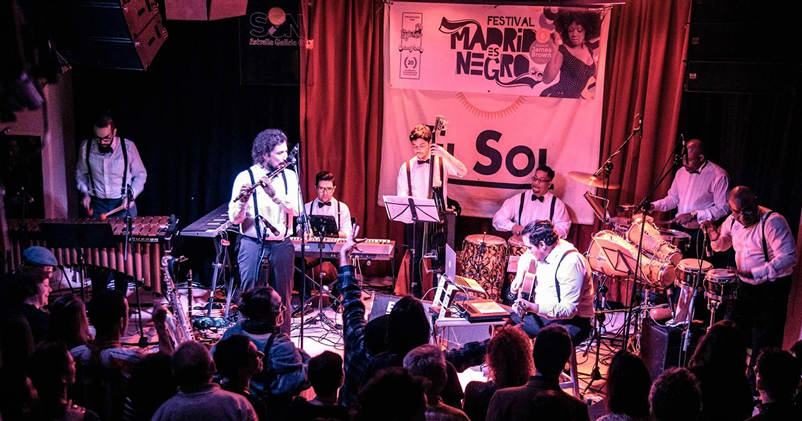
Jorge Duran in concert
  • « Go to Previous Page
  • Page 1
  • Interim pages omitted …
  • Page 59
  • Page 60
  • Page 61
  • Page 62
  • Page 63
  • Interim pages omitted …
  • Page 301
  • Go to Next Page »

International Salsa Magazine (ISM) is a monthly publication about Salsa activities around the world, that has been publishing since 2007. It is a world network of volunteers coordinated by ISM Magazine. We are working to strengthen all the events by working together.