• Skip to primary navigation
  • Skip to main content

International Salsa Magazine

  • HOME
  • Previous editions
    • 2026
      • ISM / March 2026
      • ISM / February 2026
      • ISM / January 2026
    • 2025
      • ISM / December 2025
      • ISM / November 2025
      • ISM / October 2025
      • ISM / September 2025
      • ISM / August 2025
      • ISM / July 2025
      • ISM / June 2025
      • ISM / May2025
      • ISM / April 2025
      • ISM / March 2025
      • ISM / February 2025
      • ISM / January 2025
    • 2024
      • ISM / December 2024
      • ISM / November 2024
      • ISM / October 2024
      • ISM / September 2024
      • ISM / August 2024
      • ISM / July 2024
      • ISM / June 2024
      • ISM / May 2024
      • ISM / April 2024
      • ISM / March 2024
      • ISM / February 2024
      • ISM / January 2024
    • 2023
      • ISM / December 2023
      • ISM / November 2023
      • ISM / October 2023
      • ISM – September 2023
      • ISM – August 2023
      • ISM July 2023
      • ISM Edition June 2023
      • ISM – May 2023
      • ISM April 2023
      • ISM March 2023
      • ISM February 2023
      • ISM January 2023
    • 2022
      • ISM December 2022
      • ISM November 2022
      • ISM October 2022
      • ISM September 2022
      • ISM August 2022
      • ISM July 2022
      • ISM June 2022
      • ISM May 2022
      • ISM February 2022
      • ISM January 2022
    • 2021
      • ISM December 2021
      • ISM November 2021
      • ISM October – 2021
      • ISM September 2021
      • ISM August 2021
      • ISM July 2021
      • ISM May 2021
      • ISM April 2021
      • ISM June 2021
      • ISM March 2021
      • ISM February 2021
      • ISM January 2021
    • 2020
      • ISM December 2020
      • ISM November 2020
      • ISM October 2020
      • ISM September 2020
      • ISM August 2020
      • ISM July 2020
      • ISM June 2020
      • ISM May 2020
      • ISM April 2020
      • ISM March 2020
      • ISM February 2020
      • ISM January 2020
    • 2019
      • ISM December 2019
      • ISM November 2019
      • ISM October 2019
      • ISM Septembre 2019
      • ISM August 2019
      • ISM July 2019
      • ISM June 2019
  • Download Salsa App
    • Android
    • Apple
  • Spanish

Search Results for: New York

Willie González supports the Spanish Harlem Salsa Museum

The Salsa Museum always seeks to give exposure to the best of our Latin music and on that occasion, we want to talk about one of the most popular representatives of romantic salsa in recent years. We are talking about the amazingly talented Willie Gonzalez, who has recently been on the Johnny Cruz Show, so we think it is pertinent to do a review of his career and the most important details of his brilliant artistic background.   

Willie singing live
Willie González singing some of his biggest hits live

Willie’s beginnings in music   

Willie’s formal beginnings in music were when he was just a 15-year-old boy with the dream of becoming an acclaimed artist in the future. It was the Orquesta de Chamaco Rivera that gave him his first opportunity in the musical environment by playing the trombone, but this would not be the artistic area in which he would develop later on. What ended up catching his attention were singing and songwriting.   

During the 1980s, he was part of some important groups such as Orquesta Saraguey and Conjunto Chaney, in which Willie and Eddie Santiago were the main voices and began to gain great notoriety among the public.   

In 1988, he decided it was time for him to become a soloist in the company of the Orquesta Noche Sensual and the support of the Sanatone record label. Romantic salsa was in style at the time, so Willie followed that same line and named his first album ”Willie González, Original y Único”. Thanks to this material, the artist managed to sell more than 100,000 copies, receive Platinum and won other recognitions.   

In the coming years, he continued to release albums that was reaching greater success such as ”Willie González, Sin Comparación”, ”Para Ustedes, El Público” and ”Justo A Tiempo”. All of these have left great hits that are still considered romantic salsa classics to this day.   

Willie in a videoclip
Willie Gonzalez in his videoclip ”Aunque Lo Intente”

1990s and 2000s 

In 1994, the company Musical Productions published two compilation albums with Willie’s greatest hits which he called ”Éxitos de Willie González, Volumen 1” and ”Éxitos de Willie González, Volumen II”. The following year the singer demonstrated his talent as a composer with his album ”Willie González, Hacia Un Nuevo Camino” with songs like ”Quiero Recuperarte” or ”Dame Una Oportunidad”.   

Once the year 2000 arrived, he continued adding successes to his career with his next album ”Sensualmente A Mi Estilo” from the hand of a Venezuelan company called Trama Records and includes great songs like ”Sensualmente Loco”, ”Tatuaje Eterno”, ”Amor Audaz”, among others.   

About six years later, he released ”Reencuentro”. This musical work receives this name from a reunion between Willie and Eddie Santiago, who was his partner in the group Chaney many years ago. Together they recorded the songs ”Por Esta Mujer” and ”Solamente Ella”.   

Years later, Willie recorded live from Colombia, testing his skills as a producer along with talented Diego Galé. He also wrote some of the songs ”Juré” and ”Estoy Contigo”.   

In 2017, he continued to work in Colombia and released ”Willie González en vivo desde Manizales”. Such musical work contains songs like ”Pequeñas Cosas”, ”Quiero Morir En Tu Piel” and ”Si Tú Fueras mía”.   

In 2020, Willie released his album ”Esencia” and continued with the line of sensuality and romance with which he has become known over the past few years. In the case of ”Esencia”, he counted on the collaboration of talented composers such as Jorge Luis Piloto, Kiko Campos, Jandy Feliz, among others.   

Willie and Johnny Cruz
Johnny Cruz next to Willie Gonzalez talking about the Salsa Museum

Support to the Salsa Museum  

The Spanish Harlem Salsa Museum has been fortunate to be supported by Willie, who was kindly committed to donate some of his most precious objects to the institution so that salsa fans can appreciate them.    

In a video uploaded to the social networks of Johnny Cruz, president of the institution, they both talk about the role the museum has played in salsa and Willie said he was happy and proud to be able to support a place where there is a lot of history and items from such great Latin artists. 

Johnny Cru ISM corresponde in New York City


Read also: Ralph Rivera’s rol in the promotion of Latin Culture 
Yova Rodríguez

Latin America / Puerto Rico

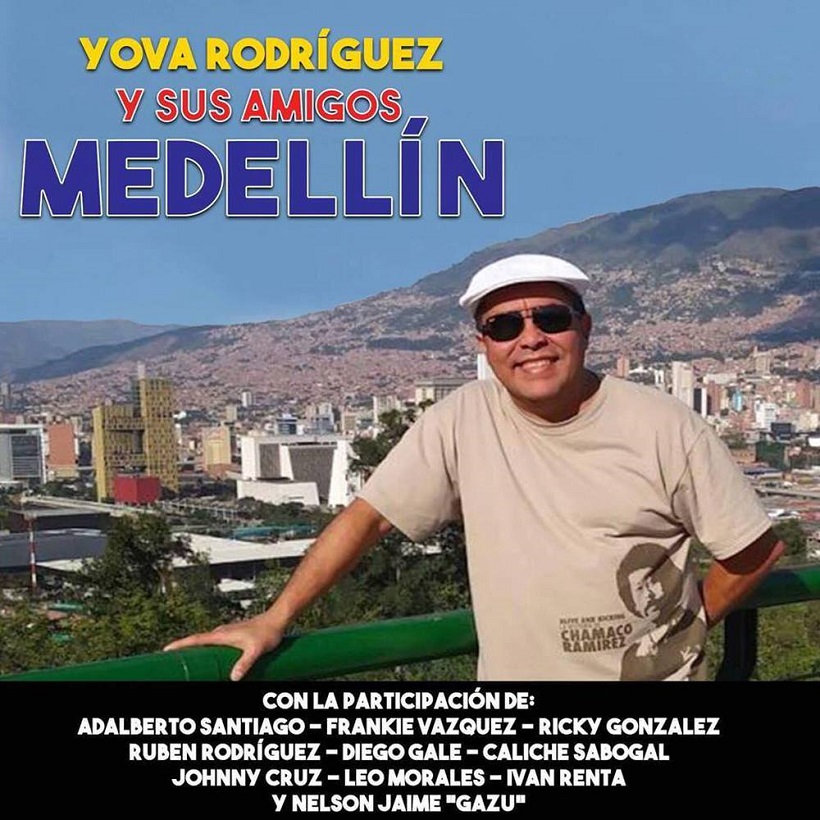
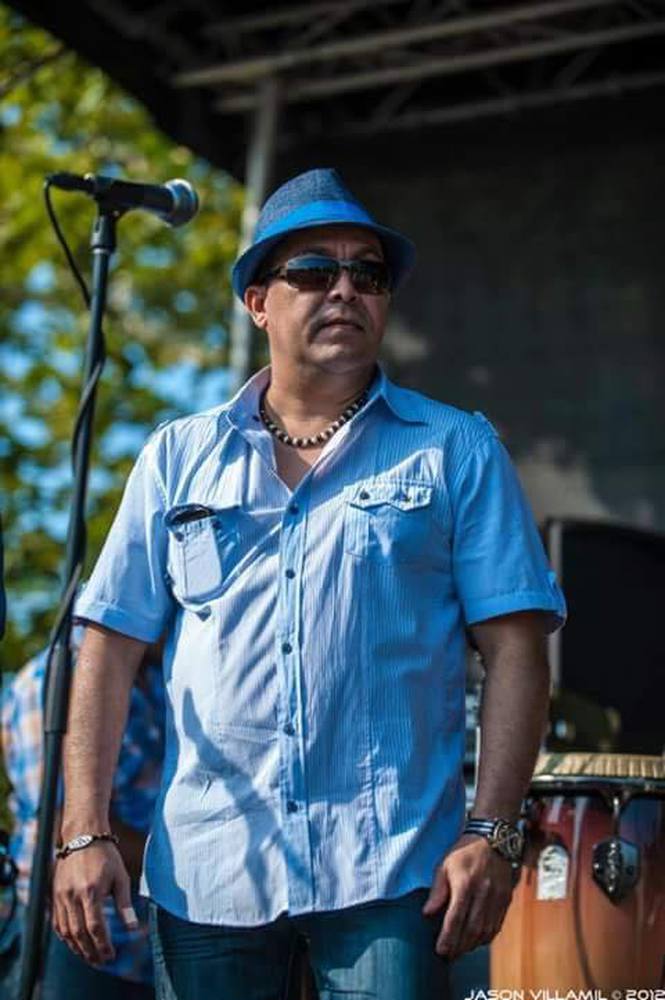
Yova Rodríguez. The jibarito of Mayagüez.

Giovanni Yova Rodríguez Ruiz, was born in Mayagüez, being the youngest of six siblings, raised alone by his mother Doña Delia Ruiz Crespo. At the age of 7 he started in music singing Christmas bonuses and influenced by his maternal uncle José Ruiz Crespo ¨Pipo El Indio¨ and his great-uncle Antonio ¨Toño Ruiz who played Puerto Rican cuatro.

Yova Rodríguez
Yova Rodríguez

At the age of fifteen, he began his studies at the Ernesto Ramos Antonini Free School of Music in Mayagüez, Puerto Rico.

It is here that he began his singing career and minor percussion and at the age of 16 he became the singer of the school band. In 2004 the project ¨Yova Rodríguez & his group Sakao – Akà, Homage to Polo Montañez¨ began.

Since the release of her musical work, Yova Rodríguez, the ensemble Sakao – Akà, has become one of the most sought-after ensembles in Puerto Rico, Colombia, Venezuela and New York, since 2010 she has resided in The Big Apple, La Babel de Hierro N.Y. working on the musical composition for singers of the stature, Danny Rivera, Herman Olivera, Marcial Isturiz, Orquesta Boricua Legends, and the great Andy Montañez among others and to mention a few and traveling through several Latin American countries along with most of the artists already mentioned.

Yova Rodríguez - Photo
Yova Rodríguez – Photo

In 2016 he starts with his promotional song ¨Me Quedaré¨ with arrangements by trumpeter Nelson Jaime Gazu, a song dedicated to the thousands of Boricuas who have left their beloved Puerto Rico.

In 2017 he composes the song ¨Mi Barrio¨ dedicated to his native neighborhood and was presented in Mayagüez, at the same time Mayor José Guillermo Rodríguez gives him the keys to the city and a recognition, in the same year he composes the song ¨ Borinquén se Rivanta¨ where great luminaries of La Salsa participated in New York such as:

El Pulpo Colon, Jhon Benítez, Luis Mangual, José Dávila among others and by the hand of the Cuban trumpeter and arranger Agustín Someillan Garcia, in January 2018 it is presented in Medellín-Colombia in the prominent venue Son-Habana, returns to New York and composes the theme Medellín, it is presented on June 23 with a resounding total success in the event one day of Salsa for Medellín.

Yova Rodríguez himself informs me that he is already preparing his fourth record production by the hand of the pianist, arranger Arturo Ortiz. And at the same time he belongs to the board of directors of the Galería de La Salsa in Spanish Harlem in New York.

Yova Rodríguez - flyer
Yova Rodríguez – flyer

Luis J. Cruz H. – Puerto Rican Trombonist

North America / USA / New York

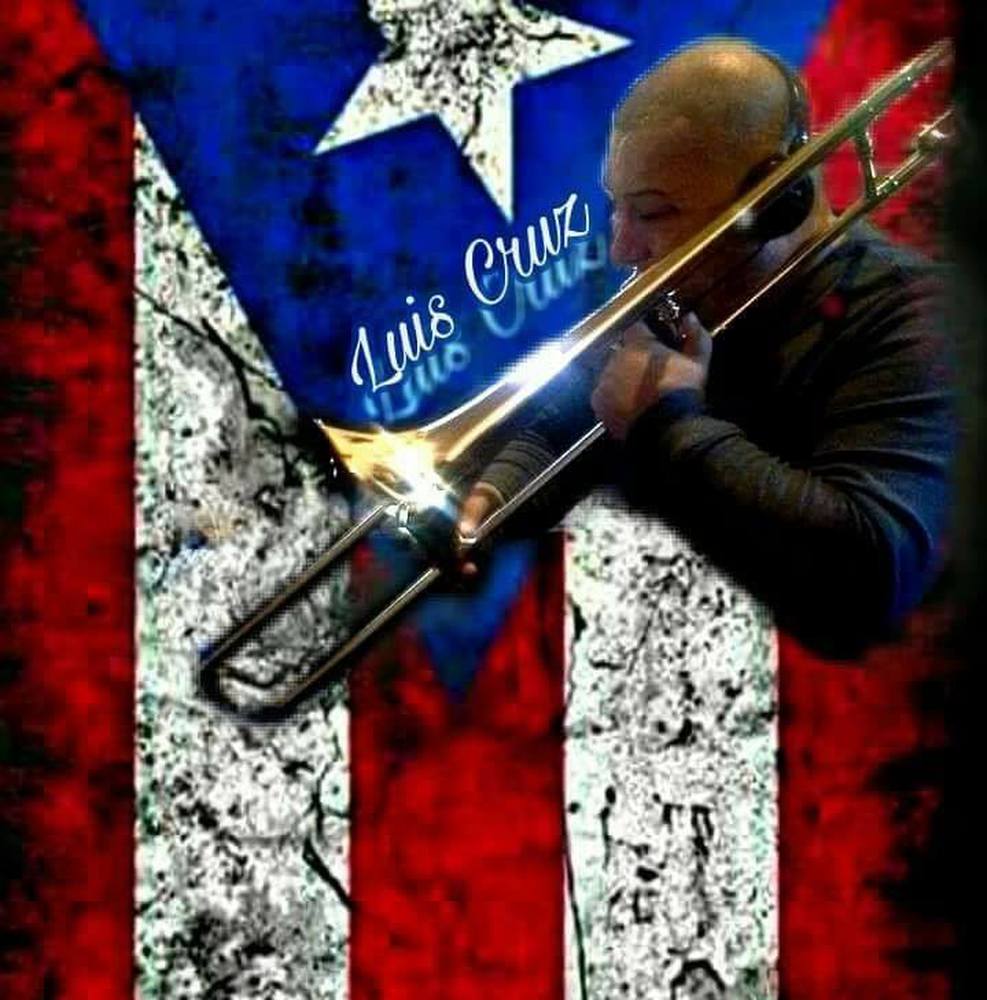
Luis J. Cruz H. They recognize the Puerto Rican Trombonist

The Puerto Rican Trombonist Luis J. Cruz H.

The sound of the trombone sings a seductive melody that fuses the Antillean archipelago into a single town united by strong historical-cultural ties.

The sons and daughters of the Caribbean have left their mark on universal culture, but the libertarian struggles established an umbilical cord that established the dream of an Antillean confederation that has resisted the divisionism that conquering partisans have sown for more than a century.

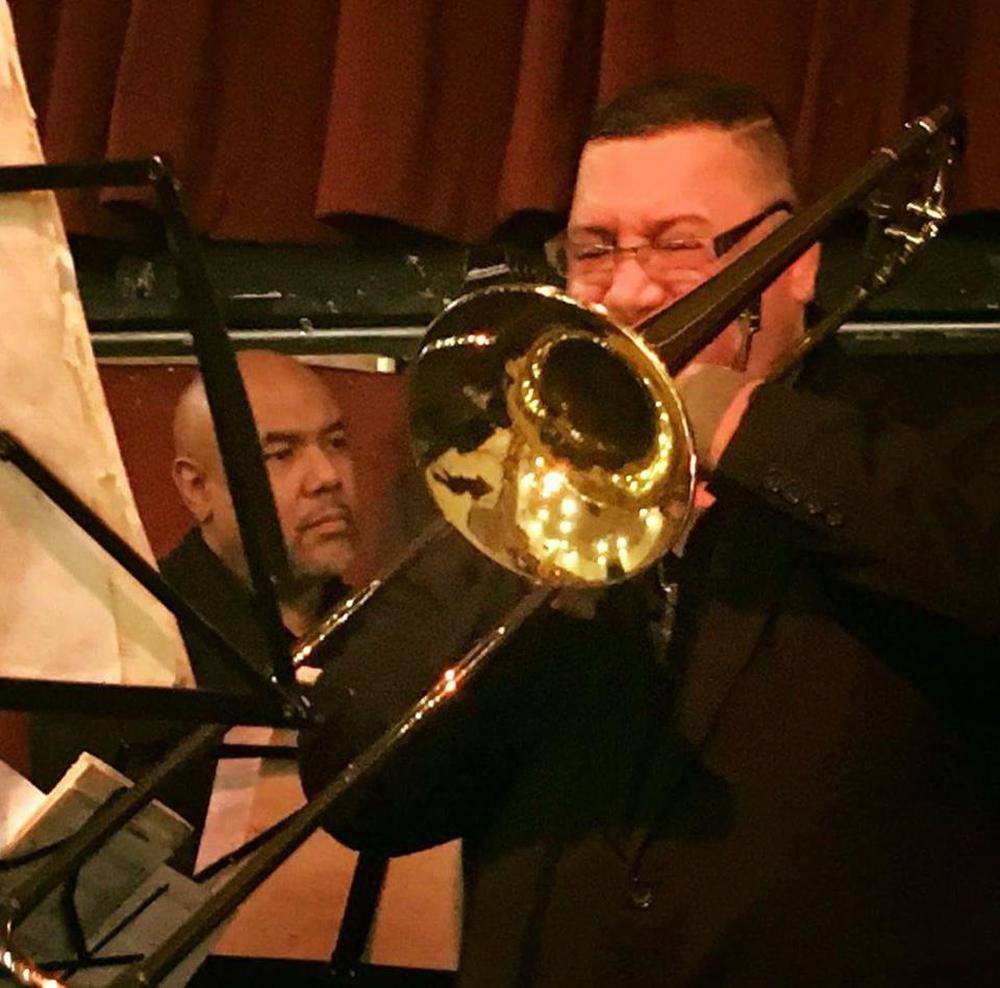
Luis J. Cruz H playing the trumpet

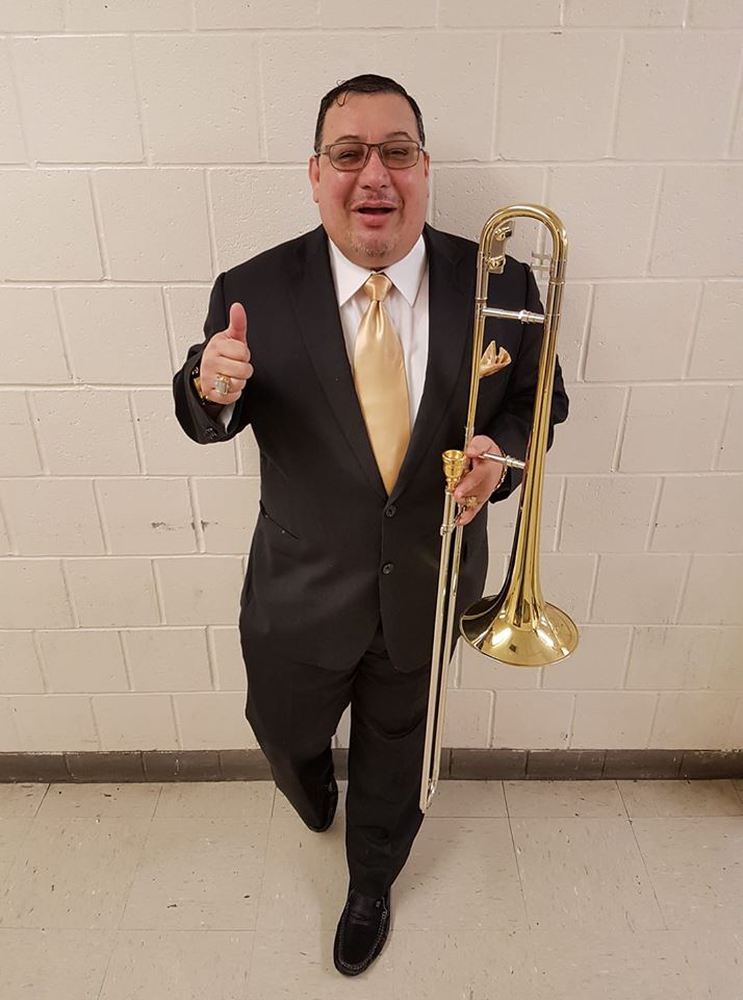
Luis J. Cruz H, an academic musician from Catañes based in New York with more than thirty-seven years of artistic life, recognized as the Steel Lips Trombone by legendary musicians such as Ángel ¨Papo¨Vazquez (Founder of the Manny Oquendo Free Group of New York, the Baracumbele Experimental Group of Puerto Rico).

Cruz got her start in music at the age of fourteen, when she took an optional music course in middle school. He discovered that he had talent, loved music and wanted to be a musician. The teachers advised him to enroll in the Escuela Libre de Música de Hato Rey in Puerto Rico.

Photo of Luis J. Cruz H.

¨I was privileged. I had excellent teachers at the Ramón B. López, Rafael Cordero and Onofre Carballeira schools. They encouraged me to study and listen to the call of my heart. My parents, Luis A. Cruz Vega and Carmen M. Huertas Santiago, were fundamental. My mother has been my greatest source of support and two educators, teacher Edgardo Correa and teacher Antonio Salcedo, are the people who have most influenced my professional development¨ recalls Cruz Huertas.

The love between the trombone and Cruz was one at first sight. ¨I heard the trombone and I fell in love with its sound. Then I petted him. I reach my soul. It’s been more than thirty seven years since I married my trombone and we became one.

Puerto Rico -  Luis J. Cruz H.
Puerto Rico – Luis J. Cruz H.

He has participated in several orchestras such as José Alberto el Canario, Celia Cruz, Frankie Ruiz, Willie González, Eddie Santiago and is currently the first trombone of the legendary group Boricua Legends of Pedro Pocholo Segundo in New York.

In the coming days of the month of August, he will visit us in Caracas-Venezuela, to participate in a master class on techniques, use and execution of the slide trombone at the facilities of the National Center for Social Action for Music.

Luis J. Cruz H.
Luis J. Cruz H.

North America / August 2024

Kemi and LucumiGabriel NaviaYari More Latin BandNanette hernándezWillie GonzálezPBS

Thumbnail about the salsa museum

Las Maracas promo

Martinez attorney

Canada flag

CANADA

DIRECTORY OF NIGHTCLUBS

Dirty Martini
Dirty Martini Oakville
2075 Winston Park Dr
Oakville, OntarioN, Canada L6H 6P5
+1 905 829-8400

El Rancho
El Rancho
430 College St
Toronto, Ontario, Canada M5T 1T3
+1 416 921-2752

LULA LOUNGE
Lula
1585 Dundas West
Toronto, Ontario, Canada M6K1T9
+1 416 588-0307

Marlowe Restaurant & Bar
55 York Blvd
Richmond Hill, Ontario, Canada L4B 3B4
+1 905-771-8645

Sahara
Sahara
1855 Dundas St E
Mississauga Ontario L4X 1M1
+1 905 282-0316

Smokeshow BBQ & Brew
744 Mt Pleasant Rd
Toronto, Ontario, Canada M4S 2N6
+1 416 901-7469

Mangos Kitchen Bar
Mangos Kitchen Bar
1180 Howe Street
Vancouver, BC, Canada V6Z 1R2
+1 604 559-5533

Baza
Baza Dance Studios
1304 Seymour Street
Vancouver, BC, Canada V6Z 1R2
+1 778-379-2292

Studio Nightclub
Studio Nightclub
919 Granville street
Vancouver, BC, Canada V6Z 1L3
+1 604 620-6604


United States flag

UNITED STATES

DIRECTORY OF NIGHTCLUBS

CALIFORNIA FLORIDA  ILLINOIS
MICHIGAN NEW JERSEY NEW YORK
OHIO PENNSYLVANIA TEXAS
VIRGINIA WASHINGTON

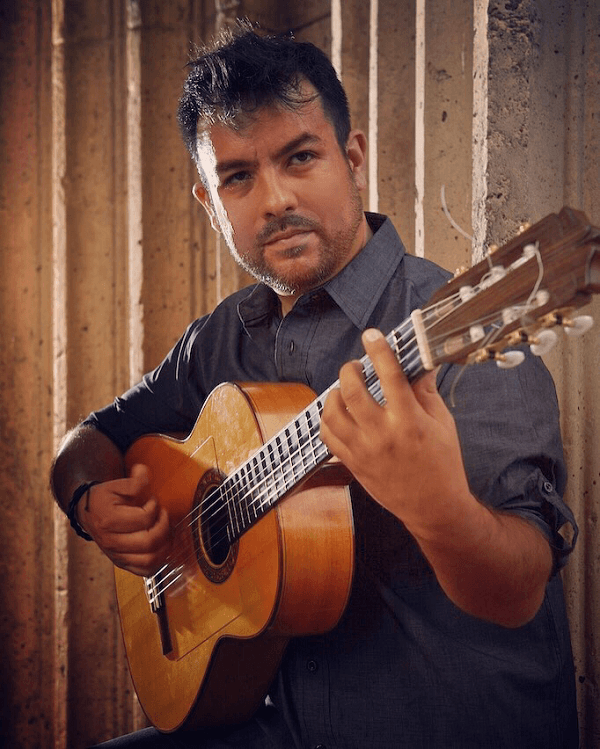
Bolivian guitarist Gabriel Navia and his love for music

We have had any number of Latin music artists of various nationalities in this section, but we are pleased to announce that, for the first time, we will tell the story of a Bolivian who brings pride to his flag with his great talent. 

We are talking about Bolivian producer, composer and guitarist Gabriel Navia, with whom we were fortunate enough to talk by Zoom about the most important details of his fruitful career. In the following lines, some of the most important issues addressed in the conversation.  

Bolivian guitarist Gabriel
This is Bolivian producer, composer, and guitarist Gabriel Navia

How Gabriel’s love for music began 

Gabriel tells us that the love he has always felt for music was instilled in him by his parents, especially his father, who was professionally dedicated to it to the point of having his own band. In the 70’s, Eddy Navia, Gabriel’s father, was in an iconic Bolivian band called Sal Y Andina that played instrumental music, much of which was composed by him at the time.   

In his mother’s case, she had a great sense of rhythm and a beautiful voice, so she did her best to make her son learn as much as possible about the fundamentals of music and how to play various instruments. This shows that she was also a key piece in his training as an artist. 

Gabriel also points out that, at home, he and his family listened to music of all kinds, but New York salsa was very important in the path the young man would later take.   

Gabriel and the charango 

When reading a little of Gabriel’s history, we found that he played with his father in the group Sukay, with which he experimented a lot with the charango that, as he explains, is a five-stringed instrument very similar to the banjo. It was the first instrument he played in his life and the one that would inspire him to play the guitar later on.   

After his parents split, his father went to live in the United States and met his second wife, with whom he runs Sukay. That is when Gabriel began to visit the country and, soon after, he was playing in a theater for more than 2000 people. Then, he knew that this was what he wanted to devote the rest of his life to.    

Gabriel played the charango
Gabriel started his career by playing the charango with the group Sukay

Multi-instrumentalist   

While it is true that the instrument for which Gabriel is best known today is the guitar, it is not the only one he is dedicated to.    

The artist can be defined as a multi-instrumentalist, that is, someone who plays a considerable number of musical instruments with excellence such as piano, saxophone, quena and many others. ”I have always been curious to learn how to play new instruments and learn new things every day. That’s how I’ve managed to specialize in so many at the same time” Gabriel said about this.   

He has become more dedicated to playing the guitar since, during his time with the group Sukay, he had to replace the guitarist who was not available at the time, which makes him feel a special affection for the instrument as he used it. 

Not to mention that some of his instruments were robbed in his native Bolivia and one of the stolen objects was his charango. This event left him so depressed that he put the charango aside for years and devoted himself fully to the guitar, during which time he studied it in detail at a theoretical and practical level. He also began to listen to jazz and flamenco records in which the guitar is widely used, making him experiment with new styles. In this sense, an artist who inspired him a lot was Spanish guitarist Paco de Lucia.   

Gabriel playing live
Gabriel Navia playing his guitar live

Music education   

Gabriel has had the opportunity to study in several of the most important musical institutions in the world, which have been fundamental in the professional training of the artist.   

The first thought that came into his head was the Instituto Eduardo Laredo in Cochabamba. He described it as an arts school that has a very traditional style during the mornings, while the afternoons its teachers focus on the musical part. It is here where Gabriel learned all about theory, solfege, harmony, scores and many other important details.    

Some time later, in the United States, he entered the San Francisco Conservatory, where he studied with the famous classical guitarist Scott Tennant. In the same country, he won a scholarship to study some courses at Berklee College of Music.   

In Barcelona, he also received a scholarship to study a master’s degree in flamenco at the Conservatori del Liceu thanks to Fundación Carolina, whose main beneficiaries are Latin American applicants without the resources to study there.    

”I feel very fortunate to have been able to study in all these institutions which have been very important in my career, but I believe that a musician learns the most important things on stage. You can learn all the theory in the world, but if you haven’t had street experience and gone to practice, you will be an incomplete artist” Gabriel remarked on this subject.   

”In fact, I believe that many of the most prodigious musicians in the world have not been trained in academies, but in the streets, because they have had to make themselves from the beginning. Academic education is important, but the main place where music is born is in the heart” he continued.   

Navia Productions, LLC   

Gabriel had always worked as an independent artist, but there came a point in his career when he realized he needed something more to level up.   

Given that the best way to do business in the United States is through registered companies and brands, Gabriel created his own music company which he named NAVIA PRODUCTIONS, LLC, so that his project could be identified with a legally registered entity and avoid any legal problems.    

The company was basically created with the purpose of giving a legal basis to Gabriel’s work to stand on, but he still considers himself an artist as independent as the first day. 

Read also: Exclusive with tres player Iván Camblor from the group Pellejo Seco 

  • « Go to Previous Page
  • Page 1
  • Interim pages omitted …
  • Page 39
  • Page 40
  • Page 41
  • Page 42
  • Page 43
  • Interim pages omitted …
  • Page 116
  • Go to Next Page »

International Salsa Magazine (ISM) is a monthly publication about Salsa activities around the world, that has been publishing since 2007. It is a world network of volunteers coordinated by ISM Magazine. We are working to strengthen all the events by working together.