

UNITED STATESDIRECTORY OF NIGHTCLUBS |

||

| CALIFORNIA | FLORIDA | ILLINOIS |
| MICHIGAN | NEW JERSEY | NEW YORK |
| OHIO | PENNSYLVANIA | TEXAS |
| VIRGINIA | WASHINGTON | |
UNITED STATESDIRECTORY OF NIGHTCLUBS |
||
| CALIFORNIA | FLORIDA | ILLINOIS |
| MICHIGAN | NEW JERSEY | NEW YORK |
| OHIO | PENNSYLVANIA | TEXAS |
| VIRGINIA | WASHINGTON | |
The United States has a great number of Latin music radio programs that always sought to promote the best of Latin talent through their frequencies and one of them is ”Alma Del Barrio” of the well-known radio station KXLU, which is celebrating its 50th anniversary.
Against all odds, ”Alma Del Barrio” celebrates five decades on the air after all the effort of its hosts and the team involved in such a noble and necessary feat. We say ”against all odds” because it is not common that projects submitted by university students did not used to last long and ended up being replaced by programs of the same style.
In addition to the above, decades-long programs usually have a single host and comfortable time slots each week. However, ”Alma Del Barrio” was the exception to this rule and, today, continues to prove that limits can be overcome.

After so long, ”Alma Del Barrio” has remained up to date and continues to keep people’s taste.
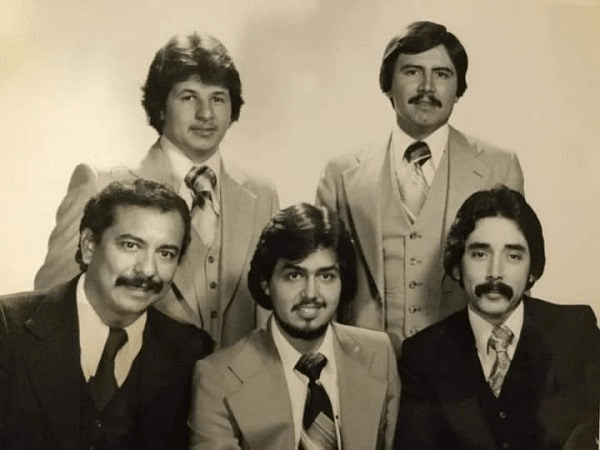
Its main founders were Enrique ”Kiki” Soto and the late Raúl Villa, who at the time were two young students with many ideas and eager to achieve interesting things. The program was aired for the first time in 1973. A few years later, Hector Resendez, a freshman in college, contacted Enrique and Raul in order to write an article about this new radio show, but it would not be long before he joined the main founders in the project they were developing.
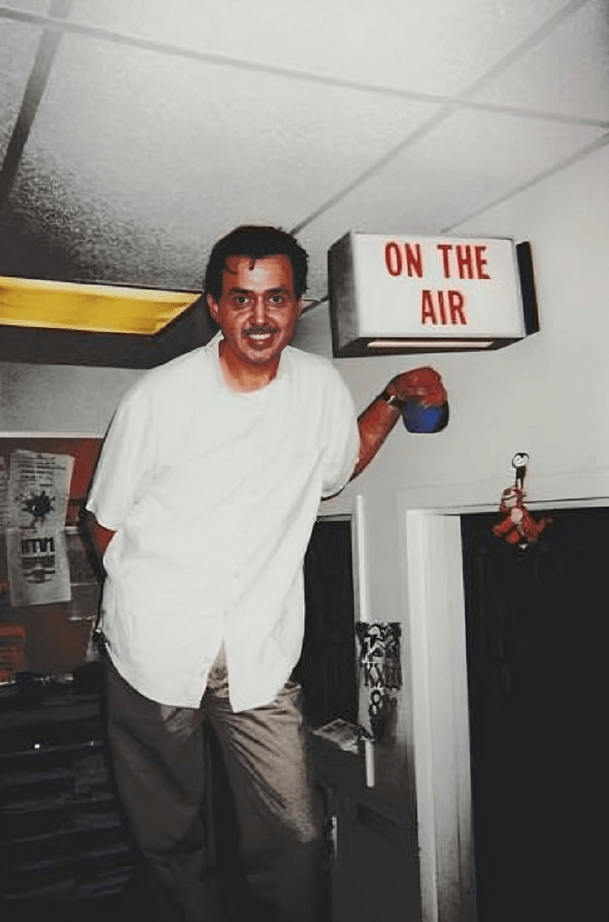
Three years later, in 1976, student at Loyola Marymount University Eddie Lopez joined the program on the third anniversary of ”Alma Del Barrio”, show in which he would spend the next 46 years bringing the best Afro-Cuban music to the audience every Sunday between 2pm and 6pm.
On a number of occasions, Resendez said that ”Alma Del Barrio” was not created to be hosted by great famous personalities, but by dynamic young people who wanted to be part of a small team that was just starting operations.
At the beginning, the new hosts only had one hour of broadcast time to show what they were made of, but at the same time, they did their best to get more airtime and have more presenters in the program. They wanted to include a not very popular genre on the station at that time, which was salsa, something totally innovative for the station.
In those years, salsa was understood as that set of genres coming from Afro-Cuban music and the novice hosts thought it would be a fine attraction to the Latino communities of Los Angeles. That set of genres came from Cuba, Puerto Rico, Panama, Colombia and the Dominican Republic. This is when record labels and music promoters renamed these rhythms as ”salsa” in order to make it easier for programs and hosts to identify the music.

The traditional programming of most of the stations consisted of jazz, rock and classical music, but then salsa was incorporated thanks to the increasing popularity that this genre was gaining.
One thing Resendez said is that one of the most famous rock groups was Santana, so the announcer and the rest of his cabinmates were surprised that the musicians of the band knew so much about Afro-Cuban music in terms of percussion. Let us remember that the popular song ”Oye Como Va” was written by ”El Rey De Los Timbales” Tito Puente a decade and a half before the band recorded it.
This union of rock and salsa was what gave the hosts the confidence to use trendy Anglo-Saxon genres as a means to promote Latin music.
On top of that, the guys were clear that jazz fans would be receptive to Latin jazz, since great jazz musicians like Dizzy Gallespie hired Cuban percussionists in their orchestras. If on other stations, this music was successful, ”Alma Del Barrio” was no exception. Fortunately, they were not wrong.

During the last years of ”Alma Del Barrio”, the program team has made great efforts to join and create links with the community, whether it would be through sponsorships, advertisements, public services, donation campaigns, among other things.
Through all this community service they offered, they also made their own work known and many listeners began to enjoy this great team’s talent while listening to good music and varied programming.
The program has also been and is part of great annual and historical festivals such as the Salsa Fest. This day is always reserved for the audience to share with the new and old hosts of ”Alma Del Barrio” and many of the station staff, who always spread their enthusiasm to those present with their good energy.
”Alma Del Barrio” and its hosts have brought joy to their followers, but there have also been some sad moments. One of them was the death of DJ Eddie Lopez in January 2023, leaving a great void in the station and the hearts of those who faithfully followed his career through the KXLU circuits during the last decades.
North America / USA / New York
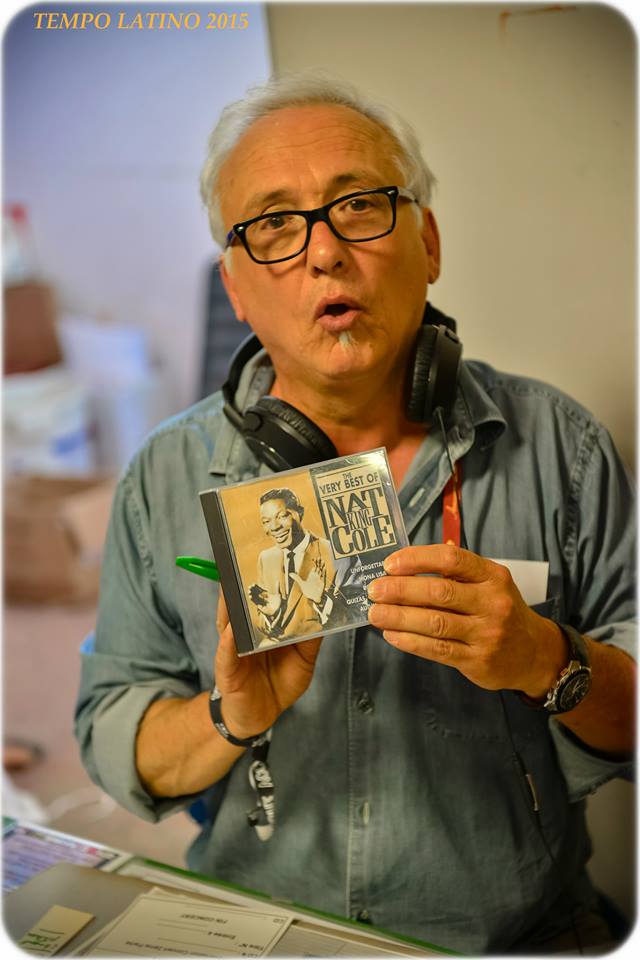
The biggest festival in Europe reaches its twenty-sixth edition and its founder told us how this journey began. International Salsa Magazine met with Eric Duffau and was able to talk about the beginning of the festival and the history behind the event that houses more than 60,000 people each year.

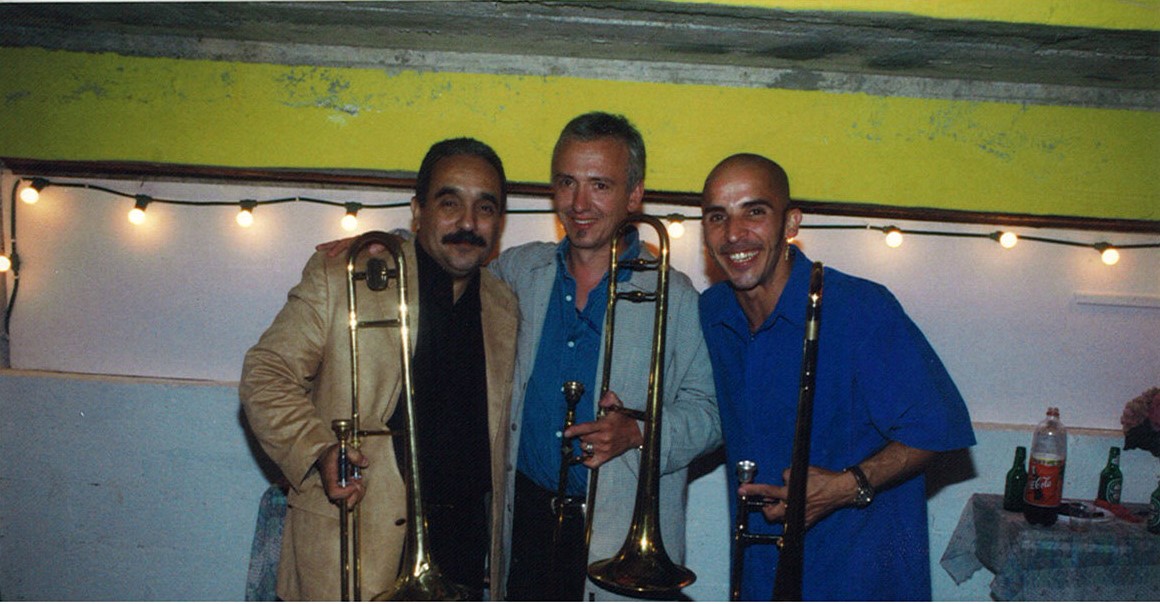
Tempo Latino Festival is “The only one”. For 25 years has kept its artistic approach in the heart and around Afro-Cuban and Latin Music. Its region, “Occitanie”, in the department of Gers, opens up internationally by supporting the cultural adventure. A beautiful project built south pride and prize of risks to produce all these artists.
Eric Duffau is a music lover in all its splendour. He arrived in Paris in 1982, from his small village Vic-Fezensac to devote himself to the formal study of music. He studied classical music, medieval music, jazz, and at the same time, he met Mambo, Cha-Cha-Cha, Salsa and Latin Jazz. With his formal apprenticeships, he met the Temp, and with his learning in the streets of Paris, he met a range of Latin rhythms that were combined divinely to form what we nowadays know as Tempo Latino.

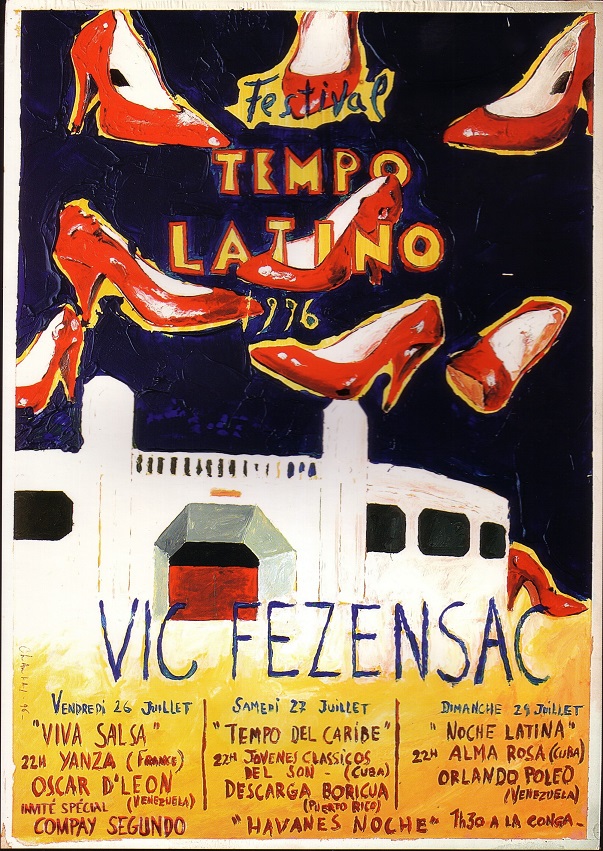
With this idea, he put together a 6-page project and in 1993 he returned to his village to seek the support of all those who wanted to collaborate. This is how in 1994 the first edition of the festival was held with 100 volunteers, becoming known among journalists, the public in France, Europe and the world.
The first edition was attended by 3,500 people with paid entrance, over the years the capacity of this arena up to 7,000 people paying every day, plus those who attend the other locations throughout Vic-Fizensac. Today, more than 60,000 travel to this small village to dance for 4 days in every corner.
To Vic-Fezensac, that has 3,700 habitants, is preparing itself during the whole year to welcome to a mixed race public and traveler, essential artists or to discover, proposing a festival under the heat of the end of July where everyone will have the freedom to go to the meeting of rhythms, people, flavors and other shared pleasures.
The Tempo Latino’s team is a well-oiled team that leads several projects of front and in which everyone knows what to do. All members of this team are passionate and possess very strong skills and a spirit of solidarity mark.

To pay attention to every detail the festival count with:
7 members of the board | 2 employees
500 volunteers | 22 commissions
2 months of editing before festival
From this year, Mr. Jean-François Labit, will replace Mr. Eric Duffau as president of the Festival.
Some of the great figures in the world of Latin music who have passed through Arènes Joseph Fourniol in 15 avenue Edmond Berges, 32190 Vic-Fezensac are:
Israel López “Cachao”
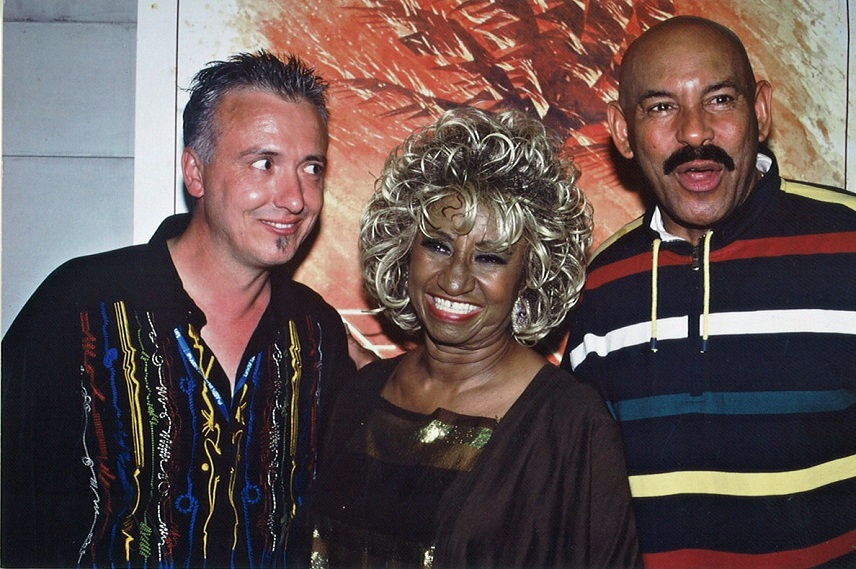
Celia Cruz
Jimmy Bosch
Ósar D’Leon
Yuri Buenaventura
Willie Colon
Ernesto «Tito» Puente
Richie Ray & Bobby Cruz
And hundreds more in 26 years…

Where is Vic-Fezensac?
Vic in Fesensac in Occitan, is a town and commune in France, located in the Midi-Pyrénées region, department of Gers, in the district of Auch and canton of Vic-Fezensac. Is one of the last towns in France which still showcases bullfighting. The main feria takes place over the Pentecost weekend. On this occasion, tens of thousands of people gather all night long over the weekend in the tiny streets of the city. It is the first big “feria” of the year in Southwestern France. Small bodegas crowded with people are open until the morning comes, “bands” (bands of popular Basque or Gascon music) goes on the streets.
At the end of July, the Tempo Latino salsa festival takes place. Night markets (“Marchés de Nuit”) are also held in summer.
If you are in USA and want to go to the biggest Salsa Festival, you can fly with some cheap options that International Salsa Magazine finds for you:
Frenchbee:
San Francisco – Paris
$500 round trip
www.frenchbee.com
La Compagnie:
New York – Nice
$1065 round trip in Business Class
www.lacompagnie.com

Find them everywhere:
Web: http://tempo-latino.com
Facebook: https://www.facebook.com/tempolatino/
Twitter: https://twitter.com/tempo_latino?lang=fr
Instagram: https://www.instagram.com/tempolatino
Youtube: https://www.youtube.com/channel/UCRjFUG_yf9EgX-5FAPZwJGg