• Skip to primary navigation
  • Skip to main content

International Salsa Magazine

  • HOME
  • Previous editions
    • 2026
      • ISM / April 2026
      • ISM / March 2026
      • ISM / February 2026
      • ISM / January 2026
    • 2025
      • ISM / December 2025
      • ISM / November 2025
      • ISM / October 2025
      • ISM / September 2025
      • ISM / August 2025
      • ISM / July 2025
      • ISM / June 2025
      • ISM / May2025
      • ISM / April 2025
      • ISM / March 2025
      • ISM / February 2025
      • ISM / January 2025
    • 2024
      • ISM / December 2024
      • ISM / November 2024
      • ISM / October 2024
      • ISM / September 2024
      • ISM / August 2024
      • ISM / July 2024
      • ISM / June 2024
      • ISM / May 2024
      • ISM / April 2024
      • ISM / March 2024
      • ISM / February 2024
      • ISM / January 2024
    • 2023
      • ISM / December 2023
      • ISM / November 2023
      • ISM / October 2023
      • ISM – September 2023
      • ISM – August 2023
      • ISM July 2023
      • ISM Edition June 2023
      • ISM – May 2023
      • ISM April 2023
      • ISM March 2023
      • ISM February 2023
      • ISM January 2023
    • 2022
      • ISM December 2022
      • ISM November 2022
      • ISM October 2022
      • ISM September 2022
      • ISM August 2022
      • ISM July 2022
      • ISM June 2022
      • ISM May 2022
      • ISM February 2022
      • ISM January 2022
    • 2021
      • ISM December 2021
      • ISM November 2021
      • ISM October – 2021
      • ISM September 2021
      • ISM August 2021
      • ISM July 2021
      • ISM May 2021
      • ISM April 2021
      • ISM June 2021
      • ISM March 2021
      • ISM February 2021
      • ISM January 2021
    • 2020
      • ISM December 2020
      • ISM November 2020
      • ISM October 2020
      • ISM September 2020
      • ISM August 2020
      • ISM July 2020
      • ISM June 2020
      • ISM May 2020
      • ISM April 2020
      • ISM March 2020
      • ISM February 2020
      • ISM January 2020
    • 2019
      • ISM December 2019
      • ISM November 2019
      • ISM October 2019
      • ISM Septembre 2019
      • ISM August 2019
      • ISM July 2019
      • ISM June 2019
  • Spanish
  • Download Salsa App
    • Android
    • Apple

Search Results for: Salsa en Venezuela

Damian Ballester and the transformations of Cuban Folk Dance

Latin America / Cuba
Photo 3- Damian Ballester on stage

The relationship of Africa within the musical and dance culture in Latin America is notorious when we see the cultural expressions of the peoples of this continent, it is easy to see how similar they are, the use of percussion is one of the most relevant topics, in itself a mixture of cultural customs, religion, musicality, dance, in itself all the elements of the black race.

America, one of the main destinations of the ships with black slaves from many areas of Africa, caused our culture to be armed with a bit of each custom, therefore, we can say that in America there is a bit of each African people, this relationship of variety of slaves focused on dividing the forces of the race so as not to make it powerful, divided languages, customs, words and religions only left the marginalized population to communicate through percussion, an element that made the system improve at times of understanding within the fences where they lived.

Due to the above, African religions and customs are born in Cuba but, adopted by those already existing on the island, this combination gives us a rich variant of movements from three continents, Europe through Spain and Africa in all its splendor.

To clarify some topics of the folklore of the Caribbean island and its current dance transformations, we had to contact a great teacher, Damian Ballester, director of Iya Aye, one of the best folklore groups on the island of Cuba, to speak with this professional of the dance is necessary if we want to obtain real information about Cuban traditions, a great teacher who has left his teachings in many Spanish-speaking countries, among which Venezuela, Colombia, Ecuador, Mexico and now in the United States stand out…

we begin by greeting him and opening a pleasant conversation, to which we got an original response “Greetings acere, what was it”, calling him opens up a range of questions on the subject in question, here is an extract of the most common doubts generated around the relationship with salsa, its festivals and diffusion in the world.

Greetings Prof. Damian, grateful for your receptivity, we want to give information to our readers about the relationship of Cuban folklore within our world, Salsa, to begin with, what is defined as Cuban Folkloric dances?

Grateful for the opportunity and sure, that if we report on the case, folk dances are nothing more than the set of cultural goods or phenomena that constitute a cultural complex with manifestations of all aspects of popular life. It is the sum of the manifestations acquired by experience, by inheritance, by tradition, by the satisfaction of biological or sociological needs, among other things. This lasts through several generations and almost always undergoes transformations.

They will get compound terms in the word folklore, which speaks of people or people, popular knowledge, together with the popular knowledge of the people. It is a very long topic, because I should talk about so many things about my culture, better let’s leave the definition until here and thus add flavor to the interview.

Much better, we continue then, do African dances have any impact on Cuban folk dances?

Yes, of course, it is the root, the exercise of dance has always characterized my land and has suffered the same processes of contagion and transculturation between the ways of dancing of the colonizer and the styles introduced by African ethnic groups since the 16th century, in fact, the colonizers brought romance, active in the Cuban countryside for several centuries, with its couplets and their ways of singing and founding alegrías, while the black slaves included their ancestral rites, their drums, and their particular sense of rhythm and movement. bodily.

Given this brief explanation, we can say that not only dances of African origin contributed or influenced Cuban folklore, we can say that there is also an incidence from Spain, France and the Caribbean, but its main axis was born from the Spanish and the African.

We know the extent of Cuban folklore, for how long should a person prepare to be called a professor in this branch?

First of all, to carry the name, whether it is a teacher or instructor of Cuban folklore genres, there are two factors that are very important, the first is study, since Cuban folklore is made up of a very wide range of genres divided into different styles, I could mention some examples: Peasant, popular, Afro-Cuban and Franco-Haitian folklore.

Within the styles of peasant folklore, examples could be given of the Cuban zapateo, the ripiado parakeet, the chidonga, the hawk, the caringa, the son montuno, among others.

Within the styles of popular folklore, the Complex of the rumba, the mambo, the chachachá, the danzón, the dance, the pilón, the congas and the comparsas, the casino can be mentioned, within the Afro-Cuban folklore the Bantú cycle can be mentioned, the Yorubas, the Arara, the Abakua, within Franco-Haitian folklore we can mention the French tomb, the Haitian merengue, the gaga, the vodu among others, if I continue we will not finish today. (laughs to close)

Of the folkloric dances, which are the most outstanding or spread worldwide?

It could be said that there are several, examples are the popular folkloric ones, one could say the casino, the mambo, the chachachá, the son, the rumba complex, that the latter people tend to say are African or Afro-Cuban dances, that have African influence does not mean that they are classified within Afro-Cuban dances because this genre emerged in Cuba, was used as an object of protest against the government of that time and was eradicated in the essence of Cuban. In the same way, the one that has had the most impact and remained in the whole world are the Yoruba dances or dances of the orishas.

Should we open another interview to just talk about the many genres that the island embraces, what institutions correctly form the folkloric traditions in Cuba?

There are many institutions in Cuba, from the community point of view what is named in Cuba as amateur dancer are the community projects and actions that are nothing more than groups created in the communities, all of these supervised technically and methodologically by specialists from the houses of culture of each area by provincial and national methodologists governed by the Ministry of Culture.

From a professional point of view, there are art schools such as the ENA (NATIONAL SCHOOL OF ART) and the ISA (SUPERIOR INSTITUTE OF ART) all governed by a logical curriculum organized by specialists and connoisseurs of the genres.

Photo 2- Damian Ballester on stage

Other institutions that could be mentioned, is the little school of the national folkloric group of Cuba with 56 years of creation in charge of rescuing and safeguarding the traditional Cuban musical and dance traditions.

Wao, Enough, Do you know if there is any similar institution in the world?

In the world there are countless schools that are training dancers with the Cuban style and technique, whether they are Cuban or foreign teachers, but nothing like the preparation of art schools in Cuba that work with a logical and well-prepared program, in some schools around the world it could be said that they do not work under a logical methodological program for the teaching of these genres due to the commercial and monetary part, unfortunately there are many dedicated to commerce, to money and not to the necessary dedication.

This dissemination has been achieved while respecting the roots and traditions of the farmers? The root? The original essence?

Unfortunately, it could be said that a good diffusion of Cuban genres worldwide has not been respected or achieved, of 100% of the performers, it could be said that only 10% are protecting Cuban traditions, it is sad to say, but trade and populism it is destroying the folklore of an entire country.

Have these changes in traditions positively or negatively impacted Cuban culture?

First of all, traditions do not change if they are not passed down from generation to generation. In terms of their impact, I see it negatively because the dissemination that is taking place is incorrect and worst of all, there is no organization, which was of Cuba, can follow up on the program that is being given to Cuban genres, in itself, many see the commercial and hence they do not care about the poor distribution of what is taught.

What is the reason that so many dancers seek to perform Cuban dances? It is notorious to see it at festivals and congresses.

There are two very important factors: 1 Cuban music, which has been evolving in an incredible way, fusing Cuban rhythms within its repertoire, and the other factor is not because I am from Cuba, Cuban folklore could be said to be the most complete genre available. world level from the point of view of dance, is that it has a history, virtuosity is varied, it could be said that it is well complemented, due to its complexity and interpretive difficulty, it is what attracts attention, additionally, salsa comes from us, from these roots is born what now wants to be denied.

Teacher and the Cubans? Have Cubans spread their dance correctly?

It could be said that the vast majority of Cubans have disseminated the genres well, why do I say that the vast majority?

Because there is another small group that deforms it, money changes everything, foreigners think that all Cubans They dance, it has happened that they say Cuban and quickly you think he is a dancer, he knows everything, he is good, and no, that is not reality, one thing must be clear about being an opportunist, not a dancer, being a dancer by hobby and another is being one by profession or for being a teacher.

There are Cuban teachers who are hurt by the deformation that is happening with what has been studied so much, but there are others who only care about getting paid and do not care if their students do it well or badly.

How has the interpretation of Cuban roots impacted the so-called Salsa Casino in the world? Has the original and real spread of traditions been respected?

Look, since Cuban music began to evolve inside the casino, it began to undergo a series of transformations from movements to choreography due to the musical style that Cuban orchestras began to spread, known as TIMBA, which was well accepted by the public, If we talk about the impact from the traditional point of view, it could be said that there is no original interpretation of the Cuban roots because they are not executing a specific traditional genre, but rather what they are using different styles of the traditional folk dances that all this could be called Variety.

Have Cuban music and dance festivals or congresses devoted time and effort to improving these transformations? Have they worried about minimizing the damage?

In most cases, very few, first of all, if it is a competitive event, the organizers make the mistake of hiring unqualified personnel to evaluate genres of Cuban origin, and that is where the serious faults come from. There have been cases where there are groups , couples or soloists who perform a good technique within normal limits and the jury evaluates for a taste problem if they see it as beautiful and give it less points, or disqualify it, it is not about beauty, it is about correctness, the organizers should be more careful about these things.

What recommendations would you give to our dancer readers on this controversial topic?

The dancer must be clear about four aspects that are fundamental to his artistic life and entire career: dedication, love of dance and, most importantly, study.

Do only what you love and you will be happy, the one who does what he loves is blessedly condemned to success, which will come when it should come, because everything that should be, will be, and will come naturally.

Photo 1- Damian Ballester on stage

Let’s spend time respecting the roots and cultures of peoples, and above all, let’s take a good look at who we entrust our desire to learn, there are thousands of ways to learn correctly, everything is in the research, knowing who we contact and why There are hundreds of excellent instructors in the world, not to mention the many means of learning today.

I invite you to learn a little about this and other topics, I have a virtual classroom where I teach a lot of the theoretical and practical content online, I do it through the son rumbero academy and its virtual classroom format, follow the @sonrumbero accounts on Instagram and Facebook.

The Son Rumbero Academy: E-Learning in virtual classrooms reached the world of dance

Latin America / Venezuela / Caracas

The Son Rumbero Academy, in step with technological advances, now opens a virtual classroom that will allow you to access an interesting range of online courses open to all through distance education processes with invited international instructors.

The teaching and learning processes are led hand in hand by education professionals, people who handle various tools and techniques that allow reaching the objectives of generalized instruction, now, the means and the contexts that affect this process are in the same way. of great importance to meet the aforementioned goals, hence the institutions invest so much time in physical improvements for the setting of the spaces destined to unite these processes.

It is not new to speak that technological means have invaded all areas of knowledge, there is no longer an area or content that is not already in process or in the process of being taught through the internet, hence the term distance learning. It is not something that escapes from the normality of our day to day.

Professor José Manuel Pérez, director of the Son Rumbero Academy with a great career in the field of salsa and education professional in the area of ​​computer science, is carrying out a process of teaching dance through virtual means, in this case, using the so famous virtual classrooms, where it focuses on asynchronous and asynchronous communication processes by which, the didactic interaction with the students predominates as the elementary basis of teaching, the student becomes the main center of self-information managing their learning through tutors and classmates from the open classroom for the specific dance specialty, is learning to dance by learning, it is doing it between appropriate means and environments.

Aula Virtual - Son Rumbero Academy
Aula Virtual – Son Rumbero Academy

The ways and methods of how to educate in the world of dance have always been maintained, in fact many people look for different alternatives given the circumstances of their tasks, work, home, occupations, in itself, an endless number of causes motivate the desertion when it comes to complying with schedules and routines in dance halls or gyms…

How many do not avoid entering this face-to-face modality due to little free time or the long time it takes to travel to a location, hence new ideas arise that facilitate access to world of dance from any corner of the world and at the time you want, and who would not like to adjust their classes to the hours and days they prefer, even more so if they can change them weekly according to their availability.

The Son Rumbero Academy project is not an original project, E-Learning and virtual classrooms have been in the educational world for several years, only that for the context of dance it was present in tutorial videos, a positive element but more of the same circle for some:

With a virtual classroom, the teaching process is extended, it not only depends on what the student has seen and practiced, in this we obtain constant supervision of the process, teachers dedicated to nourishing theoretical information and practicing something extremely important when understanding music and shaping it in dance it is about taking evaluations, participating in forums or conversations with several students in the same classroom, surveys, tutorial videos, correction process by videos sent to the teacher, easy access to multimedia elements…

from songs to explanatory audios, a world full of of elements that support to a greater degree the fact of learning from any dance discipline, not to mention seminars or professional courses, certifications of improvements in methodological processes in teaching for teachers and instructors, going from evaluation processes for dance competitions to complete percussion courses, a whole world of knowledge and elements given to the me You work in dance and now in music.

Son Rumbero Academy
Son Rumbero Academy

For this month of April, the project will begin with 3 high-impact courses, one on Cuban folklore dictated by Mr. Damian Ballester, a certification for instructors based on planning, evaluation and methodological processes of teaching by Professor José Manuel Pérez , closing with a theoretical-practical seminar on the complex of the rumba soon dictated by a professional in this area, director of one of the largest Cuban groups and participate in endless documentaries oriented to the complex of the rumba, a surprise that They will give us soon.

In the same way, they are betting on a new teaching method for beginners, those who perhaps want more privacy when starting steps in the world of salsa or another genre, new media that can contribute to the development of the diffusion of salsa in the world.

The invitation is now open for you to follow the accounts of the son rumbero academy on Instagram and Facebook at @sonrumbero, by the numbers of its offices in Colombia +573022582306, Venezuela +584122110104, Chile and soon in Peru and Argentina.

Star of the Month: Orlando Watussi. The Latin king in Italy!

Europe / Italy / Milan

In International Salsa Magazine, we want to create a network of people who want to inspire and share music around the world. This month we have the pleasure to present you the Venezuelan musician: Orlando Watussi!

He is a composer, musician, sonero and salsero currently living at Milan, Italy. His career started in 1969 in a band called “Los Exitantes” with Alexis Monterola. Then, in 1971, Watussi joined the group “Principe y su sexteto”. Years later he was the founder and director of the group, El Satelite, with Federico and su Combo Latino, until closed his career in Venezuela with a brief stay in the group “Salsa Mayor”.

Orlando Watussi
Orlando Watussi

The most important years in his music career were between Puerto Rico and New York where he got into Latin Jazz and Salsa. His first international music work was with Don Rafael Cortijo in 1976, work that took him to Puerto Rico in order to join the Combo de Cortijo.

In 1986 had the opportunity to start his solo career, creating a big name in the salsa movement with the hit “Las Calaveras Blancas”, with the production of Jose Mangual Jr. Through all his music career, Watussi has collaborates with artists like Johnny Sedes, Alfredo Naranjo, Cheo Navarro and many others. His is currently living and working in Milan, Italy, but also giving concerts in Germany, Spain, France and in his natal country: Venezuela.

Discography: Echando Pa ‘Lante Orlando Watussi

  • Cuidala Bien
  • Son Caleño (Aldemar Barona / Orlando Watussi)
  • La Verdad
  • Si Te Tuviera
  • Barrios
  • Malunga
Orlando Watussi - Como Nunca
Orlando Watussi – Como Nunca

Latin America / January 2025

Fundación Cultural Madera 15 donde la Hermandad, el Deporte, la Danza y la Salsa van de la manoEnrique “Culebra” Iriarte, master of the piano and musical compositionLarry Harlow and Ismael Miranda: beginning of the so-called “Salsa Arseniana” in honor of the music of Arsenio Rodriguez, the creator of Son Montuno and “King of Guaguanco”.Calibrated maracas

DIRECTORY OF NIGHTCLUBS

Argentina flag
ARGENTINA

Aruba circular flag
ARUBA

Belize circular flag
BELIZE

Bolivia circular flag
BOLIVIA

Brazil flag
BRAZIL

Chile circular flag
CHILE

Colombia
COLOMBIA

Costa Rica circular flag
COSTA RICA

Cuba circular flag
CUBA

Dominican Republic
DOMINICAN REPUBLIC

Ecuador circular flag
ECUADOR

Guatenala circular flag
GUATEMALA

Mexico Circular flag
MEXICO

Panama circular flag
PANAMA

Peru circular flag
PERU

Puerto Rico circular flag
PUERTO RICO

Venezuela circular flag
VENEZUELA

Rumberos del Callejón

North America / USA

Rumberos del Callejón “Celebrando” The Salsera Culture

After 11 years of trajectory, Rumberos del Callejón return with their third record label “Celebrando” for Salseros lovers from all continents. An album that since its inception has gained great acceptance by the public knowledgeable of this Tropical genre.

Logo - Rumberos del Callejón
Logo – Rumberos del Callejón
Rumberos del Callejón with the saxohone artist

“Celebrando” will feature several unpublished tracks that highlight the evolution of this orchestra created in Caracas – Venezuela in 2007. These singles will be interpreted mostly by guest artists of the current movement, internationally recognized for their extensive and successful musical career.

Rumberos del Callejón

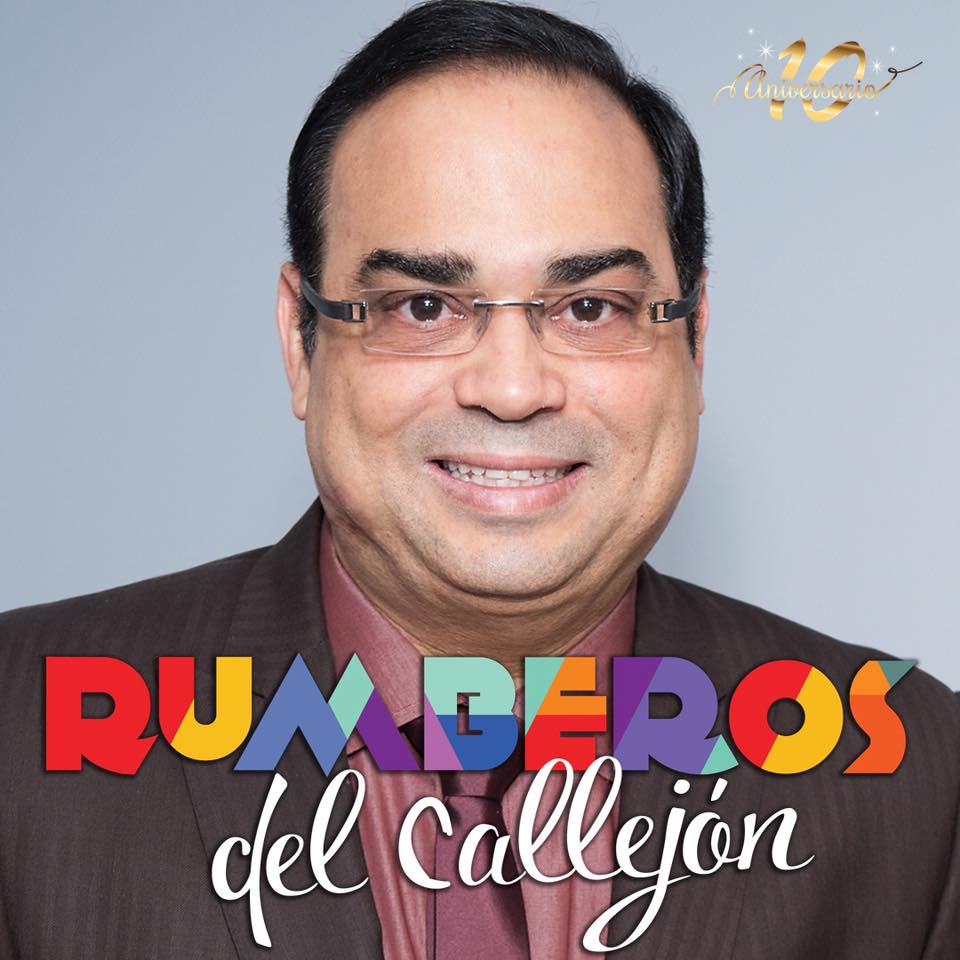
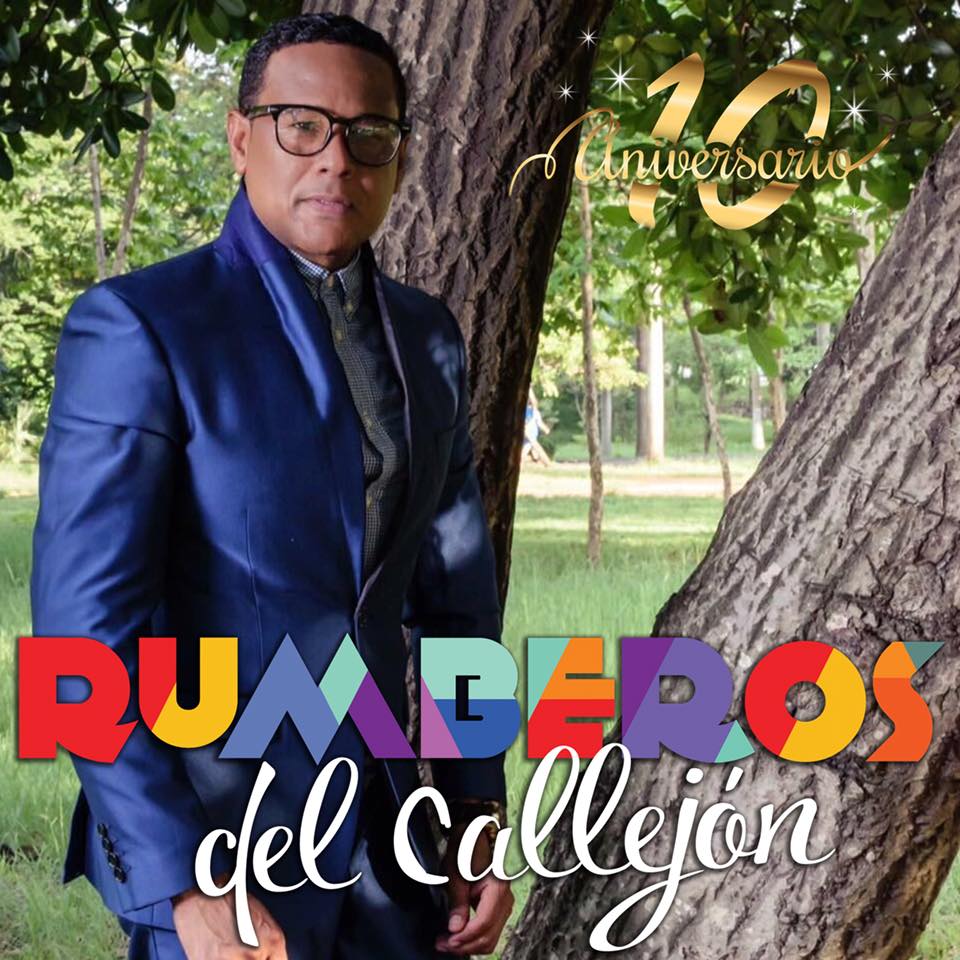
Celebrando will have a modern and emblematic sound effect, since it has the outstanding voices of: Tito Nieves, Maelo Ruiz, Gilberto Santa Rosa, Domingo Quiñonez, Sixto Yorente “El Indio”, Luis Fernando Borjas, Wilmer Lozano and with the already prestigious vocal harmonies, members of this musical group: Rodrigo Mendoza, Gonzalo Díaz, Angelito Vallenilla, Memo Arroyave and their new musical bet, the young singer, Veruzka Verdú.

Wilmer - Rumberos del Callejón
Wilmer – Rumberos del Callejón

This group that owes its name to the San Pedro alley located in the popular Catia area, west of the Venezuelan Capital managed to obtain the collaboration of these international guest artists on their album not only thanks to the current avant-garde technology, but also to the printed constancy and always present in the director Carlitos Padrón, who took up the challenge with his father Carlos Padrón (founder of the orchestra) to produce “Celebrando”, which also had the privileged pens in the composition of the songs by Rodrigo Mendoza and Angelito Vallenilla.

Veruzca Verdu - Rumberos del Callejón
Veruzca Verdu – Rumberos del Callejón

“ For me Salsa is a way of life. It’s passion and culture. Carlitos Padrón “

This album with almost 4 years of production was recorded in the main cities of the American continent: Caracas, Santo Domingo, Cuba, Miami, Orlando and mainly in the recording studio “Chongo Records” belonging to the director, founder, composer and percussionist of the band, Carlitos Padrón, in New York.

Gilberto Santa Rosa - Rumberos del Callejón
Gilberto Santa Rosa – Rumberos del Callejón

“Celebrando” has the participation of important Venezuelan arrangers of the tropical genre, such as: Alberto Crespo and Willie Melo, who along with Carlitos Padrón took care of all the sound material of the production to get to the music market with a lot of “modernism and melao”, commented Carlitos Padrón. Currently, Celebrando is in the final phase of remastering and mixing so that dancers from the 5 continents are able to enjoy this new record proposal that Rumberos del Callejón will offer them soon.

“… We have international guests of great trajectory, which are a bit difficult to get but with the Grace of God, today, I think we have an Artwork”. Carlitos Padrón

Check List - Rumberos del Callejón
Check List – Rumberos del Callejón

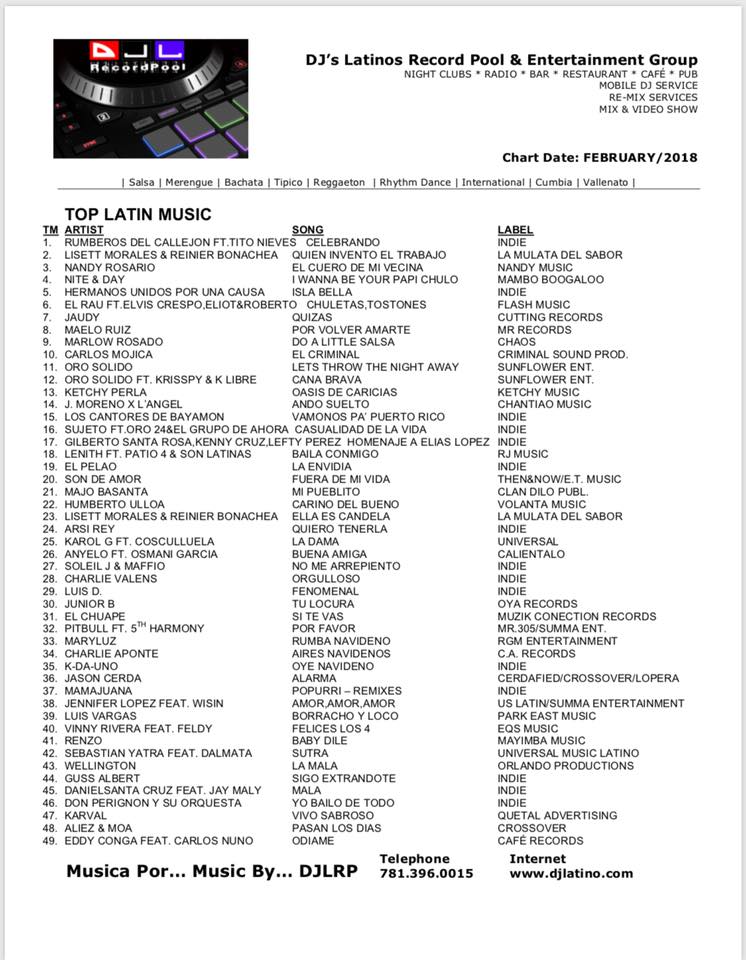
Recently, “Celebrando” whose name also titles the album, was the first single released by the group in November 2017 on all digital platforms and radio stations worldwide, and which last February managed to reach # 1 on the DJs chart.

The theme “Celebrando” has the participation of the Salsero Puerto Rican singer, Tito Nieves and the composition of the Venezuelan Angelito Vallenilla. The musical performance was in charge of the excellent Latin American musicians:

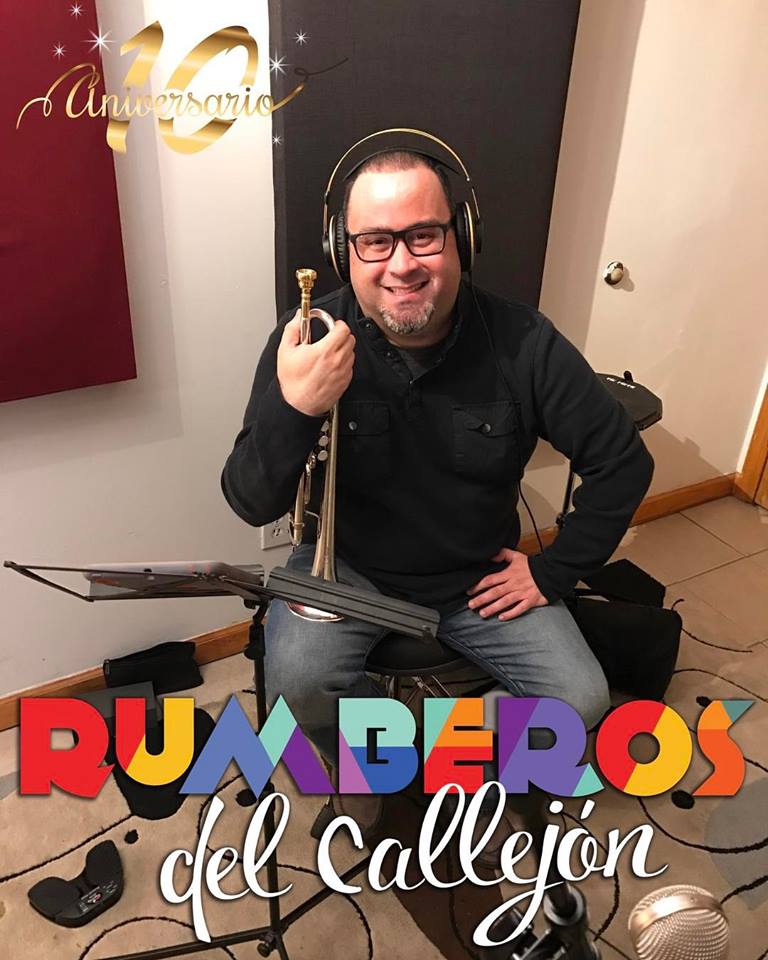
José Tabares (bass), Carlitos Padrón (Timbal), Alberto Crespo (piano), Marc Quiñones (conga), Bobby Allende (bongó), Manuel Maneco Ruiz (trumpets), Pablo Santaella (trombone), José Antonio Fariñas Gutiérrez (baritone), and in the choir: Rodrigo Mendoza, Leo Gruber, Wilmer Lozano and Angelito Vallenilla.

With this third record production product of the celebration of their 10th Anniversary, Rumberos del Callejón, hope to take their music to every corner on the planet and continue betting on the support and integration of new generations in salsa music.

Angelito Vallenilla - Rumberos del Callejón
Angelito Vallenilla – Rumberos del Callejón

“For me, the biggest success is to be able to say that I have in my production the biggest salsa singers of today, nationally and internationally.” Carlitos Padrón

Rumberos del Callejón’s Discography:

In order to rescue the golden age of Salsa in the 70s, 80s and 90s, the Orchestra Rumberos del Callejón was created with a total of 13 members at the beginning, currently, they are 12 members. Their great musical proposal was captured in their first record production titled “De la Nada” (2008) under the label Callejón Música. This album is composed of 11 songs, including: Aquí Se Puede, Pa ‘Lante Otra Vez, Chechere Guma by Justi Barreto, among many others.

Rumberos del Callejón - Se Acabo el Silencio
Rumberos del Callejón – Se Acabo el Silencio

After 4 years, they release their second album “Construyendo” (2012) with such emblematic songs as “Cuando te toque llorar” by Puerto Rican balladeer José Feliciano, likewise, the production of “Constuyendo” was in charge of the director, timbalero and composer, Carlitos Padrón with arrangements made by the renowned Puerto Rican producer, Ramón Sánchez.

Rumberos del Callejón - de la nada
Rumberos del Callejón – de la nada

And Finally, for the musical performance Padrón decided to gather the best musicians from the NY area: Isidro Infante (Piano), José Tabares (Bass), Pablo Santaella (Trombone), Ray Colón (Bongó), Nelsón Jaime “Gazú” (Trumpet) , Manuel Ruiz (Trumpet), Iván Renta (Saxo Baritone) and Robert Quintero (Congas).

Trumpet Artist - Rumberos del Callejón
Trumpet Artist – Rumberos del Callejón

For more information, follow them at:

  • Facebook: https://www.facebook.com/pg/rumberosdelcallejon1
  • Instagram: @rumberos_del_callejon
  • The Official Accounts on YouTube and Soundcloud: Rumberos del Callejón.
Rumberos del Callejón
  • « Go to Previous Page
  • Page 1
  • Interim pages omitted …
  • Page 51
  • Page 52
  • Page 53
  • Page 54
  • Page 55
  • Interim pages omitted …
  • Page 95
  • Go to Next Page »

International Salsa Magazine (ISM) is a monthly publication about Salsa activities around the world, that has been publishing since 2007. It is a world network of volunteers coordinated by ISM Magazine. We are working to strengthen all the events by working together.