• Skip to primary navigation
  • Skip to main content

International Salsa Magazine

  • HOME
  • Previous editions
    • 2026
      • ISM / April 2026
      • ISM / March 2026
      • ISM / February 2026
      • ISM / January 2026
    • 2025
      • ISM / December 2025
      • ISM / November 2025
      • ISM / October 2025
      • ISM / September 2025
      • ISM / August 2025
      • ISM / July 2025
      • ISM / June 2025
      • ISM / May2025
      • ISM / April 2025
      • ISM / March 2025
      • ISM / February 2025
      • ISM / January 2025
    • 2024
      • ISM / December 2024
      • ISM / November 2024
      • ISM / October 2024
      • ISM / September 2024
      • ISM / August 2024
      • ISM / July 2024
      • ISM / June 2024
      • ISM / May 2024
      • ISM / April 2024
      • ISM / March 2024
      • ISM / February 2024
      • ISM / January 2024
    • 2023
      • ISM / December 2023
      • ISM / November 2023
      • ISM / October 2023
      • ISM – September 2023
      • ISM – August 2023
      • ISM July 2023
      • ISM Edition June 2023
      • ISM – May 2023
      • ISM April 2023
      • ISM March 2023
      • ISM February 2023
      • ISM January 2023
    • 2022
      • ISM December 2022
      • ISM November 2022
      • ISM October 2022
      • ISM September 2022
      • ISM August 2022
      • ISM July 2022
      • ISM June 2022
      • ISM May 2022
      • ISM February 2022
      • ISM January 2022
    • 2021
      • ISM December 2021
      • ISM November 2021
      • ISM October – 2021
      • ISM September 2021
      • ISM August 2021
      • ISM July 2021
      • ISM May 2021
      • ISM April 2021
      • ISM June 2021
      • ISM March 2021
      • ISM February 2021
      • ISM January 2021
    • 2020
      • ISM December 2020
      • ISM November 2020
      • ISM October 2020
      • ISM September 2020
      • ISM August 2020
      • ISM July 2020
      • ISM June 2020
      • ISM May 2020
      • ISM April 2020
      • ISM March 2020
      • ISM February 2020
      • ISM January 2020
    • 2019
      • ISM December 2019
      • ISM November 2019
      • ISM October 2019
      • ISM Septembre 2019
      • ISM August 2019
      • ISM July 2019
      • ISM June 2019
    • 2016
      • ISM December 2016
  • Spanish
  • Download Salsa App
    • Android
    • Apple

Search Results for: Salsa music

José Fajardo was a virtuoso flutist, composer, orchestra conductor and music producer

José Antonio Fajardo, in the month of November we refer to one of the greatest musicians that the island of Cuba has given in the last century; we are talking about maestro José Antonio Fajardo Ramos: flutist, composer, orchestra conductor and music producer; one of the great promoters of Cuban music represented in the rhythms of bolero, son, guaracha, mambo, chachachá and pachanga.

José Fajardo was born in Guane, province of Pinar del Río in 1919. He began his musical career as a maraquero in his father Alberto Fajardo’s orchestra, later he took up the flute.

From the age of 16 he was part of several groups such as: Joseíto Fernández, Paulina Álvarez, Melodías del 40, La Romance de René Álvarez, the orchestra of maestro Antonio María Romeu, the orchestra of pianist Luis González Valdés: “Neno” González and the orchestra of Antonio Arcaño, known as Arcaño y sus Maravillas.

José Fajardo fue un virtuoso flautista

After his time in these famous groups, in 1949, Fajardo created his own orchestra called Fajardo y sus Estrellas, with musicians such as: Orlando “Cachaito López”, René Fernández on piano, violinists Ignacio Berroa and Félix Reyna, who was also the composer; percussionist Jesús Esquijarrosa on timbales; Carlos Real on tumbadora and Rolando Valdés on güiro; in the vocal part he initially integrated Joseito Valdés.

In the early fifties, with the boom of chachachá in 1951, things improved a lot and the charangas orchestras began to perform in the best cabarets, aristocratic salons and private parties of high society, such as the Montmatre and Tropicana cabarets.

Fajardo became internationally known in the mid 50’s at the head of his orchestra, Fajardo y sus Estrellas, he was the first charanguero to introduce the cymbals to the timbal and the pioneer in the incorporation of the cowbell and the bongo to the charanga, his group was one of the sensations of the golden age of chachacha and pachanga.

After going into exile in the 1960s, he toured Asia, Africa, Europe and Latin America, popularizing an eminently Cuban repertoire.

Maestro José Fajardo has been one of the only musicians who have stood out in different periods of Latin music; initially in Cuba, in the 50’s with the arrival of Chachachá, later in the era of Pachanga and Boogaloo, in the sixties in the United States, and he also came to prominence in the golden era of salsa in the seventies and eighties of the last century.

In the seventies, eighties and later, the flute master recorded with Joe Quijano & His Conjunto Cachana, Tico-Alegre All Stars; Ray Barretto and Adalberto Santiago; Johnny Pacheco, Pupi, Javier Y Su Charanga; Jimmy Sabater, Orlando Contreras, Alfredo Valdés Jr, Fania All Stars, Louie Ramirez, Graciela and Mario Bauza, Israel “Cachao” Lopez, with our great Joe Arroyo in the nineties and with Hector Casanova, Mario Muñoz, Andy Gonzalez, Eddie Montalvo, Manny Oquendo, Alfredo “Chocolate” Armenteros, Carlos “Patato” Valdes, Alfredo Rodriguez and Francisco Aguabella.

After a brilliant musical career spanning more than six decades, Maestro José Antonio Fajardo passed away in New York City on December 11, 2001, leaving an enormous legacy to our culture.
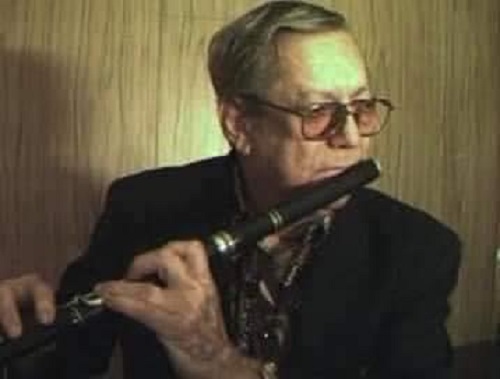
José Fajardo fue un virtuoso flautista, compositor, director de orquesta y productor musical

The great musical contribution of this portentous son of Pinar del Rio, has highlighted him as the highest flute of Cuba and Latin America, a true ambassador of Cuban music and salsa in the world; from our beautiful page ‘Los Mejores Salseros del Mundo’ we want to highlight the enormous artistic career of maestro José Antonio Fajardo Ramos as a tribute to his wonderful musical work.
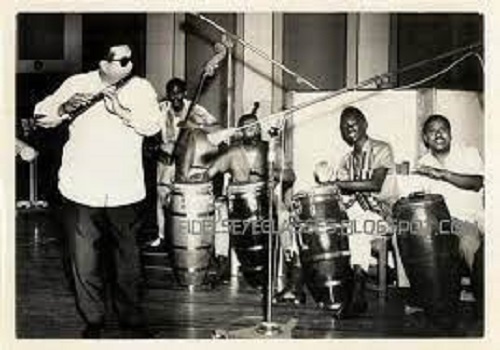

José Antonio Fajardo,  uno de los más grandes músicos que ha dado la isla de Cuba

José Fajardo Jr.

You can read: Ángel Bonne He was part of Juan Formell’s Los Van Van Orchestra, and collaborated with the impressive Irakere band of maestro Chucho Valdés

Today’s feature in “International Salsa Magazine” is multi-instrumentalist Jorge Gregorio Rojas Perozo

The name of the city of Barquisimeto continues to be known as the musical capital of Venezuela.

Characteristic by which, for years, is national and international reference and for proof of this, excellent musicians born in this city, who triumph and shine with their own light, demonstrating quality and versatility in all Latin rhythms stand out.

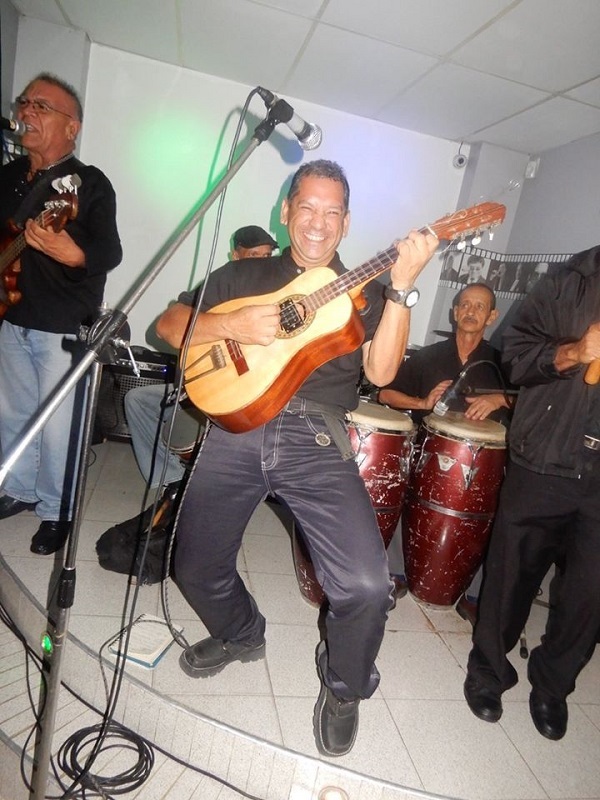
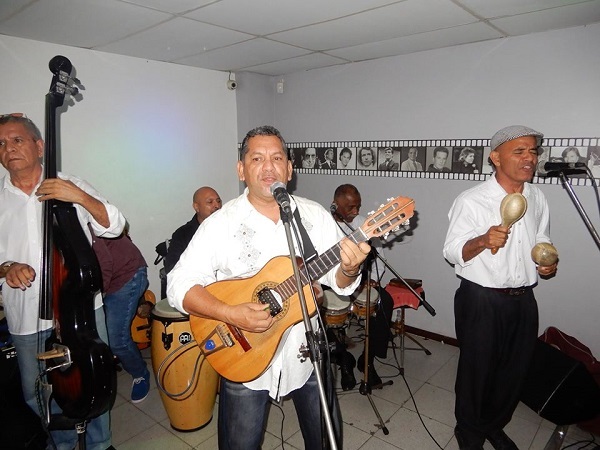
And today’s character in “Salsa Escrita” is the multi-instrumentalist Jorge Gregorio Rojas Perozo, artistically known as Jorge “El Papi” Rojas, extraordinary tres player, guitarist, bassist, arranger, composer, producer and teacher of Latin rhythms and tumbaos.

Jorge Gregorio Rojas Perozo

“El Papi”, as he is commonly known, was born on November 28th in the city of Crepuscular and from a very young age he started in this wonderful art of music, studying at the Vicente Emilio Sojo Music Conservatory.

Welcome Jorge to “Salsa Escrita”, through International Salsa Magazine, www.salsagoogle.com our readers want to know your wide and successful trajectory.

Thank you Professor Carlos Colmenárez for giving me the opportunity to appear in your well read and well known salsa column.

Jorge, tell us in general terms, with which groups have you been part of?

Professor, in 1986 I was director and founder of Grupo Identidad Caribe, in the salsa genre, then in 1987, founder of Grupo Miyare, also salsa.

From 1988 to 1992, director of the Orquesta Profecía (Christian salsa); 1996 to 2003, director of the Orquesta Monumental. From 2003 to 2008 I was director of the Epsilon Band (rock-pop) with music from the 60’s, 70’s and 80’s and from 2003 to 2010, bass player, accompanying on tours in Venezuela of: Henry Stephen, Trino Mora, Los Tres Tristes Tigres, Carlos Moreno, Los Pasteles Verdes, Los Ángeles Negros, Mirtha Pérez, Tania and Leo Dan; from 2007 to 2009, accompanying musician for singers: Mervin Rodriguez, Aurita Uribarri and Marco Molina.

Jorge “El Papi” Rojas, extraordinario tresista, guitarrista, bajista, arreglista, compositor

In 2012 to the present, tres player of “Sasón Latino”; in 2018, musical director of the Orquesta Siete Mangos y una Flor.

Today I direct the salsa group “Coimbre” and in parallel I am recording my own production of salsa and sones with lyrics and arrangements of my authorship to provide a contribution to Latin music from the state of Lara.

Also, I am giving virtual classes of Latin rhythms and tumbaos in the Cuban tres, bass and guitar, both nationally and internationally.

Very interesting and admirable your trajectory; Jorge, by the way, I remember a performance of you with the “Orquesta Profecía”, alternating with the “Estrellas de Fania” in the Municipal Coliseum of Barquisimeto, how was that experience? Well professor, it was an unforgettable experience, to be sharing the stage with Ismael Miranda, Larry Harlow, Bobby Valentin, Richie Ray, Bobby Cruz, Pete “Conde” Rodriguez and Jhonny Pacheco; in an unforgettable night, where we opened that concert, taking pleasant impressions from the audience and salsa specialists.

Jorge “El Papi” Rojas

And I tell you professor, besides alternating with Fania here in Barquisimeto, we also did it in the Poliedro of Caracas, in a tour made by them in our country in 1993.

And as for international tours, which countries have you visited? Professor Carlos, I had the honor of performing in the brother country of Neogranadino with the salsa group “Coimbre”, where the Colombian salsa public enjoyed the Afro-Caribbean music, made by musicians from Barquisimeto; visiting the cities of Cucuta and Medellin.

Recently we accompanied the sonero Ramoncito Mendez in his show at the end of 2019, here in the state of Lara. Current projects “Papi”, what do you have out there? Friend Carlos, at the moment, as I told you at the beginning, I am finishing my production and simultaneously I am teaching online classes, with people from abroad.

What are your digital platforms? They are, Facebook: Jorge El Papi Rojas; phone +58 426 3531337; email: [email protected]. Finally, on behalf of Salsa Escrita, we would like to congratulate you for your vast and interesting artistic career and we hope you continue to succeed in our country and abroad, with the help of God Almighty.

Multi-instrumentista Jorge Gregorio Rojas Perozo

Thank you Professor Carlos Colmenárez, for the interview in your salsa column, very grateful and I wish you long life to continue supporting and projecting the musicians from Barquisimeto, Venezuela and around the world.

Jorge El Papi Rojas

You can read: Henry Valladares, a brilliant, versatile, and disciplined percussionist

International Salsa Magazine presents “El Cangri de la Salsa” Dj. Caramelo after triumphing in Lima Peru

On October 2, 1974, Jesús Rafael Torres Caldea, nicknamed “El Cangri de la Salsa” and also known as “El Caramelo de la Salsa”, was born in the populous parish of El Cementerio, son of Candelario Torres, the popular “Robinson” and Doña María de Jesús Caldea, In addition to his biological parents, life also gave him two foster parents who gave him all the love, affection and values, they were Emilio Torres, younger brother of the percussionist musician and Orchestra Director Lisandro Torres, and his wife Alicia Castillo.

Since his childhood he felt great interest in Salsa music and with the help of his childhood friend Oscar Madrid Colina “NENE” they began to buy his first vinyl records without realizing that from that moment on he would begin his career as a collector, musicalizer and producer of events, being today recognized as one of the best music lovers in Caracas and Venezuela.

Dj. Caramelo
Dj. Caramelo

Although he was raised in the parish of El Cementerio, part of his youth was spent in the Marín neighborhood of San Agustín in the home of the Pino and Palacios families, where he was influenced even more by this tasty musical genre.

He rubbed shoulders with other excellent musicians such as Augusto Felibertt, Alfredo Lozada from whom he learned many things and also with Ivan Piñero, Jonathan Castillo and Ivan Walcott among others.

He ventured as a producer of events with Alejandro Tovar and Betty Zapata, whom he baptized as “The True Lady of Salsa” nothing more and nothing less than with the presentation of Ray De La Paz at the Lido Center in Caracas.

Dj. Caramelo y Dj. Augusto

Among the places where he had the opportunity to provide the best of the artillery of his musical collection for music lovers and dancers we can name the Gran Salón Cedro Líbano (La Mezquita), JABEGUERO, La Pachanga among others, reaching his musicality to events where prominent artists such as Herman Olivera, Tito Allen, BAILATINO have participated and also had the honor of being the official musicalizer in the debut of the great Venezuelan orchestra Rumberos del Callejón.

Caramelo was one of the founders of the Online Program via Facebook “Bloque de Salseros de la Mata” which is transmitted every Sunday by the hand of the Master of Masters Mr. Ali Delgado with Junior Villasmil and Alfredo Lozada.

“El Cangri de la Salsa“

Among his favorite artists and orchestras we can mention the Great Carlos “Cano” Estremera, the Bobby Valentin Orchestra, the Willie Rosario Orchestra and the Yambó Orchestra among others; He is currently living in Lima, Peru but has plans to return to Venezuela very soon, to return to the arena of musicalization and production of events again and already has an excellent proposal to participate as a musicalizer in an event where an international artist will participate later this year, from Salseros de la Mata we wish our pana Caramelo a happy birthday and the greatest of success and happy return to his homeland Venezuela.

You can read: The owner of the Soneo’s solo career Cano Estremera

Dj. Caramelo

Directory of Salsa Clubs in North America

Here you will find the directories of Clubs with Salsa events in North America.

CALIFORNIA

Alameda

Yoshi’s Trilliant Studios LLC Salsa With Juan
Just Dance Ballroom Zanzi Oakland La Peña Cultural Center
The UC Theatre Taube Family Music Hall

Contra Costa

Vinnie’s Bar & Grill Sizzling Latin Dance Studio Rhythm and Flo
Allegro Ballroom and club Gaucho Brazilian Steakhouse & Nightclub Retro Junkie
Tip Top Ballroom

Los Angeles

The Granada LA  Steven’s Steak House   Room 2 Dance
ArtBox Studio By CrystalArts En Pointe Dance & Fitness PCH Club
The Mayan El Floridita Restaurant ViBE – dance studio & creative space
Ballet Hollywood MNR Dance Factory Soho Dance LA
VLounge Bar And Night Club La Clave Salsa Club Quiet Cannon
Black ‘N Blue The Victorian Ocean Towers
State Social House
Marin Salinas Seaside
Sausalito Seahorse Dance Arts Jeanne Robinson Deja Blue Soul Food Restaurant & Club

Orange

Sevilla Nightclub of Costa Mesa Club One Studio OC Salsa with Esteban Conde
Spectrum Dance Center LINE-X of South Coast

Riverside Craft Brewing Company

Sacramento Cantina Azteca Eagles Hall Aerie 9FOE

San Bernardino

The Canyon Salsa Cumbia & Bachata RhythmAddict Dance Studio Cosmos Taverna

San Diego

McCann Dance Sevilla Nightclub of San Diego
Tango Del Rey Queen Bee’s Art and Cultural Center

San Francisco

El Valenciano The Cigar Bar & Grill Space 550
Roccapulco Verdi Club Rockwell
DecoDance Bar Kimbara 1015 Folsom
Skylark Bar Bar Fluxus

San Mateo Motion Arts Center

Santa Barbara Leslie Sack Dance Studio

Santa Clara

Charley’s Bar LG Alberto’s Night Club Cascal Restaurant
Stone Stew 1 San Jose Center for the Performing Arts Aura Kitchen + Bar
Dance Boulevard Starlite Ballroom Studio M Ballroom Club

Ventura Studio M Ballroom Club

New York

The Bronx Havana Café

New York

Copacabana Nightclub Gonzalez y Gonzalez Birdland Jazz Club

Queens Nieves Latin Dance Studio

Chicago Vintage Bar

Las Vegas, Nevada Hard Rock Café

Worcester County Palladium

Fairfield County La Vista Bistro

Pinellas County Acropolis Greek Taverna – St. Petersburg

Houston Texas Sable Gate Winery

Michel “El Buenon” is a singer, composer and considered the most sought-after salsa singer in the Dominican Republic

On September 7th in the province of Baharona in Batey 7, Dominican Republic, Michel Batista or better known as Michel “El Buenon” was born, he is a singer and composer.

Considered the most sought after salsa singer, he is a man with a big heart and a story worth admiring, because despite all the vicissitudes he went through during his childhood and youth, he became great, as his grandmother Dona Crisiana instilled in him.

From a very young age he attended Sunday school at the Baptist church with his mother Crisiana Abraham, with whom he attended the evangelical church shepherded by herself, where he also sang in the church choir on Sundays.

In elementary school she participated in a music festival where she won first place at only 8 years of age.

Later she competed in a regional festival in the town of Barahona in the radio station Radio Barahona, winning first place at the age of 12.

He then migrated from the south to the city of Santo Domingo, where he began singing in bars, nightclubs and hotels like the Sheratton, Napolitano, El Embajador.

In addition to the resorts Talanquera, Casa de Campo Sosua, Puerto Plata, among others.

At the beginning he was part of the Tabú Combo, a group from Puerto Príncipe based in New York City, recording hits such as “Inflaciones General”, “La Llave”, “Relimen” and composing the song “Apipi”, known in French and in Spanish as “El Jardinero”, which he recorded with his friend Wilfrido Vargas.

He would later be part of Johnny Ventura’s orchestra for 5 years, from 1982 to 1987.

He recorded the song “Tuyo Más Que Tuyo” by Bienvenido Fabián, then he joined again the Tabú Combo Superstar orchestra with Adolfo Chanci, its director.

In 1995 he went solo and recorded his first salsa CD titled “Amigo De Qué”, which was played all over Latin America, occupying for 12 weeks the first place of the radio station La Mega in the city of New York.

Later he released his second album “Brujería”, and seven others: “De Ahí Nadie Como Él” (2001), “100% Sabroso” (2002), “Llego Michel El Buenon” (2005), “Víveme” (2005) and “Extrañándote” (2005), which contained ballads interpreted in the rhythm of salsa in the style of “El Buenon”, this production has unpublished songs of Michel himself such as “Que Te Vaya Bonito” and “Yo Que Me Lo Creo”.

Throughout his career he has been winner of the Casandra Awards 2005-2006-2007 and nominated in 2008 and 2011.

Among his languages interpreting songs are English, Portuguese, Italian, Papiamiento, Creole, Spanish and French as he did in the song “Se Finit” by Charles Asnabul and the song Wonderful World in tribute to Mr. Luis Armstrong.

In his repertoire of the most outstanding songs in 2008 are “La Primavera”, “Cuando Los Sapos Bailan Flamenco”, “La Playa”, “Víveme”, “Tú Ni Te Lo Imaginas”, “Hoy Daría Yo La Vida”, “Me Has Echado Al Olvido”, “A La Primer Persona” and “Wonderful World”, all with hits and diffusion in all the radios and discotheques of his country.

Among his most outstanding albums in the last ten years are “Extrañándote”, “Todo Terreno”, “Estilo Y Conciencia”, “Arriba Siempre De Pura Sangre”, “Reserva Especial Impecable”, “El Insuperable De La Salsa” and “Claro, Fino, Nítido, Control Total”.

Throughout his career he has traveled to all of Europe, the United States, the Lesser Antilles, Switzerland, England, Colombia, Panama, Costa Rica, Venezuela, Mexico, Curacao, La Reunion, Tahiti, Africa, Japan, Dubai and Colombia, the latter was where he recorded the video clip of his song “Maldito El Tiempo” written by Alexander Pires.

Michel “El Buenon”

You can read: Génesis de la Salsa, su esencia, características, ritmo, historia y expansión

  • « Go to Previous Page
  • Page 1
  • Interim pages omitted …
  • Page 56
  • Page 57
  • Page 58
  • Page 59
  • Page 60
  • Interim pages omitted …
  • Page 300
  • Go to Next Page »

International Salsa Magazine (ISM) is a monthly publication about Salsa activities around the world, that has been publishing since 2007. It is a world network of volunteers coordinated by ISM Magazine. We are working to strengthen all the events by working together.