• Skip to primary navigation
  • Skip to main content

International Salsa Magazine

  • Home
  • Previous editions
    • 2025
      • ISM / November 2025
      • ISM / October 2025
      • ISM / September 2025
      • ISM / August 2025
      • ISM / July 2025
      • ISM / June 2025
      • ISM / May2025
      • ISM / April 2025
      • ISM / March 2025
      • ISM / February 2025
      • ISM / January 2025
    • 2024
      • ISM / December 2024
      • ISM / November 2024
      • ISM / October 2024
      • ISM / September 2024
      • ISM / August 2024
      • ISM / July 2024
      • ISM / June 2024
      • ISM / May 2024
      • ISM / April 2024
      • ISM / March 2024
      • ISM / February 2024
      • ISM / January 2024
    • 2023
      • ISM / December 2023
      • ISM / November 2023
      • ISM / October 2023
      • ISM – September 2023
      • ISM – August 2023
      • ISM July 2023
      • ISM Edition June 2023
      • ISM – May 2023
      • ISM April 2023
      • ISM March 2023
      • ISM February 2023
      • ISM January 2023
    • 2022
      • ISM December 2022
      • ISM November 2022
      • ISM October 2022
      • ISM September 2022
      • ISM August 2022
      • ISM July 2022
      • ISM June 2022
      • ISM May 2022
      • ISM February 2022
      • ISM January 2022
    • 2021
      • ISM December 2021
      • ISM November 2021
      • ISM October – 2021
      • ISM September 2021
      • ISM August 2021
      • ISM July 2021
      • ISM May 2021
      • ISM April 2021
      • ISM June 2021
      • ISM March 2021
      • ISM February 2021
      • ISM January 2021
    • 2020
      • ISM December 2020
      • ISM November 2020
      • ISM October 2020
      • ISM September 2020
      • ISM August 2020
      • ISM July 2020
      • ISM June 2020
      • ISM May 2020
      • ISM April 2020
      • ISM March 2020
      • ISM February 2020
      • ISM January 2020
    • 2019
      • ISM December 2019
      • ISM November 2019
      • ISM October 2019
      • ISM Septembre 2019
      • ISM August 2019
      • ISM July 2019
      • ISM June 2019
      • ISM May 2019
      • ISM April 2019
      • ISM March 2019
      • ISM February 2019
      • ISM January 2019
    • 2018
      • ISM December 2018
      • ISM November 2018
      • ISM October 2018
      • ISM September 2018
      • ISM August 2018
      • ISM July 2018
      • ISM June 2018
      • ISM May 2018
      • ISM April 2018
      • ISM March 2018
      • ISM February 2018
      • ISM January 2018
    • 2017
      • ISM December 2017
      • ISM November 2017
      • ISM October 2017
      • ISM September 2017
      • ISM August 2017
      • ISM July 2017
      • ISM June 2017
      • ISM May 2017
      • ISM April 2017
  • Download Salsa App
    • Android
    • Apple
  • Spanish

Search Results for: Trumpet

Arturo “Chico” O’farrill

North America / United States / New York

Arturo “Chico” O’farrill  “The Afro-Cuban Jazz Architect” 
Arturo O'Farrill
Arturo O’Farrill

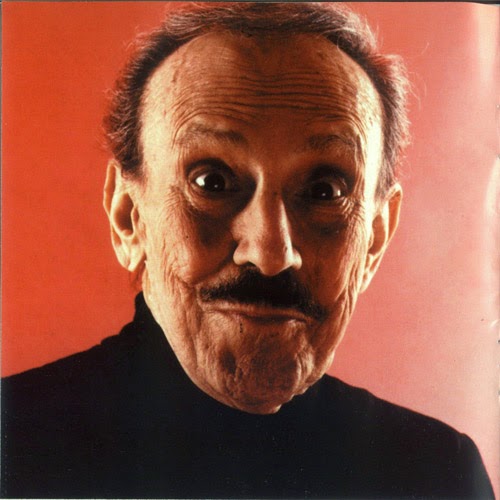
Arturo O’Farrill or better known as “Chico” O’Farrill was born in Havana (Cuba) on October 28, 1921. He was the son of a recognized Jewish family whose father was an eminent lawyer whom one day decided to immigrate to the United States. Arturo undertook his studies at the Riverside Military School in Gainesville, Georgia (interned by his father).

He began to love the jazz orchestras (big bands) and within that environment he fed musically, listening to recordings of Benny Goodman, Artie Shaw, Glenn Miller, and Tommy Dorsey, so much, that in a brief time he learned to plays the trumpet and became the trumpet player of the military band as well as the several dance groups.

Years later, Chico returned to Cuba. He studied law and at the same time developed his facet as a composer, receiving a composition and harmony study with the master, Félix Guerrero. Likewise, he was also Armando Romeu Bellamar Orchestra’s member and the Isidro Pérez Orchestra, when the Son and the Mambo prevailed in the Latin music.


TRAJECTORY

From 1943 to 1947 “The Afro-Cuban Jazz Architect” worked at the cabaret Montmartre. He was a member of Bellamar Orchestra, directed by Armando Romeu and integrated by Luis and Pucho Escalante, Gustavo Mas and Mario Romeu, among others. He traveled to Mexico and Europe as a trumpeter musician as well as he created the band, Los Raqueteros del Swing, being the director and trumpet.

Subsequently, he founded Los Beboppers (the first group of Cuban bop), which was presented at the Saratoga Hotel with Chico again as the director and the trumpet.
Arturo O'Farrill
Arturo O’Farrill

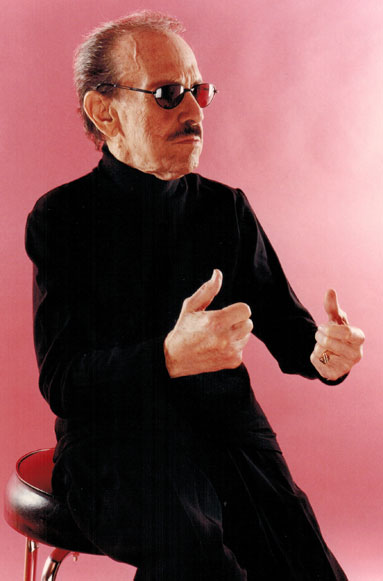
In the ‘50s decade began the successes for Chico as an arranger, working briefly for several orchestra directors, such as Gil Fuller, Noro Morales, Frank “Machito” Grillo, and Benny Goodman.

In the same way, he composed his first great masterpiece “Afro-Cuban Jazz Suite” in five movements: Song, Mambo, 6/8, Jazz and Rumba Open. This masterpiece was made and recorded for the businessman Norman Granz’s label, using the Machito’s Orchestra as an accompanist and rhythmic base.

“Afro-Cuban Jazz Suite”, according to Luc Delannoy: “begins and ends with a hypnotic flute and conga duo that reflects the essence of Cuban treatment; the union of musical universes: the European (the flute) and the African (the conga).

To these two instruments is joined the oboe, followed by the trumpets, saxophones and the “Tumbao” of the double bass… After a return to swing and bebop in the fourth movement, Chico takes us to the origins of Latin jazz with a melody of clear Arabic accents, before sinking back into the universe of Afro-Cuban percussions”. Likewise, for Benny Carter, this Suite was: “The reason for the coherence of the rhythmic parts and their relationships with the solos that have their own life and independence, Masterpiece of a genius.”

In New York and following the success of “Afro Cuban Jazz Suite”, O’Farrill writes “Cuban Fantasy” for Stan Kenton, who later changes its name to “Cuban Episode”.

In 1953 he traveled to California, where he founded his orchestra that included renowned musicians such as Mario Bauzá, Doug Mettome, Jimmy Nottingham, Eddie Bert, Fred Zito, Lenny Hambro, Flip Phillips, and saxophonist Eddie Wasserman. The orchestra used the rhythm section of the Machito’s Afro-Cuban, harp and oboe. With this concept he recorded for Norman Granz, performed in Birdland (New York), and the Hat Ballroom located in Los Angeles. In this period he composed three new movements: “La Jungla”, “Contraste”, and “Rhumba Finale”, baptized as “Manteca Suite” recorded with the Jazz player Dizzy Gillespie and orchestra of 21 excellent musicians in 1954.
Arturo O'Farrill
Arturo O’Farrill

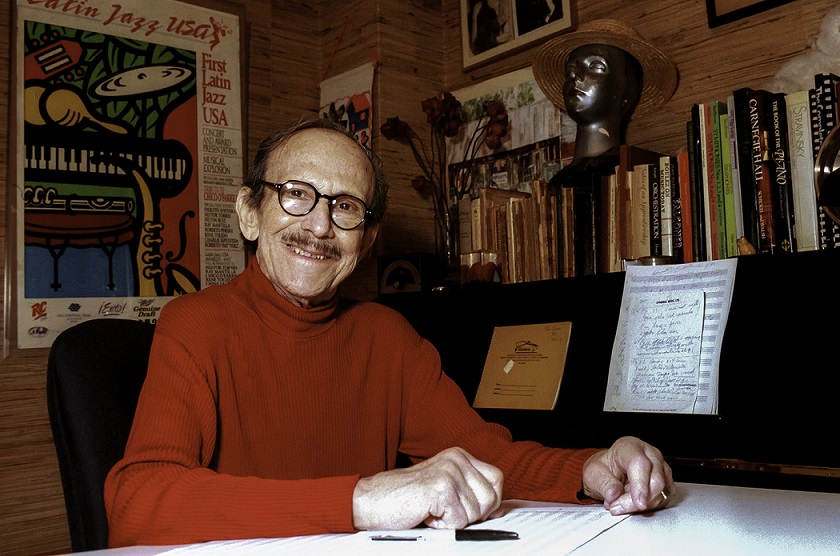
He returns to Cuba again in 1956 to be inspired and immediately began working for the best record companies on the island such as Panart and RCA Víctor, recording “Chico’s Cha-Cha-Cha”, adapting the Charanga rhythm to the big band format. This album is released, one more time, on compact disc by BMG during the last decade of the twentieth century. Chico also made a recording for the popular D’Aida Quartet and arrangements for Bola de Nieve and the famous Orchestra Director, Aldemaro Romero.

In 1958 the restless O’Farrill moved for Mexico, an essential platform for all Latin American musicians at that time. There he returned to create another special sound and appears on television as musical director of the Andy Russell singer, and there his life changed radically. He started a semi-retirement period, but never stopped creating music. At that moment, he composed his famous “Azteca Suite” for trumpeter Art Farmer, and he made history again!

In the 60s he returned to New York and makes arrangements for such important figures as La Lupe (They Call Me La Lupe); Cal Tjader (Along Comes Cal); Clark Terry (Spanish Rice); Count Basie (High Voltage); Gato Barbieri (Chapter Three: Viva Emiliano Zapata); Ringo Starr (Night and Day) and dabbled in the Rock music with David Bowie (I Know It’s Gonna Happen, Looking for Lester), and finally he was director of the Aldemaro Romero´s Orchestra.

This stage extends until the end of the 20th century, although already in the 70s, the big bands go down in history for several genres that would be manifested due to their novelty and immense popularity in the United States and around the world. The architects of the new fashion used new techniques, styles, and sounds, especially in the field of harmonization. Suddenly popular music stopped being exclusively for the ballroom and -of course- “new sound” icons appeared in the Jazz Music. For this reason, Chico O’Farrill begins working in the lucrative field of music for television commercials.
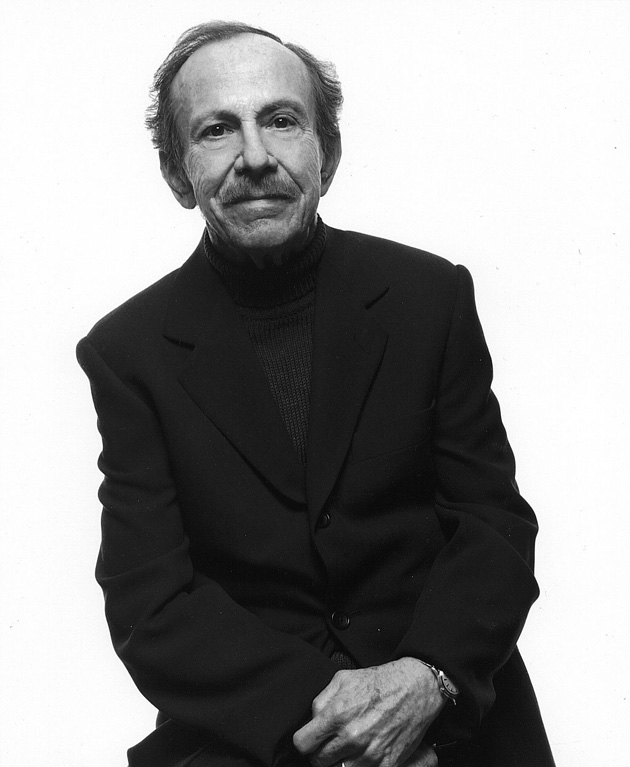
Arturo O'Farrill
Arturo O’Farrill

In the mid-1990s, “The Afro-Cuban Jazz Architect” was contacted by American producer and Jazz director Todd Barkan with Pure Emotion, a compiled of his musical career with which he got a nomination for the 37th edition of the Grammy awards.

O’Farrill toured Europe with his orchestra in 1996 and recorded his latest album titled “Heart Of A Legend”, which contains 14 tracks, a formidable orchestra of 18 masters and a staff of international artists. The arrangements of “Heart Of A Legend”, considered for many as the best album of his career, took care by himself and the musical direction was entrusted to his son, Arturo O’Farrill Jr., a formidable pianist and heir of his legacy.

Arturo “Chico” O’farrill died on June 29, 2001, in New York City at 80 years.
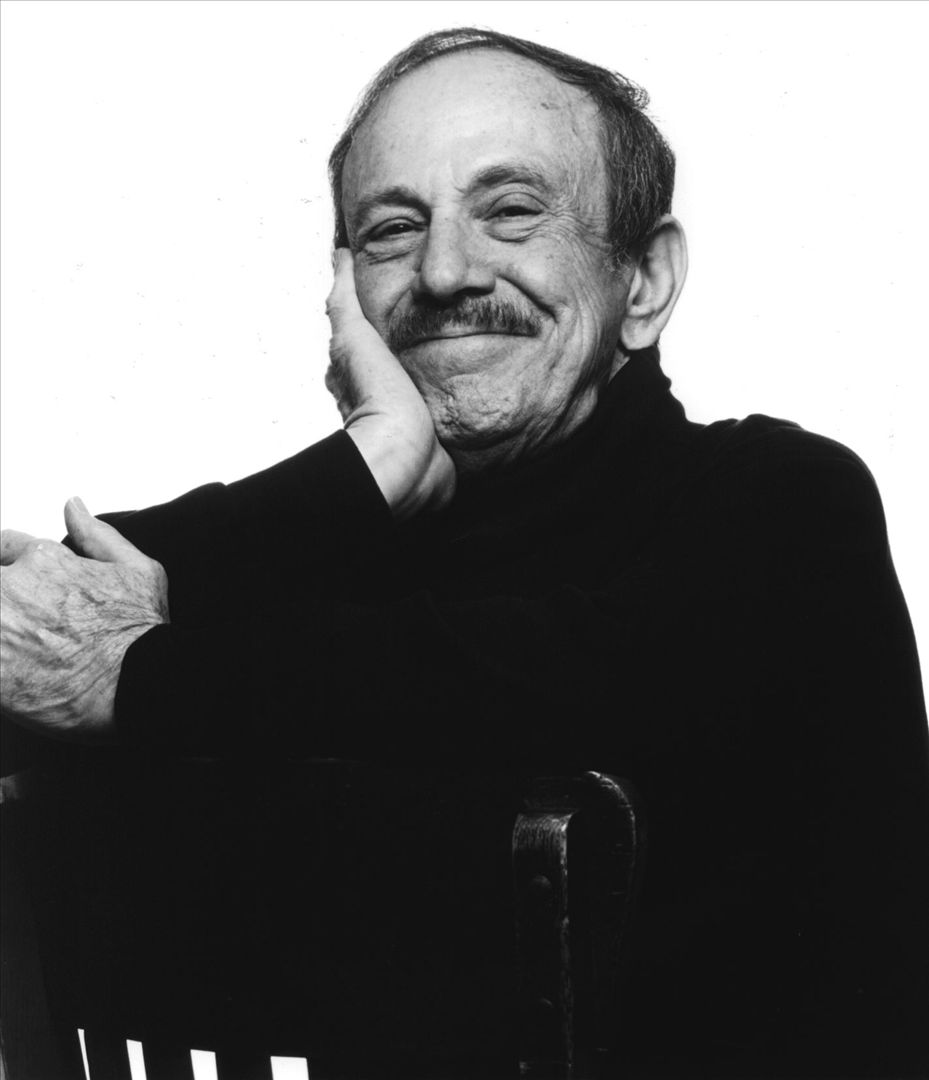
Arturo O'Farrill
Arturo O’Farrill

Undeniably, Chico for more than half a century was a great musical creator. He was at the forefront of an innovative style that many know as Latin Jazz nowadays, which was called at the beginning with many names, such as Cuban bop, Mambo Jazz and Afro-Cuban Jazz.

Our dear “AFRO-CUBAN JAZZ ARCHITECT” Until forever!

In memory of 18 years of his passing!

Balazo de Norteamérica:

Arturo “Chico” O’Farrill

“The Afro-Cuban Jazz Architect”

In memory of 18 years of his passing!

Three albums by Arturo Sandoval to give away at Christmas

North America / United Stated / Washington DC

ISM Recommends “CHRISTMAS AT NOTRE DAME”, “ULTIMATE DUETS”, and “LIVE AT YOSHI’S” of the “Trumpet Legend” to enjoy in the comfort of your home

ARTURO SANDOVAL
ARTURO SANDOVAL

Here is already a month left for December and with it the fast and multiple purchases, in addition to the Christmas gifts that you should not leave for last. What a headache for some people! It’s for that we are going to recommend you the elite gift, three Latin Jazz albums by Arturo Sandoval with which you will be 100% a lord and you will not disappoint even your “Secret Santa”.

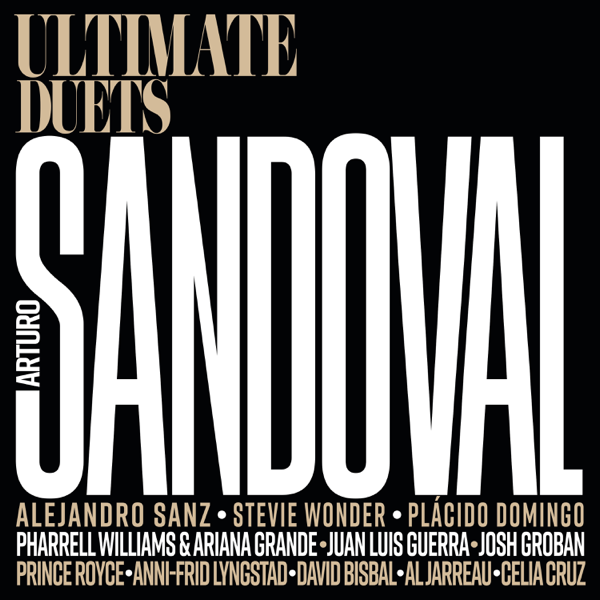
  • ULTIMATE DUETS

Ten-time Grammy winner Arturo Sandoval released his more recent album “Ultimate Duets” in 1998. Marking the continuation of a distinguished four-decade catalog of over 30 groundbreaking titles, the album finds renowned artists from the worlds of Pop, Jazz, Classical, and Latin music coming together for the Cuban maestro’s first duets.

At the outset of recording, Arturo with more than 40 years making music, wanted to make a CD with singers that perhaps nobody has related to Jazz, so he made a list with more than 20 names of artists that he admired deeply but who sing different genres and then simply asked each participant to suggest a favorite song they would like to reimagine with the “Trumpet Legend”, and the results are absolutely amazing as the list of collaborators.

Arturo Sandoval
Arturo Sandoval

ULTIMATE DUETS includes 11 hilarious tracks: “Andante, Andante” – featuring the awaited return of the globally recognized voice of ABBA’s Anni-Frid Lyngstad. This song from the multi-platinum Super Trooper album marked the first time that a member of the Swedish supergroup has returned to the studio to record one of their classics. Stevie Wonder chose to record “People” (which he and Sandoval first performed at a Grammy tribute to Barbara Streisand), whereas Prince Royce turned the tables and decided to record Stevie Wonder’s “Don’t You Worry ‘Bout a Thing” (Popularized in the 70s) in a contemporary Bachata style.

Likewise, the Spanish singer/songwriter Alejandro Sanz also participated in this album versioning “Corazón Partio” featuring Big Phat Band. In the same way, Arturo recorded with legends and new generation voices: Plácido Domingo (“Granada” feat. Vicente Amigo), Pharrell Williams (“Arturo Sandoval” feat. Ariana Grande), Josh Groban (Solo Esta Soledad), Juan Luis Guerra (La Bilirrubina), David Bisbal (El Ruido), Al Jarreau (After All), and Celia Cruz (Quimbara). “It was very exciting to include something with Celia, whom I always admired and loved very much. I couldn’t make a record of duets without her, the eternal Salsa Queen”, Arturo said.

Although in this album Sandoval shows a great variety of genres, he assures that he won’t move away from Jazz: “It’s my main genre and would never leave it, but I am also a big fan of music in general. I’ve always liked Salsa, Merengue, Pop … Good music is what matters most to me, for that I’m so happy with this album”, Sandoval said for an international media.

Release: May 18th, 2018

Available on your favorite digital platform!

  • CHRISTMAS AT NOTRE DAME

Arturo Sandoval, the most dynamic live performer of our time and virtuous trumpeter recorded his FIRST official Christmas Album with the ensembles of Notre Dame one year ago.

This album contains 12 Joyous tracks featuring the Notre Dame Children’s Choir & Isabella Burns (Ave María), Notre Dame Children’s Choir (Joy To The World, O Come All Ye Faithful, and Silent Night), Symphonic Winds (Let It Shine and Fantasy On Fum, Fum, Fum), Notre Dame Jazz Ensemble (The Christmas Song and Have Yourself A Merry Little Christmas), Gabriella Solis & Stephen Lancaster (I’ll Be Home for Christmas), Alyse Jamieson & Jazz Ensemble (All I Want For Christmas Is You), Matthew Kelly & Emorja Roberson (Frosty The Snowman), Victoria Fraser & Notre Dame Children’s Choir (O Holy Night), Sacred Music at Notre Dame Vocalists, and graduate Jazz trio!

Celebrate the Holidays NOW!

Release: October 5th, 2018

  • LIVE AT YOSHI’S

The last ISM recommendation is this live album recorded in Yoshi´s, an important venue located in Oakland, California. This Trumpet Concert in which Sandoval and crew render musical honors was launched in 1995 and contains seven tracks: first pays tribute to the genre’s earliest New Orleans traditions (Second Line – Joe Avery’s Blues) then proceeding on to Bebop (Bebop Medley). Without forgetting his deep Latin roots (El Manisero) and his bound-less love for mentor Dizzy Gillespie (Dear Diz and Every Day I Think of You), as well as for trumpet icons Clifford Brown (Joy Spring Sureña) and Miles Davis (Seven Steps to Heaven). A dollop of Clark Terry’s “mumbling” is even thrown in for good measure.

“I enjoyed Arturo Sandoval’s Latin Jazz concert at Yoshi’s night club on July 4th. He combined all kinds of Jazz inspiration into his own unique “Latin Soul” music. His music is so free and universal. I feel Arturo’s inspiration can bring us together and is taking us into a new dimension of our new world… – Yoshi.

Release: October 2nd, 2015

Oh, And if you haven’t seen a concert by this “Trumpet Legend” yet, don’t miss this month 4 days of amazing shows with two sets, so you can attend at the time that suits you best in the city of the White House, Washington DC.

Dates: November 14th, 15th, 16th & 17th

Prices: $71 – $76

Venue: Blues Alley. 1073 Wisconsin Ave. NW Washington, DC 20007

Contact: 202-337-4141

Purchase your ticket online today at https://www.bluesalleylive.com/?fuseaction=home.artist&VenueID=3&artistid=19523


ARTURO SANDOVAL – Trumpet Legend

  • 10 Time Grammy Award Winner
  • Emmy Award Recipient
  • 6 Time Billboard Award Winner
  • 2013 Presidential Medal of Freedom Recipient
  • 2016  Honorary Doctorate recipient in Fine Arts from The University of Notre Dame
  • 2015 Hispanic Heritage Award Recipient

“Cuando una canción es buena, siempre va a ser buena, sin importar quién, cuándo o cómo se cante”. Arturo Sandoval


More about Arturo Sandoval as well as event dates around the world at http://ARTUROSANDOVAL.com/

Social Channel:

 https://www.facebook.com/pg/ARTUROSANDOVALMUSIC/

Omar Negron

USA / Florida / Tampa

Omar Negron, The Virtuoso of Trumpet and Percussion

Omar Negron was born in San Juan, Puerto Rico, on March 3, 1972. Music came into his life as a family legacy.

Omar Negron
Omar Negron

From the age of 3 he began to play percussion “las pleneras y el bongo”, guided by his maternal grandfather, his paternal grandfather who was also a musician and cuatro player and his grandmother who sang Puerto Rican trova.

At the age of 7, he entered the Carolina School of Music where he learned to read music to interpret it in percussion, which he had already mastered.

The first witnesses of his talent were his classmates at the Angel Ramos de Country Club elementary school in San Juan P.R, where he was part of the central show in several of the school activities, in some of them even imitating the singer Oscar de León. .

At the age of twelve, while attending his regular studies, he was alternately accepted at the Ernesto Ramos Antonini Free School of Music in San Juan.

Omar Negron
Omar Negron singing

There he began to study Trumpet since there was no room for percussion.

However, the percussion teacher allowed him to be part of his class, so he (Omar Negron) studied Trumpet and Percussion simultaneously.

Proven his talent, Omar Negron had the opportunity to be part of the School’s dance band, where he began playing Bongo and years later he would play Trumpet.

He was part of some talent competitions where he ranked first as a singer.

Upon graduating from the Escuela Libre de Música, Omar Negrón received the Rafael Hernández medal for his versatility playing different instruments, including his voice.

His musical career

At just 16 years old, Omar Negron makes his first professional recording as a singer, thanks to an opportunity he received from Mickey Cora and his Cabala Orchestra, where he was able to record and perform the songs: “Wanting to Live With You” and “We Will Always Be Friends” .

Omar Negron
Omar Negron

In 1990, Omar Negron was recruited by the Conjunto Chaney after the departure of the singer José Cheo Andújar.

A year later he made his first recording with the Ensemble, in the production entitled “Somos Amigos” where he performed the song “En Trance”.

Omar made three more productions with the Chaney Ensemble under the Hit Makers record label, but unfortunately none were released.

In 1994, Chaney made a recording with the Musical Production label, entitled “La Escuela de la Salsa”, where Omar recorded the songs: “I’m back”, “Impulsos”, “I fell in love”, “You are the vice”, ” Gaining Sensuality”, among others. This production earned them several awards including a Gold Record and an ACE Award.

It was a season of success and presentations in Europe, the United States, Central America and South America.

In 2004 he was invited by maestro Willie Rosario to be part of his orchestra after the departure of singer Rico Walker.

Opportunity that he enjoyed for three years and allowed him to gain experience as a son player and interpreter of many of his hits.

However no new recordings were made during that season.

In 2013 he launched himself as a soloist with the song: “No Son Juguetes”, composition and arrangement by Frank Poupart, a song that was widely accepted among the fans of romantic salsa in Puerto Rico, the United States, the Canary Islands, Venezuela, Panama, Colombia. among others.

Then he recorded the song by Ricardo Montaner and Jorge Luis Chasin “Bésame” which made him the winner of two Fox Music Awards in the city of Houston, Texas.

The same theme was placed number one on the Italian and Swiss tropical music radio charts.

A year later, he recorded “Waiting for you” written by Jesse Villareal and arranged by the great experienced arranger Tommy Villarini.

This single allowed him to open doors in countries like Belgium, Turkey, and Germany in addition to the United States, Central and South America, especially in Panama where his music is well accepted.

In 2016, with much more accumulated experience and with the help of a new work team, Omar Negron launches his new single entitled “Por Si Mañana”, composed by Jorge Luis Piloto and arranged by Ramón Sánchez.

This song is the Salsa version of the ballad recorded by the well-known Colombian group Mojito Lite.

Latin America – July 2023

Djane Shina
 
Antonio Cartagena
 
Roberto Rodríguez
 
Luis “Tata” Guerra
 

Banner willian t. martinez immigration attorney

Alex Sánchez “Salsa has always had a special place. It is a genre that will never go out of style ”.

Latin America / Venezuela / Miranda

Mulato en Rumba his greatest bet Alexis José Sánchez:

He is a versatile artist, who like many other musicians begins his training from home, with his brothers he learned to play the cuatro and the guitar, this motivated him to continue his formal studies at the School of Music “José Lorenzo Llamozas”, where he also studied trumpet alongside maestro José “Cheo” Rodríguez; He jointly studies Afro-Latin percussion with maestro Orlando Poleo, Barloventeña percussion with Alfredo “Pandilla” Bolívar and Arturo Piñango, African percussion with José Shalons and Yonder Rodríguez.

At the “Nicomedes Marrero” Cultural Training Center in Tacarigua, he took piano lessons with professor Manuel Sepúlveda, Afro-Venezuelan percussion with maestro Alexander Livinalli and Choral Direction in the free art workshop of “Río Chico”.

Photo- Alex Sánchez
Photo by Alex Sánchez

Although he was born in the city of Caracas, all his life he has lived in the Barlovento region, an area with a great cultural and musical richness, there he also performs the role of teacher, being a facilitator of the Afro-Barloventeña, Afro-Venezuelan and Afro-Venezuelan percussion chairs. Afro-Latin, in School District No. 4.

From a very young age he has been linked with the traditions of his town; Tacarigua. This young man is an active part of the cultural development of the area and together with his wife Yermy Martínez and his mother-in-law Zenaida Gamboa, founders of the group “Danzas Tacarigua”, they are in charge of training the youth of relief, in order to keep the demonstrations alive. traditional barloventeñas for many generations.

Sánchez, assures us that he has a great responsibility, to preserve the legacy that the Africans left in their path through our land, that despite the obstacles he gets along the way to carry out his work, he is overcoming them one by one with perseverance and dedication. that love he feels for music, his family, his traditions and his other passion for teaching.

Salsa and Venezuelan Folklore, two different worlds, each rich and varied in rhythms and styles, however, it takes them by the hand, something that is not strange in a country where the mixture abounds, that we Venezuelans are the product of an ethnic and cultural mix.

How were your beginnings in music?

“I started in music at home with my brothers. I learned with them to play cuatro and guitar. That was the fundamental basis of what has been my musical career up to now and it also inspired me to continue with formal studies in music ”.

Your musical training has been very broad. Why did you decide precisely to specialize with the trumpet?

“I decided on the trumpet, since it has been the traditional instrument in my family, first my great-grandfather Gregorio Machado, then my great-uncle“ Perucho ”Machado and my brother Wilman”.

A man from Caracas who decides to emigrate to Barlovento Why not Barquisimeto or another region?

“My whole family is from Barlovento, since I was born I have lived here in Tacarigua, Brión municipality. After studying music I realize the musical wealth that exists in this region. That is why I decide to bet on the musical production of my homeland and also be part of that artistic movement that represents Barlovento and that has given so much to our country ”.

Composing and arranging music, the work that leads its creators and orchestras to position themselves in the first places. Which of your works as a composer and arranger have been positioned in that place?

“That is the dream of every arranger, to achieve that an orchestra reaches the first places of popularity and in sales. I haven’t had that luck yet, but it’s my dream as a songwriter. I have arranged for many orchestras that have been quite popular and are playing in various countries ”.

Alex Sánchez
Mulato in Rumba your biggest bet

There are many orchestras for which you have done this work, could you name them?

“I have arranged for orchestras and singers such as: Bailatino, Cheo Linares and his Orchestra, Víctor Cardona and the Salsa Machine, Cheo Navarro and his Tribute, Francisco Pacheco and his People, Hildemaro Jr., Orquesta Sarayé (Colombia), Orquesta La Suprema (Panama), Orlando Watussi and my musical project “Mulato en Rumba”, among other national artists “.

Percussion is another of its virtues, of the different rhythms. Which of them is more difficult to teach or learn?

“Percussion is a world that allows you to express yourself and make contributions based on its rhythmic quality. All rhythms have difficulties, but their great musical richness and the magic of the ancestral charge make it possible for us to digest them naturally ”.

“I invite the musicians and the community in general to come to Barlovento to learn about the regional culture, so that they learn to play Mina, Culo e puya, Quitiplás, Fulía and Parranda.”

In the vineyard of the Lord there is everything and for everyone. What has been the most difficult thing about this profession?

“Music gives you a lot of satisfaction, but around it there are circumstances that create disappointments – they can scam you, you have friction with colleagues, etc. – you will find obstacles, but I think that all this is overcome with perseverance and dedication to work. That is what it takes to stay in the musical world ”.

The Music Producer is the architect of a record. What do you feel at the end of each record? What do you feel at the end of each work done?

“Music production is hard work, bringing together musicians, writing and selecting songs, directing, molding and creating a pleasing product for the public, where feelings are reflected on paper, which in turn become sounds that will mark the life of anyone who is a music lover. That is the greatest satisfaction ”.

Each era has its ups and downs, do you think you can make a living from music?

“Of course, if we think of music as an industry we can find that starting from being a composer, arranger, through instrumentalist, singer, among other things, always keeping in mind the quality of the work to be able to sell it, it can be said that we are prepared to live from what we love to do ”.

How does it feel to be part of the cultural development of Barlovento?

“It is a great responsibility to know and feel that you are the bearer of such an important heritage for the development of the culture of an area where the legacy of the Africans who populated our lands will always prevail. Maintaining, disseminating and promoting the culture of my people through workshops, talks and exhibitions will guarantee that tradition is not lost and that these children and young people, just like I started, will be the future protagonists of the traditional Barlovento demonstrations. ”

Tell us about the Black Theater of Barlovento and Danzas Tacarigua. How do you undertake the preparation of the new generations so that the traditions last over time?

“The Black Barlovento Theater, a group that has 43 years of artistic experience, also proudly carries the cultural heritage of the Miranda State. It is and has been a great school for me for 27 years when I made my first presentation with this great family. I say that it is a great school because it is characterized by being an avant-garde group and that it has given me the green light and total confidence to develop and put into practice all the knowledge acquired musically throughout my career through the different productions of the theatrical works brought to the scene ”.

“Following this example and great experience with the Black Theater of Barlovento, we have been working with the Danzas Tacarigua group, directed and founded by my wife Yermy Martínez and my mother-in-law Zenaida Gamboa for 20 years, training children and adolescents in terms of traditional Venezuelan culture, emphasizing the Barloventeña. They are currently part of the main actors in the traditions of my Tacarigua people. It is an arduous work in favor of the diffusion of the same ”.

His wife is an active part of the Cultural development of the young people of Barlovento, here we could say that “Next to a great man goes a great woman”?

“When one is passionate and responsible with what he does, with his profession, his home, that is accompanied by a great companion, I thank my wife very much, a large part of who I am and what I have achieved is accompanied by her great support, she is passionate about what she does, and that gives me a lot of strength ”.

Salsa and Venezuelan Folklor take you by the hand, how does it unfold between these two worlds?

“Despite the fact that they are two different worlds and from different markets, I have tried to take them by the hand, since from a very young age I was linked with the tradition of my town and the Barloventeño region in general, participating in the demonstrations held throughout of the holiday calendar. The salsa world has helped me understand and handle our culture in a more respectful way through arrangements, compositions, and also when interpreting it”.

Flyer Alex Sánchez
Alex Sánchez & Mulato in Rumba

How do you see the sauce right now?

“Salsa has always had a special place. It is a genre that will never go out of style. We must thank the DJs very much, who, whether they like it or not, have been a fundamental part of the salsa being maintained over time, since the media have lost that interest in promoting and promoting new salsa talents for their music. respective development.

In Venezuela the salsa movement has suffered a lot, since orchestras and producers have had little support at the level of the music industry, since it has diverted its attention to urban genres, which according to them is the most commercial. Despite all this panorama, many musicians, singers, producers have made efforts to continue working in favor of Venezuelan salsa with what we call “record pocket” -hahaha-. All this so that his musical work does not remain only in a dream ”.

Barlovento and its sauce, what can you tell us about “Trabuco Barlovento”? “Trabuco Barlovento is an initiative of my cousin Richard Frías. He told me one day at a salsa concert held in Mamporal, seeing that the great stars were accompanied by musicians from Barlovento, -with all those musicians who are there you can make a blunderbuss that represents Barlovento- and that is how the group was born ” Trabuco Barlovento ”, with more than 10 years of artistic life and 1 recording production to be finished.

I remember that among those musicians who accompanied the artists were Rodolfo Rada (trumpet), Ángel González (saxophone), Darlin Palacios (trombone), among others who are today the fundamental pillar of this group. It has 14 members, where I work as the musical director and main arranger of this prestigious group”.

Orlando Poleo, a national and international percussion reference. What anecdotes do you have of his training with him?

“Orlando Poleo arrived in Tacarigua in 1986 as a percussion teacher at the” Nicomedes Marrero “Cultural Training Center, which was a great experience for me, since he was venturing into the world of Afro-Caribbean music”.

“I remember that once he came with his orchestra“ Casino ”and as he was quite advanced in his classes, he rewarded me by playing a song. It was the glory for me to play with the maestro. It was a great experience for the musicians of Tacarigua and other nearby towns because it helped improve playing techniques and understanding of the use of the clave. Much of that learning I apply to create arrangements. ”

He is a teacher and a student, what is more difficult for you to teach or learn?

“Both are difficult, because to teach well you must learn well.”

You are working with a new musical proposal. What do you have in store for us with the Mulato en Rumba project?

“Mulato en Rumba is my biggest bet. This movement has more than 15 years, began as “Alex Sánchez and his Orchestra” to accompany artists and participate in ¬estas and salsa events in the area. One day recording for another orchestra, we met my brother Edward Plater, my compadre Yoryi Pacheco and I fine-tuning details of what we had already recorded. We saw each other’s faces and said -Why don’t we make an orchestra that is ours? -; we always record and produce for others ”.

“It is then that we decided to set up and start this musical project with our own songs composed by Yoryi Pacheco and myself and arrangements made by me as well. The main members are: Yoryi Pacheco (singer), Edward Plater (trumpet), José Madera Niño (tumbadora), Jonal Rivero (trombone), Rodolfo Frías (bassist) and Alex Sánchez (trumpet, piano and musical direction). Soon our first record production will be ready, which has been done uphill because it is financed by “Pocket record”

–”jajajajajajaja”-.

That name sounds like ¬esta, joy and sauce. How was the name Mulato born in Rumba?

“This name was given to him by my friend and brother Cheo Linares. I told him that we had a new project and he told me

-The mulattoes are going to start partying in Barlovento- and from that moment we call ourselves “Mulato en Rumba”.

Alex Sánchez
Alex Sánchez playing the trumpet

Creativity is in decline in Venezuela, you are a composer and arranger and many of the Salsa orchestras are betting on versions or tributes, they do not risk innovating, creating or inventing. What do you think about this matter?

“I think that covering is very fashionable, I think that for many people it is easier to live attached to the shadow of another than to risk producing their own.

Perhaps it is fear of failure due to the lack of support for the artist that exists in our country. There are those who do take risks and bet on other markets (other countries), where the appetite for good music is always thanks to the fact that in those countries there are people eager for new things. In our country that culture of wanting to hear something new and as the saying goes: “-No one is a prophet in his land-” has been lost.

If you bet on innovating and creating, what are the themes of your production?

“We have 10 songs, 2 versions and the other 8 songs are unpublished, we bet on ourselves, not to be in the shadow of others, here the lyrics and music are by José Madera Niño, and my person, Yoryi Pacheco also writes some of the topics. In the version of “Tú mi Delirio” I sing ”.

“The song, get ready, Dancer, the lyrics and the music are by Freddy Junior Solórzano.”

The support of the media is important to show the work done by national talent. Do you feel that there is little dissemination by the media to show the work done by the different groups?

“-Well-, in previous questions I have said that there is no support from the mass media. Hopefully that will end one day and they give importance to Venezuelan music and talent as much as they give it abroad.

La Payola, many criticize it and want it to disappear, however, there are musicians who contribute to this scourge that hurts everyone. Would you ever pay to play?

“I don’t agree with the Payola. Colleagues have told me that if they have done it that it is a rather shameful situation, since many times they have to play without any remuneration in exchange for playing on the radios several times a month. Personally, I would never pay for what he calls Payola ”.

What would be the good and not so good things about this beautiful but tough profession?

“I think there are more good things than bad things, and more when we take music as a profession. The musical world is very satisfying, since it makes you live unique experiences that fill your soul and spirit with joy ”.

Teacher, musician, arranger, music producer What do you feel you need to do?

“Learn, learn and keep learning to make good music and also be able to make” Mulato en Rumba “recognized nationally and internationally.”

His daughters have grown up in an environment full of music, tradition, folklore, they have the musical vein Sánchez, would you like them to be musicians, what legacy would you leave them?

“Hopefully they decide to be musicians, I would never force them to do something they don’t want to, because I think that everyone should do what they really like and are passionate about. The legacy that I will leave you will be all I can do in my musical life, since a large part of what I do is for my family. My daughters at their young ages have already been immersed in the artistic world, they sing, dance and participate in the cultural manifestations of our people. ”

In a word, who is Alex Sánchez?

“A fighter”.

Barlovento and Venezuela in one sentence

“My homeland, My Dear Homeland”.

Eiling Blanco Latin America Corresponded


  • « Go to Previous Page
  • Page 1
  • Interim pages omitted …
  • Page 25
  • Page 26
  • Page 27
  • Page 28
  • Page 29
  • Interim pages omitted …
  • Page 55
  • Go to Next Page »

International Salsa Magazine (ISM) is a monthly publication about Salsa activities around the world, that has been publishing since 2007. It is a world network of volunteers coordinated by ISM Magazine. We are working to strengthen all the events by working together.