| April 2026 – Festivals | ||
|
|
|
International
|




| DIRECTORY OF NIGHTCLUBS | ||
|
|
|
|
|
|
|
|
|
|
|
|
|
|
|
|
|
|
|
|
|
|
|
|



| April 2026 – Festivals | ||
|
|
|
International
|
| DIRECTORY OF NIGHTCLUBS | ||
|
|
|
|
|
|
|
|
|
|
|
|
|
|
|
|
|
|
|
|
|
|
|
|
After having contact for days and overcoming some pitfalls, we could finally get to talking with producer, composer, and multi-instrumentalist Sebastián Natal, who kindly attended and revealed his views on the path he has followed to become the great artist he is today.
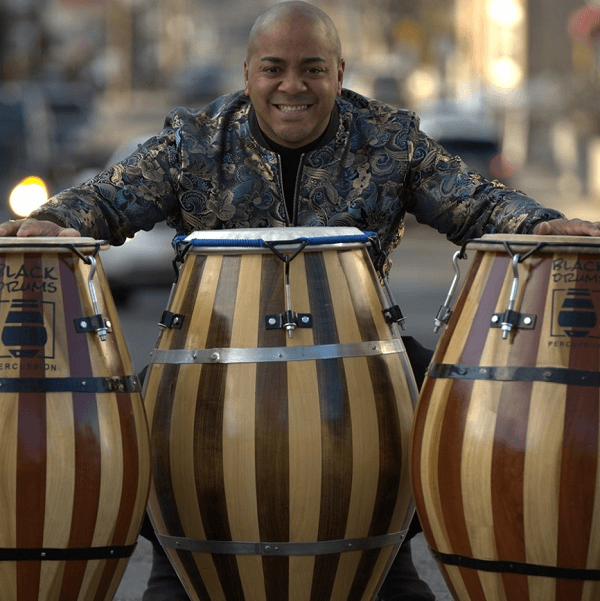
First, Sebastián appreciated our interest in learning a little more about him and began to describe his native country’s musical and cultural context at the time. First of all, the artist was born in Montevideo, Uruguay, where a tropical music movement was established by then, considering many genres from the tropics and the Caribbean, such as salsa, bachata, merengue, cumbia, guaguancó, and many more.
Obviously, these genres did not originate in Uruguay, as bomba is Puerto Rican, salsa is Cuban, and bachata is Dominican. However, there were quite a few groups and musicians who used these tropical roots to create their own identity. Outside of Montevideo, other provinces listened much more to cumbia and charanga.
The orchestras that played these rhythms were dedicated to developing covers of salsa songs, but by bringing them into other genres that were emerging at the time, such as plena, plena danza, and bomba, among others. Sebastián grew up with this sonority in his country, so the whole musical environment he was exposed to abroad became very familiar to him and easy to assimilate. From the early ‘nineties, as a young boy, he began to absorb all the influence from the dawn of romantic salsa and iconic songs such as “Aquel Viejo Motel,” “Cinco Rosas,” “Sin Sentimiento,” “Amores Como El Nuestro,” and many others of its kind.
It is worth adding that Sebastián comes from a family of musicians, starting with his own father, Yeneca Natal, who was the musical director and pianist for Grupo Sensación. Music always surrounded him, so it can be said that he was meant to follow this path.
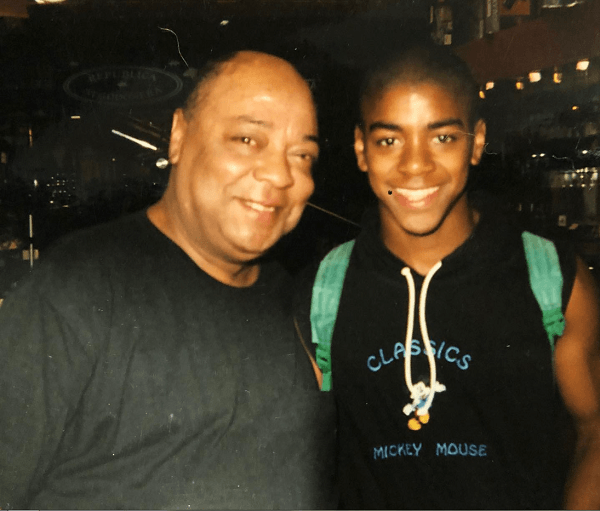
In 2005, at just 21 years old, Sebastián joined the Sonora Borinquen, which was the most popular orchestra at the time. Thanks to them, he had the opportunity to tour the United States and Canada, where he could see environments and ways of working that were completely different from what he was used to. Two years later, he toured the United States again, but by then he already saw the country as a new destination to advance his career.
Unfortunately, Uruguay was becoming too small for the plans he had for his development in salsa, which sparked his curiosity about the Big Apple and all it had to offer him musically speaking.
By 2008, he decided to move to New York for a few months, but so many doors opened for him that he never left and continues to live there to this very day.
The first instrument Sebastián came in contact with was the piano, which he started playing it at age four and from which he graduated at age 11. Since he had not attended high school yet, he could not study a master’s degree to continue his musical education. In addition, he was a child who wanted to play football and do the usual things for his age, so a few years later, his father made him join an Afro-Uruguayan music group. In that orchestra Sebastián played piano and bass, which allowed him to further develop his skills with those instruments.
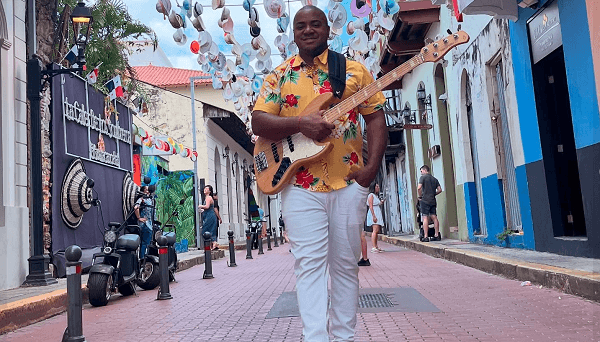
After that, he began to create his own tropical music band, inspired by the Venezuelan orchestra Los Adolescentes. All the members were minors, and, as well as in the previous group, Sebastián also played piano and bass.
Regarding his role as a producer and composer, Sebastián confessed that he has no idea how he came to learn these areas of music. He did emphasize that he always lets his music and his feelings flow to deliver the message he wants to convey in each of his pieces. After that, he defines the ideas and adds the music.
He says he greatly admires professional lyricists and composers. He admits he is neither the best nor the worst composer, but he always tries to reach his own heart to convey what he feels.
The idea of Grupo Sensación started with the orchestra of the same name where his father worked in 1982, but unfortunately the group did not have much impact due to how closed that environment was at the time. There were a number of orchestras that got the best contracts, and it was very difficult for the rest to achieve. Over time, Yeneca left Grupo Sensación and managed to join several of these more established orchestras to gain more reputation.
Soon after, when Sebastián moved to the United States, he almost immediately noted that the Uruguayan community needed a tropical orchestra, but he did not know what name give it. With the passing of his father on October 19, 2010, he chose to use the name “Grupo Sensación” as a way to continue the legacy of his father and the tropical movement born in his country so many years ago.
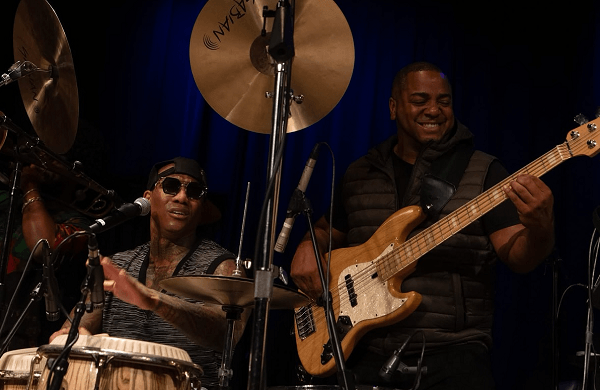
Sebastián has had the opportunity to collaborate with artists of the stature of Nino Cegarra, Oscar D’León, José Alberto “El Canario,” Domingo Quiñones, Tony Vega, Roberto Blades, Cheo Feliciano, Tito Nieves, Viti Ruiz, and many more. However, few were the ones with whom he has truly been able to have a conversation or a close connection beyond purely profesional relationships.
“You can only say you played with someone if you’ve had a connection with that person. I’ve been able to play with great artists, but many times they don’t even know who I am. That’s why I don’t include them on my resume. Now if they call you back, then you can say you did things very well and that there’s someone really interested in you,” said Sebastián on this interesting subject.
The cases of Bill Murray and Camila Cabello were completely different, as he managed to record songs with them through his friend and fellow musician, Pedrito Martínez, whom he describes as “the best percussionist in the world”. It was also Martínez who connected him with the world-famous composer and guitarist Eric Clapton, with whom he performed at the American Airlines Center in Dallas—one of the most beautiful experiences he has had in his career and his life in general.
Read also: Bandleader and conga player Tony Rosa tells us how he built his career
Latin America / Venezuela / Bolivar
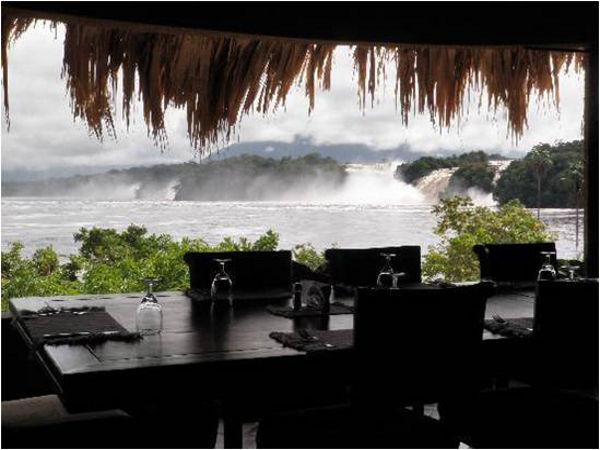
Canaima National Park is known worldwide as a “Natural World Heritage Site,” where you can enjoy not only the fresh air but also the great beauty of the tepuis (table-top mountains) and waterfalls, especially Angel Falls, the park’s most important tourist attraction.
It’s the perfect place for a pleasant vacation, to escape the daily grind, spend time with your family, and have a unique experience. Venetur Canaima Camp is one of the best-equipped camps in Canaima National Park, boasting the best location.
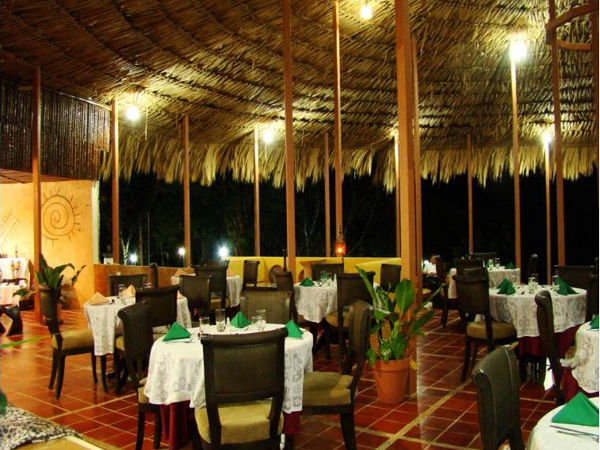
It’s also the largest and offers the most comfortable facilities, where you’ll receive the best possible service and a warm welcome upon arrival. The camp has an incredible view from its open-air restaurant, as you can see in the next image. This pleasant restaurant, called “Orquídea,” offers both national and international cuisine.
The restaurant is a spectacular churuata (thatched-roof structure) that is very… In keeping with the location, you can savor the most exquisite local cuisine or dishes of your choice.
There’s also a well-stocked bar, all near the lagoon’s edge, allowing you to enjoy the incredible scenery and even dance, especially if there’s an event.
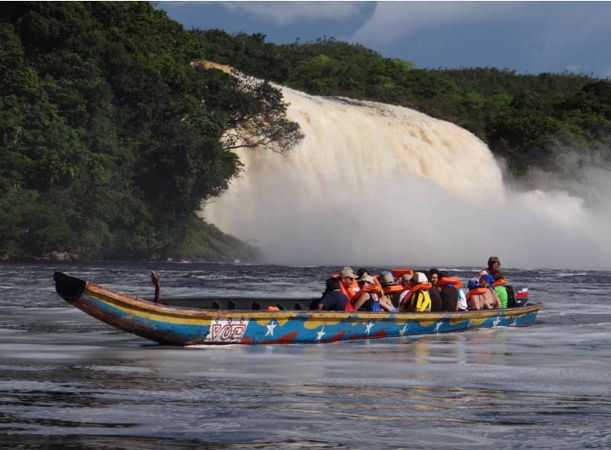
For rest, there are both single and shared rooms, each with a well-maintained bathroom with hot and cold water, a closet for luggage and personal belongings, and air conditioning for added comfort. Room service is also available.
It’s an ideal place where you can not only enjoy excellent lodging and camping but also adventure tourism by visiting “El Salto del Sapo” (The Toad’s Leap) and “El Salto del Hacha” (The Axe’s Leap), whose torrential waters cascade from great heights, inviting peace and meditation. The journey to these waterfalls reveals a different, beautiful, incredible, and pleasant world.
From there, you can also take excursions to various destinations, such as: Isla La Orquídea (Orchid Island), the Pozo de la Felicidad (Well of Happiness), Canaima Lagoon, Yuri Falls, and… Angel Falls, known for having the world’s highest waterfall, can be visited by air (small plane) or land.
The entire tour is conducted with a guide who shares the most emblematic details of the area, the Pemón culture (the native inhabitants), and many of their fascinating stories. If you haven’t ventured far from the city, and you enjoy nature and adventure, we highly recommend visiting this place.

For more information, visit:
Latin America / Brazil / São Paulo
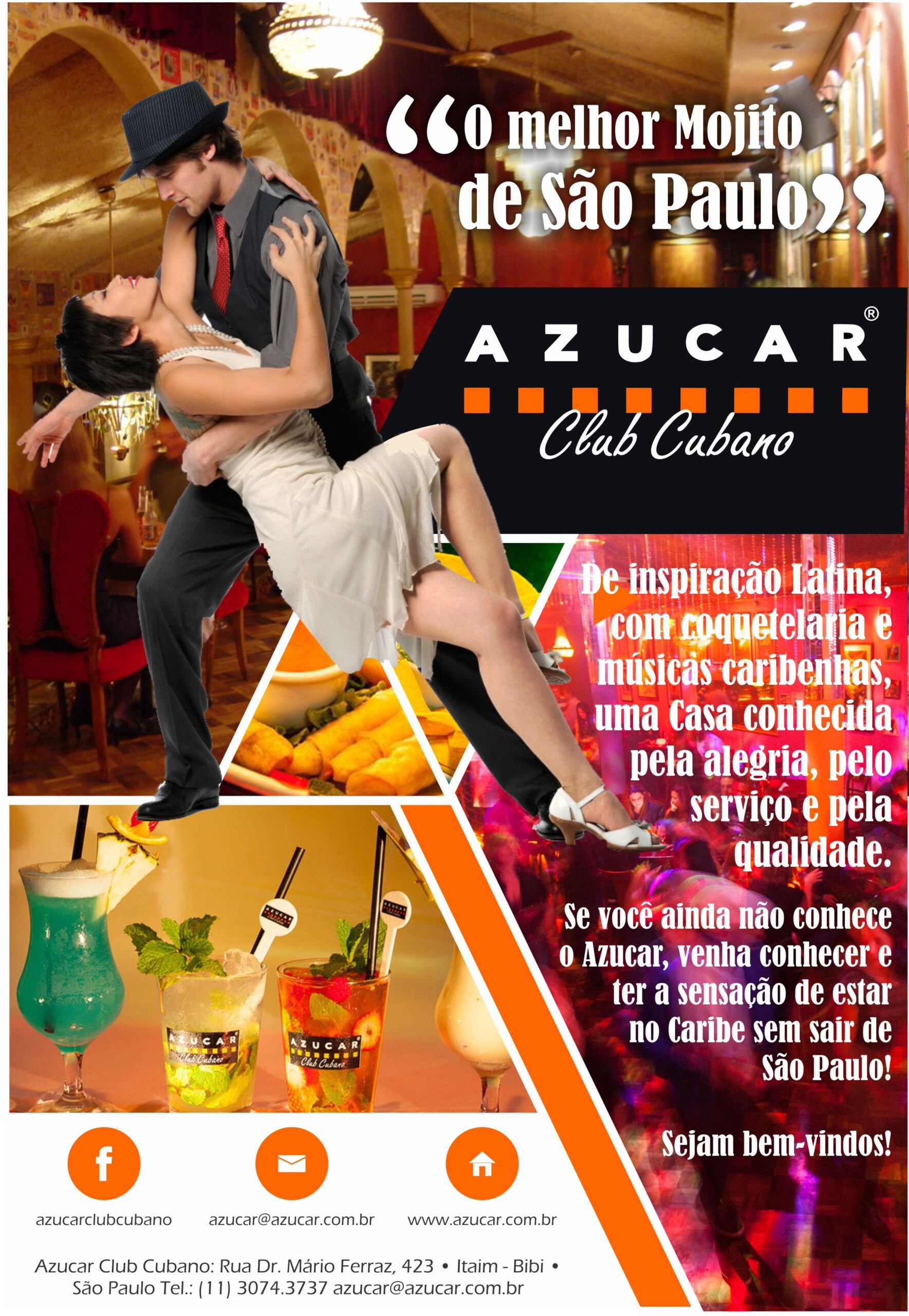
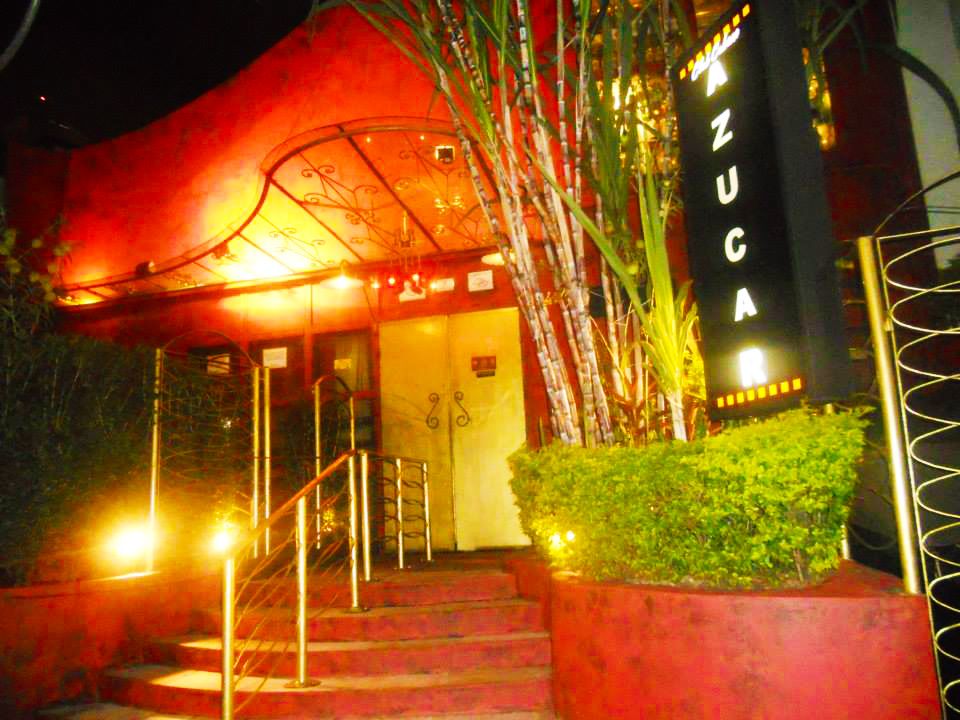
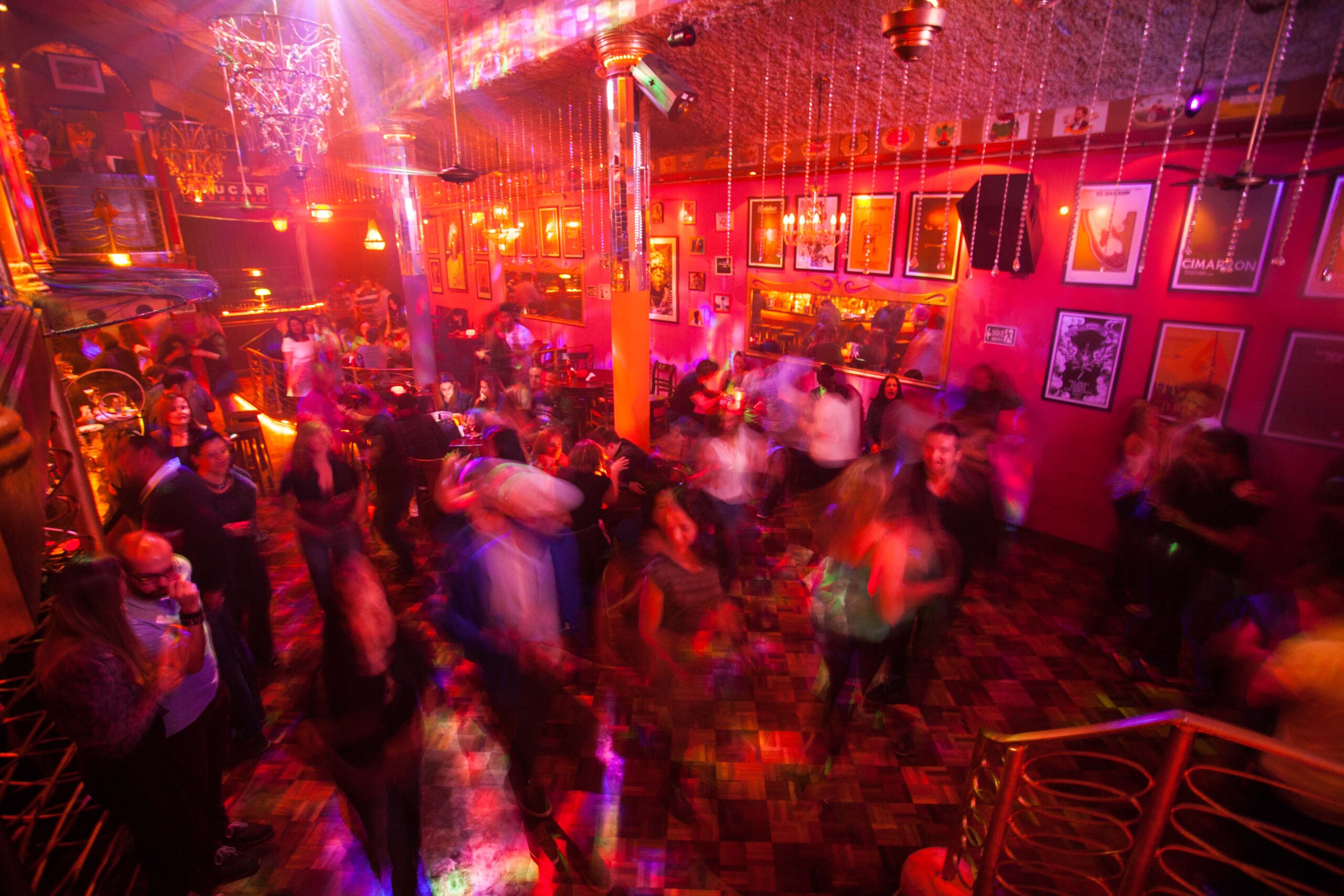
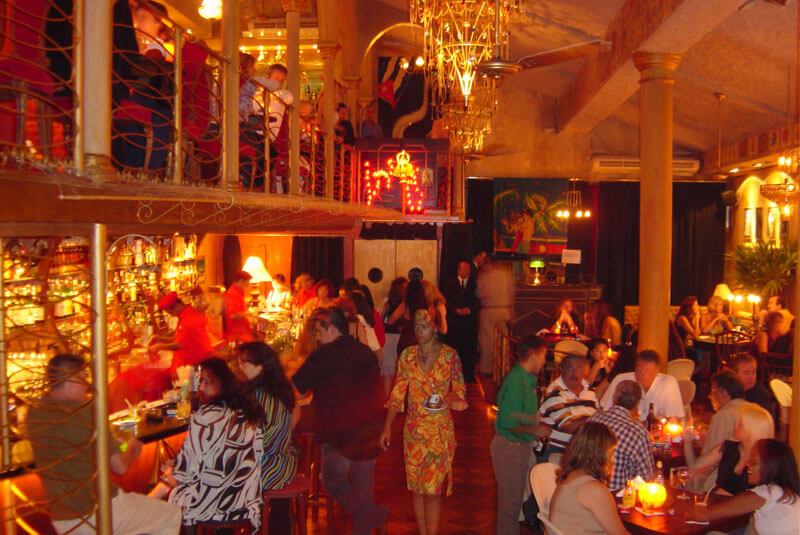
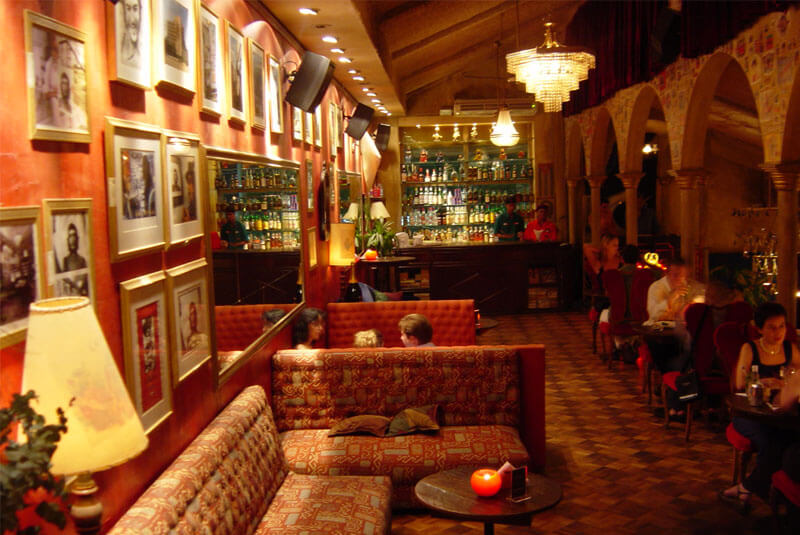
The “Azucar Club Cubano” opened in August 2000. The idea stemmed from Latin inspiration, with its vibrant and magnificent Caribbean music, leading to the opening of the first Latin club in São Paulo. To this day, it is recognized for its lively atmosphere and excellent service, where it enjoyed great success and continues to welcome all those who love Latin rhythms.
Among the rhythms played at “Azucar” are Merengue, Salsa, and Cumbia. It’s worth noting that Reggaeton and Bachata were added due to their popularity. All of these genres are provided by top Latin DJs, including Azucar Nelson Noce, Will Rosbon, Daniel Venezuela, and Julio Moracén. Both Brazilians and tourists visit “Azúcar,” so they specify a schedule of Latin rhythms to be played, as customers have different tastes. This way, you can enjoy the musical genre you want to dance to or listen to at the club that day. However, on Fridays and Saturdays, there’s a mix of Latin rhythms since those are the busiest days, marking the start of the weekend.
|
|
|
|
|
|
They also have a bar where the most popular drinks are rum and tequila, and their cocktails include the Margarita, the Tequila Margarita, and the Mojito, the latter known as the best in all of São Paulo. They also have a varied menu.
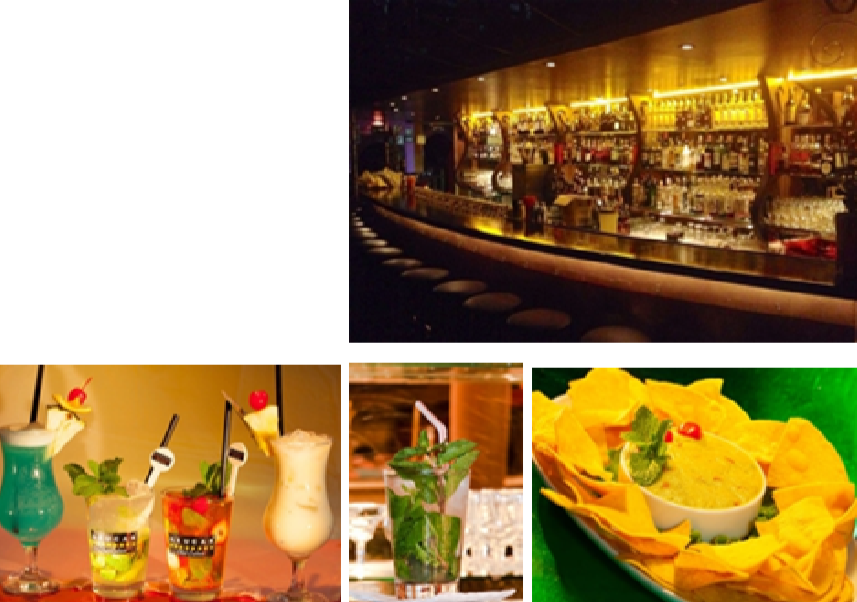
The club is open to the public from Tuesday to Friday from 7:00 pm and on Saturdays from 8:00 pm, and you can pay with any credit or debit card. For more information:
Latin America / Colombia /Cali
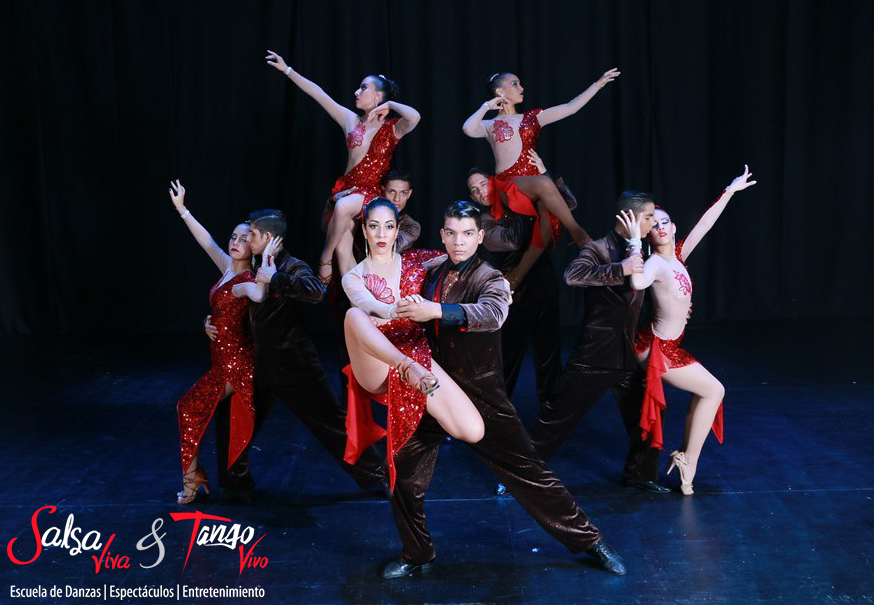
Located in Cali, Colombia, the artistic company “Salsa Viva & Tango Vivo” has been in business for 12 years. They are dedicated to teaching, presenting, and producing dance shows, boasting a distinguished cast of artists, instructors, and professional dancers in all styles.
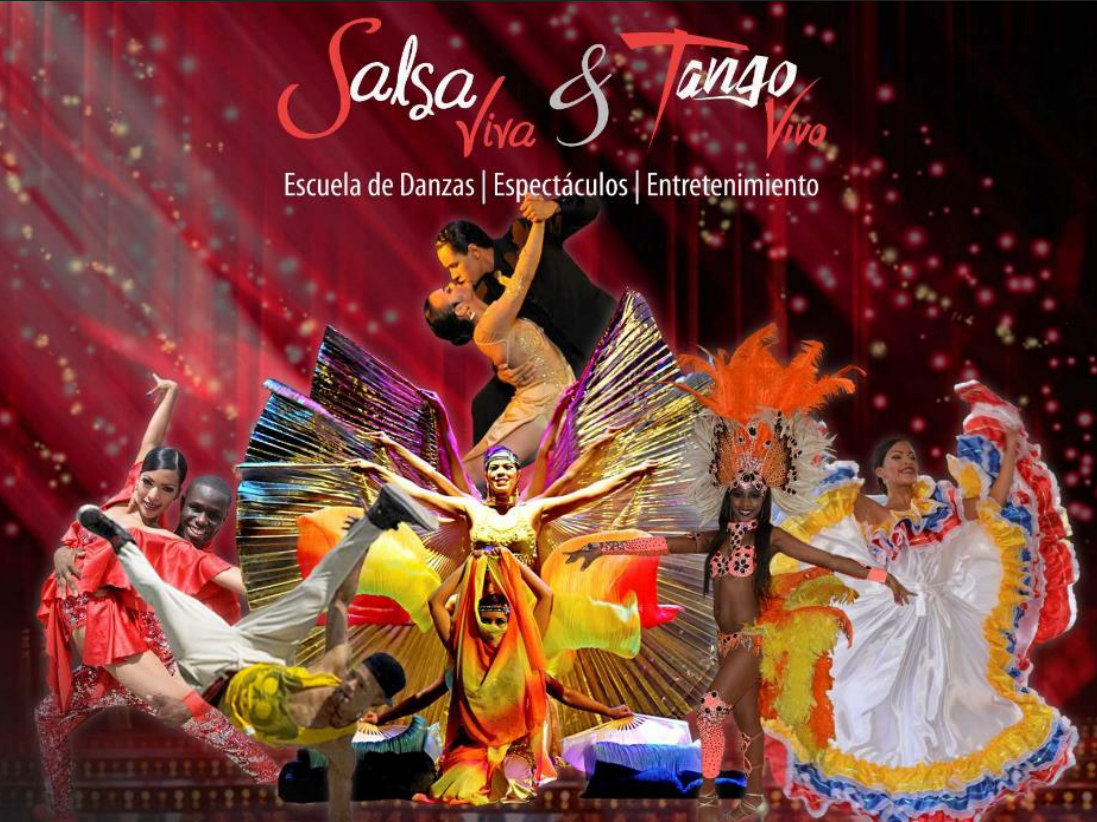
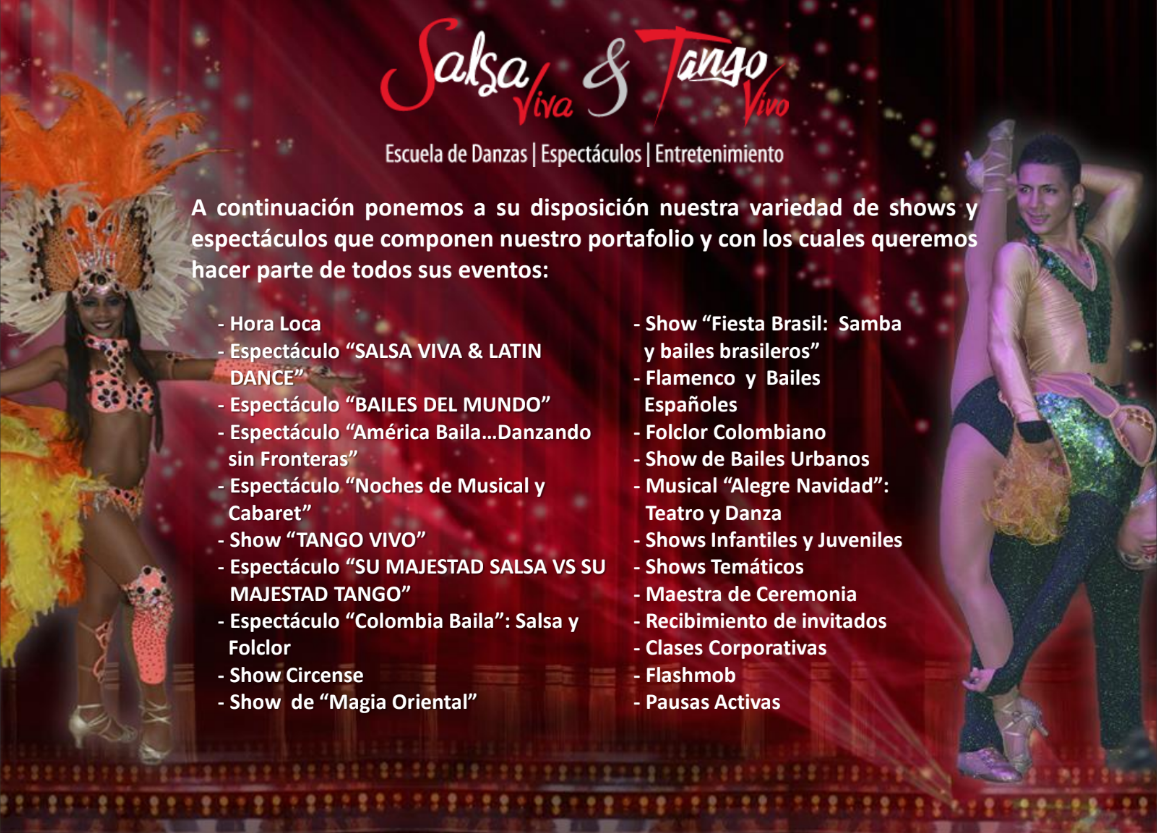
The company’s services offer a wide variety of high-quality options, ranging from personalized dance classes to shows featuring over 80 artists on stage.
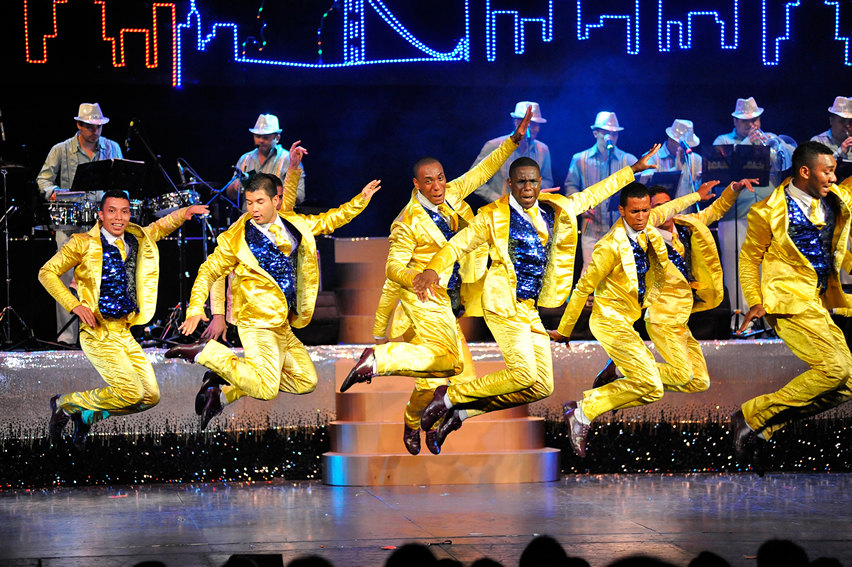
Shows and Performances
Among the most captivating “Salsa and Latin” shows are:
Salsa Viva and Latin Dance: This show includes dances such as Salsa, Mambo, Cha Cha Cha, Boogaloo, Bolero, Pachanga, Bachata, and Merengue.
“The Majesty of Salsa vs. The Majesty of Tango”:
Here, you can witness the fusion of the joy, energy, and acrobatics of Salsa with the passion and elegance of Tango.

Colombia Dances: Here, traditional and joyful Colombian folk dances come together with a fusion of Salsa and Latin dances. You can appreciate the beautiful and colorful typical costumes that bring to life the diverse cultures and dances of Colombia’s regions, taking you on a journey through dances such as cumbia, bambuco, sanjuanero, mapalé, currulao, and others.
Children’s Salsa: This show features children in the learning process who have grown into professional dancers, showcasing their trajectory and international recognition.
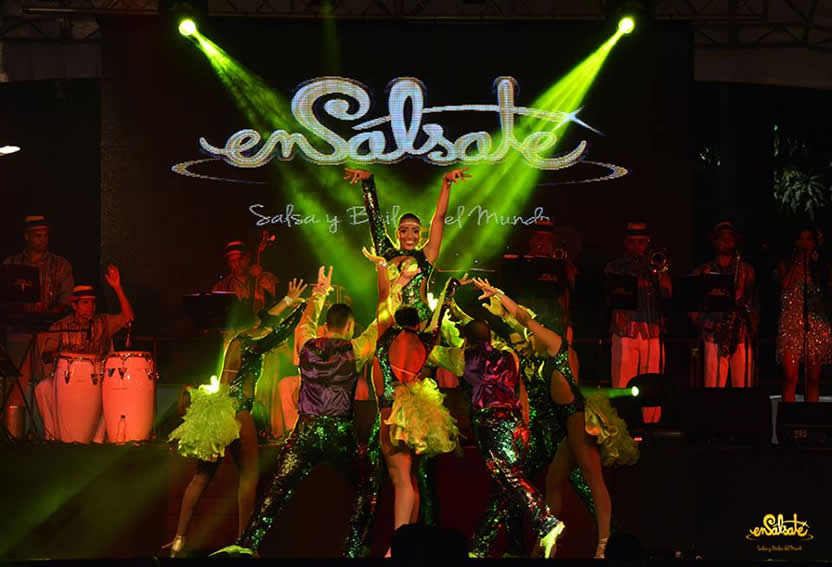
It’s worth mentioning that the venue doesn’t just offer Salsa and Latin dances; it also features Tango, Milonga, and Arabic dance shows, Samba, Capoeira, Spanish dances (Pasodoble, Sevillanas, Flamenco Rumba, and a banderilla show), Colombian dances (Cumbia, Bambuco, Sanjuanero, Mapalé, Currulao, among others), and urban shows (Hip Hop, showcasing different styles such as breakdancing, sexy style, popping, locking, dancehall, kromp, and others).
The Dance School offers the opportunity to learn one or more rhythms. You can even combine Salsa and Latin dance classes, Zumba Fitness, Tango, or any other rhythm you desire, whether with a group of friends, family, children of all ages, and there’s even a special program for babies where parents and their little ones share the dance experience and learn the baby’s first steps.
Zumba Fitness and Zumba Toning: This is a fun way to practice Latin rhythms, exercise to stay in shape, learn, and have fun. The team is trained and certified to lead both Zumba classes.
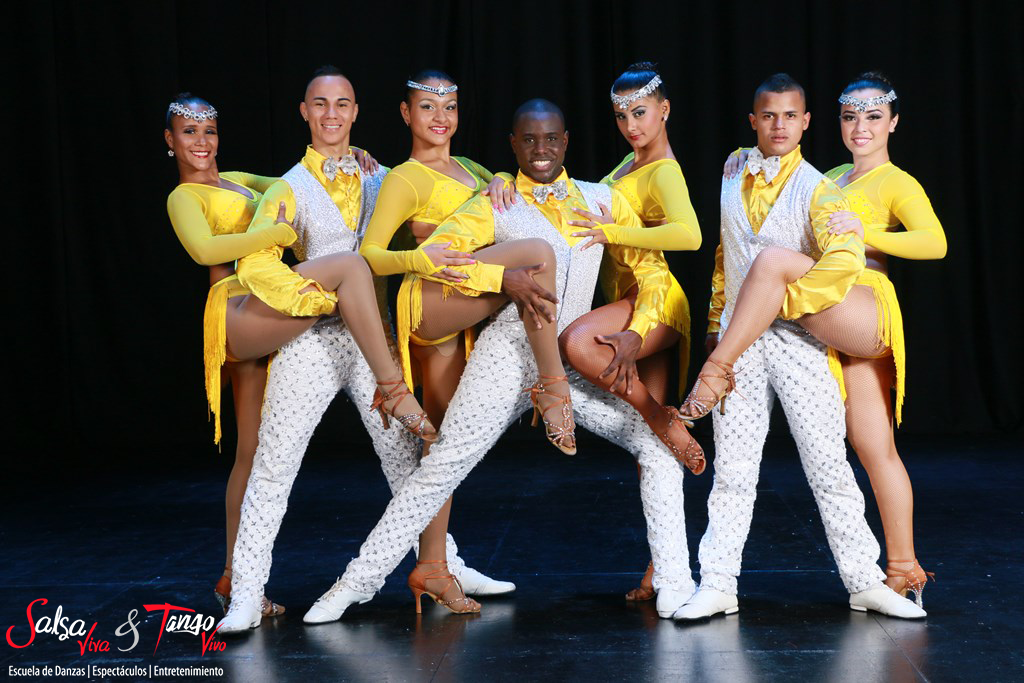
Flash Mob Dance schools in Colombia have two specially equipped locations in San Fernando and Ciudad Jardín, with programs for children, youth, adults, foreigners, business groups, family groups, home classes and summer courses.
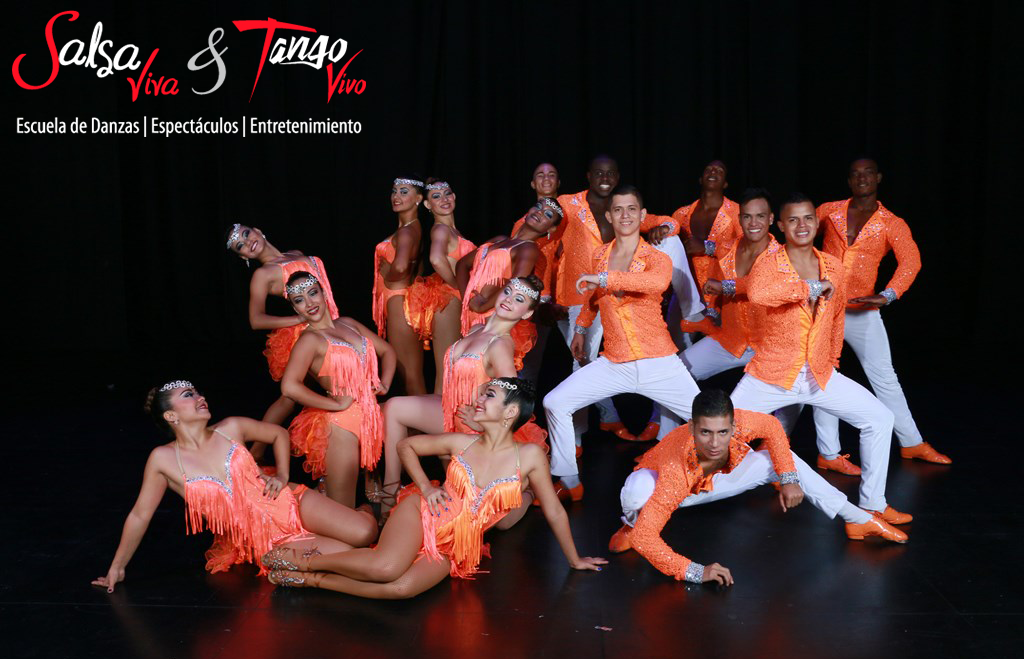
Productions, Works, and Shows
Awards and Recognitions
If you would like more information, you can contact them at: