• Skip to primary navigation
  • Skip to main content

International Salsa Magazine

  • HOME
  • Previous editions
    • 2026
      • ISM / May 2026
      • ISM / April 2026
      • ISM / March 2026
      • ISM / February 2026
      • ISM / January 2026
    • 2025
      • ISM / December 2025
      • ISM / November 2025
      • ISM / October 2025
      • ISM / September 2025
      • ISM / August 2025
      • ISM / July 2025
      • ISM / June 2025
      • ISM / May2025
      • ISM / April 2025
      • ISM / March 2025
      • ISM / February 2025
      • ISM / January 2025
    • 2024
      • ISM / December 2024
      • ISM / November 2024
      • ISM / October 2024
      • ISM / September 2024
      • ISM / August 2024
      • ISM / July 2024
      • ISM / June 2024
      • ISM / May 2024
      • ISM / April 2024
      • ISM / March 2024
      • ISM / February 2024
      • ISM / January 2024
    • 2023
      • ISM / December 2023
      • ISM / November 2023
      • ISM / October 2023
      • ISM – September 2023
      • ISM – August 2023
      • ISM July 2023
      • ISM Edition June 2023
      • ISM – May 2023
      • ISM April 2023
      • ISM March 2023
      • ISM February 2023
      • ISM January 2023
    • 2022
      • ISM December 2022
      • ISM November 2022
      • ISM October 2022
      • ISM September 2022
      • ISM August 2022
      • ISM July 2022
      • ISM June 2022
      • ISM May 2022
      • ISM February 2022
      • ISM January 2022
    • 2021
      • ISM December 2021
      • ISM November 2021
      • ISM October – 2021
      • ISM September 2021
      • ISM August 2021
      • ISM July 2021
      • ISM May 2021
      • ISM April 2021
      • ISM June 2021
      • ISM March 2021
      • ISM February 2021
      • ISM January 2021
    • 2020
      • ISM December 2020
      • ISM November 2020
      • ISM October 2020
      • ISM September 2020
      • ISM August 2020
      • ISM July 2020
      • ISM June 2020
      • ISM May 2020
      • ISM April 2020
      • ISM March 2020
      • ISM February 2020
      • ISM January 2020
    • 2019
      • ISM December 2019
      • ISM November 2019
      • ISM October 2019
      • ISM Septembre 2019
      • ISM August 2019
      • ISM July 2019
      • ISM June 2019
    • 2016
      • ISM December 2016
  • Spanish
  • Download Salsa App
    • Android
    • Apple

Search Results for: eddie palmieri

Israel “Cachao” Lopez Sobrado in fame and respect in the seventies was dedicated to maintain the tradition at the highest level

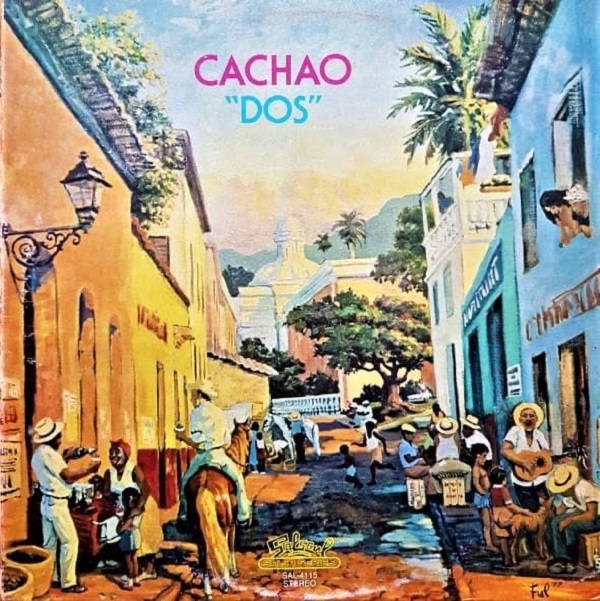
“Cachao Dos” for the year 1977.

It will be enough to mention the name of this celebrity to open a whole range of creativity and genius embodied in what is considered a cult discography.

Since 1931, the year in which he started musically as a member of the Havana Philharmonic Orchestra, the precocious Israel would give a foretaste of the talent he had and that, as time went by, would be consummated hand in hand with his right-hand man and musical accomplice, Orestes “Macho” López, his older brother.

Certainly, music was impregnated in the DNA of the López family, a generating machine of musicians by tradition, something that Lázara Cachao, Israel’s niece and daughter of his deceased younger brother Orlando “Cachaito” Lopez, reaffirms: “The tradition of being musicians comes from the grandparents and great-great-grandparents, all the Cachao are musicians”.

Israel “Cachao” López Sobrado

Regarding his transcendence, he and his older brother Orestes are said to be the creators of the Mambo, a rhythmic variation of the Danzón and a genuine musical expression that would mark a before and after in Latin music.

However, and as it is known, this contribution would change its clothing and would reach worldwide popularity when it reached the hands of another “inventor” born in Matanzas, Cuba, named Dámaso Pérez Prado, who as it is known, gave it another treatment and musical twist reaching surprising popularity.

“Cachao”, after a 31-year stay with the Havana Philharmonic Orchestra, decided to leave Cuba, settling for many years in New York City.

As it is understandable, his presence in this city was more than important for the musical guild and music fans.

He was nothing less than one of the managers and protagonist of the famous Jam Sessions recorded by the Panart whose presence was capitalized among many others by Tito Puente, Tito Rodríguez and Eddie Palmieri.

From the first one we could say, a whole school, a musician with a deep knowledge of his double bass and creator of his own style, bow in hand, and as a prolific composer, with approximately three thousand compositions together with his brother “Macho” López.

The years in New York were musically very good for Israel Lopez as well as in Las Vegas and finally Miami, where he lived until his last days.

Making a discography of him is quite a task and a challenge. However, after his arrival, I remember with great pleasure his collaboration for the album Latin Explosion by Joe Cain and his orchestra in 1964, where among others, Listen dos Trompetas and Mungo, Mungo Baby stand out.

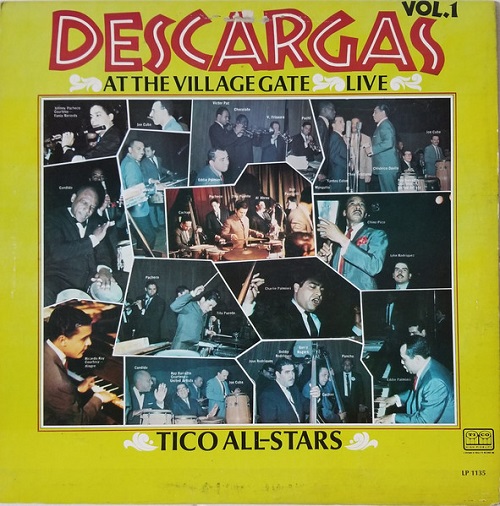
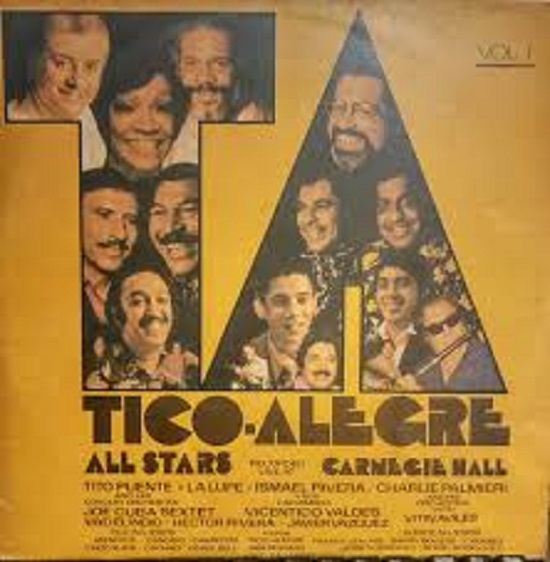
Esta es mi Orquesta, theme/performance of Tito Rodriguez’s musicians emulating what Stan Kent and his Big Band did, or those performances as special guest in the famous Descargas at The Village Gate Live and Tico All Stars, among many others.
The Village Gate Live
Tico All Stars
Tico All Stars

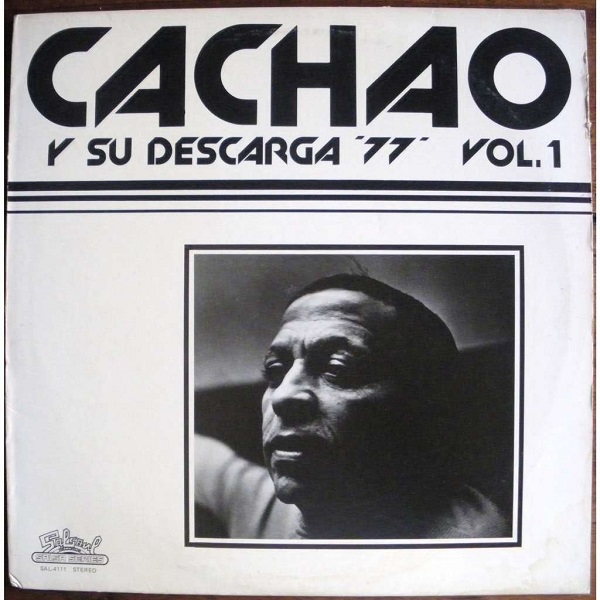
In the seventies, Cachao, with his fame and respect, dedicated himself to maintain the tradition at a supreme level, and from that period, punctually 1977, Cachao will present two epic works, the first one entitled Cachao y su Descarga Vol. 1 and then Cachao Dos, both recorded for Salsoul Records under the production of René López and Andy Kaufman.
Cachao y su Descarga Vol. 1

The latter contains only a total of five tracks, but they are well fulfilled in their purpose of maintaining a fierce defense of the rhythms that Gran Cachao has been proclaiming for years.

This album, like everything else recorded by the double bass player, is genuine and of supreme quality, something that is due to Israel’s responsible and dynamic character, something that the leader Julio Castro can attest to, having not only known him personally but also having worked with his orchestra La Única, which arrived in NYC for a prolonged stay of a little more than half a year.
Cachao Dos
Cachao Dos

Repertory

Ko Wo Ko Wo: (Guiro): Julito Collazo

Israel “Cachao” López: Contrabajo

Julito Collazo: Vocal, Chekere, Conga

Mario Muñoz “Papaito”: Campana

Diane Cardona: Coro

Marcelino Guerra: Coro

Héctor “El flaco” Hernández: Coro

Zunny López: Coro

Frankie Rodríguez: Coro

Fela Wiles: Coro

Jóvenes del Ritmo: (Danzón): Israel López

Israel “Cachao” López: Contrabajo

Julián Cabrera: Congas

Gonzalo Fernández: Flauta de Madera

Oswaldo “Chihuahua” Martínez: Timbales

Charlie Palmieri: Piano

Rolando Valdés: Guiro

Cuerdas:

“Pupi” Legarreta: Violín

Alfredo de la Fe: Violín

Eddie Drenon: Violín

Yoko Matsuo: Violín

Carl Héctor: Violín

Patricia Dixon: Cello

Centro San Agustín: (Danzón-Cha): Israel López

Israel “Cachao” López: Contrabajo

Carlos “Patato” Valdés: Congas

Gonzalo Fernández: Flauta de Madera

Lino Frío: Piano

Rolando Valdés: Guiro

Nelson González: Tres

Mario Muñoz “Papaito”: Percusión

Alejandro “El negro” Vivar: Trompeta

Alfredo “Chocolate” Armenteros: Trompeta

Rafael “Felo” Barrios: Coro

Roberto Torres: Coro

Trombón Melancólico: (Descarga): Israel López

Israel “Cachao” López: Contrabajo

Manny Oquendo: Timbales

Charlie Palmieri: Piano

Barry Rogers: Trombón

José Rodríguez: Trombón

Andy González: Campana

Frankie Rodríguez: Percusión

Gene Golden: Percusión

Milton Cardona: Percusión

Rafael “Felo” Barrios: Coro

Roberto Torres: Coro

Chambelona (Popurrí de Congas): Neri Cabrera

Israel “Cachao” López: Contrabajo

Julito Collazo: Bombo

Lino Frías: Piano

Mario “Papaito” Muñoz: Percusión

Oswaldo “Chihuahua” Martínez: Percusión

Virgilio Martí: Percusión

Eugenio “Totico” Arango: Coro

Rafael “Felo” Barrios: Coro

Read Also: Carlos “Patato” Valdés one of the best percussionists in the history of Latin Jazz
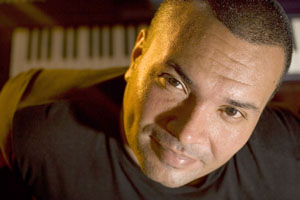
Cachao

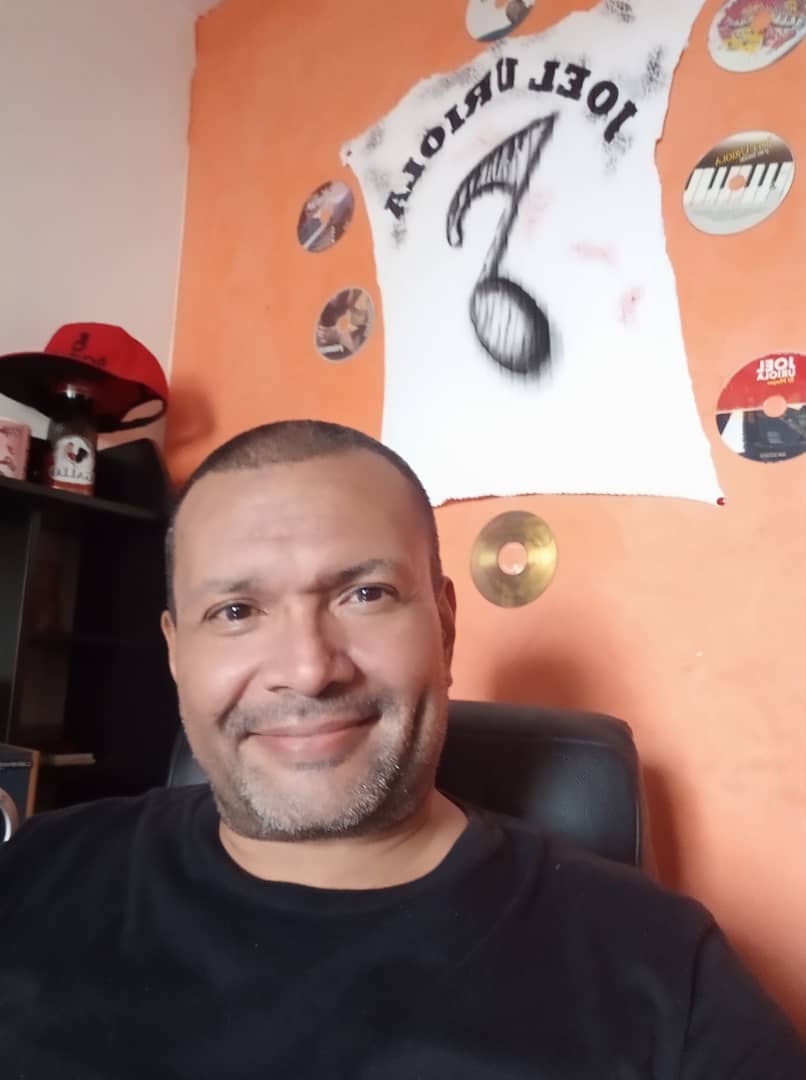
Joel Uriola

Latino America / Venezuela / Caracas

Joel Uriola “I am the best, because I surpass myself”

Very soon the theme will be released, Cuidadillo there ok

This Venezuelan pianist, arranger and musical producer was born on January 4, 1963 in Caracas, in the popular parish of Antímano, the same one that saw the birth of Sonero del Mundo Oscar D´ León, by chance or his destiny was already written and en route. towards a dream that over the years would come true; be the best and that your work is recognized both nationally and internationally.

In our gathering, Joel tells us that when he is classified as the best, he has nothing to do with competing with others or with airs of greatness, but with surpassing himself in everything he proposes, he tells us that “my path is longer, but I came as Joel Uriola”, his name is a seal that ensures quality work.

With 38 years of musical career, Joel Uriola has plenty of talent, level and experience, in each production he uses the best group of Venezuelan musicians and continues to be at the forefront of music, all this is demonstrated in the more than 1000 musical productions in which he has participated as a performer, director or musical producer, with national and international artists.

Joel Uriola
Joel Uriola

Joel Uriola The best?

“That’s right, metaphysics says that you can’t talk about yourself in a negative way, you can’t sell a product if you don’t have good marketing, you must see beyond, be your own manager, most record companies are in the hands of ignorant people. the music that drive the artist’s work”. “Artists have the obligation to cultivate themselves, learn and not only be musicians, we must project ourselves in a big way”.

How did your childhood develop and what was the atmosphere of the time like?

“I had a good education in my home, with values, a grandmother with character, who told me that no matter where you lived, your behavior would make a difference, she always motivated me, just like my mother who also instilled in me to prepare myself, my grandmother was an enterprising woman, my father was a rumba guitarist and a professor at the Católica”. “I remember that I saw the debut of the Trabuco Venezolano in the CC Propatria, as fate would have it, my mother had an office there, as did the people of the Latin Dimension.”

At what age did you start in music and with which orchestras did you take your first steps?

“My musical beginnings took place at the “Prudencio Esáa” School of Music, starting professionally at the age of 17 with a group called Galaxia, I was the conga player, it was a Son group and we rehearsed at the observatory”. “Then I became part of the Caracuchos of Joseito Rodríguez from 1977 to 1979, whom I met thanks to Jesús “Totin” Rebolledo, later with the Latin Dimension from 1979 to 1980, from Cesar Monges I learned a great deal, and from 83 to 87 with Oscar D´ León.

And why is there that change from the conga to the piano?

“Due to the noise I made in the house when I was rehearsing and the equipment turned on at full volume, my mother subliminally gave me an organ, it was less noise, and then I began to imitate what the pianists did in a self-taught way, I remember the theme of Pete Rodríguez… What things life has, life, life”. “Then my mother bought me a piano and took me to audition at the School of Music and I stayed, I was a student of teacher Tiero Pezzuti, Gerry Well and Samuel del Real”. “In the nightclubs of El Rosal I did many substitutions, there I polished myself, I had a good preparation and some great teachers who are my friends”.

Joel Uriola - piano
Joel Uriola – piano

What anecdotes do you have about your experience of working alongside Oscar D´ León, and about that piano solo on the song “Cuídate bien”, did you ever think that being so young, almost 20 years old, your name would remain forever on the mind of the salsero?

“The time with Oscar was glorious, I got to know many places, we toured for 3 and 4 months, we enjoyed ourselves but we also had a lot of fun, I learned a great deal and disciplined.” “I had the blessing of meeting many musicians that I admired such as Eddie Palmieri, Salvador Cuevas, Barry Rogers, among others, with Domingo Quiñones I made a great friendship.” “As for improvisation, I feel great pride, it was something that came out at that time, I don’t know if it will come out again -laughs-“.

Which musician has been your biggest influence?

Markolino Diamond, Eddie Palmieri, Papo Lucca.

A pianist you admire?

“Markolino Diamond is my idol, a lot of what I do has to do with this guy, if he were alive he wouldn’t exist…”. “He was irreverent, crazy, he broke the schemes.”

How do you see the response of the salsa audience with your productions?

“There will always be admirers and detractors, with the level of awareness that you gain, it doesn’t bother you that there are people who don’t like your work, I make music for everyone”. “Public opinion can kill you if you are not prepared for it, but you must believe in what you do.”

How do you see the support of the media to spread your music?

“Thank God the record companies disappeared, those who knew the least about music controlled them, they decided that it was commercial and that it was not, in the alternative media there is response and support, however, social networks allow you to reach in a matter of seconds many places and you can do your own marketing”.

What do you think about the fusions that you are doing with salsa, for example, salsa and reggaeton?

“It works perfectly, it’s urban salsa, reggaeton with its lyrical content has improved a lot, they’ve softened it, reggaeton artists have great economic and communication support.” “The good things are guaranteed, reggaeton is seen as Salsa was seen in its beginnings, with bad eyes, but you see, Salsa is worldwide even the Chinese dance it, people consume what the radio puts on it, even if it’s bad, there’s room for everyone”.

As a music teacher, what have you contributed to the country?

“Train the next generation, in values ​​and discipline, and that seed continues to germinate, help people regardless of how they sometimes pay you.”

Why musician and not another profession?

“I wanted to be Disip (Venezuela’s intelligence corps), but when one is born marked for something, that’s what goes… My destiny is music.”

How do you see the music industry right now?

“Everyone is recording with their own effort, you make a song, you upload it to the networks, we have that powerful tool in our favor; the record companies limited you, hardly any albums are recorded anymore”.

Can you live from music?

“Well… Thank God I can do it, every day I get up like a conuquero to work, I can live from music.”

Of the 9 productions under your belt, which do you think is the best or the most important for you?

“Babalawo (2009), the best achieved, the best worked in all aspects, was sold in all religious houses.”

What motivated you to form your own orchestra?

“I’ve always been a leader, that’s why I decided to form my own orchestra, everyone has their moment”.

Isn’t it a difficult job to compose and arrange?

“You are born for this, it is not difficult, you must study and prepare yourself, my muse can arrive at 3 a.m., I get up and add or season my music in my own way, I listen to traditional Cuban music, jazz that inspire me.”

What is Joel Uriola doing right now?

“Currently I dedicate myself to producing for other artists of the Salsero genre, always offering quality, the most recent is the work with the Mercadonegro Orchestra with the theme Rumba Negrito”.

You are the arranger of the 3 songs that made the Bailatino orchestra known internationally, you have been the Producer and arranger in five songs of “Rumberos del callejón”, among other Venezuelan artists. What does it feel like to contribute so that other Venezuelans are successful?

“At the moment you do things, you do it with the best intention, and that is the greatest satisfaction, helping others grow regardless of how they pay.”

Do you feel that unity and camaraderie are lacking in the salsa guild?

“Totally, without unity nothing is achieved.”

What do you think of copying, imitating and not creating?

“He who imitates is destined to fail, one must have personality, you must not cling to something foreign to survive, what you do has more value, you must have creative capacity”.

Future plans or present?

“I am recording two songs, Cuidadillo there ok composition by Maurice Melo, a salsa with tasty rhythmic elements, timba and hard sauce, and the second song You are the teacher has a Christian connotation, with the Praise Orchestra, the song is my own. , a cool sauce with Christian sauce”.

Joel reaffirms us “My road is long, but I arrive as Joel Uriola, I am who I am, I am the best”.

Soneros Birthdays Party

Soneros Birthdays Party

Omara Portuondo, Ismael Rivera, Jimmy Bosch, and Luisito Carrión celebrate their birthdays this month

October is filled with talent and it’s that in this month a hurricane of brilliant artists of the Salsero genre was born, who have captivated us and have shown their Gift before hundreds of audiences around the world. These Latin Stars have bathed us in SABOR with their lyrics and infected with joy with their melodies. It for that, this month we celebrate their births and dance to the rhythm of the applause towards them. Happy Birthday, Soneros!

Omara Portuondo (October 29, 1930)

Omara was born in La Habana (Cuba). Her first encounter with music was at a very early age. Just as in any other Cuban home, the future singer and her siblings grew up with the songs which her parents, for lack of a gramophone, sang to them. Those melodies, some of which still form part of her repertoire, were young Omara’s informal introduction to the world of music.

She and her sister Haydee sang well-known American group “Los Loquibambla” and their style, a Cubanised version of the Bossa Nova with touches of American jazz, was known as “Feeling”. In their radio debut, Omara was introduced as “Miss Omara Brown, the girlfriend of Feeling”.

“Magia Negra” was her debut record released in 1959. It combined Cuban music with American jazz and included versions of “That Old Black Magic” and “Caravan”, by Duke Ellington. Later she joined one of Cuba’s most important orchestras, La Orchestra Aragón, with which she recorded several albums, such as the one she did with Adalberto Álvarez in 1984 and “Palabras and Desafíos” on which she was accompanied by Chucho Valdés.

Omara Portuondo
Omara Portuondo

However, Omara Portuondo catapulted to her well-earned fame was in the mid-1990s when she collaborated in the recording sessions for Buena Vista Social Club on which she sang “Veinte Años”.

She was the star of the third launching of the Buena Vista Social Club released in 2000 and she toured Europe, traveled to Japan, and performed in the USA and Canada.

Omara went back to the studio to record her second solo album “Flor de Amor” (World Circuit), which was produced by Nick Gold and Alê Siqueira, signals a change in direction in her career: it is an album marked by a more subtle sound and a richness of texture. Portuondo brought in a mixture of Cuban and Brazilian musicians for this album, and it is this factor which influences the particular style of the music.

Omara returned to Europe in 2004 to promote this album, performing at such illustrious venues as the North Sea Jazz Festival, Marble Hill House in London, Olympia in Paris and the Concertgebouw in Amsterdam. “Flor de Amor” was nominated for a Grammy in the Best Traditional Tropical Record category and the 16th edition of the Billboard Latin Music Awards (2005); this album obtained the Tropical Record of the Year award.

Later, Omara released “Gracias”, the record that marks her sixtieth year in the music business and won the Latin Grammy Award for the Best Contemporary Tropical Album. It was a very special night as Omara was there to receive the prize in person and she also presented one of the awards, the first time that a Cuban artist has done this. The album was also later nominated for a Grammy in the Best Tropical Latin Album category.

After touring with the Orquesta Buena Vista Social Club in Europe during 2010, “the girlfriend of Feeling” released the latest recording, Omara & Chucho (Montuno Producciones) in spring 2011. 14 years after their last joint album, they reunite once again to continue unravelling the thread of their first joint project, and show us their talents in the simplest, most unclad manner on a context that enables them to lay emphasis on some of the features that been characteristic of their music at various stages in their careers.

Omara will also tour with the Orquesta Buena Vista Social Club later in Europe and the U.S.

Ismael Rivera (October 5, 1931 – May 13, 1987)

Puerto Rican singer and songwriter contributed to the dissemination of the island’s native rhythms such as the Bomba and Plena, and he was one of the first standard-bearers of the Salsero movement of the decade, the reason for he was called “El Sonero Mayor” and also known for others by the nickname “Maelo”.

In 1952 he was hired as a singer for the Lito Peña’s Orquesta Panamericana with which he became known and reaped his first hits: “La vieja en camisa”, “La sazón de la abuela” and the most popular “El charlatán”, a song in Plena rhythm that was widely heard through the Puerto Rico’s local radio stations.

Two years later he left this group to join the Combo de Cortijo with whom he popularized “El bombón de Elena” by Rafael Cepeda Atiles, and as well as performed on Puerto Rican television in the “El Show del Mediodía”.

At the end of the ‘50s, they were presenting their shows at the prestigious New York club Palladium Ballroom, where they contributed to making popular the tropical rhythms imported from the island with great hits such as “El negro bembón”, “Maquinó Landera”, “Tuntuneco ”, and others.

Ismael Rivera
Ismael Rivera

Ismael Rivera’s triumphant career was interrupted in 1962 for paying four years under the laws of Puerto Rico for possession of narcotics. Then, after recovering his freedom, Ismael formed his musical ensemble “Los Cachimbos” and immersed himself in the nascent Salsero movement to which he contributed two classics such as “Dime por qué” y “Mi negrita me espera”.

In the mid-70s “El Sonero Mayor” became the ambassador of Salsa throughout America, working for the record label of the genre Fania, and triumphing with emblematic songs such as “De todas maneras rosas”.

In his facet as a composer, he wrote very notable pieces such as “Besito de Coco” (famous song by Celiz Cruz), “El incomprendido”, “Arrecotín, arrecotán”, “El que no sufre no vive”, y “Mi libertad eres tú among many others.

In his last years, he suffered a throat cancer that caused him to lose his voice and he died as a result of a heart attack.  R.I.P MASTER!

Jimmy Bosch (October 18, 1959)

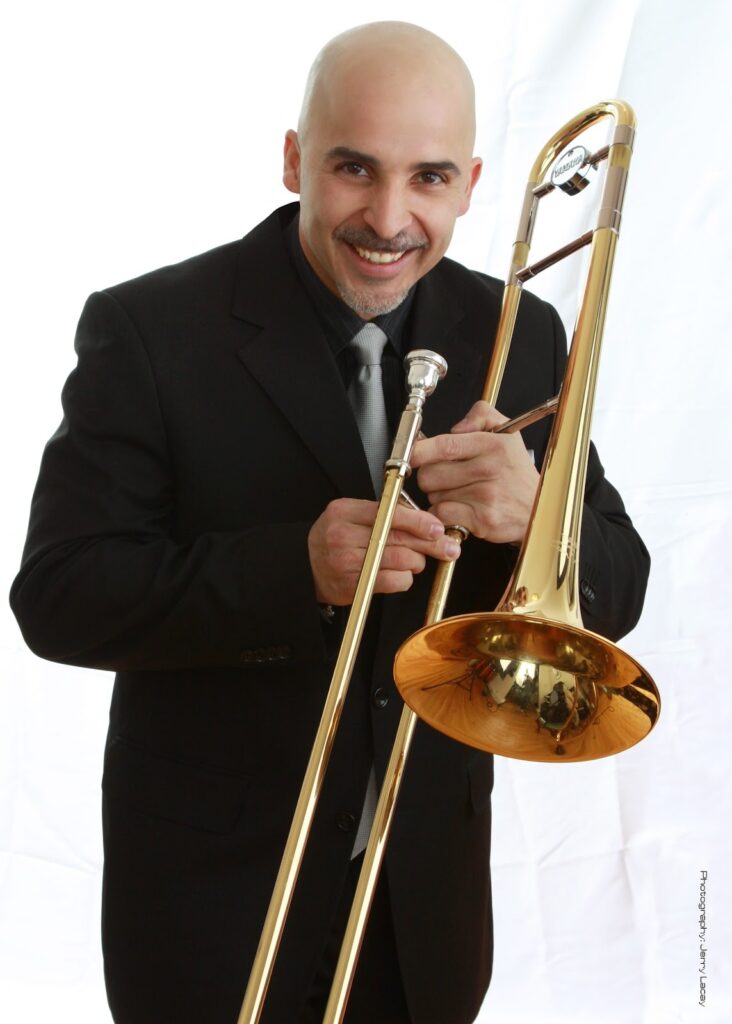
Jimmy Bosch was born in 1959 (New Jersey, U.S.). He is a world-renowned Trombonist, composer, singer, and bandleader in the world music genres. He has been performing professionally since age 13. Jimmy’s first two solo CDs, “Soneando Trombón” and “Salsa Dura” established him as the Ambassador of the Salsa Dura movement. He ignited this movement by combining old school quality salsa arrangements with a modern NY aggressive edge and socially conscious lyrics. “El Avión De La Salsa” demonstrates and solidifies his commitment to dancer centered music, while “A Millón” is the title of Jimmy’s 4th solo record released.

Jimmy Bosch
Jimmy Bosch

Appearing in over 100 recordings, Bosch “El Trombón Criollo de La Salsa” has garnered at least 10 Grammys and has toured with his orchestra, his sextet or as a solo artist, as well as with: Eddie Palmieri, Ruben Blades, Celia Cruz, Ray Barretto, Willie Colon, Manny Oquendo y Libre, FANIA Allstars, and the list goes on.

Jimmy has been featured throughout the world in major venues and festivals, including; Carnegie Hall, Lincoln Center (NYC), Celebrate Brooklyn (NYC), Montreal Jazz (Canada), Madison Square Garden (NYC), Sydney Opera House (Australia), Barranquijazz (Colombia), El Poliedro and Teresa Careña (Venezuela), and many other important places.

Luisito Carrión (OCTOBER 26, 1962)

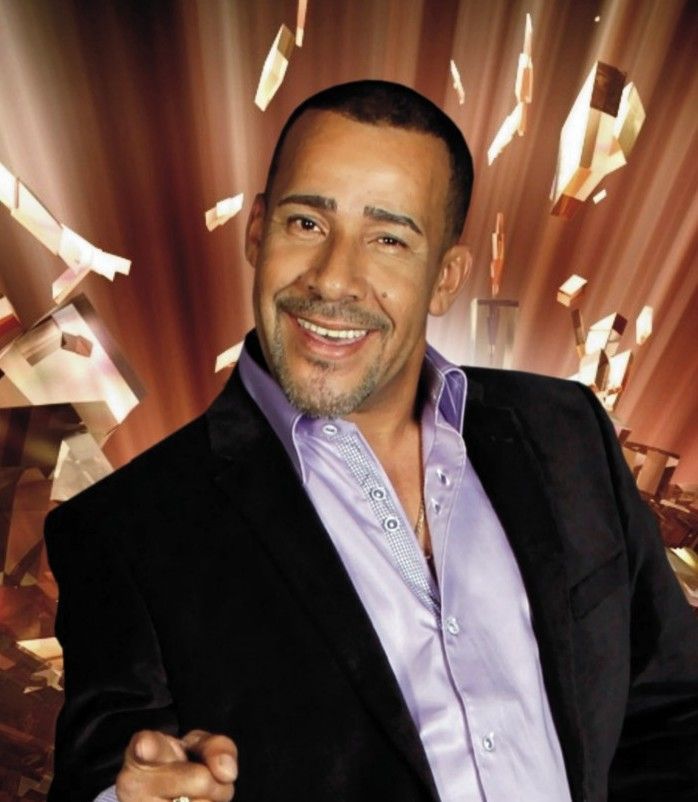
A native of Arecibo in Puerto Rico, Luisito Carrión has been singing since he was 13 years old. He began his career as a Salsa artist with the Orquesta Kafe, Orquesta La Nativa and Grupo Concepto Latino.

In his first performances, he sang along with Celia Cruz, Adalberto Santiago, and Santitos Colón. Later on, he was a member of Salsa Fever together with Julio “Gunda” Merced, were several hits come from: “Renta de Amor” and “Señores ahí va Julián”. Afterward, he joined the Bobby Valentín Orchestra, where he sang songs, such as: “El Señor de las Señoras”, “Ramos de flores”, “El Gigoló”, “Tributo de Cali” and “Como lo hago yo”. In his evolutionary process, Luisito joined the Orquesta Don Perignon where he sang “La Fuga” and later with the Sonora Porceña, where he performed songs, such as “Yaré” and “A Comer Lechón”.

Luisito Carrión
Luisito Carrión

In 1997, he recorded with Roberto Roena y Su Apollo Sound “Mi música 1997”. At the end of the 90s, Carrión began his career as a soloist with the record company MP Records with Julio “Gunda” Mercéd and Rafael Bodo Torres, which led to hits, such as: “Sin tu amor”, “La Chica Más Popular”, “Nadie Como Tú”, “Porque”, “Amiga Mía”, “Muriendo”, “Como Ave Sin Rumbo” and “Para Ser Real”. Nowadays, Luisito Carrión is one of the best Puerto Rico’s Soneros bringing on “Histeriaaaa…” in his fans.

José Madera

North America/ United State / New York 

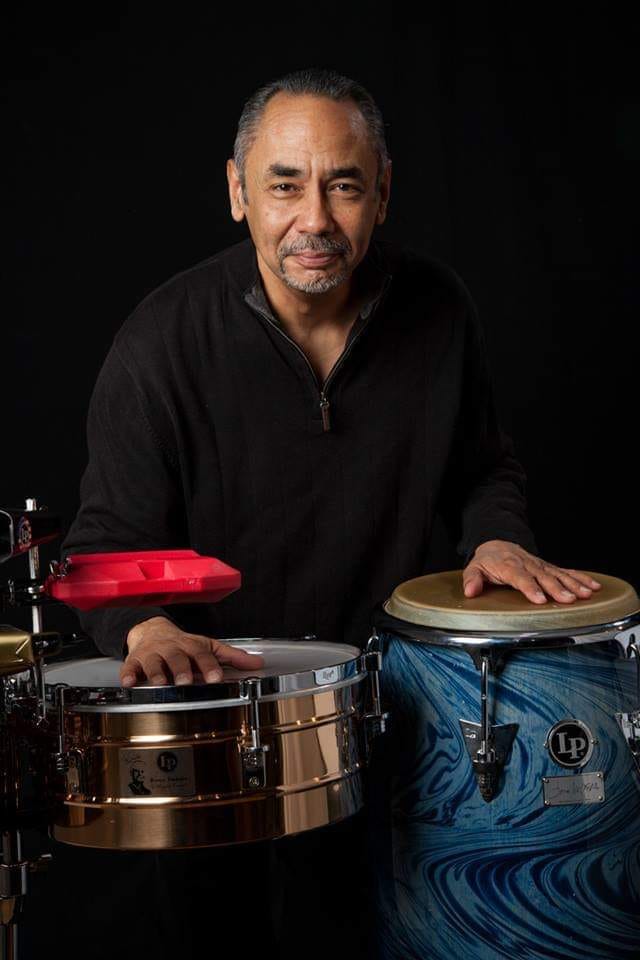
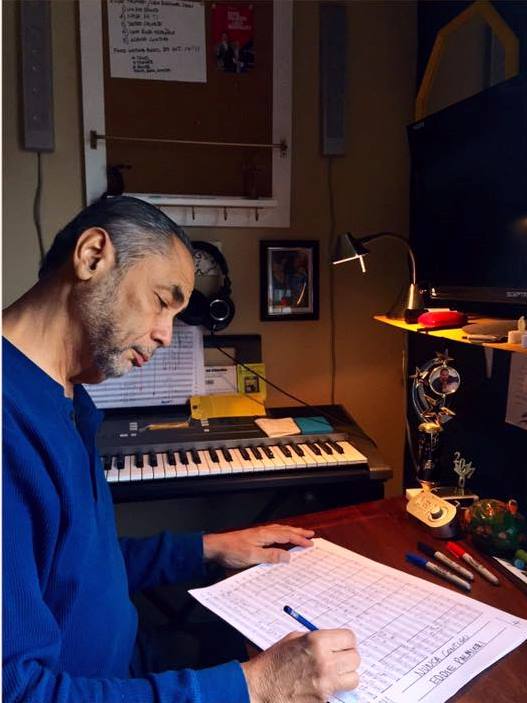
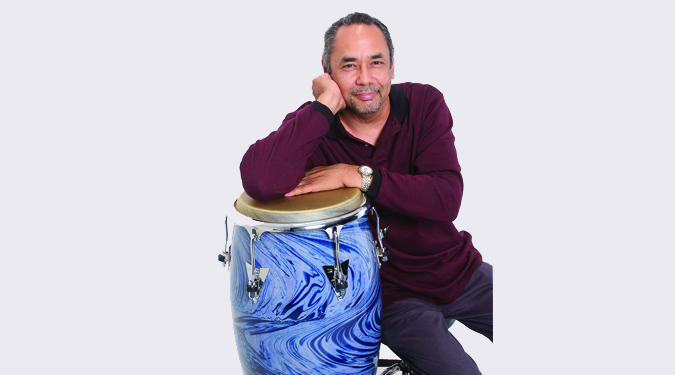
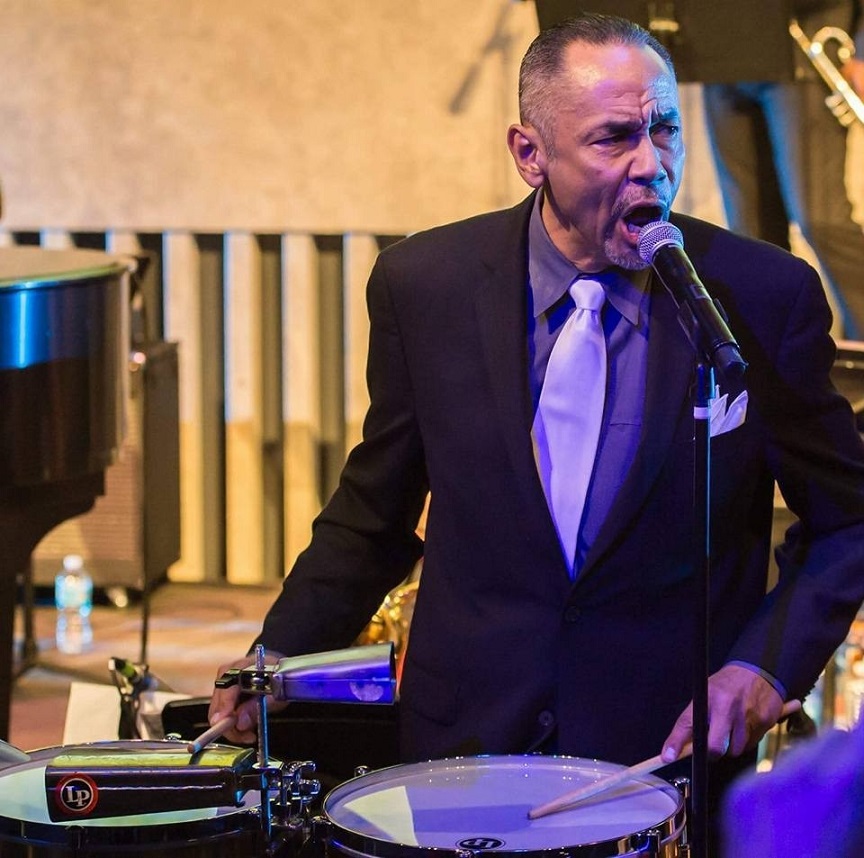
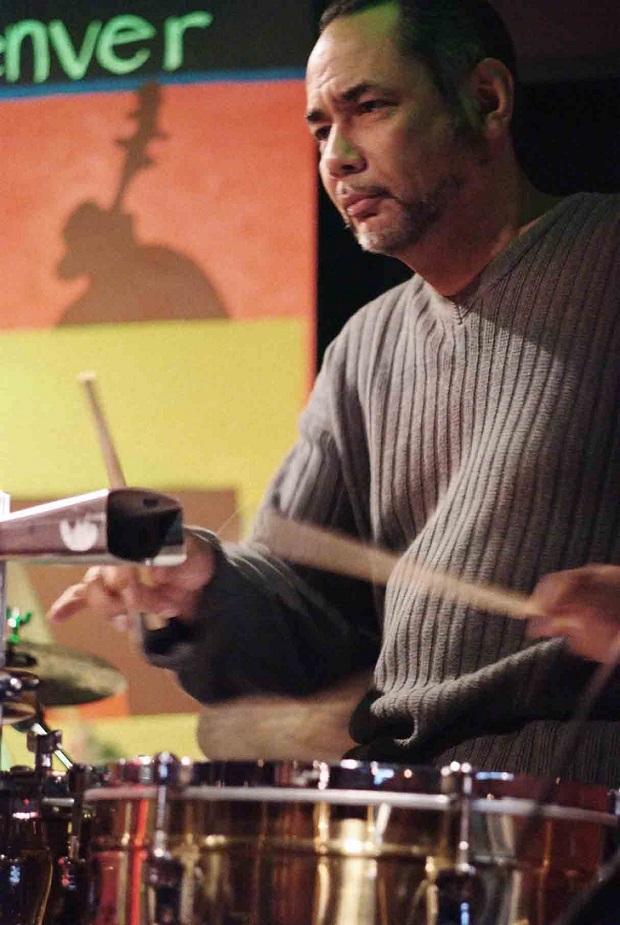
José Madera, Percussion & Arranger of Machito, Tito Rodriguez and Tito Puente

One would think that a job with the world famous Tito Puente

Band  keep busy a percussionist.

But the musician, arranger and composer José Madera had yet found the time to record and write music for some of the most influential bands in the world.

Prior to joining Tito Puente over 35 years ago, Madera play for four years with the famous Machito Orchestra, and recorded with many artists of R & B (including James Brown, Diana Ross, David Sanborn and Aztec Two – Step).

As an arranger for Fania Records Plant, played in several comerciales successes, and through the years has composed music for the Fania All- Stars, Larry Harlow , Johnny Pacheco , Willie Colón, and Celia Cruz .

Although he has recorded some 75 albums in 20 years, as well as numerous radio jingles and film soundtracks, Madera still had time for his other career for 15 years he had worked as a teacher and conductor in a high school for the performing arts with private funds, in the city of New York.

Jose has written many arrangements for countless commercial Latin artists and has recorded or worked with many of them as well. Some of them include: Larry Harlow, Johnny Pacheco, Chico O’Farill:  The Lincoln Center Afro-Cuban jazz orchestra, Celia Cruz, Tito Rodriguez, Fania All-Stars, Willie Colon, Joe Farrell, Machito, Graciela, Mario Bauza, Willie Rosario, Earl Klughand  Eddie Palmieri, just to name a few.

Jose has also worked and recorded with many pop, R&B and jazz artists.

Some of them include Diana Ross, James Brown, Dizzy Gillespie, Paquito D’Rivera, George Benson and Lionel Hampton among others.

Jose has performed on over 250 recordings. He has worked on several television show soundtracks including “The Simpsons” and several motion picture soundtracks including ”The Mambo Kings Play Songs of Love” where he was the musical arranger and conductor for the Tito Puente segment of the film.

Jose also taught the art of playing Latin percussion instruments at BOYS HARBOR in New York City for 28 years.

Jose has done and continues to do musical clinics around the country at various schools.

¨He was the musical director of the Latin Giants of Jazz from 2001 to 2009¨.

José Madera continues his musical direction with the Mambo Legends Orchestra, a band comprised of former members of the Tito Puente Orchestra, which is dedicated to performing new creative Latin and Latin jazz concepts, as well as some of the music of Machito, Tito Rodriguez and Tito  Puente.

José Madera has personally re-created and re-arranged much of the music that the ban ds performed during the heyday of the Mambo at the Palladium Ballroom in New York City, which is considered by many critics to be the “Greatest and Mostinnovative Era” in the history of Latin music.

Madera’s saxophonist father  Jose “Pin ” Madera, was one of the original members of the Afro -Cuban Orchestra Machito .

Young Joseph was influenced by drummer Machito (The best Latin Big Band drummer I’ve ever heard).

Later I was influenced by José Mangual and the same Tito Puente. The LP Timbale bell (circa 1966) was the first instrument Wood LP , today plays a variety of congas , bongos , guiro and bells LP.

Compared with the instruments that were used years ago , the sounds I get from the LP instruments are very authentic.

As an arranger, it is very gratifying to know that whatever you write will be accompanied by instruments LP, which only improve the quality of interpretation.

In 2008, Madera was entrusted to the Department of Research and Development LP designing the Signature Series José Madera Congas .

José Madera is proud that these drums, bearing his name, present a sound and a visual such outstanding features.

Mura Peringa Orchestra

Europe / France / Strasbourg

Mura Peringa Orchestra, A tribute to Salsa culture, given by 9 crazy musicians of Latin music

Since 2006, the group (Mura Peringa) brings together 9 musicians (20 – 34 years old) united by their passion for Latin music.

Their influences are important musicians and orchestras such as: Sierra Maestra, Mercado Negro, Eddie Palmieri, Oscar D Leon, Maraca Valle, Chaparro y su Orquesta, Orlando Poleo, Fania All stars, Willie Colon and Hector Lavöe.

From the creation of the project, the heart of repertoire focuses on a color Salsa Dura 70’s, embellished with Bolero, Merengue, Chachacha, Son, Cuban Rumba, Timba.  The compositions and rearrangements of Mura Peringa, faithful or transfigured, were able to invite the crowds to dance on the stages of the French grand-est, and during the summer tours in Switzerland and in the south of France.

Mura Peringa’s music, tasty, throbbing, intoxicating, is supported by rich arrangements, and by the solid instrumental and stylistic mastery of her musicians.  The strength of Mura Peringa is her ability to metamorphose. The lead vocals on the front of the stage go from one musician to another, causing so many reversals of point of view.

The staging of the game and the transitions are served by a light creation that finishes training the audience at the rhythm of the clave and syncopations.  Get ready to swing; it will be hard to resist the call of the dance Mura Peringa, a tribute to Salsa culture, given by 9 crazy  musicians of Latin music. 

United in the most vibrant Salsa orchestra of the Great East, songs, brass and percussion invite you to dance to Afro-Caribbean rhythms and music.  Listening to the surprising compositions and rearrangements of Mura Peringa, you will not sit for long.

MusiciansCongas: Paul StengerTimbales: Nicolas SchmidtBass : Theron FuhrmannClavier : Sebastien ValleTrombone : Fabrice ToussaintSaxophone: Adrien LabordeFlute / Percus : Camille EvrardTrompet : Alexandre BrandTrompet: Adrien Arnaud

To enjoy, and to dance

  • « Go to Previous Page
  • Page 1
  • Interim pages omitted …
  • Page 15
  • Page 16
  • Page 17
  • Page 18
  • Page 19
  • Interim pages omitted …
  • Page 31
  • Go to Next Page »

International Salsa Magazine (ISM) is a monthly publication about Salsa activities around the world, that has been publishing since 2007. It is a world network of volunteers coordinated by ISM Magazine. We are working to strengthen all the events by working together.