• Skip to primary navigation
  • Skip to main content

International Salsa Magazine

  • Home
  • Previous editions
    • 2026
      • ISM / January 2026
      • ISM / February 2026
    • 2025
      • ISM / December 2025
      • ISM / November 2025
      • ISM / October 2025
      • ISM / September 2025
      • ISM / August 2025
      • ISM / July 2025
      • ISM / June 2025
      • ISM / May2025
      • ISM / April 2025
      • ISM / March 2025
      • ISM / February 2025
      • ISM / January 2025
    • 2024
      • ISM / December 2024
      • ISM / November 2024
      • ISM / October 2024
      • ISM / September 2024
      • ISM / August 2024
      • ISM / July 2024
      • ISM / June 2024
      • ISM / May 2024
      • ISM / April 2024
      • ISM / March 2024
      • ISM / February 2024
      • ISM / January 2024
    • 2023
      • ISM / December 2023
      • ISM / November 2023
      • ISM / October 2023
      • ISM – September 2023
      • ISM – August 2023
      • ISM July 2023
      • ISM Edition June 2023
      • ISM – May 2023
      • ISM April 2023
      • ISM March 2023
      • ISM February 2023
      • ISM January 2023
    • 2022
      • ISM December 2022
      • ISM November 2022
      • ISM October 2022
      • ISM September 2022
      • ISM August 2022
      • ISM July 2022
      • ISM June 2022
      • ISM May 2022
      • ISM February 2022
      • ISM January 2022
    • 2021
      • ISM December 2021
      • ISM November 2021
      • ISM October – 2021
      • ISM September 2021
      • ISM August 2021
      • ISM July 2021
      • ISM May 2021
      • ISM April 2021
      • ISM June 2021
      • ISM March 2021
      • ISM February 2021
      • ISM January 2021
    • 2020
      • ISM December 2020
      • ISM November 2020
      • ISM October 2020
      • ISM September 2020
      • ISM August 2020
      • ISM July 2020
      • ISM June 2020
      • ISM May 2020
      • ISM April 2020
      • ISM March 2020
      • ISM February 2020
      • ISM January 2020
    • 2019
      • ISM December 2019
      • ISM November 2019
      • ISM October 2019
      • ISM Septembre 2019
      • ISM August 2019
      • ISM July 2019
      • ISM June 2019
      • ISM May 2019
      • ISM April 2019
      • ISM March 2019
      • ISM February 2019
      • ISM January 2019
    • 2018
      • ISM December 2018
      • ISM November 2018
      • ISM October 2018
      • ISM September 2018
      • ISM August 2018
      • ISM July 2018
      • ISM June 2018
      • ISM May 2018
      • ISM April 2018
      • ISM March 2018
      • ISM February 2018
      • ISM January 2018
    • 2017
      • ISM December 2017
      • ISM November 2017
      • ISM October 2017
      • ISM September 2017
      • ISM August 2017
      • ISM July 2017
      • ISM June 2017
      • ISM May 2017
      • ISM April 2017
      • ISM March 2017
      • ISM February 2017
  • Download Salsa App
    • Android
    • Apple
  • Spanish

Search Results for: jazz

Los Van Van Orchestra

European Union

Los Van Van Orchestra. The Flavor in Zurich

1960-1969

Vital to the success and peculiar sound of Van Van, was the career of its director Juan Formell. Before founding it on December 4, 1969, ventures as bassist in several groups, from the Orchestra of the Cuban Institute of Radio and Television, to several groups are and jazz, these multiple experiences conditioned their future.

Its passage by the Orquesta Reve marked a turning point in the search for the style I wanted to achieve. He tested his innovative spirit giving it some sound and format solutions.

It incorporates bass, organeta, electric guitar, violins and flute replaced the five by the system. The vocal work was replaced by mounting quartets own voices. This experiment served as a starting point for, once created the VAN VAN, their contagious rhythm patterns sit in popular dance music.

Los Van Van Orchestra

1970-1979

Earlier this decade important critics and connoisseurs of the subject could notice the successful future of the Van Van. Juan Formell maintaining the contributions made to the previous group (The Revé), enriched the set with other instruments such as percussion, that an exceptional and unique way, were weaving what would define as the SONGO.

This mode of address are elements taken from jazz and rock, it consists of a rhythmic design combined with a figurative percussion piano and bass. Then creating harmonic and melodic different timbres.

José Luis Quintana (Changuito), Raul Cardenas (the Yulo), Cesar Pedroso (Pupi), Fernando Leyva, Jesus Linares, Orlando Canto, José Luis Cortés (The rough), Julio Noronha, Gerardo Miró, William Sanchez, Jose Luis Martinez Miguel angel Rasalps (Lele), together with its director, explored all possible ways and then came to this rhythm that becomes the basis of its sound.

It is for these years that begin recording their first five albums and debuted on several international stages.

1980-1989

This represents an important period for the orchestra. They break their own style incorporating the bronco and cracking of the trombones sound. Turn introduced synthesizers, keyboards with multiple sound possibilities. The use of synthesized saxophone and electric violins draw much attention at the time. In addition to his recording material have new triumphs as: Báilalo eh! Ah! (1982), Come, see and move (1984), Havana itself (1985), Eso que anda (1986), We the Caribbean (1987), wanting (1988) is over, and finally Songo gives way to a new stage.

Van Van Orchestra collash 1980-1989

A hallmark of the group is the use of the picaresque, irony, manners in their songs. Becoming a sort of chronicle of the Cuban reality, his writings offer a social circumstance, themes that recreate the jocular of everyday life.

In these years his music transcends borders and Latin American venues like the Empire in London, England, Austria, Switzerland and Germany are witnessing a pace capable of passing the most skeptical of the dancers.

1990-1999

90 start with a tour around the country celebrating its 20 years, evolving into the contemporary timbre and go in search of more complex and preciosistas as the father expressions.

Their latest results leave no doubt that reach maturity. Pieces like “Give him cadela” and “That’s my problem” Disco Sugar (1993), “I am normal, natural” and “What a surprise” the latest in vivo (1994), “Let anger” and “De equals “Ay ampárame god (1995) and” This puts you bad head “and” Take her to your vacilón “Te puts the bad head (1997) are some of the records that predate came VAN VAN ( 1999) containing “Van Van arrived Permit”, “the black is cooking” and “Temba tomb timba”, works that have ravaged mercilessly in the context of salsa, for their contagious rhythm, joy and good taste. All retain the seal of the group even when using other orchestral resources.

Los Van Van Orchestra collash 1990-1999

2000

Thanks a work of more than thirty years with the Grammy award with Disco Van Van is here or Llego Van Van. Award for best salsa album recorded by soloists, duos and vocal and Instrumentalist groups. (It’s worth noting that the award received is not the Anglophone Grammy Latino) Such award is the result of its continued making magic for over thirty years.


Los Van Van Orchestra in concierto

Salsa in Berlin: The Best Clubs for Latin Music

Europe / Germany / Berlin

Salsa hit Europe like a pandemic, spreading from the jazz clubs in the big cities and hitting Germany in the 1980s. No wonder Salsa found so many followers – the Latin beats get directly under the skin and the rhythm moves hips and hearts just by itself. There is a sense of freedom in the music, and the widespread habit of Salseros asking Salseras for a dance makes it a piece of cake to meet new people in a relaxed and unrestrained atmosphere.

Salsa in Berrlin
Salsa in Berrlin

Berlin is famous for its nightlife and the immense diversity of scenes on offer for all kinds of people, tastes, and styles. Hence, it goes without saying that Germany’s capital has a thriving Salsa scene. Every year in October, it finds its peak during the three-day Berlin Salsa congress with famous Salsa stars from all over the world and around 6,000 participants.

But Berlin wouldn’t be the nightlife capital if it didn’t have a Salsa party every night of the week. Here are the best of the best Salsa parties in town to get hips swinging.

Dancing Salsa in Berlin
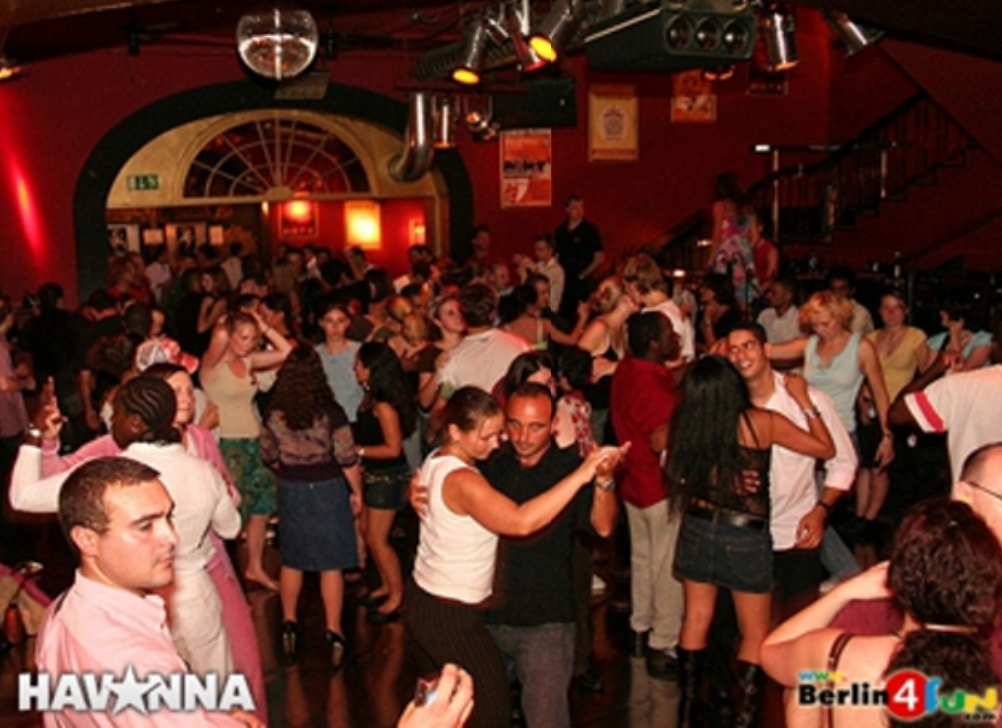
  1. Havanna

Every Wednesday, Friday, and Saturday, Salsa-obsessed dancers can move their hips in Berlin’s leading Latino and Black music club Havanna. The parties are spiced up by a one-hour dance lesson beforehand and some instructed Merengue in between on up to four dance floors.

  • Table reservation: +49 (0) 176-216 77 012 | [email protected]
  • Schedules: Miércoles 21:00 | Viernes 22:00 | Sábado 22:00
  • Dirección: Hauptstraße 30, 10827 Berlín.
  • Havanna Berlin Photo 1
    Havanna Berlin Photo 1
  1. RED Ballroom

This wonderful location heats up the floor for Salseros every Tuesday and Saturday. There is a compulsory dance instruction session beforehand, and the parties are free and handy for a newcomer to Salsa. The size of the location and the attached restaurant give the parties a more intimate feeling and professional dancer Fernando Zapato is on hand to ensure the right Latin atmosphere for a party night.

  • Genthiner Straße 20 10785 Berlin – Germany
  • Phone: +49 (0) 30 3151 8618
  • Email: [email protected]
Red Ballroom
Red Ballroom
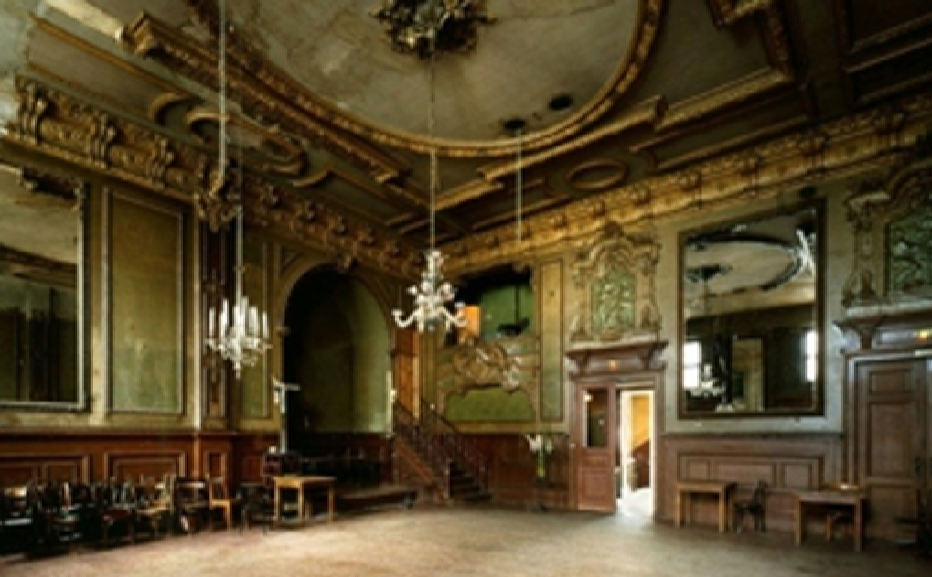
  1. Clärchens Ballhaus

Clärchens’ Ballroom | (c) Clärchens Ballhaus

In an outstanding historical atmosphere, you can shake a leg every Monday. The so-called mirror hall is a secret tip in the Berlin club scene. Built in the late 1800s, the flair of the Wilhelminian era is still present in this location. Furthermore, it has a wonderful wooden dancing floor and is highly frequented by true Salseros in Berlin.

  • Auguststraße 24
  • Berlín
  • +49 30 2829295
  • @claerchens.ballhaus
Clärchens Ballhaus
Clärchens Ballhaus
  1. Soda Club

Known for its immense parties, the Soda Club Berlin plays Latin and Cuban music every Sunday and Thursday. The four dance floors are impressive, and revelers can expect to find Mambo, Kizomba or Bachata DJs serving up an eclectic mix of these styles so dancers can switch things up throughout the night.

  • Address: Knaackstr.9710435 Berlin +49 30 44315155 +49 30 44315199
  • [email protected]
Soda Club
Soda Club
  1. Beachmitte

Salsa parties at this location are organized by the Salsa dance school Cumbancha, which is located in Kreuzberg. They always draw in a huge crowd of Salseros and Salseras, where everyone kind of knows each other and which gives these parties a very familiar atmosphere, although the uninitiated should not be put off, these are friendly folks!

Caroline-Michaelis-Str. 8 10115 Berlin Tel. 030-4679 5997 Fax: 030-4140 8890

Mail: [email protected]

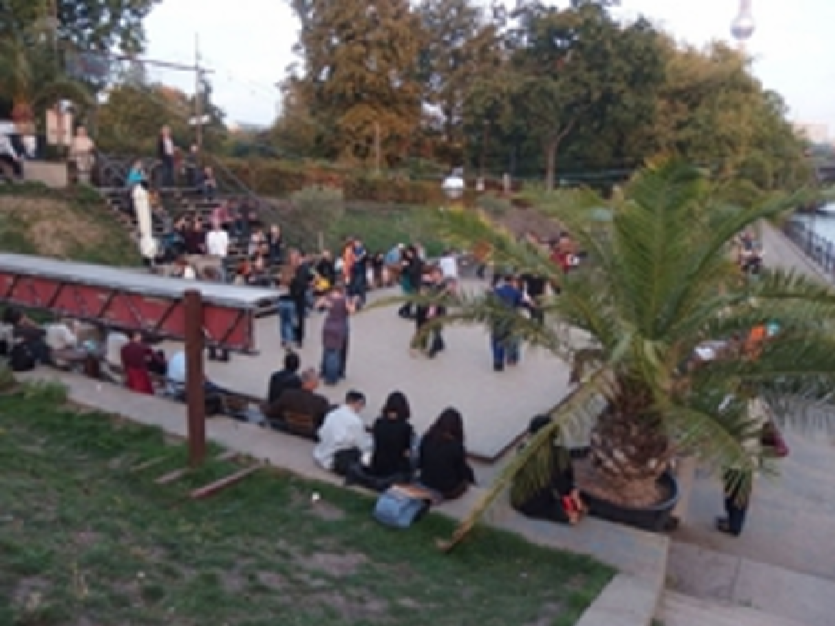
  1. Monbijoupark

Monbijou Park | © Palickap/WikiCommonsThis is definitely the most beautiful location to dance in Berlin, although there is the small drawback that it is closed during the winter. That just heats the anticipation for the next spring, and, frankly, being outside in Berlin’s winter is a zany plan, even if you are dancing. So when winter starts to abate, and this open air location reopens its dance floor directly in front of the Bodemuseum on Museum Island, things start to swing. Even Tango and Swing lovers can enjoy their hobby; just visit their website for more details when they play which style of music.

Monbijoupark
Monbijoupark

Sitio web de Latin Bayarea

North America / USA

Sitio web de Latin Bayarea

Sitio web de Latin Bayarea

Actualmente, la búsqueda de información sobre música latina y su cultura en California (EE. UU.) se ha integrado a la tecnología, ya que es una herramienta muy práctica. En internet, se puede encontrar un sitio web donde se puede investigar prácticamente todo: música, cultura, entretenimiento, clubes y conciertos. El sitio web es Latin Bay Area.

Entre sus numerosos eventos que se anuncian mensualmente se encuentra:

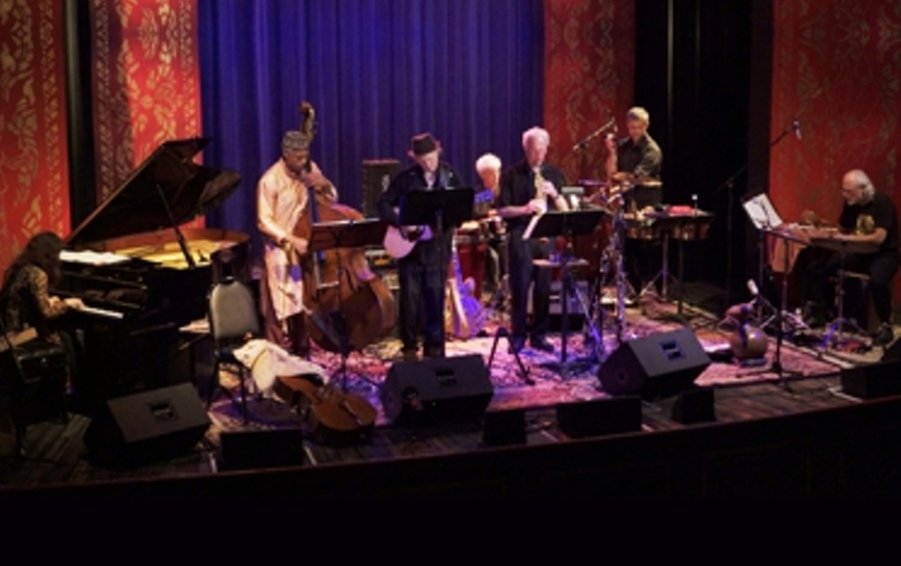
Concierto De Lanzamiento Del Cd Del Ensamble De Jazz Indolatino De Mariah Parker

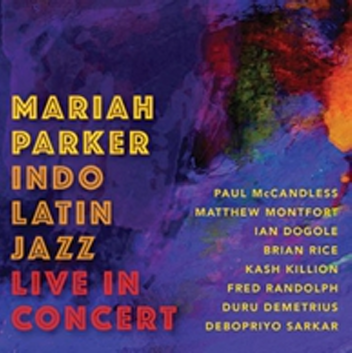
Este concierto celebra el próximo lanzamiento del nuevo CD de Mariah Parker, Indo Latin Jazz Live in Concert.

Según la revista Latin Beat, el Ensemble de Jazz IndoLATINO de Mariah Parker “combina las síncopas rítmicas del jazz latino con los fascinantes y asimétricos compases de los ritmos de las Indias Orientales, dando como resultado una música del mundo de primera clase. Melodías fascinantes que se inspiran en los tempos de Brasil, Cuba, India y España crean un viaje musical inspirador, sereno y apasionado a un mundo ideal”. Domingo, 22 de enero de 2017, 19:00 h, Freight and Salvage

2020 Addison Street

Berkeley, California

Entradas: $24 anticipadas, $28 en taquilla

Para más información, llame al (510) 644-2020 o visite www.thefreight.org

Con la participación de Mariah Parker (composición, piano, santur), Paul McCandless (instrumentos de viento), Matthew Montfort (guitarra), Kash Killion (bajo, violonchelo) y los percusionistas Ian Dogole, Brian Rice y Michaelle Goerlitz.

Lanzamiento del CD “Indo Latin Jazz Live in Concert”, 20/01/17

Lanzamiento del CD "Indo Latin Jazz Live in Concert", 20/01/17
Lanzamiento del CD “Indo Latin Jazz Live in Concert”, 20/01/17

En 2009, Mariah Parker lanzó su Indo Latin Jazz Ensemble con un concierto debut con entradas agotadas en Yoshi’s, Oakland, California. El nuevo lanzamiento de Mariah para AncientFuture.com Records, “Indo Latin Jazz Live in Concert”, captura la magia de esa primera actuación, así como de los conciertos posteriores en el norte de California: Freight & Salvage, Berkeley; el Teatro Throckmorton, Mill Valley; y una sesión de estudio en los estudios TRI de Bob Weir, San Rafael. Estas grabaciones en vivo multipista fueron cuidadosamente mezcladas y masterizadas durante siete años por el veterano productor de Ancient Future, Matthew Montfort.

Indo Latin Jazz Live in Concert es la continuación de Sangria, el CD debut de Mariah, que se difundió en más de 468 programas de radio de jazz, latinos y del Nuevo Mundo, y obtuvo más de 365 reseñas y apariciones en medios, incluyendo dos canciones que ascendieron a la lista de las 100 mejores canciones de 2009 de Smooth Jazz Now.

Biografía de Mariah Parker

Mariah Parker in concert

(Composición, piano, santur) http://www.mariahparkermusic.com

“Parker, licenciada en música por la Universidad de California en Santa Cruz, escribió las ocho composiciones instrumentales de esta exquisita colección de piezas que fusionan ritmos latinos con influencias de Sudamérica e India, con un toque de jazz estadounidense puro. Es una mezcla embriagadora de Oriente y Occidente, interpretada por músicos de un virtuosismo asombroso. Como todas las mejores bandas de jazz, este grupo es tan disciplinado como innovador, deteniéndose en seco cuando la composición lo requiere y lanzándose al instante siguiente hacia magníficos paisajes de libre asociación, tan placenteros como aventureros.

Mariah Parker's
Mariah Parker’s

Este es un material sofisticado, un álbum de fusión global interpretado por un grupo con carácter, carisma y la confianza que se transmite cuando músicos de talla mundial en la cima de su carrera se unen y crean magia en el presente de una actuación en vivo.” -Marin Independent Journal

Mariah Parker ha estado tocando música desde que pudo tocar las teclas del piano de cola en la casa de su familia. Mientras terminaba su licenciatura en música en la Universidad de California en Santa Cruz, trabajó con el etnomusicólogo Fred Lieberman y el baterista Mickey Hart en el proyecto “Planet Drum” y quedó fascinada con las posibilidades de conectar conceptos musicales de diferentes tradiciones.

Ha interpretado sus composiciones originales en festivales de Estados Unidos y Europa. Talentosa compositora y líder de banda, lanzó su primera grabación en solitario, “Sangría”, en febrero de 2009. Este lanzamiento recibió una amplia difusión y fue aclamado por la crítica internacional.

“Deslumbrante… Los sonidos sutiles y sensuales de Parker reflejan sabores exóticos de la India, Oriente Medio y Latinoamérica.” -Palo Alto Daily News.

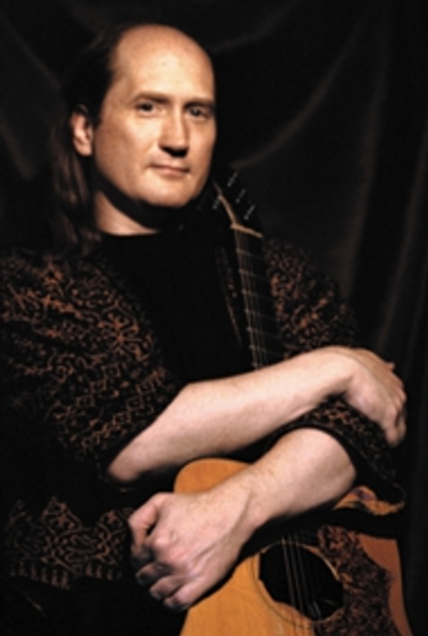
Matthew Montfort (Guitarra de Diapasón Festoneado)

Matthew Montfort
Matthew Montfort

Recientemente reconocido como uno de los 100 Mejores Guitarristas Acústicos del mundo, Montfort es pionero de la guitarra de diapasón festoneado y líder del influyente conjunto de música fusión mundial Ancient Future. Ha ofrecido conciertos en todo el mundo, incluyendo el Festival Internacional de la Guitarra en la costa dorada de España, cerca de Barcelona, ​​y el Festival de Mumbai en la Puerta de la India, Bombay.

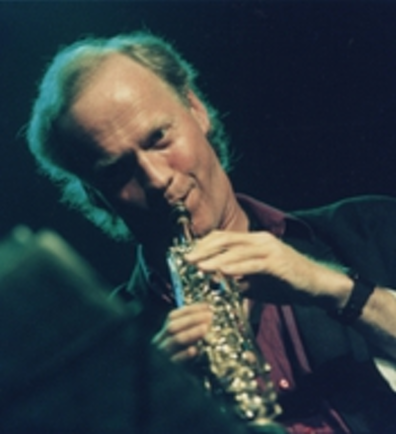
Paul McCandless (Virtuoso de la Lengüeta)

Paul McCandless
Paul McCandless

Durante una distinguida carrera de tres décadas, el virtuoso de los instrumentos de viento-madera ganador del Grammy, Paul McCandless, ha aportado un lirismo desbordante a su interpretación y composición, que ha sido fundamental para el sonido conjunto de dos bandas seminales de música mundial: el original Paul Winter Consort y el incansablemente innovador cuarteto Oregon.

Un talentoso multiinstrumentista, McCandless se ha especializado en una paleta inusualmente amplia de instrumentos de lengüeta simple y doble que reflejan su formación en las disciplinas clásica y de jazz.

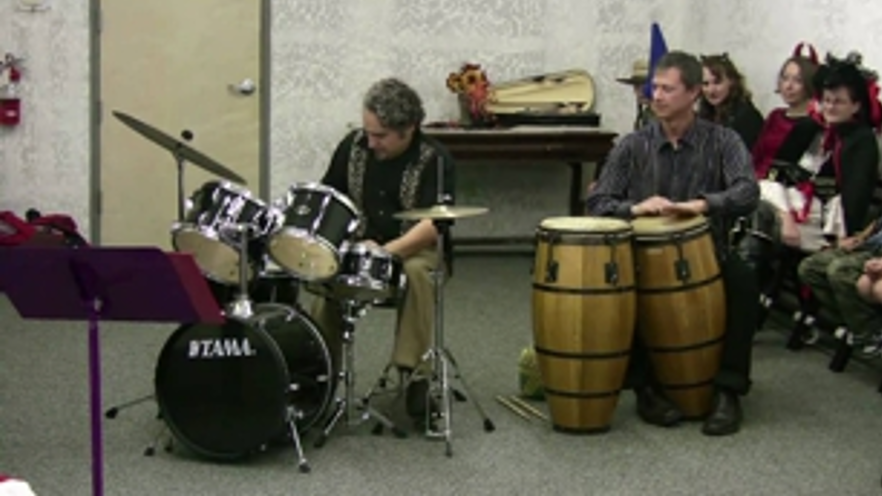
Ian Dogole (Global Percussion)

Ian Dogole es un destacado director de orquesta, compositor y multipercusionista que ha grabado y actuado con artistas como Hamza el Din, Tito La Rosa, Ancient Future y Alex de Grassi con una amplia variedad de instrumentos de percusión, como udu, cajón, hang, tambor parlante africano, kalimbas, platillos y dumbek.

Ian Dogole
Ian Dogole

Kash Killion (Bajo, Violonchelo)

Kash Killion toca el violonchelo, el bajo y diversos instrumentos de cuerda africanos y de Oriente Medio, y ha trabajado con Donald Byrd, George Cables, Billy Higgins, Cecil Taylor, John Zorn, Sun Ra, Butch Morris, George Lewis, Reggie Workman y Sun Ra Arkestra.

Brian Rice (Percusión Latina)

Brian Rice es un músico muy aclamado, especializado en percusión latina, afrocubana y brasileña. Colabora con artistas como Mike Marshall con Choro Famoso y el Cuarteto Antonio Calogero, con Paul McCandless y Mike Manring.

Brian Rice
Brian Rice

Michaelle Goerlitz (Percusión Latina)

Una talentosa percusionista especializada en ritmos brasileños, afrocubanos, venezolanos y peruanos, ha tocado, grabado y realizado giras con Mark Levine, Wayne Wallace, Houston Pearson, Denise Perrier, Joan Jeanrenaud, Pickpocket Ensemble, Samba Rio, Novo Tempo, Bossa 5-0 y muchos otros.

Latin America / March 2026

Adriana Mosquea 03 2026Andy Durán 03 2026Porfi Jiménez 03 2026Willie Colón 03 2023El Caballero de la SalsaSymphonic Bestial Sound 2026

March 2026 – Festivals

Puerto Rico circular flag
PUERTO RICO
42 Zalsa 03 2026

Día Nacional de La Zalsa

Mar 22, 2026

Plaza de la Independencia
Av. Franklin Delano Roosevelt
San Juan 00920, Puerto Rico

$ 30.00 + ivu & c.s

Bella MartinezCalibrated maracas

DIRECTORY OF NIGHTCLUBS

Argentina flag
ARGENTINA

Aruba circular flag
ARUBA

Belize circular flag
BELIZE

Bolivia circular flag
BOLIVIA

Brazil flag
BRAZIL

Chile circular flag
CHILE

Colombia
COLOMBIA

Costa Rica circular flag
COSTA RICA

Cuba circular flag
CUBA

Dominican Republic
DOMINICAN REPUBLIC

Ecuador circular flag
ECUADOR

Guatenala circular flag
GUATEMALA

Mexico Circular flag
MEXICO

Panama circular flag
PANAMA

Peru circular flag
PERU

Puerto Rico circular flag
PUERTO RICO

Venezuela circular flag
VENEZUELA


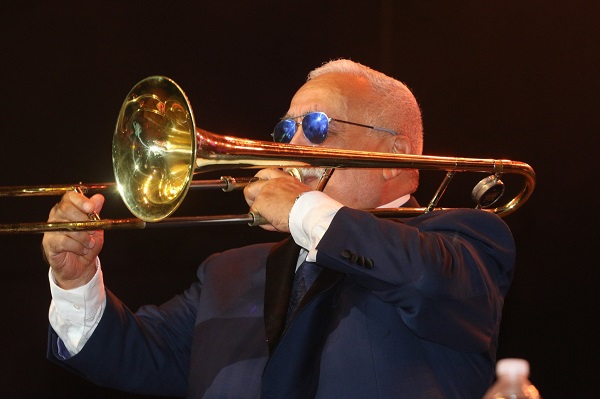
Willie Colón The “Architect of Salsa” Enters Immortality

February 21, 2026, will be etched into the history of Latin music as the day the “street trombone” fell silent to become an eternal echo.

A Sorrowful Farewell: February 2026

After several days of uncertainty and reports regarding his delicate health, the passing of William Anthony Colón Román was confirmed in New York City at the age of 75.

Willie Colón, the Architect of Salsa, Passes into Immortality

Producer, trombonist, visionary. He was the architect of a sound that broke the mold and redefined salsa from New York for the entire world.

With his aggressive trombone, his innovative musical concepts, and his leadership within the historic Fania All-Stars, he marked an era that can never be repeated.

The musician, who had already shown signs of physical frailty following his retirement from the stage in 2023, suffered severe respiratory complications that kept him hospitalized during his final days.

Iconic figures like Rubén Blades and the entire Fania family have expressed their grief, noting that we haven’t just lost a musician, but the “Malo” (The Bad Boy) who revolutionized the visual and sonic identity of Latinos in New York.

A Legacy of Rebellion and Sophistication

Unlike other bandleaders, Willie Colón didn’t just make music; he told cinematic stories. From his early days with Héctor Lavoe to his era of social consciousness with Rubén Blades, Colón transformed salsa into a vehicle for urban narrative.

With his aggressive trombone playing, innovative musical concept, and leadership within the historic Fania All-Stars
  • Innovation: He was responsible for putting the trombone at center stage, creating that “heavy,” raw sound that defined the Bronx.
  • Identity: Through his iconic album covers (emulating FBI “Wanted” posters), he constructed the mystique of the Latin anti-hero.

His Eternal Anthems

Willie Colón’s catalog is the backbone of every party and social reflection in Latin America. Among his most remembered tracks, more relevant today than ever, are:

Song Significance
El Gran Varón A milestone in social lyrics regarding identity and redemption.
Idilio The most romantic and melodic facet of his mature era.
Pedro Navaja The ultimate expression of narrative salsa produced alongside Blades.
Gitana A classic of sentiment and rhythmic fusion.

Beyond the Trombone: Activism and Service

In his later years, Willie Colón’s life was also defined by his work offstage. He served as an activist, a community leader in New York, and held positions in organizations advocating for Hispanic rights. His life was a testament to the fact that art and social commitment can walk hand-in-hand.

Producer, trombonist, visionary. Architect of a sound that broke molds and redefined salsa from New York to the world.

Producer, trombonist, visionary. Architect of a sound that broke molds and redefined salsa from New York to the world.

The Centennial on the Horizon

Though the Maestro has physically departed in 2026, his office and family have made it clear that his music will live on. Releases of unedited material and tribute concerts are expected as we pave the road toward the centennial of his birth in 2050.

“Time passes, and I am left unable to speak to you”  Willie Colón.

His music will continue to speak for him on every corner where a trombone sounds and in every heart that feels the pulse of urban salsa.

His talent was more than rhythm: it was identity, the barrio, resistance, and living history. Today, we don’t just say goodbye to a musician; we say goodbye to a pillar, a North Star, and an entire chapter of our Latin culture.

Anecdote:

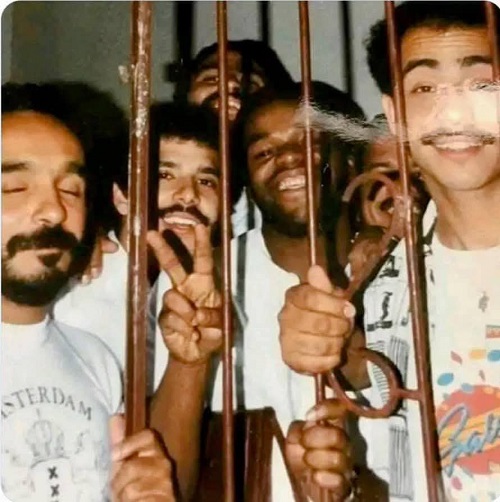
Willie Colón had a notorious incident in Medellín in 1985 when he refused to perform at the Iván de Bedout Coliseum because the promoters of “Rumba Producciones” failed to pay the agreed amount. Police arrested him along with 13 of his musicians, and they were detained for two days at the Belén neighborhood police station.

The audience, who had waited for hours, grew unruly, leading to riots that resulted in six injuries and significant property damage. This episode inspired the song “Especial No. 5,” which narrates Colón’s experience inside cell number five of that station.

Willie Colón had an incident in Medellín in 1985

Special Contribution by Julio Cesar Galindo Alarcón (Lima, Peru)

A posthumous tribute to the great Willie Colón (1950-2026): The greatest disciple of Mon Rivera by his own admission and today a legend of our passionate salsa.

Willie Colón: From “Classic Urban Salsa” to “Symphonic Salsa”

His musical production clarifies and proves that “salsa” does not only originate from Cuban and Puerto Rican rhythms, but also from American, Brazilian, and other Latin influences.

When Willie produced and recorded his 1977 instrumental-only album, El Baquiné de Angelitos Negros, he expanded the orchestral lineup to include violins, saxophone, flute, cello, and trumpet. While the work had little commercial success and went largely unnoticed during his triumphant career, it served as more than just a platform for his “salsa” fusions with Jazz, Funk, Soul, and R&B. It was the starting point for producing grander orchestral arrangements with a larger number of musicians, thus becoming the precursor to what is now known as “Symphonic Salsa.”

Four years after this beginning, in 1981, this “Symphonic Salsa” reached its peak when Willie released his second solo album, Fantasmas dedicated to and motivated by the loss of his younger sister, Cindy. The album included a track he composed, with musical arrangements by Luis Cruz, titled “Toma Mis Manos” (Take My Hands).

This piece, dealing with the somber theme of death, is considered by this author (due to the quality of the composition and the fabulous “Symphonic” orchestration) to be an authentic and grand masterpiece of “Classic Salsa.” It blends Funk, Soul, R&B, and Bossa Nova with Willie’s excellent vocals, serving as a spectacular prelude to that other legendary, yet often overlooked, symphonic track recorded in 1991 by the “Canary of Carolina,” the great Lalo Rodríguez: “El niño, el hombre, el soñador y el loco.”

To conclude, with the immense pain that his departure brings, I accompany this tribute with the aforementioned song: “Toma Mis Manos,” an unforgettable composition by the recent legend of our “salsa” the great Willie Colón, famously known as “The Bad Boy of the Bronx.”

The legendary musician and his wife Julia Colón were married for decades and share three children (

The legendary musician and his wife Julia Colón were married for decades and share three children

Also Read: The legacy of Leopoldo Pineda, the ambassador of the trombone in La Maquinaria Fania All Stars

  • « Go to Previous Page
  • Page 1
  • Interim pages omitted …
  • Page 7
  • Page 8
  • Page 9
  • Page 10
  • Page 11
  • Interim pages omitted …
  • Page 103
  • Go to Next Page »

International Salsa Magazine (ISM) is a monthly publication about Salsa activities around the world, that has been publishing since 2007. It is a world network of volunteers coordinated by ISM Magazine. We are working to strengthen all the events by working together.