
Search Results for: son cubano
Latin America / February 2024
Paquito D’Rivera supports the salsa museum
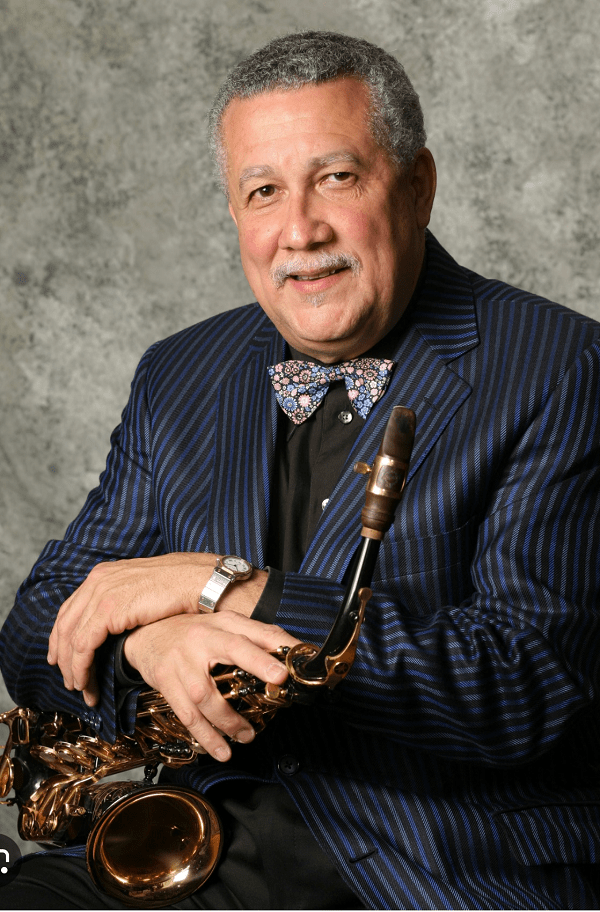
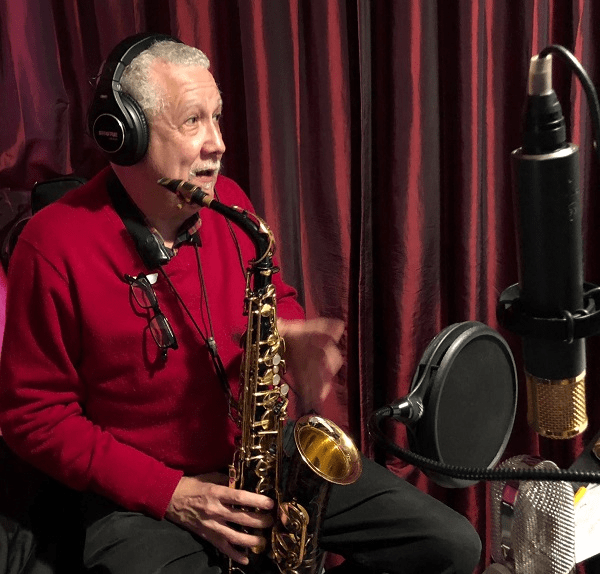
There have been many legends of whom we have spoken in this section of International Salsa Magazine and today it is the turn of the bandleader, composer, clarinetist, and saxophonist born in Havana, Cuba, Paquito D’Rivera.
Today, we want to dedicate the following lines to one of the main references in Cuban music and everything he has contributed to the Latin music scene, which is growing every day in the United States.

Paquito’s beginnings in music
Francisco de Jesús Rivera Figueras, who is artistically known as Paquito D’Rivera, was born in the city of Havana, Cuba and is the son of orchestra director and saxophonist Tito D’Rivera, from whom he inherited his great artistic vein and love for music.
At just five years old, Paquito began studying music formally and, two years later, he was already performing on stage in front of large audiences, which prepared him for what he would do as an adult. That same year, Selmer (a musical instrument company) hired him, which was a very important step in the boy’s path to becoming an artist.
A few years later, he performed at the National Theater of La Habana, which was a very important moment for the young man, who shortly after began studying at the Havana Conservatory, where he specialized in areas of music such as clarinet, composition and harmony.
His first media appearance was during his debut in the National Symphony Orchestra of Cuba, an event that was nationally televised so that the whole country could appreciate the talent of the young choir boys.
A year later, when he was only 18 years old, Paquito and Chucho Valdés founded the Orquesta Cubana de Música Moderna, while working for the Orquesta Nacional and the Banda del Ejército Cubano.

Some time later, he founded the Orquesta de Música Moderna with some of his colleagues at the time, and then created the group Irakere, which integrated jazz, traditional Cuban music, classical music and rock in ways never seen before. Together with Irakere, he toured Europe and the United States and earned several Grammy Award nominations.
Leaving Cuba
Like so many Cubans, Paquito became tired of the situation experienced by the island and knew he had to make a final decision on the subject. He took advantage of a stop in Spain and sought asylum at the American embassy in the European country. Once in the United States, his process of adaptation to his new country of residence was not easy, but there were artists who gave him a lot of support such as Mario Bauza, Dizzy Gallespie, David Amram, among others.
It did not take him too long before he earned the love and respect of many members of the jazz music community. His place in the Latin music scene was consolidated thanks to his first two solo albums called ”Paquito Blowin” and ”Mariel”. His popularity was also benefited from a Time magazine article that talked about his great work and his appearance on the famous ”Sunday Morning” show.
He also collaborated with artists such as Artur Sandoval, Michel Camilo, Bebo Valdés, Claudio Roditi, among others. He also participated in the founding of the United Nations Orchestra, Paquito D’Rivera Big Band, Paquito D’Rivera Quinquet and many other groups.
More recently, in 2027, he was in Europe with the Orquesta de Valencia at the Palau de La Música promoting ”The Elephant and The Clown” of his own.

Paquito and the Spaha Harlem Salsa Museum
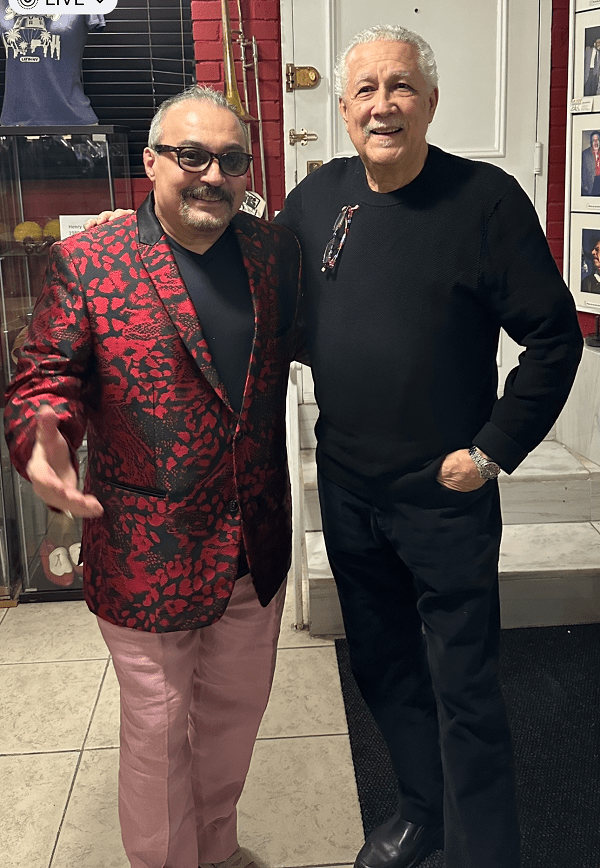
In December 2023, Paquito visited the Spaha Harlem Salsa Museum to see the huge collection of personal items belonging to world-renowned Latin artists and, once there, he expressed his surprise at the large number of items that both stars and their families have donated to the famous museum.
In a post by Johnny Cruz, the museum’s president, on his Facebook account, Paquito said he was very impressed by all the items housed in the institution while supporting the work done by the museum’s staff and expressing his admiration for the effort devoted to the collection.

Latin America – November 2020
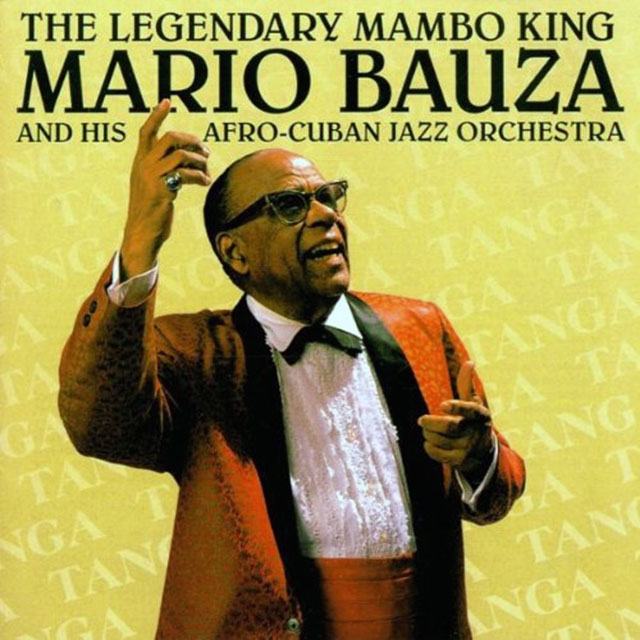
Mario Bauza
North America / United States / New York
Mario Bauza, Pioneer of Afro-Cuban jazz in New York, Clarinetist, saxophonist, trumpeter and arranger
Mario Bauzá (Havana, April 28, 1911 – Manhattan, July 11, 1993) was a Cuban saxophonist, clarinetist, trumpeter, arranger and composer.
Known above all for having been the musical director of the Machito orchestra (of whom he was also a brother-in-law), he was a pioneer of what is now known as Afro-Cuban jazz.

Bauzá played the clarinet in the Havana Philharmonic Orchestra. However, after traveling to New York in 1927 with the Antonio María Romeu orchestra, he was so impressed by the Big Bands of Paul Whiteman, Fletcher Henderson and Tommy Dorsey, and by the Harlem music revues, that in 1930 he decided to emigrate definitively to USA.
During the trip, he became friends with Antonio Machín. Mario Bauzá would return on the same boat in which Don Aspiazu’s orchestra was travelling, who immediately began the arrangements to record El manisero.
Upon arriving in New York, Bauzá went to live in Harlem with his cousin, the trumpeter René Endreira. Bauzá began playing the saxophone at house parties with pianist Lucky Roberts and began to absorb African-American culture.

Between 1930 and 1931, he was a trumpeter in the Antonio Machín quartet and made important recordings with this group in New York City. Anecdotally, it is said that he had learned to play the trumpet in just two weeks.
His first jobs were with the orchestras of Cass Carr, Noble Sissle and Sam Wooding.
In 1933 he entered Chick Webb’s orchestra as first trumpet, where he ended up as music director. He then worked with Don Redman and Fletcher Henderson, eventually landing Cab Calloway.
Being in that band, Mario brought the young trumpeter Dizzy Gillespie to the orchestra.
Bauzá married Estela Gutiérrez, sister of Francisco Raúl Gutiérrez Grillo, known as Machito.
On December 3, 1940, he debuted with Machito at the Park Plaza, a dance hall, with the Afro-Cubans, later working for almost four years at the La Conga club.
Bauzá works for Machito as artistic director, taking care of the arrangements and hiring the musicians.
The style of the Afro-Cubans mixes the son montuno of Cuba with features of swing bands.

Thanks to this, musicians like Dizzy Gillespie or James Moody introduced Afro-Cuban rhythms into jazz, starting in 1947.
He became interested in jazz when he heard Frankie Trumbauer play the saxophone performing Rhapsody in blue with the Paul Whiteman orchestra.
In the forties, Mario will develop the sound of Afro-Cuban jazz. His work as a clarinetist, trumpeter, saxophonist and arranger in the Machito orchestra constitutes one of the main pillars in the emergence and development of that Cuban genre.