• Skip to primary navigation
  • Skip to main content

International Salsa Magazine

  • HOME
  • Previous editions
    • 2026
      • ISM / April 2026
      • ISM / March 2026
      • ISM / February 2026
      • ISM / January 2026
    • 2025
      • ISM / December 2025
      • ISM / November 2025
      • ISM / October 2025
      • ISM / September 2025
      • ISM / August 2025
      • ISM / July 2025
      • ISM / June 2025
      • ISM / May2025
      • ISM / April 2025
      • ISM / March 2025
      • ISM / February 2025
      • ISM / January 2025
    • 2024
      • ISM / December 2024
      • ISM / November 2024
      • ISM / October 2024
      • ISM / September 2024
      • ISM / August 2024
      • ISM / July 2024
      • ISM / June 2024
      • ISM / May 2024
      • ISM / April 2024
      • ISM / March 2024
      • ISM / February 2024
      • ISM / January 2024
    • 2023
      • ISM / December 2023
      • ISM / November 2023
      • ISM / October 2023
      • ISM – September 2023
      • ISM – August 2023
      • ISM July 2023
      • ISM Edition June 2023
      • ISM – May 2023
      • ISM April 2023
      • ISM March 2023
      • ISM February 2023
      • ISM January 2023
    • 2022
      • ISM December 2022
      • ISM November 2022
      • ISM October 2022
      • ISM September 2022
      • ISM August 2022
      • ISM July 2022
      • ISM June 2022
      • ISM May 2022
      • ISM February 2022
      • ISM January 2022
    • 2021
      • ISM December 2021
      • ISM November 2021
      • ISM October – 2021
      • ISM September 2021
      • ISM August 2021
      • ISM July 2021
      • ISM May 2021
      • ISM April 2021
      • ISM June 2021
      • ISM March 2021
      • ISM February 2021
      • ISM January 2021
    • 2020
      • ISM December 2020
      • ISM November 2020
      • ISM October 2020
      • ISM September 2020
      • ISM August 2020
      • ISM July 2020
      • ISM June 2020
      • ISM May 2020
      • ISM April 2020
      • ISM March 2020
      • ISM February 2020
      • ISM January 2020
    • 2019
      • ISM December 2019
      • ISM November 2019
      • ISM October 2019
      • ISM Septembre 2019
      • ISM August 2019
      • ISM July 2019
      • ISM June 2019
    • 2016
      • ISM December 2016
  • Spanish
  • Download Salsa App
    • Android
    • Apple

Search Results for: trumpeter

Son Cubano is one of the most popular musical styles in Cuba and Kiki Valera is one of its leading exponents

Over the last century, this style of traditional Cuban music has contributed to many other musical genres, including jazz, cha cha cha, mambo, salsa, songo and timba.

Cuban Son is one of the most popular musical styles in Cuba and Kiki Valera is one of its greatest exponents.

Cuban son is the music that made the Buena Vista Social Club worldwide stars in the late 1990s, but Kiki Valera comes from a family of musicians whose involvement with Cuban son predates BVSC by decades.

Kiki Valera is the eldest son of the famous septet La Familia Valera Miranda, a multi-generational traditional music group from Santiago de Cuba.

Since the 19th century, La Familia Valera Miranda has played an important role in Cuban culture by collecting and preserving the deep-rooted traditions of the legendary Sierra Maestra mountain region.

Their debut album, “Antología Integral Del Son”, released in 1982, helped initiate the explosion of interest in traditional Cuban music.

Kiki, like most of her family, is a virtuoso. A multi-instrumentalist, composer, arranger, sound engineer and producer, he is best known as one of the world’s best players of the Cuban cuatro, a medium-sized guitar with 8 strings grouped in sets of 2.

Kiki Valera is the eldest son of the famous septet La Familia Valera Miranda, a multigenerational group of traditional music from Santiago de Cuba.

Kiki learned the Cuban tres under the guidance of his father Felix as a child.

He later attended one of Cuba’s most prestigious music schools, the Esteban Salas Conservatory, in Santiago de Cuba and by the age of 15 was touring internationally.

Kiki continues to conduct, compose, arrange and perform internationally. She also performs and teaches in Seattle, Washington, where she contributes to the vibrant Pacific Northwest music scene.

His current project features several other internationally renowned artists, including Coco Freeman (former singer for Adalberto Alvarez y su Son and NG La Banda), vocalist Carlos Cascante (three-time Grammy Award winning vocalist for the Spanish Harlem Orchestra), trumpeter Alexis Baró (Cubanismo and Omara Portuondo) and bongocero Pedro Vargas (Barbarito Torres’ band). (Kiki Valera)

“Vacilón Santiaguero” is Kiki Valera’s second solo release in the United States after many distinguished years as the director of La Familia Valera Miranda in Santiago de Cuba.

He goes beyond his core group to present collaborations with some Grammy® award winning musicians and features his favorite trumpet players, some born in Cuba, some born in the U.S., but all with reputations jus????ficadas for playing Cuban music for love, if not DNA.

Son Cubano is one of the most popular musical styles in the world.

“Vacilón” is one of those words that doesn’t have a perfect English equivalent to Cuban Spanish, but something that’s a really good time (a little rum or aguardiente always helps).

So what sets this project apart from the vast mountain of excellent traditional albums already out there? Not only is there Kiki’s custom-made Cuban cuatro, which brings a unique texture to the sound, rather than a tres, but, in his jazz-influenced hands, you’ll occasionally hear twists and turns in his improvisations that you probably weren’t expecting when you first glanced at the song titles, which are mostly Cuban evergreens.

Thanks to Kiki’s creative arrangements, this is no mere recycling of covers of these classic songs.

Kiki is as exacting with the recording, mixing and mastering work as he is with the arrangements.

Much of the recording and mixing was done in Kiki’s custom home studio, and Grammy® winner Michael Lazarus mastered the project.

The result will be an audiophile’s delight, a reason, I might add, to want the physical product for your collection (Kiki Valera).

Kiki Valera – Vacilón Santiaguero (2024).

Tracks:

  1. Este Vacilón (Felix Valera Miranda)
  2. El Ají de Cocina (Felix Valera Miranda)
  3. Sobre una Tumba una Rumba (Ignacio Piñeiro)
  4. El Penquito e’ Coleto (Francisco Repilado “Compay Segundo”)
  5. Funfuñando (Arsenio Rodriguez)
  6. La Guajira (Olga de Blanck)
  7. Mari-Juana (Juana María Casas)
  8. Muñequita Feliz (DR)
  9. El Empanadillero (Teodoro Benemelis)
  10. Pájaro Lindo (Felipe Neri Cabrera)
  11. Dos Gardenias (Isolina Carrillo)
  12. El Cuarto de Tula (Sergio Gonzales Siaba)

Musicians:

Kiki Valera (Cuban cuatro, guitar, bass, harpsichord, maracas and backing vocals).

Pedro Vargas (congas, bongos and backing vocals)

Steve Guasch (Backing vocals)

Carlos Cascante (Lead vocals on tracks #1,#4,#5,#7,#9,#10,#12)

Francisco “Coco” Freeman (Lead vocals on tracks #2,#11)

Joshuah de Jesus (Lead vocal on tracks #3,#8)

Raquel Zozaya (Lead vocals on track #6).

Special guests:

Alexis Baró (Trumpet on tracks #1, #3, #4, #6, #9, #11).

Steve Mostovoy (Trumpet on tracks #1, #3, #3, #6, #11)

Michael Rodríguez & Jonathan Powell (Trumpet on track #8)

Pete Nater & Dennis Hernández (Trumpet on tracks #2, #5, #7, #12)

Brian Lynch & Thomas Marriott (Trumpet on tracks #1#0)

Leon Q Allen (Trumpet on track #4)
https://www.kikivalera.com/

Also Read: Yilian Cañizares, an excellent Cuban musician, studied in her hometown in the strictest tradition of the Russian school of violin

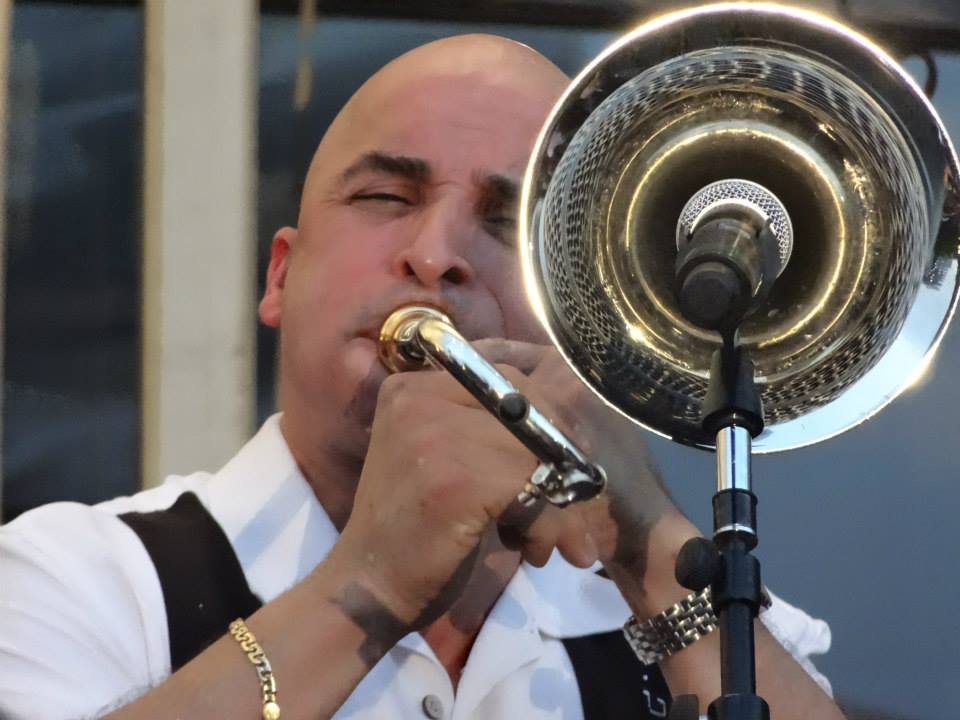
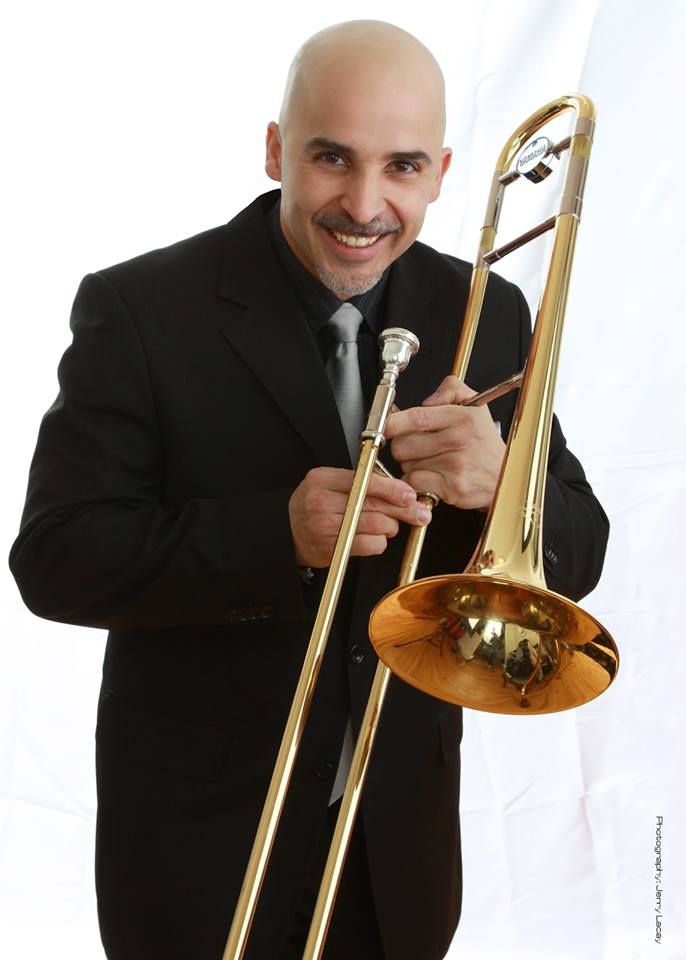
Jimmy Bosch. The Creole Trombone of New York.

Norteamerica / USA / Nueva York

Jimmy Bosch was born on October 18, 1959 to a Puerto Rican family in the city of Hoboken in the state of New Jersey.

At the elementary school of his hometown, at the age of eleven Jimmy Bosch was offered a trombone which would give the starting point in his career. According to him, that metallic, valveless, long instrument (which was taller than him) was not necessarily what a child dreamed of; Perhaps, at that time, children dreamed of traveling to the moon, or with an electric guitar that would make them look like The Beatles or, failing that, the Rolling Stones. It didn’t take long for that 11-year-old boy to transform this instrument into an expression of his already visible creativity.

Jimmy Bosch
Jimmy Bosch

At the age of 13, the talented Jimmy was rehearsing with local bands and making his first foray onto the public stage a year or two later. His determination, the Latin blood that ran through his veins and the taste for the genre that had captivated him on so many occasions, led him to play with the most recognized band in the city: Manny Oquendo & Conjunto Libre. His dexterity and ingenuity in playing “moñas” (a section of trombone solos that enrich the melody) helped him to work with them since 1978, which is why it was alongside the Mythical Free Ensemble that Jimmy experienced the freedom to express himself musically with the trombone

On March 11, 1996, Jimmy Bosch debuted with his band at the internationally known S.O.B.’s nightclub. The result was immediate: Publications in the most prestigious newspapers in the Big Apple such as the “New York Times”, praising his excellence and a house full of loyal fans began to crown the dream of this tropical music worker. In this way he becomes a remarkably respected musician and an icon of Latin culture in New York.

His compositions reflect the creativity and depth of who Jimmy Bosch is. He takes his audience on a journey from Bronx-style “funk” to “hot” guajiras, melodious cha-cha-chás, and clearly poetic lyrics awash with feeling. Thus, Jimmy pays tribute to the other teachers who share their presentations generating remembrance and posterity in each one of them.

Jimmy Bosch playing trumpet

In 1998, under the Ryko Latino label, his first solo album, “Soneando trombone”, was released. Jimmy included a “Big Band” with renowned Latin virtuoso artists, such as trumpeter Alfredo “Chocolate” Armenteros, bassist Andy González, and singers like Jimmy Sabater and Pete “El Conde” Rodríguez. They played a mix of Latin styles, including “hard sauce,” of which Bosch is one of its greatest exponents. Bosch not only played a virtuoso trombone, but was also the musical director on that recording.

With his recording debut as a solo artist, Bosch scored a definite success on the international scene. In Europe critics welcomed his musical creations. And in the United States, newspapers such as the Los Angeles Times and The New York Times were full of praise for their brilliant performances.

Jimmy Bosch in concert

At the beginning of 1999, the popular musician returns to the charts with a new production: “Salsa dura“. In this production, including musicians like Steve Turre and Chucho Valdés, it was as diverse, strong, and tough as his first production. The recording also included songs like I’m Still Changing. For the release of “Salsa dura” the Creole trombonist traveled to Europe and performed on countless stages of the Old Continent.

Persevering in his creativity, in 2004 Bosch received new applause in Puerto Rico, presenting his musical proposal at jazz festivals. His bows have accompanied such important figures in the salsa industry around the planet as the aforementioned Free Ensemble of Manny Oquendo and Andy González, Eddie Palmieri, Ray Barretto, Rubén Blades, India, the Lebron Brothers, La Combinación Perfecta, Cachao, Spanish Harlem Orchestra and Celia Cruz among others. He was the musical director of the outstanding Puerto Rican performer Marc Anthony.

The late creator of the Mambo, Israel “Cachao” López, composed for him the song “Lluvia, viento y caña”. The legendary trombone solo can be heard on the Grammy-winning recording, “Master Sessions Vol. 1” produced by Emilio Estefan and Andy García.

This talented musician stamps his signature with his particular way of playing the trombone, becoming his personal stamp in the music industry. Today, Jimmy Bosch is famous for his explosive solos, full of melody, vibration and funk.

Jimmy Bosch live
Jimmy Bosch live

Known by many as “El Trombón Criollo” for the strength of his improvisations, Jimmy radiates his energy to any musical challenge. Jimmy brings us El airplane de la salsa, his latest production, surrounded by high-voltage musicians and soneros.

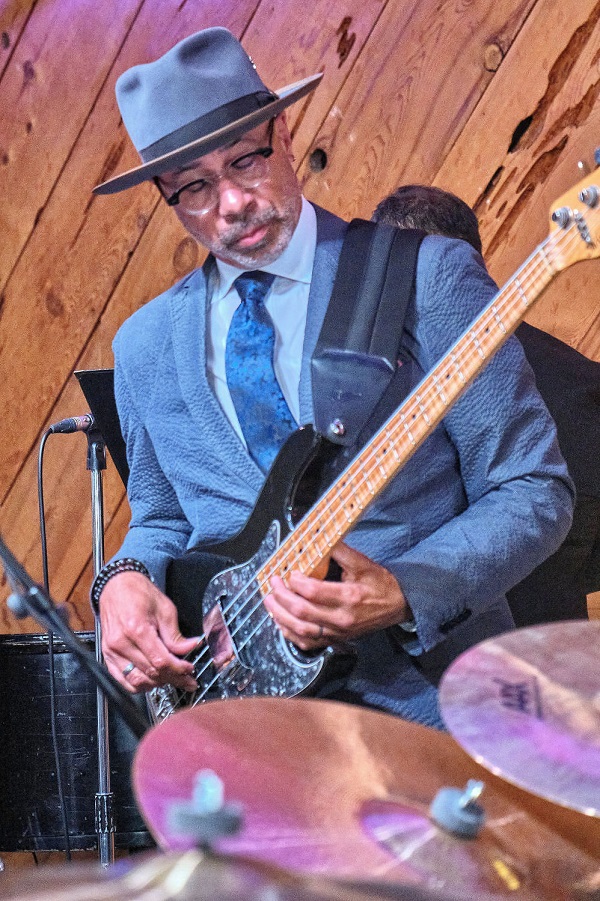
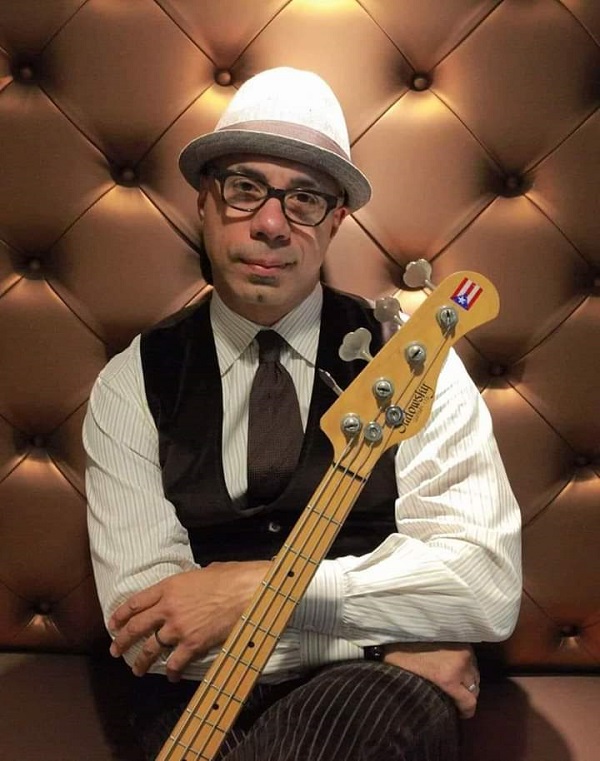
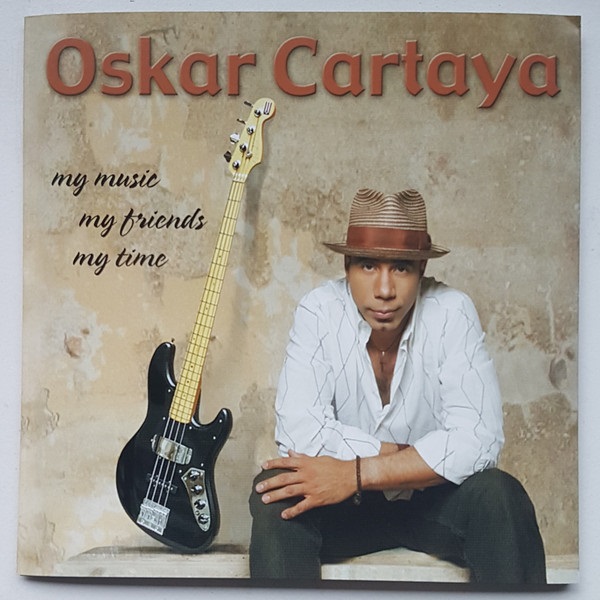
Oskar Cartaya “My Music, My Friends, My Time” He counted with the collaboration of illustrious friends such as Eddie Palmieri, Giovanni Hidalgo, Dave Valentín and Justo Almario.

Friendship and personal relationships seem to have always played a key role in Oskar Cartaya‘s recording career.

This was demonstrated Cartaya in his first recording, “My Music, My Friends, My Time” (2004) in which he had the collaboration of illustrious friends such as Eddie Palmieri, Giovanni Hidalgo, Dave Valentín and Justo Almario.

Bajista, arreglista, compositor y productor neoyorquino de nacimiento y bayamonés

This is also demonstrated by the second one, “Lifetime Friends”, which he co-led with trumpeter Humberto Ramírez and which was chosen as one of the best Puerto Rican productions of 2015.

For the bassist, arranger, composer and producer – born in New York and raised in Bayamon – connections with other people are a vital element for the development of any musician.

Those connections coupled with the tenacity Cartaya has always shown to continually improve himself as a musician allowed him to be part of the legendary progressive jazz-rock group Spyro Gyra for five years, produce albums for Willie Colón or Herb Alpert, and play with a long list of stars including Jennifer López, Christina Aguilera, Rubén Blades, Héctor Lavoe, Tito Nieves, Tania María, Arturo Sandoval, Steve Winwood and Randy Brecker, among others.

To all of them he has lent the sound of his electric bass, able to insert itself with total naturalness in modern jazz, Cuban rumba, Spanish flamenco or Brazilian cadences, but without ever losing its funky essence, which gives rhythmic impulse to the musical genre before him. For Cartaya, music is not a profession, but a passion of life.

That passion manifested itself at a very early age, when he told his Cuban-born father that he wanted to be a musician when he was just 10 years old. He completed his initial studies at the Escuela Libre de Música de San Juan, which he remembers with pride and affection.

Oskar Cartaya
Oskar Cartaya

However, he has affirmed that his first real musical school were the records of Willie Colón and Héctor Lavoe, which he listened to at full volume in his room.

At the Escuela Libre de Música he was able to meet teachers and classmates who today are great masters of Latin music and colleagues of his, such as Humberto Ramírez himself. He also studied at the Conservatorio de Música de Puerto Rico.

Cartaya recalls that, although he studied chamber music in school, his real passion was Latin music…until he discovered jazz, thanks to an album by the great bassist Stanley Clarke. A new world opened up to his ears.

“I found a freedom in jazz that I didn’t find in Latin styles,” the musician said in an interview. “In salsa, for example, the maximum is when you are playing as part of a unit. Unlike jazz, whose pinnacle is when all the musicians improvise and go crazy playing, but everyone knows what they are doing.”

At 18, Cartaya moved to Los Angeles, where he began studying at the Musicians Institute of Technology. There he practiced for 15 hours a day, a devotion that brought him his first recognition: being accepted as a professor at the prestigious institution, two years after graduating from it.

However, his restless spirit and continuous desire to improve led him to make what he has described as the best decision of his life, moving to New York City. In the Big Apple – the place many consider the jazz capital of the world – he had the privilege of playing and recording with the late Argentine pianist Jorge Dalto; with Willie Colón and Rubén Blades; Celia Cruz, Tito Puente and Dave Valentín.

“I learned a lot, matured and saw firsthand what it was like to be on my own,” the bassist said in an interview about this period of his life. “If the opportunity was going to be given to me, it wasn’t going to come to my house. I would have to look for it.” And so he did.

At that time he also had the opportunity to meet the late rock icon Prince, at his Paisley Park, Minneapolis studios, and to become a member of Spyro Gyra. By being accepted into that group over 10 other bass players auditioning for the position, Cartaya realized that success belongs to those who work hard and have faith in themselves.

“I was able to show a lot of people that there’s nothing worse than feeling bad about yourself if you don’t try,” he said in an interview. “All the nights I played for free or for five bucks to earn a chance were well worth it.”

In 1997, the bassist produced the “Passion Dance” recording project for veteran trumpeter Herb Alpert, an experience he has described as a new learning experience in his career, as well as a chance to expose himself to a wider audience.

“My Music, My Friends, My Time,” released in 2004, is a fusion of Latin, Brazilian, American and Flamenco rhythms that was very well received by critics.

“My Music, My Friends, My Time”

“I wanted to do a project that would fill that gap that exists between Latin music and the world. I truly believe that the world needs to know that Latin musicians can do countless things within music, without throwing away their roots,” Cartaya said of the recording.

“Lifetime Friends,” produced alongside Ramirez, was described upon its release in 2015 as “an album of a cohesive and jubilant band,” in which all participating musicians – representatives of the new jazz generation in Puerto Rico – have a chance to stand out. “It’s the album we always wanted to make… to describe almost 40 years of friendship,” Cartaya and Ramírez indicated.

Cartaya
Cartaya

In 2017, Oskar presented the production “Bajo mundo” in tribute to the great Cuban bassist Israel “Cachao” López. This intense, exuberant album, with a multiplicity of rhythms, colors and guest musicians was distinguished as one of the most outstanding productions of the year by the National Foundation for Popular Culture.

It also won a Latin Grammy Award nomination in the category of Best Latin Jazz Album.

Source: Rafae Vega Curry

National Foundation for Popular Culture

“This biography is part of the archives of the National Foundation for Popular Culture. In our interest to disseminate knowledge about our great figures, it may be cited as a basis for research studies or as an assignment for pedagogical purposes, as long as credit is given to the Foundation and its author, if indicated. All rights reserved. The reproduction of the same in any printed, technical or mass media, with or without commercial purposes, is not authorized without prior written request to the Foundation and its consequent approval”.

Also Read: “The Sun of Latin Music” the first Grammy Award for Salsa Eddie Palmieri’s historic album

Marco Toro. The Versatile of Percussion

Europa/ Holanda

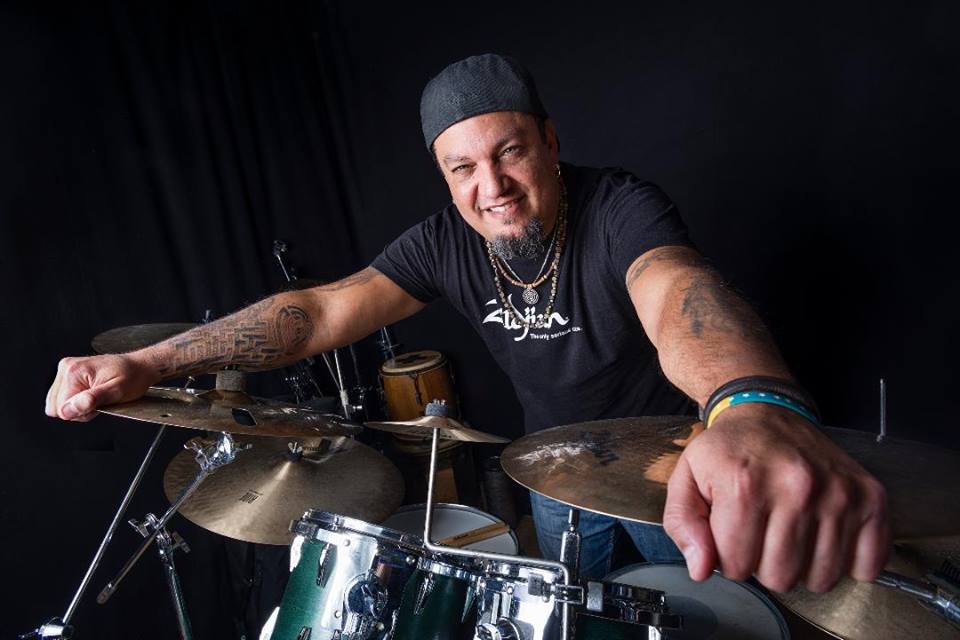
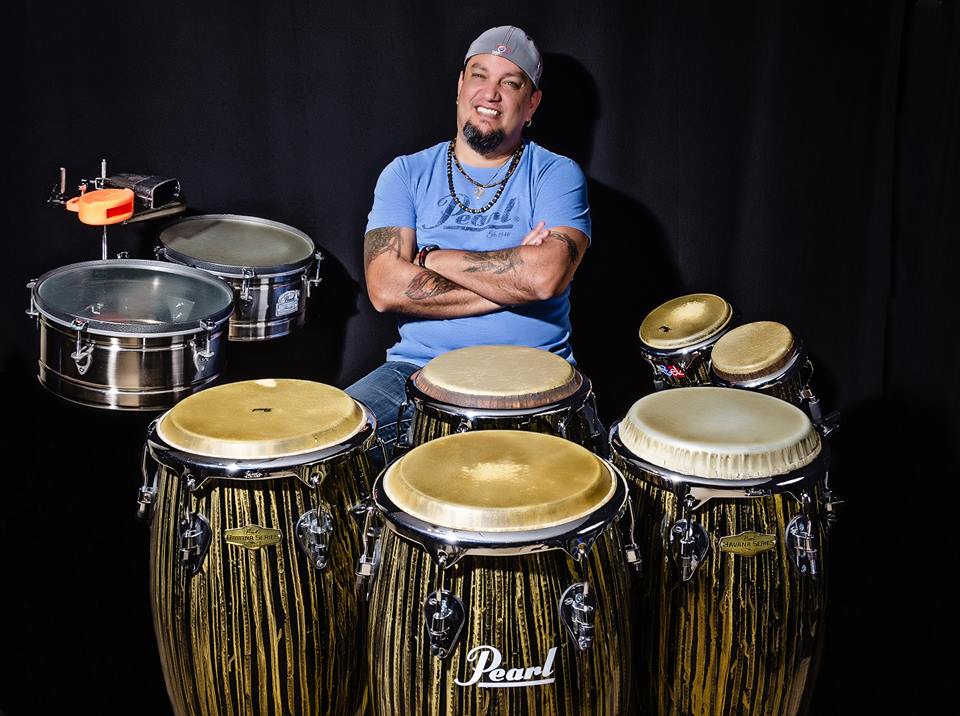
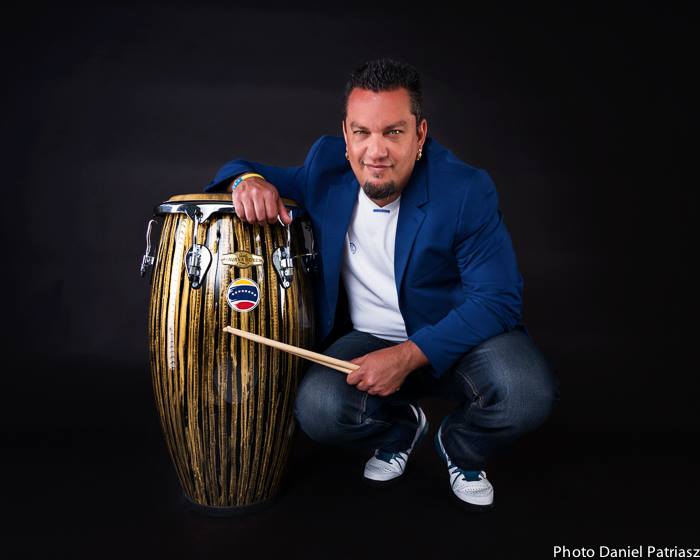
Marco Toro is a versatile drummer, percussionist and composer born in Caracas, whose roots are embedded in Venezuelan popular music and culture.

Marco Toro
Marco Toro

In October 2015 he released his latest work, this time it’s about Latin jazz: Marco Toro presents Zambo Jazz, a mix of rhythms and flavors that reminds the listener of places like Africa, South America and New Orleans.

Marco Toro once again shows his diversity on drums and percussion, playing as always with top-notch musicians who also share credits on this production.

Marc Bischoff, from Germany on piano, wrote two of the eight songs: Oh Lame Saint and Mojitos and Daikiries, trumpeter Oscar -Chucky- Cordero, from Venezuela, wrote The Tour. Michael Simon, also from Venezuela, arranged Marialí. James 2 AM It is a composition by Chilean Alekos Vuskovic and Let It Walk is by trumpeter and arranger Francisco Peña from Colombia. Matthias Konrad plays the trombone; He is also from Germany and the Venezuelan Samuel Ruiz plays the bass.

Marco Toro
Marco Toro

In addition to playing drums, timbales, congas, bongos and cowbells, he also plays typical Afro-Venezuelan instruments such as cumaco, culo e puya, bell drum, tamboras, maracas, etc.

He not only plays all kinds of percussion instruments, he also plays a wide variety of styles.

Already in 2004 he embarked on a solo project: Marco Toro y su Ensamble, exploring South American rhythms such as Son, Joropo and Salsa, among others. With this group he released eight albums; The last CD is from 2017: Marco Toro y su Ensamble 12+1 Anniversary more info (www.toro-ensamble.com).

Marco Toro is currently playing with Lucas van Merwijk’s Drums United and Cubop City Big Band since 2008, touring Europe, the United States, Canada, South America, China and Thailand.

In 1989 Marco Toro formed Laberinto, a rock band that became known for creating “Metalatino”, a unique blend of heavy metal and Latin percussion.

In 1992 Laberinto moved from Caracas to Amsterdam, where the band released eight albums between 1996 and 2010.

Dutch rap legend Osdorp Posse appears on The World Might Suck, since 2008.

A ninth album: The best of Labyrinth was released in Venezuela.

After years of successful and extensive touring in Europe, Colombia and Venezuela went their separate ways.

Marco Toro
Marco Toro

He has shared the stage and recorded with many renowned artists such as:

  • Andy González
  • La India, Jimmy Bosch
  • Pedro Arroyo
  • Metropole Orkest
  • Laberinto, Osdorp Posse
  • Def P
  • Beatbusters, Lucas van Merwijk’s Drums United
  • Cubop City Big Band
  • Ricky Luis N’Clave
  • Zambo Jazz
  • De Pana
  • Beatbusters and Def P
  • Santanico,
  • G. Clarinda y la Rítmica
  • Primera Plana Orchestra
  • Bembe Orchestra
  • El Trabucombo by Gerardo Rosales
  • Marejada, Tierra Caliente
  • Rudy Albano
  • Jacqueline Castro
  • Subject to change
  • Tumbao
  • Grupo Kilele
  • Javier Plaza and his Orquesta Sonrisa
  • FP La Banda
  • Chucky y su Trabuco Guarimba
  • Barrio Nuevo
  • La Misma Gente
  • Marike Jager Kuenta i Tambu
  • King of the bongo
  • Carmen Gabriela Lozada
  • Grupo Mate
  • Alejandro Carbajal
  • Flaco Carrillo
  • Silicon Head
  • Wereld Kinder Festival
  • The virtual school of Bart Noorman
  • Pistoleros de la Paz
  • Download Amsterdam
  • Ensemble Amsterdam
  • Cabo Cuba Jazz
  • The Soul of Spanish Harlem
  • Jean Paul Tamayo

among others.

Marco Toro
Marco Toro

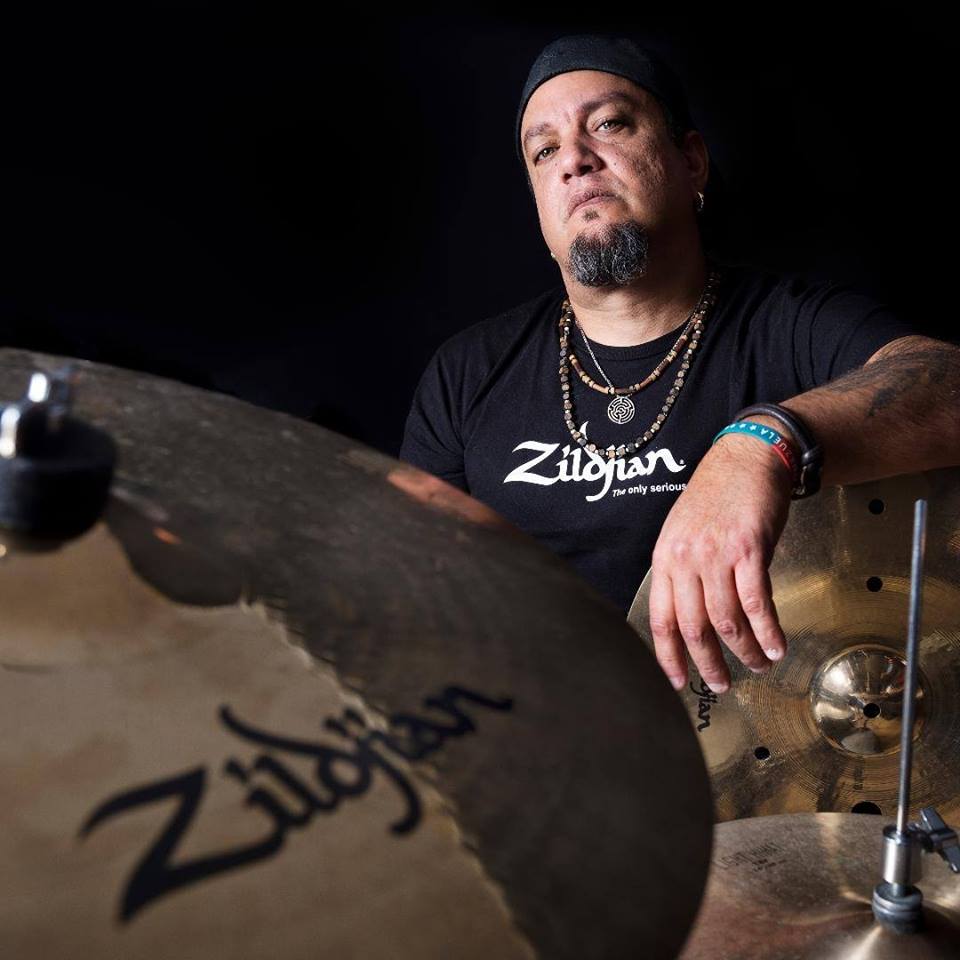
Marco Toro is sponsored by Zildjian Cymbals, Pearl Percussion and Evans Drumheads.

Luis “Perico” Ortiz: six decades of impeccable musical trajectory

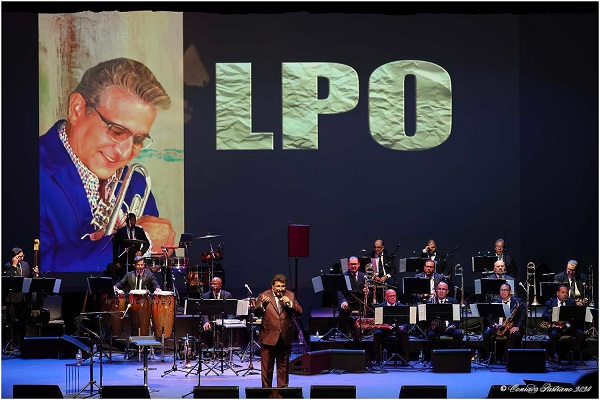
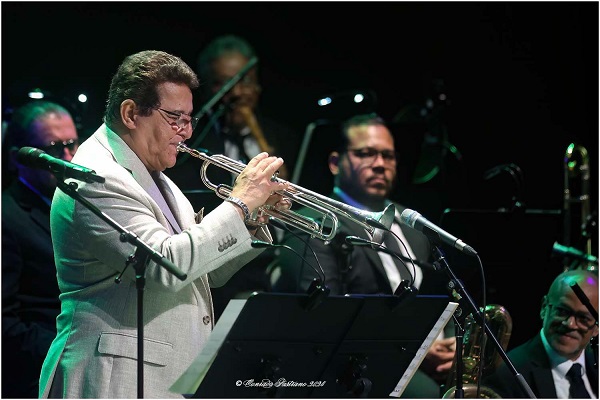
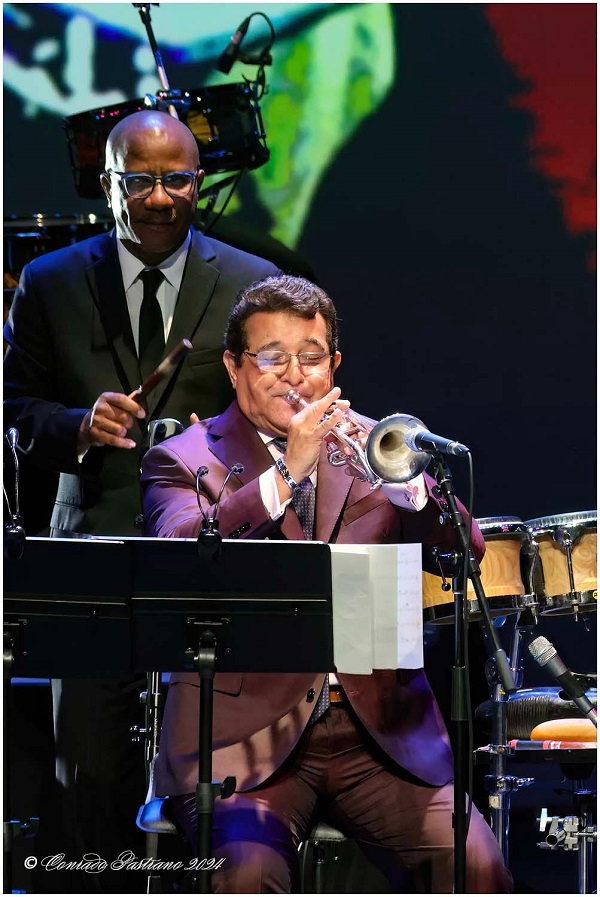
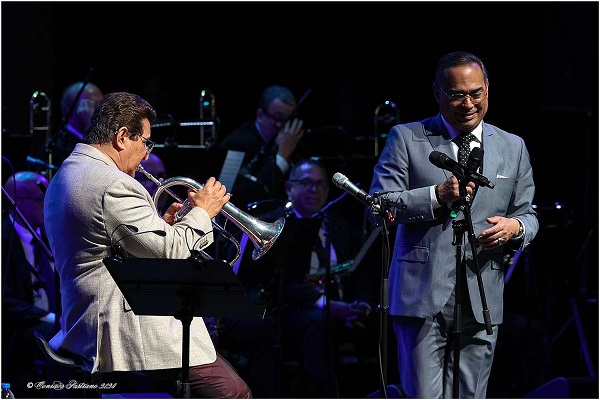
The lobby of the Centro de Bellas Artes in Caguas served as a prelude to the concert, entitled Tocando y contando historias (Playing and telling stories), for which we came to enjoy “Perico” and his guests. Mario Ortiz, Jr. brought together a dozen trumpet players (Luis Figueroa, Richie Segarra, Roby Texeira, Rafael Lebrón, Kevin Ibáñez, Ricardo Marrero, Kenneth Torres, Rubén Días, Ricky Zayas and Simón Rivera) to pay tribute to Luis “Perico” Ortiz by performing his most emblematic solo: ‘Coro Miyare’.

Luis "Perico" Ortiz and his Orchestra
Luis “Perico” Ortiz and his Orchestra

Once in the concert hall, the child trumpeter Daniel Torres (whom Perico predicted would be his successor) and Luis “Perico” Ortiz kicked off the concert with a fun trumpet correspondence. The musicians, turned into actors, shared with us the scene in which we saw Luis “Luisín” Ortiz as a child, playing ‘Quítate de la vía Perico’ with his trumpet; introduction that gave way to the custodian of Ismael Rivera’s legacy (“Moncho” Rivera) to sing the emblematic theme to which “Perico” owes his nickname, while the audience enjoyed images of “Maelo” on a giant screen. The short film defined how “El Sonero Mayor”, personified by “Moncho” told “Luisín”, that from that moment on he would be called “Perico”.

Moncho also interpreted ‘Bilongo’, a song in which Richard Carrasco stood out on the bongo after the saxophones made themselves felt with forcefulness. “Perico” also claimed his turn with the trumpet solo that preceded a resounding “Buenas noches” in the voice of the virtuoso trumpet player.

The orchestra was integrated by: Luis “Perico” Ortiz on musical direction; Yturvides Vilchez, Jan Duclerc and Rolando Alejandro Lora on trumpets; Rafy Torres, Jorge Díaz, Randy A. Román, Mario Alonso Ángel Marulanda on trombones; Roberto Calderón on baritone saxophone, Luis Daniel Valentín Muñiz on tenor saxophone; Antonio Luis Orta and Luis Fernando Hernández on alto saxophones; David Marcano on timbales; Gadwin Vargas Vélez on congas; Richard Carrasco Ayala on bongo; Juan Manuel Rivera Colón on piano; Carlos Luis Martínez Peña on bass; Henry Santiago and David Carrero on backing vocals.

Luis “Perico” Ortiz
Luis “Perico” Ortiz

Then, Henry Santiago received the microphone to sing ‘Tres grandes amigos’. For the song, which refers to Tito Rodríguez, Tito Puente, and Machito; “Perico” introduced “Manolito” Rodríguez and Arianelys Ortiz Cruz, a blind autistic timbalera player.

He was followed by Norberto Vélez, who performed ‘Julián Del Valle’ (1978, Súper salsa) and ‘De patitas’ (1979, Luis “Perico” Ortiz, One of a kind) – songs of great vocal and interpretative difficulty, popularized by the unmistakable voice of Rafael De Jesús – with his usual sympathy. Nor-Bert once again demonstrated his powerful voice, and was matched by the saxophones, whose forcefulness did not diminish the power of Vélez’s voice.

“La India” arrived with her usual energy to interpret ‘Químbara’ and “Manolito” did his part singing ‘La Reina es la rumba’, in company of “La India”, alternating on the soneos.

Coro Miyare” made use of Richard Carrasco’s unbeatable performance in the bongo solo with drumsticks -which had been popularized by Roberto Roena-, followed by the crushing solo by “Perico”, the piano solo by Juan Rivera, the conga solo by Gadwin Vargas and the timbales solo by David Marcano.

Richard Carrasco Ayala en el bongó y Luis “Perico” Ortiz

The highlight of the concert was Gilberto Santa Rosa’s brilliant renditions of ‘Atrevida’ and ‘Planté bandera’; recorded and immortalized by Tommy Olivencia’s La Primerísima, to which Santa Rosa briefly belonged.

After the intermission, as a tribute to the “Niño bonito de la salsa”, “Perico” invited Tony Vega to the stage to perform ‘Así se compone un son’ and ‘Borinquen tiene montuno’, the latter adorned with an elaborate trumpet solo by “Perico”.

“Perico” brought Gerardo Rivas to the stage to perform ‘Río abajo va’ (1985, La vida en broma), popularized in the voice of Domingo Quiñones. Gerardo explained that he had accepted the invitation to participate in the concert without knowing which song he was going to sing, in a clear allusion to the vocal difficulty of reaching Domingo’s vocal register. Gadwin Vargas sprinkled the theme with a conga solo with a mozambique beat, very well achieved. Gerardo’s second song, ‘Perico lo tiene’, brought to the stage the cacique of the Rivas dynasty (“Jerry” Rivas, singer of El Gran Combo de Puerto Rico) on the tres and Richie Bastar (bongos player of La Universidad de la Salsa). While Bastar took over on the bongo and the bell, Richard Carrasco took over the güiro. At the end of the intervention, “Jerry” asked for a round of applause for the mulato mayor, Don Rafael Ithier, who was enjoying the concert with all of us who were there.

Then, “Perico” dedicated ‘Perfume de gardenias’ to his mother; a speech that was enjoyed with an instrumental prelude performed by “Perico” and a great vocalization by “El Caballero de la Salsa”.

Next up was Rubén “Panamá” Blades, who received a standing ovation from the audience. This made visibility difficult, although it did not affect our enjoyment of the audio. Blades was in charge of the big hits ‘Plástico’ and ‘Pedro Navaja’ (1978, Siembra). During ‘Pedro Navaja’ Gadwin Vargas replicated the conga sound that Eddie Montalvo immortalized on the recording.

The stage was full when all the guests arrived to perform ‘Como vivo yo’, after Perico announced with a trumpet solo the song that would end the show.

As Luis “Perico” Ortiz said, the vote of love and confidence that we witnessed there will be remembered as an unrepeatable evening, which detailed what has been six decades of impeccable career that the trumpeter, composer, arranger and music producer has achieved.

Luis “Perico” Ortiz y Gilberto SantaRosa
Bella Martinez Puerto Rico 


Also Read: ¡Attack Sergio! Unbreakable: A fun read because of the contradictory content

  • « Go to Previous Page
  • Page 1
  • Interim pages omitted …
  • Page 8
  • Page 9
  • Page 10
  • Page 11
  • Page 12
  • Interim pages omitted …
  • Page 20
  • Go to Next Page »

International Salsa Magazine (ISM) is a monthly publication about Salsa activities around the world, that has been publishing since 2007. It is a world network of volunteers coordinated by ISM Magazine. We are working to strengthen all the events by working together.