• Skip to primary navigation
  • Skip to main content

International Salsa Magazine

  • HOME
  • Previous editions
    • 2026
      • ISM / April 2026
      • ISM / March 2026
      • ISM / February 2026
      • ISM / January 2026
    • 2025
      • ISM / December 2025
      • ISM / November 2025
      • ISM / October 2025
      • ISM / September 2025
      • ISM / August 2025
      • ISM / July 2025
      • ISM / June 2025
      • ISM / May2025
      • ISM / April 2025
      • ISM / March 2025
      • ISM / February 2025
      • ISM / January 2025
    • 2024
      • ISM / December 2024
      • ISM / November 2024
      • ISM / October 2024
      • ISM / September 2024
      • ISM / August 2024
      • ISM / July 2024
      • ISM / June 2024
      • ISM / May 2024
      • ISM / April 2024
      • ISM / March 2024
      • ISM / February 2024
      • ISM / January 2024
    • 2023
      • ISM / December 2023
      • ISM / November 2023
      • ISM / October 2023
      • ISM – September 2023
      • ISM – August 2023
      • ISM July 2023
      • ISM Edition June 2023
      • ISM – May 2023
      • ISM April 2023
      • ISM March 2023
      • ISM February 2023
      • ISM January 2023
    • 2022
      • ISM December 2022
      • ISM November 2022
      • ISM October 2022
      • ISM September 2022
      • ISM August 2022
      • ISM July 2022
      • ISM June 2022
      • ISM May 2022
      • ISM February 2022
      • ISM January 2022
    • 2021
      • ISM December 2021
      • ISM November 2021
      • ISM October – 2021
      • ISM September 2021
      • ISM August 2021
      • ISM July 2021
      • ISM May 2021
      • ISM April 2021
      • ISM June 2021
      • ISM March 2021
      • ISM February 2021
      • ISM January 2021
    • 2020
      • ISM December 2020
      • ISM November 2020
      • ISM October 2020
      • ISM September 2020
      • ISM August 2020
      • ISM July 2020
      • ISM June 2020
      • ISM May 2020
      • ISM April 2020
      • ISM March 2020
      • ISM February 2020
      • ISM January 2020
    • 2019
      • ISM December 2019
      • ISM November 2019
      • ISM October 2019
      • ISM Septembre 2019
      • ISM August 2019
      • ISM July 2019
      • ISM June 2019
    • 2016
      • ISM December 2016
  • Spanish
  • Download Salsa App
    • Android
    • Apple

Search Results for: trumpeter

Three albums by Arturo Sandoval to give away at Christmas

North America / United Stated / Washington DC

ISM Recommends “CHRISTMAS AT NOTRE DAME”, “ULTIMATE DUETS”, and “LIVE AT YOSHI’S” of the “Trumpet Legend” to enjoy in the comfort of your home

ARTURO SANDOVAL
ARTURO SANDOVAL

Here is already a month left for December and with it the fast and multiple purchases, in addition to the Christmas gifts that you should not leave for last. What a headache for some people! It’s for that we are going to recommend you the elite gift, three Latin Jazz albums by Arturo Sandoval with which you will be 100% a lord and you will not disappoint even your “Secret Santa”.

  • ULTIMATE DUETS

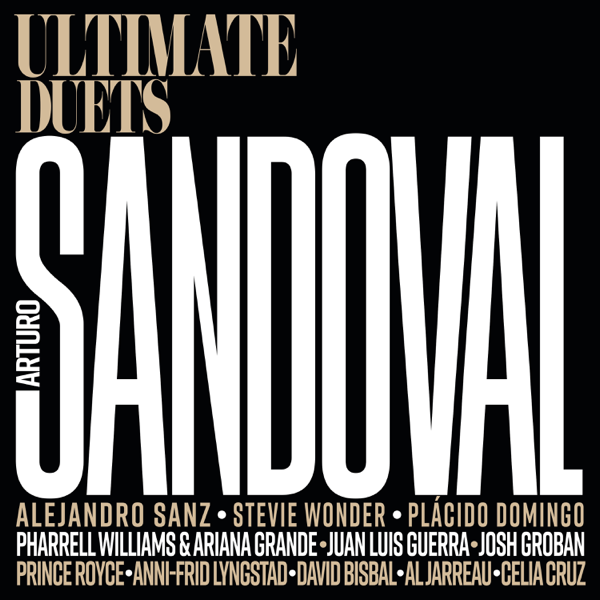
Ten-time Grammy winner Arturo Sandoval released his more recent album “Ultimate Duets” in 1998. Marking the continuation of a distinguished four-decade catalog of over 30 groundbreaking titles, the album finds renowned artists from the worlds of Pop, Jazz, Classical, and Latin music coming together for the Cuban maestro’s first duets.

At the outset of recording, Arturo with more than 40 years making music, wanted to make a CD with singers that perhaps nobody has related to Jazz, so he made a list with more than 20 names of artists that he admired deeply but who sing different genres and then simply asked each participant to suggest a favorite song they would like to reimagine with the “Trumpet Legend”, and the results are absolutely amazing as the list of collaborators.

Arturo Sandoval
Arturo Sandoval

ULTIMATE DUETS includes 11 hilarious tracks: “Andante, Andante” – featuring the awaited return of the globally recognized voice of ABBA’s Anni-Frid Lyngstad. This song from the multi-platinum Super Trooper album marked the first time that a member of the Swedish supergroup has returned to the studio to record one of their classics. Stevie Wonder chose to record “People” (which he and Sandoval first performed at a Grammy tribute to Barbara Streisand), whereas Prince Royce turned the tables and decided to record Stevie Wonder’s “Don’t You Worry ‘Bout a Thing” (Popularized in the 70s) in a contemporary Bachata style.

Likewise, the Spanish singer/songwriter Alejandro Sanz also participated in this album versioning “Corazón Partio” featuring Big Phat Band. In the same way, Arturo recorded with legends and new generation voices: Plácido Domingo (“Granada” feat. Vicente Amigo), Pharrell Williams (“Arturo Sandoval” feat. Ariana Grande), Josh Groban (Solo Esta Soledad), Juan Luis Guerra (La Bilirrubina), David Bisbal (El Ruido), Al Jarreau (After All), and Celia Cruz (Quimbara). “It was very exciting to include something with Celia, whom I always admired and loved very much. I couldn’t make a record of duets without her, the eternal Salsa Queen”, Arturo said.

Although in this album Sandoval shows a great variety of genres, he assures that he won’t move away from Jazz: “It’s my main genre and would never leave it, but I am also a big fan of music in general. I’ve always liked Salsa, Merengue, Pop … Good music is what matters most to me, for that I’m so happy with this album”, Sandoval said for an international media.

Release: May 18th, 2018

Available on your favorite digital platform!

  • CHRISTMAS AT NOTRE DAME

Arturo Sandoval, the most dynamic live performer of our time and virtuous trumpeter recorded his FIRST official Christmas Album with the ensembles of Notre Dame one year ago.

This album contains 12 Joyous tracks featuring the Notre Dame Children’s Choir & Isabella Burns (Ave María), Notre Dame Children’s Choir (Joy To The World, O Come All Ye Faithful, and Silent Night), Symphonic Winds (Let It Shine and Fantasy On Fum, Fum, Fum), Notre Dame Jazz Ensemble (The Christmas Song and Have Yourself A Merry Little Christmas), Gabriella Solis & Stephen Lancaster (I’ll Be Home for Christmas), Alyse Jamieson & Jazz Ensemble (All I Want For Christmas Is You), Matthew Kelly & Emorja Roberson (Frosty The Snowman), Victoria Fraser & Notre Dame Children’s Choir (O Holy Night), Sacred Music at Notre Dame Vocalists, and graduate Jazz trio!

Celebrate the Holidays NOW!

Release: October 5th, 2018

  • LIVE AT YOSHI’S

The last ISM recommendation is this live album recorded in Yoshi´s, an important venue located in Oakland, California. This Trumpet Concert in which Sandoval and crew render musical honors was launched in 1995 and contains seven tracks: first pays tribute to the genre’s earliest New Orleans traditions (Second Line – Joe Avery’s Blues) then proceeding on to Bebop (Bebop Medley). Without forgetting his deep Latin roots (El Manisero) and his bound-less love for mentor Dizzy Gillespie (Dear Diz and Every Day I Think of You), as well as for trumpet icons Clifford Brown (Joy Spring Sureña) and Miles Davis (Seven Steps to Heaven). A dollop of Clark Terry’s “mumbling” is even thrown in for good measure.
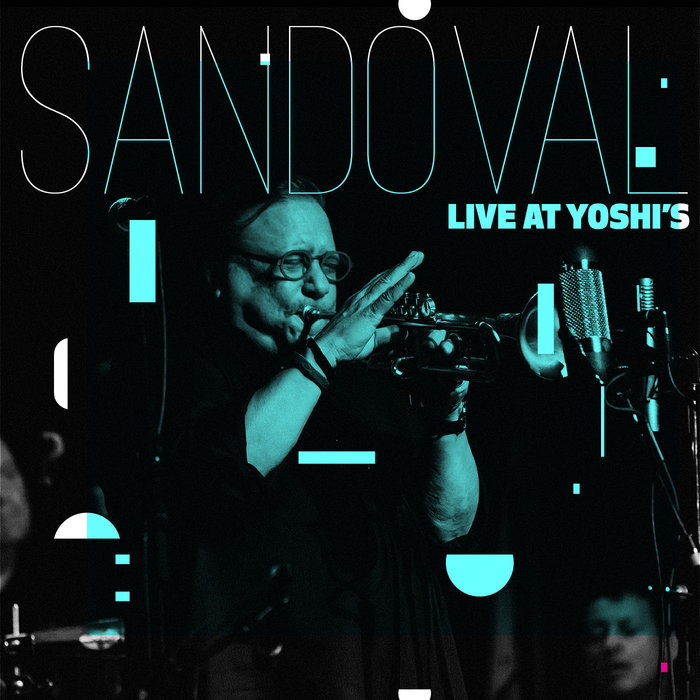
“I enjoyed Arturo Sandoval’s Latin Jazz concert at Yoshi’s night club on July 4th. He combined all kinds of Jazz inspiration into his own unique “Latin Soul” music. His music is so free and universal. I feel Arturo’s inspiration can bring us together and is taking us into a new dimension of our new world… – Yoshi.

Release: October 2nd, 2015

Oh, And if you haven’t seen a concert by this “Trumpet Legend” yet, don’t miss this month 4 days of amazing shows with two sets, so you can attend at the time that suits you best in the city of the White House, Washington DC.

Dates: November 14th, 15th, 16th & 17th

Prices: $71 – $76

Venue: Blues Alley. 1073 Wisconsin Ave. NW Washington, DC 20007

Contact: 202-337-4141

Purchase your ticket online today at https://www.bluesalleylive.com/?fuseaction=home.artist&VenueID=3&artistid=19523


ARTURO SANDOVAL – Trumpet Legend

  • 10 Time Grammy Award Winner
  • Emmy Award Recipient
  • 6 Time Billboard Award Winner
  • 2013 Presidential Medal of Freedom Recipient
  • 2016  Honorary Doctorate recipient in Fine Arts from The University of Notre Dame
  • 2015 Hispanic Heritage Award Recipient
“Cuando una canción es buena, siempre va a ser buena, sin importar quién, cuándo o cómo se cante”. Arturo Sandoval


More about Arturo Sandoval as well as event dates around the world at http://ARTUROSANDOVAL.com/

Social Channel:
 https://www.facebook.com/pg/ARTUROSANDOVALMUSIC/

Roberto Rodríguez was a Cuban trumpet player and composer, author of Ray Barreto’s hit song “Que viva la Música” (Long Live Music)

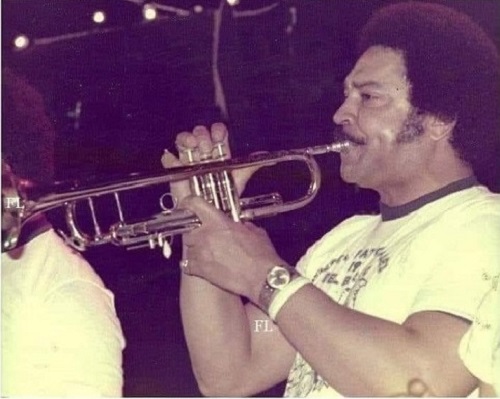
Roberto Reimundo Rodríguez (Cienfuegos, January 23, 1936 – April 18, 1988), was a Cuban trumpeter and composer, who belonged to Ray Barreto’s orchestra, which he would later leave to belong to Fania All-Stars, as lead trumpet player.

Roberto is the author of Ray Barreto’s hit “Que viva la música”.

Roberto was born in 1938, in Cienfuegos (Cuba). He began his musical career at the age of 12, in his native province; cradle of the world famous Orquesta Aragón.


Roberto Rodríguez
Roberto Rodríguez

From an early age he participated in “Las Comparsas de Cuba” and with the orchestra “La Unión Fraternal de Cienfuegos”.

In 1955, he emigrated to the United States and in 1957 he married Nancy Zayas, with whom he had three sons: Roberto Jr., William and Richard.

While growing as an artist, Roberto co-founded the orchestra “Los Jóvenes Estrellas de Cuba” with his long-time friend Ernie Stairs. He later moved on to Wilfredo Figueroa’s orchestra and “Ritmo Swing”.

In 1965, Roberto was recommended to Ray Barreto by Eddie Martinez. Eddie was a pianist for both the TataVazquez and Ray Barretto orchestras.

After listening to Roberto, Ray Barretto recognized that he was in contract with Vivar, one of his former colleagues and musicians, and brought him on board. Roberto remained in Ray’s orchestra for 11 years.

His performance as first trumpet soloist was extraordinary. While in Ray’s orchestra, Roberto composed several famous songs such as: “Yo Soy La Candela”, “Fuego y Pa’Lante”, “Invitación al Son”, “Cienfuegos, Perla del Sur”, “Se Traba”, “El Tiempo lo Dirá”, “O’Elefante”, and the worldwide hit: “Que Viva la Música”.

Roberto Rodríguez
Que viva la música

In 1972, Roberto became a member of the Fania All-Stars as first trumpet and soloist. The documentary “Our Latin Thing” launched Roberto along with the other members of the All-Stars to international fame.

Our Latin Thing

On August 26, 1971 New York City gave birth to a sound that would change Latin music forever. That night at the renowned Cheetah nightclub, the Fania All Stars took the stage with their unique sound that echoed across all borders and reached every country. Fania Records re-releases “Our Latin Thing” on DVD, the film that sparked the salsa movement of the seventies.

Roberto Rodríguez
Our Latin Thing (Nuestra Cosa)

From the concert came a double LP entitled “Live At The Cheetah” and the historic film “Our Latin Thing”. Its director, Leon Gast, documented the events at the Cheetah with the addition of footage of the musicians in the recording studio and scenes of New York’s Spanish Harlem.

The 40th anniversary edition of “Our Latin Thing” includes a DVD with the remastered film, and two CDs with the music from the film and some additional tracks, which can be purchased on the label’s official website.

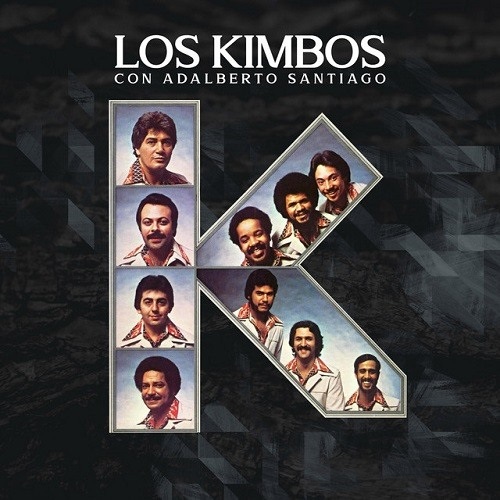
In 1975, Ray decided to take a turn towards a new musical facet and Roberto became part of the group “Los Kimbos”.

Roberto Rodríguez
Los Kimbos

Two years later, in 1977, Roberto joined the charanga band “Orquesta Broadway”. In this group he not only excelled as a trumpet soloist but also as a vocalist. Here he composed new hits, including: “No Se Va a Poder” and “Como Nueva York no Hay”.

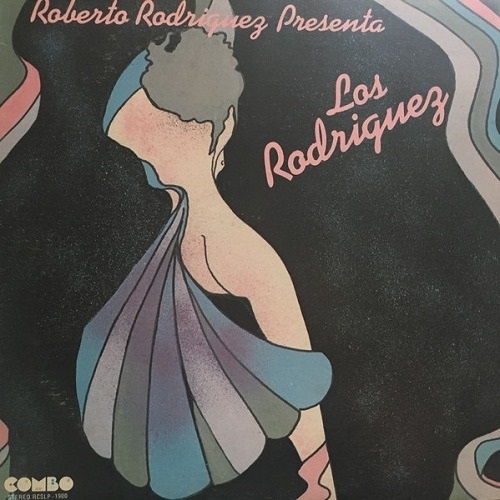
In 1982, Roberto decided to assist his sons in their desire to continue their musical journey and produced the album: “Roberto Rodríguez Presenta a Los Rodríguez”, under the “Combo Records” label.

Roberto Rodrígue
Roberto Rodríguez Presenta a Los Rodríguez

In 1983, Roberto joined the “Los Rodriguez” Orchestra, to perform with his sons Roberto Jr (trumpet player) and Willie (bass player).

His health deteriorated in early 1988, and he finally passed away in April of that year, victim of skin cancer. His son Roberto Rodriguez Jr. followed in his footsteps and has excelled in salsa orchestras in New York.

 Roberto Rodríguez was a Cuban trumpet player and composer

Read Also: Miguelito Cuní recognized among the best soneros of Cuba


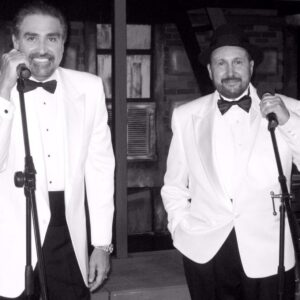
Hansel and Raúl, The Charanga Legend duo

Hansel and Raúl, The Charanga Legend duo

Hansel and Raúl is a charismatic and transgressive Charanga duo of the line of romantic lyrics of the time. They positioned the Cuban “Charanga” rhythm on the top of global popularity, a danceable genre that they imposed on each stage they were invited to and which incorporated their unique Caribbean essence.

This particular duo with three decades of trajectory was born in Miami in 1984 after breaking from the orchestra “Charanga 76”, where they were co-founder members and their main vocalists. With this New York orchestra, born in Brooklyn, they won international recognition and their first Grammy for the album “Encore” in 1978.

Photo of Hansel and Raúl
Hansel and Raúl – The Charanga Legend duo

“Many of the artists who recorded with them during their stay in “Charanga 76” include the renowned pianist – for many years – by Héctor Lavoe, Gilbert Colón and the first Jewish-American flutist woman, Andrea Brachfeld.”

Very pleasant memories come to Hansel‘s mind during this interview, especially his first composition “Si no te encuentras tú” for Charanga 76, his voice took a turn and he showed nostalgia as well as pride in remembering it: “I don’t sit to write a song with a guitar or piano. The Inspiration comes to me alone, there is nothing personal”.

Each anecdote that he tells us is remembered as facts that have led to their musical maturity. Each fun fact has been defined as part of their career, such was the case of the great master, Israel “Cachao” López, who with all his musical wisdom and mastery of his instrument, the Double Bass, taught the rhythmic base to the orchestra. “The conguero and the timbalero even the güirero he taught them to play well. He was a teacher of all, including us who learned a lot from him. R.I.P, he was a glory of music”, Hansel said to us.

But that wasn’t all he told us about the legend of Cuban music, “Cachao”, who was the Double Bassist of the “Charanga 76” orchestra for 12 years, also he told us that every time they wen a tour the “Inventor of Mambo” had them buy a plane seat to his Double Bass, he sat it next to him and even put the belt on the string instrument, as is dictated by airline regulations.

The funniest thing would come later when the Double Bass received the same attention as each member of the orchestra. Amazing! The Double Bass also had its portion of food during each trip as each musician of the orchestra, and when the flight attendant brought it was when the offer was presented by each musician for that fabulous portion, although the end was always the same, the trumpeter won!

Hansel y Raúl - Photo
Hansel y Raúl concert
Photo in concert - Hansel and Raúl
Hansel and Raúl – Photo behind the scenes

Each experience with Charanga 76 made them evolve in music and although with this orchestra they made themselves renowned professionally, as a duo they flew the fence. They have received multiple musical awards, their sympathetic lyrics, and in some cases, satirical or burlesque have won the applause, admiration, and respect of colleagues in the music industry and the general public on three continents: America, Europe, and Asia.

“The Jersey Boys” was their first youth musical group with only 5 members and although the musical instruments they played were the basics of Rock, their rhythmic concept was Cuban music.

“María Teresa y Danilo” was one of the compositions that brought many satisfactions to this duo. Nowadays it’s still preferred by the fanatical public of the genre. Many debates and speculations were made about this song, but here we tell you the true story. “María Teresa y Danilo” dates its beginnings to the 80s when soap operas like “Dallas” were in fashion.

Hansel came up with the idea of diving and writing on this topic. He magically composed the lyric during the plane trip with San Francisco – Miami trajectory and the rest we already know, multiple copies sold, and hundreds of awards granted to them for the feeling that caused this popular theme.

Photo of Hansel and Raúl

Photo of Hansel and Raúl in their beginnings

After such overwhelming success as a duo, Hansel and Raúl decides to separate in 1988. What was the reason?

Everyone wanted to make another kind of music. Each one followed a different path, for his part, Hansel recorded five solo albums including metals, more trumpets and trombones, and in three of these albums, he included neither the violin nor the flute, assuming almost completely the end of the Charanga rhythm in his music. However, a short time later he realized that this Caribbean rhythm was what identified with his audience and two years later he joined Raúl again to continue their successful career.

Hansel and Raúl has a total of 330 songs recorded and on December 31 this Charanga duo will have a performance in Los Angeles, CA and you may be lucky and they play your favorite single and if don’t you can ask for it. Classics such as “Soy”, “Se me nota”, “El ayer”, “María Teresa y Danilo”, “Kukucha kucha”, “Balancea mi corazón” (Yordano), “Ojos Verdes” (Alfredo Gutiérrez), among many others, will be present at this 1: 45min show.

Hansel and Raúl
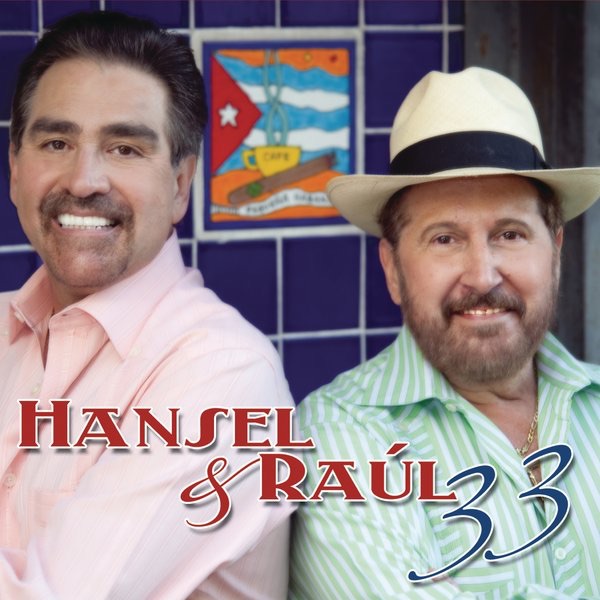
Cover of Hansel and Raúl, Discography 33

Purchase your Tickets quickly before it´s sold out

https://www.facebook.com/events/crown-plaza-hotel-and-casino/new-years-eve-2020-the-great-gatsby-presents-hansel-raul/271515257093512/

We hope to see them there singing each of their hits and if you later travel to New York, don’t be surprised to see Hansel in that city because he and his family will be celebrating their daughter’s sweet sixteen, on the second day of January 2020.

Is Hansel a stage name?

Although some may consider that Hansel is a characteristic name of the children’s story “Hansel and Gretel”, this name comes from Germany and it’s of Jewish origin. Hansel Enrique is the name of this singer and songwriter “Charanguero” and he is named so to differentiate himself from Hansel Horacio (father). In Cuba, the tradition is maintained that every male child must bear the name of his grandfather; this is the reason for all his cousins are called Hansel.


More Details visiting:

http://www.HANSELYRAUL.com

Social Channel:

https://www.facebook.com/pg/HANSELYRAUL/

Néstor Galan “El Buho” – SAFERRRROOOO!!!

Latin America / Puerto Rico / San Juan

Néstor Rodríguez Búonomo better known as Néstor Galán “El Búho Loco” was born on January 6, 1958, in the state of New York.

Néstor Galan "El Buho"
Néstor Galan “El Buho”

His parents are Mrs. Eufemia Búonomo and Mr. Julio Rodríguez. He is the eldest of three (3) brothers and father of Julixa Rodríguez Ramírez, who they have heard on the radio with his father.

At the early age of five (5) years, he moved with his parents to Cayey, Puerto Rico.

He studied at Benigno Carrión Elementary School, Benigno F. García Middle School, where he studied music and was part of the School Band as a trumpeter.

Néstor Galan "El Buho Loco"
Néstor Galan “El Buho Loco”

Then he goes to the Miguel Meléndez Muñoz High School and the opportunity arises to be part of one of the most important groups of popular music; The Student Tuna of Cayey, in which she remained for five years as a singer, participating in 4 long-playing albums and in trips abroad.

He was part of the dramatic art group participating in several plays as an actor.

Upon graduating in 1976, he went on to study at the Rio Piedras Commercial Technical Institute and then at the Universidad del Sagrado Corazón.

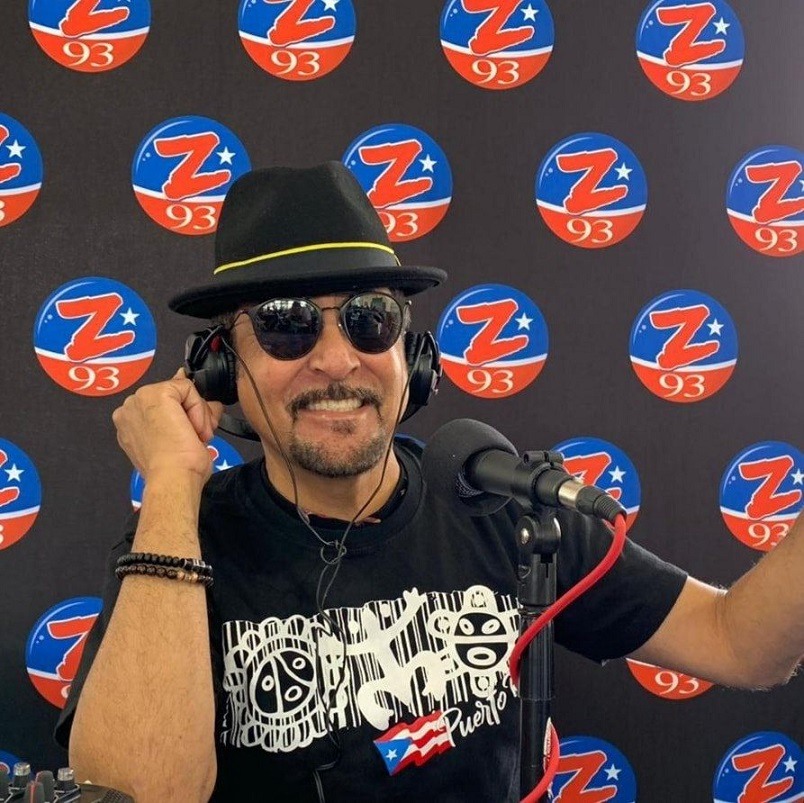
In 1979 the Super 97 radio station specialized in the salsa genre began to work at Radio Musical under the name of Néstor Galán, they called him “Galán” because he always liked to dress well. This is his first experience as a broadcaster.

Néstor Galan
Néstor Galan

In 1981 he went to work at the radio station Z-93 as a technician, operator and in its promotions.

In 1982 he worked as a production assistant on the program “Viva la Salsa” (WAPA-TV) together with Marianito Artau.

In 1983 he began as a night time announcer in this important radio station and that is when the announcers decide to give themselves nicknames after animals, being in the night time they decide to call him “El Búho”.

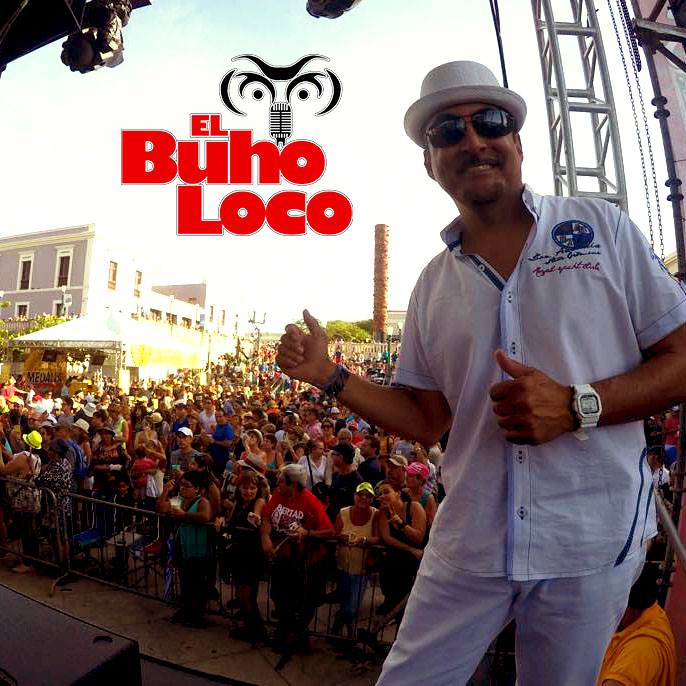
Logo de Néstor Galan "El Buho Loco"
Logo de Néstor Galan “El Buho Loco”

In 1985 he began to work during the day and since the owls do not go out during the day, the name “El Búho Loco” emerged. He has worked in all the National Salsa days.

Facebook: https://www.facebook.com/NestorGalanZ93/


Good initiatives must be shared!

North America - United States - New York

We were taking the Salsa exhibition to Puerto Rico for the I Encuentro de Coleccionistas de Salsa, we made an exhibition of the clothing, records and instruments used by the Fania All Star orchestra, Tito Puente, Héctor Lavoe, Adalberto Santiago, the Gran Combo and others. For the first time, the last “tuxedo” that Tito Puente used in his participation with the Orquesta Sinfónica de Puerto Rico was exhibited.

Spanish Harlem Salsa Music Gallery, offered an exhibition and Master Class on the history of Salsa at the Escuela Especializada en Música Jesús T. Piñero in Cidra, Puerto Rico. We transported ourselves to Puerto Rico in search of an opportunity to publicize the Salsa Museum-Gallery in New York.

This is part of the efforts being made for the participation and dedication that is made to the people of Cidra in the Desfile Nacional Puertorriqueño 2020 and that is locally coordinated by the Patronato Cidreño along with other civic and professional organizations.

We were able to benefit hundreds of students at this school who are precisely focused on music. The knowledge offered in the three conferences and being able to closely observe the exhibition helped to foster the enthusiasm of the students who make up the campus, unique in the mountains of Puerto Rico, dedicated to the creation of good musicians and knowledgeable in musical art.

We are dedicated to enhancing Latin music and offering spaces focused on arts education, accessible and friendly to the community as a strategic partner.

I thank valuable people such as Laura Torres, Silkia Vázquez, Wilson Nazario and Wilfrido Torres “Puruco” for all the attention and teamwork that we were able to develop during our visit. I cannot stop also thanking my assistant in Puerto Rico, Carmen Cruz; and to Joseph Cruz for his magnificent and beautiful work with me during this pleasant experience.

I also take advantage of this space in International Salsa Magazine because I want to tell you about an artist and a great friend who is doing his best for music and Salsa. Without a doubt, Yova Rodríguez is a long-standing professional who has developed countless projects and initiatives to support those who need it most. With his music, his work and his human quality, he has reached many hearts from New York.


Geovanni “Yova” Rodríguez Ruiz, born in Puerto Rico, had a musical inspiration since he was a child, his uncle Antonio “Toño” Ruiz – his mother’s uncle who played the cuatro – was his first music teacher (melody) and his uncle José Antonio “Pipo” Ruiz Crespo -mama’s younger brother- taught him how to sing aguinaldos (lyrics); and with this they formed the solid foundations that encouraged little Yova to prepare himself accordingly for his foray into the musical world.

The celebration of the Promesa de Reyes, a celebration in which he participated with his mother at his short seven years, leads him to worry about creating and recreating aguinaldos to be interpreted each year, which in some way becomes the seed of composer that we know today.

At the age of 14, he attended the Escuela Libre de Música Ernesto Ramos Antonini in Mayagüez, hand in hand with piano teacher César Toro, rising as vocal leader of the Orchestra after a year.

Years later he gave himself the task of forming his own musical concept, and thus Sakao Aká was born. This orchestra was in charge of accompanying singers such as Camilo Azuquita, Ray de la Paz, Pupy Cantor and Herman Olivera in their presentations in Puerto Rico; and the cover letter for some of these singers to integrate Yova as a chorus girl in their presentations in various countries in Central and South America.


At the end of the 90s, on a trip to Cuba, he was impacted by the music of Fernando Borrego Linares, better known as Polo Montañez, to the point that, some years later upon learning of his death, he had the idea of ​​paying tribute to him, his musical reference, thus giving birth to the idea for her debut feature Homenaje a Polo Montañez (2005), a production of 10 songs by Montañez, and covered by Yova Rodríguez with the participation of renowned musicians from the patio such as Herman Olivera, Héctor “Pichie ”Pérez, Papo Lucca, Edwin“ Caneca ”Rosas, Edwin Colón Zayas, among others.

In 2008, like many of her compatriots, Yova prepares her luggage and heads to the southern United States, where she stays for two years and then moves to New York, a city that has become her center of operations and from where He has extended his working ties as a composer and where he records his next two productions.

The album Letras, canciones y sueños, musical work of 8 songs all written by Yova, comes to light after some years of having published his first production and of having worked silently composing and waiting for his opportunity. This possibility is materialized in 2013.

Already in 2015, the album Mi musa en las voces de mis amigos is released.

Salsa with Yova Rodriguez

Recently, Yova Rodríguez has created more than 420 songs, and many of them have been duly registered with the American Society of Composers, Authors and Editors (ASCAP) under the registry “El Negrito De Delia Music” . “Exceso de amor” is the first composition he has interpreted and recorded; like the song “No me odies”, it is the first recording of a song by him made by a third party.

Now they are going to hear more from Yova, as some productions that will include her compositions are in the process of recording / publishing. Attentive to the upcoming releases of the young Puerto Rican percussionist José Jomar Marcano, the master trumpeter Luis González, the young trombonist, arranger musician and also singer Leo Morales; the renowned DJ Andy Rodríguez, better known as DJ ANDY and the Venezuelan sonero Marcial Isturiz .

As always, remember that Spanish Harlem Salsa Gallery is in 1708 Lexington ave New York N.Y. 10029. Open free to the public all Thursdays & Fridays from 4 to 7 pm and Saturdays from 1 to 8 pm. Check the updates in our website: spahasalsagallery.com.

Also, The Johnny Cruz Show, the # 1 Salsa Show on television on all 5 Boroughs of New York on CH67. Saturdays from 3:30 to 4:30 pm.

Contact: Johnny Cruz. 917-747-8505. [email protected]

By Johnny Cruz, ISM Correspondent, New York, New York


  • « Go to Previous Page
  • Page 1
  • Interim pages omitted …
  • Page 10
  • Page 11
  • Page 12
  • Page 13
  • Page 14
  • Interim pages omitted …
  • Page 20
  • Go to Next Page »

International Salsa Magazine (ISM) is a monthly publication about Salsa activities around the world, that has been publishing since 2007. It is a world network of volunteers coordinated by ISM Magazine. We are working to strengthen all the events by working together.