• Skip to primary navigation
  • Skip to main content

International Salsa Magazine

  • HOME
  • Previous editions
    • 2026
      • ISM / September 2026
      • ISM / August 2026
      • ISM / July 2026
      • ISM / June 2026
      • ISM / May 2026
      • ISM / April 2026
      • ISM / March 2026
      • ISM / February 2026
      • ISM / January 2026
    • 2025
      • ISM / December 2025
      • ISM / November 2025
      • ISM / October 2025
      • ISM / September 2025
      • ISM / August 2025
      • ISM / July 2025
      • ISM / June 2025
      • ISM / May2025
      • ISM / April 2025
      • ISM / March 2025
      • ISM / February 2025
      • ISM / January 2025
    • 2024
      • ISM / December 2024
      • ISM / November 2024
      • ISM / October 2024
      • ISM / September 2024
      • ISM / August 2024
      • ISM / July 2024
      • ISM / June 2024
      • ISM / May 2024
      • ISM / April 2024
      • ISM / March 2024
      • ISM / February 2024
      • ISM / January 2024
    • 2023
      • ISM / December 2023
      • ISM / November 2023
      • ISM / October 2023
      • ISM – September 2023
      • ISM – August 2023
      • ISM July 2023
      • ISM Edition June 2023
      • ISM – May 2023
      • ISM April 2023
      • ISM March 2023
      • ISM February 2023
      • ISM January 2023
    • 2022
      • ISM December 2022
      • ISM November 2022
      • ISM October 2022
      • ISM September 2022
      • ISM August 2022
      • ISM July 2022
      • ISM June 2022
      • ISM May 2022
      • ISM February 2022
      • ISM January 2022
    • 2021
      • ISM December 2021
      • ISM November 2021
      • ISM October – 2021
      • ISM September 2021
      • ISM August 2021
      • ISM July 2021
      • ISM May 2021
      • ISM April 2021
      • ISM June 2021
      • ISM March 2021
      • ISM February 2021
      • ISM January 2021
    • 2020
      • ISM December 2020
      • ISM November 2020
      • ISM October 2020
      • ISM September 2020
      • ISM August 2020
      • ISM July 2020
      • ISM June 2020
      • ISM May 2020
      • ISM April 2020
      • ISM March 2020
      • ISM February 2020
      • ISM January 2020
    • 2019
      • ISM December 2019
      • ISM November 2019
      • ISM October 2019
      • ISM Septembre 2019
      • ISM August 2019
      • ISM July 2019
      • ISM June 2019
      • ISM May 2019
      • ISM April 2019
      • ISM March 2019
      • ISM February 2019
      • ISM January 2019
    • 2018
      • ISM December 2018
      • ISM November 2018
      • ISM October 2018
      • ISM September 2018
      • ISM August 2018
      • ISM July 2018
      • ISM June 2018
      • ISM May 2018
      • ISM April 2018
      • ISM March 2018
      • ISM February 2018
      • ISM January 2018
    • 2017
      • ISM December 2017
      • ISM November 2017
      • ISM October 2017
      • ISM September 2017
      • ISM August 2017
      • ISM July 2017
      • ISM June 2017
      • ISM May 2017
      • ISM April 2017
      • ISM March 2017
      • ISM February 2017
      • ISM January 2017
    • 2016
      • ISM December 2016
      • ISM November 2016
      • ISM October 2016
      • ISM September 2016
      • ISM August 2016
  • Spanish
  • Download Salsa App
    • Android
    • Apple

The Cha-Cha-Chá Elegance, Rhythm, and Cuba’s Dance Revolution

The cha-cha-chá was born in the early 1950s in Havana, Cuba, created by the brilliant violinist, composer, and orchestra director Enrique Jorrín.

This genre emerged as an offshoot and direct evolution of the danzón-mambo, with a very clear purpose: to make music more accessible and easier to dance to for the general public by reducing the syncopated complexity that characterized traditional mambo.
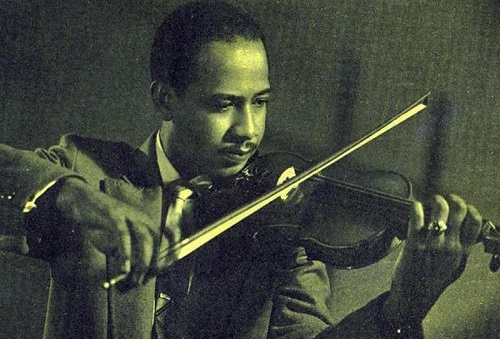
Enrique Jorrín creador del Cha Cha Cha

Below, we explore the fundamental pillars that cemented the international success of this emblematic Caribbean rhythm.

Instrumentation: The Charanga

The sound structure of the cha-cha-chá is inextricably linked to the French or Cuban charanga format. Unlike large mambo orchestras (big bands), which relied heavily on brass instruments like trumpets and trombones, the charanga provides a much more crystalline, lyrical, and acoustic sound.

The classic charanga lineup for performing cha-cha-chá includes:

Transverse Flute: Originally made of wood with a five-key system, later replaced by the metal flute. It is responsible for carrying the main melodic voice, solos, and high-register embellishments.
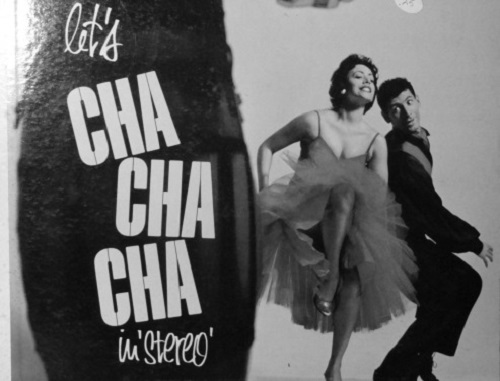
Imagen por Jairo Tapia Tietjen

String Section (Violins): They provide the constant harmonic and melodic framework through repetitive, lyrical phrases known as guajeos de violín.

Piano: Responsible for marking the harmonic structure and rhythmic pulse through the characteristic tumbao.

Double Bass: Marks the low accents, closely synchronizing with the percussion section.

Full Percussion:

    • Paila or Timbales: The central instrument. The percussionist plays the characteristic pattern on the shell (cáscara) and the cowbell (cencerro).
    • Güiro: Provides the constant scraping that defines the genre’s rhythmic and textural feel.
    • Congas (Tumbadoras): Maintain the forward drive with the tumbao pattern, placing special emphasis on the open tone on beat four.

Vocals: Unison singing or traditional choral refrains performed by the orchestra musicians themselves, such as the violinists or the director, to reinforce the rhythmic guide.

(Note: With the genre’s expansion to New York and its subsequent absorption into the salsa movement, the cha-cha-chá was also adapted with great success to conjunto formats and brass orchestras.)

Rhythmic Structure and Core Cell

The cha-cha-chá is written in 4/4 time and is played at a moderate tempo (medium tempo), generally between 110 and 130 BPM.
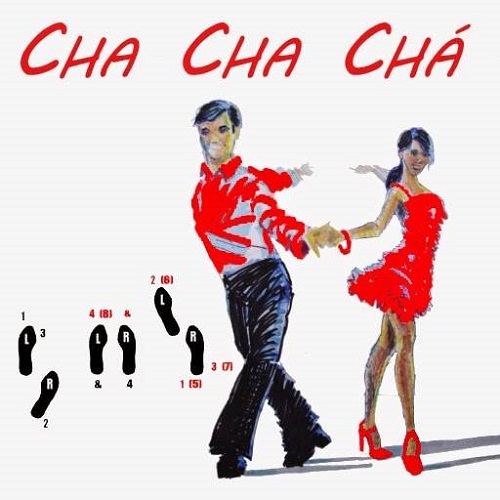
El cha-cha-chá nació a principios de la década de 1950 en La Habana, Cuba

The Central Rhythmic Cell.

The genre’s most distinctive feature is the rhythmic pattern that gives it its name. While son or danzón tend to emphasize weak or syncopated beats, the cha-cha-chá organizes the measure with absolute clarity:

  • Beats 1, 2, and 3: Steps and supporting beats marked with firmness.
  • Beat 4 and the transition (4 & 1): Three rapid strikes executed consecutively (two eighth notes on beat four and a quarter note on beat one of the following measure).

This onomatopoeic pattern (“one-two-three, cha-cha-chá”) is replicated identically by the dancers’ feet as they brush the floor, as well as by the güiro and the timbales.

Socio-Musical Importance and Impact

The cha-cha-chá functioned as a stylistic bridge: it democratized Cuban dance music in the 1950s.
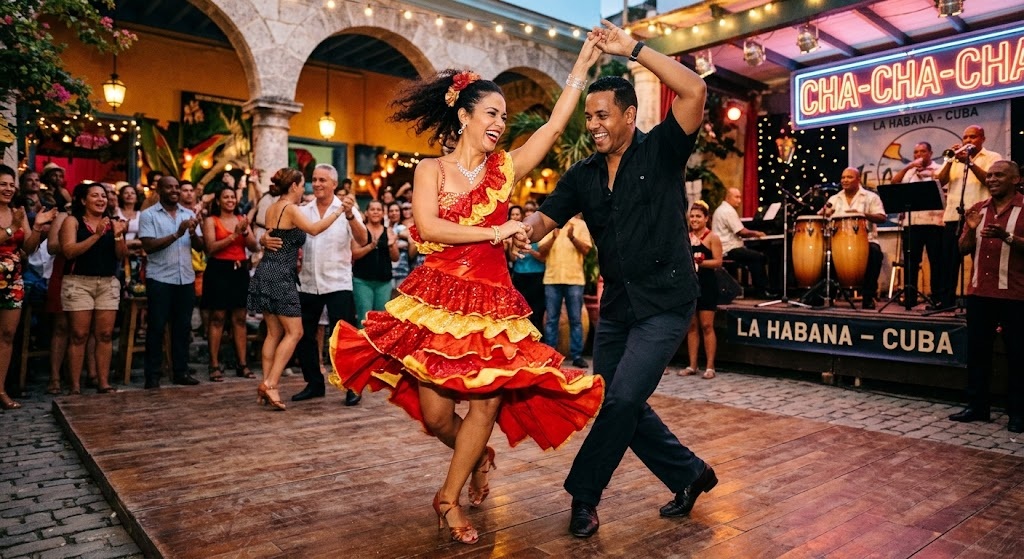
Este género surgió como un desprendimiento y una evolución directa del danzón-mambo

By softening the speed of the mambo and the strict formality of traditional danzón, it created a space where formally trained musicians (such as charanga violinists and flautists) and popular percussionists converged in a balanced, elegant, and eminently danceable language.

Also Read: Israel “Cachao” López, a Cuban musician and composer, has been hailed as “the Inventor of Mambo”

Photography By: Cubanos Famosos

  • Author
  • Recent Posts
Augusto Felibertt
Augusto Felibertt
Latin America Coordinator at International Salsa Magazine LLC
[email protected]

P.O. Box 50631
Palo Alto, CA 94303
+1 408 287-9500
Augusto Felibertt
Latest posts by Augusto Felibertt (see all)
  • Batacumbele the Avant-Garde of Puerto Rican Music and the Caribbean Jazz Laboratory - October 30, 2026
  • The Cha-Cha-Chá Elegance, Rhythm, and Cuba’s Dance Revolution - October 30, 2026
  • The Elegance of Charanga: History, Instrumentation, and Legacy in Afro-Caribbean Music - October 29, 2026

International Salsa Magazine (ISM) is a monthly publication covering salsa activities around the world and has been publishing since 2007. It is a worldwide network of volunteers coordinated by ISM Magazine. Together, we work to strengthen salsa events around the world.