In the vast universe of Afro-Cuban spirituality and Yoruba tradition, batá drums are not merely musical instruments: they are living, consecrated entities.
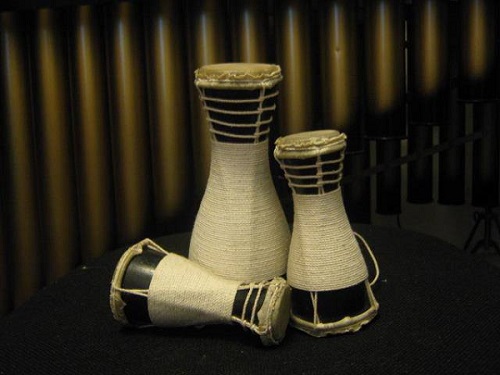
The soul that resides within these sacred drums is known as Añá (or Aña), the deity (orisha) of divine sound and primordial vibration. To speak of the Añá drums is to enter a direct channel of communication between the earthly realm and the spiritual world.
Origin: The Secret Born in Yoruba Land
The presence of Añá dates back to the ancient Yoruba Empire (in present-day Nigeria and Benin). In Yoruba mythology, the deity Añá represents the divine voice and breath through which Olodumare (the Creator) ordered the cosmos.
To encapsulate this force, a sacramental trio of hourglass-shaped, hand-carved wooden drums was structured:
Iyá: The mother drum, lowest in pitch, responsible for leading the liturgy and performing improvisations.
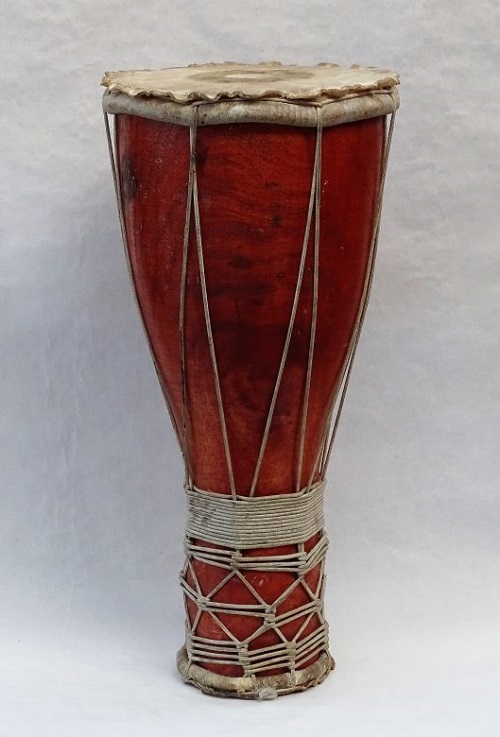
Itótele: The medium drum, which engages in a direct dialogue with the Iyá.
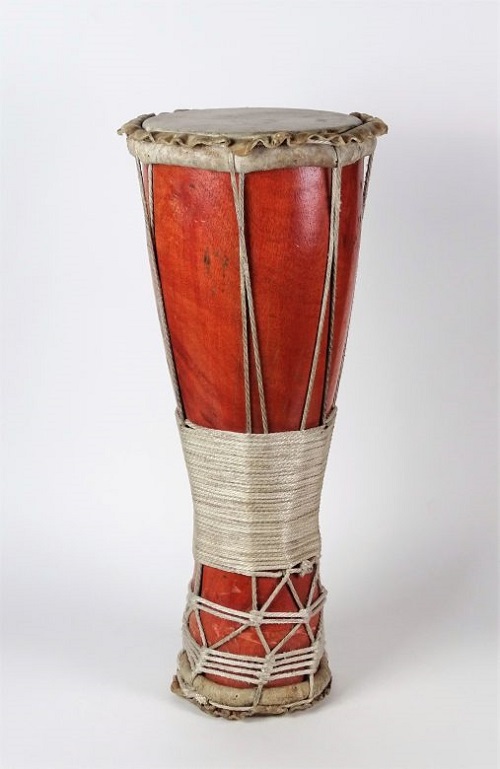
Okónkolo: The smallest drum, responsible for holding down the rhythmic foundation.
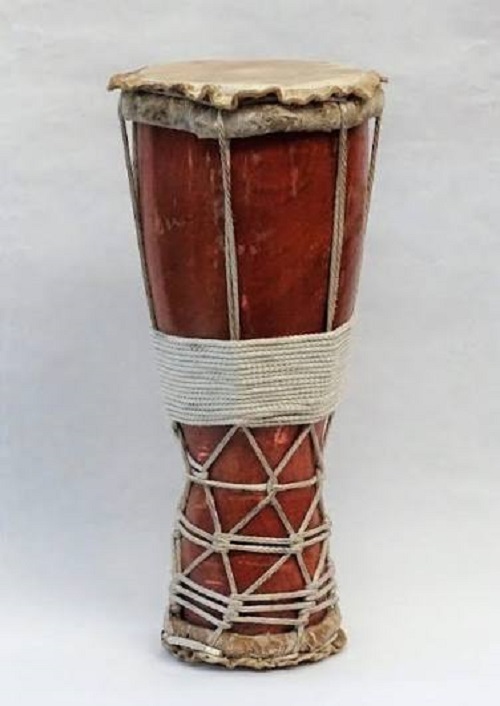
Consecrating a set of batá drums with the fundamento (sacred core) of Añá requires strict liturgical rites involving sacred botany (omiero), prayers, and offerings so that the deity takes permanent residence within the wood. Only sworn priests, known as Omo Añá or Oluwos Batá, are authorized to play these sacred instruments.
Evolution: The Transatlantic Journey and the Cuban Flourishing
Through the transatlantic slave trade during the colonial era, Yoruba scholars arrived in the Caribbean primarily in Cuba under the Lucumí designation. Despite the oppressive conditions, practitioners fiercely preserved the secret of Añá.
Toward the second half of the 19th century, in the town of Guanabacoa (Havana), the first set of Añá drums consecrated on American soil was consecrated and baptized. In this new sociocultural environment, the ancestral rhythms remained intact within the liturgy of Regla de Ocha (Santería).
The drumming patterns evolved into a complex system of tonal languages where the drum does not merely accompany, but speaks to and summons each orisha through specific rhythmic phrasing.
Significance: A Tonal Language Between Humanity and Orishas
The importance of the Añá drums lies in their mystical function: they serve as the sacred bridge that harmonizes the Ori (an individual’s head and destiny) with the deities and ancestors.
In Lucumí cosmogony, Añá’s vibration possesses the power to alter the state of consciousness of the initiated, facilitating spiritual trance or possession through which the deity descends to earth.
“Añá does not play to entertain the human ear, but to summon the spirit and maintain cosmic balance through sound.”
Furthermore, on a musical level, it represents one of the most complex rhythmic legacies on the planet. Its polyrhythmic technique has had an immeasurable influence on the development of Afro-Cuban music, Latin jazz, and salsa.
Present Day: Preservation of Faith and Global Expansion
Today, the Añá tradition experiences a dual phenomenon: the rigorous preservation of its rituals and a remarkable global expansion.
Although the secrets required to consecrate a legitimate Añá remain closely guarded under strict priestly discretion, Santería worship and admiration for batá percussion have transcended the borders of Cuba and Nigeria.
Today, there are consecrated Añá drum sets established by babalawos and Omo Añá in countries such as the United States, Venezuela, Mexico, Spain, and Puerto Rico.
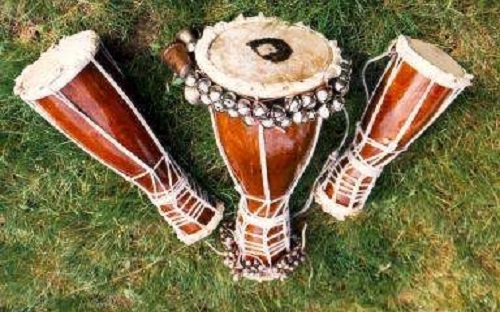
While non-sacred batá drums (known as aberikuló, which do not carry the secret of Añá) are used freely on secular stages, true Añá drums remain reserved exclusively for private ceremonies, keeping alive the voice of an ancient deity.
To visually understand how the drum’s sound articulates the liturgical call within the tradition, check out the resource “The Function of Añá Within Batá Drums.”
Also Read: Pancho Quinto Is Considered One of Cuba’s Great Rumberos
International Salsa Magazine Recommends: