Conguero, orchestra director, composer, arranger and producer. These are some of the roles Ray Barretto has played in his more than 35-year musical career.
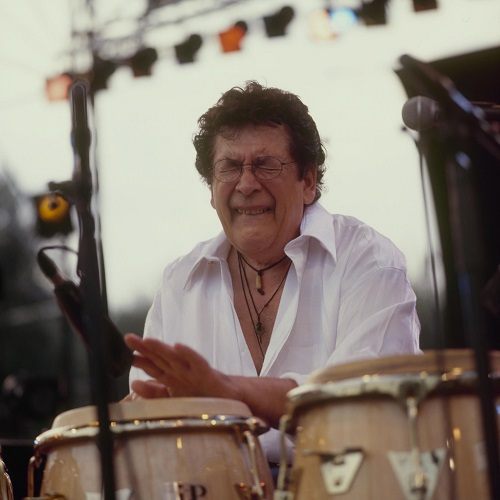
The journey of the virtuoso conguero who transformed Caribbean percussion, enshrined the Fania sound, and shattered the boundaries of Afro-American rhythm.
Few musicians have left as profound and instantly recognizable a mark on Latin music as Ray Barretto. Known universally as “Hard Hands” (“Manos Duras”), Barretto was not merely a master of the drumhead; he was a visionary who understood percussion as the backbone of a sonic revolution.
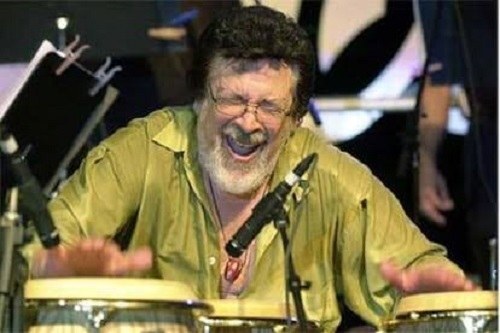
Across a prolific career spanning over four decades, this legendary New York-born musician of Puerto Rican descent elevated the status of the conga on the international stage, building unbreakable bridges between American jazz and the rhythmic richness of Afro-Cuban music.
Caribbean Roots and the Bebop Revelation
Born in Brooklyn in 1929 and raised in Spanish Harlem, Barretto grew up immersed in two parallel musical universes. While at home his mother’s voice kept their Puerto Rican heritage alive, the radio broadcasted the rise of bebop from musicians like Dizzy Gillespie and Charlie Parker. It was precisely during his military service in post-war Germany that he heard “Manteca,” Gillespie’s track recorded alongside the legendary conguero Chano Pozo.
That revelation defined his life’s purpose: to prove that congas were not a mere folkloric ornament, but a rhythmic and harmonic instrument capable of engaging in complex dialogues with jazz.
From Boogaloo to Salsa Stardom
Upon returning to New York in the late 1950s, Barretto replaced Mongo Santamaría in Tito Puente’s orchestra, quickly cementing his reputation as an impetuous, precise, and tireless percussionist.
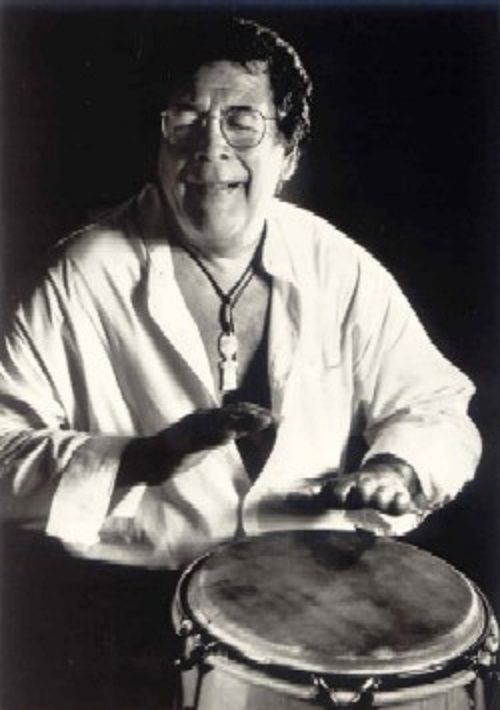
By 1962, he recorded the monumental hit “El Watusi.” This track not only became the first pachanga and charanga record to break into the Top 20 on the U.S. pop charts, but it also fueled the boogaloo era a catchy fusion of rhythm and blues, soul, and Latin rhythms that captivated the urban youth of the era.
However, Barretto’s genius refused to be pigeonholed by passing trends. In the 1970s, as a bandleader and star figure for the iconic label Fania Records, he played a pivotal role in the birth of salsa.
Barretto was the rhythmic engine and on-stage musical director for the landmark Fania All Stars. His presence in historical concerts from the Cheetah Lounge to Yankee Stadium brought a technical rigor and an overwhelming power that catapulted salsa into a global phenomenon.
Essential albums like Indestructible (1973) not only demonstrated his resilience after several band members departed, but they also became definitive anthems of Caribbean pride and perseverance.
Return to Jazz and an Everlasting Legacy
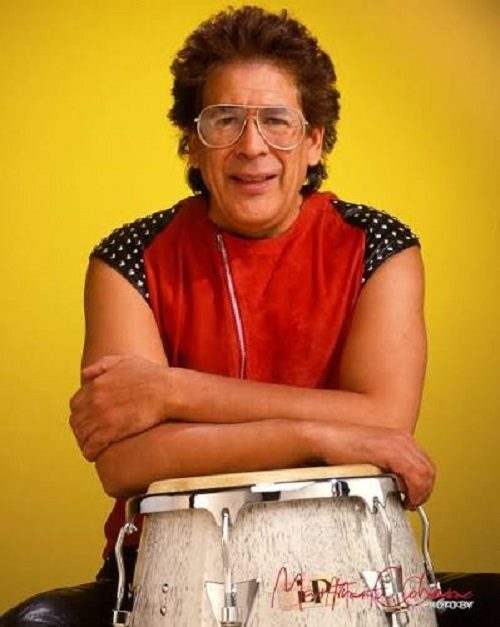
Despite his massive success in salsa, Ray Barretto never forgot his first love. In the final chapter of his life, he formed the group New World Spirit, a project through which he explored modern Latin jazz in a sophisticated manner, mentoring young talent and showing that Afro-Cuban percussion could harmoniously coexist with the most abstract improvisation.
The legacy of “Hard Hands” extends far beyond the physical strength his nickname suggested.
His true power lay in his musical intellect, his ear for the perfect arrangement, and his steadfast belief that music is a universal language transcending genres and identities.
Ray Barretto passed away in 2006, but the echo of his drums continues to reverberate as an indestructible force in the history of global music.
Also Read: Eddie Montalvo Iron Hands: “I’m in love with Venezuela”

- Teresa Carreño: The Walkyrie of the Piano Who Conquered the World - September 29, 2026
- Charlie Palmieri The Giant of the Blancas y las Negras - September 29, 2026
- Ray Barretto: The Unshakable Beat of Latin Jazz and Salsa - September 29, 2026