Immortal Legacy of the Pioneer Who Transformed the Piano, Pachanga, and Latin Jazz.
On September 12, 1988, Carlos Manuel Palmieri Maldonado known to the artistic world as “Charlie Palmieri” and affectionately nicknamed “The Giant of the Keys” passed away in New York.
A virtuoso pianist, arranger, composer, producer, and bandleader, Palmieri established himself over more than six decades as one of the most influential figures in the evolution of Latin music.
Born in Manhattan to Puerto Rican parents a father from Florentino and a mother from Ponce Charlie was the pioneer of the Palmieri dynasty in tropical music. He paved the way for his younger brother, Eddie Palmieri, to achieve his own triumphs years later and become another colossal legend of Latin music history.
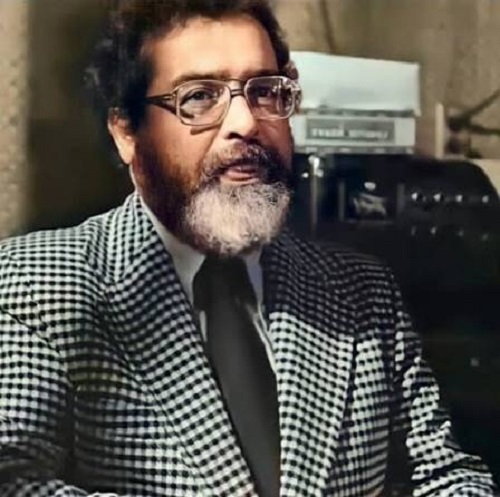
From a very young age, he displayed exceptional brilliance. His career spanned from rumba, guaracha, and mambo to cha-cha-chá, pachanga, and Latin jazz.
Throughout his life, he brought extraordinary talent to traditional folk rhythms and the rise of the descarga jam sessions, demonstrating a technical mastery that ranked him among the greatest rhythmic pianists of the genre.
In 1943, during World War II, he joined Pupi Campo’s orchestra and briefly served as the musical director for the band on the famous Jack Paar Show.
Over the course of his career, he recorded more than 50 full-length LP albums and collaborated with icons of the genre such as Tito Puente, Noro Morales, Xavier Cugat, Rafael Muñoz, and Moncho Usera.
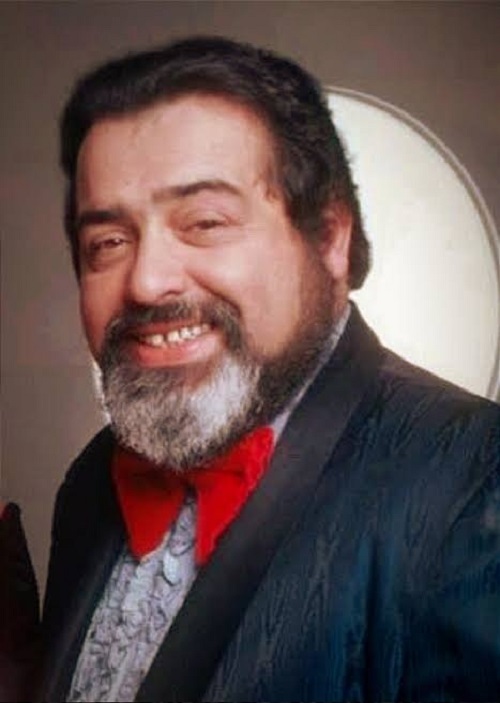
One of his greatest contributions came on New Year’s Day in 1959, when he debuted Charanga Duboney, a Cuban-style lineup featuring flute and violins. Joined by the outstanding Dominican flutist Johnny Pacheco, Duboney revitalized the traditional sound of groups like Orquesta Aragón and sparked a massive musical craze in New York during the early 1960s, performing up to four times a night.
In addition, it reintroduced key figures such as José Fajardo, Pupi Legarreta, Belisario López, and Alberto Socarrás to the New York scene.
In 1961, he took over as musical director of the Alegre All-Stars, a collective of Cuban, Puerto Rican, and Nuyorican musicians who blended mambo with extended jazz solos.
In his acclaimed book The Latin Tinge, music historian John Storm Roberts described those recording sessions as “an almost perfect balance between jazz and Latin elements,” noting that they spawned countless imitations and established Palmieri as an undisputed leader of the movement.
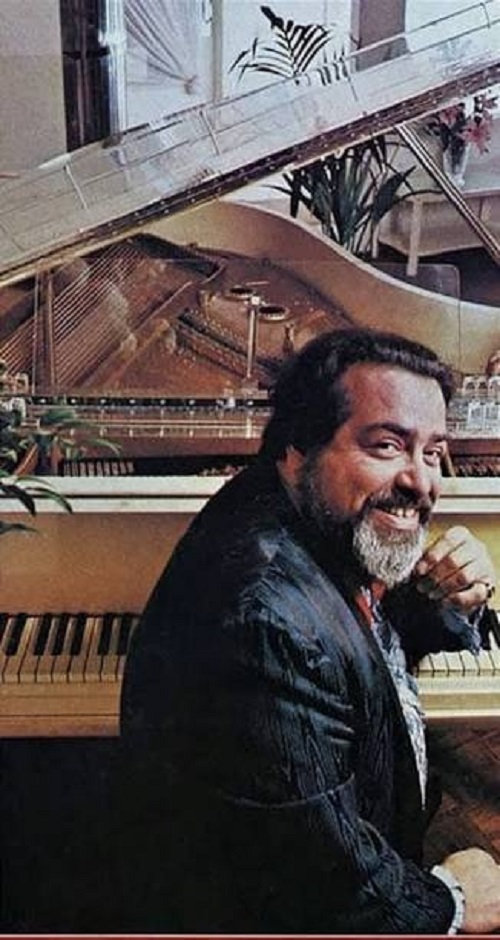
Beyond his work as a performer, Charlie Palmieri was a devoted champion of education and folklore. He firmly argued that every musician must understand their country’s roots in order to modernize them with fresh perspectives.
During his teaching years in Brooklyn, he required his students to rigorously study danzas, baquiné, plena, and other Caribbean rhythms as the essential foundation for their artistic growth.
After suffering a heart attack, he lived in Puerto Rico for a time before ultimately returning to New York, where he settled in the Bronx and formed El Combo Gigante alongside vocalist Jimmy Sabater.
Although doctors warned him that he would never regain full use of his hands, his perseverance brought him back to the stage and the studio to record his acclaimed album A Giant Step.
Maestro Palmieri passed away at Jacobi Hospital in the Bronx at the age of 60, just before embarking on an international tour of Great Britain and Japan alongside the famous Cuban conguero Ramón “Mongo” Santamaría.
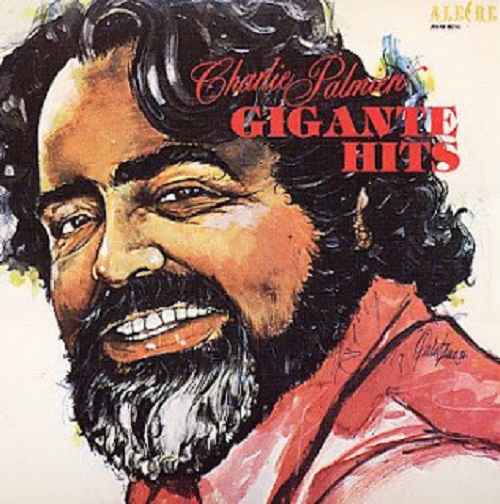
His immense musical legacy and exceptional character endure as an indelible benchmark in the history of Latin music.
Also Read: Eddie Palmieri brought salsa for the first time and live from Sing Sing Penitentiary in New York

- Teresa Carreño: The Walkyrie of the Piano Who Conquered the World - September 29, 2026
- Charlie Palmieri The Giant of the Blancas y las Negras - September 29, 2026
- Ray Barretto: The Unshakable Beat of Latin Jazz and Salsa - September 29, 2026