A Romantic Music Phenomenon
Few voices in the history of Latin American music have managed to convey melancholy, heartbreak, and love with the depth of Felipe Pirela.
Justifiably known as “El Bolerista de América” (“The Bolero Singer of the Americas”), the Venezuelan performer not only transformed the bolero genre during the 1960s, but also became a cultural icon whose vocal legacy remains an undeniable benchmark for generations to come.

A Talent Born in Zulia
Felipe Antonio Pirela Morón was born on September 4, 1941, in the El Empedrado neighborhood of Maracaibo, Zulia State, Venezuela. Raised in a large, humble family, he displayed a natural talent for singing from a very young age.
During his early years, he performed on amateur radio shows in his hometown and joined local groups such as the Orquesta San José and Los Peniques.
It didn’t take long for his extraordinary vocal timbrea lyrical tenor with velvety undertones and flawless pitchto catch the attention of the leading musical directors of the era.
Big Break with the Billo’s Caracas Boys
The year 1960 marked the ultimate turning point in Pirela’s career. Dominican maestro Billo Frómeta, while reorganizing his legendary orchestra, Billo’s Caracas Boys, was searching for a fresh male voice to lead their romantic repertoire. Upon hearing Pirela, he didn’t hesitate to sign him.

At just 19 years old, Pirela became the star crooner for the most popular orchestra in Venezuela. During his tenure with Billo’s, his voice immortalized essential classics of the Latin American songbook, including:
- Ese bolero es mío
- Únicamente tú
- Para qué recordar
- Por la vuelta
The synergy between Frómeta’s orchestral arrangements and Pirela’s dramatic expression sparked a true wave of “Pirelamania” across the country.
International Stardom and Solo Career
In 1963, driven by a desire to expand his artistic horizons, Pirela embarked on a solo career. He moved to Mexico the epicenter of the recording industry at the time where he was warmly embraced by both audiences and music critics.
It was precisely abroad where he was officially dubbed “El Bolerista de América.” Albums like Un solo camino: México solidified his international success.
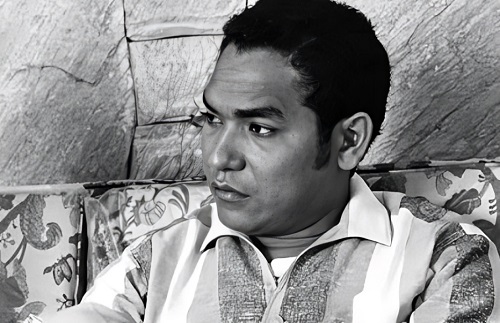
“Pirela packed venues in Santo Domingo, San Juan, New York, Bogotá, and Lima, reaching a level of popularity that rivaled legends like Lucho Gatica, Daniel Santos, and Javier Solís.” His ability to bring drama and elegance to songs by iconic composers such as Rafael Hernández, Pedro Flores, and Mario de Jesús turned him into a record-breaking phenomenon.
Lights, Shadows, and a Tragic End
Despite his overwhelming success on stage, Pirela’s personal life was plagued by controversy, heartache, and misfortune. A tumultuous, failed marriage, along with legal troubles and relentless harassment from the tabloid press of the era, eroded his personal stability and led him to settle outside his homeland.
On July 2, 1972, tragedy violently cut his life short. At the young age of 30, Felipe Pirela was murdered in San Juan, Puerto Rico. The news sent shockwaves across the Americas, leaving an irreplaceable void in romantic music.
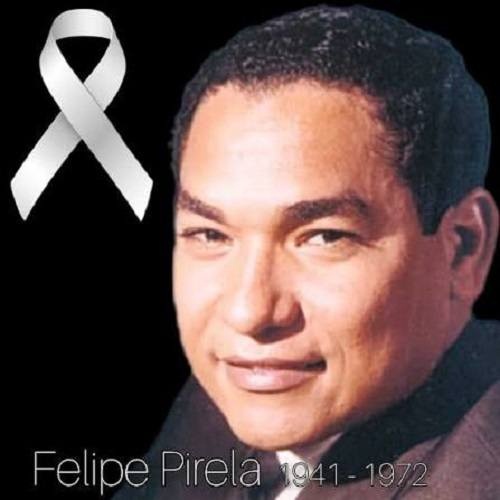
The Immortal Legacy of an Unforgettable Voice
More than five decades after his passing, Felipe Pirela remains vibrant in the collective memory. His discography continues to be reissued, honored, and studied by musicologists and music lovers alike.
Pirela possessed not only exceptional vocal technique, but a unique ability to phrase with heartbreak, elegance, and passion. His style directly influenced subsequent stars of salsa and bolero, proving that as long as heartbreak and romance exist, the voice of “The Bolero Singer of the Americas” will continue to resonate with the exact same power.
Read Also: Vicentico Valdés: “The Elastic Voice” of Bolero in Cuba and the Caribbean
Felipe Pirela |El Bolerista de América

- Teresa Carreño: The Walkyrie of the Piano Who Conquered the World - September 29, 2026
- Charlie Palmieri The Giant of the Blancas y las Negras - September 29, 2026
- Ray Barretto: The Unshakable Beat of Latin Jazz and Salsa - September 29, 2026