Just as we have dedicated a large portion of our work to approaching producers, composers, musical directors, singers, and musicians, we consider it important to speak with those who lead institutions that boost our culture around the world. That is why we have been looking for the opportunity to speak with Patrick Charpenel, last but not least, executive director of El Museo Del Barrio.
El Museo Del Barrio is an institution whose main purpose is to present the art and culture of Puerto Rico and Latin America in general within the United States. The museum offers a large number of collections, exhibitions, publications, programs, educational activities, and festivals with which it seeks to educate audiences of all nationalities about the artistic and cultural wealth of the Caribbean and all of Latin America.
Patrick, whom we thank for the minutes he invested in answering our questions, will talk in more detail about everything related to the institution he currently leads and what it has to offer.
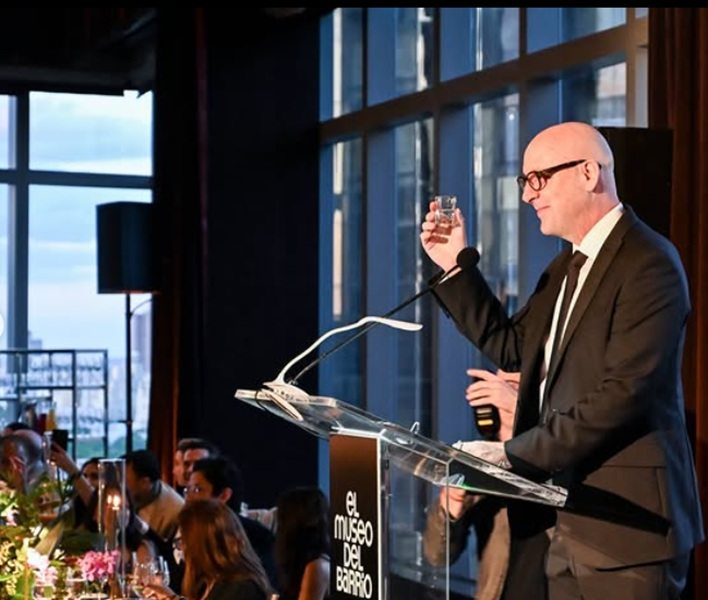
How Museo del Barrio was founded
Patrick began by explaining how El Museo del Barrio was founded in 1969 by artist Rafael Montañez Ortiz and a coalition of families with Puerto Rican roots who understood the need to create a platform that shed light on the cultural production of Puerto Ricans and Latinos in general within the United States. These families noticed that there was a poor representation of Latin America’s production on major cultural platforms in the United States, especially in museums. There have been Puerto Rican communities in the United States prior to the arrival of the British, so it was urgent and important to vindicate these characteristics.
Then all these years later, the museum has managed to go ahead thanks to the contributions of thousands of Latinos who refuse to let these initiatives die, no matter how much time passes. It has also taken into account the demographic shift that New York (the city where the museum is located) has undergone in recent years has also been taken into account. For example, New York used to be fully Puerto Rican, but now the largest Latino community is Dominican.
One of the greatest values that govern El Museo Del Barrio since its founding has been inclusion. Although the project was initiated by a group of Puerto Ricans, they also understood that they must welcome other Latino communities that have suffered some kind of marginalisation and give them a voice and a space they did not previously have.
Privileged Location
El Museo Del Barrio is located at 1230 Fifth Avenue in East Harlem, Manhattan. This location has been ideal for the institution because it was the area of Manhattan with the greatest amount of Puerto Rican people. The museum has been there since 1977, and its move to this location was the best possible decisión.
The change of venue occurred when the museum staff was invited by Taller Boricua to an event held in that same building in order to increase cultural activities related to the Island of Enchantment in that área, prompting the directors at the time to relocate there, where they have remained to this day.
Exhibitions and messages to the public
One of the major focuses of the museum is to give visibility to queer communities and Chicanos on the West Coast. However, Patrick strongly emphasizes that he and his team are not only interested in gazing at their own navel, but also in turning to see other important areas and communities that are also in need of support.
One of the many who has been benefited by the museum exhibit is Teddy Sandoval, a multimedia artist who was a leading figure in the West Coast Chicano movement and a queer icon of his time. Such is his importance that the museum has presented “Teddy Sandoval and the Butch Gardens School of Arts” to examine his life and work through aspects such as sexuality, identity, and sense of belonging.
For educational purposes, the institution offers a pedagogical component designed to empower Latin American-rooted communities, especially children. All educational programs offered by the museum aim to make Latinos feel proud of their culture and to reach places that other institutions of this kind could not.
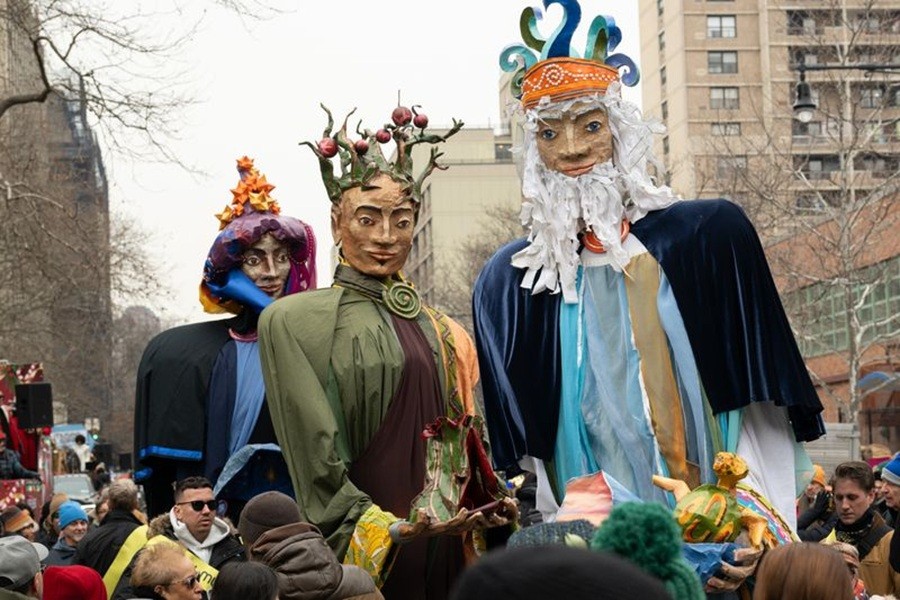
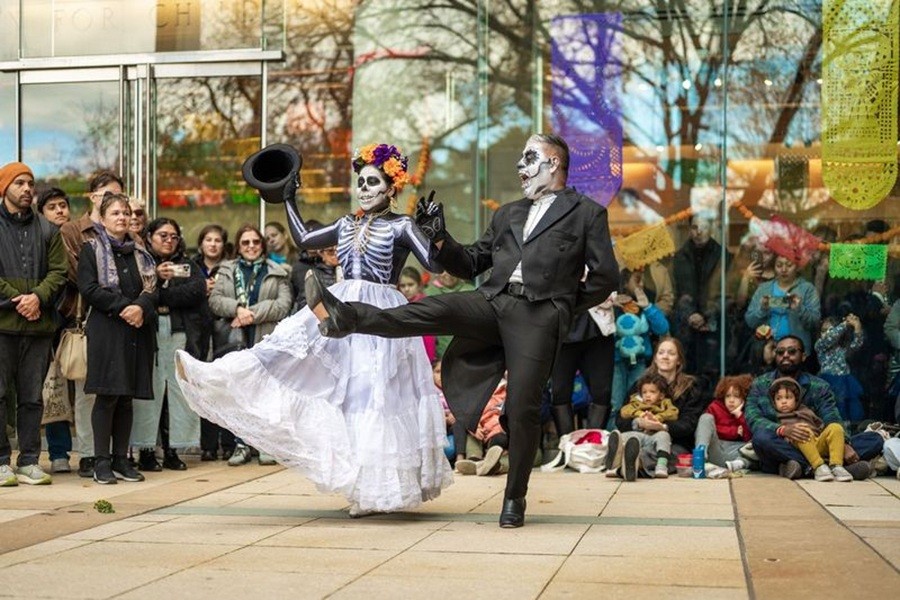
And to all this must be added celebrations of traditional festivals such as Three Kings Day and Day of the Dead, but focused on how Latinos experience them in their own countries to build community.
El Museo Del Barrio and music
As well as all artistic expressions—such as painting, film, and fine arts, music also plays a prominent role. On this subject, Patrick wondered what would become of the U.S. music industry without the contributions made by African American and Latino communities. A very high percentage of musical expressions come from both Latino and Caribbean communities.
Music can be felt even on the streets and has permeated every area of society very deeply, which is why El Museo Del Barrio has simply been receptive of this phenomenon. Fortunately, the institution has a theater built in 1922 with murals by William Pogany that has become a favorite place for all kinds of Latin musical events.
Even in the lobby and the café, you can hear salsa and other traditional Latin genres playing.
Read also: Colombian producer, composer, and singer Alea: from the Guajira Colombiana to Boston

- El Museo Del Barrio makes us feel proud of our Latinidad - September 14, 2026
- Pablo Antonio Y La Firma gets the Maryland-Washington DC-Virginia area to dance - September 3, 2026
- Bandleader and bassist Alex Torres tells us his inspiring story - August 29, 2026