We all know there are certain characteristics an artist must possess to achieve a successful career in the music industry. While it is true that technical qualities are extremely important for a successful artistic career, it is also true that they are not the only things to keep in mind, and simply being good at the craft is not enough.
In addition to that, one must also manage certain concepts and information that make the journey toward building a stable musical project within the industry as smooth as possible. Below, we will touch upon some of the most important topics for an artist to know in the current era.

Copyright and Intellectual Property in Music
Just as important as having the necessary talent to stand out from the rest, an artist must also protect their work and income, thereby preventing anyone else from taking over the product of their effort. One of the ways to safeguard oneself is to learn as much as possible about copyright and intellectual property, which can be defined as the set of laws responsible for protecting musical creation and ensuring that producers, composers, and singers can monetize and maintain total control over their works. These rights can be divided into moral rights and economic (patrimonial) rights.
Moral rights are those that bind an author to their works forever. These grant the author the right to be credited for their authorship, the integrity of their work, and the decision of when and how to make it public.
As for economic rights, these are the ones that allow an author to receive financial compensation in exchange for the use of their music. Unlike moral rights, these can indeed be assigned, licensed, and sold. These include reproduction, distribution, public communication, and transformation.
Collective Management Organizations
In connection with the previous topic, it is also vitally important for an artist to ensure they belong to a collective management organization (CMO), as this is the entity responsible for ensuring the artist gets paid every time one of their tracks is played. Furthermore, it also provides the possibility of analyzing mechanical royalties—that is, the money earned every time a song is downloaded or sold through platforms like iTunes.
What these types of organizations do is collect the royalties generated through public communication and reproduction in order to distribute them among the producers and authors involved.
Contracts
Every artist must be very well advised regarding legal aspects of the music business to avoid headaches in the future. Any mistake made can cost an enormous amount of money, which is why one must make use of all available information to know what steps to take.
These contracts define how record labels, music publishers, managers, songwriters, and performers will work. This is how it is determined who makes decisions, who pays, and who receives money. Here are some of the types of contracts most commonly used in the industry:
- Artist or Recording Contract: The agreement between an artist or band and a record label that involves providing financing for the recording, production, marketing, and distribution of an album in exchange for exclusivity and percentages of the profits obtained.
- Music Publishing Contract: The agreement between a songwriter and a publisher that involves the commercial exploitation of the compositions and the collection of author royalties.
- Management Contract: The agreement between the artist and the manager who will represent their career. Additionally, this manager also handles the strategic, advisory, and administrative aspects.
- Co-writing Contract: A document that must be signed by all producers and composers of a musical track, establishing the percentages of intellectual property that belong to each of the parties involved.
Video Platforms and Digital Advertising
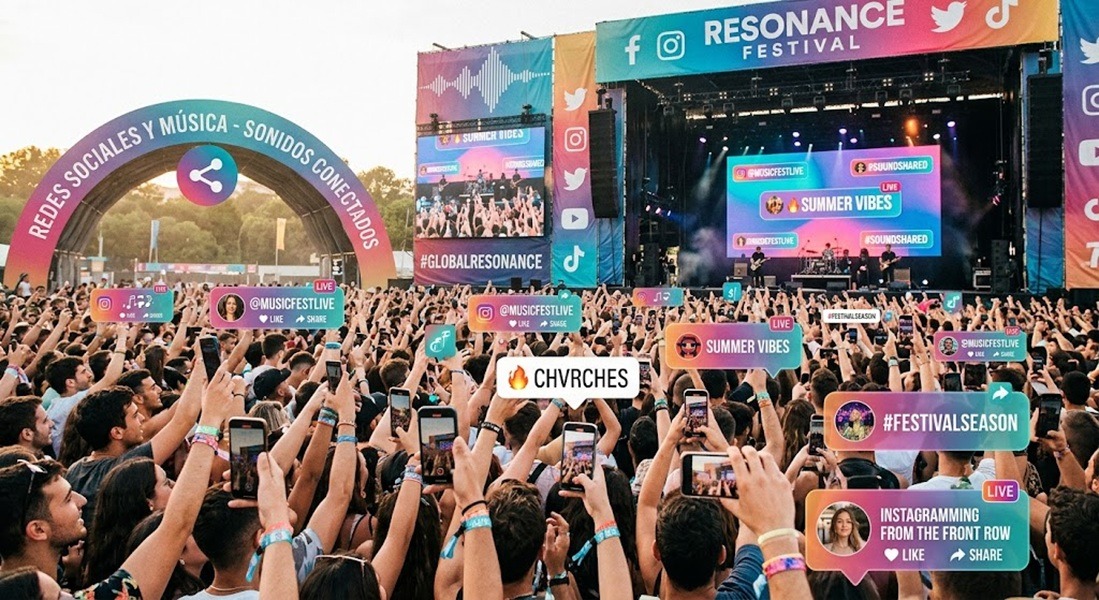
A tremendously important part of everything related to the music business is the visual side. In an era where people are moving away from consuming very long audiovisual or written material, video content has become one of the areas to which any artist and their team must pay special attention.
This is where social media can be any artist’s best allies, provided they are used correctly. Platforms like TikTok, Instagram, YouTube Shorts, among others, allow users to create high-quality content using very easy-to-manage tools and make it go viral in a very short time. Best of all, these platforms are constantly updating to adapt to new trends, ensuring continuous improvement in content.
Read also: Zach Phillips brings us the latest news on The NAMM Show

- What Artists Need to Know About the Music Industry - October 30, 2026
- Patrice, Jason, and Rony Perry from Steel Vibrations Steel Band promotes the steel pan in Houston - October 26, 2026
- Panamanian bandleader, composer, and jazz percussionist Ed East puts Iowa to enjoy Latin music - October 23, 2026