• Skip to primary navigation
  • Skip to main content

International Salsa Magazine

  • Home
  • Previous editions
    • 2025
      • ISM / November 2025
      • ISM / October 2025
      • ISM / September 2025
      • ISM / August 2025
      • ISM / July 2025
      • ISM / June 2025
      • ISM / May2025
      • ISM / April 2025
      • ISM / March 2025
      • ISM / February 2025
      • ISM / January 2025
    • 2024
      • ISM / December 2024
      • ISM / November 2024
      • ISM / October 2024
      • ISM / September 2024
      • ISM / August 2024
      • ISM / July 2024
      • ISM / June 2024
      • ISM / May 2024
      • ISM / April 2024
      • ISM / March 2024
      • ISM / February 2024
      • ISM / January 2024
    • 2023
      • ISM / December 2023
      • ISM / November 2023
      • ISM / October 2023
      • ISM – September 2023
      • ISM – August 2023
      • ISM July 2023
      • ISM Edition June 2023
      • ISM – May 2023
      • ISM April 2023
      • ISM March 2023
      • ISM February 2023
      • ISM January 2023
    • 2022
      • ISM December 2022
      • ISM November 2022
      • ISM October 2022
      • ISM September 2022
      • ISM August 2022
      • ISM July 2022
      • ISM June 2022
      • ISM May 2022
      • ISM February 2022
      • ISM January 2022
    • 2021
      • ISM December 2021
      • ISM November 2021
      • ISM October – 2021
      • ISM September 2021
      • ISM August 2021
      • ISM July 2021
      • ISM May 2021
      • ISM April 2021
      • ISM June 2021
      • ISM March 2021
      • ISM February 2021
      • ISM January 2021
    • 2020
      • ISM December 2020
      • ISM November 2020
      • ISM October 2020
      • ISM September 2020
      • ISM August 2020
      • ISM July 2020
      • ISM June 2020
      • ISM May 2020
      • ISM April 2020
      • ISM March 2020
      • ISM February 2020
      • ISM January 2020
    • 2019
      • ISM December 2019
      • ISM November 2019
      • ISM October 2019
      • ISM Septembre 2019
      • ISM August 2019
      • ISM July 2019
      • ISM June 2019
      • ISM May 2019
      • ISM April 2019
      • ISM March 2019
      • ISM February 2019
      • ISM January 2019
    • 2018
      • ISM December 2018
      • ISM November 2018
      • ISM October 2018
      • ISM September 2018
      • ISM August 2018
      • ISM July 2018
      • ISM June 2018
      • ISM May 2018
      • ISM April 2018
      • ISM March 2018
      • ISM February 2018
      • ISM January 2018
    • 2017
      • ISM December 2017
      • ISM November 2017
      • ISM October 2017
      • ISM September 2017
      • ISM August 2017
      • ISM July 2017
      • ISM June 2017
      • ISM May 2017
      • ISM April 2017
  • Download Salsa App
    • Android
    • Apple
  • Spanish

Search Results for: Afro-Cuban

Arturo “Chico” O’farrill

North America / United States / New York

Arturo “Chico” O’farrill  “The Afro-Cuban Jazz Architect” 
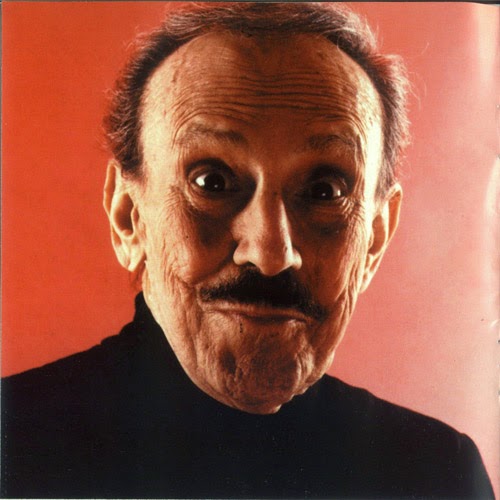
Arturo O'Farrill
Arturo O’Farrill

Arturo O’Farrill or better known as “Chico” O’Farrill was born in Havana (Cuba) on October 28, 1921. He was the son of a recognized Jewish family whose father was an eminent lawyer whom one day decided to immigrate to the United States. Arturo undertook his studies at the Riverside Military School in Gainesville, Georgia (interned by his father).

He began to love the jazz orchestras (big bands) and within that environment he fed musically, listening to recordings of Benny Goodman, Artie Shaw, Glenn Miller, and Tommy Dorsey, so much, that in a brief time he learned to plays the trumpet and became the trumpet player of the military band as well as the several dance groups.

Years later, Chico returned to Cuba. He studied law and at the same time developed his facet as a composer, receiving a composition and harmony study with the master, Félix Guerrero. Likewise, he was also Armando Romeu Bellamar Orchestra’s member and the Isidro Pérez Orchestra, when the Son and the Mambo prevailed in the Latin music.


TRAJECTORY

From 1943 to 1947 “The Afro-Cuban Jazz Architect” worked at the cabaret Montmartre. He was a member of Bellamar Orchestra, directed by Armando Romeu and integrated by Luis and Pucho Escalante, Gustavo Mas and Mario Romeu, among others. He traveled to Mexico and Europe as a trumpeter musician as well as he created the band, Los Raqueteros del Swing, being the director and trumpet.

Subsequently, he founded Los Beboppers (the first group of Cuban bop), which was presented at the Saratoga Hotel with Chico again as the director and the trumpet.
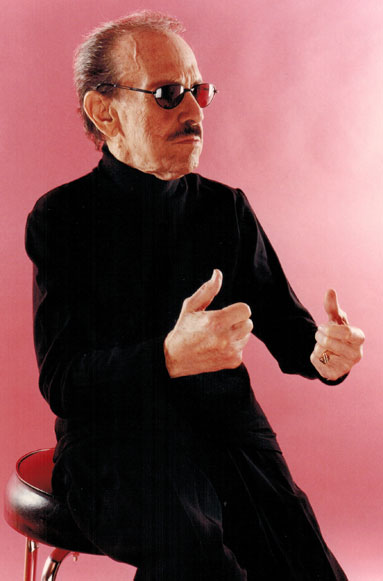
Arturo O'Farrill
Arturo O’Farrill

In the ‘50s decade began the successes for Chico as an arranger, working briefly for several orchestra directors, such as Gil Fuller, Noro Morales, Frank “Machito” Grillo, and Benny Goodman.

In the same way, he composed his first great masterpiece “Afro-Cuban Jazz Suite” in five movements: Song, Mambo, 6/8, Jazz and Rumba Open. This masterpiece was made and recorded for the businessman Norman Granz’s label, using the Machito’s Orchestra as an accompanist and rhythmic base.

“Afro-Cuban Jazz Suite”, according to Luc Delannoy: “begins and ends with a hypnotic flute and conga duo that reflects the essence of Cuban treatment; the union of musical universes: the European (the flute) and the African (the conga).

To these two instruments is joined the oboe, followed by the trumpets, saxophones and the “Tumbao” of the double bass… After a return to swing and bebop in the fourth movement, Chico takes us to the origins of Latin jazz with a melody of clear Arabic accents, before sinking back into the universe of Afro-Cuban percussions”. Likewise, for Benny Carter, this Suite was: “The reason for the coherence of the rhythmic parts and their relationships with the solos that have their own life and independence, Masterpiece of a genius.”

In New York and following the success of “Afro Cuban Jazz Suite”, O’Farrill writes “Cuban Fantasy” for Stan Kenton, who later changes its name to “Cuban Episode”.

In 1953 he traveled to California, where he founded his orchestra that included renowned musicians such as Mario Bauzá, Doug Mettome, Jimmy Nottingham, Eddie Bert, Fred Zito, Lenny Hambro, Flip Phillips, and saxophonist Eddie Wasserman. The orchestra used the rhythm section of the Machito’s Afro-Cuban, harp and oboe. With this concept he recorded for Norman Granz, performed in Birdland (New York), and the Hat Ballroom located in Los Angeles. In this period he composed three new movements: “La Jungla”, “Contraste”, and “Rhumba Finale”, baptized as “Manteca Suite” recorded with the Jazz player Dizzy Gillespie and orchestra of 21 excellent musicians in 1954.
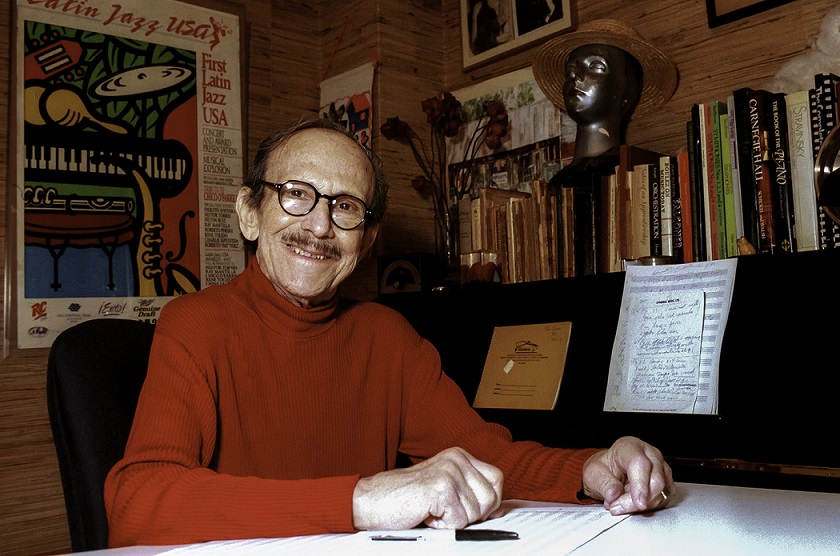
Arturo O'Farrill
Arturo O’Farrill

He returns to Cuba again in 1956 to be inspired and immediately began working for the best record companies on the island such as Panart and RCA Víctor, recording “Chico’s Cha-Cha-Cha”, adapting the Charanga rhythm to the big band format. This album is released, one more time, on compact disc by BMG during the last decade of the twentieth century. Chico also made a recording for the popular D’Aida Quartet and arrangements for Bola de Nieve and the famous Orchestra Director, Aldemaro Romero.

In 1958 the restless O’Farrill moved for Mexico, an essential platform for all Latin American musicians at that time. There he returned to create another special sound and appears on television as musical director of the Andy Russell singer, and there his life changed radically. He started a semi-retirement period, but never stopped creating music. At that moment, he composed his famous “Azteca Suite” for trumpeter Art Farmer, and he made history again!

In the 60s he returned to New York and makes arrangements for such important figures as La Lupe (They Call Me La Lupe); Cal Tjader (Along Comes Cal); Clark Terry (Spanish Rice); Count Basie (High Voltage); Gato Barbieri (Chapter Three: Viva Emiliano Zapata); Ringo Starr (Night and Day) and dabbled in the Rock music with David Bowie (I Know It’s Gonna Happen, Looking for Lester), and finally he was director of the Aldemaro Romero´s Orchestra.

This stage extends until the end of the 20th century, although already in the 70s, the big bands go down in history for several genres that would be manifested due to their novelty and immense popularity in the United States and around the world. The architects of the new fashion used new techniques, styles, and sounds, especially in the field of harmonization. Suddenly popular music stopped being exclusively for the ballroom and -of course- “new sound” icons appeared in the Jazz Music. For this reason, Chico O’Farrill begins working in the lucrative field of music for television commercials.
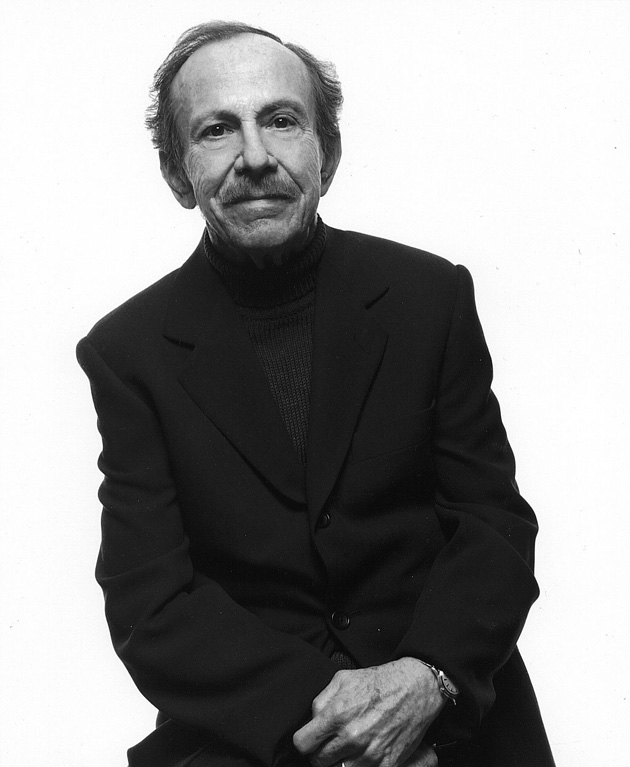
Arturo O'Farrill
Arturo O’Farrill

In the mid-1990s, “The Afro-Cuban Jazz Architect” was contacted by American producer and Jazz director Todd Barkan with Pure Emotion, a compiled of his musical career with which he got a nomination for the 37th edition of the Grammy awards.

O’Farrill toured Europe with his orchestra in 1996 and recorded his latest album titled “Heart Of A Legend”, which contains 14 tracks, a formidable orchestra of 18 masters and a staff of international artists. The arrangements of “Heart Of A Legend”, considered for many as the best album of his career, took care by himself and the musical direction was entrusted to his son, Arturo O’Farrill Jr., a formidable pianist and heir of his legacy.

Arturo “Chico” O’farrill died on June 29, 2001, in New York City at 80 years.
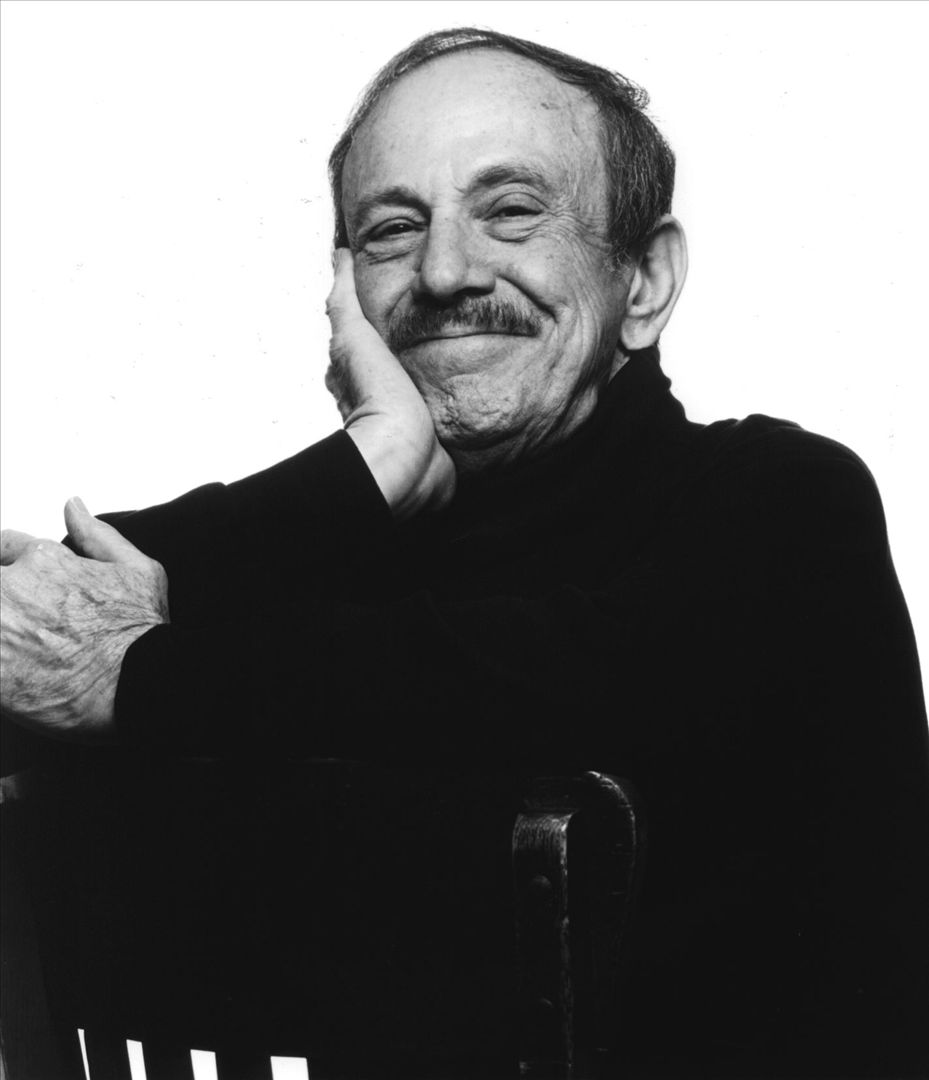
Arturo O'Farrill
Arturo O’Farrill

Undeniably, Chico for more than half a century was a great musical creator. He was at the forefront of an innovative style that many know as Latin Jazz nowadays, which was called at the beginning with many names, such as Cuban bop, Mambo Jazz and Afro-Cuban Jazz.

Our dear “AFRO-CUBAN JAZZ ARCHITECT” Until forever!

In memory of 18 years of his passing!

Balazo de Norteamérica:

Arturo “Chico” O’Farrill

“The Afro-Cuban Jazz Architect”

In memory of 18 years of his passing!
José Madera

North America/ United State / New York 

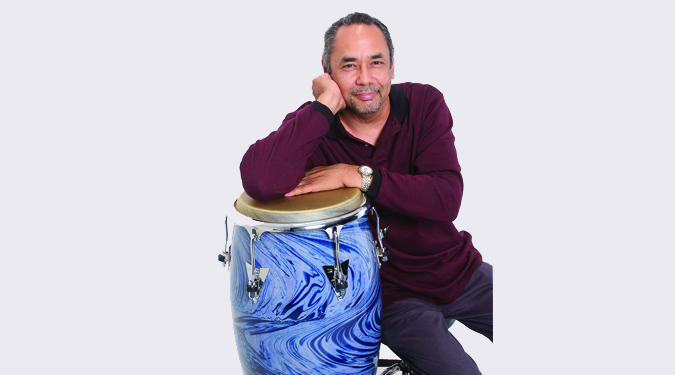
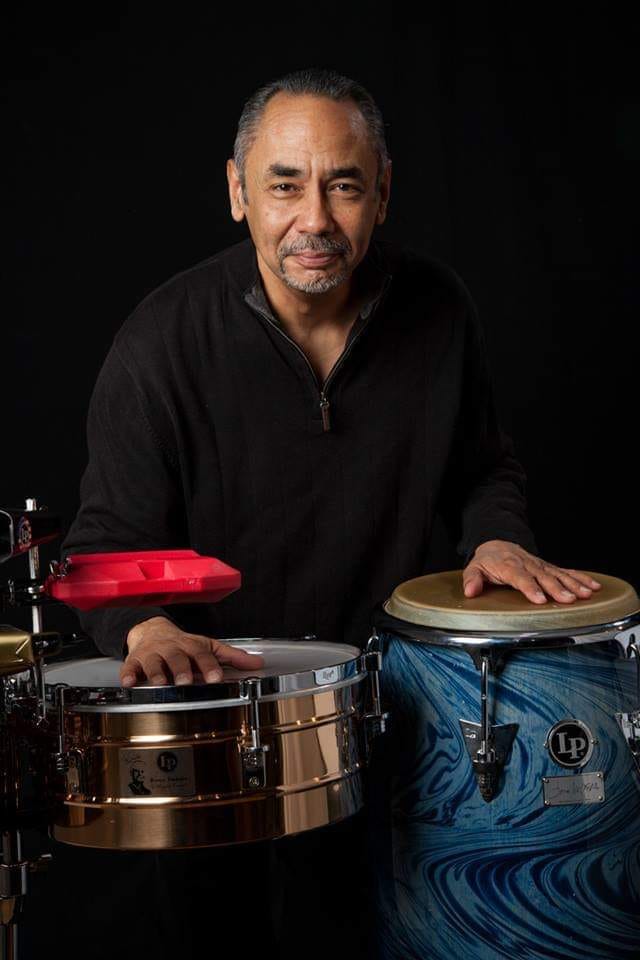
José Madera, Percussion & Arranger of Machito, Tito Rodriguez and Tito Puente

One would think that a job with the world famous Tito Puente

Band  keep busy a percussionist.

But the musician, arranger and composer José Madera had yet found the time to record and write music for some of the most influential bands in the world.

Prior to joining Tito Puente over 35 years ago, Madera play for four years with the famous Machito Orchestra, and recorded with many artists of R & B (including James Brown, Diana Ross, David Sanborn and Aztec Two – Step).

As an arranger for Fania Records Plant, played in several comerciales successes, and through the years has composed music for the Fania All- Stars, Larry Harlow , Johnny Pacheco , Willie Colón, and Celia Cruz .

Although he has recorded some 75 albums in 20 years, as well as numerous radio jingles and film soundtracks, Madera still had time for his other career for 15 years he had worked as a teacher and conductor in a high school for the performing arts with private funds, in the city of New York.

Jose has written many arrangements for countless commercial Latin artists and has recorded or worked with many of them as well. Some of them include: Larry Harlow, Johnny Pacheco, Chico O’Farill:  The Lincoln Center Afro-Cuban jazz orchestra, Celia Cruz, Tito Rodriguez, Fania All-Stars, Willie Colon, Joe Farrell, Machito, Graciela, Mario Bauza, Willie Rosario, Earl Klughand  Eddie Palmieri, just to name a few.

Jose has also worked and recorded with many pop, R&B and jazz artists.

Some of them include Diana Ross, James Brown, Dizzy Gillespie, Paquito D’Rivera, George Benson and Lionel Hampton among others.

Jose has performed on over 250 recordings. He has worked on several television show soundtracks including “The Simpsons” and several motion picture soundtracks including ”The Mambo Kings Play Songs of Love” where he was the musical arranger and conductor for the Tito Puente segment of the film.

Jose also taught the art of playing Latin percussion instruments at BOYS HARBOR in New York City for 28 years.

Jose has done and continues to do musical clinics around the country at various schools.

¨He was the musical director of the Latin Giants of Jazz from 2001 to 2009¨.

José Madera continues his musical direction with the Mambo Legends Orchestra, a band comprised of former members of the Tito Puente Orchestra, which is dedicated to performing new creative Latin and Latin jazz concepts, as well as some of the music of Machito, Tito Rodriguez and Tito  Puente.

José Madera has personally re-created and re-arranged much of the music that the ban ds performed during the heyday of the Mambo at the Palladium Ballroom in New York City, which is considered by many critics to be the “Greatest and Mostinnovative Era” in the history of Latin music.

Madera’s saxophonist father  Jose “Pin ” Madera, was one of the original members of the Afro -Cuban Orchestra Machito .

Young Joseph was influenced by drummer Machito (The best Latin Big Band drummer I’ve ever heard).

Later I was influenced by José Mangual and the same Tito Puente. The LP Timbale bell (circa 1966) was the first instrument Wood LP , today plays a variety of congas , bongos , guiro and bells LP.

Compared with the instruments that were used years ago , the sounds I get from the LP instruments are very authentic.

As an arranger, it is very gratifying to know that whatever you write will be accompanied by instruments LP, which only improve the quality of interpretation.

In 2008, Madera was entrusted to the Department of Research and Development LP designing the Signature Series José Madera Congas .

José Madera is proud that these drums, bearing his name, present a sound and a visual such outstanding features.

Tempo Latino 2023

Tempo Latino 2023
Tempo Latino 2023

Tempo Latino is a music festival held in Vic-Fezensac, France, in the region of Gers in Gascony it is the first and the greatest Latin American and Afro-Cuban music festival of the summer in Europe. The festival was founded in 1994 and has been held annually since then.

“In 2020 and 2021, the festival was only interrupted for two consecutive years due to the containment of the new crown pneumonia (COVID-19) epidemic.”

With around 600 volunteers from all over the city for four days of intense activities and an audience of around 60,000 people from all over the world.

Tempo Latino offers a variety of Latin American and Afro-Cuban music, including Salsa, Bachata, Kizomba, Cumbia, Merengue, Rumba, Latin-jazz, Reggaeton and more. The festival also features dance workshops, food stalls and other cultural events.

International performers and instructors from Cuba, Puerto Rico, Colombia, Venezuela, Panama, Africa, the United States (primarily New York, Miami, and California), and Europe have participated in a number of concerts and workshops

Tempo Latino has grown from a small festival to one of the most important Latin American music festivals in Europe. The festival hosts some of the biggest names in Latin music, including Celia Cruz, Ruben Blades,  Eddie Palmieri, Oscar D’ León, Johnny Pacheco, Adalberto Álvarez, El Gran Combo de Puerto Rico, Kassav, Totó la Momposina,  and Los Van Van. Tempo Latino has also helped advance the careers of many new artists.

Here’s more information on Tempo Latino:

  • The festival takes place in a beautiful setting in the heart of the French countryside.
  • The festival is family friendly and has activities for all ages.
  • The festival is a great opportunity to experience a different culture and learn about Latin American and Afro-Cuban music.

A festival of concerts takes place in the square and, at the same time, many free outdoor events for those who want to discover music in the city’s dance halls in the afternoon and evening. In the second edition, they have integrated dance, music, and percussion lessons.

The 28th edition of Tempo Latino will take place from July 27-30, 2023.

The lineup includes:

La Conga

27 July – Ana Tijoux (France)

Les Arenes

28 July 2023

21:00 – Orchestra Baobab (Senegal)

23:00 – Grupo Compay Segundo (Cuba)

29 July 2023

21:00 – Lila Downs (Mexico)

23:00 – Cimafunk (Cuba)

30 July 2023

21:00 – Bernard Lavilliers (France)

23:00 – La Excelencia (USA)

and many more!

Pass Concert: 

On the official website, tickets for four days are available for 120 € (during the festival, they cost 150 €).

Eric Duffau

The current director of Tempo Latino is Eric Duffau from Toulouse, France. He is also the founder of the music festival which he started in 1994. A passionate lover of Latin American and Afro-Cuban music, Dufour devoted his life to promoting this music to a wider audience and serves on the board of the French Association for the Promotion of Latin Music (AFMPL).

Director of Tempo Latino is Eric Duffau from Toulouse

Dufoe was a tireless promoter of Latin American and Afro-Cuban music. He travels the world in search of new talent and works hard to make Tempo Latino a major cultural event. He is a passionate advocate of Latin music and works to bring this music to a wider audience.

Dufour graduated from the National School of Arts and Crafts (ENSAM) in Paris. In the early 1980s he worked as a DJ, during which time he became interested in Latin American and Afro-Cuban music. In 1989, he decided to create a festival to showcase this music and Tempo Latino was born.

https://www.tempo-latino.com/

https://www.youtube.com/user/TempoLatinoFestival

The Tempo Latino Festival is Back

Fausto Cuevas Y La Moderna in International Salsa Magazine

Who is Fausto Cuevas

Fausto Cuevas is a bandleader and percussionist from the state of Texas who is currently leading the orchestra Fausto Cuevas Y La Moderna, which has been playing in a large number of nightclubs located in the state of California, where Fausto currently resides.

For its part, Fausto Cuevas Y La Moderna is a salsa group whose purpose is to take the old Latin genres and provide a modern twist to them. While it is true that their main genre is and has been salsa, its members also experiment a lot with Cuban guaguancó, yambú, cumbia, son, cha cha chá, among others.

We are proud to have such an artist in our June edition and hope that this conversation will grace all our readers.

Fausto Cuevas next to a drum

Fausto’s beginnings in music

Fausto grew up in Brownsville, a village in Texas very close to the southern border with Matamoros, Tamaulipas, where his father is from. Due to this territorial proximity to Mexico, the artist was always exposed to ranchera instruments and, in particular, drums. The latter would be very important in what would become his professional future.

At the age of 11, he entered the public school system and was assigned to play a snare drum in a symphonic style. It can be said that this is when his fascination for this type of instrument began and continues till this very day.

In fact, Fausto claimed to have not been interested in guitar, piano or bass. He was always very clear that his aspirations were focused on drums, and percussion.

These first steps led him to specialize in playing American music, rock and jazz. Until then, he had not had any contact with Latin or Afro-Cuban music, but that would eventually change.

Moving from Boston to California

Fausto tells us that his biggest dream was always to go to New York, since the music scene was vibrant there at that time, but he could never do it due to some personal issues he encountered, such as the birth of his daughter. This is what made him move to Los Angeles and give up on that dream.

Fausto Cuevas performing on stage

When we asked him if he still wanted to live in ”The Big Apple”, he told us that he had already found his place in California and his career had already taken root in this part of the United States.

Fausto Cuevas Y La Moderna

Fausto Cuevas Y La Moderna was created in a very particular way. One day, Fausto received a call from the department at Berkeley that does concerts for the Boston community and was asked if he had a salsa band to play at the Tito Puente Latin Music Series. He said yes to everything, although he had nothing prepared at the time.

What he did have was a group of friends who were related to music and happened to live in Boston. They were all so well-suited and had so many plans that things worked out in an extraordinary way. That was 25 years ago and they have stayed together to this day despite the obstacles.

Relationships with other artists and genres

Fausto Cuevas Y La Moderna have performed and toured with stars such as Marc Anthony, Jose Alberto ”El Canario”, Celia Cruz, Julio Iglesias, Santana, Tito Nieves, Tito Puente Jr., Stavie Wonder Jennifer Lopez, Britney Spears, among others.

Fausto Cuevas and Tito Puente Jr.

One thing that Fausto feels he has learned from these artists is to be identifiable as a Latino in American genres. He says it is very interesting to create things, always identifying with Latin rhythms when playing soul, R&B or pop.

Having had so much contact with all these musical luminaries has helped him to rediscover himself and be much more creative when mixing Latin and American elements. In this sense, knowing the roots of the genres he plays has helped him a lot to know how to link both worlds.

It is precisely the knowledge of these roots which has made Fausto Y la Moderna stand out among other Californian groups.

Future projects

As to future projects, Fausto Y la Moderna plans to release a few singles this year and record the rest of the album in order to release the whole album in 2024.

He also pointed out that he is about to release an album with Gonzalo Grau Y La Clave Secreta, another group in which he is also involved, so he invites everyone to listen to his music through networks and digital platforms.

Read also: Great conversation with New York singer Ralphy Ray

Latin America – June 2023

banner stelio bosch and renato capriles

banner mayito rivera

banner leopoldo pineda

banner francisco aguabella

Banner willian t. martinez immigration attorney

Directory of salsa clubs in latin america

  • « Go to Previous Page
  • Page 1
  • Interim pages omitted …
  • Page 8
  • Page 9
  • Page 10
  • Page 11
  • Page 12
  • Interim pages omitted …
  • Page 24
  • Go to Next Page »

International Salsa Magazine (ISM) is a monthly publication about Salsa activities around the world, that has been publishing since 2007. It is a world network of volunteers coordinated by ISM Magazine. We are working to strengthen all the events by working together.