• Skip to primary navigation
  • Skip to main content

International Salsa Magazine

  • HOME
  • Previous editions
    • 2026
      • ISM / April 2026
      • ISM / March 2026
      • ISM / February 2026
      • ISM / January 2026
    • 2025
      • ISM / December 2025
      • ISM / November 2025
      • ISM / October 2025
      • ISM / September 2025
      • ISM / August 2025
      • ISM / July 2025
      • ISM / June 2025
      • ISM / May2025
      • ISM / April 2025
      • ISM / March 2025
      • ISM / February 2025
      • ISM / January 2025
    • 2024
      • ISM / December 2024
      • ISM / November 2024
      • ISM / October 2024
      • ISM / September 2024
      • ISM / August 2024
      • ISM / July 2024
      • ISM / June 2024
      • ISM / May 2024
      • ISM / April 2024
      • ISM / March 2024
      • ISM / February 2024
      • ISM / January 2024
    • 2023
      • ISM / December 2023
      • ISM / November 2023
      • ISM / October 2023
      • ISM – September 2023
      • ISM – August 2023
      • ISM July 2023
      • ISM Edition June 2023
      • ISM – May 2023
      • ISM April 2023
      • ISM March 2023
      • ISM February 2023
      • ISM January 2023
    • 2022
      • ISM December 2022
      • ISM November 2022
      • ISM October 2022
      • ISM September 2022
      • ISM August 2022
      • ISM July 2022
      • ISM June 2022
      • ISM May 2022
      • ISM February 2022
      • ISM January 2022
    • 2021
      • ISM December 2021
      • ISM November 2021
      • ISM October – 2021
      • ISM September 2021
      • ISM August 2021
      • ISM July 2021
      • ISM May 2021
      • ISM April 2021
      • ISM June 2021
      • ISM March 2021
      • ISM February 2021
      • ISM January 2021
    • 2020
      • ISM December 2020
      • ISM November 2020
      • ISM October 2020
      • ISM September 2020
      • ISM August 2020
      • ISM July 2020
      • ISM June 2020
      • ISM May 2020
      • ISM April 2020
      • ISM March 2020
      • ISM February 2020
      • ISM January 2020
    • 2019
      • ISM December 2019
      • ISM November 2019
      • ISM October 2019
      • ISM Septembre 2019
      • ISM August 2019
      • ISM July 2019
      • ISM June 2019
  • Spanish
  • Download Salsa App
    • Android
    • Apple

Search Results for: Afro-Cuban

The Cuban pianist Chucho Váldes launched his new album “Jazz Batá 2”

East Coast – New York – New Jersey

Chucho Váldes. This virtuous pianist, composer and arranger brings to the music market the sequel of his album Jazz Batá after four decades

Musicians: Chucho Valdés (Piano), Yelsy Heredia (Double Bass) – Dreiser Durruthy (Voice and Superaron Batá) & Yaroldy Abreu Robles (Congas & Percussion) – and Guest artist: Regina Carter (Violin). 

After (Forty Six) 46 years, Chucho Valdés returns to the musical arena with Jazz Batá 2, an album that once again shows the creativity of this imposing Cuban music artist.

Jazz Batá 2 of the Latin Jazz genre contains eight tracks recorded in two and a half days in the John Lee´s studio in New Jersey. This ten-handed CD is the mix of classical music from West Africa impregnated in the piano solos with the Jazz Batá (sacred drums, with the hourglass shape of the Yoruba religion in Cuba), Violin, Bass and Percussion that give a sound with personality, rhythmic and lyrical at the same time.

The band in small format for this record production has four supporting musicians: Yaroldy Abreu Robles, Dreiser Durruthy Bombalé, Yelsy Heredia and Regina Carter. The first three belong to the Guantánamo region and they have deep roots in the Cuban musical culture, in addition to having studied at the conservatory.

Chucho Váldes
Chucho Váldes

Likewise and it should also be noted that Chucho Valdés, influential star of the contemporary Afro-Cuban Jazz, established this experimental format to three instruments (Piano, Bass and Batá) for the first time in 1972 with his album Jazz Batá.

The Jazz Batá 2‘s first single, “100 Años de Bebo”, is an unpublished melody whose composition was by Bebo and it’s a tribute to his centenary. This Danzón-Mambo is played by Regina Carter with an introduction and a “Tumbao” final, added by Chucho Valdés.

The tracks: “Obatalá”, “Oshun” and “El Güije” are themes inspired by the Yoruba religion of Cuba (Santería). Oshun is a Haitian merengue with the incursion of the violin, while El Güije is based on a rhythm created by the percussionist Dreiser Durruthy, and he presents it by speaking the sacred language, derived from the Afro-Cuban religion known as “palo”.

“Son XXI” from this new studio album, is a song by the deceased Cuban composer, Enrique Ubieta, who played with rhythmic clusters of Jazz. The first time that Chucho Valdés interpreted this theme was in the Musical Theater of Havana at the beginning of the 60s.

“Luces” is the first Bolero that incorporates Congas and Batá, as well as the harmonies of increased chords. And the single seven: “Chucho Valdés humor” is a “Descarga”, built on a rhythmic three notes (G, B, and C). According to the Valdés’ Words, “It’s like a twister”.

Finally, the eighth track: “El Payaso” is a piano solo, dedicated to Maurice Ravel. This melody was composed by Chucho Valdés when he was a member of the Cuban Orchestra of Modern Music (Founder in 1967). “… I’m a bit avant-garde, I play Batá on the Piano …”, said Chucho Valdés .

With this record production, Chucho Valdés marks a new milestone in his career, a beginning with the record label: Mack Avenue Records, and a significant chapter of his past.

TRACKS:
  1. Obatalá
5. El humor de chucho
  1. Son XXI
6. 100 Años de Bebo
  1. Luces
7. El Güije
  1. Oshun
8. El payaso


Release: November 16th 2018

Label Record: Mack Avenue Records


Available NOW to download in the entire world!


For more information, please visit:

Web Site: https://www.valdeschucho.com/

Or Follow him for his Social Channel: https://www.facebook.com/valdes.chucho

For more information visit this social medias:

Facebook: https://www.facebook.com/valdes.chucho/?locale=es_LA 

Instagram: @chuchovaldesmusic

X (Twitter): https://x.com/chuchovaldes?lang=en&mx=2 

Spotify: https://open.spotify.com/artist/27mRThsZ9K1BYmz0rioxwp

Ritmo Caribe Promotions 24/7 Radio

East Coast – New York – New York

Ritmo Caribe Promotions 24/7 Radio. The New Digital Station in New York

Ritmo Caribe Promotions 24/7 Radio was launched last November in New York City and it’s an affiliation of Ritmo Caribe Promotions, a company dedicated to promoting artists of the tropical genre and Latin music in general.

In this digital station, you can listen to the themes of legendary singers and the Salsa´s New Blood 24 hours of each day, 100% guaranteed!

The musical genres that you can enjoy on http://www.ritmocaribepromotionsradio.com  range from Salsa music through Afro-Cuban rhythms to Latin and Brazilian Jazz, among many others.

Ritmo Caribe Promotions 24/7 Radio

Ritmo Caribe Promotions 24/7 Radio also includes live radio broadcasts from some of the best stations in the area, as well as the radio program “El Toque Latino” (The Latin Toca), hosted by Jimmy Castro.

Likewise and as additional information, we tell you that if you are an artist of the Tropical or Latin recording and you would like to rotate your music in this digital station, you can send it in mp3 format, including: cover image and details of the track or album to the following email: [email protected] or you can contact them through the telephone number: 845-564-5703.

Really, in Ritmo Caribe Promotions 24/7 you will have an Incredible Sensory Sensation!


For more information, please visit:

http://ritmocaribe.wix.com/ritmocaribe


Or Follow them in all their Social Channels:

  • Facebook: https://www.facebook.com/RitmoCaribePromotions
  • Instagram: https://www.instagram.com/ritmocaribe
  • Twitter: https://twitter.com/ritmocaribe42

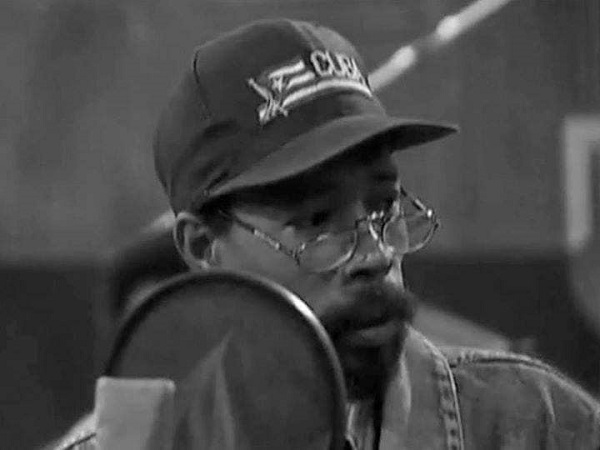
José Antonio “Maceo” Rodríguez was a faithful cultivator of Son Cubano and participated in the Afro Cuban All Stars project

José Antonio “Maceo” Rodríguez was born on April 17, 1950 in Holguín, Cuba.

Famous sonero voice leader of the group Sierra Maestra, he began his career at the beginning of the eighties of the last century with the group Sierra Maestra, integrated by former students of the Polytechnic University José Antonio Echeverría, of Havana, with which he won a televised contest of new musicians.

José Antonio Maceo Rodríguez was a faithful cultivator of Son Cubano and participated in the Afro Cuban All Stars project.

He died at the age of 55 on November 6, 2005 in Copenhagen, Denmark, of a heart attack, after giving a concert with his group at the end of a tour of Europe.

He was born on April 17, 1950 in a modest country house in the vicinity of the Antonio Maceo Sugar Mill, in Cacocun, in the eastern province of Holguin.

Relatives and neighbors say that since he was a child he loved art, music, pirouettes and attracting attention.

October 20, 1976 in Havana, together with his classmates at the José Antonio Echevarría University Center, he founded the musical group Sierra Maestra, called at that time Grupo de Sones de la Facultad de Ingeniería Eléctrica.

Those young dreamers performed in the popular contest “Todo el Mundo Canta”, where they took off on a spiral of success in Cuba and the world.

They traveled to many countries promoting Cuban music. They participated in Festivals of international relevance in Australia, Bosnia, Canada, Croatia, Cyprus, United Kingdom, Greece, Ireland, Israel, Italy, Macedonia, Mexico, Portugal, Puerto Rico, Singapore, Slovenia, Turkey, Yugoslavia and the United States.

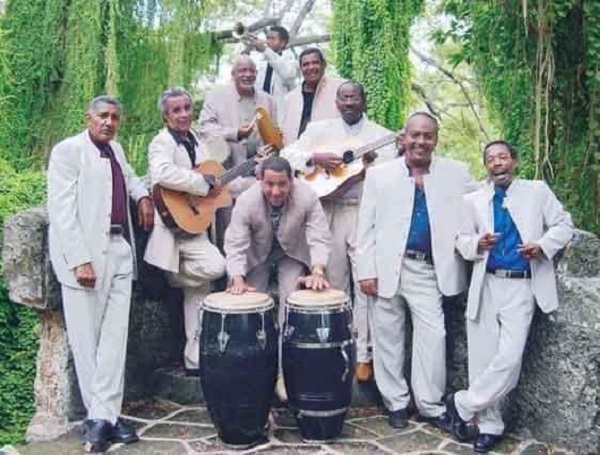
A faithful cultivator of Son, Rodríguez participated in the Afro Cuban All Stars project, nominated for a Grammy in 1998 and parallel to the Buena Vista Social Club.

José Antonio Maceo Rodríguez

His excellent voice, comparable according to critics to that of the great cultivators of the genre, was one of the emblematic of the current Cuban dance music scene.

She began recording in 1981 her first album, “Sierra Maestra Llegó con El Guanajo Relleno”, was a silver disc and received excellent reviews. He participated in the Afro Cuban All Stars project, and parallel to the Buena Vista Social Club.

The trumpet player José Alemañy, Cubanisimo, and Juan de Marcos González, founder of the Buena Vista Social Club, were his partners in the group for years, and together they undertook the task of recovering the tradition of famous sones and soneros, revitalizing the genre at a time when other musicians were opting for salsa and more commercial rhythms.

According to the Cuban composer, José Antonio Rodríguez not only possessed a very special voice, “he also had the courage and human qualities to remain faithful to that style, the son style, which is the mother of Cuban music”.

The repertoire of Rodriguez, known as Maceo among his friends and admirers, included, in addition to the great classics of traditional son, pieces that became very popular in his voice, such as Dame un traguito ahora or Esa mujer lo que quiere es que la miren.

Maceo, although small in stature, was an immense man, someone who could not conceive where to keep the torrent of voice he displayed without ostentation, so much musicality, intonation and love for Cuban music.

José Antonio was not only a great musician, he was a great person, very loved by his closest friends and in general by the people whose affection and admiration he won since the participation of Sierra Maestra in the Adolfo Guzmán contest and that thanks to his special way of interpreting the Cuban son, great musicians such as Ignacio Piñeiro’s Septeto were born again in the popular taste.

José Antonio Maceo Rodríguez y su Grupo

The singer died on November 6, 2005, just a few hours after finishing the European tour of Sierra Maestra with a concert at the Amager concert hall in Copenhagen.

With this presentation, the popular band put an end to the performance of all the Cuban artists who participated in the First International Latin Music Festival of that capital. The sonero’s remains were repatriated to Cuba, where he was buried.

Also Read: Bamboleo de Lázaro Valdés is another of those exquisite Cuban products, as well as sweet rum and mild cigars

Benny Moré. The story of Cuba’s biggest crowd idol

Latin America / Cuba / La Habana

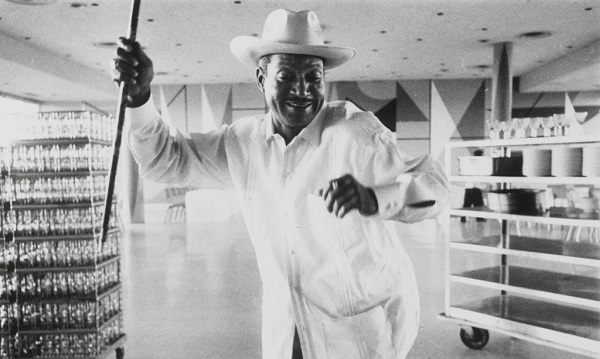
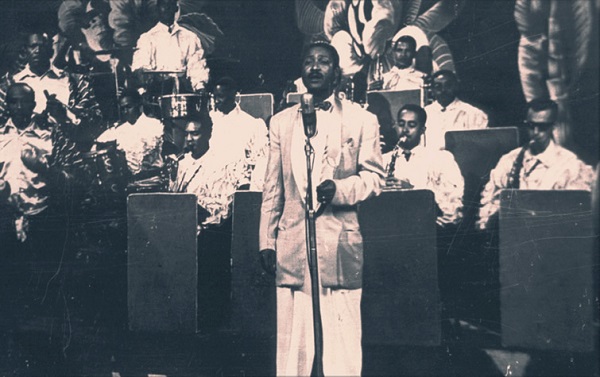
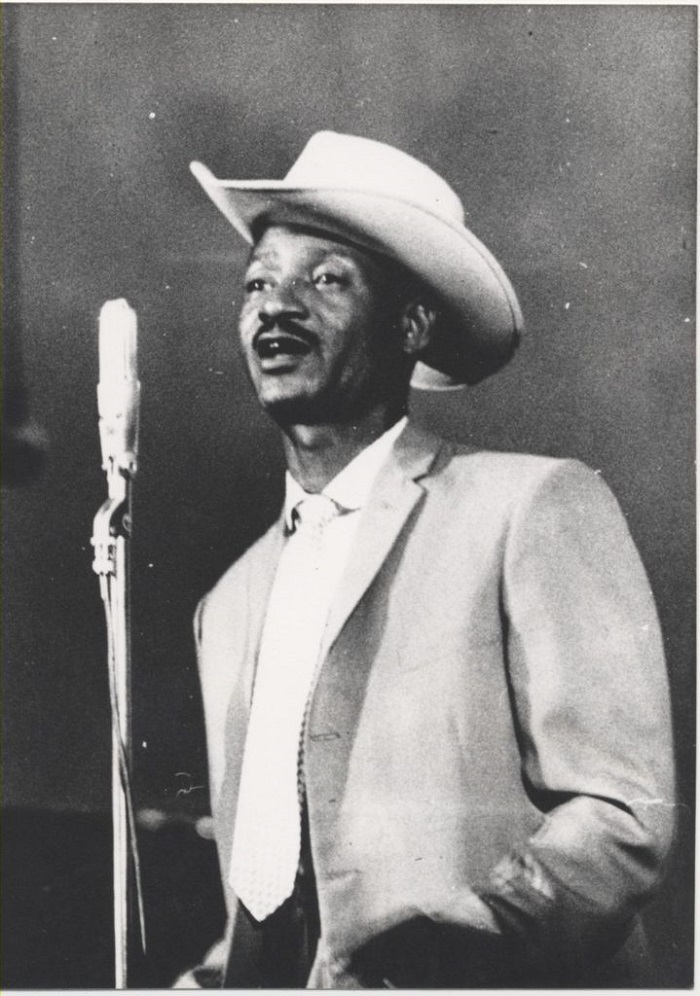
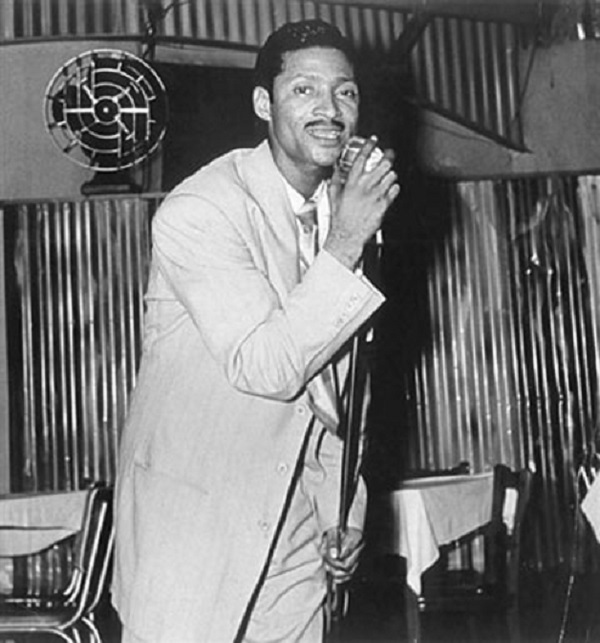
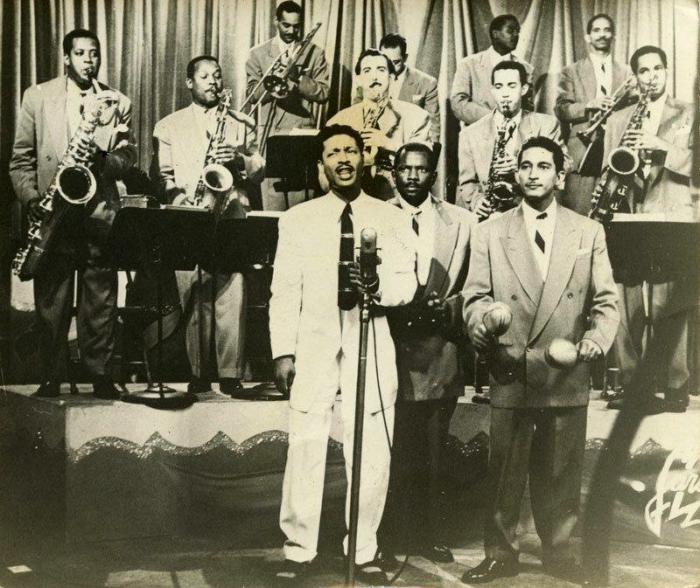
Who is Benny Moré? He is not just another musician, he is unanimously the most brilliant popular artist that has existed on the Afro-Cuban island. He is the symbol, the myth, the legend, it is undoubtedly the summary of the popular, rich and abundant music of Cuba.

Benny Moré symbolizes the peasant “Guateque”, the “Sarao”, the bohemian, the coffee, the bar, the theater, the party, carnivals, the show. “El Bárbaro del Ritmo” was the most popular in Afro-Cuban music.

Benny Moré
Benny Moré

He was born on August 24, 1919 at seven in the morning in the Pueblo Nuevo neighborhood of the town of Santa Isabel de las Lajas, belonging to the Cienfuegos province. His parents were Virginia Moré and Silvestre Gutiérrez, and Benny was the oldest of 18 siblings. His last name Moré came from Ta Ramón Gundo Moré (slave of the Count Moré), who, according to the tradition of the Congos, was his first king in Santa Isabel de las Lajas.

Benny was gifted with a fluent tenor voice that gave life with great expressiveness and this context was definitive for his future career in music. He learned to play the insundi, the yuka drums, the Makuta and Bembé, invocators of deities, with whom he not only sang and danced to perfection, but also played the son, the guaracha and the rumba.

Since he was a child he expressed his great vocation for music, he would spend all day humming a song or improvising and directing ensembles composed of machetes, bongos made with milk cans, guitars made with a board and nails with strings of string sew, two sticks as keys, and so on.

Benny Moré singing
Benny Moré singing

Moré was a teacher in all genres of Cuban music

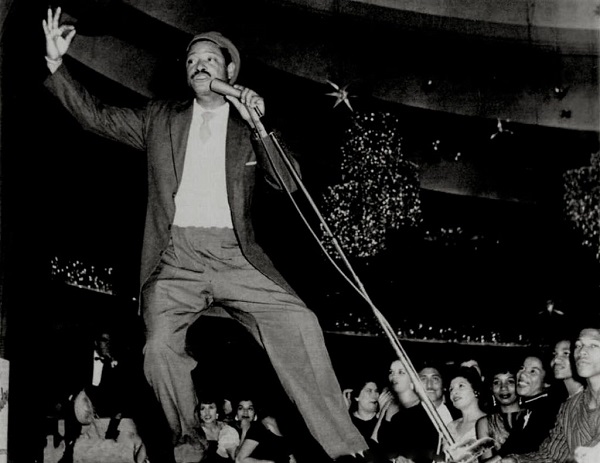
The “Bárbaro del Ritmo” could always be found standing on a table singing and playing, surrounded by listeners. Bartolomé spent his childhood and adolescence, with no opportunity for study or permanent employment. Like his brother Teodoro, Bartolomé was enrolled in the School of Public Instruction “José de la Luz y Caballero”, where he always stood out for his conduct and application.

Why is the Bacardi symbol a bat?

Since he was a child, Moré had skills for singing and improvisation, which he demonstrated when he was barely seven years old, when he would run away for a few hours to entertain parties in the neighborhood and loved singing notes with his mother, to prevent her from sleeping while ironing late into the night.

His voice was particularly highlighted in the Son Montuno, the Mambo, and the Bolero

Benny Moré live
Benny Moré live

Benny went through a complicated life, but he was willing to do anything to achieve his dreams of triumph. With almost 20 years of age, in 1940 Bartolomé said goodbye to his mother at the Hotel Ritz in the Central Vertientes, where she worked, and traveled hidden, indistinctly, by train and truck to the City of Havana. He was definitely in the mission to try his luck in the bustling city!

Since then, he was seen by the famous neighborhood of Belen, with a guitar acquired in a pawnshop, wandering through cafes, bars, hotels, restaurants, and even brothels. That same year he told his cousin: “I stay in Havana, I rise up here or I sink”. From that moment began the saga of concerts at the bars of the port avenue … Once remembering those times, he confessed: “I threw myself into the street with a guitar on my shoulder to sing to tourists. I am not ashamed of it; Carlos Gardel also did it in Argentina and is the king of tango. ”

At that time, the CMQ station began broadcasting the Supreme Court of Art. Bartolomé Maximiliano Moré appeared in that program that Germán Pinelli and José Antonio Alonso encouraged. After presenting it and at the moment of beginning his presentation, they rang the bell.

Later Bartolomé returned to Monte and Prado to the Supreme Court and on this second occasion he won the first prize. Possessing a fresh voice, beautiful timbre, sensual and evocative. Bartolo sang with all the inner strength that claimed the Cuban rhythms.

In one of his raids, Siro Rodríguez, member of the famous Matamoros Trio, heard him sing in the bar of El Templete restaurant, on Avenida del Puerto, and was very impressed by the boy’s voice and tuning.

The entry of Bartolomé to the group of Miguel Matamoros was a fact and can be considered as his real debut as a professional singer, because with this group he had for the first time a steady job as a musician and made his first recordings on 78 revolutions per minute discs.

Benny knew he had a voice, the luck and a destiny. Perhaps he sensed it, intuited it, or simply trusted his triumph. When he started with Miguel Matamoros and his group, I already wanted to make changes in the picket line.

In Mexico, when Miguel became ill, he was able to direct the group, took control and enjoyed the “Cuates” in El Patio cabaret. When the contract ended, the Matamoros group returned to Havana, but without Bartolomé, who decided to try his luck by himself in Mexico.

When he communicated his decision to the famous author of El Son Siembra Su Maíz, Miguel Matamoros said: “It’s very good, but you have to change the name of Bartolo, which is very ugly. With that name you will not go anywhere”, You are right, Bartolo replied, from today I will call myself Benny, yes, Benny Moré. ”

The owner of the business was hypnotized by the very tasty atmosphere that Benny led as director. After singing with several push orchestras in Mexico, he planted himself beautifully with the most famous band of the 20th century: Pérez Prado and the Cuban mambo.

With this meeting two geniuses joined: Benny Moré had talent and natural intuition; in Pérez Prado, in addition to all that, the mastery of technique and an enormous facility to make music. With Perez Prado he conquered the noble Aztec people on tours of different states of that sister country.

Benny Moré
Benny Moré

Due to the success achieved by Benny, the town gave him the title of “Prince of Mambo” and Pérez Prado, “King of Mambo“. He sang like nobody else in the world and began his international promotion.

By that time, Benny’s voice was known in Panama, Colombia, Brazil, Puerto Rico, Haiti, Venezuela, and of course, in his native Cuba.

In the joyful world of nightlife in Mexico City, the Cuban singer performed in many theaters, including Margo, Blanquita, Folliers and Cabaret Waikiki, alternating with renowned artists such as the legendary star Yolanda Montes (Tongolele), the Mexican Toña la Negra, and the outstanding cuban pianist and composer, Juan Bruno Tarraza, of whom Benny sang the bolero “It’s already twelve o’clock”.

Benny participates in many films and upon his return to Cuba, he was already certain that he had to be counted on.

The nostalgia for his family, friends, for the Homeland, and the desire to obtain laurels on his Island, where he considered that he was not known enough, made him return to his beloved Lajas at the end of the year 50. The ‘sonero mayor’ was definitely in Cuba, where he had left behind comforts, material and spiritual satisfactions, friends and even the loves that the successful do not usually lack.

During the following two years he acted by contract for a program called “De fiesta con Bacardí”, which was aired by the Eastern radio station with the orchestra of Mariano Mercerón, and the singers Fernando Álvarez Pacho Alonso.

Benny Moré
Benny Moré

As Benny Moré was an exclusive artist of RCA Víctor, this firm claimed his presence in Havana to make different recordings. In order to fulfill this commitment he gave alternative trips to Havana and thus maintained his responsibility with the eastern radio station.

After the commitment at Casa Bacardí and maestro Mercerón, in 1952 Benny Moré returned to Havana.

Certainly, Benny concluded an era, closed a chapter of Cuban musical life, that stage of nightlife that was already declining.

Benny’s life was related to a world that has already disappeared. Then everything became myths and legends … Benny kept on singing, but now it would be on scratch discs, which were digitized.

The “oidores” (listeners) will be transported in time, imagine the bars of the Havana port full of curious tourists. From Chinese restaurants selling “complete” to poor people who passed their hats, after singing through the streets of Havana – Cuba.

Benny Moré in concert

Young Puerto Rican singer Jeremy Bosch supports the Spanish Harlem Salsa Museum

There are many people who believe that salsa is a genre of past generations that does not have worthy youth representatives who stick up for this set of rhythms that has been keeping so many people dancing for so long, but fortunately they are wrong. Jeremy Bosch, whom we had the opportunity to interview at The Johnny Cruz Shw a few weeks ago is a god example of this.   

We are honored to know that one of the new sensations of Latin music, specifically salsa, supports one of the most important institutions dedicated to the genre such as the Spanish Harlem Salsa Museum, so we want to take advantage to talk a little about the career of this young singer and everything he has achieved so far.   

Jeremy playing the flute
Jeremy Bosch playing the flute live

Jeremy’s beginnings in this world 

Jeremy Bosch is a singer and flutist born in the city of Ponce, Puerto Rico, who began his journey in the world of music singing and playing percussion in the church on his block while growing up listening to a great variety of artists including Hector Lavoe to Chicago and Tonny Bennett, so he had influences of all kinds.   

Not much time would past before Jeremy took achevable steps towards the direction he was meant to take. At only 17 years old, he won a scholarship to study at Berklee College of Music in the city of Boston, United States, and graduated in 2023, specializing in jazz composition. From then on, what followed for the young artist have been successes and great proposals he could seize.   

One of thse things he is best known for is having been the vocalist and flutist of the acclaimed group Spanish Harlem Orchestra, but that has not stopped him from collaborating with great figures in the industry such as musical director and Grammy-winning percussionist Pete Perignon, with whom he recorded the social short called ”Sería Una Pena”.   

Johnny and Jeremy
Johnny Cruz and Jeremy Bosch posing for the camera

Jeremy’s professional career 

Sometime later, he would have the opportunity to realize one of the most important works of his career, which is the tribute to the late Cheo Feliciano, which was recorded live at the Dizzy Club in New York City and was titled ”The Music of Cheo Feliciano. In addition, the project included Nelson Gonzalez, Johnny ”Dandy” Rodriguez and Spanish Harlem Orchestra leader Oscar Hernandez.   

With regard to this great night for his career, Jeremy commented that since his debut both he and arranger and vibraphonist Felipe Fourniel had long time wanting to work on something about Cheo Feliciano and his legacy for a long time until they finally made it. This show was the sign that Jeremy has everything to become an icon of salsa and Afro-Caribbean music in general.   

As for his solo career, he has made a few remarkable recordings and one of them was ”Prologo Hoy”, which included the participation of Nicaraguan singer Luis Enrique and Cuban vocalist and guitarist Alain Perez. It is a five-song EP that focuses a lot on Afro-Colombian and tropical music, while including some covers in English such as ”Love Holiday”, which gives a distinct flavor to the material as a whole. 

Jeremy and Johnny on the set
Jeremy Bosch and Johnny Cruz on the set of The Johnny Cruz Show

Later on, Jeremy released ”Epilogo: la clave del tiempo”, which includes 11 tracks and is basically a mix of Afro-Cuban rhythms, soneo, urban genres, modern synthesizers, among other elements. The album starts with ”Locura” and continues with singles such as ”Try Again”, ”La Mala”, ”Autopsia” and a few more.   

Support for the Spanish Harlem Salsa Museum 

In the social networks of the director of the Spanish Harlem Salsa Museum, Johnny Cruz, there is a clip in which the The Johnny Cruz Show host introduces Jeremy as his special guest on that occasion, promotes the interview with him and describes him as the sensation of the moment. Then, the camera goes n Jeremy’s face, who thanks the invitation with a smile and assures that they both will have a good time talking about his life and career. 

We are honred to support young talents like Jeremy and, at the same time, to get the same support and love back because that is what salsa and the Latin music scene in general needs, that all those involved join together around it to keep it alive. 

Johnny Cru ISM corresponde in New York City


Read also: Paquito D’Rivera supports the salsa museum 

  • « Go to Previous Page
  • Page 1
  • Interim pages omitted …
  • Page 7
  • Page 8
  • Page 9
  • Page 10
  • Page 11
  • Interim pages omitted …
  • Page 26
  • Go to Next Page »

International Salsa Magazine (ISM) is a monthly publication about Salsa activities around the world, that has been publishing since 2007. It is a world network of volunteers coordinated by ISM Magazine. We are working to strengthen all the events by working together.