• Skip to primary navigation
  • Skip to main content

International Salsa Magazine

  • HOME
  • Previous editions
    • 2026
      • ISM / April 2026
      • ISM / March 2026
      • ISM / February 2026
      • ISM / January 2026
    • 2025
      • ISM / December 2025
      • ISM / November 2025
      • ISM / October 2025
      • ISM / September 2025
      • ISM / August 2025
      • ISM / July 2025
      • ISM / June 2025
      • ISM / May2025
      • ISM / April 2025
      • ISM / March 2025
      • ISM / February 2025
      • ISM / January 2025
    • 2024
      • ISM / December 2024
      • ISM / November 2024
      • ISM / October 2024
      • ISM / September 2024
      • ISM / August 2024
      • ISM / July 2024
      • ISM / June 2024
      • ISM / May 2024
      • ISM / April 2024
      • ISM / March 2024
      • ISM / February 2024
      • ISM / January 2024
    • 2023
      • ISM / December 2023
      • ISM / November 2023
      • ISM / October 2023
      • ISM – September 2023
      • ISM – August 2023
      • ISM July 2023
      • ISM Edition June 2023
      • ISM – May 2023
      • ISM April 2023
      • ISM March 2023
      • ISM February 2023
      • ISM January 2023
    • 2022
      • ISM December 2022
      • ISM November 2022
      • ISM October 2022
      • ISM September 2022
      • ISM August 2022
      • ISM July 2022
      • ISM June 2022
      • ISM May 2022
      • ISM February 2022
      • ISM January 2022
    • 2021
      • ISM December 2021
      • ISM November 2021
      • ISM October – 2021
      • ISM September 2021
      • ISM August 2021
      • ISM July 2021
      • ISM May 2021
      • ISM April 2021
      • ISM June 2021
      • ISM March 2021
      • ISM February 2021
      • ISM January 2021
    • 2020
      • ISM December 2020
      • ISM November 2020
      • ISM October 2020
      • ISM September 2020
      • ISM August 2020
      • ISM July 2020
      • ISM June 2020
      • ISM May 2020
      • ISM April 2020
      • ISM March 2020
      • ISM February 2020
      • ISM January 2020
    • 2019
      • ISM December 2019
      • ISM November 2019
      • ISM October 2019
      • ISM Septembre 2019
      • ISM August 2019
      • ISM July 2019
      • ISM June 2019
    • 2016
      • ISM December 2016
  • Spanish
  • Download Salsa App
    • Android
    • Apple

Search Results for: Dancing

5 best places to dance in Barcelona

Europe - Spain - Barcelona

5 best places to dance in Barcelona

We tell everything you need to know about it

Everyone wants to seize time when they travel, so we save you the search and show you the 5 places where you can go dancing salsa, bachata, merengue and all those vibrant tropical rhythms.

Europe cannot resist the swing of Latin music, dance and guaguancó!

1.- Antilla Salsa Barcelona

Antilla Salsa Barcelona is a discotheque specialized in Latin Music, the best option for your nights of Salsa in the city. Pass by the discotheque and share with us our happiness, our rhythm and our unique atmosphere. Approach to discover the musical selection of our DJs: salsa, bachata, kizomba, merengue, rumba, cha-cha-cha, casino wheel… They see and enjoy all our activities: exhibitions by renowned dancers, Free workshops and the collaboration of the Salsa-boys… Come and enjoy our unique and special environment!

Their school organizes the courses quarterly, and in the summer it also offers Intensive Courses and free Workshops for those who want to take advantage of their vacation period. Their School of dance receives pupils of all levels and for the different specialties and rhythms, too.
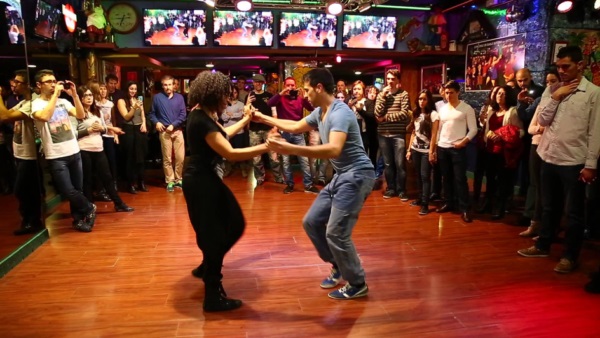
Antilla Salsa Barcelona

Address: Carrer d’Aragó 141, 08015 – Barcelona

http://www.antillasalsa.com

www.antillaescueladesalsa.com


2.- Mojito Club

Mojito Club is offering three salsa-nights a week and has one night completely dedicated to Cuban music. If you want latino music, salsa or bachata, Mojito Club is the place to go!  On Fridays & Saturday the club is 100% an international latino music club. You will also find orchestras playing live music that you can strut your moves to. The club is very popular and might be busy on Fridays and Saturdays, so arrive early! Mojito Club is the reference of Salsa, Bachata and Latin music in Barcelona. The classic Mojitos and an international cocktail bar and the restaurant will not leave you indifferent!

Sundays is student’s day! If you are a student of their dance school, Sunday is your day. Enjoy discounts with your VIP card and wardrobes for FREE. If you don’t know how to dance, they have their own Salsa School where you can learn from the first steps to the most advanced movements.

Mojito Club
Mojito Club

Address: Carrer del Rosselló, 217, 08008 Barcelona

http://www.mojitobcn.com


3.- Habana Club

Habana Club is both a dance club and a restaurant in one. Go there for a delicious meal with live music or show off your rhythm and moves on the dancefloor. The club is located in the district of La Barceloneta and is very popular. You’ll definitely enjoy the view! The party in Habana Barcelona consists of a large number of live shows that will make you enjoy music, quality and harmony of your audience to the fullest. A place where you can enjoy a full night, with exquisite dinner, dances with our entertainers and the best tropical cocktails and mojitos in Barcelona.
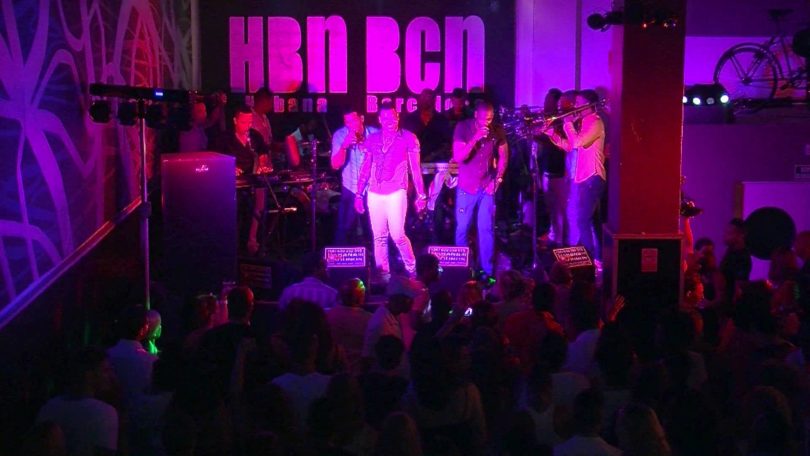
Habana Club
Habana Club

Address: Passeig de Joan Borbó, 74.


4.- El Bombón

El Bombón is the portal to the Caribbean in the heart of Barcelona. Salsa, latin soul, merengue, caribbean food and cocktails. The best Caribbean tapas in Barcelona and the best music. Amazing cocktails and amazing food!! Really good dancing music but not enough space to dance, so try to go to monday to friday.
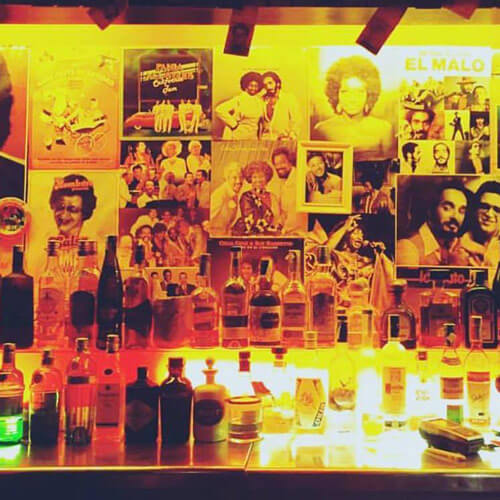
El Bombón
El Bombón

Address: C. Mercè, 13 bis, Barcelona.

https://www.facebook.com/bombonbarcelona/


5.- Dio Club

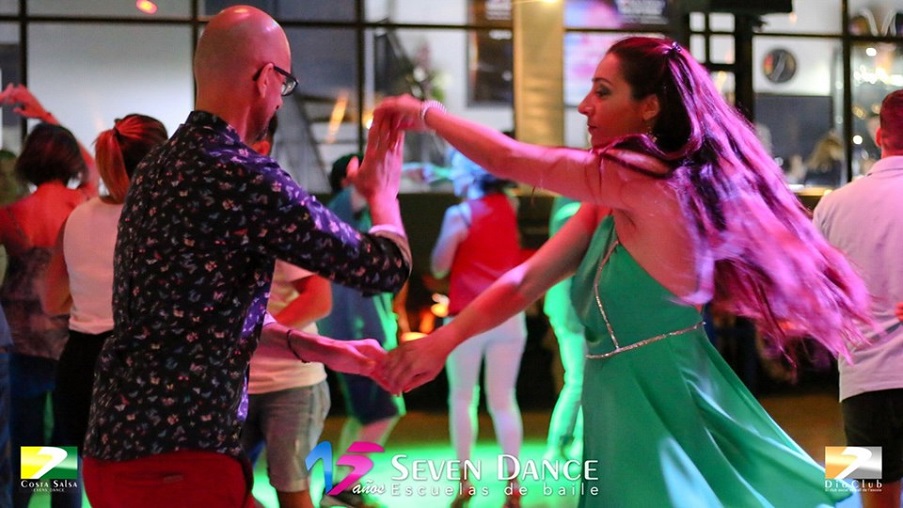
The party for students and partners of the Seven Dance dance school.

It is a magnificent space in the neighborhood of Gracia that has 2 spacious dance halls and that on Thursdays and Saturdays you can go dancing salsa, bachata and kizomba as long as you have your school membership card. You can get your card completely free at the door or by contacting them previously. On Fridays and Sundays you can go dancing ballroom dancing or swinging. It is advisable to check the schedule before going to dance. A lovely place to practice any type of dance offered there, plenty of space, comfortable ventilation and a bar as god commands.
Dio Club
Dio Club

Address: Carrer del Perill, 10 08012 Barcelona
https://www.facebook.com/pages/Dio-Club/544345925626341

Where to dance Salsa in London?

Europe/ England/ London

Where to dance Salsa in London?

dance salsa
dance salsa

We present you 5 options to go dance Salsa in London

Every place just promise delicious cocktails and a hearty food menu, also features salsa classes, cocktail masterclasses and fun-time Latin party vibes. In London there are all kinds of events and parties, and Latin music is not far behind. So you will find numerous options to enjoy a night of salsa in the English capital.


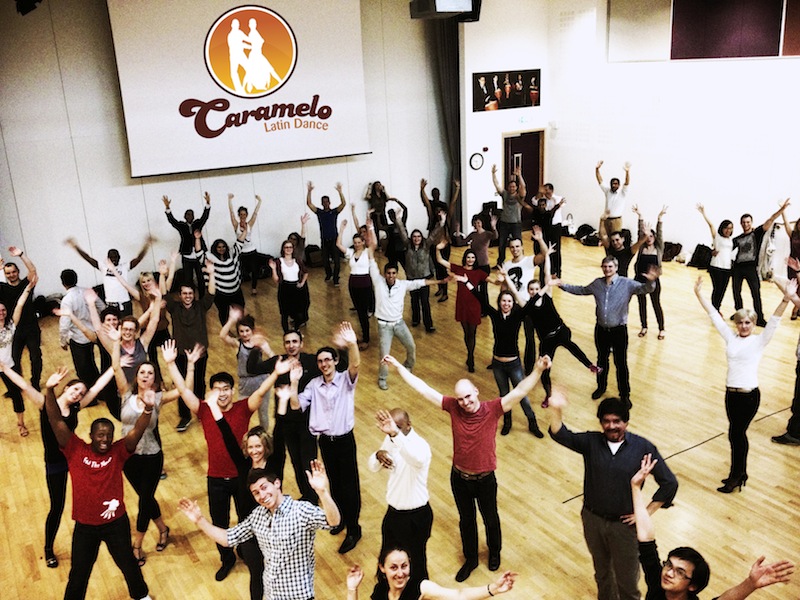
1.- Caramelo Latin Dance:

It’s a dance school with Salsa On1 and On2 classes, plus they have the option of doing an intensive salsa in one day, so if you go with your salsa friends to London, this is your chance to learn the basics, and leave to dance with them.

From time to time the school organizes an event for social dancing.

Caramelo Latin Dance

Address: Paddington Academy, 50 Marylands Rd, London W9 2DR.

Metro: Warwick Avenue

Call them:  +44 7572 891570


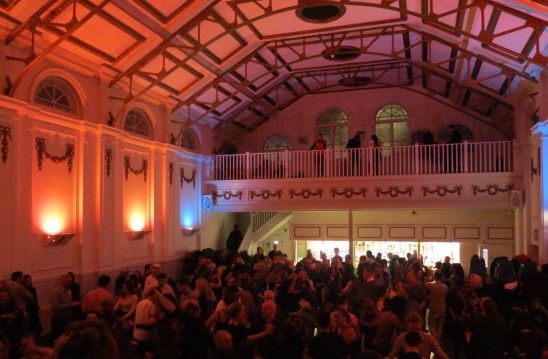
2.- Hammersmith Salsa & Bachata Club:

6 levels of Bachata and Salsa classes followed by loads of social dancing. Absolute beginners always warmly welcomed. Make new friends, get fit, have fun and dance your night away. Every week DJ Incognito  regularly play the latest Salsa, Bachata, Cha Cha and Latin music. Fun and friendly staff.

Hammersmith Salsa & Bachata Club
Dance in Hammersmith Salsa & Bachata Club

Address: 11 Rutland Grove, Hammersmith, London W6 9DH.

Call them: +44 7831 715368


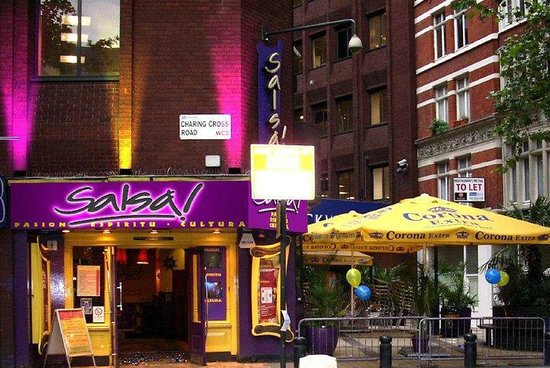
3.- Salsa! Soho:

Partying is what they do, and they do it well! Party with them and you will get a big injection of Latin party vibe to your celebration!

They have menus to suit all occasions. Salsa classes every night of the week, amazing drinks menu with over 50 cocktails and of course non- stop latin music. Enquire about booking and plan your party.

Salsa! Soho
Dance in Salsa! Soho

Address: 96 Charing Cross Rd, London WC2H 0JG

Call them: +44 20 7379 3277


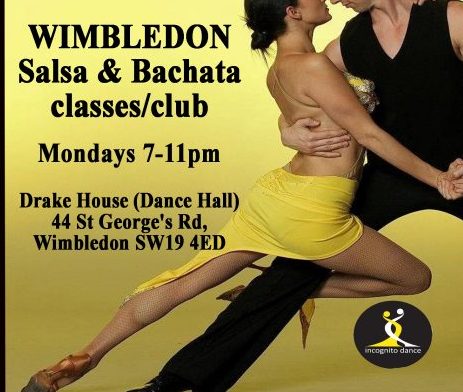
4.- Wimbledon Salsa and Bachata Club and Classes:

Fun & friendly classes for dancers of all levels. Plenty of high quality social dancing to the best and  latest Salsa, Bachata, Cha Cha and Latin grooves. Absolute beginners warmly welcomed. High quality lessons from Beginners to Advanced. No prior bookings needed, just turn up and dance.

Wimbledon Salsa and Bachata Club
Dance in Wimbledon Salsa and Bachata Club

Address: 44 St George’s Rd, Wimbledon, London SW19 4ED

Call them: +44 7831 715368


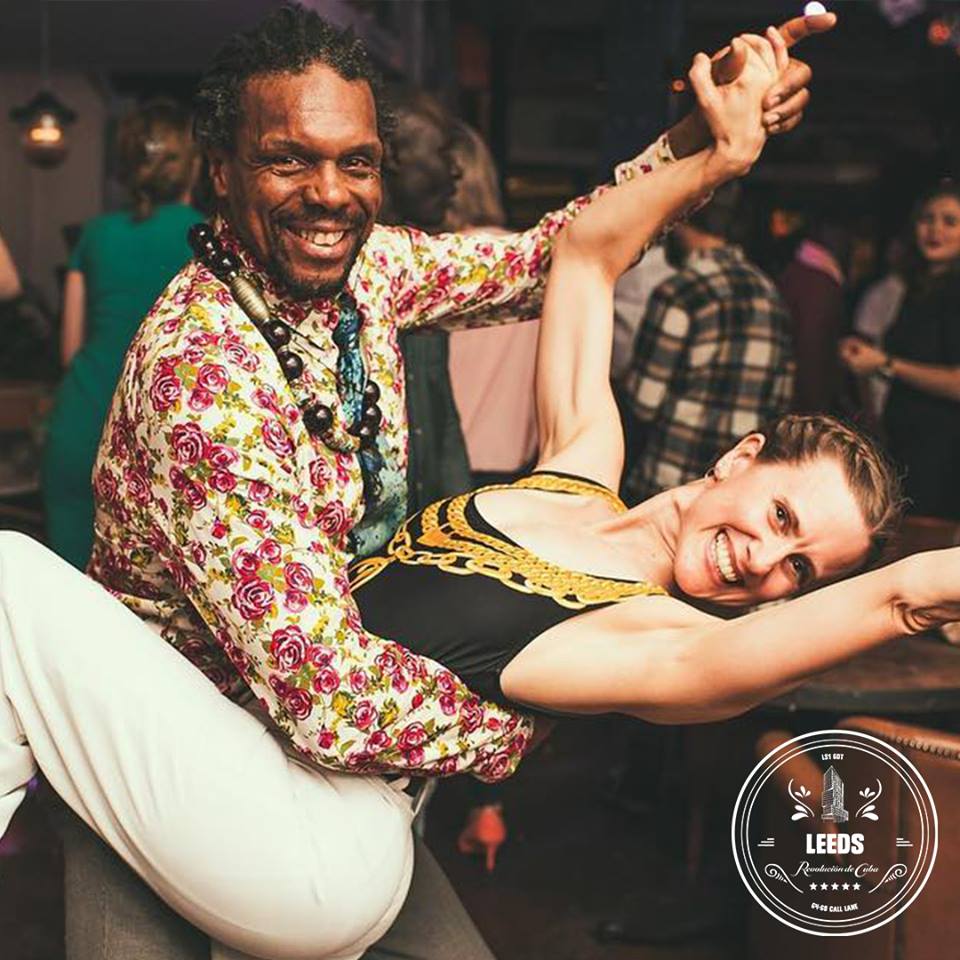
5.- Revolucion de Cuba:

Rum Bar & Cantina. Unique, expertly made cocktails and Latin-inspired food, with amazing music and live entertainment. Feel-good Cuban vibes all year round! This is not only one bar.

It’s the story of a team of rum lovers, who knew that taking on this spirit meant capturing it. And that doing so would lead to a discovery of food, drink, dance and the culture that makes up one of the world’s most exciting and intriguing places: The island of Cuba.

Revolucion de Cuba
Dance in Revolucion de Cuba

Address: More of 15 locations in England, you can choose anyone!

Call them: +44 1423 226133

We hope this alternatives help you enjoy a great party. Tell us how do you spend the night dancing London.

Know the connections of tropical dances

Latin America / Venezuela /Caracas

Tropical Dances:

Did you know that people have several ways of communicating?

Oral communication is what we normally use to communicate in such a way to establish and maintain personal relationships, and to show not only words and express emotions and/or feelings, body communication is used, which can be said in a few words that it is a form creatively expressing through gestures, eye contact, poses, and arm and leg movements; turning this form of communication into something more intimate and accurate without the need for the use of words.

Salsa dancers

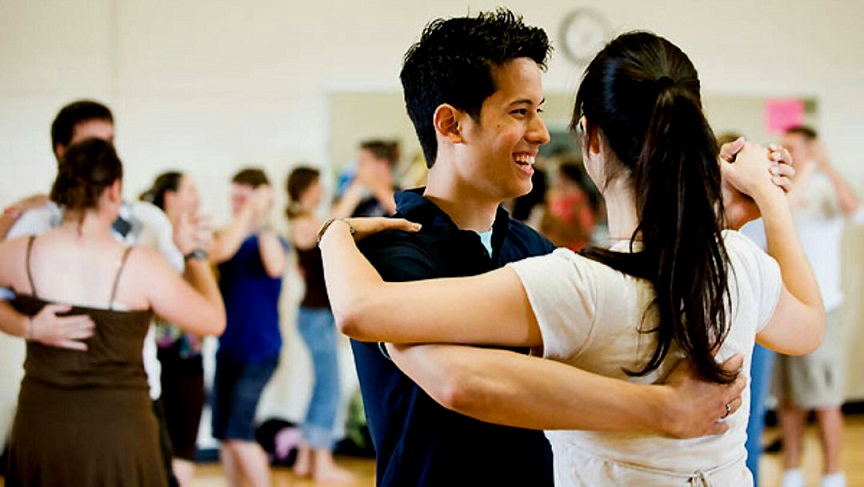
In social activities, one of the most popular is dancing, where body communication is very important since the couple or group needs to know certain signs that indicate “when” or “how”, in order to perform the steps and how. As a result, the success of said interpretation will test the quality, maturity and growth of the dancers in the rhythms they dance.

dancers dancing in a club tropical

Of course, it should be noted that each musical genre has its own rules, especially in the counting of steps in music, which gives grace, stability and rhythm to the dancers in the song played either in a musical event and is of vital importance not only for a casual event but for a competition. For this reason, it is important to know the steps and turns to perform and have excellent body communication (especially if it is as a couple) to know what they are going to do.

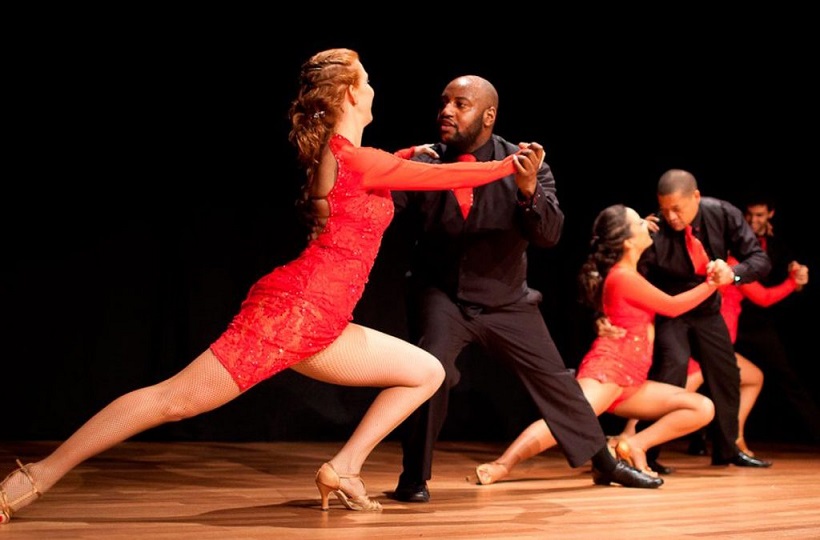
dancers dancing salsa, bachata and other tropical dances

In Latin rhythms, this type of communication is really important, otherwise the grace of the dance is lost. Among the most important Latin rhythms that are essential and/or significant are:

  • Salsa: a Latin tropical rhythm that, although it was born in Cuba due to the mixture of “Guaracha”, “Son”, “Mambo”, “Cha Cha Chá” with a unique style, through time several types emerged ( Salsa Cubana, Salsa en Linea, Salsa Casino, Salsa New York or Mambo style, Salsa Cali style, Salsa Puerto Rican and Venezuelan sauce). In this dance it is very important to pay attention to the look, the hands and arms (the latter in the case of the man since with him he dominates and/or controls the woman in the dance and she must interpret what the next movement is) to thus being able to perform either a simple step or a few laps, of which there is a great variety of them.
  • Bachata: is a danceable musical genre originating in the Dominican Republic, within what is called urban folklore. It is considered a derivative of the rhythmic bolero, with influences from other styles such as the Cuban son and merengue. This dance has great sensuality like the rest of the Caribbean rhythms, where it requires an unbeatable appearance on the part of the dancers when performing it, where that connection with the couple is important so that it can impress the public.
  • Merengue: is a dance music genre originated in the Dominican Republic at the end of the 19th century. It is very popular throughout the American continent, where it is considered, along with salsa, as one of the great dance musical genres that distinguish the Latin American genre.
  • Kizomba: a very sensual rhythm that emerged in Angola, which resulted from the mixture of 3 cultures (Angolan colony, Portuguese colony and part of Cape Verde “Brazil” as well as the French Caribbean of Martinique and Guadeloupe.). In this rhythm, the connection of the couple, especially the woman, is of vital importance, since the movement of the hips is slow and sensual, as are their steps. Did you know that many people have the prejudice that it is a very sensual dance, however, it is as sensual as you want to project it, in the same way it happens with Bachata and Merengue, they can be as sensual as you want to project them or as normal how you want to do it.”

So, if you want to give life, grace, elegance and popularity to your dance, keep in mind, keep in mind these characteristics and how you manage to synchronize with your partner and show your spectators either in a personal party, competition, event and/or or congress, whether national or international, which is a true dance.

dancers pre-performing tropical dances

Irawo Orchestra

Latin America/ México / México City

Irawo means “Star” in the Yoruba language of African origin.

Irawo is an Afro-Caribbean Rhythms (Salsa) orchestra that arises with the purpose of rescuing the original sound of La Salsa Dura from the 70s`s created in the city of New York and Puerto Rico, to bring this concept to the style of Irawo to the new generations.

Irawo Orchestra
Irawo Orchestra logo

Understood and interpreted from the vision of the Mexican musician, since its music and arrangements are original, which makes it an orchestra that plays salsa 100% made in Mexico with a modern, dynamic, energetic and unique sound.

Irawo Orchestra is made up of musicians who have a career in which they have participated with great international figures of Salsa, as well as other genres such as: rock, pop, Mexican music, jazz, which is projected with a high level of execution.

Irawo Orchestra is for the Mexican and international salsa public, knowledgeable and demanding, and for anyone passionate about dancing and enjoyment.

Musical director of VibraSÓN Jake Jacobs is here

VibraSÓN is a musical group that makes life in the state of California, specifically in the San Francisco Bay Area, which has become one of the best options for festivals and nightclubs seeking fresh sounds in terms of salsa, swing and Latin music in general.    

I was pleased to know about this great orchestra, its members and sound thanks to its work at Charley’s LG, Bar and Nightclub where Eduardo Guilarte, our editor, was working and directing everything related to the lineups and musical programming for Latin music nights, more specifically on Tuesdays.   

When I made contact, the person who was kind enough to reply was musical director of VibraSÓN. Jake Jacobs, who at the same time works as a producer, percussionist and backing vocalist.    

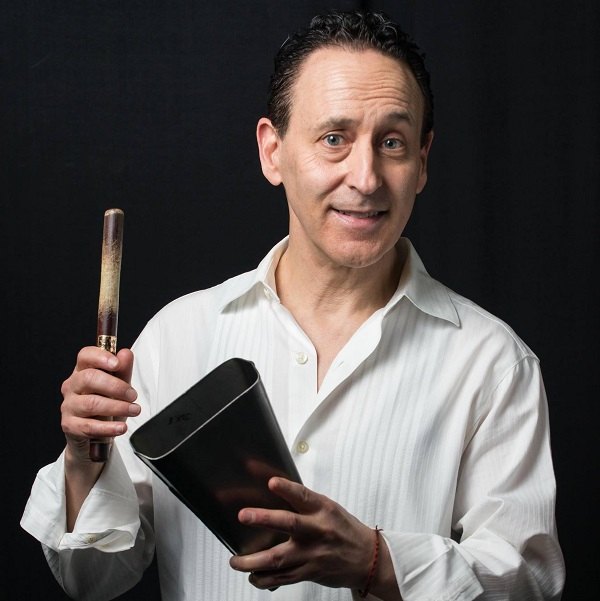
Jake Jacobs from VibraSÓN
Jake Jacobs, musical director of VibraSON

Talk with Jake Jacobs from the group VibraSÓN   

Jake Jacobs comes from a very interesting background. His first contact with music took place with his father and uncle, both of whom were professional musicians, but Jake says he has always been interested in this world.   

He studied classical piano and music theory at the University of Illinois and took some jazz piano lessons in his passage through the University of California. During these years, the musical director spent roughly 13 hours a day practicing with this instrument to master it as well as possible. 

With time, he became interested in Latin music and dance, which also led him to take dance classes at university. With that knowledge acquired up to that moment, he went to visit New York and his trip coincided with the National Puerto Rican Day Parade (an event held annually in New York and other states to celebrate Puerto Rico and its traditions in the United States). 

This event inspired Jake so much that he returned to the Bay Area with the intention to switch his dance classes to salsa classes. He became so good that he began to teach salsa dance classes himself to numerous students interested in learning these rhythms, something he has been done for over 20 years in widely recognized clubs and dance studios.   

He used to provide these classes twice a week at the Cocomo Club, which was very important at the time and attracted more than 600 people every day. When bands performed live, the future leader of VibraSÓN began to know musicians, who, in turn, gave him music lessons and his first opportunities to play in bands.   


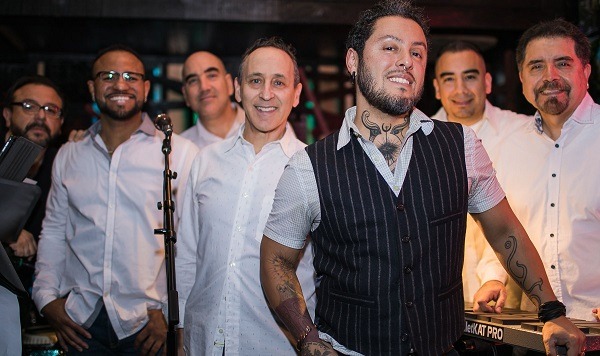
Jake Jacobs with VibraSÓN
Jake Jacobs and the other members of VibraSÓN

Apprenticeships and classes with great musicians 

One of the most impressive credentials that Jake can have is to have studied with some of the best musicians in the San Francisco Bay Area such as Edgardo Cambón, Karl Perazzo, Michael Spiro, Louie Romero, among others. 

Evidently, all these luminaries have taught the producer much of what he knows and applies today, but he ensures that it was not easy to learn from so many ”teachers” at the same time, in both dancing and music performance.   

Ensures that some of the most important things he learned have to do with technique and tips to be applied such as how to play the drums, the notes at the right times, silences and much more. 

He points out that they all taught him valuable and important things, which are still very useful to this day. One of those great lessons was to practice and practice until he achieved the sounds he wanted, especially in Latin music. 

VibraSÓN 

Finally, in 2014, Jake decided it was time to put into practice everything he learned and create his own musical group with his own original details. This is how VibraSÓN came about.    

The origin of his band’s name came from Luis Morales, one of its members. It is based on vibraphone, which is not widely used by the orchestras from the San Francisco Bay Area, but by the dancers and by this new group in their performances. As for the end of the name, it comes from ”son cubano”, a typical genre of the island Jake likes very much.   

Although Club Cocomo unfortunately closed the following year, that didn’t stop VibraSÓN from making its way and becoming one of the most demanded groups in the Bay Area in recent years.   

One of the things that Jake thinks makes his group unique is that there are very few people who use the vibraphone and, due to his training as a dancer, he is always looking to make the most appropriate music for that part of the audience for whom dancing is very important.   

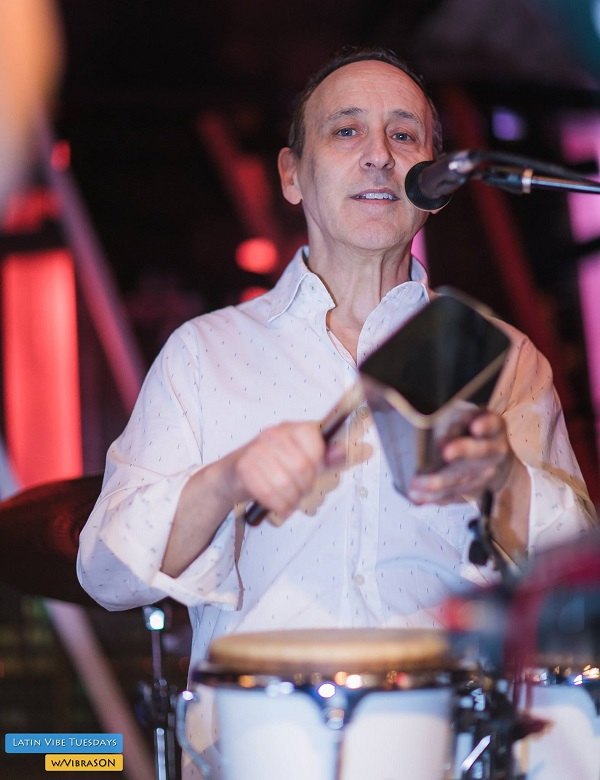
Jake Jacobs in San Francisco
Jake Jacobs performing on stage in San Francisco

How Jake and VibraSÓN read the crowd   

For Jake and the rest of the band, it is very important to read the crowd and see how people react to the music they play at any time. They pay a lot of attention to the dance floor to see what works and what doesn’t with the people they play for that night.   

Having played at clubs such as Charley’s, Bar Fluxus, La Peña Cultural, The Cigar Bar and Space 500, they have prepared a very generous repertoire for each performance. Just as they have written original music, they have also dedicated themselves to perform covers of the most buzzed-about artists in recent times in certain contexts, something that worked out for several orchestras when they need to draw on these resources to entertain the audience.   

This wide repertoire that they now enjoy is what has allowed them to make diverse shows with lots of variety so that those present never get bored, even if they usually go to the same place.   

Another thing they tend to do is add new arrangements and change genres to the covers they do so that they do not sound exactly like the originals and they can inject some of their essence, even if they are not songs written or sung by them originally. ”Even if they are covers, we always try to add our original arrangements so that the dancers enjoy them that much more” said Jake.   

They have also learned to connect with the audience and know what the dancers and the general public want in order to give them exactly what they want. And they did not learn this overnight, but have observed in detail what other orchestras do to imitate what is good and useful.    

Jake and VibraSÓN on stage
VibraSÓN performing on stage

Tours and future plans of VibraSÓN

At the end of the interesting talk, Jake told us that, for now, they only plan to record new music and other activities that are comfortable for all the members, since many of the musicians are in other orchestras and record for other people, so it is too complicated for them to tour with VibraSÓN. In addition to that, several of them have small children to care for, so it is impossible for them to travel for a long time.   

He is so considerate because he always tries to keep the same members and preserve the unity of the group above all else. It has worked for them, as they have managed to made a name, which will continue to become popular over time. 

Read also: Fausto Cuevas Y La Moderna in International Salsa Magazine 

  • « Go to Previous Page
  • Page 1
  • Interim pages omitted …
  • Page 30
  • Page 31
  • Page 32
  • Page 33
  • Page 34
  • Interim pages omitted …
  • Page 66
  • Go to Next Page »

International Salsa Magazine (ISM) is a monthly publication about Salsa activities around the world, that has been publishing since 2007. It is a world network of volunteers coordinated by ISM Magazine. We are working to strengthen all the events by working together.