• Skip to primary navigation
  • Skip to main content

International Salsa Magazine

  • HOME
  • Previous editions
    • 2026
      • ISM / April 2026
      • ISM / March 2026
      • ISM / February 2026
      • ISM / January 2026
    • 2025
      • ISM / December 2025
      • ISM / November 2025
      • ISM / October 2025
      • ISM / September 2025
      • ISM / August 2025
      • ISM / July 2025
      • ISM / June 2025
      • ISM / May2025
      • ISM / April 2025
      • ISM / March 2025
      • ISM / February 2025
      • ISM / January 2025
    • 2024
      • ISM / December 2024
      • ISM / November 2024
      • ISM / October 2024
      • ISM / September 2024
      • ISM / August 2024
      • ISM / July 2024
      • ISM / June 2024
      • ISM / May 2024
      • ISM / April 2024
      • ISM / March 2024
      • ISM / February 2024
      • ISM / January 2024
    • 2023
      • ISM / December 2023
      • ISM / November 2023
      • ISM / October 2023
      • ISM – September 2023
      • ISM – August 2023
      • ISM July 2023
      • ISM Edition June 2023
      • ISM – May 2023
      • ISM April 2023
      • ISM March 2023
      • ISM February 2023
      • ISM January 2023
    • 2022
      • ISM December 2022
      • ISM November 2022
      • ISM October 2022
      • ISM September 2022
      • ISM August 2022
      • ISM July 2022
      • ISM June 2022
      • ISM May 2022
      • ISM February 2022
      • ISM January 2022
    • 2021
      • ISM December 2021
      • ISM November 2021
      • ISM October – 2021
      • ISM September 2021
      • ISM August 2021
      • ISM July 2021
      • ISM May 2021
      • ISM April 2021
      • ISM June 2021
      • ISM March 2021
      • ISM February 2021
      • ISM January 2021
    • 2020
      • ISM December 2020
      • ISM November 2020
      • ISM October 2020
      • ISM September 2020
      • ISM August 2020
      • ISM July 2020
      • ISM June 2020
      • ISM May 2020
      • ISM April 2020
      • ISM March 2020
      • ISM February 2020
      • ISM January 2020
    • 2019
      • ISM December 2019
      • ISM November 2019
      • ISM October 2019
      • ISM Septembre 2019
      • ISM August 2019
      • ISM July 2019
      • ISM June 2019
    • 2016
      • ISM December 2016
  • Spanish
  • Download Salsa App
    • Android
    • Apple

Search Results for: Dancing

Origins of Kizomba

Kizomba is a very catchy musical genre that has its origin in Angola, Africa. It can be said that its birth was in the 1980s; but if we want to understand its history, we must look further back to the 50s and 60s.
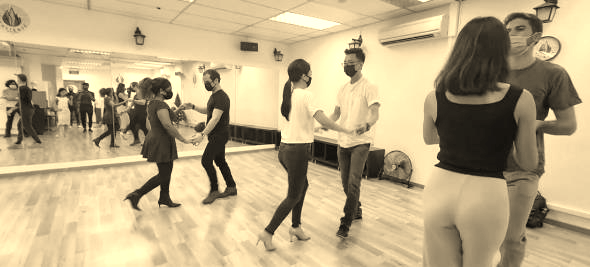
Kizomba class photo
Kizomba class photo

It was then that certain traditional dances of the African country and one of them was semba, began mixing with other rhythms both from its country of origin and other cultures after Africa was colonized by Europe in the 14th century. It is from there that a fusion of rhythms begins in which partner dancing takes center stage.

However, the old continent did not do all the work. Argentina and Cuba also played an essential role in the form in which semba must be danced.

In Portugal, the word Kizomba has its origin in all musical rhythms that derive from zouk, with which it is often constantly confused. It is a type of dancing laden with great sensuality and highly contagious that has become very popular with the passage of time, particularly in countries such as the United States, Canada, France, Spain, Poland, Belgium, Denmark, among others. Many Latin Americans consider that this is a breath of fresh air because it does not seem like anything they previously knew in terms of dance.

One of the reasons that it became so famous around the world is that this dance is very easy to learn due to its softness and simple dance steps. If you want to learn to dance, kizomba is a very good option to begin with.

Kizomba lets the couple play the music they dance. The more intimate the members of the couple, the more likely that the dance will be much more sensual and there will be much more complicity between men and women who enjoy this pleasure.

How kizomba originated

As we have said previously, kizomba has its origin in Angola, which was a colony of Portugal in the mid-1970s. With the arrival of Cuban military personnel, certain rhythms came from the Caribbean island that started to be used by various Angolan artists for their musical projects. The result was a fabulous mix of fast local rhythms with much slower, romantic and partially synthetic sounds.

The resulting genre was danced with semba and merenque, which made it known as kizombadas and, subsequently, kizomba.

By the 90’s, the word kizomba started to be used in Portugal to refer to all African rhythms danced in the nightspots of the most important cities in the European country. With the passage of time, the term would be used to refer to the musical genre and many other sub-genres with which it shares history.

Once this type of dance began to take hold in the rest of Europe, it was in France where all these rhythms that resemble one another started to be called kizomba, leading to the controversy over whether it and soft zouk are the same. Given that on certain islands belonging to France they were the cradle of zouk, it can be assumed that this has kindled heated debate even further still.

At the beginning, kizomba was only able to spread throughout the African continent, but migration allowed it to reach Europe and America respectively where a lot of passionate dance groups of this genre began to appear. The number of followers accumulated by this genre in countries such as Portugal, France or Spain was very huge.

Currently, there are a number of exponents of this kind of music that became famous worldwide such as Nelson Freitas, Djodje, Anselmo Ralph, Matias Damasio, among many others.

Kizomba dancer in Europe
Kizomba dancer in Europe – Origins

Kizomba in Europe

It is incredible the number of places where you can enjoy this spectacular dance. One of them is the world famous Eiffel Tower, where there are many options to learn or improve the dance steps. In France, the genre has been very popular, so much so that many places for dancing celebrate exclusive kizomba nights known as kizomba soirées by the locals. Considering the major African influence on this dance, those wishing to find out more will be able to enjoy a wonderful mix of dance styles and cultures that will leave no one indifferent.

In these places, you can share with a very impressive amount of tourists and foreigners from around the world. This contributes enormously to linkages and friendships between people of other cultures and other ways of seeing the world, which may be very rewarding from all points of view.

In the case of Lisbon, Portugal, it can be said that this is another place that every lover of kizomba in Europe should visit. Besides being a city that receives all its visitors with genuine hospitality, the dancing and music are ever-present. Among the many places you can go to enjoy the dance, it is important to mention the Estudio Sabor & Dança dance studio, the Academy World Dance and the Kizomba Power Dance School.
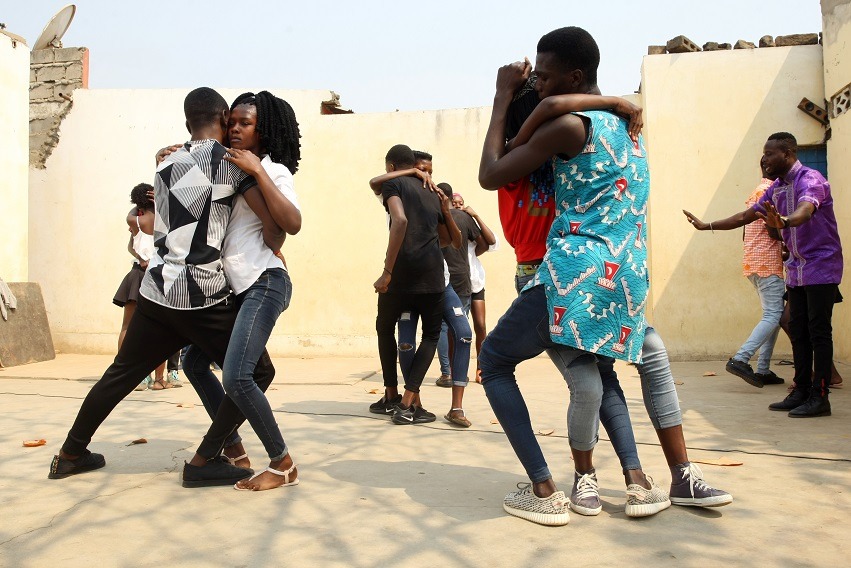
Kizomba class in Europe

Regarding Barcelona, Spain, what can be said is that this is one of the best European cities for dancing as there is a gigantic variety of musical styles that can be found there. There are always parties and events worth attending. One of those dances that can be found in the city’s nightlife is kizomba that has gained popularity in recent years.

Latin music events and festivals were based on salsa and bachata, but kizomba has completely changed that reality. Today, it is very common to find festivals and congresses dedicated exclusively to this dance and its most loyal lovers. If you want to learn to dance this genre, there are a number of schools and workshops that could be very useful such as Así se Baila, Seven Dance and Baila Barcelona.

Kizomba in Latin America

Many people who do not know the origin of the kizomba think that it originated in Latin America due to its type of dancing, but the fact is that this dance was not even known in most countries of the continent. In fact, its main boom started relatively recently in some places such as Colombia, where it began to be known not long ago. In that country, there are currently academies and teachers who are dedicated exclusively to this musical style, which has started to happen in other Latin nations.

In Venezuela, it is said that it has been danced for more than 10 years, but it began to be known a short while ago thanks to some videos on the major social networks after it became famous in Europe. The pioneers of this practice were a certain number of instructors born in the Caribbean country after being trained in Brazil. Following this, kizomba was the subject of a great deal of interest in many young Venezuelans who want to learn to dance it. There are not many records on places to dance where this genre may be found, but there is no doubt that soon it will be like this.

Kizomba dancer in Europe

Kizomba in Asia

There are many events and congresses linked to kizomba in Asia, which have a great influx of visitors, even when it is commonly believed that Asians are not fans of this type of rhythm. Experience with congresses of the last years has given the impression that this is not true. In fact, there are many fans of this rhythm from the continent who want to know all events and competitions details that are carried out in their countries for the coming months.

Japan is one of the nations where this type of event can be found the most. Such is the case of the Japan Kizomba Festival that has been going on in the country for many years due to the high level of attendance of visitors.

Video: https://www.youtube.com/watch?v=6WOVBNULkYc


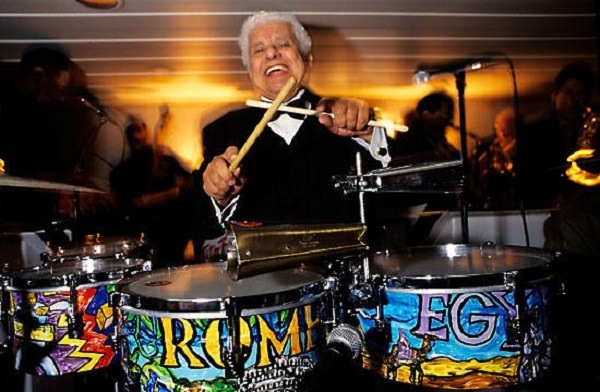
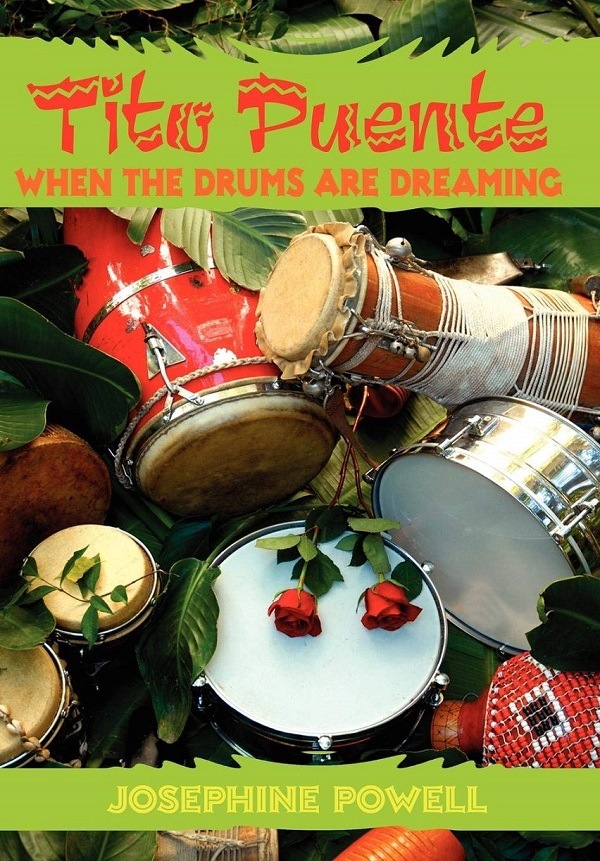
“Tito Puente: When the drums are dreaming” A biography of the King of Latin Percussion by Josephine Powell

North America – USA –CaliTifornia

This month we are sure that you will have time to enjoy an excellent reading at home. So we recommend this book by Josephine Powell. An interesting biography about the legendary Tito Puente, that takes us on a journey through the more than 60 years in which he performed.

Further the life of Tito Puente, you can know his insight into the Latin music industry. With many anecdotes of his encounters, racial discrimination while touring and how that impacted his relationship with other band members. There are also numerous insights into his personality, his temperament, and the many obstacles he had to overcome to achieve legendary status.

Josephine Powell’s book on Tito Puente and his contributions to Latin music and dance is a treasure trove of people, places, facts and history. Because of the author’s place in the history of Latin dance, she takes the reader with her through that fascinating maze of how artists like Puente changed the exposure and tastes of the American public and the world.

The Latin Ballroom world today reflects how we adore – and then neglect and forgets – the people who made us who we are. She mentioned many fascinating dance-related characters in this story that takes place in New York, Los Angeles, Miami, the Catskills and Havana.

It is also a much-needed history of great nightclubs and ballrooms, which are only dim memories for the young – but in their time, were the breeding grounds of Latin music and dance. Tito Puente’s percussion and passion are finally brought to life in a fascinating book.

To remember Tito Puente’s career as accurately as Josephine Powell has done makes this biography a worthwhile read. Tito Puente the man and Tito Puente the musician are blended into the tempo of the times during which the musical man lived. For young musicians seeking success Josephine Powell’s well-written commentary provides a glimpse of what can lie ahead in one’s career; so do read Powell’s take on Tito Puente’s life and perhaps capture a taste of how you too can climb the charts with a dash of spice in your style.

With over 100 albums, several Grammy nominations, 7 Grammys and posthumously awarded The Grammy Lifetime Achievement Award in 2003, his footprint in the world of music will forever be the standard of excellence that others will look to emulate.

Josephine Powell took on the monumental task of writing about his life, the forward was written by Tito Puente 2 months before he died.

Because of their lifelong friendship of many decades, Josephine was the one person who could create this book. Her talent and passion will pulled this off to perfection. He was a man who brought his music to the world, and put the Mambo on the map.

This book never could have been written without her dedication and perseverance and the personal moments she shares. From the very first chapter, the quality of her writing can be seen as she starts with the moments leading up to his death and continues for 16 more, giving you the history of Latin music from its inception to the music of today. Throughout her many archives of pictures from her private collection, your eyes will wide with wonder.

Josie Powell traces the evolution of Afro-Cuban, Puerto Rican and jazz forms from their generally recognized origins through the end of the twentieth century, focusing on Puente’s interactions with professional allies and constant rivals.

Powell documents musical events as an aficionado of the Latin genres, almost religiously avoiding disclosure of Puente’s family life. Those not yet born during the Big Band decades or Mambo mania can imagine the atmosphere from descriptive passages of Manhattan ballrooms, Havana dance halls, LA nightclubs.

About Tito Puente

Ernesto “Tito” Puente was born in 1923 in Spanish Harlem and grew up with the advent of radio and American swing bands. At 10 years old he aspired to be a dancer, like Fred Astaire. An ankle injury gave him the opportunity to explore his talent as a musician. At fourteen he won the coveted Benny Goodman, Gene Krupa drum contest. Tito became a master percussionist. His instrument was the timbales, a pair of cylindrical drums beat upon with sticks. When he joined the dynamic Machito Orchestra at seventeen he saw a promising future, but the Japanese attack on Pearl Harbor December 7, 1941 took him off to war.

He led a makeshift orchestra delivering lovable American wartime tunes when he was not fighting. He returned home wounded, weary and jobless. Puente’s tale should have been the story of every returning American GI, who went off to war, came home to his sweetheart, attended college, raised a family and settled down in an adorable house. Things were not that way.

After the war his obsession for Cuban music drove him to Havana. He attended secret meetings of Santería, an Afro-Cuban religious cult with its roots steeped in mysticism often referred to as black magic. With the lure of the sacred batá drum he discovered a world of rhythms never heard by a white man’s ear. He found himself inside the beat, and thoroughly possessed. Soon Tito became a devotee of Santería and used those drum patterns and calls, which were the mainstay and backbone of his music. Today this hot hypnotic music is known worldwide as Salsa.

About Josephine Powell

Author Josephine Powell – a music historian, lecturer, and consultant on ballroom music and dancing and Latin American music – was a consultant (music, history, and dance) on the motion pictures Salsa, Havana, and The Mambo Kings, and their soundtracks; The Mambo Kings track received a Grammy Nomination. She also consulted on two Golden Eagle television shows; two television documentaries, one Presidential Inaugural Ball, and two Grammy-winning record albums by her mentor Tito Puente.

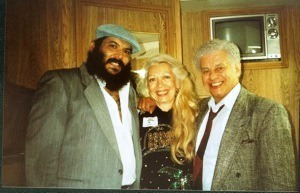
In 1990, she obtained a star for her mentor on Hollywood’s Walk of Fame, orchestrated his associated live concert on the Boulevard, and organized a gala event at the Hollywood Roosevelt Hotel, with music industry executives, film producers, and celebrities.

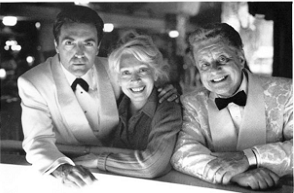
Powell’s dance career took her to the South Pacific, the Philippines, Guam, Hong Kong, Thailand – where she performed for the Royal Family – and Vietnam, where she introduced mambo to the troops in a revue she wrote herself. A Gold Medal ballroom dancer, Powell was Tito Puente’s West coast mambo dance partner, and a cast member of the Broadway show Sketchbook in Las Vegas.

Through touring the country for over a decade with stage and lounge shows, along with work in the recording, television, and movie industries, Powell learned wardrobe design, writing, comedy, and choreography. Appeared at the Tropicana, El Rancho Vegas, Flamingo, and Nevada Club in Las Vegas; The Golden Hotel and Mapes Hotel in Reno; The Wagon Wheel in Lake Tahoe, and The President Hotel in Atlantic City, among others.

After an injury forced her to retire from dance, Powell became a real estate agent in Beverly Hills, where she became actively involved in political work with celebrities and later joined Connie Stevens’s organization Les Girls. Powell’s work and charitable activities afforded many opportunities to work with Hollywood producers, directors, writers, and luminaries.

Powell studied the history of ballroom music and dance, ethnomusicology, journalism, and Spanish at UCLA. A regularly featured musicologist on radio stations KXLU and KPFK, Powell receives many requests for lectures and consultations. She has been a presenter and judge at numerous dance competitions, including the Feather Awards and the U.S. Open National Swing Dance Competition. The Mormon Temple Genealogical Library in Los Angeles has made her its expert lecturer on French Colonial Maritime records. Since 1986, she has conducted ten research and study trips to Havana, where she is a curatorial consultant for El Museo Nacional de la Música Cubana.

With information from: https://josephinepowell.com
You can buy this wonderful book in Amazon: https://www.amazon.com/Tito-Puente-When-Drums-Dreaming/dp/1425981585

Great news from New York!

North America / USA / New York

In this edition (Johnny Cruz) I would like to tell you about the memorable career of my good friend Nicky Marrero, whom I esteem and consider to be one of the best timbaleros in the world and who has been an inspiration to many artists of different generations, even today. Also, Nicky is about to turn years this month.

Johnny Cruz show in New York

Born in the New York Bronx, the great percussionist and timpani teacher Nicholas Marrero

Known to all as Nicky Marrero, of Puerto Rican roots, came to the world on June 17, 1950 and grew up among musical instruments such as the maracas, güiros, and the guitars through his family. His born talent led him to start studying the drums, but he was seduced by the sounds and influence of Tito Puente and Willie Bobo.

His musical debut was with Orquesta Caribe. There has been speculation about his first recording at age 15 with Willie Colón’s band, but that recording was not released. His first published recordings, in which he participated as timpani player, were the albums El Malo and The Hustler, by Willie Colón, recorded in 1968 for the Fania Records label in LP format. He was invited to participate in a single titled Descarga de Dos Pianos with Charlie Palmieri and Louie Ramírez.

Nicky Marrero
Nicky Marrero

In 1968, Nicky Marrero worked with Eddie Palmieri’s band; That same year, he took part in the recording of the Champagne album, released by the Tico Records label. He has participated with maestro Eduardo Palmieri in fifteen albums between 1968 and 2018, most of them very successful.

In fact, with albums The Sun of Latin Music and Unfinished Masterpiece, they won the Latin Grammy Award. Nicky Marrero is one of the best timbaleros in the history of Latin music; in 1973, he replaced Orestes Vilato in the Fania All Stars of Pacheco and Masucci, with which he made tours, presentations and concerts playing the timpani in many countries of the world.

Nicky Marrero’s gigantic musical career has allowed him to participate in the most important Fania recordings; there are around 25 musical productions in which the imprint of his timpani, his bongo and his bell with La Fania All Stars has been registered.

Not only Latin music and Latin Jazz have had the participation of the Bronx timbalero, other musical genres such as Jazz, Rock, Funk, Soul, World, Country, Stage & Screen; have also had the participation of the portentous timbalero. The most important groups of Latin music, as well as the greatest musicians and singers of Salsa, have had the participation of this prodigious musician.

Nicky Marrero
Nicky Marrero

With great emotion, I congratulate and greet my friend Richard Román for the 25th Anniversary of Radio Salsa Superior, I wish him and his team many successes to continue his work in the world of music. The celebration will be virtual, given the circumstances, but stay tuned because many surprises come. The marvelous Salsa Superior team transmits day by day from Miami at salsasuperior.com/radio.

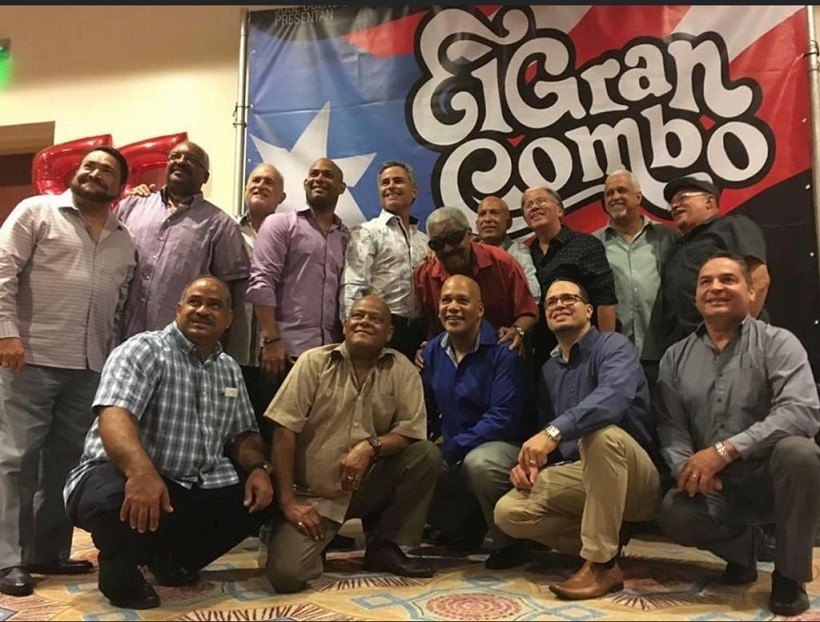
I want to congratulate my great friend Rafael Ithier and all the musicians of the Gran Combo on their 58th anniversary. Keep reaping successes and being part of the salsa tradition of those who love this genre. For many more years dancing to the rhythm of the Gran Combo of Puerto Rico.

Gran Combo Anniversary

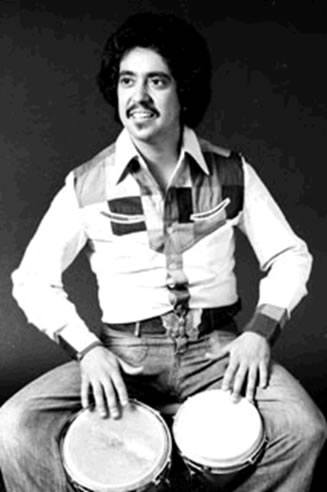
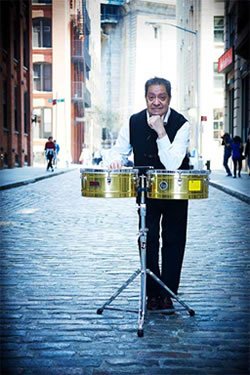
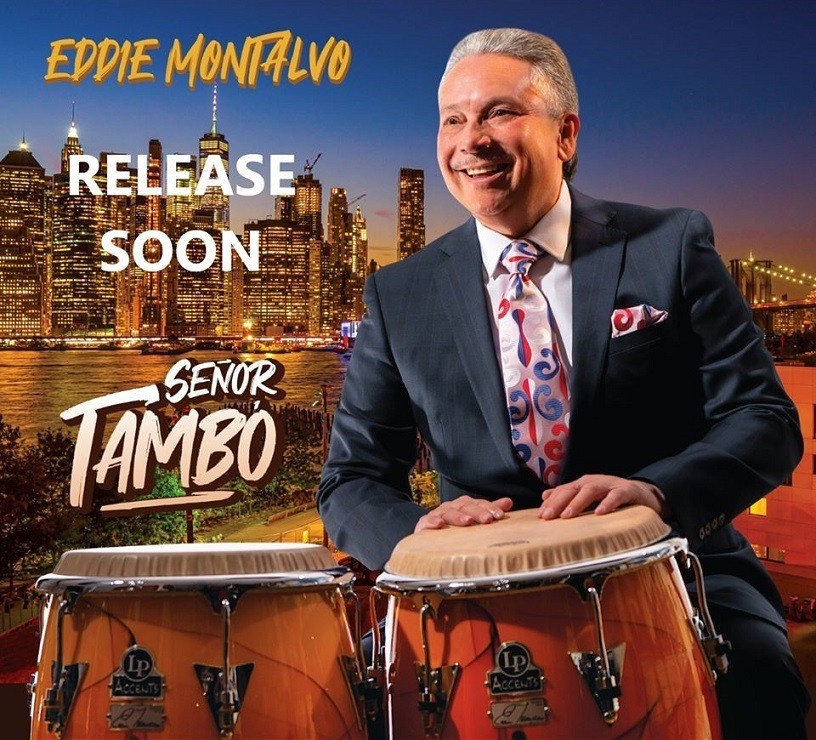
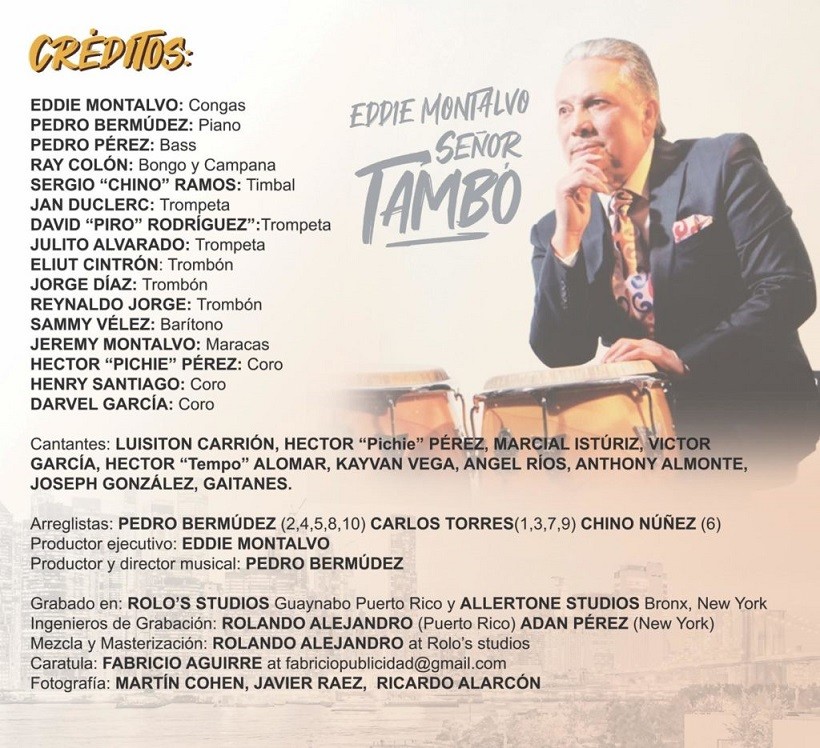
I also want to highly recommend Eddie Montalvo’s new CD: Señor Tambó. The great percussionist of the Stars of Fania and Six of the Solar delights us with a production that has ten songs in collaboration with prominent salsa exponents of the old and new school. A tribute to Rubén Blades with the participation of the Gaitanes. The musical production was in charge of Pedro Bermúdez and also has the musical arrangements of Carlos Torres and Chino Núñez. The production is available on all digital platforms and in traditional CD and Vinyl formats.

Eddie Montalvo's new CD: Señor Tambó.
Eddie Montalvo’s new CD: Señor Tambó.
Créditos señor tambó

Last but not least, It is an honor for me to invite you to tune in to my new Fm / Internet radio station on Live365.com: Salsagallery. Great music, artist interviews and much more made with love for you all. There is the link: https://live365.com/station/a77973

For now, it will not be possible to open to the public the Spanish Harlem Salsa Gallery in 1708 Lexington ave New York N.Y. 10029, but you can see the entire exhibition with more than 200 articles through our social media. Check the updates in our website: spahasalsagallery.com.

At the Spanish Harlem Salsa Gallery Museum we are happy to affirm that New York City is preparing to resume its activities little by little. We hope to have more news and soon as we can return to normality.

Remember not to leave your homes unless necessary, stay safe and stay home until the authorities tell us to. Health is first.

Johnny Cruz
Johnny Cruz

Contact: Johnny Cruz. 917-747-8505. [email protected].


By Johnny Cruz, ISM Correspondent, New York, New York City


Phil Robinson: An artist with a brilliant career and a positive outlook on the future.

North America - USA - California - Los Angeles

Phil Robinson, Sonero, composer, performer and leader of his own orchestra.

His charisma and his entrepreneurial, creative and positive attitude make everyone who has the opportunity to talk with him enter his world, his love for music, and his passion for improving, learning and being better every day. Phil Robinson has loved art from a young age.

The artistic influences that he had from his mother and his aunts, directed him to a gratifying world full of unforgettable experiences. A complete artist, with many stories to tell and whom it is definitely worth learning from.

Phil Robinson with Producer and Director Salim Samouh

Born in the Bronx, New York, to Dominican and Puerto Rican parents, he grew up and had his first approaches to music in the Dominican Republic, surrounded by close family members who sang, recited poetry, and performed. When he was just 5 years old, he listened and was inspired by the Spanish singer, Joselito, considered a child prodigy for the time.

With the passing of the years, and as a teenager, he returned to the Bronx that saw him born, just in the days of Fania. He admits that at that time his voice was not yet fully developed, but thanks to his sister he was always in contact and learning about Latin music, especially Salsa.

Phil Robinson
Phil Robinson

“I had a lot of interesting exhibitions. At the time when I returned from the Dominican Republic, I lived for a long time in the South Bronx, where I was born. And I had the opportunities to see all those artists like Larry Harlow and Ismael Miranda (who worked together), Héctor Lavoe, Willie Colón… And I looked at these Latino artists and said to my sister: One day I am going to be on that stage! ”

Beginnings full of learning

 By the 1960s and 1970s, Latin music was booming in the United States. In addition to radio, orchestras had become mainstream and performed in American venues. All of this was very enriching and motivating for a young Phil Robinson.

Phil Robinson and Orquesta Yaré

The Orquesta Yaré of southern New Jersey was the first group in which Phil Robinson had the opportunity to participate, develop his voice and work to improve his native talent. With this participation, it was time to explore more, focus on the music, and let it all flow down to the path Phil wanted to lead.

“Music is an art. It is a profession that takes a lot of sacrifice, which requires being very consistent, and never letting yourself be carried away by negative thoughts that you are not going to achieve it, but rather thinking that God knows what He does and how far He wants to take you ”

The Orquesta Yaré was a dream of a young man who, like Phil, wanted to succeed in the world of Latin music. Founded and directed by Leroy Gutiérrez (conguero, timbalero and bongo player) with original themes; and his brothers Johnny (bongosero) and Loui (trumpeter).

At that time, Leroy was a percussionist, but he also learned to play the piano by himself, without having a teacher. Gutiérrez invited Phil to participate, to make him a star. Yaré was an orchestra of 12 musicians, all the music was original.

“Our first performance was in 1973, on San Juan Day, at a celebration of el Día de Puerto Rico, in Vineland, New Jersey. I began to develop my voice, I did not have so much control over it, nor did I know how far it could go; but I had the enthusiasm that I was seeing something that I had been dreaming about for a long time, and it was coming true. ”

Celia Cruz and Phil Robinson

They played at Landis Park in Vineland, NJ. That night Larry Harlow and Néstor Sánchez has invited, and Orquesta Yaré accompanied them. It was a dream to be able to play alongside artists he admired. After years of that presentation happened, Phil Robinson reunited in Los Angeles with Néstor Sánchez and was able to share a photograph of that first presentation.

It’s fascinating how Phil recounts all these unforgettable experiences:

“…They had taken me a photo with him, and I had that photo here for years. Someone invited me to a show where he was going to be here in Los Angeles, and I grabbed my photo and took it for the meeting. That day he signed me the photo of more than twenty years ago… and he did remember me! ”

Everything that has happened in all these years since that first presentation in 1973, have been experiences to remember for a lifetime, and have given him the push to keep going.

“No one has to instill in me what it is to be in music, because that is already in me, it is in my blood, it is in my feet. No one has to ask me to continue in the music ”

Those encounters with certain characters who already had names, who was famous; and he found himself next to them, was enough to keep Phil’s energy high forever, continuing with the work to make dreams come true, and trying to be as original as possible.

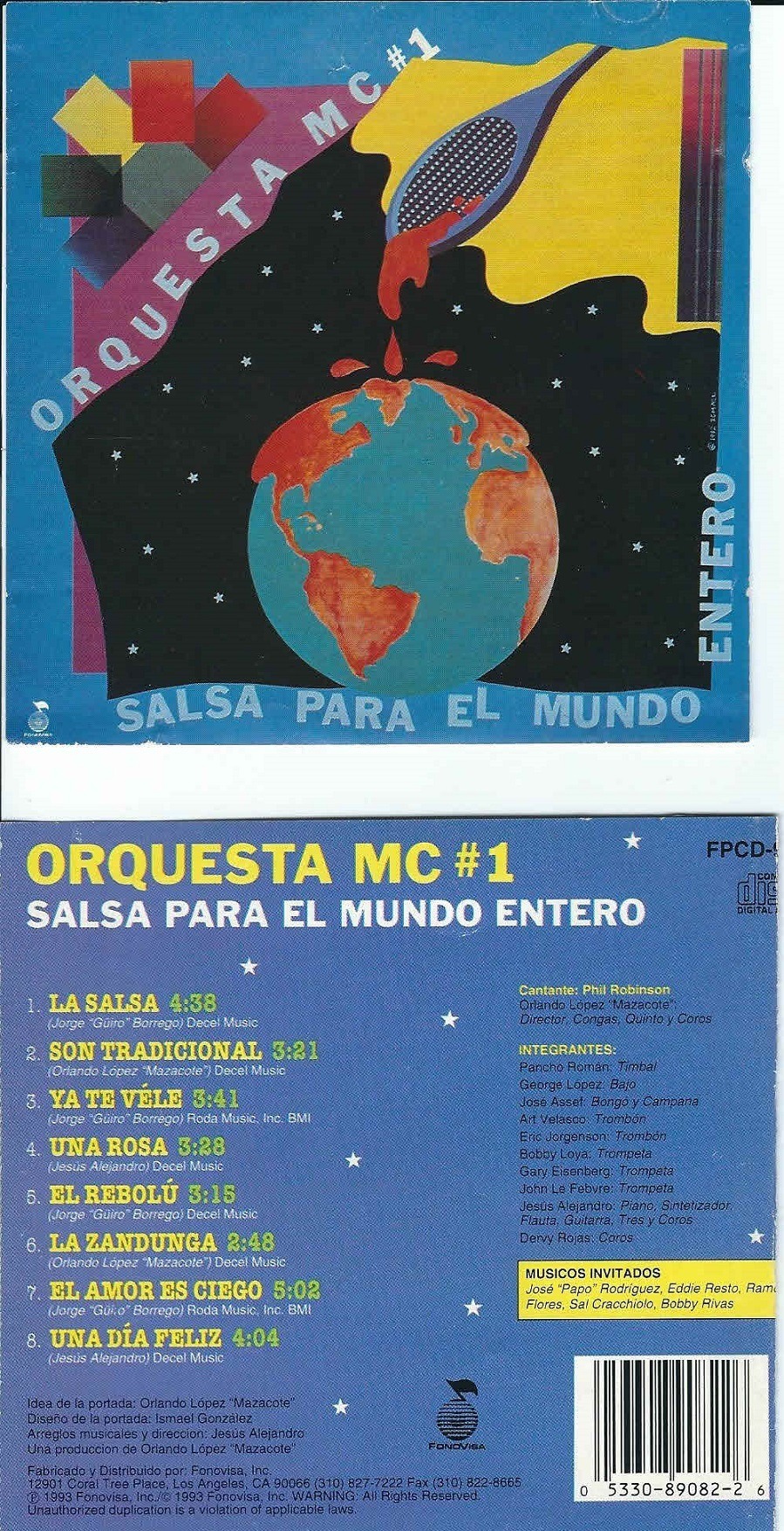
Discography Salsa Para El Mundo Entero

Each experience has allowed him to gain knowledge of how music works. Times have changed and it is no longer so necessary to have a “sponsor” who invests in you and helps you finance an album, or who promotes you. You can do it yourself.

The key to reinvention

Although he confesses that it’s not something that he has planned, every day Phil thanks God for a new awakening and in his mind there is always that spark of imagining what he can do to take that daily opportunity to improve himself and always be active.

When referring to the current situation, generated by the Covid-19 pandemic, he thinks that the inconvenience that has affected everyone the most, especially for be unexpected, is the possibility of working freely.

But he remains positive towards the future, thinking that everything will pass. Applaud the initiatives of his colleagues in Los Angeles, where he currently lives, to use social media to sing their original songs and keep in touch so that people stay aware of what they are doing.

Regarding his activity on social networks, Phil tells us:

“For my part, I have not prepared to make that kind of approach to social media. But sometimes I put my songs on, or send a positive message to the salsa community, to my friends, to my colleagues, to people who like my music. And I stay present, not daily, because people forget about you when they don’t see you, but when they hear a lot about you, the magic goes away … I like that people don’t get so tired of seeing you or hearing your name, but suddenly you show up and people realize that you are in contact. “

 Don’t be sad, very soon you can expect a couple of performances by Phil Robinson on his social media, with the tracks of his original music, to keep in touch and accompany him at this moment in which it is so important to stay at home.

The charismatic artist thinks that what is happening now is going to completely change the normality to which we are accustomed. Although he does not know what the end result will be, because everything is very uncertain, he knows that the salsa community is looking forward to the moment of returning to the clubs, and reflects on the need to be 100% sure of maintaining our safety and individual care. , and that of those around us.

For now, all that we don’t know about the new virus affects many professions, including that of singers, artists and musicians who live by being in contact with the public and constantly exposed. Still, Phil trusts God and thinks that this is part of a natural evolution like other situations that humanity has faced before, and the key is to adapt and have patience, because, luckily, we have technologies and tools available that in other times did not exist.

“Here in Los Angeles there is a lot of talent, there is a lot of preparation with many musicians, and even if you are not on a stage, you can create. We can use technology to do certain things that we don’t normally do because we are on stage all the time and people are physically seeing us. This has evolved technology much more, because we are all turning to social media to keep in touch and continue sending the message, so that this message does not die”

Affirm with total conviction that there is nothing impossible in life, the important thing is to take your time and plan to carry it out. Consistency has kept him focused on his goals under the premise that while an artist knows who he is and on what feet he stands, the only thing that will happen is that he will evolve and improve.

Plans with your Sonora Pa’ Gozá’

The group has had several names, the first name emerged when Phil arrived to Los Angeles in the late 80’s. He had always wanted the freedom to sing what he wanted; something that he felt completely comfortable with, identified with, and made easy for him. Under this premise, and after everything learned, Manhattan West emerges (alluding to the place where Phil grew up), a small group with two trumpets, a saxophone, full percussion, piano and bass. When he was not busy with his commitments to other orchestras, he dedicated time to his personal project and in which he chose the music he wanted to sing.

Phil and Orquesta Papo Rodriguez y La Sorpresa

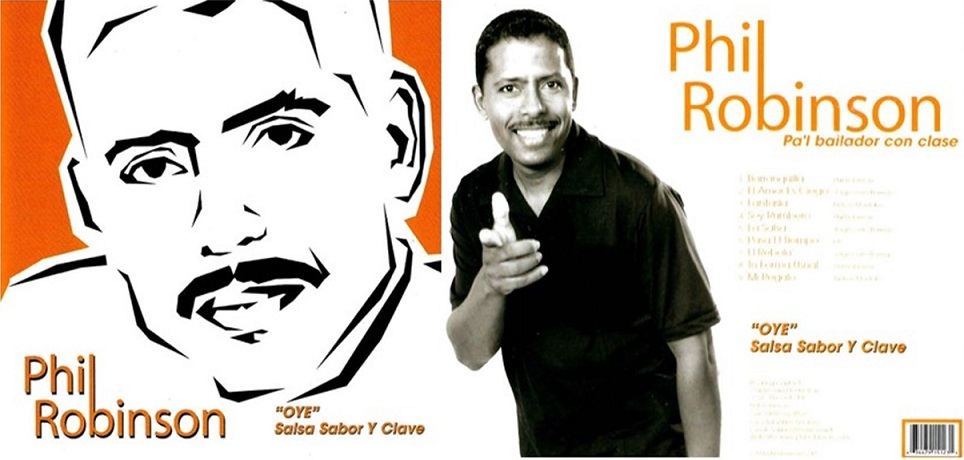
While evolving, he became the leader of Henry Mora and the All Star Salsa Orchestra of Los Angeles, collaborating with many of the local groups, from there he became the lead vocal for Eric Matos and La Caliente Orchestra, Papo Rodríguez and La Sorpresa, and recorded two original songs composed by the title of Nelson Montalvo Fantasía and Mi Regalo included on his 2005 CD, Oye Salsa Sabor y Clave.

During the time that Phil was with Papo Rodríguez, the Panamanian singer Camilo Azuquita arrived in the city and La Sorpresa became Azuquita y su Melao, Phil became Azuquitas for several years, performing in many places known as the Hollywood Palladium and with many renowned artists. Thanks to these collaborations, Robinson finished polishing his style.


“Much of the style that I have, my way of perform, how I sing, how I dance, everything, we can say that I caught it from him. Azuquita has a very special swing… He is a dynamic singer, even at his age… ”

Some time later, Manhattan West became Sonora Borinqueña, and finally obtained the name with which we know it today: Sonora Pa’ Gozá’.

With this name the essence of what Phil transmits with each presentation is maintained:

“Many people could not, or had difficulty pronouncing Borinqueña… so I said, wow, nobody is going to remember us!… Then there was Sonora Pa’ Gozá’ … I always have that energy … because I not only sing, I also like dancing, I like interacting with the public, I get off the stage. I consider myself very dynamic. ”

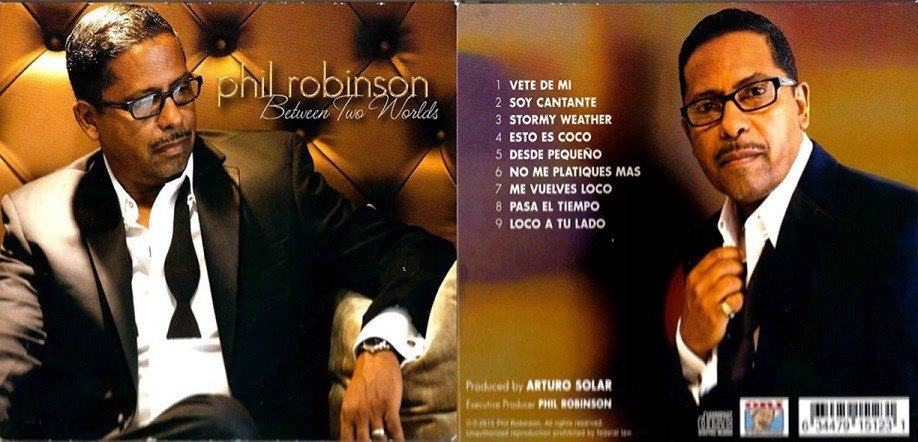
Between Two Worlds

Phil Robinson considers his most recent production Between Two Worlds, a master recording, because the songs that were chosen for that CD are not all tropical, but not entirely Americanized either. The arrangements are Big Band, songs like No me platiques más or Esto es Coco, were made in Big Band.

Discography Between Two Worlds

This project took seven years to complete, some of the songs were meticulously selected by Arturo Solar Fernández, who produced the project with compositions by Ted Koehler and Harold Arlen, Homero and Virgilio Expósito, Enrique Benítez, Vicente Garrido Calderón, Armando Manzanero, Jesús Alejandro (El Niño) and of course, Phil Robinson.

February 2020 on location filming the short movie Darling Boy

Robinson also had the opportunity to venture into the cinema and include two of his original songs (Soy Rumbero, from his CD Salsa Sabor y Clave; and Loco a tu lado, from his latest production Between Two Worlds), in the cast of a short movie titled Darling Boy, by Syrian producer and director Salim Samouh.

Discography Oye Salsa Sabor y Clave

Future plans

In the not too distant future, Phil Robinson hopes to compile all his recorded songs with other orchestras, the solo songs (both in English and Spanish); and others in which he ventures into rhythms such as Bossanova (Night and Day). There are also other American songs that Phil wants to record with more danceable adaptations and with his original touch.

It will also resume the organization of the Puerto Rican Festival in Los Angeles, whose twenty-fifth anniversary will be celebrated next year, after being postponed by the Covid-19 pandemic. We will see Robinson and his Sonora Pa’ Gozá’ at this festival, accompanied by Puerto Rican artists, orchestras from Los Angeles, San Francisco and from all around the world.

Many presentations are coming, Phil Robinson will tell us as soon as the new dates are confirmed so that they can enjoy, dance … and gozá’!

Valuing what is really important

When asking Phil Robinson what he would say to those young people who are just beginning and who have a desire to achieve their dreams, he answered:

“My advice is to believe in yourself, take the examples of those who have experience, respect our genre … The salsa genre is very positive, but many people mistreat it too … Being original is important, developing your own style, being accessible with people, be professional from the beginning. Having in your mind that you are a professional, no matter what level you are on, is going to take you to the top, because that’s clear. Choose the music that identifies you as an individual, don’t imitate, be consistent and keep in mind that there are going to be sacrifices… you are going to fall, and you are going to get up. ”

Phil Robinson
Phil Robinson

Many, like Phil Robinson, have natural talents, but his advice is that you also have to polish yourself, learn from those who have succeeded, and find out who you are as an artist. Fight, improve and give your best at all times, in all places and no matter how much they are paying you. If a commitment is made, do it. People will value you for what you do.

Of all the accomplishments throughout his career, Phil Robinson believes that what makes him most proud are all his career years. The reception and recognition of the public that knows him and knows how long he has been in music; who continue to support him, who respect him. From musicians to the people who go to see him when he performs. All this is very valuable for him.

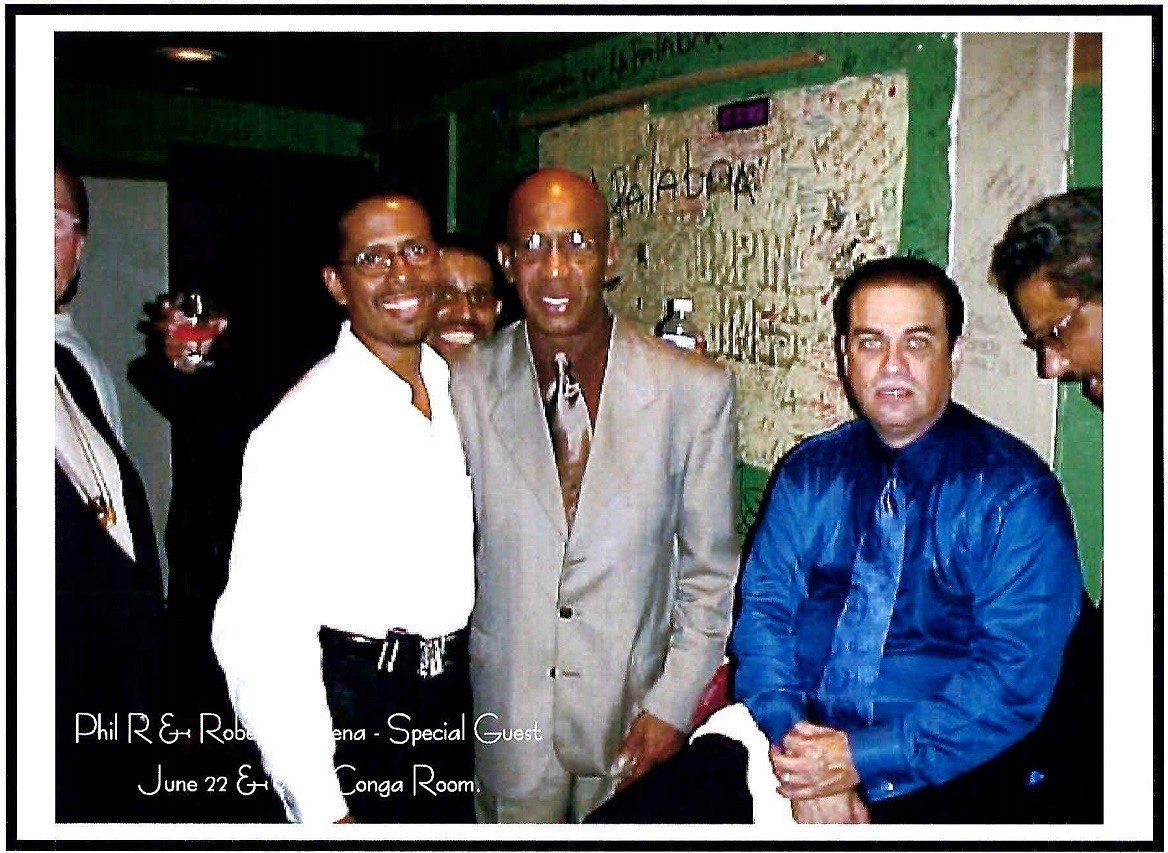
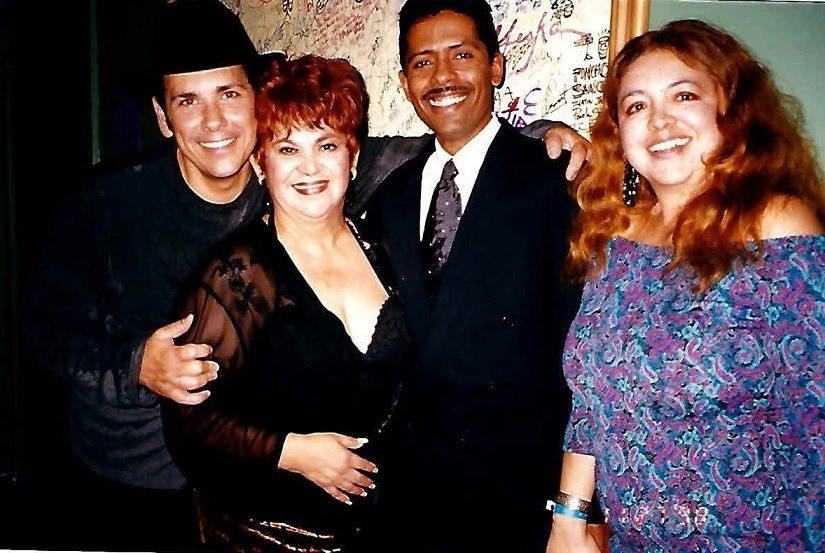
Cuban Singer Franco, Phil Robinson and Actress Lupe Ontioveros at the Conga Room

“… And the steps that I have been climb, and that I am still climbing, because this does not end. And also the opportunities to be, even briefly, with those who have already gone beyond what I have done … I am totally proud of what I have done, where I am … and I continue in the fight . Anything can happen. Always looking positively into the future.”

Phil Robinson is a quiet man, he has a beautiful family that is his most precious treasure, a beautiful family that supports him, accompanies him, and cares for him all the time.

His family is the most important thing, because will come a day when he will decide to retire from the stage, and although he does not expect it to be soon, one day he will do and his family will always be there to continue adding beautiful experiences together.

Phil Robinson thinks he’s been lucky. Today he continues working to improve himself, grow, and learn something new every day, because it is never too late.

“As long as there is skill and desire, I will continue in the same: making music, and being the most original. That is the only thing that separates you from the rest, because we try to honor our music, but it is always important to keep a percentage that says: Ok, this is Phil Robinson. All of this continues to be a dream that will never end. This will end the day that I close my eyes forever, and it will be so. ”

Salsa Dance TV is always present in the best events

Behind the camera and production of Social Dance TV is Kir Korshikov, videographer for Dance Festivals & Events who told us his story

Social Dance TV Logo

Social Dance TV is a dance video production company founded in 2014 by Kirill Korshikov, based in Rostov-on-Don, Russia ano with presence all around the world. Their mission is to make the magic moment of dance dialogue part of the social dance community heritage by capturing the flow of partner dancing on video and sharing it worldwide through social media.

Social Dance TV is friendly and fully equipped video production team and social media for dance events. Dancing and dialogue through it between people all over the world is their passion. They travel to the most amazing dance events and share what they see with the rest of the world, rising the interest to what is happening where they are and making people going more and more to the dancefloor where they have been.

Kir Social Dance TV Logo

What they do?

Cover all the video tasks – filming the shows, social dancing, making the event’s after movie and production materials

Promote events on their channels – Facebook, Instagram and Youtube

Do promotional videos for dancers, events and live concerts

Do livestream during your events on Facebook and Instagram

Manage social media accounts

Make web design and motion graphics

Write the articles and small texts about the events for promotion

Manage your event because they know how to do it!

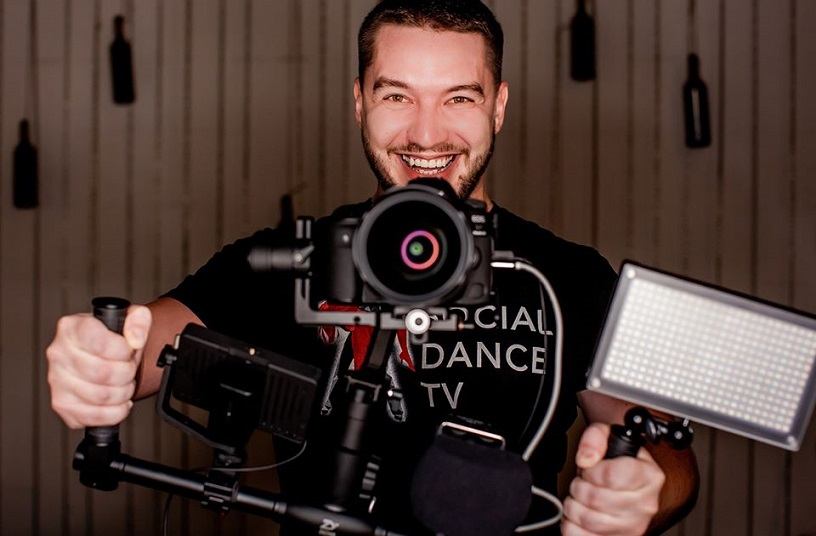
Behind the camera, but at the forefront of all this business is a passionate and tireless man who takes care of every detail and every piece of gear. There is nothing Kir Korshikov cannot achieve on Social Dance TV, but … Who is Kirill Korshikov?

Ker Korshikov - Social Dance TV
Ker Korshikov – Social Dance TV

Kirill Korshikov is an entrepreneur and videographer based in Rostov-on-Don, Russia. Is known for his work on Shine (2017), Street Dance 2 (2012) and for his project Social Dance TV which became famous among Latin dance community since 2015, this was the first online project that helps people and events to get together and unite the social dance fans all around the world. The innovative approach to the video filming of dances allowed us to see social dances more dynamic, thereby attracting more and more fans to the Latin American culture.

Born in Rostov-on-Don, Russia, Korshikov studied at the Taganrog Technological Institute of Southern Federal University and graduated in 2012. Kirill was one of the best graduate students of 2012. When Kirill was a student, in 2010 he organized a dance school in the University Student Club, which was popular among students and where dance events were held.

Which later became known as Baila Rico Dance Studio Technical education helped him to set up the finest tools in order to create uniquely video content. Nowadays Kirill goes for broadening the supply for dance event makers and widen the world Social Dance TV map (over 35 countries on it now) in order to make the dancing community strong, varied and united through the videos that he creates. Kirill was a videographer for several movies in Bollywood too.

Know the story behind Social Dance TV

Kirill Korshikov opened the doors of his project to us and told us in an incredible way, the history of Social Dance TV and how he came to form a community that admires him and has made him part of the Social Dance family.

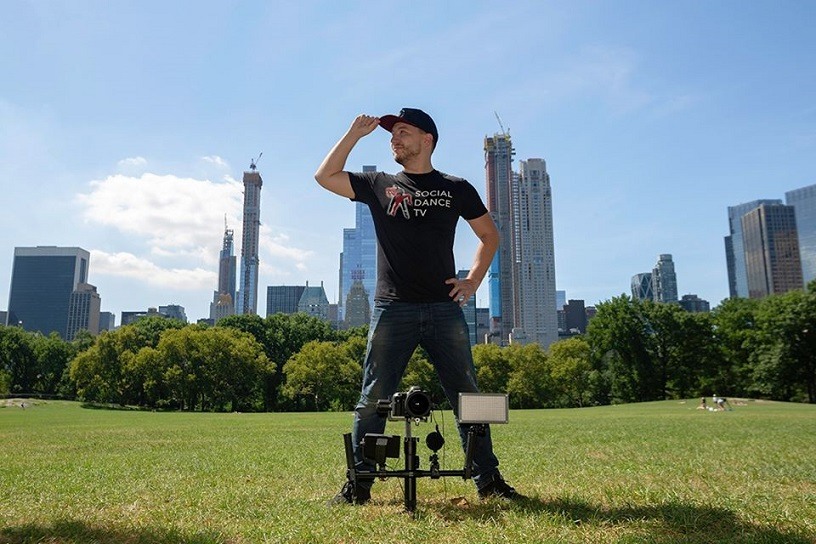
Ker Korshikov - Social Dance TV
Ker Korshikov – Social Dance TV

In this story you will discover how an ordinary Instagram account became a world covering media for the whole wide community of social dancers. Also the story tells how it was made possible to gather tens of thousands of viewers on recent anti-corona-aid live airs. Now, more than ever, Social Dance TV’s feed captures sights of most dancers round the globe as the only way to keep connected during anti-COVID restrictions. These days together with millions of dancers I long for a fine party just for the whole world to see!

Through the last 20 years social dancing not only has changed by way of new fancy moves and styles as it always does, but evolved into a huge global community and cultural industry thanks to social media. Save for local parties, now a whole new world of dance festivals up to 10 000 people with its own icons, maps and mass media offers you best shows, parties till dawn, and a constant news feed. Social dance has become probably more of a life background than it has ever been.

Kir invites us to compare: in 2000, when “Salsa” cult movie came out, “salsa festival” format was in its founding. The biggest events gathered up to 1000 people. Now, after twenty years, around 15 events are held every weekend. Hosting over five thousand people is a tradition for Warsaw Salsa Festival and Croatian Summer Salsa Festival, as an example. And 10 000 people come to Euro Dance Festival in Germany. It’s hard to imagine a place where salsa and bachata festivals are somehow missed.

Back in 2014 social dancing issue representation in social media was rather disjoint: dance schools, festivals and dancers themselves charged their channels with diverse content to appeal to a wider audience based on their activity. So it was pretty hard to get some aggregated content wide and deep enough to explore any distinct topic. Oh, wait! It’s clear now, but then it was OK!

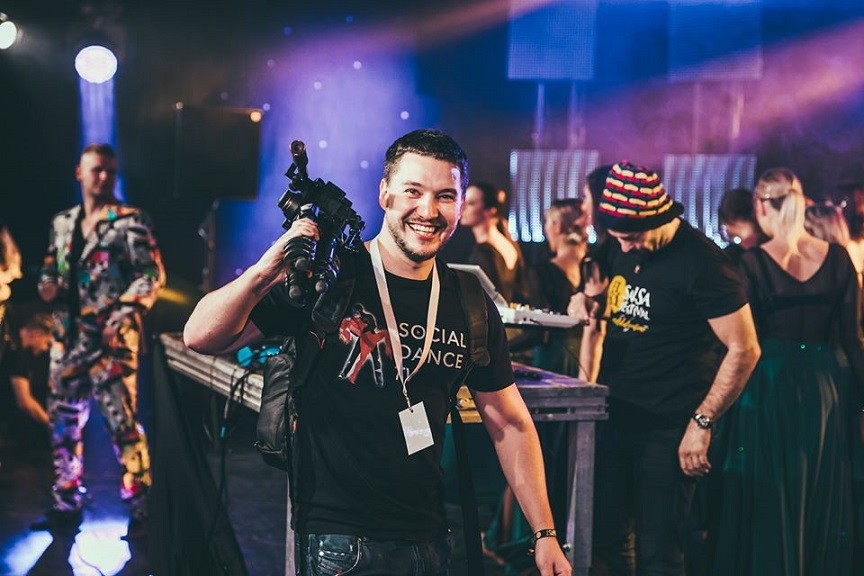
Ker Korshikov - Social Dance TV
Ker Korshikov – Social Dance TV

“While I was totally in that number of newsmakers I had some overlapping background. I had done a lot of filming for many years by then, I took part in shooting several dance movies and made tons of wedding videos and all that, so I had an eye for fine things to shoot. Plus, I am a dancer since the age of 4, so it made no trouble for me to fit the social dance community and to know a good dancer from a bad one.”

And the brighter idea that came to Kirill was to create an Instagram channel with just dancing videos in order to unite visuals like himself, who could spend hours consuming that kind of content. Also it seemed convenient to have one link to send to people who constantly ask “what’s that social dancing you keep talking about?” Thus, on Jan. 13 2015 the Social Dance TV channel was started. In the beginning he aired stirring dancing videos from different sources and of course he started to make his own videos, intending to show the dancers to themselves in the way he could do that, in the way he see them.

“In a half a year it came clear that that my videos had way more engagement, so SDTV became an author’s channel.”

And it also came clear that all dancers needed dance videos as a detached easy-access root of their dance web inquiry. Virally, SDTV became a mandatory part of the subscription of every self-respected social dance community member.

“I mean it, I realized that my Instagram channel actually brought the vast majority of dancers together and I felt how huge it was. When you realize something is huge, don’t deny it. So, I quit filming weddings (for it was too few fine dancing there), widened my channel on YouTube and Facebook and started to work full-time as a social dance event videographer, as SDTV occurred to be a perfect platform for festivals’ post production release.”

Alexandra Mateva and Kir Korshikov

And it became a fine platform for dancers’ communication thanks to button “show translation”, leaving dance as the main language of the messages.

When Kirill is on the party, he originally think of himself as a dancer, he feel himself a part of the flow. He do what everybody else does, dance and watch. The only difference is he watch through the camera.

 “Watching people dancing is, in my opinion, the best way to observe people. Those who have eyes must see how sincere even the showiest move is. And a couple dance is the most exciting way for people to communicate, being so in-the-moment, so to-each-other and to-the-music, I’m never tired to watch. At last, the most thrilling experience to me is to capture that wonder into a box to show to those who missed it, to make them see what I’ve seen.”

Giusy Chisary and Kir Korshikov

By now SDTV has grown into a production studio with recruited staff to shoot more, to post faster and to film concomitant events. They film up to 50 festivals every year all over the world. They’ve been to 36 countries. Their capacities allow them to support dancers and organizers who work in the dance industry full-time, which is more professional and more uncertain. They promote online classes, do live airs, volunteer for a charity, make trends, and they can confidently name themselves mass media.

“It would be sly to say I never thought it would be this way, but even now it’s sometimes hard to realize how a video dance channel can affect lives of hundreds of thousands of people.”

The issue of the day makes them try harder: in March they shoot a charity festival, all funds of which were donated to COVID relief, they made several on-line classes with famous dancers to gather donations to medical centers.

“Dancers can be surprisingly compassionate, when they’re left with nothing but TV. Social Dance TV.”

Social Dance TV Logo

Their goals for the future are to keep aggregating a still rather disjoint massive of social dancing content in the Internet, to shoot even more, to post even faster in order to widen the world Social Dance TV map. And by broadening the supply for dance event makers their aim to enhance the dancing community as a beautiful, strong, varied and united world that we live in through videos that they create.

So, that’s a brief story of how Kir’s passionate startup became a full-time job as a mass media holder.

Social Dance TV have deep roots in the social dance community so they know how to present the dance in a most attractive way and remind everybody how thrilling it is to watch everything with their own eyes.

They help people and events to get together, help the dancers to make their dances to be seen, help the dance world to be united and open minded to every dance style they have.

Magical moments of events be captured and saved forever by them. Everybody around the world see those brilliant moments of dance. Social Dance TV and Kirill Korshikov contribute to make the Social Dance more and more popular… They do what they love.

Follow Social Dance TV on Instagram, Facebook and YouTube! This community covers more than 600 thousand people with a common passion: Social Dance

  • « Go to Previous Page
  • Page 1
  • Interim pages omitted …
  • Page 32
  • Page 33
  • Page 34
  • Page 35
  • Page 36
  • Interim pages omitted …
  • Page 66
  • Go to Next Page »

International Salsa Magazine (ISM) is a monthly publication about Salsa activities around the world, that has been publishing since 2007. It is a world network of volunteers coordinated by ISM Magazine. We are working to strengthen all the events by working together.