• Skip to primary navigation
  • Skip to main content

International Salsa Magazine

  • HOME
  • Previous editions
    • 2026
      • ISM / April 2026
      • ISM / March 2026
      • ISM / February 2026
      • ISM / January 2026
    • 2025
      • ISM / December 2025
      • ISM / November 2025
      • ISM / October 2025
      • ISM / September 2025
      • ISM / August 2025
      • ISM / July 2025
      • ISM / June 2025
      • ISM / May2025
      • ISM / April 2025
      • ISM / March 2025
      • ISM / February 2025
      • ISM / January 2025
    • 2024
      • ISM / December 2024
      • ISM / November 2024
      • ISM / October 2024
      • ISM / September 2024
      • ISM / August 2024
      • ISM / July 2024
      • ISM / June 2024
      • ISM / May 2024
      • ISM / April 2024
      • ISM / March 2024
      • ISM / February 2024
      • ISM / January 2024
    • 2023
      • ISM / December 2023
      • ISM / November 2023
      • ISM / October 2023
      • ISM – September 2023
      • ISM – August 2023
      • ISM July 2023
      • ISM Edition June 2023
      • ISM – May 2023
      • ISM April 2023
      • ISM March 2023
      • ISM February 2023
      • ISM January 2023
    • 2022
      • ISM December 2022
      • ISM November 2022
      • ISM October 2022
      • ISM September 2022
      • ISM August 2022
      • ISM July 2022
      • ISM June 2022
      • ISM May 2022
      • ISM February 2022
      • ISM January 2022
    • 2021
      • ISM December 2021
      • ISM November 2021
      • ISM October – 2021
      • ISM September 2021
      • ISM August 2021
      • ISM July 2021
      • ISM May 2021
      • ISM April 2021
      • ISM June 2021
      • ISM March 2021
      • ISM February 2021
      • ISM January 2021
    • 2020
      • ISM December 2020
      • ISM November 2020
      • ISM October 2020
      • ISM September 2020
      • ISM August 2020
      • ISM July 2020
      • ISM June 2020
      • ISM May 2020
      • ISM April 2020
      • ISM March 2020
      • ISM February 2020
      • ISM January 2020
    • 2019
      • ISM December 2019
      • ISM November 2019
      • ISM October 2019
      • ISM Septembre 2019
      • ISM August 2019
      • ISM July 2019
      • ISM June 2019
  • Spanish
  • Download Salsa App
    • Android
    • Apple

Search Results for: Latin Jazz

Malia The Energy That Allows The Blues To Have A Soul, A Voice

Malia (born in 1978) is a singer from Malawi. She has released seven studio albums. Her mother is Malawian and her father is from the United Kingdom. She moved to London in her teens.

After finishing school, Malia dedicated herself to music. She worked as a waitress while organizing a backing band, singing ballads and classic jazz in London bars and clubs.

During a visit to New York, she heard a pop-jazz track sung in French by vocalist Liane Foly, produced by André Manoukian. She contacted Manoukian to ask for his help, and they began working on her 2002 debut album, Yellow Daffodils. Although the release included English lyrics, it achieved recognition in France and Germany.
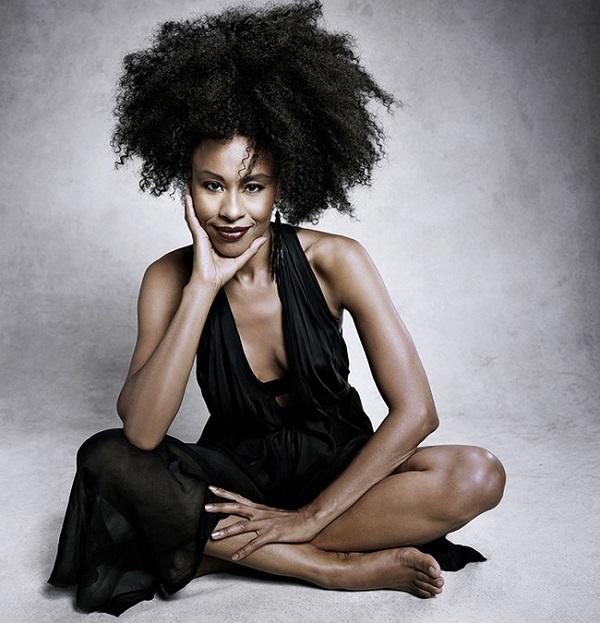
Malia (born in 1978) is a singer from Malawi

Her subsequent releases, Echoes of Dreams (2004) and Young Bones (2007), were highly acclaimed among jazz fans across Europe. Malia is known for her expressive voice. From the beginning, she found her way to the stage and her singing style flirted with sounds from the 1960s and 1970s.

Her role models include Billie Holiday, Sarah Vaughan, and Nina Simone. In 2013, she received the Echo Jazz Award for “International Female Vocalist of the Year.” She explored her African roots in the album Malawi Blues/Njira, released on MPS in 2016. In her 2018 release, Ripples (Echoes of Dreams), Malia offers another perspective on her previous album, Echoes of Dreams. Her latest release, The Garden of Eve, is dedicated to the blues.
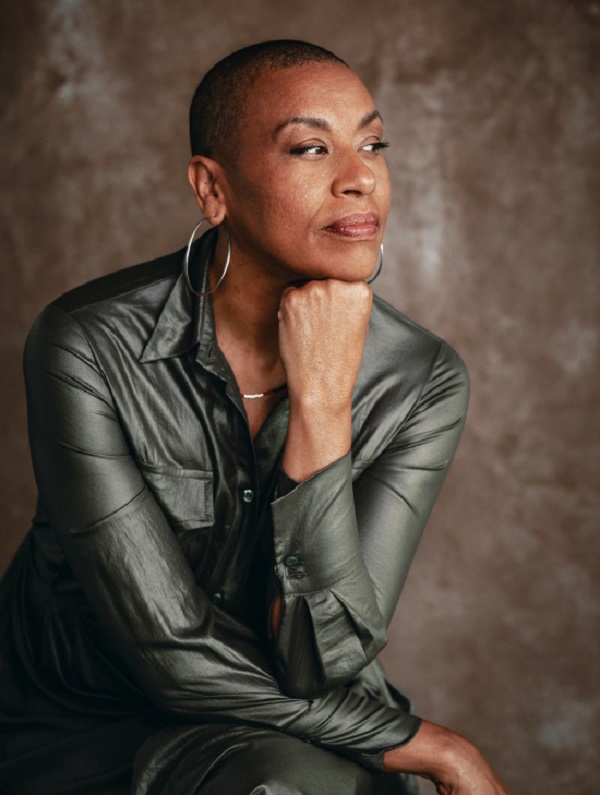
Malia is the energy that allows the blues to have a soul, a voice

“My heart beats for many things. I think that is because I come from a marriage of mixed heritage. I have never felt like I am one thing or the other; I am more of a fusion of both, and my music reflects that. I feel I am evolving as a human being, and although music is simply a medium for expression, I like the idea of resonating with it, if its rhythm suits me.

The blues has always been dear to my heart: it is a cathartic, precious, and profound experience, whether playing it or hearing it on the radio. When I first heard Billie Holiday sing ‘Blue Moon,’ I could feel it in every cell of my body.

She had a very powerful effect on me. Sentimental blues, originating in tragic situations, sometimes even reflecting my own experiences… No matter how bad family, friends, politics, lovers, governments, or society may be, they can never destroy the forces of good in this world.

And as time passes, I find more and more of the truth that is rooted in my soul. And I finally feel mature enough to understand this wonderful musical tradition, because the blues means life.”

And if the blues means life, Malia is the energy that allows the blues to have a soul, a voice. It has been a long time since a contemporary artist paid such a beautiful homage to the blues—a style that, in the year 2020, deserves to have the dust shaken off.

Marshall McLuhan’s once-futuristic idea of the “global village” became a reality long ago. Only now, in pop music, are we learning and experiencing, in many ways, what the legendary media theorist formulated in the early 60s. Thanks to digital technological advancements, most pop genres have acquired a global dimension.

Her mother is Malawian and her father is from the United Kingdom. She moved to London in her teens.

Hip-hop, blues, and jazz are evolving into hundreds of regional variants, far from their original roots. Malia’s music can undoubtedly be considered an impressive testament to this worldwide fusion.

After moving from the southern African republic of Malawi to London at age fourteen, the singer spent her adolescence in the UK capital (Note: the “Big Apple” is the nickname for New York, which contradicts having spent her adolescence in London. The original text was left, but the inconsistent use of the term is corrected).

Malia recorded three albums in France with André Manoukian: Yellow Daffodils (2002), Echoes of Dreams (2004), and Young Bones (2007), all created in Manoukian’s Parisian studio.

In 2010, she met Swiss producer Boris Blank, who, since the 80s as part of the avant-garde duo Yello (The Race, Bostich) with Dieter Meyer, has garnered great success. In 2012, Malia released a tribute to Nina Simone, Black Orchid, which won that year’s ECHO Jazz Award. In 2014, Boris Blank produced the eleven electronic-style songs for her album Convergence.

Malia’s sixth studio album, Malawi Blues/Njira, sees her clear, incisive voice amplified again in a soul-jazz context. “An album I’ve always wanted to make… I feel like the time is right now… I wanted songs that reflected my consciousness and my ancestry,” she summarizes the essence of the ten tracks on Malawi Blues/Njira.

The album features thoughtful, mostly slow-tempo original tracks, with sparsely orchestrated piano, accompanied by guitar and percussion, including an almost minimalist version of the classic ‘Moon River.’ From the outset, with Malawi Blues/Njira, Malia recalls the sound of her childhood.

The local vibes of the Kwela and Kwasa-Kwasa traditions are felt not only in the moving “Love Is Holding Both Our Hands.” “I humbly consider it my duty to pass on the rich traditions and stories, just as my ancestors did, as my grandparents and parents did when we would sit around the fire in the evenings in Malawi, eating nsima with pumpkin leaves and peanut sauce.” Of course, that is only one aspect of her rich work.

Her songs are characterized by artistic experiences and experiments, an amalgam that has shaped Malia’s life and a lasting effect of her time in the London club scene, where she was able to sharpen her sense of rhythm in small bars in front of reduced audiences. Here, she could always adjust her sets live, night after night.

This musical diversity now benefits her, when, in Chipadzuwa (a southern African colloquial term for a beautiful woman), she alternates between the regional language, Chichewa, and the universal language, English, with a mellifluous ease.

With the support of the virtuoso pianist Alex Wilson, a sound that is both fresh and warm emerges. Malia has arrived in a global musical world for which she works and fights. “To all the silent warriors in this world,” Malia concludes, “Malawi Blues/Njira is for you!” (mps-music)

Malia – Malawi Blues / Njira (2016)
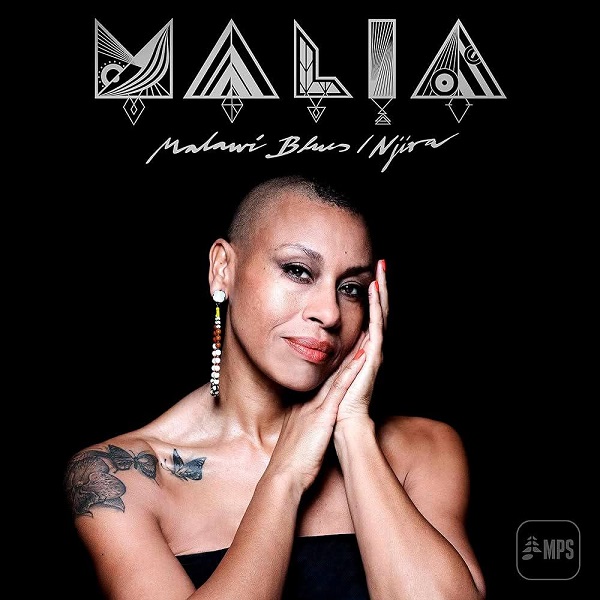
Malia - Malawi Blues Njira (2016)
Malia – Malawi Blues Njira (2016)

Tracks:

  1. Malawi Blues / Njira
  2. Love Is Holding Both Our Hands
  3. Chipadzuwa
  4. Let Me Breathe
  5. Disgrace
  6. The Seed
  7. Black Widow
  8. Moon River
  9. Friendship
  10. Wonder Of The World
  11. Let Me Breathe (bonus track)

Musicians:

  • Malia (Vocals)
  • Alex Wilson (Piano, Programming)
  • Dimitris Christopoulos (Double Bass)
  • Edwin Sanz (Drums, Percussion)
  • Ahmed Fofana (Guitar on track #2, Instruments on track #9)

About Malawi, The Warm Heart of Africa

Malawi, known as the “Warm Heart of Africa” for the kindness of its people, is a landlocked country located in southeastern Africa. It is famous for its stunning natural landscapes, highlands, and, above all, the vast Lake Malawi, which covers approximately 20% of its territory.

Culture and History

  • Culture: Malawi’s culture is rich and diverse, with various tribes such as the Maravi, Nyanja, and Tumbuka. Each contributes particular aspects to the traditional masks, dances, music, and clothing. The people are known for their friendly nature and relaxed pace of life.
  • History: The territory was a British protectorate called Nyasaland until its independence on July 6, 1964. Subsequently, it became a one-party state under the authoritarian rule of Dr. Hastings Kamuzu Banda for decades, until the transition to a multiparty democracy in the 1990s.

Tourism and Nature The main tourist attraction is Lake Malawi, the third-largest lake in Africa, known for harboring more fish species than any other lake in the world, including about 1,000 species of cichlids. The country offers an authentic travel experience and is considered one of the safest countries in Africa for visitors.

🎤 Personal Data on Malia

  • Birth Name: Not commonly used publicly; she is known simply as Malia.
  • Year of Birth: 1978.
  • Place of Birth: Malawi, East Africa.
  • Nationality: Malawian and British (United Kingdom).
  • Family Origin: Her mother is Malawian, and her father is from the United Kingdom.
  • Musical Career: She was exiled with her family to London when she was a teenager (around age 14) due to political reasons. It was there that she discovered jazz and was inspired by singers like Billie Holiday, Sarah Vaughan, and Nina Simone.
  • Genres: Jazz, Soul, Blues, Pop, with African influences.
  • Recognition: She won the Echo Jazz Award for “International Female Vocalist of the Year” in 2013 in Germany.
  • Notable Discography:
    • Yellow Daffodils (2002) – Her debut album.
    • Black Orchid (2012) – A tribute to Nina Simone.
    • Malawi Blues/Njira (2016) – An album where she explores her African roots.


Collaboration:
L’Òstia Latin Jazz

Dj. Augusto Felibertt.

Also Read: Dave Valentin considered one of the most important Latin Jazz flutists in history, thanks to his technique and rhythm.

Dominican bandleader and singer Papo Ross is triumphing in Montreal

Canada continues to give us something to talk about when it comes to Latin music, and our daring guest is firm proof of this. Dominican bandleader and singer Jorge “Papo” Ross has given us the great honor of talking about his interesting career both in his native country and Montreal, where he currently resides and moves forward with his musical projects.

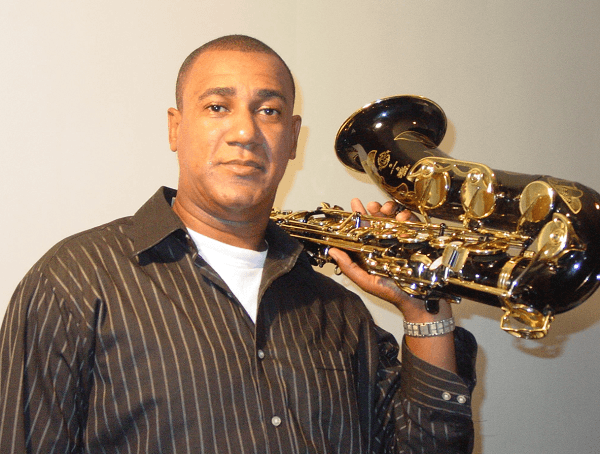
Papo Ross with his saxophone
Dominican bandleader, singer, and musician Papo Ross posing with his saxophone

Papo’s beginnings in the Dominican Republic

Papo’s musical beginnings were in his hometown of San Pedro de Macorís by playing instruments made of tin or wicker that he and his friends themselves created so they could play, which led him to learn to play percussion, albeit in a very crude manner. Among the first instruments he played were the guiro, the tambora, and the conga.

Seeing his interest in music, his late brother, who was a saxophonist and led a band at the time, took him along to play with him so he could learn the trade through practice. However, the young man did not want to stop there and also began creating his own bands, such as Grupo Enriquillo, in which he and the rest of the members used homemade instruments and a marimba, which doubled as the bass. 

He also played with La Moderna de San Pedro, with which he served as the musical director during rehearsals and earned two percent of the orchestra’s contracts. In addition, he founded the group Sui Generis, played with the late merengue musician July Mateo “Rasputín,” and, before leaving the country, played with the recently deceased Rubby Pérez in the 1990s.

Academic training prior to his trip to Canada

After having played with several orchestras, Papo realized that, while it is true that he had gained some experience and knowledge, it was not enough and he needed to train more. That is why he was admitted to study at the Escuela de Música Patria Logroño at the elementary level and the Conservatorio Nacional de Música in Santo Domingo.

Papo Ross & Pambiche
Papo Ross & Orquesta Pambiche as a whole

At the academy, he learned spoken and sung solfeggio and took some saxophone lessons there in the same place. As for the conservatory, he studied percussion, but did not finish his training in this area, as he was also studying law at the Universidad Central del Este in San Pedro de Macorís. Then when the time came for him to choose one or the other, he obviously opted against university, although he did not get to exercise this career either because he missed a few semesters to complete it.

Moving to Canada

Before arriving in Canada, Papo had already traveled to other places such as Puerto Rico and New York as part of his work and had the opportunity to live there for a few seasons, but the Orquesta Tambora invited him to go to Canada to lead the group, which the artist accepted.

Although it was the best decision, it certainly was not easy, as he had to deal with language barriers and the process of adapting to a music scene completely different from that of his native country. 

The latter and the fact that he belonged to a minority like the Latino community, limited him a lot at first, but he says he keeps no regrets about his decisions and does not complaint about what he has already accomplished.

Rafael Ithier and Papo Ross
Rafael Ithier from El Gran Combo de Puerto Rico and Papo Ross

Papo Ross & Orquesta Pambiche

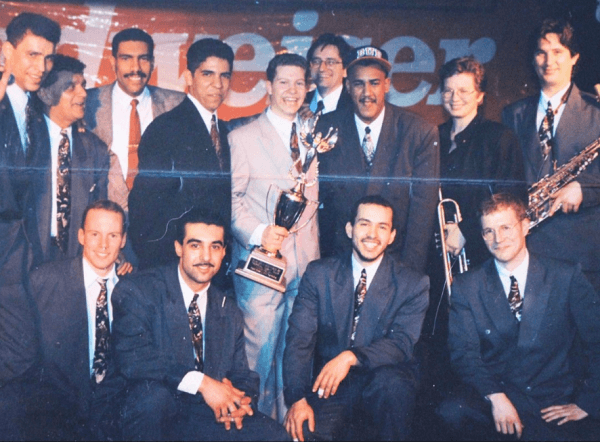
In 1992, he finally decided to break through his own and create his own orchestra, Papo Ross & Orquesta Pambiche, thanks to all the skills he had developed so far. After having learned to lead an orchestra, compose, arrange, and sing, he felt more than ready to carry out his own project consisting of 13 members, including two trumpeters, a trombonist, two saxophonists, a percussionist, and three singers, among others. None of the original group remain, and Papo practically does not use the big band, but a slightly smaller format called Papo Ross Meren Latin Jazz Approach. 

This band offers its services for private parties and drinks receptions, where Papo sometimes sings with a minus-one and even includes dancers in his shows.

Together with his orchestra, he has played at the Montreal International Jazz Festival on a few occasions, but they have also played in several other cities like Toronto, Regina, Saskatchewan, Victoria, Saint Pierre, Saint John, and many more. He has also collaborated with several other groups and musicians such as Pablo Ramos and the group Calipso.

Outside of Canada, they have played in various places in the United States such as Detroit, Wellington, and Vermont.

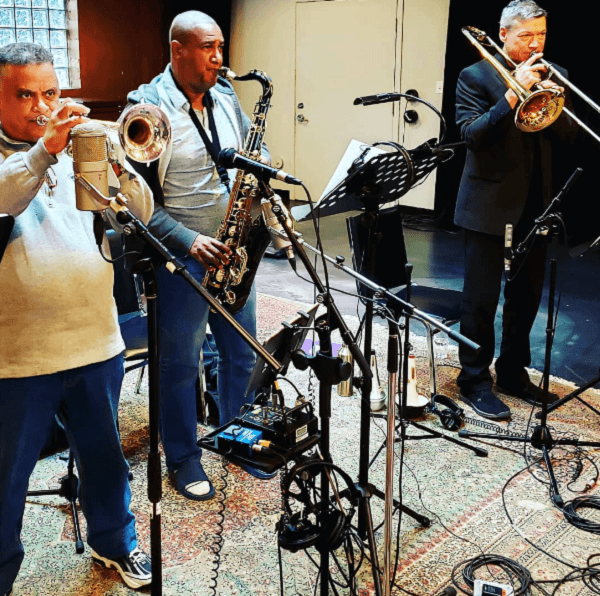
Eduardo, Papo, and Dave
Trumpeter Eduardo Sanchez, Papo Ross, and Trombonist Dave Grott

Read also: Colombian dancer and instructor Camila Cepeda takes salsa caleña to Canada

Yerba Buena Gardens Festival 2017 in San Francisco

North America / USA / San Francisco

2017 Yerba Buena Gardens Festival (YBG Festival) proudly announces the lineup for its:

2017 Yerba Buena Gardens Festival - Free out doors fresh
2017 Yerba Buena Gardens Festival – Free out doors fresh

17th Season, which continues its tradition of bringing entertainment to downtown in San Francisco. May 7 – Oct 29, 2017, 760 Howard St. San Francisco, CA 94103

To kick off the new season, the Grammy-winning Arturo O’Farrill & the Afro Latin Jazz Orchestra + VNote Ensemble will open the Festival on Sunday, May 7, the first of this year’s 100 admission-free events. The very popular series Let’s Go Salsa@Jessie also will be present with the best artists. YGB Festival offers you free music, theater, circus, dance, poetry, and children’s programs with artists from the Bay Area and around the world.

Named one of the Best Urban Green Spaces in North America by USA Today, Yerba Buena Gardens is a world-renowned cultural destination for Bay Area residents, families, workers, and tourists alike. Yerba Buena Gardens is located between Mission Street and Howard Street and 3rd and 4th Streets in downtown San Francisco. Visit www.ybgfestival.org or call (415) 543-1718 for more information and complete 17th Season schedule.

Yerba Buena Festival’s exciting 17th Season promises an exceptional array of talent to please all audiences.

YBG Festival Executive/Artistic Director Linda Lucero says, “Everyone needs the spiritual sustenance, inspiration, and communal experience that only live performance offers. This summer, you’ll find your joy at Yerba Buena Gardens Festival!”

2017 Yerba Buena Gardens Festival

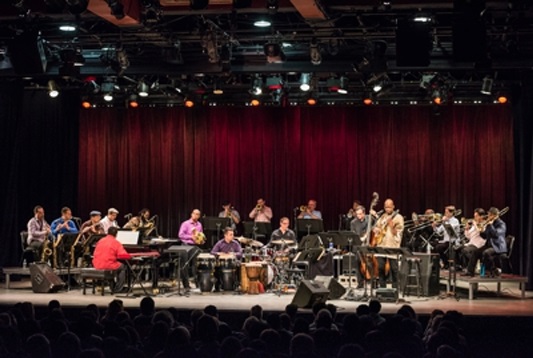
The Grammy-award winning Afro Latin Jazz Orchestra (ALJO), led by pianist, composer, and director Arturo O’Farrill, kicks off the Festival on Sunday, May 7 at 1:00pm. The ALJO brings together the drama of big band jazz, the culture of Latin music, and the virtuosity of eighteen of the world’s most accomplished solo musicians. Twelve years of critically acclaimed performances internationally have firmly established the ALJO as the standard-bearer for creative interpretation of Latin jazz greats such as Tito Puente, Frank “Machito” Grillo, and Chico O’Farrill, as well as the driving force behind new commissions from Latin music’s most talented composers and arrangers.

Arturo O’Farrill & the Afro Latin Jazz Orchestra + VNote Ensemble

Yerba Buena Gardens Festival includes the very popular Let’s Go Salsa@Jessie dance series, the family-friendly Children’s Series, Poetic Tuesdays with Litquake, and Thursday Lunchtime Concerts. Each and every week and weekend, the Festival has curated a lineup of musicians, dancers, poets, and actors from around the world including the Bay Area’s Kitka Women’s Vocal Ensemble on May 13, Brass Convergence II: Protest Brass on May 20, Richard Howell & Sudden Changes on May 27, NEA Heritage Fellows Michael Doucet and Tom Rigney with Flambeau on June 3, Festival-commissioned YBG ChoreoFest, a three-day site-

specific dance festival featuring 9 contemporary dance companies on June 9–11, NYC’s own M.A.K.U. Soundsystem on June 17, Circus Bella on June 23–24, AXIS Dance Company’s The Garden Project on July 1–2, Festival-commissioned Theatre Rhinoceros’ Lear! on July 7–9, Ensemble Mik Nawooj‘s premiere of Death Become Love on July 15, San Francisco Mime Troupe on July 23, SF Uke Jam Summer Uke-splosion! with Ukulenny and Cynthia Lin on July 29, Daymé Arocena + Latin Jazz Youth Ensemble on August 19, Paula West on August 26, Kugelplex with special guest Linda Tillery on September 2, Alsarah & the Nubatones on September 9, and Brooklyn Raga Massive with Classical Revolution performing Terry Riley’s In C on September 16.

Yerba Buena Gardens concert

The Festival closes with the 17th Annual Halloween Hoopla Sunday, October 29.

The popular series Let’s Go Salsa@Jessie, the open-air salsa dance party in Jessie Square (near the Contemporary Jewish Museum), takes place on the third Thursday of each month from May to September from 6:00 pm – 7:30 pm. Performers are Changuí Majadero on May 18, La Mixta Criolla on June 15, Somos el Son on July 20, Bobi Céspedes on August 17, and the Festival return of Ricardo Lemvo & Makina Loca on September 21.

The Festival offers the delightful Children’s Series, interactive performances specially designed for kids and families every Friday from June to August in Yerba Buena Gardens. The series presents performances by kid favorites: Caterpillar Puppets, Ka-Hon, Red Panda Acrobats, Pi Clowns, Venezuelan Music Project, Crosspulse, Unique Derique, and Non Stop Bhangra. The series ends with the wildly popular 17th Annual Halloween Hoopla on Sunday, October 29.

Yerba Buena Gardens Festival Commissions and Special Projects have commissioned the following projects to celebrate in June: Yerba Buena Gardens ChoreoFest, a brand new 3-day dance festival, June 9-11. Playwright/director/actor John Fisher writes and directs Lear!, a site-specific satirical musical based on Shakespeare’s King Lear for Theatre Rhinoceros, the nation’s, and likely the world’s, first queer theater on July 7-9 and Circus Bella on June 23 and 24. Conceived and directed by Abigail Munn and Joel Baker for Circus Bella, the show will feature high level, local and guest circus artists and includes static trapeze, rope walking, juggling, contortion, unicycle, original clowning, acrobatics, and more.

2017 Yerba Buena Gardens Festival - Photo
2017 Yerba Buena Gardens Festival – Photo

The Yerba Buena Gardens Festival also co-presents a series of admission-free outdoor programs with Union Square Live to be announced in April.

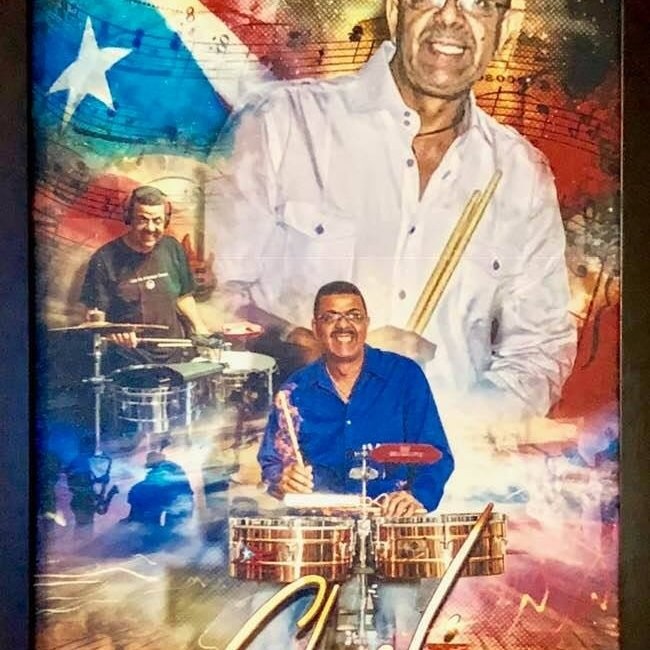
Charlie Sierra was a prominent Puerto Rican timbalero, recognized for his long musical career and virtuosity on the instrument

Carlos Manuel Sierra Sánchez, better known in the music world as “Charlie Sierra,” was born on October 10, 1956, in Vega Baja, Puerto Rico.

Charlie Sierra fue un destacado timbalero puertorriqueño

An excellent percussion musician from Barrio Sabana, Charlie Sierra recorded with important figures in music such as Don Mario Ortiz, Andy Montañez, Raphy Leavitt, Marc Anthony, Oscar D’León, Julito Alvarado, and many others. He even recorded the album Bravo by the Fania All-Stars in 1997.

To the worldwide community of salsa fans (salsómanos), he was a member, along with Chago Martínez, Tito De Gracia, Edgardo Morales, and Edwin Clemente, of the Gran Cumbre de Timbaleros (Great Summit of Timbaleros) that emerged in Puerto Rico’s rumbero (Afro-Cuban rhythm/rumba) scene during the penultimate decade of the 20th Century.

Charlie Sierra fue un destacado timbalero puertorriqueño reconocido por su larga trayectoria musical y su virtuosismo en el instrumento

Among these five virtuosos, the majority of the recording sessions in the Puerto Rican market were divided. The others were, practically, second choices for producers.

This fortunate circumstance allowed him to develop an impressive discography as a session musician, which includes the most stellar names in salsa. Likewise, he traveled across a large part of the globe as a member of the backing bands for many of those stars.

Our biographical subject was a child when he began, without a teacher, to learn the bongos and drums which he also played on recordings and on stage and the timbales, leading him to be identified as a fundamentally intuitive musician.

At the age of thirteen, he moved with his family to Bayamón, and it was during his time as a student at the Nuestra Señora del Rosario School that he began to show signs of his talent.

At fourteen, he enrolled in the Ernesto Ramos Antonini Free School of Music (Escuela Libre de Música), where he was a disciple of the Argentine master Samuel Lipchik.

During that time, he also advanced his knowledge of the flute, guitar, and piano, instruments he would never cultivate professionally, as percussion was always his great passion.

Papo Lucca, Charlie Sierra y Cheo Feliciano

However, his time at the Free School of Music was relatively brief (1972-1974). He soon began his professional career, gaining his first experiences with the Orquesta Rica and the Orquesta Tabú.

During this period, he received private lessons from the renowned professor Raúl Berríos Sánchez.

Fully immersed in the music scene, his name began to gain relevance in the salsa world following his tenure with the original Orquesta Mulenze, led by bassist Edwin Morales, during the 1976-1978 period.

At that time, this organization focused its work on providing accompaniment to solo singers affiliated with the genre, both national and foreign, who visited the island. He had the opportunity to travel with several of them: Santos Colón, Celia Cruz, Cheo Feliciano, Chivirico Dávila, Pellín Rodríguez, Yayo El Indio, etc.

From the Orquesta Mulenze, he moved to the lineup of Raphy Leavitt & La Selecta (1978-1979), with whom he had the opportunity to record hits like “La cosquillita,” vocalized by Tony Vega. He later worked with the orchestra led by pianist Tito Valentín, which featured Marvin Santiago as the vocalist.

He then joined trumpeter Mario Ortiz’s orchestra (1982-1984); he collaborated in the founding of the backing bands for the great sonero (Cuban son singer) Carlos «Cano» Estremera (1984) and the equally admired Tony Vega (1988).

In the interim, he worked independently and constantly recorded with other groups and a large number of soloists. He maintained this intense work routine until the present.

In 2009, Charlie Sierra organized his own orchestra, Paso Nivel, with which he recorded the album Ganas de bailar (Paso Nivel, CD-10692).

The album prominently features singer Efraín «Pichi» Gaetán, and included special guests such as Cheo Feliciano, Ismael Miranda, Andy Montañez, and Gilberto Santa Rosa, as well as Primi Cruz, Darvel García, and Héctor Luis «Pichie» Pérez.

Charlie Sierra was a distinguished Puerto Rican salsa timbalero, recognized for his long musical career and his virtuosity on the instrument.

He passed away on October 23, 2024, at the age of 67. Throughout his career, he collaborated with artists of the stature of Andy Montañez, Celia Cruz, Cheo Feliciano, and Bobby Cruz.

Musical Career: He began his career with the Orquesta Mulenze in 1970 and later joined Raphy Leavitt & La Selecta’s band.

Charlie Sierra y Orestes Vilato

Notable Collaborations:

He worked with Andy Montañez for over 25 years, being a key piece in his orchestra. He also collaborated with artists like Celia Cruz, Cheo Feliciano, Gilberto Santa Rosa, Bobby Cruz (on the hit “Sonido Bestial”), Tito Valentín, among others.

Own Orchestra: In 2009, he founded his own orchestra called Paso Nivel, with which he recorded the album “Ganas de bailar” (Desire to Dance).

 Collaborators:

L’Òstia Latin Jazz

Also Read: Orestes Vilato. Cuban multi-percussionist.

Anthony Carrillo The Legendary and Virtuoso Bongocero for Batacumbele and

Anthony Carrillo was born in New York City on 117th Street and Lexington Avenue, a neighborhood marked by significant complexities in terms of violence and drugs. This is why his father decided to move the family back to Puerto Rico in 1972.

Anthony Carrillo el Virtuoso del Bongo

“I remember that when I opened my eyes the second day, I heard the music of Willie Colón and Héctor Lavoe”.

Me opening my eyes, and the smell of the earth. It’s a scene I’ll never forget in my life.”

Once in Puerto Rico, his father continued to play music and was connected with musicians such as David “La Mole” Ortiz, who would later become a great mentor and collaborator for Anthony.

In the mid-1970s, Anthony and his brother began collaborating with the Areito Folkloric Ballet.

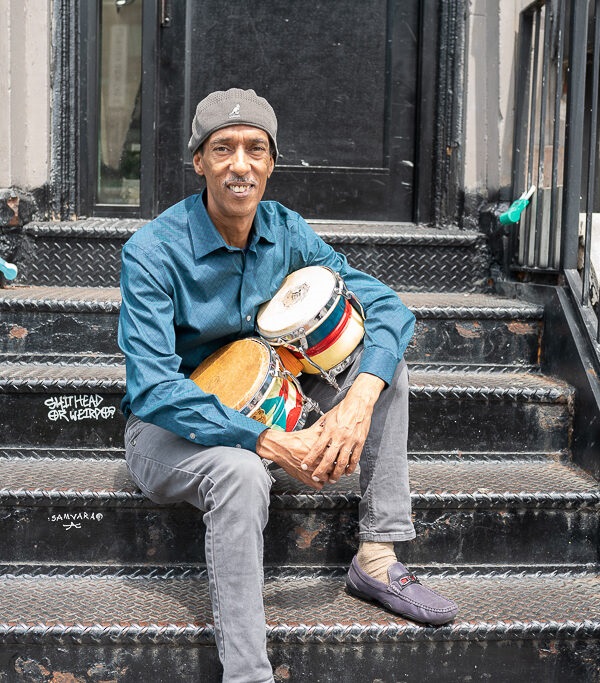
Anthony Carrillo: Master Percussionist

Master percussionist Anthony Carrillo comes from a proud Puerto Rican musical heritage. Although perhaps best known for his performances alongside his childhood friend and famous LP artist, Giovanni Hidalgo, Carrillo has performed with numerous renowned musicians throughout his career, including Eddie Palmieri, Gonzalo Rubalcaba, Paul Simon, and Harry Belafonte.

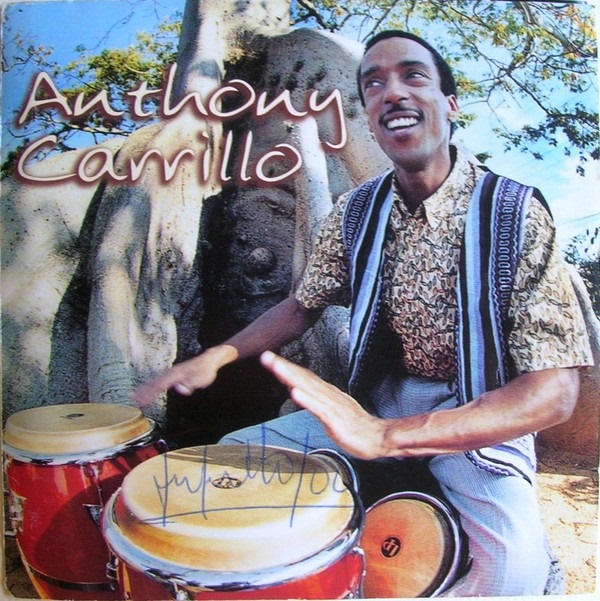
Anthony Carrillo Mis Raíces 1997

He was also an integral member of the outstanding percussion ensemble, Batacumbele, and, in contrast, the Puerto Rican metal band, PUYA. Piano legend Eddie Palmieri has referred to Carrillo as “the best bongocero in the universe.”

Under his own name, Anthony Carrillo has released three CDs, which include the historic first rumba recordings from Puerto Rico. His most recent performances include the off-Broadway musical “I Like it Like That” in 2017, and recording bongos with Puerto Rican artist Residente on his recent track “Hijos del Cañaveral.”

In April 2018, his Latin jazz group, AA team, released two original singles featuring Carrillo on bongos, drums, and vocals.

In August 2018, his dance orchestra, YÁMBAWA, released a four-track EP with originals and English-language pop standards infused with Spanish rap. He has stated that these two productions form his most prolific and inspired body of work in his career so far.

AA Team YÁMBAWA
AA Team YÁMBAWA

Musical Origins

Anthony Carrillo was born in New York City of Puerto Rican ancestry. From childhood, he expressed a special interest in music. His father, Mr. Roman “Don Nan” Carrillo, was his first teacher.

Through his father, Anthony Carrillo was exposed to the music of “Ramito” (one of the greatest exponents of folkloric music in Puerto Rico) and Rafael Cortijo.

Anthony’s earliest influences were “Papi Andino” (Ramito’s bongocero) and Roberto Roena (Cortijo’s bongocero).

When he was only nine years old, Anthony Carrillo’s family returned to Puerto Rico.

It was then that his father asked David Ortiz “La Mole” who was considered one of the best Rumberos in Puerto Rico to teach his son the techniques and patterns of Rumba. By age 13, Anthony was already part of the touring National folkloric group Areito, directed by Mrs. Irene Mcleane.

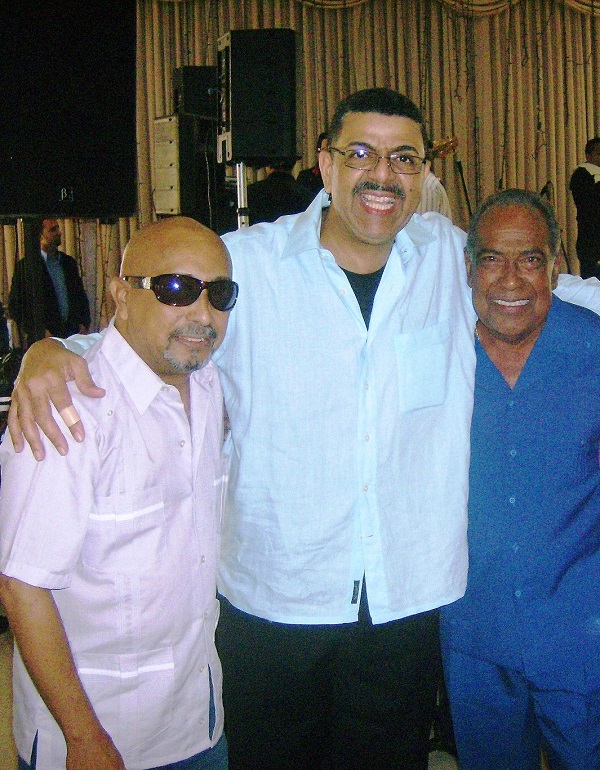
Anthony Carrillo Y Yova Rodriguez

In the early 1980s, Anthony Carrillo became a member of the famous folkloric group, La Familia Cepeda, the foremost exponents and keepers of the traditional “Bomba” and “Plena” styles.

Collaborators:

Yova Rodriguez

Planet Drum

Also Read:  Papo Vázquez the Pirate & Troubadour of Our Latin Music

  • « Go to Previous Page
  • Page 1
  • Interim pages omitted …
  • Page 22
  • Page 23
  • Page 24
  • Page 25
  • Page 26
  • Interim pages omitted …
  • Page 95
  • Go to Next Page »

International Salsa Magazine (ISM) is a monthly publication about Salsa activities around the world, that has been publishing since 2007. It is a world network of volunteers coordinated by ISM Magazine. We are working to strengthen all the events by working together.