 |
 |
 |
 |
 |
|
 |
|
 |
|
 |
|
 |
|
 |
|
 |
|
 |
|
“We are the Real Latin music world network”
 |
 |
|
|
|
|
|
|
|
|
|
|
|
|
|
|
|
|
|
|
|
|
|
|
Ralph Mercado was a music promoter and an iconic figure of Salsa and Latin music in New York. More than just an entrepreneur, Mercado was the strategist who took Salsa out of local New York clubs and placed it on the world’s most prestigious stages.
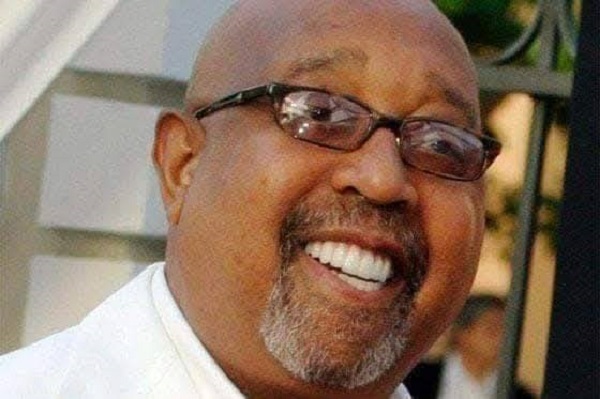
Creator of “The Perfect Combination”; Early Days in the Bronx and Brooklyn
Of Puerto Rican and Dominican descent, Mercado was born on September 29, 1941, in Brooklyn. As a mere teenager, he was already organizing parties and dances as the president of a neighborhood social club.
He later founded the 3 & 1 Club on Atlantic Avenue, which hosted local bands and musicians such as Eddie Palmieri and Richie Ray & Bobby Cruz, among many others. Shortly thereafter, he created his first production and promotion company, Showstoppers, through which he promoted R&B acts of the caliber of James Brown, Aretha Franklin, Gladys Knight & the Pips, The Stylistics, and The Chi-Lites.
Expanding the Empire
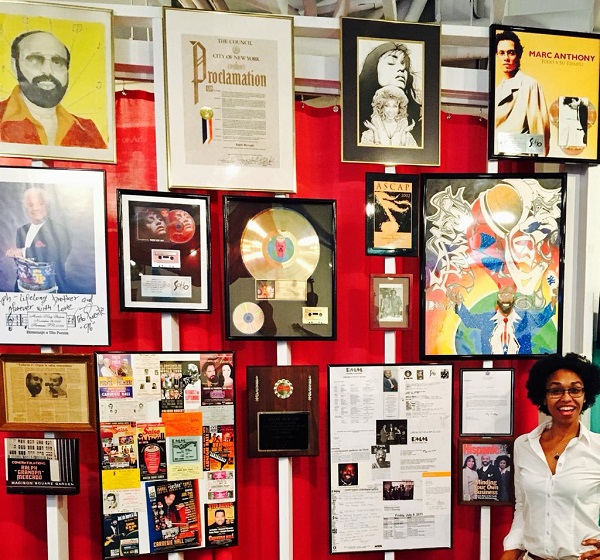
He managed the genre’s biggest stars, including Tito Puente and Celia Cruz, with whom he worked for 25 years. “I learned so much from her,” Mercado told the AP in July 2003, following the passing of the “Queen of Salsa.” “I witnessed the impact she had in every country we visited.”
Mercado credited Cruz and Puente with the internationalization of Salsa. “They were two artists with so much talent and such good hearts… something unrepeatable,” he expressed at the time.
The RMM Phenomenon
By 1987, his popular “Latin Tinge” nights at the Palladium attracted hundreds of salseros every Thursday. In 1992, he founded the independent label RMM, which branched into RMM Records, RMM Filmworks, and two publishing houses. With a catalog of over 140 artists, the label sold millions of albums annually.
The RMM Label: A Hit Factory
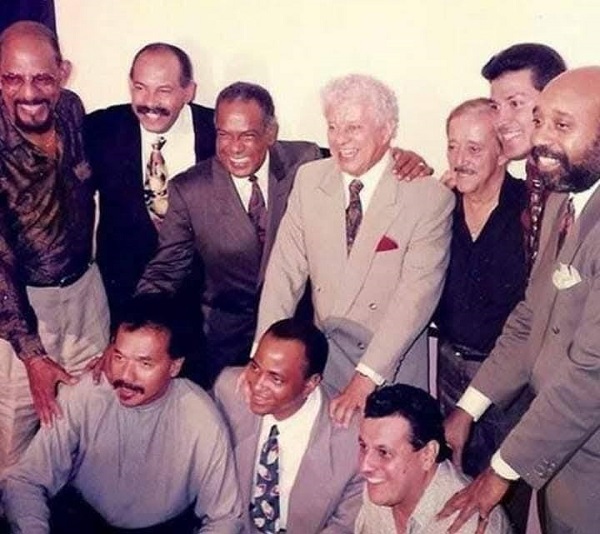
Mercado’s impact was solidified by his ability to adapt tradition to changing times. While others clung to the past, Ralph understood the potential of Salsa Romántica and the power of international collaborations. RMM didn’t just produce records; it produced culture, documenting the history of the rhythm through videos and massive concerts that redefined the concept of Latin entertainment.
His influence extended far beyond recording. As a promoter, he opened markets in Europe, Asia, and throughout Latin America, ensuring the tumbao was heard in every corner of the planet. He was a relentless negotiator and a protector of the legends’ legacies, ensuring that Latin Jazz and Salsa Dura maintained their academic prestige while dominating the pop charts.
An Indelible Legacy
“Without him, I don’t believe the Fania All-Stars would have achieved the success they did,” stated Eddie Palmieri. Meanwhile, promoter Leo Tizol remembered him as someone “accessible and noble” who never refused to share his knowledge with those starting out.
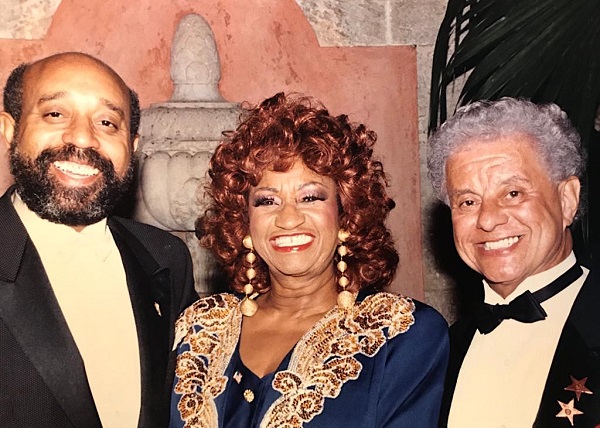
Source: RMM / Photo: Ralph Mercado Archives
Also Read: Hector Maisonave Manager of the Greatest Salseros in New York
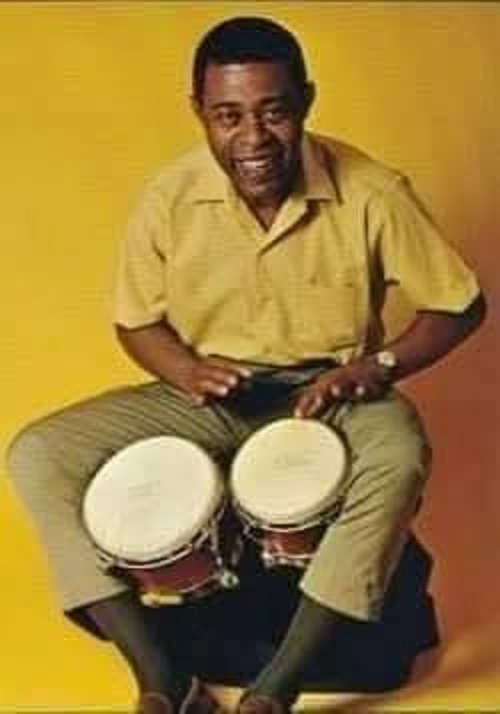
An extraordinary and legendary percussionist, José Mangual Sr. was the founder of the prestigious percussive lineage that carries his surname.
Since his childhood in Juana Díaz, he professed a deep love for music; by age ten, he was already playing professionally, and during his youth, he even enjoyed crafting his own bongos.
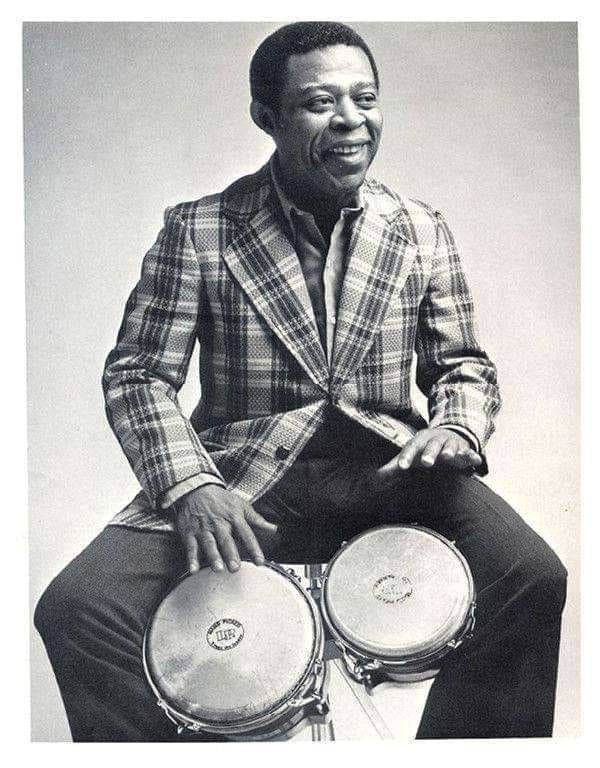
Considered by experts as one of the greatest bongo players of all time, his legacy remains the gold standard for meter and tuning in Latin Jazz and Salsa.
From Juana Díaz to the Heart of Spanish Harlem
Born on March 18, 1924, in Juana Díaz, Puerto Rico, Mangual discovered his vocation at age 10. However, his musical destiny was sealed in 1938 when he migrated to New York at the age of 14.
Settling in Spanish Harlem (“El Barrio”), he found himself at the epicenter of a cultural explosion that was about to change world music forever.
The Consecration: Machito and his Afro-Cubans
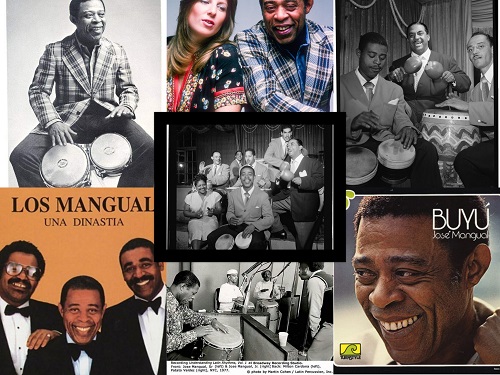
An Unrivaled Session Musician
Pedagogical Legacy and Solo Career
In the 70s and 80s, Mangual recorded music not only for enjoyment but also for instruction:
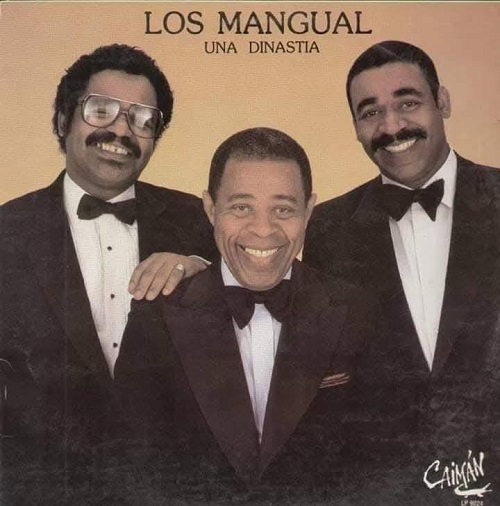
“The sound of his cowbell and his bongo didn’t just mark time; they cemented the foundations of the music we dance to today.”
The Patriarch of a Dynasty
The impact of José Mangual Sr. extends through his sons, who inherited his musical excellence:
Also Read: Israel “Cachao” López, a Cuban musician and composer, has been hailed as “the Inventor of Mambo”




Latin America / Panama / Panama
Although our magazine primarily focuses on Latin rhythms like Salsa, Kizomba, and Bachata, our editorial mission also includes promoting both emerging and established artists, as well as the academies and festivals within our scene. We believe these are synonymous with the Latin musical culture that enlivens our very souls.
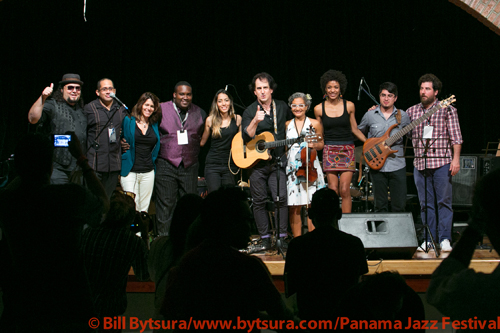
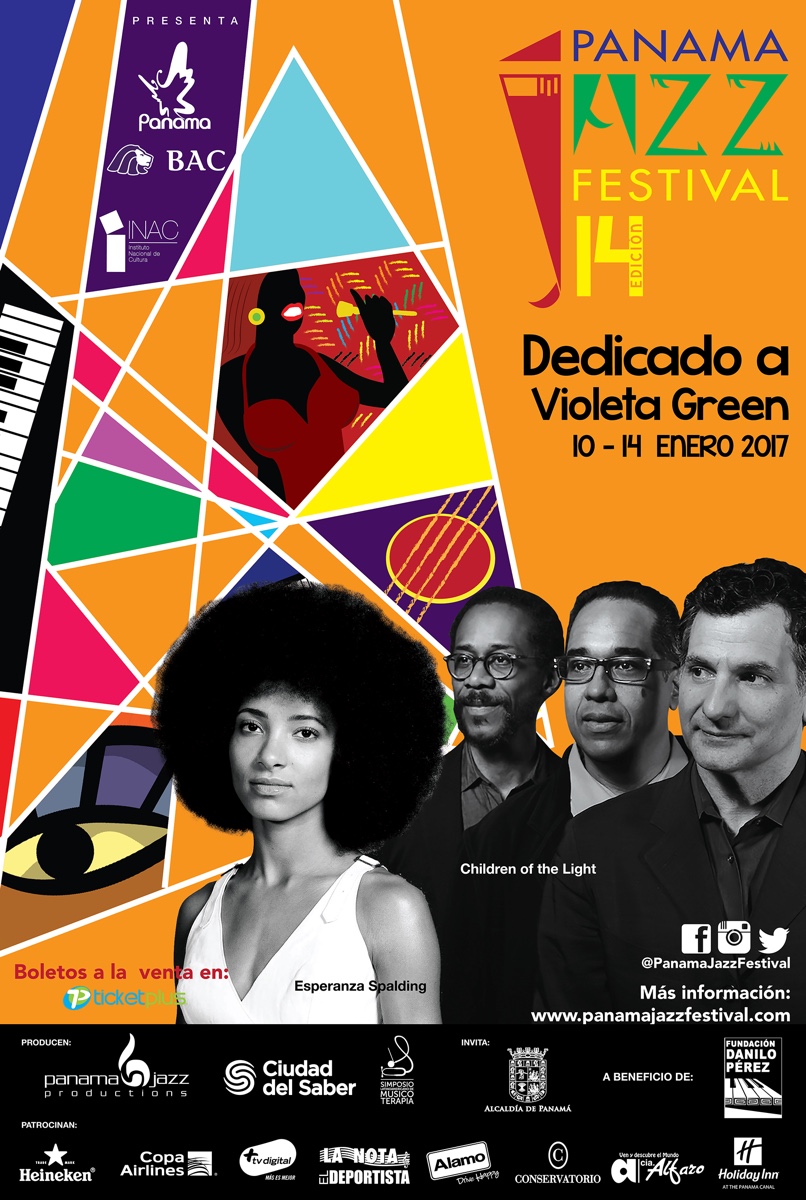
Jazz is one of the most famous genres in the world, and as it has spread globally, it has evolved into various styles. In the Americas, it gave birth to Latin Jazz, which thrives on the fusion of rhythms and forms originating from Latin music. One of the world’s most renowned celebrations of this genre is the “Panama Jazz Festival,” an acclaimed cultural project where creativity, exchange, talent, and inspiration have made the event an international benchmark.
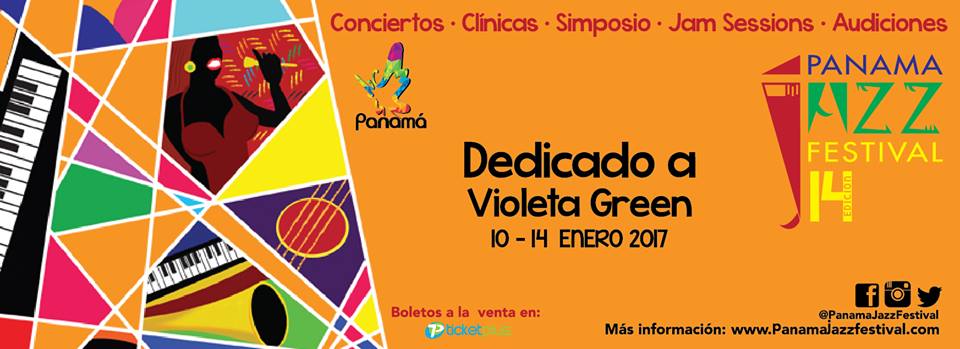
For its 14th edition (Note: The original text says 4ta/4th, but the 2017 festival was the 14th), the Panama Jazz Festival pays tribute to Violeta Green, whose voice brought a unique tone to Panamanian Jazz. Her career, drive, and spirit of perseverance transcend time and remain part of the musical legacy the festival seeks to share from “the heart of America to the rest of the world.”
|
|
|
|
Many remember Violeta Green for her humility, gentle nature, and versatility across musical languages, including Jazz, Blues, and Calypso—the latter being a quintessential Caribbean style known for its upbeat, catchy rhythm.
With her passion for song and rhythm, Violeta Green was admired for qualities that led her to perform internationally in the United States, Colombia, and Central America. However, in Panama, she is best known for leaving an indelible mark on the music scene by blending Jazz with Calypso to create a truly special sound. This year, the festival is proud to honor her contributions.
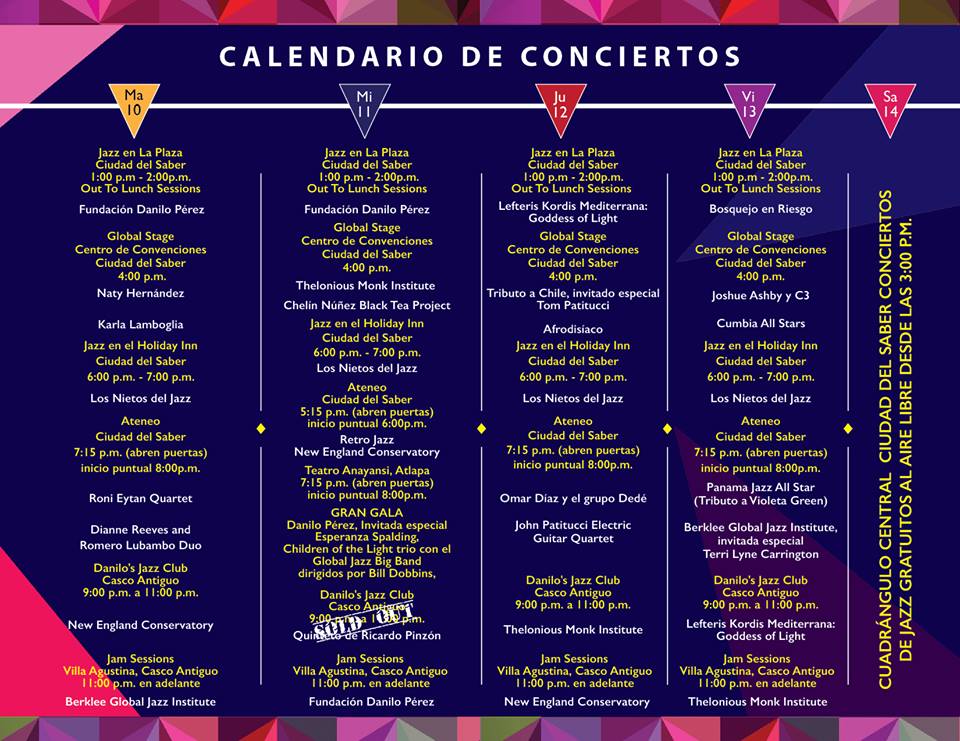
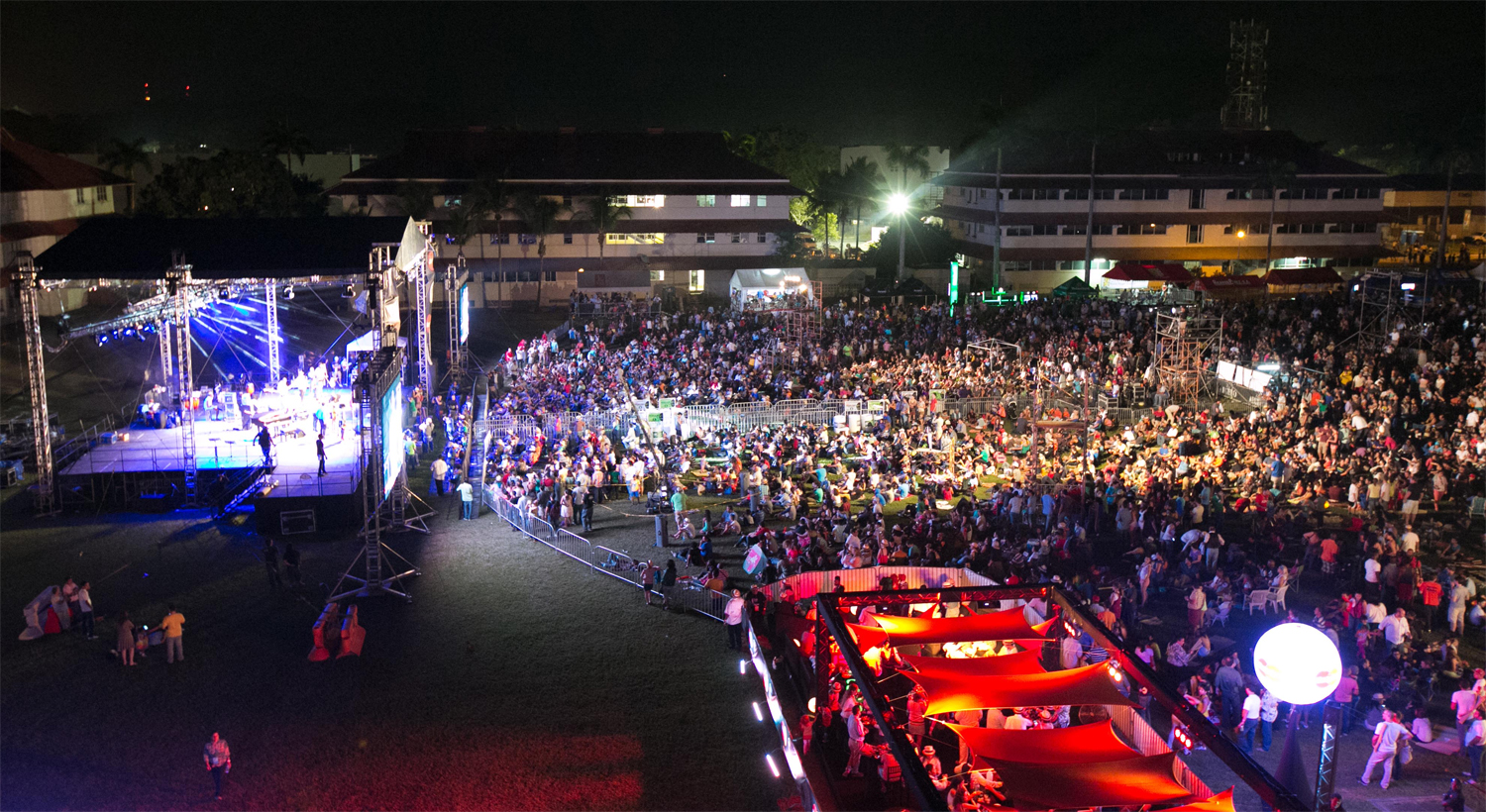
This magnificent festival will take place from January 10th to the 14th, turning Panama’s capital into a global jazz stage. This is made possible through the support of the government, private sector, NGOs, and the invaluable passion and loyalty of both local and international audiences.
|
|
|
|
|
|
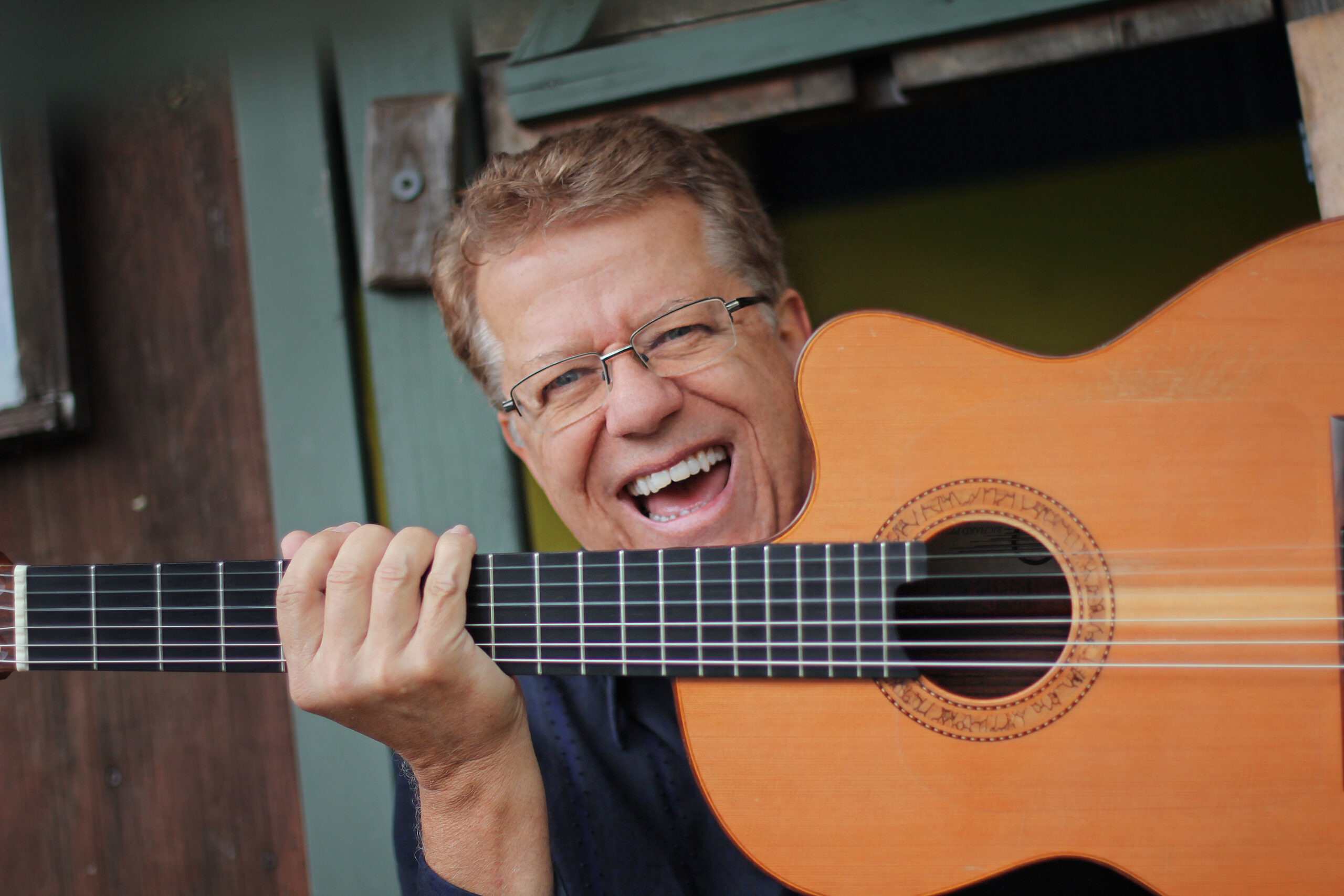
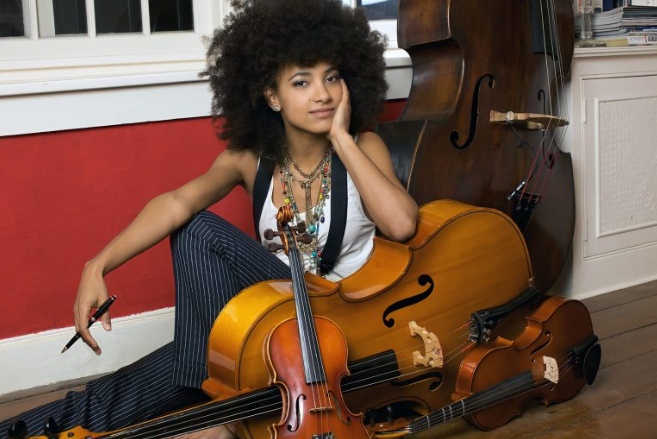
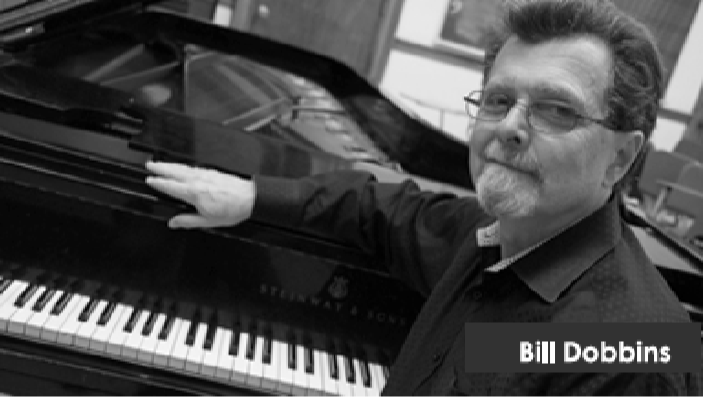
The festival will feature an illustrious lineup of artists. Confirmed international performers include:
Representing Panama, the festival will showcase the talent of Joshue Ashby & C3 Project, Graciela Nuñez and the Black Tea Project, Karla Lamboglia, Omar Díaz, Carlos Agrazal, Luis Carlos Pérez, and Los Beachers.
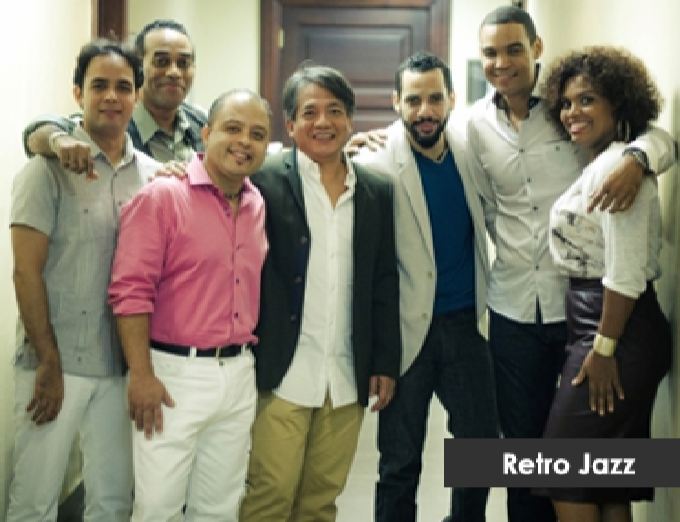
Additionally, the festival will feature “Retro Jazz,” a group from the Dominican Republic. Their repertoire reimagines popular Dominican songs through the lens of Jazz, Bossa Nova, Latin Jazz, and Funk—combining the elegance of Dominican classics with the harmonic depth and improvisational energy of Jazz.
The festival is the most important annual event organized by the Danilo Pérez Foundation, which uses music as a tool for positive social transformation. As Danilo Pérez says: “I invite you to celebrate with music to create a rhythm that inspires peace, love, and brotherhood.”