• Skip to primary navigation
  • Skip to main content

International Salsa Magazine

  • HOME
  • Previous editions
    • 2026
      • ISM / April 2026
      • ISM / March 2026
      • ISM / February 2026
      • ISM / January 2026
    • 2025
      • ISM / December 2025
      • ISM / November 2025
      • ISM / October 2025
      • ISM / September 2025
      • ISM / August 2025
      • ISM / July 2025
      • ISM / June 2025
      • ISM / May2025
      • ISM / April 2025
      • ISM / March 2025
      • ISM / February 2025
      • ISM / January 2025
    • 2024
      • ISM / December 2024
      • ISM / November 2024
      • ISM / October 2024
      • ISM / September 2024
      • ISM / August 2024
      • ISM / July 2024
      • ISM / June 2024
      • ISM / May 2024
      • ISM / April 2024
      • ISM / March 2024
      • ISM / February 2024
      • ISM / January 2024
    • 2023
      • ISM / December 2023
      • ISM / November 2023
      • ISM / October 2023
      • ISM – September 2023
      • ISM – August 2023
      • ISM July 2023
      • ISM Edition June 2023
      • ISM – May 2023
      • ISM April 2023
      • ISM March 2023
      • ISM February 2023
      • ISM January 2023
    • 2022
      • ISM December 2022
      • ISM November 2022
      • ISM October 2022
      • ISM September 2022
      • ISM August 2022
      • ISM July 2022
      • ISM June 2022
      • ISM May 2022
      • ISM February 2022
      • ISM January 2022
    • 2021
      • ISM December 2021
      • ISM November 2021
      • ISM October – 2021
      • ISM September 2021
      • ISM August 2021
      • ISM July 2021
      • ISM May 2021
      • ISM April 2021
      • ISM June 2021
      • ISM March 2021
      • ISM February 2021
      • ISM January 2021
    • 2020
      • ISM December 2020
      • ISM November 2020
      • ISM October 2020
      • ISM September 2020
      • ISM August 2020
      • ISM July 2020
      • ISM June 2020
      • ISM May 2020
      • ISM April 2020
      • ISM March 2020
      • ISM February 2020
      • ISM January 2020
    • 2019
      • ISM December 2019
      • ISM November 2019
      • ISM October 2019
      • ISM Septembre 2019
      • ISM August 2019
      • ISM July 2019
      • ISM June 2019
  • Spanish
  • Download Salsa App
    • Android
    • Apple

Search Results for: Latin Tribute

José Mangual Sr. “Buyú”: The Architect of Bongo Sound Defining the Rules of How it Should Sound

In the history of Afro-Latin music, there are names that didn’t just play an instrument they defined the rules of how it should sound. José Mangual Sr., known universally as “Buyú,” is one of those pillars.
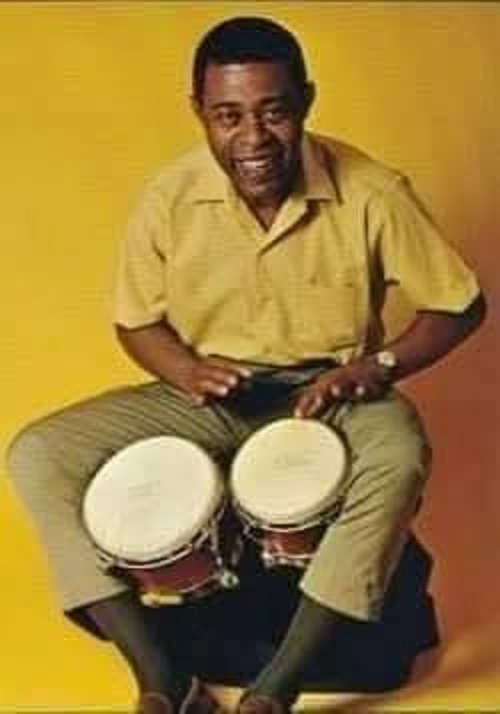
José Mangual Sr., known universally as Buyú, is one of those pillars

An extraordinary and legendary percussionist, José Mangual Sr. was the founder of the prestigious percussive lineage that carries his surname.

Since his childhood in Juana Díaz, he professed a deep love for music; by age ten, he was already playing professionally, and during his youth, he even enjoyed crafting his own bongos.

Over time, he became the musician who endowed the instrument with an extraordinary sonority. He was the father of the equally prominent percussionists José Mangual Jr. and Luis Mangual.
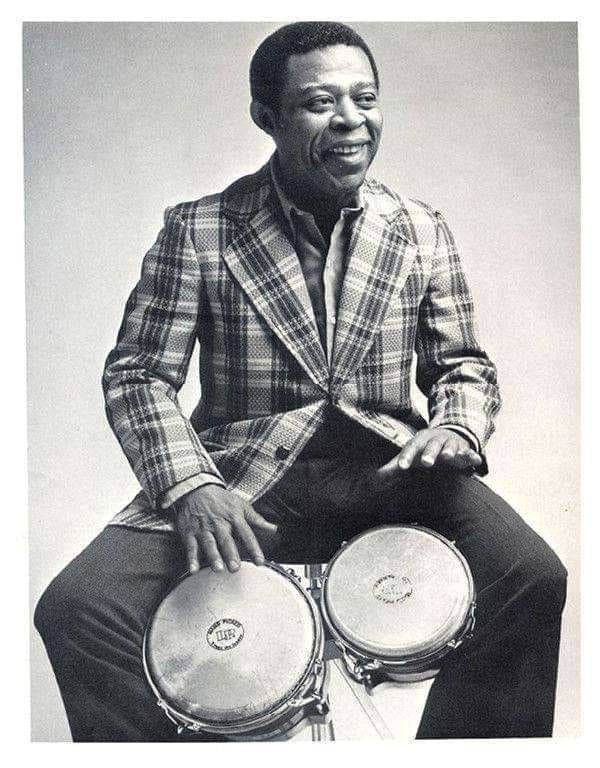
The Architect of Sound on the Bongos defining the rules of how it should sound

The Architect of Sound on the Bongos defining the rules of how it should sound

Considered by experts as one of the greatest bongo players of all time, his legacy remains the gold standard for meter and tuning in Latin Jazz and Salsa.

From Juana Díaz to the Heart of Spanish Harlem

Born on March 18, 1924, in Juana Díaz, Puerto Rico, Mangual discovered his vocation at age 10. However, his musical destiny was sealed in 1938 when he migrated to New York at the age of 14.

Settling in Spanish Harlem (“El Barrio”), he found himself at the epicenter of a cultural explosion that was about to change world music forever.

The Consecration: Machito and his Afro-Cubans

Although he began by filling the timbales position, it was with the Machito and his Afro-Cubans orchestra where “Buyú” made history. Under the direction of Mario Bauzá (who is said to have given him his nickname), Mangual remained with the group for nearly 17 years.
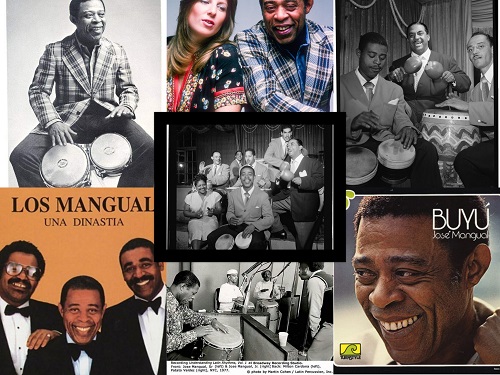
The Legacy and the Patriarch of a Dynasty
  • Rhythmic Innovation: He was part of the “perfect percussion trio” alongside Carlos Vidal (congas) and Machito (maracas).
  • Historic Fusion: His performance was key to blending the complexity of Afro-Cuban rhythms with the harmonies of New York Jazz in the 1940s and 50s.

An Unrivaled Session Musician

His technique was so clean and his sound so bright that he became the preferred collaborator for the biggest stars. Throughout his career, he contributed his mastery to projects led by:

  • Tito Puente: The “King of the Timbales.”
  • Israel López “Cachao”: Participating in historic Afro-Cuban Jazz “descargas” (jam sessions).
  • Jazz Greats: His versatility allowed him to navigate fluidly between the world of Big Bands and traditional Salsa ensembles.

Pedagogical Legacy and Solo Career

In the 70s and 80s, Mangual recorded music not only for enjoyment but also for instruction:
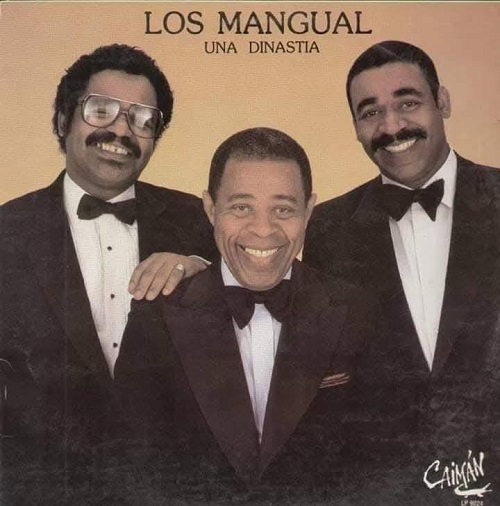
The Patriarch of a Dynasty
  • Album “Buyú” (1977): A Latin Jazz gem on the Turnstyle label, featuring tracks like “Black & Brown Boogie.”
  • Musical Education: Alongside conguero Carlos “Patato” Valdés, he recorded the volumes of Understanding Latin Rhythms. These LPs became the auditory manual for thousands of percussionists around the globe.
  • The Mangual Dynasty: In 1986, he consolidated his family heritage with the album Los Mangual: Una Dinastía, recording alongside his talented sons.

“The sound of his cowbell and his bongo didn’t just mark time; they cemented the foundations of the music we dance to today.”

The Patriarch of a Dynasty

The impact of José Mangual Sr. extends through his sons, who inherited his musical excellence:

  • José Mangual Jr. (“El Milamores”): Famous bongo player and singer, a key figure in the orchestras of Willie Colón and Héctor Lavoe.
  • Luis Mangual: Renowned percussionist and musical director.

Passing and Recognition: Buyú passed away in 1998, leaving an irreplaceable void. In 2001, he was posthumously inducted into the International Latin Music Hall of Fame  a fitting tribute to the man who gave the bongo unprecedented brilliance and elegance.

Also Read: Israel “Cachao” López, a Cuban musician and composer, has been hailed as “the Inventor of Mambo”
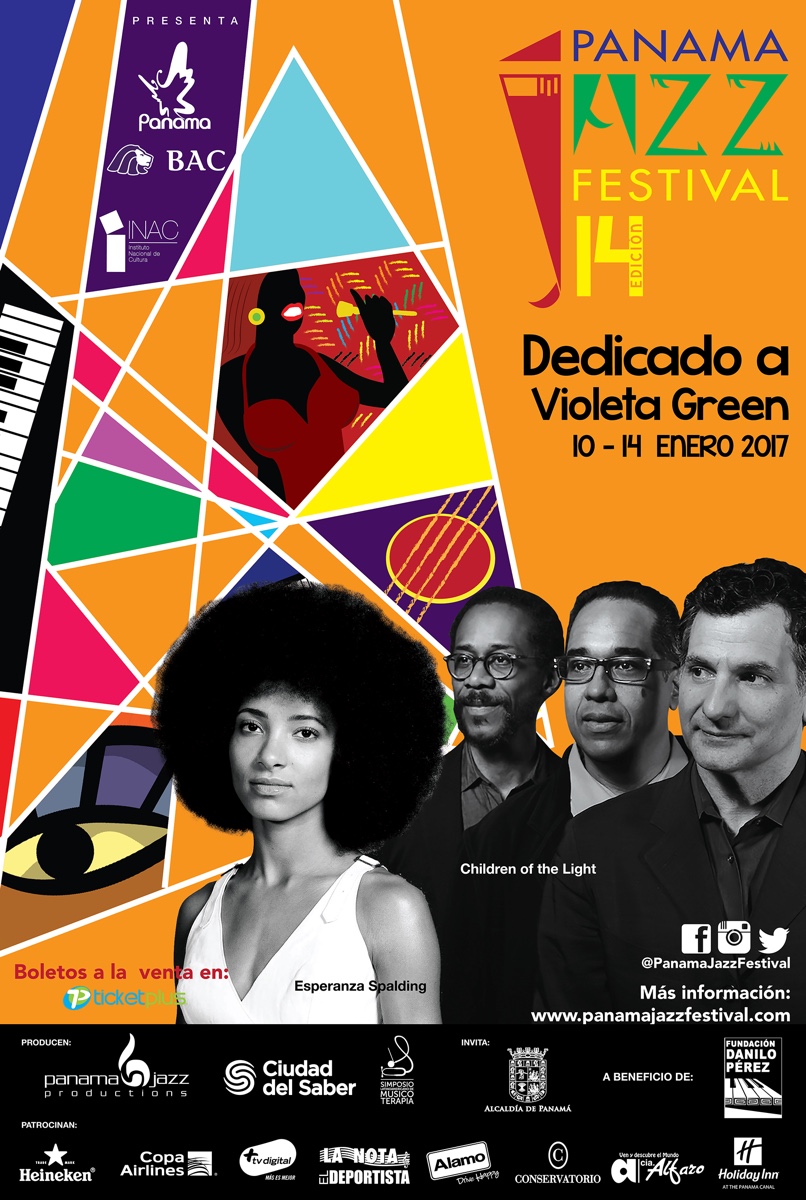
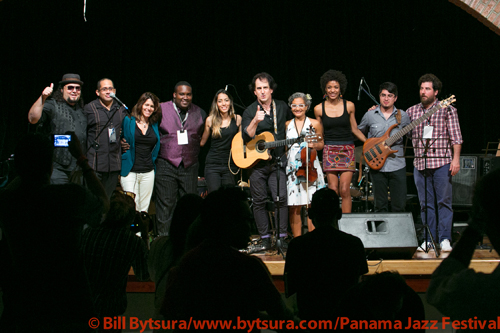
Panama Jazz Festival 2017

Latin America / Panama / Panama
Panama Jazz Festival 2017

Although our magazine primarily focuses on Latin rhythms like Salsa, Kizomba, and Bachata, our editorial mission also includes promoting both emerging and established artists, as well as the academies and festivals within our scene. We believe these are synonymous with the Latin musical culture that enlivens our very souls.

Jazz is one of the most famous genres in the world, and as it has spread globally, it has evolved into various styles. In the Americas, it gave birth to Latin Jazz, which thrives on the fusion of rhythms and forms originating from Latin music. One of the world’s most renowned celebrations of this genre is the “Panama Jazz Festival,” an acclaimed cultural project where creativity, exchange, talent, and inspiration have made the event an international benchmark.

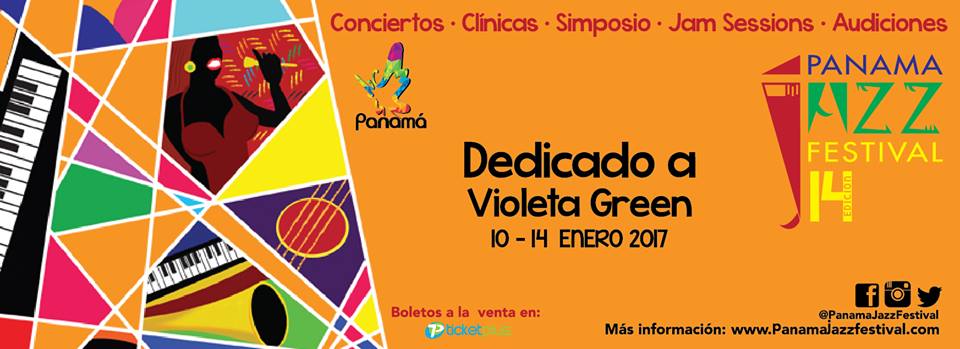
For its 14th edition (Note: The original text says 4ta/4th, but the 2017 festival was the 14th), the Panama Jazz Festival pays tribute to Violeta Green, whose voice brought a unique tone to Panamanian Jazz. Her career, drive, and spirit of perseverance transcend time and remain part of the musical legacy the festival seeks to share from “the heart of America to the rest of the world.”

Romero Lubambo - Panama Jazz Festival 2017
Romero Lubambo – Panama Jazz Festival 2017

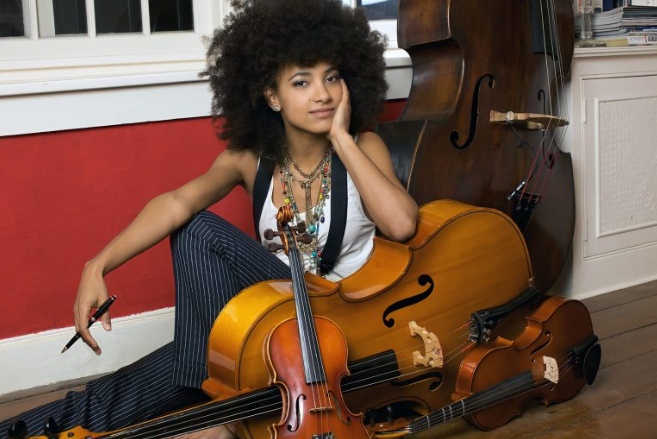
Esperanza Spolding - Panama Jazz Festival 2017
Esperanza Spolding – Panama Jazz Festival 2017

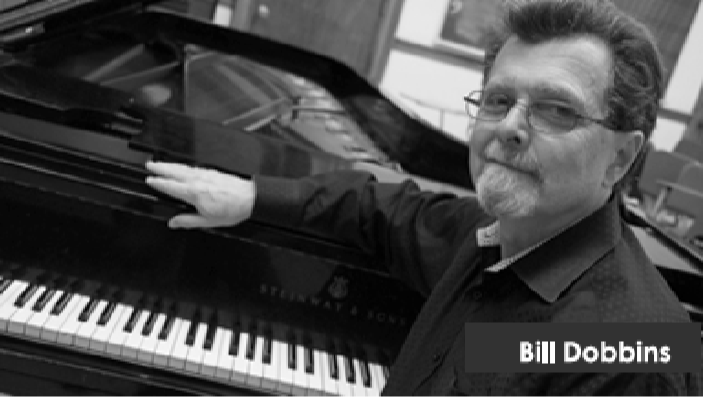
Bill Dobbins - Panama Jazz Festival 2017
Bill Dobbins – Panama Jazz Festival 2017

Many remember Violeta Green for her humility, gentle nature, and versatility across musical languages, including Jazz, Blues, and Calypso—the latter being a quintessential Caribbean style known for its upbeat, catchy rhythm.

With her passion for song and rhythm, Violeta Green was admired for qualities that led her to perform internationally in the United States, Colombia, and Central America. However, in Panama, she is best known for leaving an indelible mark on the music scene by blending Jazz with Calypso to create a truly special sound. This year, the festival is proud to honor her contributions.

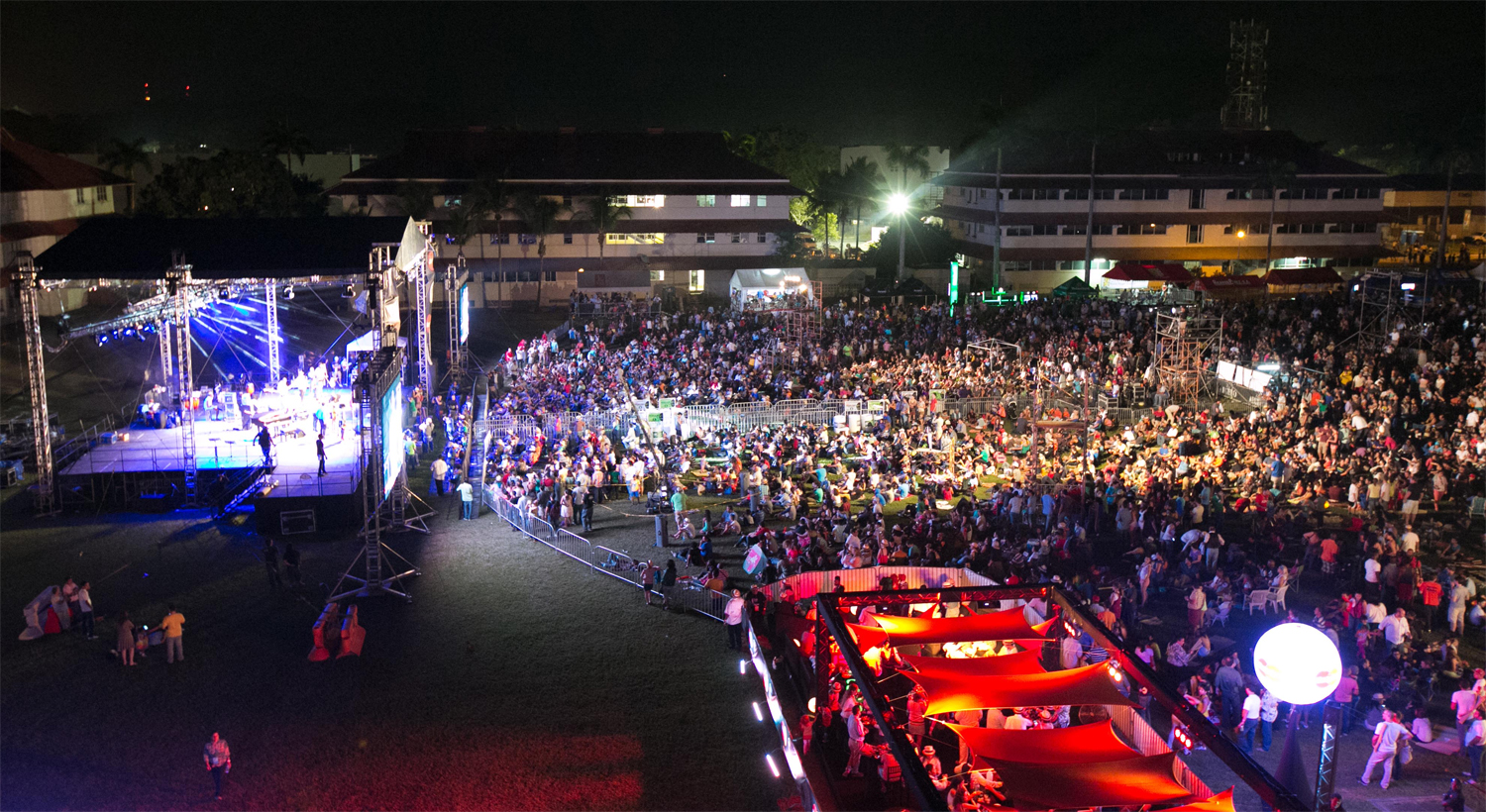
This magnificent festival will take place from January 10th to the 14th, turning Panama’s capital into a global jazz stage. This is made possible through the support of the government, private sector, NGOs, and the invaluable passion and loyalty of both local and international audiences.

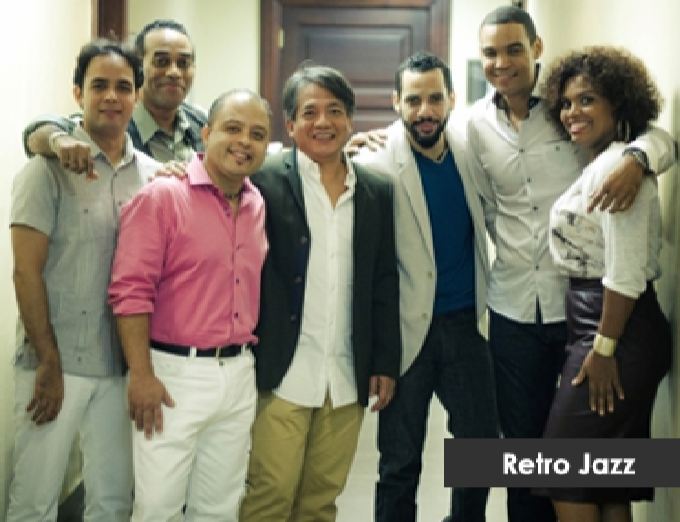
Panama Jazz Festival 2017 - Retro Jazz
Panama Jazz Festival 2017 – Retro Jazz

Panama Jazz Festival 2017 - Photo 1
Panama Jazz Festival 2017 – Photo 1

Panama Jazz Festival 2017 - Photo 2
Panama Jazz Festival 2017 – Photo 2

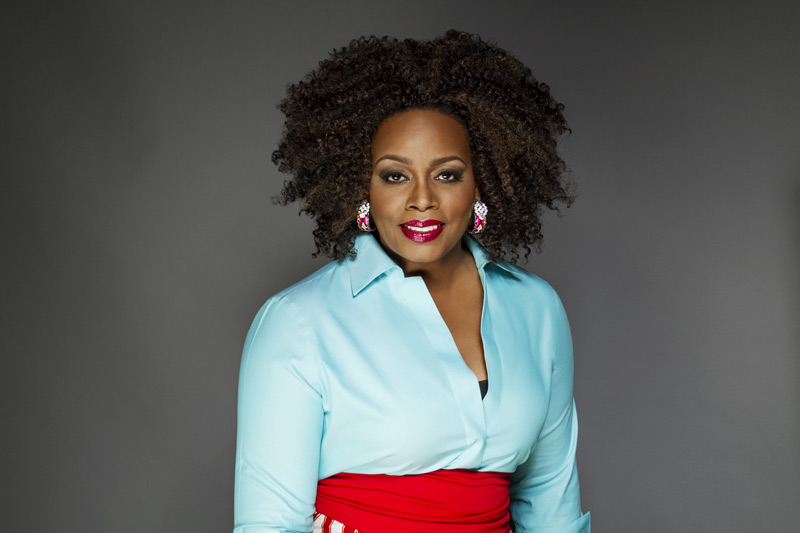
Panama Jazz Festival 2017 - Dianne Reeves
Panama Jazz Festival 2017 – Dianne Reeves

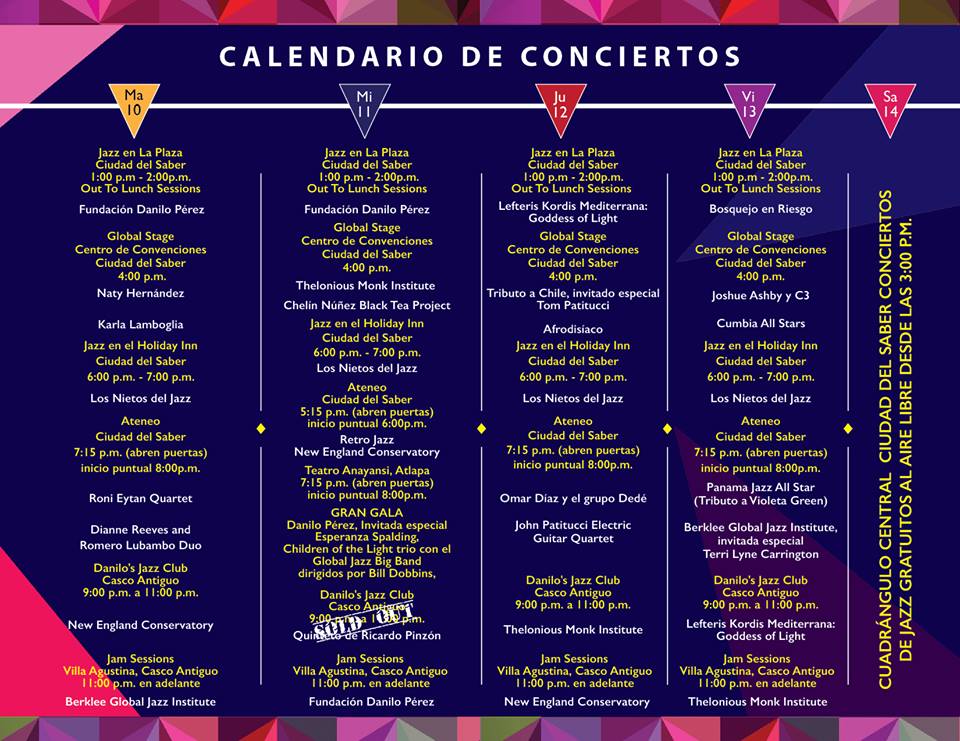
The festival will feature an illustrious lineup of artists. Confirmed international performers include:

  • Dianne Reeves, Esperanza Spalding, and Romero Lubambo.
  • Bill Dobbins, Terri Lyne Carrington, and John Patitucci.
  • The Electric Guitar Quartet (featuring Adam Rogers and Steve Cardenas).
  • Children of the Light (Danilo Pérez, John Patitucci, and Brian Blade).
  • The Rony Eytan Quartet (presented by the Embassy of Israel).

Representing Panama, the festival will showcase the talent of Joshue Ashby & C3 Project, Graciela Nuñez and the Black Tea Project, Karla Lamboglia, Omar Díaz, Carlos Agrazal, Luis Carlos Pérez, and Los Beachers.

Additionally, the festival will feature “Retro Jazz,” a group from the Dominican Republic. Their repertoire reimagines popular Dominican songs through the lens of Jazz, Bossa Nova, Latin Jazz, and Funk—combining the elegance of Dominican classics with the harmonic depth and improvisational energy of Jazz.

The festival is the most important annual event organized by the Danilo Pérez Foundation, which uses music as a tool for positive social transformation. As Danilo Pérez says: “I invite you to celebrate with music to create a rhythm that inspires peace, love, and brotherhood.”

Panama Jazz Festival 2017 - Schedule
Panama Jazz Festival 2017 – Schedule

Contact Information:

  • Web: http://panamajazzfestival.com/
  • Phone: +507 317-1466
  • Facebook: https://www.facebook.com/ Panama JazzFesti/?fref=ts
  • Instagram: https://www.instagram.com/ panamajazzfestival/
  • Twitter: https://vimeo.com/ panamajazzfestival
  • Youtube: https://www.youtube.com/user/panamajazzfestival
  • Vimeo: https://vimeo.com/ panamajazzfestival
Panama Jazz Festival 2017 Flyers


Background and reactions to Bad Bunny’s halftime show in The Super Bowl

The Super Bowl is the name given to the final match of the National Football League (or simply known as the NFL) championship, whose opponents are the winners of the National Football Conference and the American Football Conference. The match is due on the second Sunday of February every year and is one of the most watched broadcasts in the United States, but it is not the only thing that grabs viewers’ attention that day.

Over the years, the Super Bowl has become one of the most important social events in the country, to the point that it is one of the days of the year when more food and drink are consumed. One of its biggest attractions, and a matter of controversy from time to time, since its inception has been the Halftime Show. 

Absolutely every edition has featured a musical performance during halftime of the match. In the beginning, college marching bands were responsible for taking up the cudgel for the show, but its growing popularity got much more famous singers and bands be hired to take this prime spot.

There have been great and supremely talented artists, such as the exceptional case of Michael Jackson, who gave one of the most legendary and memorable performances to date. Likewise, artists such as U2, Justin Timberlake, Prince, Paul McCartney, The Rolling Stones, and Madonna, among others have also participated there. More recently, Shakira, Jennifer Lopez, Rihanna, and Usher have performed at the halftime show.

However, few musical performances have caused as much controversy as this year’s, which was performed by music producer, rapper, and reggaeton artist Benito Antonio Martínez Ocasio, known as Bad Bunny.

How Bad Bunny started his show
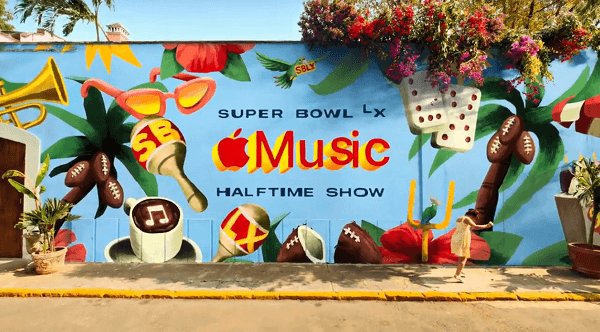
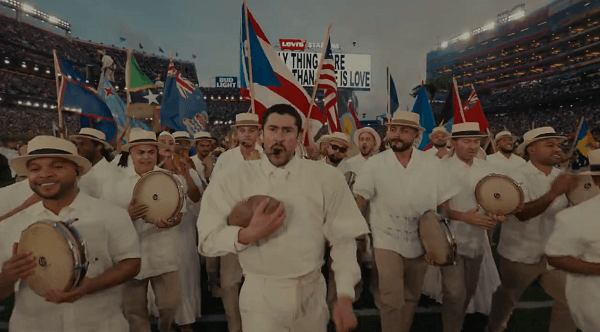
This is how the Bad Bunny’s halftime show started

Who is Bad Bunny?

Seeing everything he has achieved on a professional and artistic level, we could find it hard to believe the humble origins of the Puerto Rican artist, who grew up in a working-class household and was the son of a truck driver and a teacher who always instilled in their son the taste for music since childhood. By that time, many of his acquaintances started calling Benito “Bad Bunny” because of a sweet photo of him wearing bunny ears and having an annoying face.

What is known of his working life before becoming an artist is that for a time he worked as a bagger at Econo Supermarket while uploading the songs he composed to SoundCloud, material which reached the ears of producer DJ Luian. Through him, he managed to be signed to the label Hear This Music in 2016 and strengthened himself as an artist by collaborating with urban music greats such as J Balvin, Ozuna, and Cardi B. From there, his fame and popularity did nothing but grow and grow.

After that, what came next was a string of hits from his albums, which were “X 100PRE,” “YHLQMDLG,” “El Último Tour del Mundo,” “Un Verano Sin Ti,” “Nadie Sabe Lo Que Va A Pasar,” and “DeBÍ TiRAR MáS FOToS.” Following the release of “X 100PRE,” the Puerto Rican left Hear This Music and broke his professional relationships with DJ Luian and Mambo Kingz due to creative differences and the lack of support for their projects. 

Already in 2018, it was finally confirmed that “El Conejo Malo” left Hear The Music to join Rimas Entertainment led by his manager Noah Assad, who is the current CEO, public face, and majority owner of the company. However, the main investor since its founding in 2014 was former Venezuelan military officer and public official Rafael Jimenez Dan, whose links with the late President Hugo Chávez have made him a controversial figure and, to some extent, harmful to the company. For this reason, every effort has been made to disassociate Jiménez from the label until he finally sold his 60% stake in 2023, when Assad took full control of Rimas and Sony Music stepped in as a new investor.

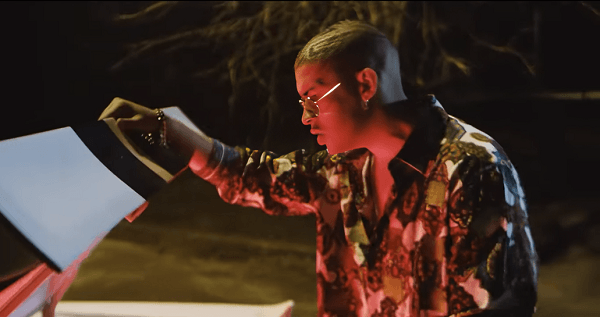
Bad Bunny singing ''Soy Peor''
Bad bunny in his videoclip ”Soy Peor” during his time with Hear The Music

However, this situation inflicts no injury on the image and great success of Bad Bunny, who clearly has nothing to do with these businesses and operations between the owners of his current record label.

Social and political stances

In recent years, Bad Bunny has used his art to put a magnifying glass on important issues for Puerto Rican and Latino communities. Some of them are the exodus of many inhabitants of the island, gentrification, the energy crisis, and the territory’s status of associated state. In fact, he participated in the 2019 protests demanding the resignation of then Governor Ricardo Rosselló and released the song “El Apagón” and financed a documentary of the same name denouncing the constant blackouts, the terrible service provided by the private company Luma Energy, the privatization of beaches, and the government’s abandonment of Puerto Rico’s infrastructure. 

As for the Latino community in the United States, the artist has been very vocal about Immigration and Customs Enforcement (ICE) proceedings against illegal immigrants and recent altercations with some protesters who claim that the institution has criminalized Latinos, no matter if they are criminals or not. Moreover, in his acceptance speech for his Grammy in the category of Best Urban Music Album, he said, “ICE out! We are not savages, we are not animals… we are humans and we are Americans.”

With this prelude, it is clear how Bad Bunny would focus his show at the Super Bowl a week later on February 8 of this year.

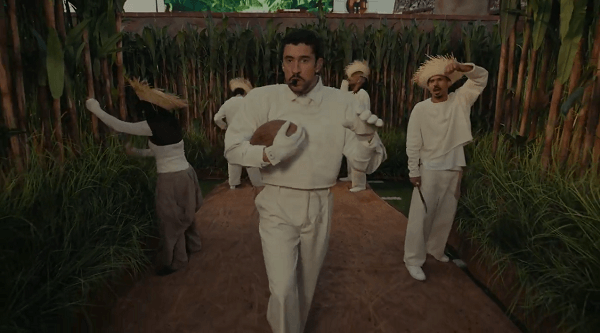
Bad Bunny during his performance
Bad Bunny during his performance in the Super Bowl

Bad Bunny’s participation in the Super Bowl

The NFL and the production company Roc Nation, led by American rapper Jay-Z, chose Bad Bunny as the main artist for the halftime show in order to attract a global and Latino audience, a decision that obtained Commissioner Roger Goodell‘s support, which earned him a tsunami of criticism from much of the American public. What is known about this is that Jay-Z took into account his cultural impact and status as a Spanish-language musical leader, aiming to go for freshness and novelty on stage. 

So, that was how February 8 arrived with a very high expectation for what the artist and his team had prepared for that day. And boy, did they have a few surprises.

The performance, executed entirely in Spanish, was a tribute to Puerto Rico and Latin America in general. During the 15 minutes the Puerto Rican artist was on stage, scenography represented typical elements from the Island of Enchantment and much of Latin America, such as sugar cane fields, men playing dominoes, piragua stands, boxers, plastic chairs, barbershops, among others. 

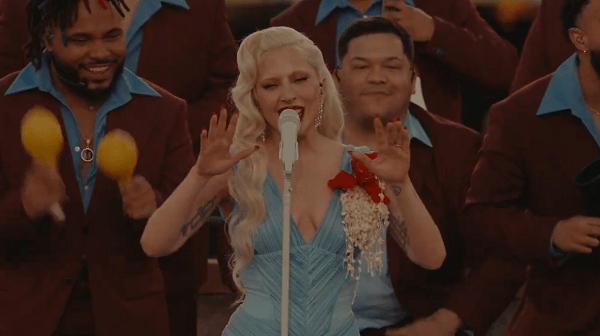
He kicked off the concert with one of his greatest hits, “Tití Me Preguntó,” followed by a remix of some of the most iconic songs by reggaeton artists such as Daddy Yankee, Don Omar, and Tego Calderón. One of the big surprises was the appearance of Lady Gaga performing “Die With A Smile” in salsa version and dancing with Bad Bunny to make way for Ricky Martin singing “Lo Que Pasó En Hawaii” in open protest against the parallels between the situation in Hawaii and that of Puerto Rico today. 

The show closed with the urban artist saying “God Bless America” and proceeding to list all the countries that comprise the American continent alongside people waving their flags. 

Lady Gaga singing
Lady Gaga singing ”Die With A Smile’’ in salsa version

Some reactions after the show

Reactions to the show were extremely divided. While much of the Latino audience welcomed the Benito’s message, many Americans found it boring and confusing because of unfamiliar references and language barrier. However, it is clear that it had a profound impact and will extend the conversation about Latinos for a long time. 

Even aside from art and the quality of the performance, many understand that the show goes much further than the artist and his actions, but rather the social and political message he wanted to bring to the United States and the world, to the point that President Donald Trump himself described it as “absolutely terrible, one of the worst, EVER!” He also added that the show “doesn’t represent our standards of Success, Creativity, and Excellence” of the United States and that it was “a slap in the face to our country.”

However, other personalities like Jimmy Fallon, who has had Bad Bunny on his show, have shown his support to the artist on numerous occasions both on his show and social media. He also received support and praise from singers such as Katy Perry, Kacey Musgraves, and Alicia Keys. 

Bad Bunny with the flags
Bad Bunny with the flags of Latino countries

A Puerto Rican artist’s perspective on Bad Bunny’s show

There have been many reactions from all over the world, but what do Puerto Ricans themselves think about it? To know what a Puerto Rican artist thinks about this great event, we spoke with singer, comedian, and actress Carmen Nydia Velázquez, who shared her thoughts about “el conejo malo” and all the debate his show generated in the media and social networks. The performer noted the following:

”In common with the vast majority of Puerto Ricans, I am deeply proud of our Bad Bunny’s performance in the Benito Bowl. He was spectacular! The fact that our beautiful island has given birth to a world-famous artist who has reached the most coveted stage for any artist fills your heart with joy. But the most important thing about Benito is his commitment to give us a relevant place in the world, with our Spanish language and our culture. The noise surrounding Benito’s participation, before, during, and after the Super Bowl seems to have no end. It’s now history!”

Read also: Musician and entrepreneur of Latin origin Jorge Torres talks about his band and his company

Willie Colón The “Architect of Salsa” Enters Immortality

February 21, 2026, will be etched into the history of Latin music as the day the “street trombone” fell silent to become an eternal echo.

A Sorrowful Farewell: February 2026

After several days of uncertainty and reports regarding his delicate health, the passing of William Anthony Colón Román was confirmed in New York City at the age of 75.

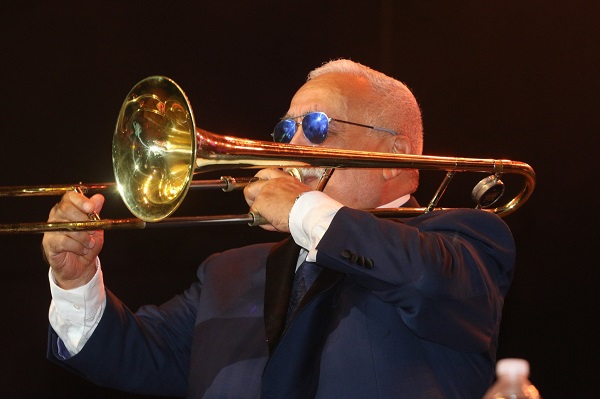
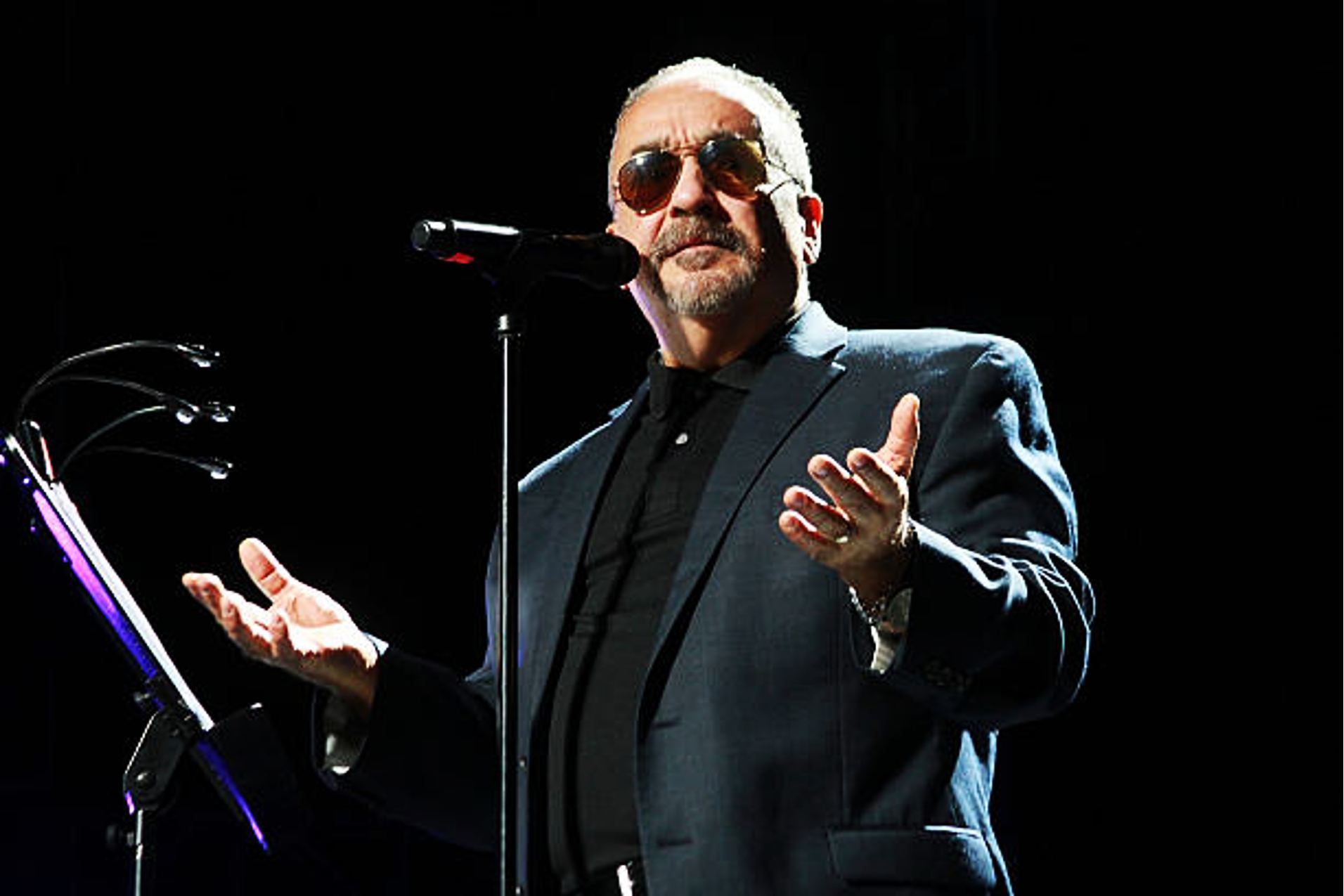
Willie Colón, the Architect of Salsa, Passes into Immortality

Producer, trombonist, visionary. He was the architect of a sound that broke the mold and redefined salsa from New York for the entire world.

With his aggressive trombone, his innovative musical concepts, and his leadership within the historic Fania All-Stars, he marked an era that can never be repeated.

The musician, who had already shown signs of physical frailty following his retirement from the stage in 2023, suffered severe respiratory complications that kept him hospitalized during his final days.

Iconic figures like Rubén Blades and the entire Fania family have expressed their grief, noting that we haven’t just lost a musician, but the “Malo” (The Bad Boy) who revolutionized the visual and sonic identity of Latinos in New York.

A Legacy of Rebellion and Sophistication

Unlike other bandleaders, Willie Colón didn’t just make music; he told cinematic stories. From his early days with Héctor Lavoe to his era of social consciousness with Rubén Blades, Colón transformed salsa into a vehicle for urban narrative.

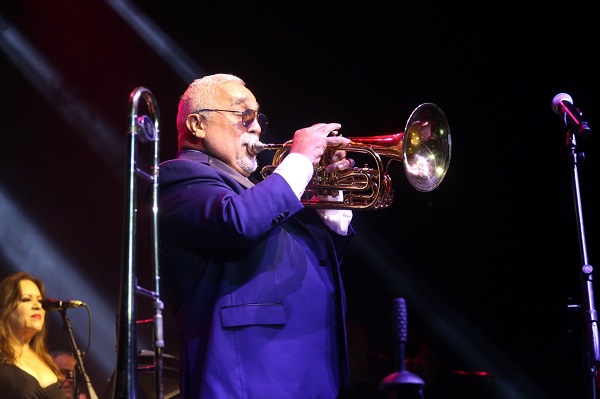
With his aggressive trombone playing, innovative musical concept, and leadership within the historic Fania All-Stars
  • Innovation: He was responsible for putting the trombone at center stage, creating that “heavy,” raw sound that defined the Bronx.
  • Identity: Through his iconic album covers (emulating FBI “Wanted” posters), he constructed the mystique of the Latin anti-hero.

His Eternal Anthems

Willie Colón’s catalog is the backbone of every party and social reflection in Latin America. Among his most remembered tracks, more relevant today than ever, are:

Song Significance
El Gran Varón A milestone in social lyrics regarding identity and redemption.
Idilio The most romantic and melodic facet of his mature era.
Pedro Navaja The ultimate expression of narrative salsa produced alongside Blades.
Gitana A classic of sentiment and rhythmic fusion.

Beyond the Trombone: Activism and Service

In his later years, Willie Colón’s life was also defined by his work offstage. He served as an activist, a community leader in New York, and held positions in organizations advocating for Hispanic rights. His life was a testament to the fact that art and social commitment can walk hand-in-hand.

Producer, trombonist, visionary. Architect of a sound that broke molds and redefined salsa from New York to the world.

Producer, trombonist, visionary. Architect of a sound that broke molds and redefined salsa from New York to the world.

The Centennial on the Horizon

Though the Maestro has physically departed in 2026, his office and family have made it clear that his music will live on. Releases of unedited material and tribute concerts are expected as we pave the road toward the centennial of his birth in 2050.

“Time passes, and I am left unable to speak to you”  Willie Colón.

His music will continue to speak for him on every corner where a trombone sounds and in every heart that feels the pulse of urban salsa.

His talent was more than rhythm: it was identity, the barrio, resistance, and living history. Today, we don’t just say goodbye to a musician; we say goodbye to a pillar, a North Star, and an entire chapter of our Latin culture.

Anecdote:

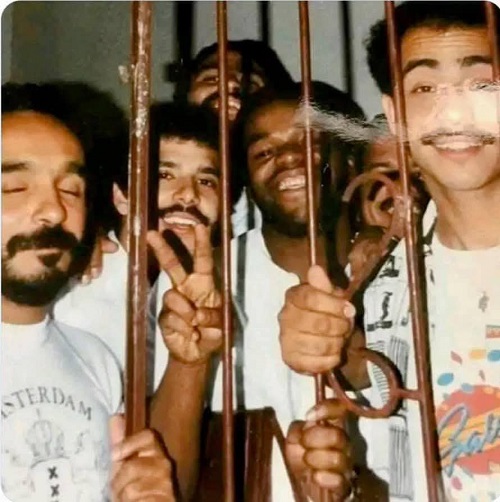
Willie Colón had a notorious incident in Medellín in 1985 when he refused to perform at the Iván de Bedout Coliseum because the promoters of “Rumba Producciones” failed to pay the agreed amount. Police arrested him along with 13 of his musicians, and they were detained for two days at the Belén neighborhood police station.

The audience, who had waited for hours, grew unruly, leading to riots that resulted in six injuries and significant property damage. This episode inspired the song “Especial No. 5,” which narrates Colón’s experience inside cell number five of that station.

Willie Colón had an incident in Medellín in 1985

Special Contribution by Julio Cesar Galindo Alarcón (Lima, Peru)

A posthumous tribute to the great Willie Colón (1950-2026): The greatest disciple of Mon Rivera by his own admission and today a legend of our passionate salsa.

Willie Colón: From “Classic Urban Salsa” to “Symphonic Salsa”

His musical production clarifies and proves that “salsa” does not only originate from Cuban and Puerto Rican rhythms, but also from American, Brazilian, and other Latin influences.

When Willie produced and recorded his 1977 instrumental-only album, El Baquiné de Angelitos Negros, he expanded the orchestral lineup to include violins, saxophone, flute, cello, and trumpet. While the work had little commercial success and went largely unnoticed during his triumphant career, it served as more than just a platform for his “salsa” fusions with Jazz, Funk, Soul, and R&B. It was the starting point for producing grander orchestral arrangements with a larger number of musicians, thus becoming the precursor to what is now known as “Symphonic Salsa.”

Four years after this beginning, in 1981, this “Symphonic Salsa” reached its peak when Willie released his second solo album, Fantasmas dedicated to and motivated by the loss of his younger sister, Cindy. The album included a track he composed, with musical arrangements by Luis Cruz, titled “Toma Mis Manos” (Take My Hands).

This piece, dealing with the somber theme of death, is considered by this author (due to the quality of the composition and the fabulous “Symphonic” orchestration) to be an authentic and grand masterpiece of “Classic Salsa.” It blends Funk, Soul, R&B, and Bossa Nova with Willie’s excellent vocals, serving as a spectacular prelude to that other legendary, yet often overlooked, symphonic track recorded in 1991 by the “Canary of Carolina,” the great Lalo Rodríguez: “El niño, el hombre, el soñador y el loco.”

To conclude, with the immense pain that his departure brings, I accompany this tribute with the aforementioned song: “Toma Mis Manos,” an unforgettable composition by the recent legend of our “salsa” the great Willie Colón, famously known as “The Bad Boy of the Bronx.”

The legendary musician and his wife Julia Colón were married for decades and share three children (

The legendary musician and his wife Julia Colón were married for decades and share three children

Also Read: The legacy of Leopoldo Pineda, the ambassador of the trombone in La Maquinaria Fania All Stars

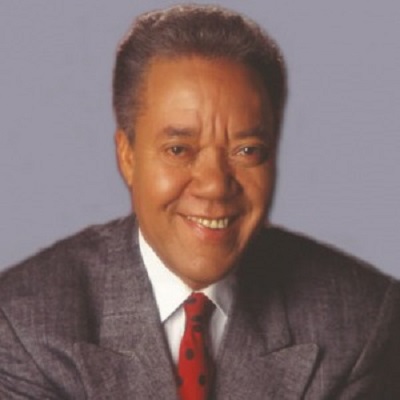
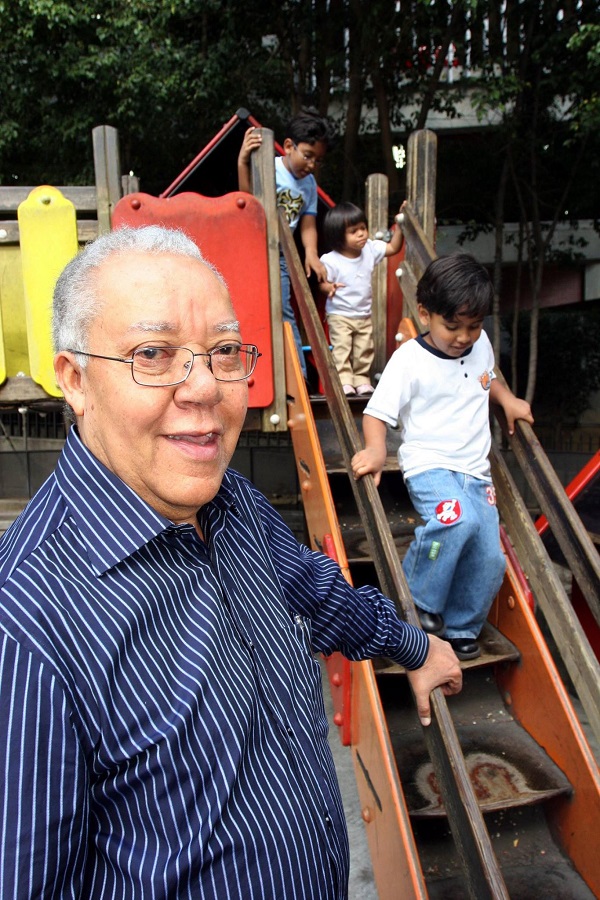
Porfi Jiménez The Master of Rhythm Who United Two Nations

The life, work, and legacy of tropical music’s most “Venezuelan” Dominican.

Porfirio Antonio Jiménez Núñez, known universally as Porfi Jiménez, was more than just a musician; he was a cultural bridge.

A Dominican virtuoso by birth and Venezuelan by choice, he became one of the most iconic figures of Caribbean dance music.

His legacy endures as an exceptional trumpeter, arranger, and bandleader who possessed a unique gift for reading the pulse of the streets and elevating it to the level of fine art.

Porfi Jiménez El Maestro del Ritmo que Unió a dos Naciones

The Prodigy of Hato Mayor: Academic Training

Born on February 16, 1928, in Hato Mayor del Rey, Dominican Republic, Porfi’s destiny was sealed by music from an early age. A recognized child prodigy, he began his formal studies at age seven.

Following the death of his father, his mother gifted him his first trumpet when he was eight a tool that would eventually become his eternal voice.

Unlike many bandleaders of his era, Porfi sought technical excellence at the prestigious Berklee College of Music in Boston. This education granted him a superior technical command of jazz orchestration and tropical rhythms, allowing him to inject a unique harmonic sophistication into popular music.

Vida, obra y legado del dominicano más venezolano de la música tropical.

Putting Down Roots in Venezuela: A 50-Year “Layover”

On February 6, 1954, Porfi landed in Caracas at the invitation of his compatriot Rafael “Tata” Minaya for a brief Carnival tour.

What was planned as a temporary trip turned into a stay that lasted over half a century. Before founding his own sonic empire, he honed his craft within the country’s most elite musical institutions:

  • The Pedro J. Belisario Orchestra.
  • Billo’s Caracas Boys, under the baton of Maestro Billo Frómeta.
  • Staff orchestras for Venevisión and RCTV, where he shone as the lead arranger during the golden age of Venezuelan television.

The Birth of a Signature Sound

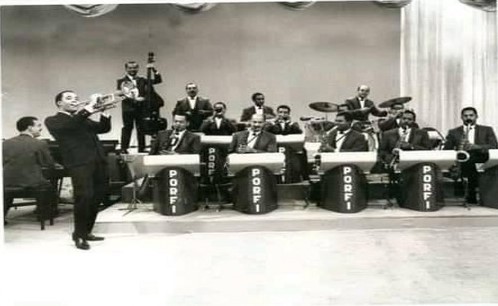
On December 31, 1963, as the world celebrated New Year’s Eve, a legend was born: Porfi debuted his own orchestra at the Tamanaco Hotel’s Naiguatá Hall.

31 de diciembre de 1963, en el Salón Naiguatá del Hotel Tamanaco Foto By El Universal

His style broke the mold by fusing Dominican merengue with salsa and jazz, achieving a modern, high-energy orchestration.

That same year, he released his first LP, A bailar con Porfi (Velvet Records). Featuring the vocals of Kiko Mendive and Chico Salas, the orchestra produced hits that are now staples of the Latin party songbook:

  • “La Negra Celina”
  • “La Resbalosa”
  • “La Banda está Borracha”

The “King of Carnival” and the Golden Years

Throughout the 80s and 90s, his name was synonymous with sold-out venues. Dubbed the “King of Carnival,” no festival in Venezuela was complete without his music. His ability to create “people’s anthems” is undeniable, leaving behind timeless tracks such as:

Iconic Songs Cultural Impact
La hierba se movía A massive sales and dance phenomenon across the region.
Culucucú An undisputed hit during the December holiday season.
Se hunde el barco A quintessential classic in the repertoire of great orchestras.
Dolores / Chivo Florete A masterclass in high-energy, danceable merengue.


Culucucú Éxito indiscutible en las festividades decembrinas.

 An Immortal Legacy

Maestro Porfi Jiménez passed away in Caracas on June 8, 2010, at the age of 82.

Though Dominican by birth, he always declared himself “Venezuelan at heart,” leaving behind a devoted family and a generation of musicians trained under his disciplined leadership.

As we approach the centenary of his birth in 2028, his influence remains more vibrant than ever.

The tributes held between 2024 and 2026 in both the Dominican Republic and Venezuela only confirm that Porfi Jiménez was, is, and will always be the man who defined the rhythm of the Caribbean identity.

Also Read: Federico Betancourt “Pioneer of Salsa in Venezuela”

  • « Go to Previous Page
  • Page 1
  • Interim pages omitted …
  • Page 9
  • Page 10
  • Page 11
  • Page 12
  • Page 13
  • Interim pages omitted …
  • Page 64
  • Go to Next Page »

International Salsa Magazine (ISM) is a monthly publication about Salsa activities around the world, that has been publishing since 2007. It is a world network of volunteers coordinated by ISM Magazine. We are working to strengthen all the events by working together.