• Skip to primary navigation
  • Skip to main content

International Salsa Magazine

  • HOME
  • Previous editions
    • 2026
      • ISM / April 2026
      • ISM / March 2026
      • ISM / February 2026
      • ISM / January 2026
    • 2025
      • ISM / December 2025
      • ISM / November 2025
      • ISM / October 2025
      • ISM / September 2025
      • ISM / August 2025
      • ISM / July 2025
      • ISM / June 2025
      • ISM / May2025
      • ISM / April 2025
      • ISM / March 2025
      • ISM / February 2025
      • ISM / January 2025
    • 2024
      • ISM / December 2024
      • ISM / November 2024
      • ISM / October 2024
      • ISM / September 2024
      • ISM / August 2024
      • ISM / July 2024
      • ISM / June 2024
      • ISM / May 2024
      • ISM / April 2024
      • ISM / March 2024
      • ISM / February 2024
      • ISM / January 2024
    • 2023
      • ISM / December 2023
      • ISM / November 2023
      • ISM / October 2023
      • ISM – September 2023
      • ISM – August 2023
      • ISM July 2023
      • ISM Edition June 2023
      • ISM – May 2023
      • ISM April 2023
      • ISM March 2023
      • ISM February 2023
      • ISM January 2023
    • 2022
      • ISM December 2022
      • ISM November 2022
      • ISM October 2022
      • ISM September 2022
      • ISM August 2022
      • ISM July 2022
      • ISM June 2022
      • ISM May 2022
      • ISM February 2022
      • ISM January 2022
    • 2021
      • ISM December 2021
      • ISM November 2021
      • ISM October – 2021
      • ISM September 2021
      • ISM August 2021
      • ISM July 2021
      • ISM May 2021
      • ISM April 2021
      • ISM June 2021
      • ISM March 2021
      • ISM February 2021
      • ISM January 2021
    • 2020
      • ISM December 2020
      • ISM November 2020
      • ISM October 2020
      • ISM September 2020
      • ISM August 2020
      • ISM July 2020
      • ISM June 2020
      • ISM May 2020
      • ISM April 2020
      • ISM March 2020
      • ISM February 2020
      • ISM January 2020
    • 2019
      • ISM December 2019
      • ISM November 2019
      • ISM October 2019
      • ISM Septembre 2019
      • ISM August 2019
      • ISM July 2019
      • ISM June 2019
  • Spanish
  • Download Salsa App
    • Android
    • Apple

Search Results for: Latin Tribute

Adriana Mosquea: Between Strings, Winds, and Spirituality

Vocal Excellence, Instrumental Versatility, and Artistic Training

Adriana Carolina Mosquea Santana, born on August 25, 1993, in Santiago de los Caballeros, Dominican Republic, is a multi-faceted artist who has built a solid career as a solo singer, bassist, stage actress, and vocal coach.

Adriana Mosquea Between Strings, Winds and Spirituality

Early Training and First Steps

She began her musical journey at the age of five in school and church choirs. At nine, she entered the Centro de la Cultura de Santiago, where she studied singing, electric bass, and classical guitar. By age 17, she became the only female voice and bassist for the fusion group Oveja Negra.

After an accident that hindered the mobility of her hands for eight months, she defied medical diagnoses and achieved a full recovery through self-directed therapy, resuming her career with groups such as Sol Latino and La Piña Tá Dulce.

The Leap into Lyrical Music and Theater

In 2014, she received a scholarship from the La 37 por las Tablas school, joining the elite vocal group Les Cantatis. Under the tutelage of Roberto Guzmán and María Ligia Grullón, she performed pieces by Vivaldi, Pergolesi, and Tchaikovsky, and participated in the opera Carmen. In 2019, she was part of the choir for the opera La Traviata at the National Theater, conducted by José Antonio Molina.

Solo Career and National Projection

As a soloist, she has released tracks such as Humo y Humo and Zombie, performing at festivals like Arte Vivo and the Alliance Française. Her multidisciplinary project, Circo Imaginario, led her to open for the iconic Dominican rock band Toque Profundo.

Her appearance on Dominicana’s Got Talent in 2019 earned her massive recognition and excellent reviews from the judges. That same year, she joined Belkys Concepción y las Damas as a bassist and backing vocalist, sharing the stage with legendary figures like Johnny Ventura and Fefita la Grande.

Adriana Carolina Mosquea Santana, born on August 25, 1993 in Santiago de los Caballeros, Dominican Republic

Professional Background and Academic Formation

Adriana’s dedication goes beyond performance; she is an art scholar. She holds a degree in Art History and is currently pursuing a degree in Special Needs Education, focusing on music pedagogy.

Key milestones in her professional journey include:

  • Oveja Negra: Her first professional group at 17, where she served as the bassist.
  • Son Santiaguero & Sol Latino: Projects where she explored Cuban Son and alternative rock.
  • Belkys Concepción: She performed as the bassist for the band led by “The Mother of Merengue,” highlighting Belkys’ overwhelming energy on stage.

Innovation During the Pandemic and Recent Collaborations

Between 2020 and 2021, she produced her album Arte, Magia y Libertad (Art, Magic, and Freedom) in collaboration with Venezuelan producer Daniela Yánez. Her singles have received nominations at the Indie Dominican Awards and Expo Cibao.

Additionally, she participated in the In Memoriam segment of the 2020 Soberano Awards and composed part of the soundtrack for the film La Soga 3. In 2025, she stood out in a tribute to Maridalia Hernández, performing the duet Te Ofrezco.

Pedagogical Work and Vocal Coaching

Currently, Adriana is a prominent vocal coach. She has been a key figure in the technical evolution of the artist Tokischa, working on projects nominated for the 2025 Latin Grammys and 2026 Premios Lo Nuestro. She is a graduate in Art History and is currently completing a Degree in Pedagogy at CESUMA University in Spain.

Excelencia Vocal, Versatilidad Instrumental y Formación Artística

“Singing is a means of expression and healing. My focus is on a balanced life and technical discipline to set the voice free.”

The Multi-instrumentalist and the Winds of Communication

Although her primary instrument is the bass (and double bass in her early years), Adriana is proficient in guitar, piano, drums, and ukulele. her foray into woodwind instruments, such as the clarinet and saxophone, was born from a spiritual search:

“Wind instruments work with air, which is communication. As an artist, I needed to work on my ability to communicate what I was keeping silent.”

Identity, Flavor, and Spirituality

Proud of her roots, Adriana describes Santiago de los Caballeros as a peaceful “city-countryside.” Her palate travels between the Dominican Sancocho de siete carnes and the Venezuelan Mondongo, a dish she confesses has captivated her.

Adriana Mosquea
Adriana Mosquea

For her, music and spirituality are tools for self-knowledge. She defines spirituality as the acceptance of human duality—seeking balance between light and shadow, far from the pretensions of the ego.

Also Read: Dominican bandleader and singer Papo Ross is triumphing in Montreal

Bandleader and conga player Tony Rosa tells us how he built his career

The great percussionist, conga player, and six-time Grammy winner Tony Rosa has honored us with his presence for this February edition, which is full of many interesting things despite being a very short month.

Like so many other artists of this kind, he started very young in this world. Although his musical roots were not so Latin or folkloric, as is common, he ended up falling in love with one of his great passions today: Latin music.

Tony Rosa with his Grammy
Tony Rosa as part of the Latin Grammy Arturo O’Farrill & The Chico O’Farrill Afro-Cuban Jazz Orchestra won

Tony’s beginnings in music

Tony started playing the tumbadora at the age of just 10 in New York, his native city, but when he turned 12, he moved to Los Angeles, California, which is where his formal career as a musician began. It was in Los Angeles that he learned to play percussion, more specifically the conga, in the streets of this new city that welcomed him and his family.

One interesting thing about this is that absolutely everything he knows about instruments he learned by himself, indicating that he did not attend any institution that provided formal training in music. At that time, as a 15-year-old boy, he was already playing for different orchestras and touring with them.

Rock phase

Before becoming integrally involved with salsa, Tony played with some rock bands such as Chicanos. In fact, rock is a genre he still likes very much, and several of his favorite groups are rock bands such as Queen and Santana. However, that phase did not last for ever, and it was not long before, at the age of 16 or 17, he played with orchestras such as Azuquita Y Su Melao. 

In 1997, he moved back to his native New York, where he started collaborating with Conjunto Libre and other groups of salsa and Latin jazz, a genre that was also making him curious.

Tony and Gilberto
Tony Rosa and ”The Salsa Gentleman” Gilberto Santa Rosa

Time with the Afro Latin Jazz Orchestra and Arturo O’Farrill

In 2008, while playing with Manny Oquendo, Tony met orchestra leader, composer, and pianist Arturo O’Farrill, who, after witnessing the great talent he had, asked whether he would be interested in joining his Afro Latin Jazz Orchestra, and he said yes. In total, he spent about nine years playing with O’Farrill and it was over five years ago. In fact, when asked if he knew why the Afro Latin Jazz Orchestra would no longer be playing at Birdland, he said he knew absolutely nothing about it.

After that, the artist found the right time to create his own quintet which he named Tony Rosa’s Afrojazz and with which he has songs such as “Mambo Mongo,” “Nothing Personal,” “Alfie’s Theme,” “Isn’t She Lovely,” and “Rica Mulata.”

Tony, Eddie, and Adan
Tony Rosa, legendary pianist Eddie Palmieri, and producer and arranger Adan Pérez

However, he assures us that his affection for O’Farrill and the orchestra remains intact, and they even played together again in a tribute to Andy González at Saint Peter’s Church in Manhattan. He is also grateful for all the experience he gained there, otherwise he would not have the project he currently manages.

Projects apart from Tony Rosa’s Afrojazz

In addition to his work he does with his Latin jazz quintet, Tony is also recording with another musical group called Los Amigos, with which he recently released an album.

And about tours and performances at arenas and well-known venues, he says he does not know yet what he will be doing in the coming months. However, he expects things to start moving as the year progresses.

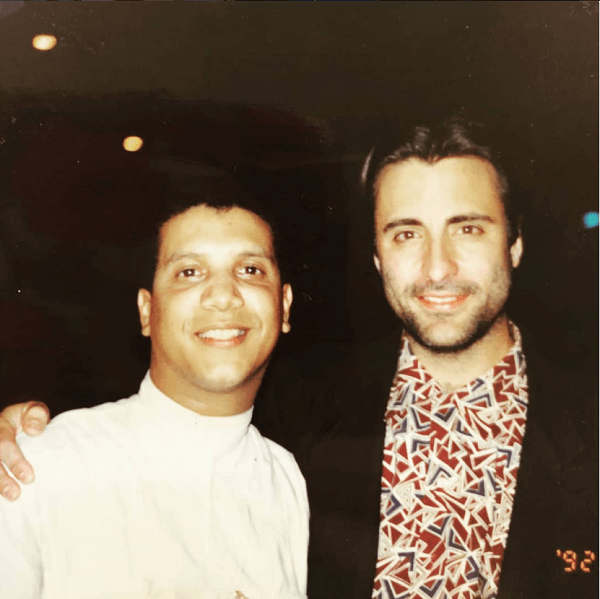
Tony and Andy
Tony Rosa and Cuban-American actor Andy García in 1992

Read also: Bandleader Arturo O’Farrill leaves behind Birdland to look for other opportunities

Chicago International Salsa Congress

North America / USA / Chicago

Mission of the Chicago International Salsa Congress

The mission of the Chicago International Salsa Congress is to unite cultures and generations, engender leadership through empowerment opportunities in its showcase and to keep alive the history of the many cultures collaboration in the creation and evolution of Latin and Afro-Caribbean music and dance.

Chicago International Salsa Congress

The Chicago International Salsa Congress is brought to you by a special group of dedicated individuals whose energy, skills, passion and perseverance unite to bring you the number one Latin Music and Dance event in the Midwest!

In 2002 they produced the first Chicago International Salsa Congress (CISC) now in its 14th year. The CISC fosters personal awareness, develops leadership, creativity and inspires highest performance by providing emerging artists an opportunity to learn from and perform with professional artists in the congress showcase.

Schedule: Chicago International Salsa Congress

Día Horario Actividad
Jueves 2/9/17 3:00 PM – 11:30 PM Onsite Registration opens
7:30 PM Rueda Summit
8:30 PM – 9:30 PM Opening Night! Meet & Greet the STARS of the 2017 CISC
9:30 PM – 10:30 PM Dance Showcase
10:30 PM – 3:00 AM CISC Concert Series featuring Carpacho y Su Super Combo!
Viernes 2/10/17 9:00 AM – 4:30 PM Onsite Registration
9:30 AM – 3:30 PM Workshops
4:00 PM – 5:30 PM Emerging Artist Showcase / Chicago Midwest Salsa & Bachata Open Competition (Elimination)
5:30 PM – 7:30 PM Youth Performance Challenge w/Natasha Silva
6:00 PM – 8:00 PM Kizomba Bootcamp with Philippe & Upa Danca
6:30 PM – 11:30 PM Onsite Registration
8:00 PM – 10:00 PM Dance Showcase
10:30 PM – 3:00 AM CISC Concert Series: Tromboranga / Bachata Ballroom / Kizomba Party!
Sábado 2/11/17 9:00 AM – 4:30 PM Onsite Registration
9:30 AM – 3:30 PM Workshops
4:00 PM – 5:30 PM Emerging Artist Showcase
5:30 PM – 7:30 PM Youth Performance Challenge w/Natasha Silva
6:30 PM – 11:30 PM Onsite Registration
8:00 PM – 10:00 PM Dance Showcase
10:30 PM – 3:00 AM CISC Concert Series: Jimmy Bosch with Yoko, La Japonesa Salsera! / Bachata & Kizomba
Domingo 2/12/17 9:00 AM – 4:30 PM Onsite Registration
9:30 AM – 3:30 PM Workshops
12:00 PM – 2:00 PM Youth Performance Challenge w/Natasha Silva
4:00 PM – 5:30 PM Emerging Artist Showcase / Chicago Midwest Salsa & Bachata Open (Finals)
6:30 PM – 11:30 PM Onsite Registration
8:00 PM – 10:00 PM Dance Showcase
10:30 PM – 3:00 AM CISC Concert Series: Herman Olivera with Nelson Gonzalez / Bachata & Kizomba
Photo 1: Chicago International Salsa Congress

INSTRUCTORS

Enjoy 3 days of over 70 workshops covering Beginner, Intermediate and Advanced levels of dance styles, movement and musicality. The instructors are from American and European continent to don’t stop dancing.

PERFORMERS

The CISC produces seven Dance Showcases to excite your senses and inspire your creativity. Featuring world-class dancers from near and far, you will be captivated as we unleash their talents on the stage. The shows include our Matinee Emerging Artists Showcases at 4:00PM and World Class Dance Spectacular at 8:00PM featuring national and international performers.

LIVE MUSIC

CICS will present an unforgettable dancing experience in an elegant Grand Ballroom where Latin Music’s top artists and salseros connect. Enjoy four nights of non-stop dancing on our spacious dance floor until 3:00 AM to the hottest sounds of yesterday and today. The Chicago International Salsa Congress Concert Series is unmatched in celebrating Latin Music’s timeless presence in honoring the legendary pioneers while inviting a forward vision as new, young artists take up the torch and carry it forward.

Photo 2: Chicago International Salsa Congress

TROMBORANGA SALSA ORCHESTRA

As part of the new generation of independent latin orchestras, Tromboranga is the pure essence of “Salsa Dura”. Tromboranga’s spicy ingredients are the trombones sound, solid and strong percussion, and they recover the essence of “soneos” (voice improvisation among the chorus). With influences from the salsa music from the 60s and 70s, maintaining a raw, strong and a very danceable sound.

His original songs like “Humildad”, “Palo pa la campana”, “Amigo el ratón”, “Adios que te vaya bien”, talks about stories that can describe the life of any of us, and they have become number one in Latin radios and dance floors worldwide. Tromboranga is made up of musicians from the Caribbean and Europe, all residents of Barcelona, Spain.

JIMMY BOSCH

(18 October 1959, Jersey City, New Jersey), known also “El Trombón Criollo”, is a trombonist, composer and producer of Afro-Cuban jazz, salsa and Cuban music.

At thirteen he was already part of different local bands of Latin music. At age 18, while studying classical music at Rutgers University, he meets Manny Oquendo and joins his band. He plays with Manny Oquendo about two decades; then comes to work with Marc Anthony. In 1996 he created his own band, “Los Masters”, with whom he recorded two albums. He has his own record label, JRGR Records.

Photo 3: Chicago International Salsa Congress

YOKO LA JAPONESA SALSERA

Born in Osaka, Japan, Yoko Mimata began her artistic career at the age of fifteen as a vocalist in a rock band her native Osaka. Las Estrellas, a salsa band composed of former members of the famous Japanese orchestra “Orquesta de la Luz”, invited Yoko to join them as lead vocalist.

Subsequently, in 1997, settled in the Big Apple, city in that began to venture into the salsero environment. Her great debut took place at the Salsa Congress in New York in 2006, where she performed with the orchestra Chino Nuñez and Friends. Later she became the lead vocalist and participated in the recording of the second album by Chino Nuñez, “Dr. Salsa”; In which she sings duet with Ray Sepulveda “Hoy les cantamos”.

NELSON GONZÁLEZ

(Born May 30, 1948) is a Puerto Rican tres player. He specializes in the Cuban tres, and only occasionally plays the Puerto Rican tres (similar to the cuatro). He is a prolific session musician and has been a member of renowned salsa ensembles such as Fania All-Stars, Orchestra Harlow and Típica 73. He has authored a book on the tres guitar method published by Mel Bay. Together with Pancho Amat and Papi Oviedo he is considered one of the most influential modern tres players.

Photo 4: Chicago International Salsa Congress

HERMAN OLIVERA

He is a salsa singer from Newark, New Jersey. Born to Puerto Rican parents, he began his career in New York City where he earned his reputation as a “sonero,” that is, an expert in the demanding art of lyric extemporization. In a genre overrun by pop-oriented singers, Herman’s musicality and mastery in this regard garnered him the sobriquet of “El Sonero del Siglo XXI”. Today Herman counts among the most in-demand and hardworking salsa singers around. His voice literally permeates the sound of hard-hitting salsa from the 1980s to the present-with album credits with the likes of Tito Puente and Eddie Palmieri, among many others where he has contributed to the continued vitality and development of the sonero tradition.

DJS

The fifteen DJs at this year’s congress will definitely get your feet, hips, shoulders, and everything else grooving on the dance floor with the best Salsa, Mambo, Cha Cha Cha on the planet!!!

VENUE INFORMATION

HYATT REGENCY O’HARE is just 5 minutes from O’Hare airport with a free shuttle. Easy access by train or car. Beautifully appointed guest rooms, great amenities and nearby shopping and dining make this a perfect getaway for your CISC weekend.

Photo 5: Chicago International Salsa Congress


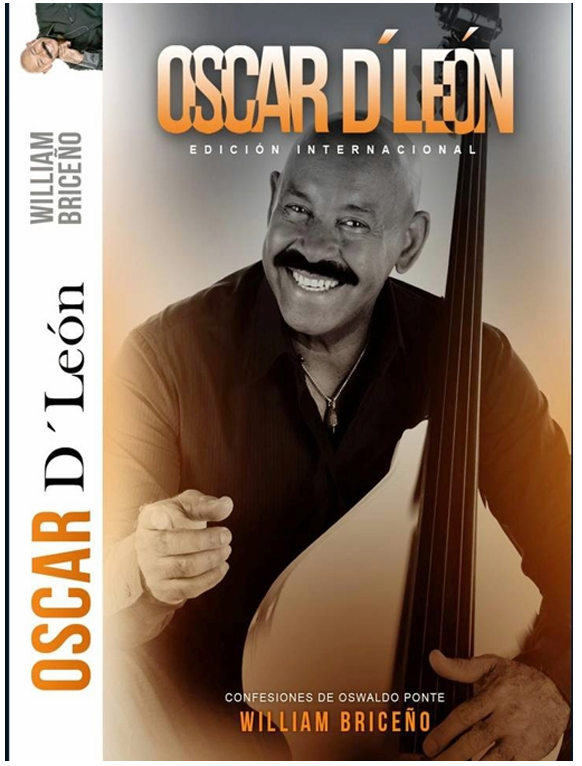
Oscar D’ León confessions of Oswaldo Ponte by William Briceño

Latinoamerica / Venezuela / Caracas
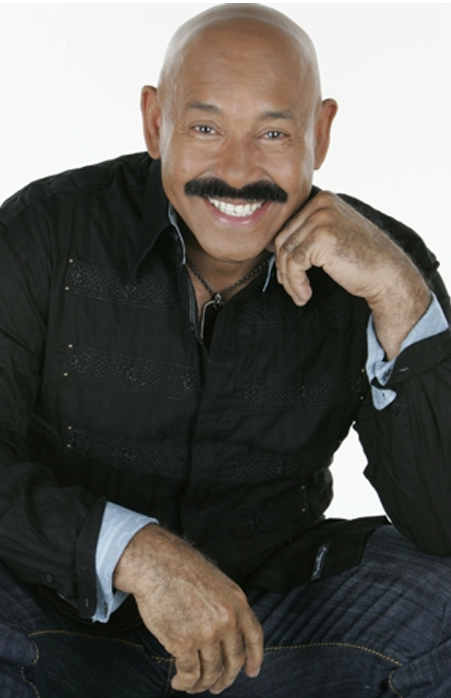
Oscar D' León
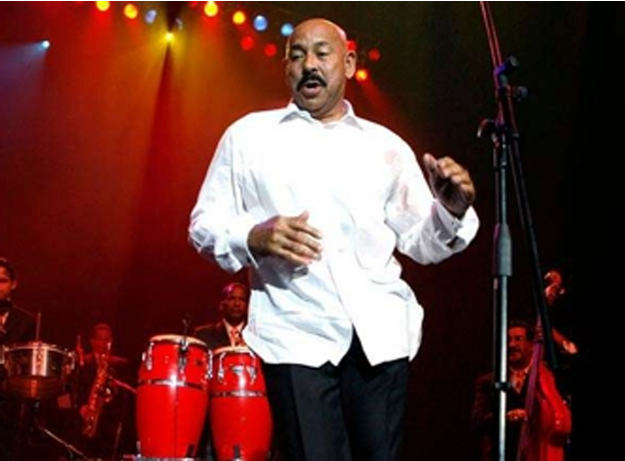
Oscar D’ León

Part 1

This book narrates the story of the famous singer Oscar D’ León from his birth and his life’s progress to who he is today; it also mentions how the era evolved, not only at a musical level but also regarding the situation of the country, both in Venezuela and other nations.

Before beginning to comment on the biography written by his manager, Oswaldo Ponte: biographies do not only try to remember great men who extend beyond their era. In this way, through this biography, the goal is to spread an idea about the work of the well-known artist “Oscar D’ León,” who has brought greatness to the country, crossing the line of his horizon and extending it toward other latitudes. One could say it is like a novel that not only speaks of successes or already known events, but also tells us about the reality of his life and not just what acquaintances or representatives of the artist think.

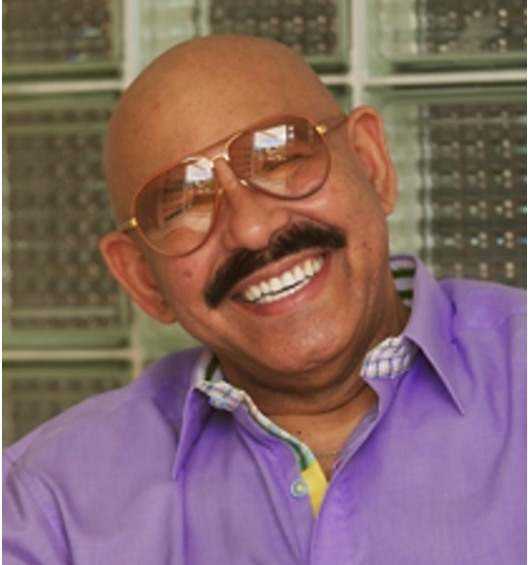
Photo1: Oscar D' León
Photo1: Oscar D’ León

The biography begins with the birth of Oscar Emilio León Simosa on July 11, 1943, in Caracas, Venezuela; where not only his family but other friends were present, one of whom ironically mentioned that in the future “he would be a great singer” since his crying was like a symphony. According to his mother, “Carmen Dionisia,” the midwife told her that he was born “enmantillado” (born with a caul), which meant the baby could have a multitude of gifts that he could take advantage of in the future.

It is worth mentioning that at an early age, he had more passion for music than for his studies, and he came to the conclusion that studies were not the best thing for his future; therefore, he dedicated himself to helping at his parents’ business to contribute to the household.

Since he was very young, he enjoyed listening to “Sonora Matancera” in a corner at night, which was the musical group of the era, and he would follow the percussion with his throat. He also listened to jazz orchestras, which led him to the conclusion that music would be his vocation; he was fascinated by listening to his mother hum the hits of 1953 by the Orquesta Aragón and Dámaso Pérez Prado.

Oscar D' León - Photo 1
Oscar D’ León – Photo 1

Fortunately for the future singer, his family was passionate about music and had close relationships with musicians, singers, and players of all types of instruments even if they were not professionals. This warm, joyful, and above all, musical atmosphere embraced Oscar from the moment he was born. It was even shown that at an early age he had a certain interest in any object that emitted a musical sound, and he longed to learn how to use musical instruments. Despite having a humble family, Oscar himself managed to use various objects to create something that generated a musical sound and to discover his own rhythm, which he enjoyed at that time.

Oscar D' León - Photo 2
Oscar D’ León – Photo 2

Simosa, which was on July 11, 1943, in Caracas, Venezuela; where not only his family but other friends were present, and ironically one of them mentioned that in the future “he would be a great singer” because his crying was like a symphony. According to his mother, “Carmen Dionisia,” the midwife told her that at birth he was “born with a veil” (enmantillado), which meant the baby could have a multitude of gifts that he could take advantage of in the future.

During his adolescence in Venezuela, many significant political changes were occurring for the population; however, they did not stop celebrating festive seasons with his family even in difficult times. Many “parrandas” (parties) were held, something that Oscar enjoyed very much.

In 1958, he mentions that a phenomenon was occurring with the musical style of “Dámaso Pérez Prado’s Mambo”; also, at the Club Las Fuentes, the Sonora Matancera resonated with “Celia Cruz” alternating with the “Caracas Swing Boys”. A movement of orchestras influenced by foreign rhythms that thrilled Venezuelans began to be observed on a national level, such as Billo’s, which won the precious title of the most popular orchestra in Venezuela. Oscar was not interested in societal events, except for events in Cuba, since Cuban music was what fascinated him.

Photo: Oscar D' León confessions of Oswaldo Ponte by William Briceño
Photo: Oscar D’ León confessions of Oswaldo Ponte by William Briceño

Starting in 1962, he became a father, and marveled by his new life and his firstborn, he dedicated himself to his role as a father, keeping his family supported by working; this caused him to step away from music, and his maturity can be witnessed despite his age.

By the age of 23, he already knew how to sing and play the bass; over time, he met friends who would influence great changes in his future life. In 1966, he met Kiko Pacheco, who invited him to the group “Los Junior,” where he would begin his professional career. During that same year, salsa was taking off in Venezuela, as it was heard on all the country’s radio stations.

During that era, life was expensive, so he worked hard both in clubs and discotheques or as a taxi driver. On one occasion, Kiko Pacheco asked Oscar to sing in the “Quinteto Los Junior” because their vocalist had to leave; this allowed Oscar to demonstrate his talent, and from that moment on, everyone was enchanted upon hearing him, and his musical profession began. Later, “La Dimensión Latina” was created, which at that time was known as “Dimensión Seis,” founded by Oscar D’ León and Cesar Monge.

The members who formed “La Dimensión Latina” were Oscar de León, Cesar Monge “Albóndiga,” and José Rojas “Rojita” on trombones; José Rodríguez “Joseíto” and Elio Pacheco on percussion; and Enrique “Culebra” Iriarte on piano. A significant event for Oscar was that, during their first rehearsals, he had a premonition of his success when they found the rhythm he wanted to hear and share with the rest of the musical world. This was proven during their first performance, which was a total success, leaving everyone who heard them stunned.

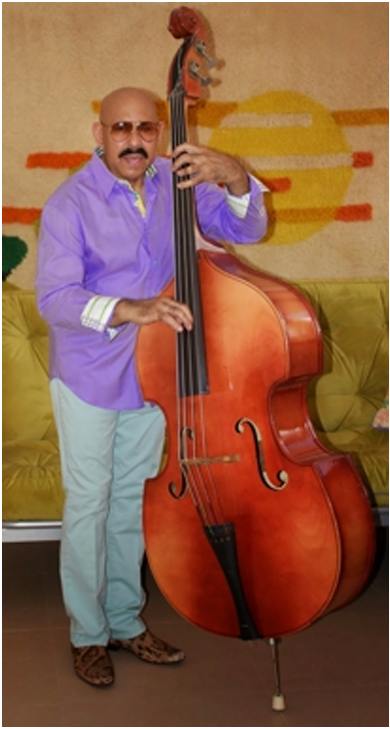
Oscar D' León singing
Oscar D’ León singing

From that moment on, with the debut of La Dimensión Latina, a new concept emerged that would change the landscape of popular Venezuelan music and make history both nationally and internationally with the rise of the legend Oscar D’ León. They began playing for five months at “La Distinción” from Friday to Saturday. On Sundays, after finishing there, they would go to El Junquito to continue the party, gaining so much popularity that some felt they should launch an international career. During that time, singer-songwriter Mireya Delgado hired them after being impressed by seeing them perform on stage.

They played on a cruise ship during a one-week tour through different Caribbean islands and achieved great success despite the inconveniences they faced. They paid these no mind, as they dedicated themselves wholeheartedly to playing for their audience. This caused venues to become packed, captivating their fans who idolized them. From that point forward, many people began wanting to hire them for various events.

Here is the translation of the text into American English:

In that same year, 1972, a dizzying and unstoppable recording career began. This was based on the fact that executive representatives from the TH label heard two tracks: one was “Oye mi canto,” which was a hit for Gran Combo de Puerto Rico, and the other was “Te voy a cortar las patas” by Oscar D’ León. Because this made a great impact and created absolute conviction among the executives that they were witnessing a success, the promoter Mesone, upon hearing them, agreed to carry out a recording. This recording was shared with the Víctor Mendoza Orchestra, one of the TH producers in Venezuela: El Clan de Víctor.

2- Oscar D' León
2- Oscar D’ León

The album featured three tracks by Oscar; he recorded two of them with Dimensión Latina and the other with El Clan de Víctor. However, he does not appear as the author in the credits. The same thing happened with an album in 1991 when recording the album Auténtico. Among the 80 tracks that Oscar wrote, two of them are his immortal classics and of his authorship: “Llorarás” and “Detalles”.

For the first time in Venezuela, Salsa festivals were held that moved everyone. From that moment on, a true proliferation of salsa was witnessed in the country, all thanks to “Pensando en ti,” which had a major impact on the history of Venezuelan popular music.

After the success of his new discography—which contains “La comprita,” “Barranquilla,” and “Barranquilla y Quiéreme,” among others—three important international contracts were signed. Oscar and Dimensión Latina would go to Curaçao, Aruba, and Bonaire; that same year, they would also go to Colombia and Santo Domingo. However, it is worth noting that the period from “Pensando en ti” to “Que bailen to’s” covered the stage that catapulted him internationally.

Here is the translation of the text into American English:

The production of Dimensión Latina’s 1975 discography was the one that left an eternal mark, whose immortality was glimpsed from the very moment of its appearance. Its tracks focused on themes of romantic heartbreak. However, the rhythmic conception of “Llorarás” was the most important conception and structure of Oscar D’ León and Dimensión Latina; in fact, the song “Llorarás” marked the rupture of the old dance empire represented by Billo’s, and Dimensión came to be considered the “Billo’s of Salsa”.

An important subject in the world of music tells us in this book that: “salsa singers used phrases worn out by the use of previous generations who popularized them; in contrast, Oscar projected original modifications created by him”.

Oscar D' León in concert
Oscar D’ León in concert

When they traveled to New York, Oscar was very excited by the different stories he had experienced in the music world, and they were even happier to perform for the first time in the impressive metropolis. It was there where that musical genre that transformed them into idols, “Salsa,” was projected.

As time passes, Oscar manages to establish his own style and never changed it while climbing the steps of popularity and fame; the same happened with Dimensión Latina, though without achieving the countless triumphs Oscar D’ León obtained until his departure.

If you wish to know more about the history of Oscar D’ León, we recommend reading “Oscar D’ León: Confessions of Oswaldo Ponte by William Briceño, Editorial Fundación Simón Bolívar” to learn about the continuation, as it is a very broad topic to describe in this first part; likewise, in our next edition, we will conclude our final thoughts on this interesting and extensive biography.

Oscar D' León confessions of Oswaldo Ponte by William Briceño
Oscar D’ León confessions of Oswaldo Ponte by William Briceño


Vinny Rivera release his latest single “Mientes”

North America / USA / Boston

Vinny Rivera. The #1 Latin Kizomba Artist in the World

Vinny Rivera
Vinny Rivera

Vinny Rivera ‘s new single “Mientes” coming off of his album “La Torre” takes Kizomba to the next level. Good friend Guelo Star who is currently writing for the likes of Don Omar, Ivy Queen, Jowell y Randy, De La Ghetto just to name a few originally wrote this song with the spirit of Kizomba and Vinny Rivera was the perfect voice to compliment the writing. This love song is sure to bring The #1 Latin Kizomba singer and songwriter towards new heights of world music.

Sound off the bongos & kick in the bass, Vinny Rivera is ready to hit the stage. One of the hardest working singer/songwriters, Victor “Vinny” Rivera, continues to shine in the music entertainment scene. Surrounded by great mentors and industry leaders such as world renowned international producers M&N Pro, Jorgie Milliano, Grammy award winning producer Richy Peña (Niña Bonita), and Universal Latino’s recording artist Yunel Cruz, Vinny’s sound has captured audiences all around.

The music of Vinny Rivera is refreshing and lends a sweet tuned voice to the likes of urban bachata Superstar Prince Royce mixed in with Latin Pop Superstars Luis Fonsi & Enrique Iglesias. Genres of music are no different. His voice as well as being multilingual lends itself to Salsa, Bachata, Kizomba, Mambo, Pop, R&B and many more musical genres.

Vinny Rivera - Mientes
Vinny Rivera – Mientes

On the other hand and recognizing musical legend “Jerry Rivera”, Vinny Rivera alongside longtime friend and producer Jorgie Milliano pay tribute to a tropical classic “Amores Como El Nuestro” by giving it a tasteful Kizomba twist that audiences everywhere are sure to enjoy.

Vinny Rivera is currently working on a new Latin Kizomba album that will continue to capture the hearts and ears of all Kizomba lovers.

Besides, Vinny’s talent for capturing audiences has exponentially increased his passion for performing and entertaining. Performing in festivals and special events, the demand has been genuine and stage performances continue to impact his listeners.

Musical Trajectory 

Victor Rivera, known artistically as Vinny Rivera, was born in Boston, Massachusetts, United States. Of Puerto Rican parents under the tutelage of his Dominican stepfather, he is one of the most hard working singers / composers to shine in the musical entertainment scene. Being influenced by the Boston city melting pot, he was exposed to a variety of musical genres including Reggae, Jazz, Soca, R & B and pop and the sounds of his native island and the neighboring Dominican Republic sounds the Salsa, Merengue, Bachata.

2- Vinny Rivera
2- Vinny Rivera

Completely addicted and forced by music and the desire to share his energy and healing skills, at the age of 16 he bought his first DJ set with his best friend Okland López and began playing music of all kinds of events. In that period he realized that he wanted to take the next step, to make music. He then began to study all kinds of music and finally was able to be comfortable enough to sing.

His friends encouraged him to record music and were associated as a trio together Loco Jow to pursue a career within the music industry. Although not signed with any record label they achieved a network of relationships around the world that got them heard everywhere, which allowed them to rank No.3 in a company of radio and distribution of popular music in South America.

Vinny continued to work with the group opening shows for world-renowned acts such as Don Omar, Wisin & Yandel, Zion & Lennox, Ivy Queen, Rakim & Ken-Y, Tony Dize, Alexis & Fido.

The group split because of four years of Vinny’s enlistment in the United States Air Force. Now a veteran of the Air Force from June 2004 to December 2014 Vinny learned that “Life is too short and you have to give everything you have.”

He started working and learning with Grammy-winning Producers such as Richy Peña who produced the hit “Niña Bonita” by Chino & Nacho and Lenny Santos recognized by the Bachata group “Aventura”. To then sing and write with Universal Billboard and Cuban artist Yunel Cruz. He also wrote a final hit for Jowell and Randy “Lo Que Quiero”, which reached # 11 on the charts, being remixed with Reggaeton Super Stars Arcangel, Farruko and Divino produced by his great friend Jorgie Milliano.

Vinny Rivera collash

His work and vocal skills have captured the respect and attention of the public around the world. The formula for Vinny Rivera’s latest plan is to use his music as a tool to address problems in the world. Until then he will continue to work diligently on making good music to enjoy.

  • « Go to Previous Page
  • Page 1
  • Interim pages omitted …
  • Page 10
  • Page 11
  • Page 12
  • Page 13
  • Page 14
  • Interim pages omitted …
  • Page 64
  • Go to Next Page »

International Salsa Magazine (ISM) is a monthly publication about Salsa activities around the world, that has been publishing since 2007. It is a world network of volunteers coordinated by ISM Magazine. We are working to strengthen all the events by working together.