• Skip to primary navigation
  • Skip to main content

International Salsa Magazine

  • HOME
  • Previous editions
    • 2026
      • ISM / April 2026
      • ISM / March 2026
      • ISM / February 2026
      • ISM / January 2026
    • 2025
      • ISM / December 2025
      • ISM / November 2025
      • ISM / October 2025
      • ISM / September 2025
      • ISM / August 2025
      • ISM / July 2025
      • ISM / June 2025
      • ISM / May2025
      • ISM / April 2025
      • ISM / March 2025
      • ISM / February 2025
      • ISM / January 2025
    • 2024
      • ISM / December 2024
      • ISM / November 2024
      • ISM / October 2024
      • ISM / September 2024
      • ISM / August 2024
      • ISM / July 2024
      • ISM / June 2024
      • ISM / May 2024
      • ISM / April 2024
      • ISM / March 2024
      • ISM / February 2024
      • ISM / January 2024
    • 2023
      • ISM / December 2023
      • ISM / November 2023
      • ISM / October 2023
      • ISM – September 2023
      • ISM – August 2023
      • ISM July 2023
      • ISM Edition June 2023
      • ISM – May 2023
      • ISM April 2023
      • ISM March 2023
      • ISM February 2023
      • ISM January 2023
    • 2022
      • ISM December 2022
      • ISM November 2022
      • ISM October 2022
      • ISM September 2022
      • ISM August 2022
      • ISM July 2022
      • ISM June 2022
      • ISM May 2022
      • ISM February 2022
      • ISM January 2022
    • 2021
      • ISM December 2021
      • ISM November 2021
      • ISM October – 2021
      • ISM September 2021
      • ISM August 2021
      • ISM July 2021
      • ISM May 2021
      • ISM April 2021
      • ISM June 2021
      • ISM March 2021
      • ISM February 2021
      • ISM January 2021
    • 2020
      • ISM December 2020
      • ISM November 2020
      • ISM October 2020
      • ISM September 2020
      • ISM August 2020
      • ISM July 2020
      • ISM June 2020
      • ISM May 2020
      • ISM April 2020
      • ISM March 2020
      • ISM February 2020
      • ISM January 2020
    • 2019
      • ISM December 2019
      • ISM November 2019
      • ISM October 2019
      • ISM Septembre 2019
      • ISM August 2019
      • ISM July 2019
      • ISM June 2019
  • Spanish
  • Download Salsa App
    • Android
    • Apple

Search Results for: Latin Tribute

Sammy Figueroa is an exceptional percussionist known for his versatility and for playing in a multitude of musical styles

Sammy Figueroa, a percussionist with an excellent career.

Sammy Figueroa was born in the Bronx, New York, in 1948. He is the son of bolero singer Charlie Figueroa, whom he never knew, as his father passed away at the age of 32.

Sammy moved to Puerto Rico as a child to live with his grandparents and escape the Bronx’s gang violence.
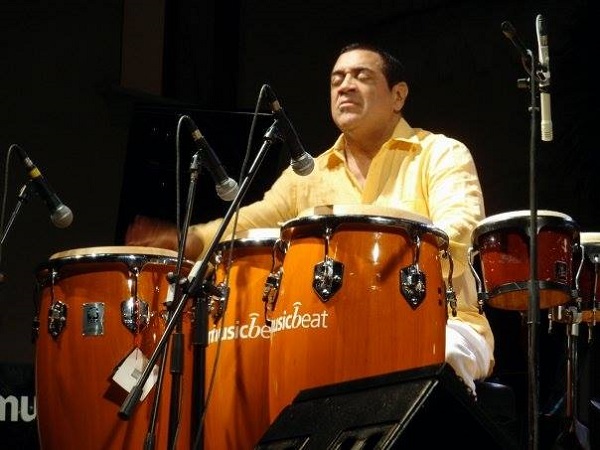
Sammy Figueroa is an excellent percussionist who has stood out for his versatility, playing in a multitude of musical styles

At 18, he started his professional career with bassist Bobby Valentín’s band. Throughout his career, he has stood out for his versatility, playing in a multitude of musical styles and contributing to nearly 400 albums, ten of which are platinum.

He has collaborated with major pop artists like David Bowie, Chaka Khan, and Mariah Carey, as well as with distinguished jazz musicians such as Miles Davis, Sonny Rollins, Quincy Jones, and George Benson. In 1977, he became a founding member of the Latin rock fusion group Raíces.

In 2001, Sammy Figueroa moved to South Florida and formed his own group, Sammy Figueroa and His Latin Jazz Explosion. His albums And Sammy Walked In and The Magician were nominated for a Grammy for Best Latin Jazz Album.

Sammy Figueroa, a percussionist with an excellent career

Sammy Figueroa, a percussionist with an excellent career

His 2023 album, Searching for a Memory / Busco Tu Recuerdo, is a tribute to his father. The project, produced by his wife, Rachel Faro, with whom he has also co-produced other albums, allowed Sammy to reconcile with his father’s legacy. On this album,

Sammy sings on a record for the first time and transforms his father’s classic boleros into modern Latin jazz arrangements. The album was nominated for a Latin Grammy in the “Best Jazz/Latin Jazz Album” category.

Sammy Figueroa has received numerous awards, including two Percussionist of the Year awards from the National Academy of Recording Arts and Sciences (NARAS), two Drummie Awards for Best Hand Percussion, and a Best Percussionist award from the Jazz Journalists Association.

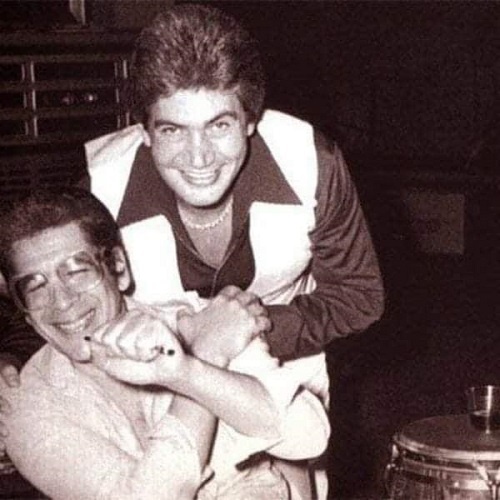
Discovered by jazz flutist Herbie Mann, Figueroa became a well-known session and studio musician, touring and recording with The Brecker Brothers, Average White Band, Morrissey – Mullen, The Mahavishnu Orchestra John McLaughlin, and Miles Davis.

He has also appeared with Blondie, Sonny Rollins, David Sanborn, Quincy Jones, Dave Grusin, George Benson, Chet Baker, Stanley Clarke, Grover Washington Jr., Al Jarreau, Lena Horne, Joe Williams, Mark Murphy, Mike Mainieri, Néstor Torres, Chico O’Farrill, Mike Stern, Chuck Loeb, Bobby Watson, Dave Valentin, Arturo Sandoval, Paquito D’Rivera, Rubén Blades, Eddie Palmieri, Bobby Valentín, Tania Maria, Mariah Carey, James Taylor, Dr. John, Mick Jagger, David Bowie, Celine Dion, Blues Traveler, Natalie Merchant, David Lee Roth, Hall & Oates, Joe Cocker, Rickie Lee Jones, Annie Lennox, Whitney Houston, Anita Baker, Grace Jones, James Ingram, Diana Ross, Roberta Flack, Aretha Franklin, and many others.

Some of the R&B hits he is featured on include Sister Sledge’s “We Are Family,” Luther Vandross’s “The Night I Fell In Love,” and Ashford & Simpson’s “Solid (as a rock),” as well as most of Nile Rodgers and Bernard Edwards’ hits on the Chic and Sister Sledge record labels.

Michel Camilo wrote the song “And Sammy Walked In” in his honor, and it was also recorded by Giovanni Hidalgo. Two of his CDs, And Sammy Walked In and The Magician, have been nominated for Grammy Awards in the “Best Latin Jazz Album” category. Figueroa hosts a Latin jazz show on WDNA-FM in Miami, Florida.
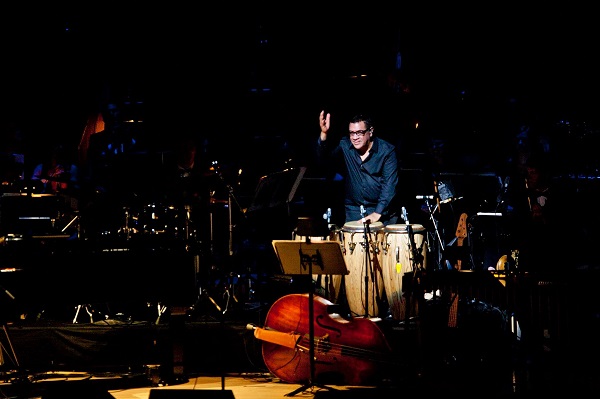
Sammy Figueroa was born in the Bronx, New York, in 1948

If you’re not very familiar with Sammy Figueroa’s work, you can try an experiment with this album: listen closely to see if you can guess what his instrument is. In a medium-sized combo, what instrument seems to take center stage? The answer: it’s impossible to guess, which says something about Figueroa’s maturity as a leader.

It’s also surprising to see how pared down his forces really are this sextet sounds like a big band. (Spoiler alert: he’s a percussionist.) It also says something about him that the term “Explosion” is a misnomer for his band. There are no pyrotechnics, no crazy tempos, and no wildly layered rhythms here.

But there are some very impressive horn arrangements (check out “Cha Cha Pa’ Ti” and the lovely “Cuco y Olga”), along with some of the sweetest, most tender ballads to appear on a jazz album of any genre in recent years (“Queen from the South” and “Zuliana” are the best examples).

For a percussionist acting as a bandleader, giving this kind of sustained, loving attention to compositions that only make a tenuous use of his talent is further proof of Figueroa’s taste and maturity. Let’s hope Figueroa keeps going in this vein. Rick Anderson.

Sammy Figueroa & His Latin Jazz Explosion – Urban Nature (2011).
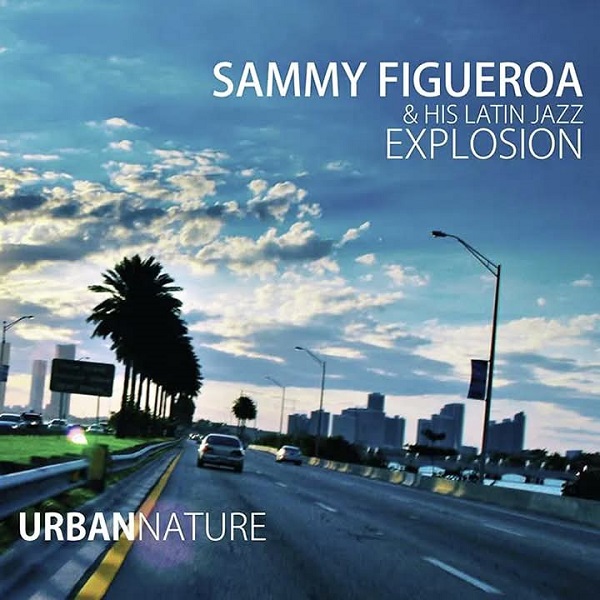
Sammy Figueroa & His Latin Jazz Explosion - Urban Nature (2011)
Sammy Figueroa & His Latin Jazz Explosion – Urban Nature (2011)

Tracks:

  1. Gufillo (Silvano Monasterios)
  2. Urban Nature (Gabriel Vivas)
  3. Latin What? (Michael Orta)
  4. Zuliana (Silvano Monasterios)
  5. 7th Door From The Left (Silvano Monasterios)
  6. Cuco y Olga (Nicholas Martines)
  7. Cha Cha Pa’ Ti (Gabriel Vivas)
  8. Queen From The South (Silvano Monasterios)
  9. Funny Talk (Gabriel Vivas)

Musicians:

  • Sammy Figueroa (Percussion)
  • Silvano Monasterios (Piano)
  • Gabriel Vivas (Acoustic bass)
  • John Michalak (Sax)
  • Alexander Pope Norris (Trumpet)
  • Nomar Negroni (Drums)

Guest Musicians:

  • Ed Calle (Sax)
  • Mike Orta (Piano)
  • José Gregorio Hernández (Percussion)

Website: Sammy Figueroa

By:

Dj. Augusto Felibertt

L’Òstia Latin Jazz

Also Read: Carlos “Nene” Quintero comes from a family of musical prodigie
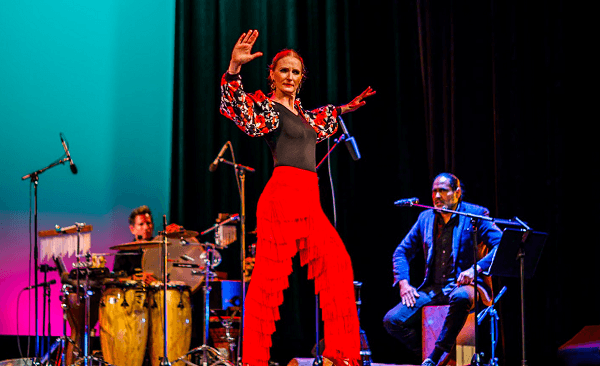
Ania Bartelmus from La Candela Flamenco talks about her performance at the Hispanic Heritage Celebration

For some time, Hispanic genres have attracted people from all over the world, who have been captivated by the rhythms and colors of our music and traditions. Such was the case of professional dancer and director of La Candela Flamenco Company, Ania Bartelmus, who despite her Polish roots, could not help but fall in love with these artistic expressions, prompting her to become one of the leading figures of flamenco in Atlanta, Georgia.

Ania was kind enough to take a few minutes out of her busy schedule to talk exclusively with International Salsa Magazine and treat some issues related to her beginnings and current career. 

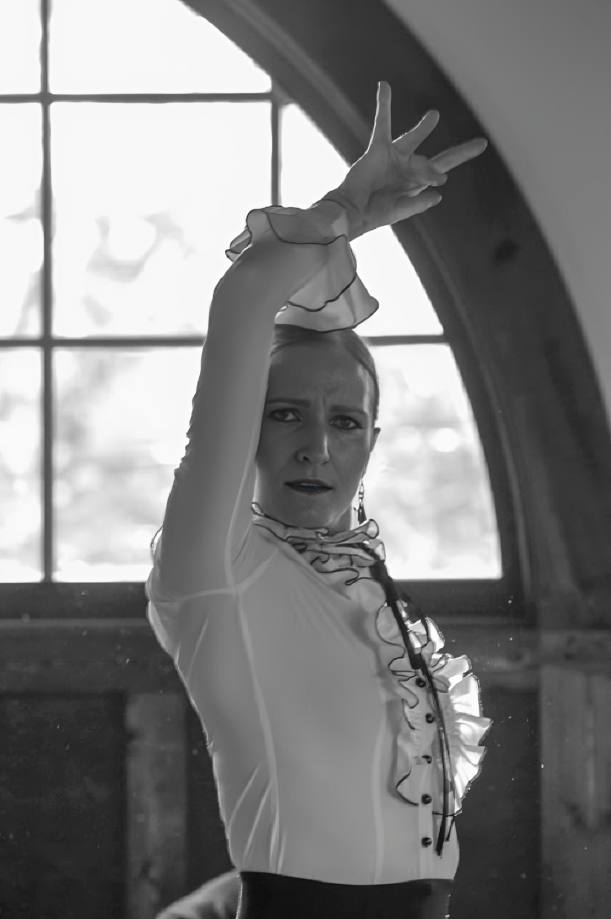
Dancer Ania Bartelmus performing live
Dancer Ania Bartelmus ”La Candela” performing live with Dave Holland and Juan Solas Machado in the background

How Ania’s interest in flamenco and Latin jazz was born

Although Ania was not born into a family of musicians or dancers, she has always been drawn to art and wanted to pursue one of its many branches as an adult. She started taking dance classes in different styles, including ballet, ballroom dancing, contemporary dance, and a little flamenco. 

At that time, at 18 years old, the young woman recalls attending a flamenco show by Spanish composer and guitarist Paco Peña in her hometown. She was so fascinated by the musician’s performance that she wanted to focus a little more on that genre and, if possible, manage to professionalize.

Then, her dance classes began to fully focus on flamenco and at much more advanced levels than before. This appeared insufficient to her, so she decided to live in Seville, Spain, for a few years to learn directly from the source.

La Rubia de La Candela

Ania was fortunate enough to have great teachers who turned her into the professional she is today and one of them was Curro Fernández, who affectionately nicknamed her “La Rubia de La Candela” when she was his student. During her first year in Seville, the dancer enrolled in the school of Esperanza Fernández and Miguel Vargas, the first being her singing teacher. 

Esperanza was originally Ania’s teacher, but she was constantly touring and could not always attend the scheduled classes. Therefore, it was her father, Curro Fernández, who took her place and taught the classes instead of her, which made him some kind of father and mentor for Ania and the rest of her classmates. His knowledge and good humor made him one of the best references for the girl on the way she had to go.

Ania posing
Dancer Ania Bartelmus posing for the camera

Creation of La Candela Flamenco

In 2014, Ania officially started her company, which initially received the name Ania Flamenco, but she later renamed it La Candela Flamenco in order to give more importance to Ania’s stage name. 

At the beginning, the company was seeking to present Spain’s traditional flamenco, but this became a tough task to pull off in the United States, as many of the best flamenco singers are not based there. So Ania decided to change her strategy and opted for a more Latinized flamenco, since most of her musicians come from Latin countries and a large part of the public feels a much stronger connection to Latin genres than to traditional flamenco.

On this subject, he also said: “We continue to respect the main rules of traditional flamenco, but we do not include flamenco singers because of the difficulty in finding them in the city. Our shows focus on other flamenco elements where we can best showcase the tradition’s richness.”

Current members of La Candela Flamenco Latin Band

La Candela Flamenco Latin Band is the company’s main group and is made up of a wide variety of famous musicians, one of them being Venezuelan guitarist José Chirinos, who joined the band in 2018 and contributed greatly to expanding the company’s horizons thanks to his background and the rhythms he brought from his homeland.

Thanks to Jose, Ania met Cuban percussionist Juan Pablo Solas Machado, who brought a lot of experience in flamenco, having been part of a company that toured the world with a Cuba’s flamencoised repertoire. The other percussionist who more recently joined is American Dave Holland, providing great knowledge about rhythms from around the world and serving as a connection between the Latin and the Anglo-Saxon souls for the rest of his bandmates.

We also cannot fail to mention Venezuelan pianist José Manuel García, one of last year’s great additions to the team along with fellow pianist Tony Castillo.

Finally, we also have Bulgarian flutist Teodora Stoyanova, whom Ania met through Jerry Fields, the percussionist with whom she started the company in 2014.

Ania and the rest of the musicians
From left to right: Cuban percussionist Juan Solas Machado, Bulgarian flutist Teodora Stoyanova, Mexican guitarist Ricardo Sánchez “Ricardito”, dancer Ania Bartelmus, American multi-percussionist Dave Holland, and pianist Tony Castillo

Hispanic Heritage Celebration

One of the major events in which La Candela Flamenco Latin Band usually participates annually is the Hispanic Heritage Celebration, to be held on October 25 at the Emory Performing Arts Studio in New York. This will be the third time they have presented this show in Atlanta, although in previous years, the concerts were held at the Roswell Cultural Arts Center.

Ania was first contacted to participate in the event in 2023, as its organizers wanted a show that reflected flamenco in the context of Hispanic heritage. On that occasion, Jose Chirinos played a leading role in the concert, while for the second edition, La Candela Flamenco Band featured the great talent of Mexican composer and guitarist Ricardito Sánchez and the aforementioned Tony Castillo. All of these musicians helped La Candela Flamenco to become more diverse and expand much more into Latin jazz and other rhythms of this type.

Thanks to the great job done by the team, for the second edition of the Hispanic Heritage Celebration, Ania noticed much more interest in the band’s performance than the previous year, and thanks to past experience, the next show worked best. 

For the third edition, in which the talented dancer and her group will perform once again, International Salsa Magazine wishes them all the best and we have no doubt that everything will turn out in the best possible way. 

Read also: Cuban singer-songwriter Osmay Calvo shows his versatility in the New Jersey music scene

How Money Is Made Today: Recording Artists, Record Labels, and Digital Platforms

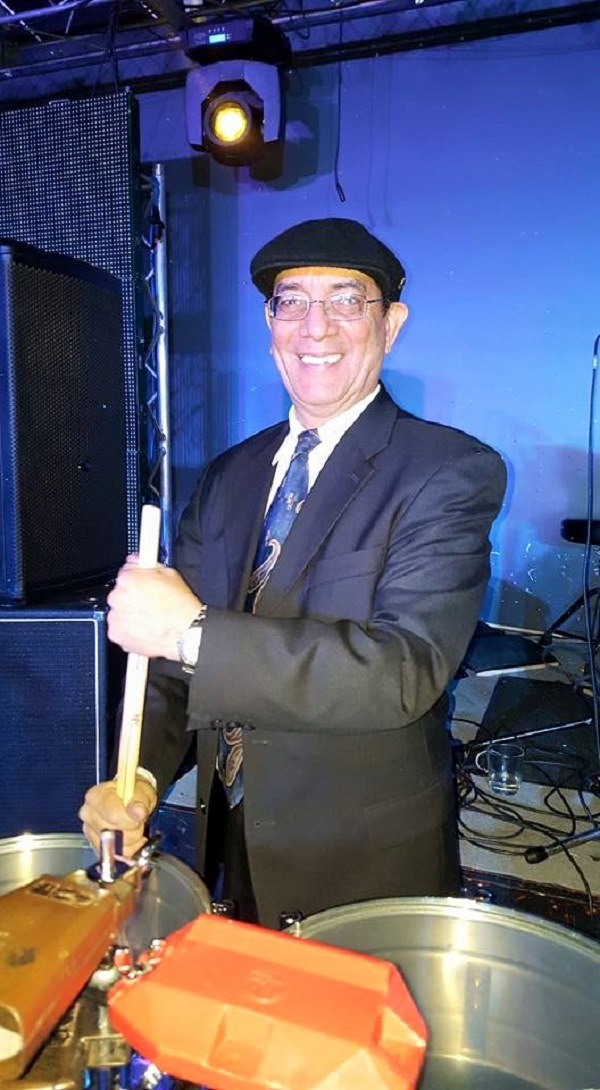
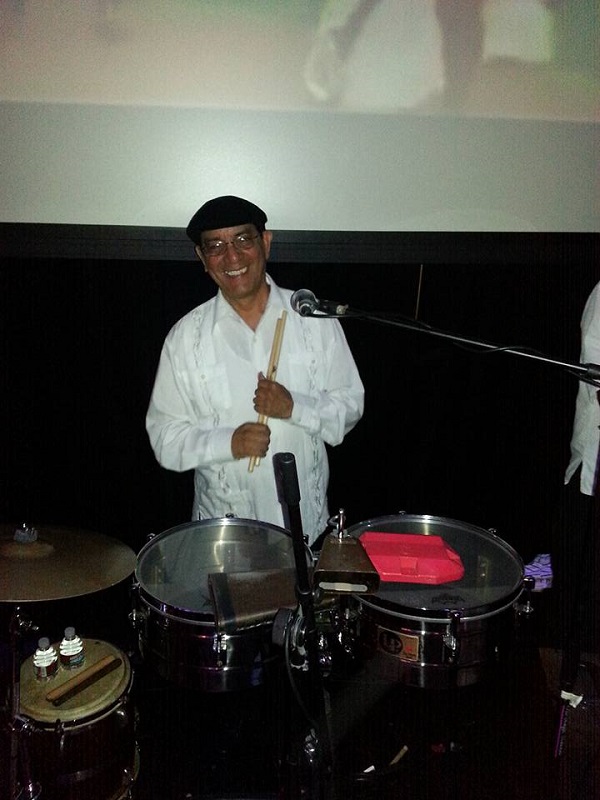
Carlos Navarro is a renowned multi-percussionist, producer, bandleader, and singer, known for leading the Orquesta Son y Clave. Here are some key details about him and his music:

  • Musical Style: He specializes in genres like salsa, mambo, merengue, and Latin jazz.

  • Orquesta Son y Clave: The band has gained popularity in recent years, even sharing the stage with world-class artists like The Rolling Stones.

  • Collaborations: He has worked with major talents in Latin music in Los Angeles, including Tito Nieves, Luis Barbarán, and others.

  • Family Connection: He is the brother of the famous singer Cherry Navarro.

    Carlos Navarro reconocido multi-percusionista, productor, bandleader y cantante, conocido por liderar la Orquesta Son y Clave
    Carlos Navarro reconocido multi-percusionista, productor, bandleader y cantante, conocido por liderar la Orquesta Son y Clave

1). What’s the current process for recording, music production, and royalty distribution?

The current process begins with recording, which can now be done in professional studios or in home studios equipped with high-quality technology. Next is music production, which includes editing, mixing, and mastering to ensure the material meets industry standards.

Once the final product is complete, it’s distributed digitally through aggregators or distributors who place it on platforms like Spotify, Apple Music, and YouTube, among others. As for royalties, these are mainly collected by collective management societies and the platforms themselves, who distribute the income based on streams, downloads, or licenses, assigning it to the author, performer, and producer as stipulated in their contracts.

2). What is the impact of digital platforms that artists use to release their music?

Digital platforms have transformed the music industry by democratizing access. Today, any artist, regardless of their fame or resources, can distribute their music globally. The biggest impact is visibility: a song can reach millions of listeners without the need for a traditional record label.

However, there is also the challenge of market saturation, which requires artists to accompany distribution with solid strategies for digital marketing, branding, and social media presence.

3). How are the revenues distributed once the product is complete?

Revenue distribution varies according to contractual agreements, but generally, it’s split between authors and composers (publishing royalties), performers and producers (master recording royalties), and the distribution company or label.

In the digital environment, streaming platforms pay a percentage for each stream, which first goes to the digital distributor and is then divided according to the percentages agreed upon in publishing and production contracts. This system makes good administrative management essential so that everyone involved receives what they’re owed.

At The Blind Tiger Super Club in Santa Barbara California. Son y Clave Orchestra Carlos Navarro. Great venue.

4). Name some current business models for producing a record.

  • Independent Digital Distribution: The artist pays a digital distributor (e.g., DistroKid, CD Baby, TuneCore) and keeps most of their rights.
  • Record Label Contract: The label invests in production and promotion in exchange for a percentage of royalties and even the master rights.
  • Licensing and Sync: Producing music geared toward films, commercials, and video games, generating income from usage licenses.
  • Crowdfunding: Fans support the funding of the album in exchange for exclusive rewards.
  • 360 Deal: The label or company handles not only production and distribution but also concerts, merchandise, and image rights, in exchange for a larger percentage.

5). What strategies can artists use to monetize their work in the digital environment?

  • Streaming and Digital Downloads: Maximizing presence on Spotify, Apple Music, Deezer, etc.
  • YouTube and Content ID: Monetizing through views, ads, and copyright control.
  • Digital and Physical Merchandise: T-shirts, vinyl records, NFTs, and exclusive products.
  • Social Media and Subscriptions: Platforms like Patreon or TikTok offer the possibility of direct income from fans.
  • Licensing and Sync: Offering music for TV series, films, video games, and advertising campaigns.
  • Virtual Concerts and Exclusive Experiences: Monetized live streams, digital meet-and-greets, or access to exclusive content.

6). What do you think about creating a digital platform among us, the Latin musicians, where the profits go to the artists?

I think that’s an extremely valuable and necessary proposal. A digital platform created by and for Latin musicians would have a direct impact on the independence and sustainability of our artistic projects. By eliminating traditional intermediaries and ensuring most of the profits go directly to the artists, it would foster a fairer and more equitable industry.

Furthermore, this kind of initiative would not only allow for a better distribution of income but also the creation of a strong community where we can support each other, give visibility to emerging talents, and preserve the cultural identity of our music. In a market dominated by global platforms that prioritize volume over quality, having our own space would be a strategic tool to strengthen our voice as Latin artists and give true value to our creative work.

Carlos Navarro
Carlos Navarro

Also Read: How Money is Made Today as a Recording Artist with Record Labels and Digital Platforms

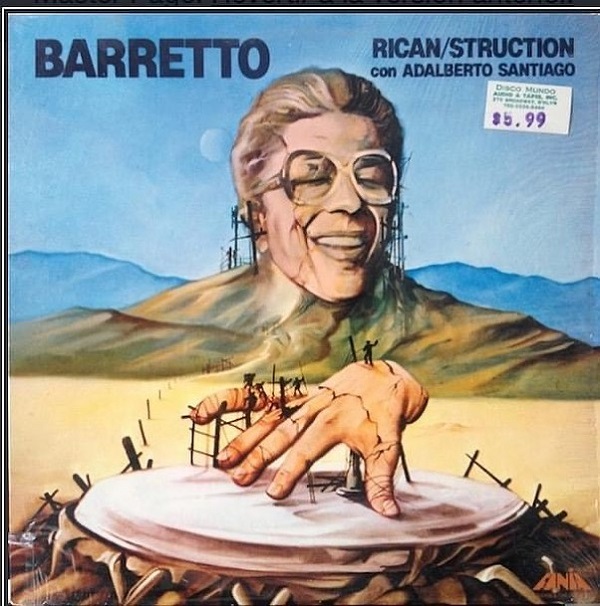
Ray Barretto: Rican/Struction of a Master for the year 1979

“Rican/Struction” is the most representative album of Ray Barretto’s career, not only for its innovative character but also for its immense personal significance.

RicanStruction is the most representative album production in Ray Barretto's career
RicanStruction is the most representative album production in Ray Barretto’s career

In 1978, Ray Barretto was struggling to cope with the poor reception of his recent album, “Can You Feel It?” (1978), which he had recorded a year earlier with Atlantic Records. Despite its quality, the album went largely unnoticed by the public, causing Barretto great frustration and disappointment.

For a few years, Barretto had been tired of playing the same old repertoire. To give his career a fresh start, his manager, Jerry Masucci, sold his contract to Atlantic, intending for him to record a more commercial jazz fusion and funk album. However, the plan didn’t work out as they had hoped. During this time, the percussionist spent his days feeling pensive and worried, convinced that signing with Atlantic had been a mistake because the label gave his last two albums very little promotion.

One morning, while driving and lost in thought, Barretto slammed on his brakes to avoid hitting a car that suddenly appeared. The abrupt maneuver caused another vehicle to rear-end him. The collision resulted in several injuries, the most serious being severe damage to the tendons connecting his thumb to the rest of his right arm. Doctors “gave up on him,” claiming he would never be able to play again.

The news plunged the musician into a deep depression. Doctors recommended surgery, but Barretto refused, fearing his hand would never be the same. He sought second opinions in Los Angeles and San Francisco, but every specialist gave him the same diagnosis and the same solution: surgery.

They say Barretto would visit clubs with a palpable sadness and bitterness because he couldn’t play. Many people in the industry said his career was over until one night, an old friend and fellow musician told him about the benefits of acupuncture, a traditional Chinese medicine that had helped several people with similar problems.

Barretto underwent a long and painful treatment for almost two years, gradually restoring movement to his right hand. Once he was nearly recovered, he decided it was time to return to music.

He broke his contract with Atlantic, sought out Adalberto Santiago (who had left his band in 1972 to form La Típica 73), and re-signed with Fania Records. With them, he produced the album “Rican/Struction” (1979), his most representative work, not only for how progressive it was but also for the immense personal value it held.

Adalberto Santiago y Ray Barretto

The production was a resounding success, and a year later, it earned him the titles of “Musician of the Year” from Latin New York magazine. In this way, the master Ray Barretto demonstrated his great strength and tenacity to the world.

Did you know…?

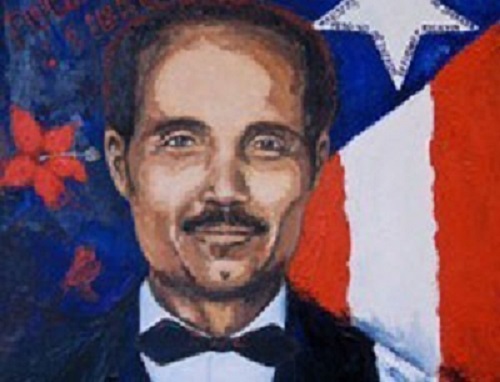
  • The song “Al Ver Sus Campos” from the album Rican/Struction is a tribute to the Puerto Rican patriot Pedro Albizu Campos. Composed by Johnny Ortiz and arranged by Oscar Hernández, the song, sung by Adalberto Santiago, captures the feeling of Albizu’s resistance as he fought to liberate his homeland from foreign invading forces.

  • Albizu Campos was a jibarito, a legend who existed under the burning Puerto Rican sun.
    Albizu Campos was a jibarito, a legend who existed under the burning Puerto Rican sun.
  • According to Adalberto Santiago, “the Rican/Struction album is a musical gem because, in New York, no musician buys records, and this one was bought by the entire salsa community.”

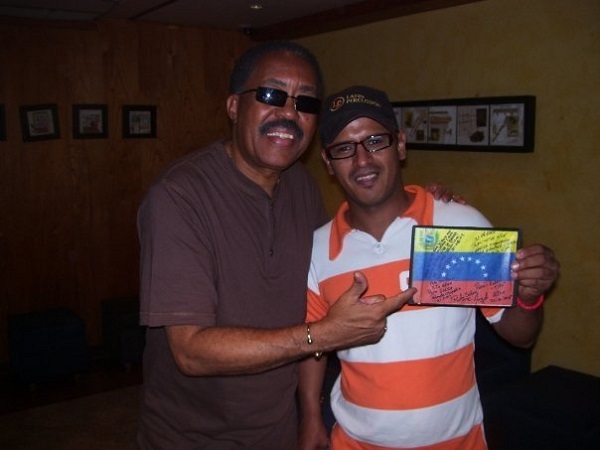
  • Dj. Augusto Felibertt y Adalberto Santiago
    Dj. Augusto Felibertt y Adalberto Santiago

Vocalists for Ray Barretto and La Típica 73

  • Adalberto Santiago was in Ray Barretto’s band from 1966 to 1972. When he left to join La Típica 73, he was replaced by Tito Allen, who recorded the album Indestructible with Barretto in 1973.
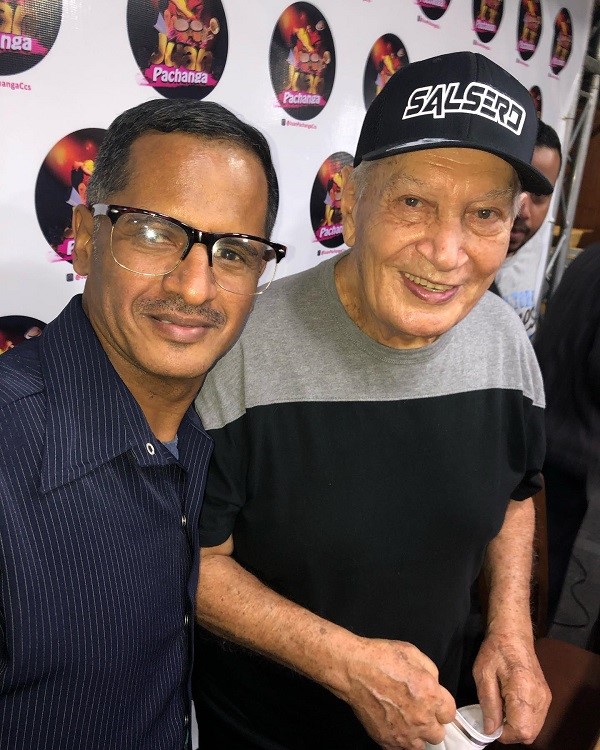
  • Tito Allen y Dj. Augusto Felibertt
    Tito Allen y Dj. Augusto Felibertt
  • When Adalberto Santiago left La Típica 73 to form Los Kimbos, his replacement in the group was once again Tito Allen. With them, Tito recorded the album Rumba Caliente (1976). Then, in 1977, La Típica 73’s vocalist was the late Camilo Azuquita for the album The Two Sides of Típica 73.

By:

Los Mejores Salseros del Mundo

Dj. Augusto Felerttib

Also Read: Raymundo “Ray” Barretto Pagan was born in Brooklyn, New York on April 29, 1929

Juancito Torres: The National Trumpet of Puerto Rico

We present the musical life of one of the greatest trumpeters in Latin music, the master Juan “Juancito” Torres Vélez, known as “The National Trumpet of Puerto Rico.”

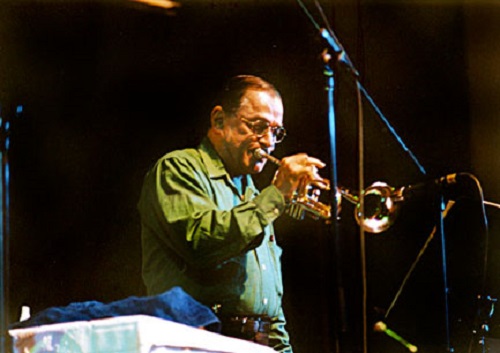
La Trompeta Nacional de Puerto Rico Juan Torres Vélez

Born on January 14, 1936, in Caguas, Puerto Rico, to Justina Vélez Vázquez and Félix Torres Varcárcel, he began his musical journey playing the violin in his hometown. He joined the Municipal Band, where he was taught by Adrián Benjamín and Carlos Julio Bosch, who also taught him the intricacies of the trumpet.

Juancito was a fan of Placido Acevedo, the trumpeter and director of the Mayarí quartet, and Acevedo was his biggest influence for his development as a professional trumpeter. At the age of fourteen, he studied at the Escuela Libre de Música. In 1952, he joined the orchestra of jazz musician Ramón “Moncho” Usera Vives and stayed with him for a year before joining his teacher Miguelito Miranda’s band.

In 1955, he traveled to New York, where he worked with Xavier Cugat, Noro Morales, and the Lecuona Cuban Boys. It is also said that he was part of the orchestras of Pupy Campo and Tito Rodríguez and that he recorded with René Touzet, Dámaso Pérez Prado, and Eddie Cano.

Juancito Torres Primera Trompeta de Fania All Stars

Juancito returned to Puerto Rico in 1960 and enrolled at the Puerto Rico Conservatory to further his musical knowledge. In 1965, he appeared on the list of musicians who recorded the album Bobby Capó and His Orchestra with the great Bobby Capó. In the late 1960s, Juancito joined master Bobby Valentín’s orchestra, recording five albums with them between 1969 and 1975. During the 1970s, he recorded with Frank Ferrer, Justo Betancourt, Puerto Rico All Stars, and Marvin Santiago.

In 1979, Juan began his participation in recordings, concerts, and international tours with the Fania All Stars. He appeared as a member of the Pacheco and Masucci collective on at least ten albums between 1979 and 1997. These include Habana Jam, Commitment, Latin Connection, Lo que Pide la Gente, “Live”, Viva Colombia, and Bravo 97.

Juancito’s extraordinary musical career and great talent also allowed him to participate in recordings for many singers, musicians, and groups such as Cheo Feliciano, Tommy Olivencia y su Orquesta, Adalberto Santiago, Roberto Roena, Sonora Ponceña, Eddie Palmieri, Tito Rojas, Pedro Arroyo, Descarga Boricua, Lalo Rodríguez, and Ray Barreto, among many others. “The National Trumpet of Puerto Rico” also participated in recordings by musicians and singers of other rhythms and musical genres such as Pop, Tropical, Jazz-Rock, Progressive Metal, Rock, Reggae, and Funk/Soul.

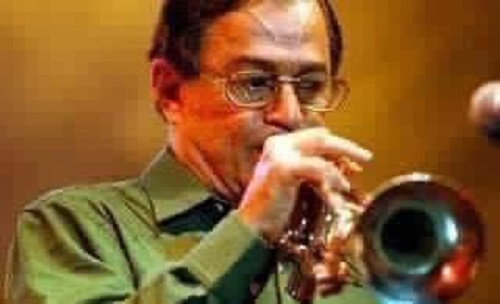
Juancito Torres
Juancito Torres

Regarding our music, we remember some of the tracks in which our great musician from Caguas recorded immortal trumpet solos: “Cuando Te Vea” with Bobby Valentín, “Dime,” “Menéame La Cuna,” “Quítate La Máscara,” and “Puerto Rico/Adoración” with Fania, “Amada Mía” and “Salí Porque Salí” with Cheo Feliciano. “Pedregal” with Justo Betancourt, “Canto A Borinquen” and “Alianza De Generales” with Puerto Rico All Stars, and “Palo Pa’ Rumba,” “Prohibición de Salida,” and “Solito” with Eddie Palmieri.

Through this work on Juancito Torres’ artistic life, we want to pay a small but well-deserved tribute to one of the ambassadors of Puerto Rican music. Juan Torres Vélez’s musical career spanned half a century, during which he participated in more than a hundred albums in our music alone, which was named Salsa from the beginning of the 1970s. The National Trumpet of Puerto Rico will live forever in the hearts of Salseros around the world.

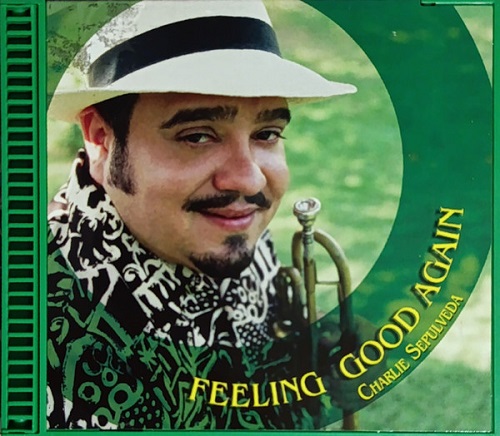
The trumpeter and producer Charlie Sepúlveda presented his new musical work titled Feeling Good Again, a jazz album released in 2003 on the Metrix label, which included our Juancito Torres on flugelhorn. Los Licenciados is the name of an album published by the Duque Records label and Omar Duque y su Orquesta. The recording year for this album is not specified, but Juancito Torres also participated as a trumpeter.

Charlie Sepulveda Feeling Good Again, Lanzado en 2003

Juancito Torres suffered from high blood pressure and bronchial asthma. Unfortunately, he passed away from a heart attack while sleeping at his home in Carolina on July 26, 2003. We will always remember him.

Long Live Music! Long Live Salsa! Long Live Juancito Torres!

By:

The Best Salseros in the World

Dj. Augusto Felibertt

Read Also: Luis “Perico” Ortiz: six decades of impeccable musical trajectory

  • « Go to Previous Page
  • Page 1
  • Interim pages omitted …
  • Page 12
  • Page 13
  • Page 14
  • Page 15
  • Page 16
  • Interim pages omitted …
  • Page 64
  • Go to Next Page »

International Salsa Magazine (ISM) is a monthly publication about Salsa activities around the world, that has been publishing since 2007. It is a world network of volunteers coordinated by ISM Magazine. We are working to strengthen all the events by working together.