• Skip to primary navigation
  • Skip to main content

International Salsa Magazine

  • HOME
  • Previous editions
    • 2026
      • ISM / April 2026
      • ISM / March 2026
      • ISM / February 2026
      • ISM / January 2026
    • 2025
      • ISM / December 2025
      • ISM / November 2025
      • ISM / October 2025
      • ISM / September 2025
      • ISM / August 2025
      • ISM / July 2025
      • ISM / June 2025
      • ISM / May2025
      • ISM / April 2025
      • ISM / March 2025
      • ISM / February 2025
      • ISM / January 2025
    • 2024
      • ISM / December 2024
      • ISM / November 2024
      • ISM / October 2024
      • ISM / September 2024
      • ISM / August 2024
      • ISM / July 2024
      • ISM / June 2024
      • ISM / May 2024
      • ISM / April 2024
      • ISM / March 2024
      • ISM / February 2024
      • ISM / January 2024
    • 2023
      • ISM / December 2023
      • ISM / November 2023
      • ISM / October 2023
      • ISM – September 2023
      • ISM – August 2023
      • ISM July 2023
      • ISM Edition June 2023
      • ISM – May 2023
      • ISM April 2023
      • ISM March 2023
      • ISM February 2023
      • ISM January 2023
    • 2022
      • ISM December 2022
      • ISM November 2022
      • ISM October 2022
      • ISM September 2022
      • ISM August 2022
      • ISM July 2022
      • ISM June 2022
      • ISM May 2022
      • ISM February 2022
      • ISM January 2022
    • 2021
      • ISM December 2021
      • ISM November 2021
      • ISM October – 2021
      • ISM September 2021
      • ISM August 2021
      • ISM July 2021
      • ISM May 2021
      • ISM April 2021
      • ISM June 2021
      • ISM March 2021
      • ISM February 2021
      • ISM January 2021
    • 2020
      • ISM December 2020
      • ISM November 2020
      • ISM October 2020
      • ISM September 2020
      • ISM August 2020
      • ISM July 2020
      • ISM June 2020
      • ISM May 2020
      • ISM April 2020
      • ISM March 2020
      • ISM February 2020
      • ISM January 2020
    • 2019
      • ISM December 2019
      • ISM November 2019
      • ISM October 2019
      • ISM Septembre 2019
      • ISM August 2019
      • ISM July 2019
      • ISM June 2019
  • Spanish
  • Download Salsa App
    • Android
    • Apple

Search Results for: Latin genres

Latin Saoko The Latin Corner of the World – 2018

Latinoamerica / Argentina / Buenos Aires

Latin Saoko, the radio is dedicated to spreading the richness of our Latin culture to all the public who want to have an encounter with the magical Caribbean and its music.

It is the Internet radio station of Latin-Caribbean genres that produces interactive programs with top-of-the-line speakers, this is how Dj timbao and Víctor Rodríguez define Latin Saoko, a radio station that since 2016 dictates the rhythm of timba and salsa on the internet .

Latin Saoko flyer
Latin Saoko flyer

In a pleasant conversation with his mentors, we were able to learn that it is an idea that arose a long time ago from these two great DJs and dance instructors from Venezuela, for now Dj timbao making life and projecting himself in Argentina and Víctor doing the same in Spain .

The radio is dedicated to spreading the richness of our Latin culture to all the public who want to have an encounter with the magical Caribbean and its music. Our work comes to you from the hand of professionals who strive every day to produce the best programs with true dynamic content through our website, with an excellent technical team and specialized personnel who work 24 hours a day in each one. Of its different spaces, Víctor mentions the director of the Kimbara school from the beautiful island of Tenerife.

There are 24 continuous hours of the best musical themes of Latin-Caribbean genres, we can enjoy premieres that come at the hands of this pair of DJs thanks to their great trajectory around the world. Dj timbao tells us that:

At saokolatino.com we seek to innovate the way in which Internet radio is currently produced so that in this way we can introduce real radio programming with dynamic content, for all local audiences and also worldwide. , offering the best of products so that saokolatino.com becomes the number one reference radio station for Latin American musical genres.

Among its main objectives is to create a space dedicated to the public that loves Latin genres, strengthen and promote Caribbean music and culture worldwide, expand the horizons of Latin radio in the world and reach number 1 in the ranking of radio stations. internet radio.

Radio Latin Saoko
Radio Latin Saoko

One of our main missions is to be the first Internet station of Latin-Caribbean genres, with unique production of true and real programs broadcast live and in real time. Spread the true Latin culture through the music that represents us and is loved worldwide, so that everyone who is connected to the radio identifies with its image and content.

Work hard so that our broadcasts, programs, calendars and music reach all possible destinations hand in hand with professionals who strive day after day, week after week and year after year to produce true radio content programs on the web, I emphasize Víctor, in the same way that the production of programs with characters from all over the world will take this radio to another level, they seek not only to delight musically speaking, they also follow the idea of ​​nurturing with programs aimed at substantially improving the offer.

They are currently in the registry of people who want to make programs, they offer excellent benefits and are open to proposals that are presented to promote programs dedicated to Latin music and Caribbean rhythms.

On the website we can also find several interactive sections, the largest of which is a chat room in which all listeners, whether registered or not, can chat with each other, sending messages, images and emoticons on the topics they most want to discuss. and in turn they can talk directly with the announcer who is making the program at that moment.

On the other hand, there is the video section, where you can see the artists of the moment and those that have been successes or classics in their times, which Important to note in this section is that it links you directly to the station’s YouTube channel which has a direct playlist of the channels of each of the artists, this is important because by watching the video you are contributing to the artist directly and growing its popularity.

Similarly, they have a section of biographies where there is the story behind each of the most important orchestras, groups, ensembles or groups in Latin music.

Estrenos Timberos - Latin Saoko
Estrenos Timberos – Latin Saoko

To close, they invite us to download the saokolatinoradio app through playstore and for IOS present at www.tunein.com as saokolatinoradio, in this way they will be able to have 24 hours of good music at hand in any corner of the world where they are. For contacts: +34654723798 and +5491161380106 or by e-mail [email protected], by facebok on Saoko Latino Radio, on Instagram and twitter as @saokolatino and the youtube channel where we can enjoy video premieres of the most popular artists. recognized is Saoko Latino.

Guatemalan group Malacates Trébol Shop enchants with its Latin rock and ska

We have had the opportunity to talk with artists and groups from many Latin American countries and the United States, but so far, we had not had the honor of interviewing anyone from Guatemala. Therefore, it was a pleasure for us to talk to Leonel Fernández and Rodolfo ”Chofo” Fernández, two of the members of the band Malacates Trébol Shop, to whom we dedicate the following lines. 

Malacates drummer Leonel
Malacates drummer Leonel ”Cachu” Hernández, with whom we could talk about the Guatemalan band

How did the members of Malacates Trébol Shop get interested in music?   

The band Malacates Trébol Shop already has more than 27 years of creation in the country of origin of its members, which is Guatemala. They started playing ska, which basically, in the words of Leonel Hernández, has been the backbone of everything they have done during this time, but this has not prevented them from flirting with other Latin genres that they also like very much, such as cumbia, reggae, Latin rock, among others.   

bout this, Rodolfo pointed out that each of the members of the band has very diverse musical tastes including rock, pop, jazz, ska, blues, reggae, funk, salsa, bolero, mariachis, among others. So, all the musicians bring to the table their own musical ideas resulting in the sound that the group has today. However, just like Leonel, he emphasized that ska is always the basis on which they build most of their project.   

Previous experience to Malacates Trébol Shop   

Leonel again took the floor to emphasize that all the musicians in the group had already been in other bands before being part of this project with the illusion that at some point they were going to be music professionals fair and square.   

It was in this same musical environment that Leonel, Rodolfo, Jacobo Nitsch, Francisco Paez and other artists met and began to get together. Over time, they all discovered that their views on music were very similar, so it would not be long before each of them would leave the groups they were in to create something on their own.    

They would all get together regularly on weekends to play music, have fun and drink some beers. With the passage of time, they noticed that they were taking things more and more seriously to the point that they decided they had to lay the groundwork for something more formal in the near future.   

This represented for the youngsters the opportunity to do something serious in music for the first time and they were not going to waste it under any circumstances.    

Malacates guitarist Rodolfo
Malacates guitarist and sound engineer Rodolfo ”Chofo” Hernández, with who we also talked about the band

How did the name Malacates Trébol Shop come about?   

The name Malacates Trébol Shop came about just before the first rehearsal of the group because they wanted to baptize the project from the beginning, but the guys wanted something original and, if possible, humorous for people to remember it upon hearing it.    

So, they all began inventing funny names to identify themselves with, such as ”Conchinflín Godinez” or ”Los Champurradas” (a typical Guatemalan bread). This is how one of the boys suggested the name ”malacates”, which was a word used by grannies to refer to children who misbehaved. In addition to that, there was a club in Guatemala called ”Trébol Shop”. This resulted in the current name of the group which is ”Malacates Trébol Shop”.   

When they started to call themselves this way, people generally took it with humor and it caused curiosity, which was exactly what the musicians were looking for. At that time, musical bands used to have elaborate names with many deep meanings, so ”malacates” broke that mold and stood out from others.   

In its first performances, without a doubt, the name was one of the elements that made its early audiences that enjoyed the band live have it in their memory for a long time.    

First professional experiences   

In order for Malacates Trébol Shop to play live for the first time in a formal presentation, the musicians rehearsed for a whole year to make sure all worked out as best as it could.    

In the process, they managed to be played on the radio and generated a lot of expectation around what they could offer with their talent, so many commercial brands wanted to work and sponsor them. One of them was Pepsi, which published a campaign with a Malacates song in the background, which was a great honor for the boys and resulted in a much larger number of concerts and bookings in general.  

Malacates members
Drummer Leonel ”Cachu” Hernández, trumpeter Jacobo Nitsch, singer Francisco Páez, and guitarist Rodolfo ”Chofo” Hernández

Groups and artists who inspired Malacates 

As for the groups and artists who inspired the members of Malacates, we can mention Los Fabulosos Cadillacs, The Skatalites, Grupo SKA-P, Bob Marley, Cultura Profética, among others. 

In addition to this, one of the founding members of Malacates and the band Bohemia Suburbana, Juan Luis Lopera, is one of the first Guatemalan artists to do some Ska in the country, which made him one of the precursors of the genre in the Central American nation.  

They also used to listen very often to the group Madness, Los Auténticos Decadentes and Versuit Vergarabat.  

It is on these groups that Malacates Trébol Shop has based its sound and repertoire since it was conceived as a serious project by its founders and members. 

Read also: Nanette Hernández promotes the bomba and plena in New Jersey 

Patrón Latin Rhythms manager talks about the band and its plans

Patrón Latin Rhythms is one of those many bands from the San Francisco Bay Area that continue to demonstrate the taste the inhabitants of the area and its surroundings have for Latin music and other rhythms stemming from it. For this reason, we decided to talk to Vanessa Ojeda, the band manager, to know more in depth her work and everything that has to do with the group.   

Vanessa, manager of Patrón
This is Vanessa Ojeda, manager of Patrón Latin Latin Rhythms

Vanessa’s beginnings in music   

Vanessa told us that music has always been present in her life, as she remembers, from an early age in San Leandro, California. Her father was responsible for managing musical groups, so he taught his daughter all he knew about the administrative and business part.   

In fact, the young woman recalls that, since she was five years old, she already saw her father playing his trade and explaining some things about it. As she got older, she gained more responsibilities and learned more about the internal functioning of a group. She started answering e-mails, drawing up contracts, making reservations, among other things.   

When her father sadly passed away about three years ago, Vanessa had to learn to do the rest of the things on her own, so she greatly appreciates the prior learning she experienced before the time came.    

Today, she is in charge of all the band’s contacts, social networks, publicity, promotion, musician fees, hotel bookings, travel, among other tasks.   

Beginnings of Patrón Latin Rhythms   

Vanessa explained that it was her father who initially selected the musicians and talent that made up the band. He began by looking for the congueros, whom he took home to determine who was the best choice for the group. He also had some friends who were dedicated to music and he knew they would do a great role if they joined his project, so he contacted them to make the proposal. 

Later, the first musicians selected to be part of the group created their own orchestra, which led Vanessa’s father to look for new musicians and a different name to the proposal that he had in mind and search for the right talent for it. This is how Patrón Latin Rhythms was born. 

Vanessa comments that her father was a lover of the musical work by Poncho Sanchez, Tito Puente, Santana, among other artists of this style, so he was looking for musicians who could emulate those sounds and ways of playing. He also wanted the new members of the new 10-piece band to understand what he wanted at that time, which was the salsa of the time. 

As for the name of the band, Vanessa and her father wanted something attractive and playful for the audience, so after thinking about many things, they decided that ”patrón” was a memorable term and that made them think of something or someone ”strong” and ”with character”, just as they wanted the band’s music to be.   

Patrón plays Latin and American music
Patrón Latin Rhythms is capable of playing both Latin and American music without any problem

Musical background of the musicians 

Another thing Vanessa’s father was very careful with was knowing very well the background of each of the musicians he selected and, of course, ensuring that they came from reputable bands. ”My father knew many of the musicians before forming the group, so he knew they would do an excellent job if he gave them the chance. In fact, some of them are still with me despite my father’s death and the time elapsed,” said Vanessa.   

The permanence of most of the old team is considered by Vanessa as a sign that Patrón Latin Rhythms is much more than just a job for its members. It is also like a family that they take care of and strive to make it better every day.    

This was achieved thanks to the training provided by her father, who always made sure that Vanessa knew all the details related to the band’s operation so that she would be able to take care of it and its members after his passing. One of the most important things he taught her is that she should always treat others as she would like to be treated, which she has very much in mind to this day.   

Genres played by Patrón Latin Rhythms   

Regarding the genres played by the group, Vanessa said that they have tried to incorporate a lot of salsa into their repertoire recently. Her father was a big fan of Latin rock, which occupied a privileged place in the band’s work, but when Vanessa took the reins of the project, she began incorporating a little more salsa and diversify the rhythms played by Patrón Latin Rhythms. To this we must add that she likes R&B a lot, so it was also taken into account to be part of the group’s repertoire.    

It is precisely this blend of genres that the group always seeks to achieve is what guarantees them a mixed audience in which all nationalities and tastes converge. Something that stands out from the group’s musicians is that many of them have their own salsa repertoire due to the experience they bring from other orchestras, which helps them attract audiences of different generations.   

In addition to that, Latin and American public tend to enjoy Patrón Latin Rhythms’ music depending on the genre being played at any given time.   

 Patrón playing live
Patrón Latin Rhythms playing live

How Patrón Latin Rhythms handles arrangements on the covers 

At the time of creating a cover of a well-known song, the musicians of the group take into account the characteristics of the audience they are going to entertain that day, and one of them is the crowd size. If the audience is big, they know they should play faster songs, but if the group of attendees is smaller, then they start with something softer and calmer.   

However, in all their performances, they try to vary all genres so that their shows do not become monotonous and the audience does not get bored. In fact, their repertoire has included from songs by Marc Anthony or Santana to others by Bruno Mars or the group Chicago, which shows how diverse a Patrón Latin Rhythms concert can be.    

On this subject, we can say that each musician is a fundamental part of the orchestra, as each one plays a role in each song they are going to play because not everyone can play everything. In fact, Vanessa tells an anecdote in which one of the musicians quit and it was difficult for the rest of the them to play the chords and the percussion part of certain songs he played. For the same reason, each member and instrument is of vital importance in the band and it is not always easy to cover some of them. 

Read also: Eric Maldonado from La Paris All-Stars’ work behind the scenes 

19va Entrega Anual de los Latin Grammy

North America / USA / Las Vegas

19th Annual Latin Grammy Awards. The most important award ceremony of the Latin American Music Industry will be held for the fourth time in Las Vegas, Nevada

The main international event in Spanish that brings together the best of Spanish-speaking music reaches its nineteenth live broadcast, from the MGM Grand Garden Arena in Las Vegas, Nevada for the fourth time, to reward and honor the achievements of professionals of music throughout the year. The ceremony of the 19th Latin Grammy Awards is here, and on November 15 you will be able to enjoy it through the Univisión signal for the United States and with the #LatinGrammy you will be able to follow it minute by minute during its three hours of transmission by all social networks.

19 Latin Grammy Nominaciones
The most important night of Latin music 19 Latin Grammy
Congratulations Latin Grammy Nominees

Each year the Latin Recording Academy awards recognition to Latin music in 49 categories for work recorded in two languages: Spanish and Portuguese. This prestigious institution also endorses musical genres, identifies new talent, recognizes legendary living artists, and preserves and archives both recordings and videos in order to preserve the valuable Latin American musical culture.

The global impact that Spanish-language recordings have caused this 2017-2018 has proven once again that this year each category will be close to its maximum exponential, which shows that MUSIC made by Latinos has an enormous export capacity, and further evidence that the Latin Grammy awards continue to be one of the specials with the largest audience in the country, as it integrates the largest audience of diverse generations united to witness the annual event with the greatest presence of artistic talent gathered in the same show.

FOR THIS 19TH AWARD OF THE LATIN GRAMMYS, THE NOMINEES ARE:

BEST SALSA ALBUM

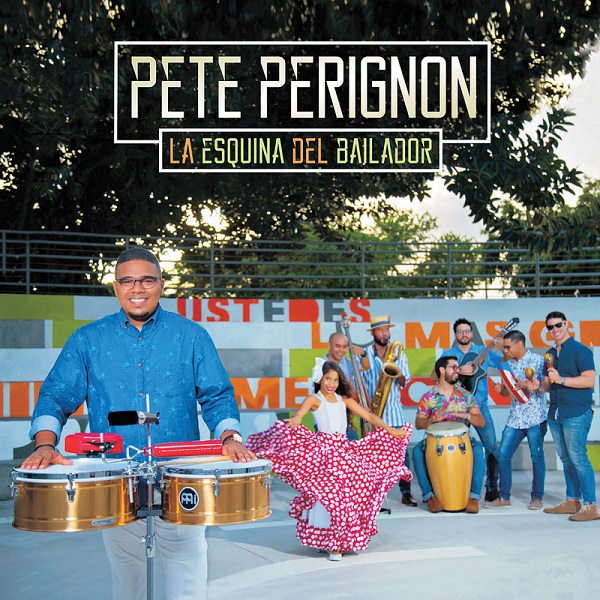
  1. Dancer’s Corner

Pete perignon

Record Label: Pete Perignon Music

“La Esquina Del Bailador” is the second production by musical director and master percussionist, Pete Perignon. This album contains five unreleased singles and five re-interpretations of classics. “Gotita Falling in Key” was his first promotional theme. This album released in 2017 has versions of classics with modern arrangements such as: “De Mi Para Ti” (Bossa recorded by Tito Puente and Santos Colón), “El Beso Discreto” original from the Cuban songbook Trio Matamoros, among many other original songs and versioned

Pete Perignon
Pete Perignon
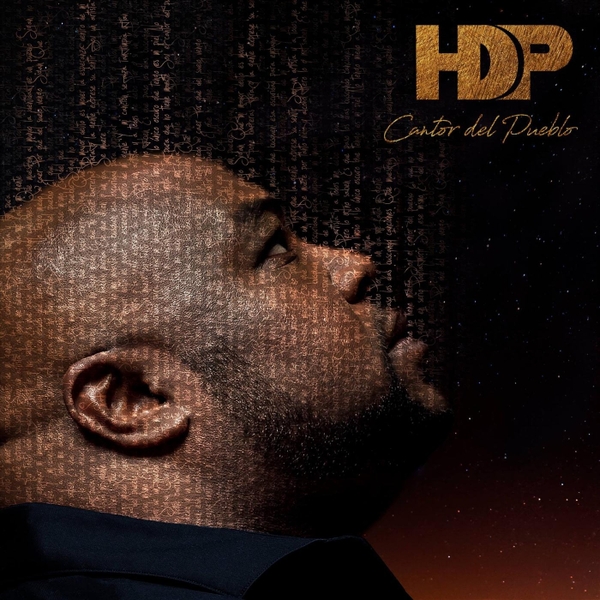
  1. Village Singer

Alexander Abreu and Havana D’ Primera

Record Label: Páfata Productions

Alexander Havana D Primera - Cantor del Pueblo
Alexander Havana D Primera – Cantor del Pueblo
  1. For My People

Charlie aponte

Record Label: CA Records Inc.

Charlie Aponte
Charlie Aponte
  1. The Sound Makers

Chiquito Team Band

Record Label: Planet Records

Chiquito Team Band - Los Creadores
Chiquito Team Band – Los Creadores
  1. 7/25

Victor Manuelle

Record Label: Sony Music Latin

Victor Manuelle y Juan Luis Guerra

BEST TRADITIONAL TROPICAL ALBUM

  1. To Me What – Tribute To The Cuban Classics

José Alberto El Canario & The Santiaguero Septet

Record Label: Los Canarios Music

In this category, the Septeto Santiaguero, originally from Cuba, is nominated for its fourth album “A Mí Qué- Tributo A Los Clásicos Cubanos”. This ensemble founded in 1995 recorded this production in the company of the Dominican interpreter José Alberto “El Canario” and other music stars. This record material has 13 Tracks and was released on May 25, 2018.

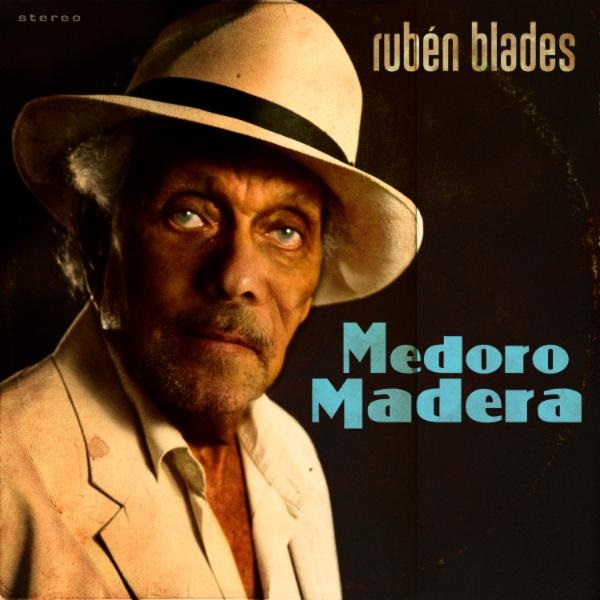
  1. Medoro Madera

Rubén Blades With Roberto Delgado and Orchestra

Record Label: Ruben Blades Productions

Medoro Madera
Medoro Madera
  1. The Party Continues

The Sonora Santanera

Record Label: Sony Music

Sonora Santanera
Sonora Santanera
  1. Omara Always

Omara Portuondo

Record Label: Egrem

Omara
Omara
  1. Reasons

Maria Rivas

Record Label: Angel Falls Artists Inc.

Maria Rivas
Maria Rivas

BEST TROPICAL SONG

  1. I want time

Juan Carlos Luces & Víctor Manuelle, songwriters (Víctor Manuelle Featuring Juan Luis Guerra)

Cut off: 7/25

Record Label: Sony Music Latin

Victor Manuelle 25/7

The prominent Puerto Rican singer-songwriter and producer, Víctor Manuelle, began his professional career in 1993, and to date has sold millions of records worldwide. He has earned 16 LATIN GRAMMY and GRAMMY nominations, thus establishing himself as one of the most admired artists of his generation. He has placed 46 singles on Billboard’s weekly Hot Latin Songs chart. Eleven of his albums have reached the place of honor in the Salsa genre for sales in the United States and Puerto Rico.

His hit “Imaginar” (2016) as a duo with urban artist Yandel, broke records, reaching #1 on the tropical charts thanks to his fusions of salsa with urban rhythms. In addition, it was named the most popular tropical song of that year, marking the third time that Víctor has obtained this important recognition, after his hits “Me Da Lo Mismo” and “ Tengo Ganas”.

Tonny Succar
Tonny Succar

In this 2018, Víctor celebrates his silver anniversary as a professional artist with his new record label “25/7” under the Sony Music Latin label. This album nominated for best Salsa album features collaborations with international artists, such as: Wisin, Bad Bunny, Juan Luis Guerra, Gilberto Santa Rosa and Glenn Monroig. The single “Quiero Tiempo” taken from this production is designated as one of the candidates to win the award in this important category.

  1. Marry Me

Silvestre Dangond, Nicky Jam, Juan Medina, Mauricio Rengifo & Andrés Torres, songwriters (Silvestre Dangond Featuring Nicky Jam)

Record Label: Sony Music Entertainment US Latin

Marry Me Silvestre Dangond ft Nicky Jam
  1. Fall in love dancing

Jorge Luis Piloto, songwriter (Reynier Pérez y Su Septeto Acarey Featuring Gilberto Santa Rosa)

Cut from: Fall in Love Dancing

Record Label: Independent

SEPTETO ACAREY
SEPTETO ACAREY
  1. I fall more in love with you

Jorge Luis Piloto, Jean Rodríguez & Tony Succar, songwriters (Tony Succar Featuring Jean Rodríguez)

Record Label: Unity Entertainment

  1. Simple Hearts

Fonseca, Mauricio Rengifo & Andrés Torres, songwriters (Fonseca)

Record Label: Sony Music Latin


BEST LATIN JAZZ/JAZZ ALBUM

  1. Mind of a Master

Bobby Valentin & The Latin Jazzists

Record Label: Bronco Records

Bobby Valentin
Bobby Valentin
Tracks:
1. De Nuevo a la Carga 7.El Cumbanchero
2. Latin Gravy 8.Mellow Funk
3.Orocoa 9. Endless Love
4.Smooth Ride 10.Freedom
5.Blast Off 11. God Bless the Child
6. Coco Seco  


Roberto Valentin, better known as Bobby Valentin, was born on June 9, 1941 in the town of Orocovis on the island of Puerto Rico. At a very young age, Bobby learned to play the guitar thanks to the teachings of his father. At just 11 years old, he formed his first musical trio with which he won his first prize, after participating in a local competition. In 1963 Bobby Valentin joined the Tito Rodríguez orchestra traveling to Venezuela twice.

This phenomenal bass player and arranger belonged to the Fania All Stars for 20 years and also arranged music at the same time for celebrities such as: Charlie Palmieri, Joe Quijano, Willie Rosario and Ray Barretto.

In 1975 he formed his own record label “Bronco Records” and released the album, “Va a la Cárcel” Vol. 1 and Vol. 2, among others.

Over the years, Bobby has made collaborations on recordings for great artists of international fame, such as: Larry Harlow, Ismael Miranda, Roberto Roena, Cheo Feliciano and the always remembered, Celia Cruz.

Likewise, Valentin has taken over the stages performing live in the United States during this year, and more recently launched his new production “Mind of a Master”, on April 14, 2018, with which he is nominated. for this important award.

  1. The House Of A Jazz Pianist

Adrian Iaies Trio

Record Label: DBN

  1. Universal Nature

Hermeto Pascoal & Big Band

Record Label: Scubidu Music

  1. Back To The Sunset

Dafnis Prieto Big Band

Record Label: Dafnison Music

PRIETO
PRIETO
  1. Jazz Flute Traditions

Nestor Torres

Record Label: Alfi Records

Nestor Torres
Nestor Torres

For more information visit the official website of the Latin Recording Academy:

https://www.latingrammy.com/en

Israel Tanenbaum from The Latinbaum Jazz Ensemble in ISM

The Island of Enchantment never ceases to amaze us and we continue to marvel at the fact that this small territory has been able to give the world so much talent, especially in music. Today, it is up to talk about Puerto Rican producer, arranger, composer and pianist Israel Tanenbaum and the enormous contribution that this great artist has made to Latin music over the last few decades.   

Israel Tanenbaum is also a bandleader who has produced more than 50 albums and participated in over a hundred recordings throughout his career, so his experience in this field is more than proven. We were fortunate to talk to him in just over half an hour and we will proceed to cover the most important issues in the following lines.   

Producer Israel Tanenbaum
This is Puerto Rican producer, arranger, composer and pianist Israel Tanenbaum

Israel and his passion for the piano 

Although Israel is widely known for his piano skills, this was not the first instrument he started playing, but the organ. As a child, he was given a toy organ and that was how he made up his mind and train his ear for music.   

In addition to that, he told us an anecdote about how one day he went to a music store with his parents and they left him alone for a while, time that little Israel used to play a huge object that caught his attention: an organ much bigger than the one he used to play at home. It was by watching the organist that he decided to position himself in front of the instrument and started imitating what the musician was doing with his little hands. 

He waited until the organist moved away from the instrument to sell it to a customer and Israel took the opportunity to get into the seat and start playing the instrument’s keys and foot pedal. After playing the five or six songs he knew, he noticed that he had a silent multitude watching what he was doing and once he finished playing, people started clapping their hands furiously at such a waste of talent in a child this small.  

That was when his parents decided to buy him an organ and a piano. A few years later, namely when he was 12 years old, Israel was already playing on the streets in a more professional way.  

Israel’s self-taught formation in music 

Israel’s initial training as a musician was entirely self-taught for the first few years. In fact, he says that when he started studying the craft for real when he had already been earning a living as a musician for more than 10 years.   

With regard to sound engineering, Israel says he had to become professional in this area ”in self-defense”, as he had problems with several sound engineers who did not have a good musical ear, so they ended up damaging some of his recordings unintentionally. This led him to learn to work on the engineering himself so that this kind of thing would not happen again.   

On the other hand, the arrangements and production process had to do with some experiences he had had. One of them happened when, at the age of 16, a friend’s father, an important person in the industry, on one occasion, introduced him to Machito, who very kindly invited Israel to go on stage and sit next to him to learn from what he saw that night. This experience marked the pianist so much that he said to himself: ”this is what I definitely want to do for the rest of my life”. 

Israel playing the piano
Israel Tanenbaum playing the piano during a performance

Colombia’s role in Israel’s career 

Colombia has been key to Israel’s career for several reasons and one of them is that his most productive time of life was spent in the coffee-growing country. The artist had already traveled to that country to accompany artists such as Pete ”El Conde”, Marvin Santiago and Arabella, but the situation was different when he had to tour with the group Batacumbele. This tour was scheduled to last about 10 days, but it was prolonged for 10 years. 

In those days, it turns out that he met by chance with Alexis Lozano, director of Orquesta Guayacán, who proposed him to stay in Colombia a longer time to produce the orchestra’s second album and he accepted. After this, he continued to receive proposals of this style and, almost without realizing it, he already had 10 years living in Colombia and more than 80 albums produced. In addition to Orquesta Guayacán, he worked with Grupo Niche, Cheo Acosta, Alfredito de La Fé and many more.    

”My real professional growth took place in Colombia, but my love for production began in Puerto Rico from the hand of percussionist Roberto Roena, whose orchestra was led by me for about two years. When we were recrding the album ‘El Regreso’, I spent many hours with Roberto in the studio and, seeing how dedicated, detail-oriented and precise he was with every chord and note, I was inspired to do the same at some point. That’s how I accepted all the opportunities to produce that arose in Colombia some time later. I owe all of that to Roberto” Israel said about his time as a producer in the South American country.    

In addition to his work side, Israel also says that Colombia means a lot to him on a personal level, since this country makes him feel at home and he has many friends there. Not to mention that his own wife is Colombian and one of his children was born there, so he is more than attached to that land for life. 

Israel during an interview
Israel Tanenbaum during an interview on the radio

Life in Puerto Rico and Hawaii    

In addition to Colombia, Israel also lived in Puerto Rico and Hawaii. He assures that from each of the places he has been, he has extracted something from their folklore and roots to add to his musical work. He says it is the best way to understand that country and the taste of its people.    

”If you want to understand the people of a country, you have to go back to their folklore and assimilate it. I lived in Venezuela for about six months and, being there, I became familiar with the quitiplás (a typical percussion instrument of Venezuela), the sangueo, the llanera music and many other elements of the musical culture of that country” Israel said on this issue.   

”I lived in Hawaii for almost three years, during which time I founded my first salsa orchestra. I served in the army with Quique Peña, a nephew of maestro Lito Peña, an eminence in Puerto Rico. The young man, whose classical training was extremely intense, taught me to transcribe what each instrument plays in detail. This was an invaluable lesson that served me well for what came later in my career. I also had the opportunity to study with maestro Eddie Palmieri, Papo Luca, José Milé, Jorge Milé, José Febles, among others. I transcribed music for all of them” Israel added on the issue.   

Israel Tanenbaum & The Latinbaum Jazz Ensemble   

”Impressions”, Latinbaum’s most recent album, was the result of an extensive musical stry that tells a wide experience with genres, styles and musicians of all kinds. Israel started this recording nine years ago, but he was always very busy with the rest of the recordings he was producing, so he always ended up abandoning this project.   

Once he had the album ready, but one day Israel had a catastrophic loss of equipment and recordings that led him to practically start the album from scratch, from which he could only save a single song. In the end, he opted to tear up and throw away the arrangements he had in order to start all over again. It took about eight more months to have the album ready again, and today, the musician is grateful that things went down like this, since this material represents the artist he is today for being more current.   

It is then when he sought out the artists and musicians who would accompany him in this new production, which would be his first solo album after having produced more than 100 other people’s albums.    

From now on, he wants to release a Latin Jazz production with his own orchestra every year and all of them under his new label, Latinbaum Records.    

Read also: Grupo Batachá, Houston’s Premier Latin band 

  • « Go to Previous Page
  • Page 1
  • Page 2
  • Page 3
  • Page 4
  • Page 5
  • Interim pages omitted …
  • Page 62
  • Go to Next Page »

International Salsa Magazine (ISM) is a monthly publication about Salsa activities around the world, that has been publishing since 2007. It is a world network of volunteers coordinated by ISM Magazine. We are working to strengthen all the events by working together.