• Skip to primary navigation
  • Skip to main content

International Salsa Magazine

  • HOME
  • Previous editions
    • 2026
      • ISM / August 2026
      • ISM / July 2026
      • ISM / June 2026
      • ISM / May 2026
      • ISM / April 2026
      • ISM / March 2026
      • ISM / February 2026
      • ISM / January 2026
    • 2025
      • ISM / December 2025
      • ISM / November 2025
      • ISM / October 2025
      • ISM / September 2025
      • ISM / August 2025
      • ISM / July 2025
      • ISM / June 2025
      • ISM / May2025
      • ISM / April 2025
      • ISM / March 2025
      • ISM / February 2025
      • ISM / January 2025
    • 2024
      • ISM / December 2024
      • ISM / November 2024
      • ISM / October 2024
      • ISM / September 2024
      • ISM / August 2024
      • ISM / July 2024
      • ISM / June 2024
      • ISM / May 2024
      • ISM / April 2024
      • ISM / March 2024
      • ISM / February 2024
      • ISM / January 2024
    • 2023
      • ISM / December 2023
      • ISM / November 2023
      • ISM / October 2023
      • ISM – September 2023
      • ISM – August 2023
      • ISM July 2023
      • ISM Edition June 2023
      • ISM – May 2023
      • ISM April 2023
      • ISM March 2023
      • ISM February 2023
      • ISM January 2023
    • 2022
      • ISM December 2022
      • ISM November 2022
      • ISM October 2022
      • ISM September 2022
      • ISM August 2022
      • ISM July 2022
      • ISM June 2022
      • ISM May 2022
      • ISM February 2022
      • ISM January 2022
    • 2021
      • ISM December 2021
      • ISM November 2021
      • ISM October – 2021
      • ISM September 2021
      • ISM August 2021
      • ISM July 2021
      • ISM May 2021
      • ISM April 2021
      • ISM June 2021
      • ISM March 2021
      • ISM February 2021
      • ISM January 2021
    • 2020
      • ISM December 2020
      • ISM November 2020
      • ISM October 2020
      • ISM September 2020
      • ISM August 2020
      • ISM July 2020
      • ISM June 2020
      • ISM May 2020
      • ISM April 2020
      • ISM March 2020
      • ISM February 2020
      • ISM January 2020
    • 2019
      • ISM December 2019
      • ISM November 2019
      • ISM October 2019
      • ISM Septembre 2019
      • ISM August 2019
      • ISM July 2019
      • ISM June 2019
      • ISM May 2019
      • ISM April 2019
      • ISM March 2019
      • ISM February 2019
      • ISM January 2019
    • 2018
      • ISM December 2018
      • ISM November 2018
      • ISM October 2018
      • ISM September 2018
      • ISM August 2018
      • ISM July 2018
      • ISM June 2018
      • ISM May 2018
      • ISM April 2018
      • ISM March 2018
      • ISM February 2018
      • ISM January 2018
    • 2017
      • ISM December 2017
      • ISM November 2017
      • ISM October 2017
      • ISM September 2017
      • ISM August 2017
      • ISM July 2017
      • ISM June 2017
      • ISM May 2017
      • ISM April 2017
      • ISM March 2017
      • ISM February 2017
      • ISM January 2017
    • 2016
      • ISM December 2016
      • ISM November 2016
      • ISM October 2016
      • ISM September 2016
  • Spanish
  • Download Salsa App
    • Android
    • Apple

Search Results for: Music Awards

Domingo Quiñones The Greatest Singer, Sonero, Poet, and Salsa Warrior

A Talent Born in the Diaspora and Forged in the Neighborhood

Domingo Quiñones was born on August 9, 1963, in Perth Amboy, New Jersey. Born to Puerto Rican parents, he returned to the island with his family at four years old to settle in the municipality of Ceiba.

In 1977, a young Domingo returned to New York, where six years later he formally launched his professional career by joining Conjunto Nativo.

Domingo Quiñones The Greatest Singer, Sonero, Poet, and Salsa Warrior

In that New York scene, the up-and-coming sonero began polishing his talent, collaborating with renowned bands and artists such as Rafael de Jesús, José Alberto “El Canario,” Johnny Rodríguez, and Conjunto Clásico.

By 1985, he joined maestro Luis “Perico” Ortiz’s orchestra, becoming its lead vocalist just eight months later. With the group, he recorded four iconic albums, most notably La vida en broma (1985), In Tradition (1986), and Perico (1987).

Domingo A Talent born in the Diaspora and forged in the Barrio

His performance quickly established him in the industry, leading him to become the first winner of the prestigious “Festival de Soneros: Duelo al Anochecer.”

Solo Breakthrough and Musical Maturity

In 1990, Quiñones signed with the influential label RMM Records and released his debut solo album, Domingo es mi nombre, produced by Charlie Donato. Following a standout feature on the legendary Tito Puente’s 100th album, he released his second project, Pintando lunas. Tracks like the duet “Enséñame” with Tony Vega and his salsa rendition of “Crazy for You” showcased the young performer’s impressive versatility.

Later, following significant personal experiences, he released Se necesita un milagro, one of the most pivotal albums of his career.

In this fifth project under RMM produced by Carlos “Cuto” Soto, with whom he had previously worked on the album Mi meta Domingo tackled spiritual, emotional, and social themes. Following its release in late 1997, the work was honored by the National Foundation for Popular Culture of Puerto Rico as one of the year’s most outstanding productions.

Domingo y Tito el Bambino

Continuing along that same reflective path, he released the album La verdadera Navidad in late 1998. The production highlighted his composition “Si mi papá se quitara,” a poignant song portraying a child’s pain over a father’s addiction, which became one of the season’s biggest hits.

Artistic Versatility: From the Music Stage to Theater and Film

Ever evolving, Domingo Quiñones’ passion for the arts led him to successfully venture into theater and film. In March 1998, he made his debut at Puerto Rico’s Festival Hall as part of the cast for the tropical adaptation of the rock opera Jesus Christ Superstar. Shortly after, he was cast to portray the legendary singer in the stage play Quién mató a Héctor Lavoe, presented by the Puerto Rico Traveling Theater in New York.

Domingo Quiñones y Dj. Augusto Felibertt

Amid talks to adapt the play for the big screen, Domingo earned standing ovations during the historic Fania All-Stars reunion at the Hiram Bithorn Municipal Stadium in Puerto Rico. Following this triumph came the successful release of his album Poeta y guerrero, where he reaffirmed his talent as both a singer and songwriter.

Beyond music and theater, the Puerto Rican salsero made his silver screen debut in the movie Héroes de otra patria. His performance earned him an honorable mention at the Viña del Mar International Film Festival, and the film was chosen as Puerto Rico’s official submission for Best Foreign Language Film at the 1999 Academy Awards.

Today, his legacy as a songwriter, producer, actor, and performer cements him as one of the most complete and respected singers in contemporary salsa.
Also Read: Ralph Mercado: The Visionary Who Turned the Neighborhood Rhythm into a Global Phenomenon The Salsa Giant in New York

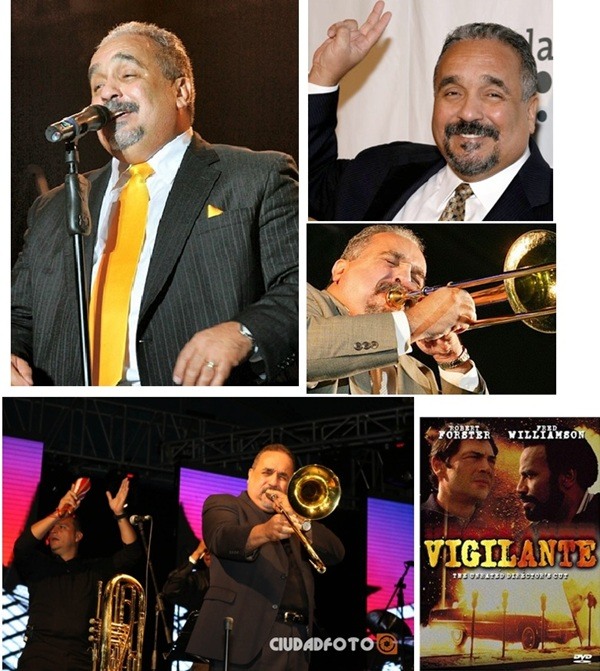
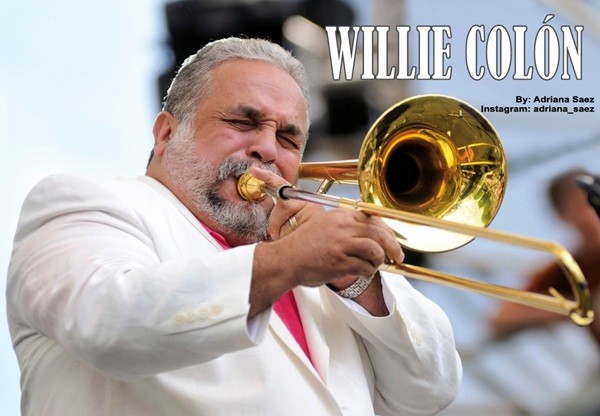
Willie Colon

North America / USA / New York

William Anthony Colón Román, better known as Willie Colon, was born in New York (USA) on April 28, 1950.

Willie Colon
Willie Colon

This American musician of Puerto Rican descent. Master trombone and fusion of various Caribbean, African rhythms and urban music, formed with vocalist Hector Lavoe one of the most important couples in Latin music of the seventies, and is considered, one of the pioneers in the development genuine salsero movement in the late sixties and early seventies.

Grandson of Puerto Rican immigrants, Colón grew in the Latin Quarter district of the Bronx, a fact that has marked much of his personal and artistic career, which implies rebellion and transgression of the rules. After studying trumpet and clarinet, his admiration for Mon Rivera led him to opt for the trombone at age fourteen, thus initiating his professional career playing in community centers with fellow high school.

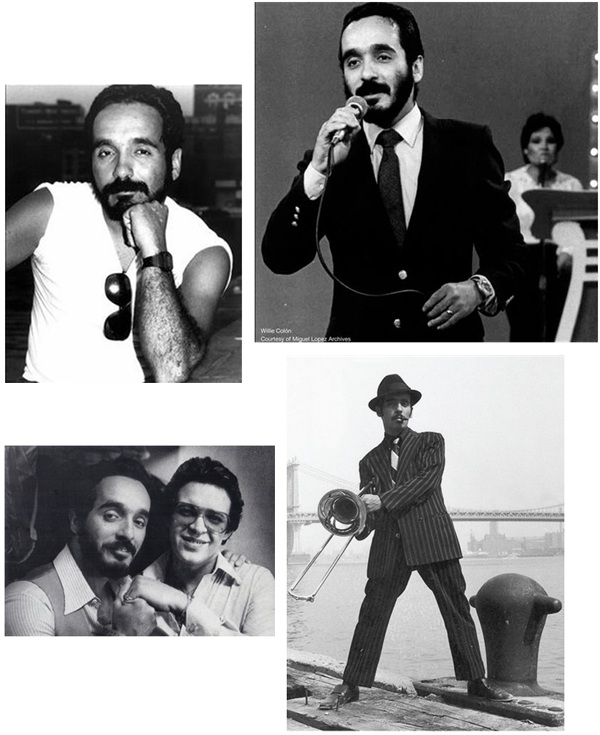
Willie Colon - Photo 1
Willie Colon – Photo 1

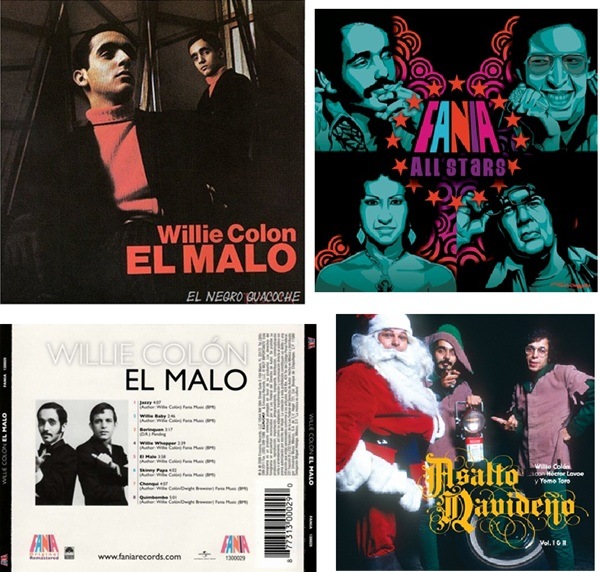
A year later when he was 15 years old, he signed a contract with the Fania record label. Two later, in 1966, he recorded his first album with the significant title of El Malo, which sold 300,000 copies.

In this first work already he had the unmistakable voice of Hector Lavoe and introduced elements of Puerto Rican folk music, especially the pump, mixed with own hurtful and harsh rhythms of the trombone, what were good examples topics as successful as Jazzy and I wish I had watermelon.

Willie Colon - Photo 2
Willie Colon – Photo 2

Along with other prominent musicians of Caribbean origin as Ray Barretto, Bobby Valentin, Reynaldo Jorge and self-Héctor Lavoe, he participated in 1971 in the concert recording of the FANIA All Stars, considered the event that launched the salsa movement in New York.

That same year, his masterful rendition of Piranha, consisting of Tite Curet Alonso, he shot to fame and became one of the icons of the musical movement.

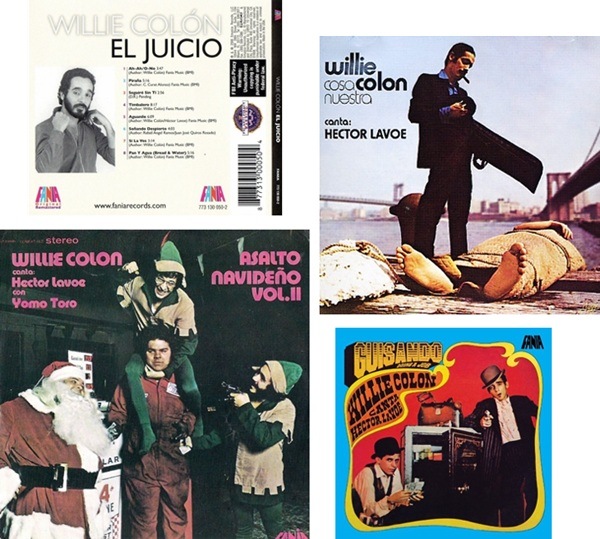
Under this record label and with Hector Lavoe recorded over a dozen albums until 1975, among which were Guisando (1969), Cosa Nostra, El Juicio and Asaltos Navideños (1972), in this last album this expert and risky arranger, combined rhythms and styles to help create music that would be known today as the sauce. He incorporated elements of Puerto Rican Jibaro and thus created hit singles that became popular among Puerto Rican listeners.

Willie Colon - Photo 3
Willie Colon – Photo 3

In 1975 he recorded The Good, the Bad, the Ugly. All their albums show genuine urban or what came to be known as “sounds of the neighborhood,” the most faithful sample of Puerto Rican immigrant feeling in the great metropolis New York salsa. After his work with Fania his fame spread among the Hispanic community in the US and much of Latin America; in 1975 he had the opportunity to play alongside his idol Mon Rivera.

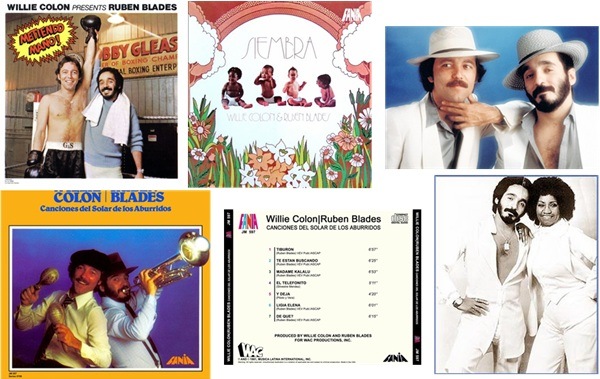
In the late seventies, his rebellious spirit led him to develop along the Panamanian singer Ruben Blades what became known as salsa awareness, songs denouncing the political and social situation in Latin America and the Caribbean; conjunction with Blades was especially fortunate, with high quality work as Metiendo Mano (1977) and Siembra (1978). Canciones del Solar de los Aburridos album in 1982 was awarded a Grammy.

Willie Colon - Photo 4
Willie Colon – Photo 4

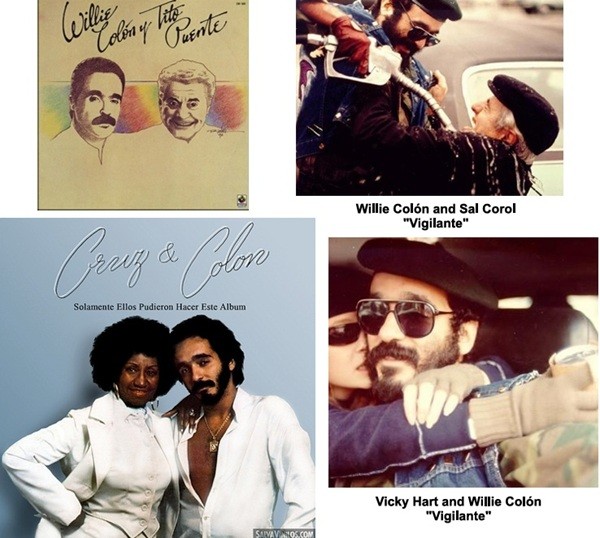
Willie Colón has worked throughout his career, in addition to those already mentioned, with artists like Celia Cruz, Tito Puente and David Byrne, and played some roles in Mexican television such as: Demasiado Corazón, La Intrusa y Corazón Partido. Furthermore, it could also be seen in the films “Vigilante”, “The Last Flight” and “It Could Happen to You”.

From the nineties his artistic side gave way to intense activity in social life and American politics, according to its commitment to the Hispanic community: thus, in 1966 Willie Colón was named by Hispanic Business Magazine as one of the 100 most influential Hispanics in the US; in 1993 it was presented to the primaries in the State of New York; in 1995 he became the first Hispanic ASCAP entered in the National Council; and in 1999 he was part of the delegation was received at the Vatican by Pope with the Jubilee 2000, in addition to regularly collaborate with humanitarian organizations like the United Nations and Amnesty International.

Willie Colon - Photo 5
Willie Colon – Photo 5

As a musician, it has been characterized by the fusion of rhythms such as son, mambo, guaracha, cha cha cha, guajira, Colombian cumbia, rumba and Venezuelan joropo, among others.

His music, which has been a big influence on the modern Latin Jazz, reflects a traditional lyric rhythm, and goodbye and hope forced to leave their land to settle in the US generates.

In his 42 year career, Columbus has released more than 45 albums, among which we can mention “Crime Pays”, “The Baquine of Angelitos Negros”, “49 Minutes”, “Solo”, “Fantasmas”, “The Last Fight”, “Contrabando Especial No. 5”, “Honra y Cultura”, “Tras la Tormenta”, “Demasiado Corazón”, “Idilio” y “El Malo 2”, this latest album which was released in 2008.

Willie Colon - Photo 6
Willie Colon – Photo 6

In his career, Willy took 11 nominations for the Grammy Awards and received 15 gold records and 5 platinum.

Los Melódicos

Latinoamerica / Venezuela / Caracas

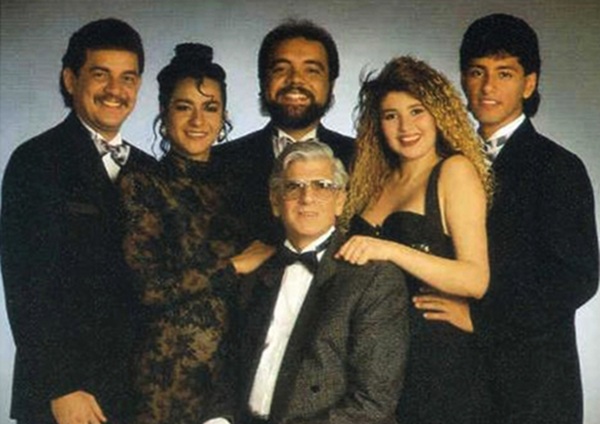
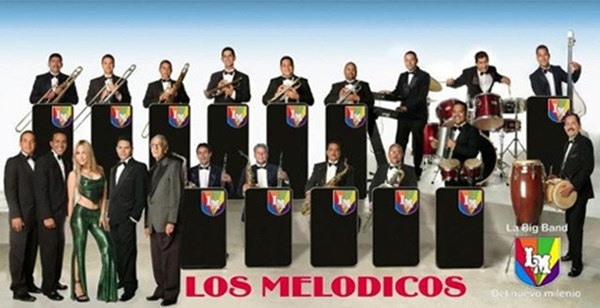
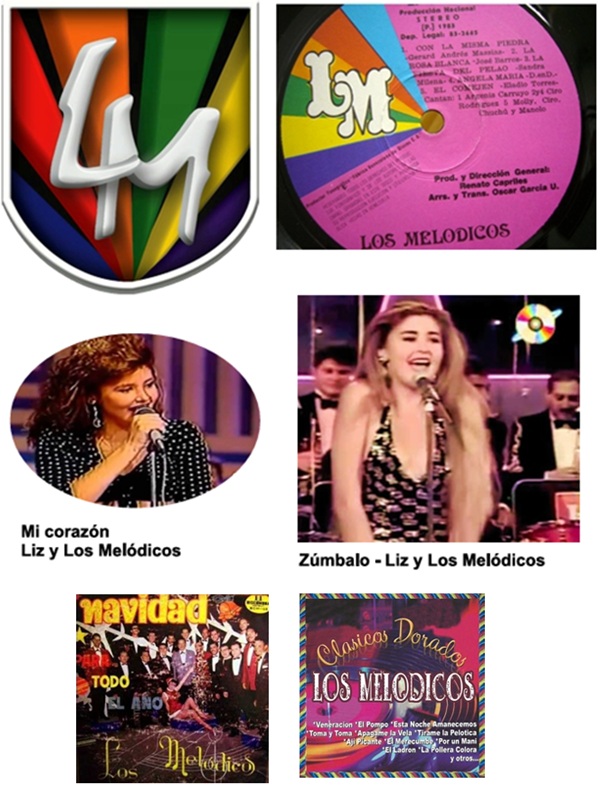
Among Venezuela’s most famous orchestras are Los Melódicos and Billo’s Caracas Boys; here, we focus on Los Melódicos, a Venezuelan dance orchestra founded on July 15, 1958, by musical director Renato Capriles (who passed away in 2014)—with the support of bandleader Billo Frómeta—in response to the temporary dissolution of the Billo’s Caracas Boys orchestra.

Los Melódicos
Los Melódicos

Los Melódicos are composed of: 4 saxophones, 3 trombones, 3 trumpets, a 5-piece rhythm section (piano, bass, drums, and minor percussion), 4 vocalists (always including a female singer), and their conductor—totaling 20 artists on stage.

Their slogan is “THE ORCHESTRA THAT SETS THE RHYTHM IN VENEZUELA,” though abroad they are also known as “LATIN AMERICA’S MOST COMPLETE ORCHESTRA,” “THE ORCHESTRA OF EVERY RHYTHM,” and “THE GIANT ORCHESTRA OF THE AMERICAS,” among other titles.

They are also the only Latin orchestra boasting such an extensive repertoire spanning a wide range of musical trends and styles, including salsa and merengue.

Their versatility is such that, during any given set, one might hear songs in Spanish, English, French, or Italian, alongside the latest popular rhythms—whether tropical, Anglo-American, classical, or modern—in all their variations.

Los Melódicos - Photo
Los Melódicos – Photo

Beyond the impeccable live performances delivered by each member, the group puts on a true “show,” compelling the audience to stop dancing and form a massive semicircle in front of the stage, while actively interacting with the band throughout the performance.

Los Melódicos have garnered the most prestigious awards both within and outside Venezuela, remaining the premier musical choice for major public and private events year after year. It would be an endless task to list the awards and accolades they proudly cherish—bestowed by various entities in countries such as Ecuador, Peru, Colombia, Costa Rica, El Salvador, Curaçao, and Aruba, as well as in U.S. cities with significant Latino communities (such as Miami, Orlando, San Francisco, Los Angeles, Chicago, Boston, Tampa, Houston, Philadelphia, and—notably—New York). They continue to travel to New York to perform at top venues like the New York Hilton Hotel, where their twice-yearly dances became a must-attend, highly successful event in that major global entertainment hub.

With a history spanning over 50 years, LOS MELÓDICOS boasts a discography of more than 100 albums—a milestone unmatched by any other dance orchestra in the Americas—including the following:

Hits Songs
The 1960s ·       Caballito Relinchón

·       El Ladrón

·       El Misterio

·       Veneración

·       El pastorcillo

The 1970s ·       Cayetano baila

·       Guitarra española

·       Apágame la vela

·       Al que le pique

·       Dejen de averiguá

The 1980s ·       Papachongo

·       Mi Cocha Pechocha

·       La Fiesta

·       Hot Music ¡Oh, mañana!

·       Tú (éxito original de Juan Luis Guerra)

·       Ulé-ulé

·       Fernanda

·       Mi cacerola

·       Traca que traca

The 1990s ·       Por ti amor

·       ¡Qué rico!

·       Diávolo

·       ¡Ay, Amor!

·       Sal y Menta

·       Mi locura

·       Amiga

·       No necesito más

·       Zúmbalo

·       Mi corazón

·       Amanecer

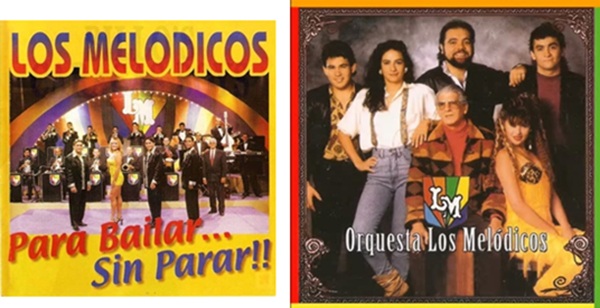
Los Melódicos CDs
Los Melódicos CDs

Los Melódicos Discography

  1. These Are Los Melódicos (1959)
  2. Fabulous Dance Hits (1963)
  3. Buy the Orchestra (1964)
  4. Great Musical Reserve (1965)
  5. The Most Complete Lineup (1966)
  6. The Orchestra of Hits (1969)
  7. The One and Only (1969)
  8. Guayabo a la Ye (1970)
  9. Catch It by the Tail (1970)
  10. The Los Melódicos Club (1972 – Discomoda)
  11. With All the Works (1974 – LM-Discomoda)
  12. In Action with Los Melódicos (1974)
  13. The Tempting Flavor (1975 LM-Discomoda)
  14. Heavy (1975 LM-Discomoda)
  15. For Whoever It Itches (1976 LM-Discomoda)
  16. Los Melódicos (1977 LM-Discomoda)
  17. And How Are You? (1977)
  18. 40 Years of Hits (with Manolo Monterrey) (1978 – LM-Discomoda)
  19. The Swing of Los Melódicos (1979)
  20. Party Night (1970)
  21. Memories 17 (1971)
  22. Congratulations (1972)
  23. I Had My Coffee Plantation (1980)
    1. Lyrics and music by the Colombian
    2. Álvaro Serrano Calderon
  24. The Musical Emblem of Venezuela (1980)
  25. Welcome (1981)
  26. Tonight (1981)
  27. We Are Sensational! (1982)
  28. The Sheikh (1982 LM-Discomoda)
  29. With Flavor! (1983)
  30. Oh! Tahiti (1984)
  31. Dismelódicos ’85 (1984 LM-Discomoda)
  32. Cada Día Mejor (1985)
  33. Es otra cosa! (1986)
  34. Juntos Los Grandes del Baile
    1. (With Billo’s, Side A)
    2. (1986 Velvet-Sonográfica)
  35. De Nuevo Juntos Los Grandes del Baile
    1. (With Billo’s, Side A) (1988 Velvet-Sonográfica)
  36. Diferentes (1989 – Velvet-Rodven)
  37. Líderes (1990 – Velvet-Rodven)
  38. La Orquesta que impresa el ritmo en América (1991 – Velvet-Rodven)
  39. Melódicos Club Mix (1991 – Velvet-Rodven)
  40. Internacional (1992 – Velvet-Rodven)
  41. Melódicos Club Mix Two (1993 – Velvet-Rodven)
  42. Innovating (1994)
  43. Incomparable (1995)
  44. Los Melódicos Hits Together (1998)
  45. To Dance Non-Stop (1999)
  46. The Boys With The Girls (2000)
  47. Los Melódicos Vs Billos (2002)
  48. Number 100 for the World (2004)
  49. Los Melódicos With Diveana (2005)
  50. These Are The Singers (2009)
  51. Micaela (2010)
  52. Tonight We’ll Wake Up Partying (2011)
  53. My Cumbia (2012)
  54. They Return With The Best And The Newest (2012)
  55. The Melódicos Renato Caprilles (2013)
  56. Christmas with Los Melódicos (2014)
  57. Golden Era (2015)
  58. Golden Classics (2016)
2- Los Melódicos CDs

First Huelva Salsa Festival

Europe / Spain /

First Huelva Salsa Festival. Afro-Cuban rhythms make their debut in Huelva’s nightlife

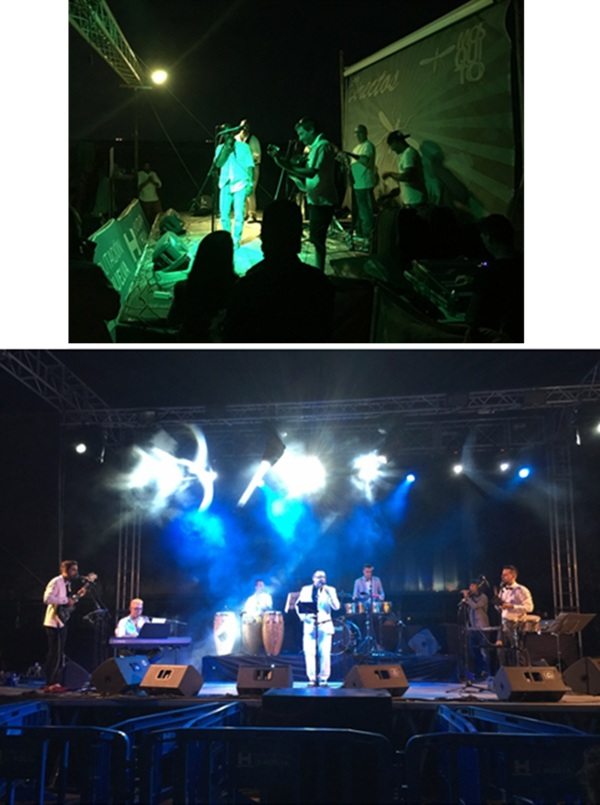
First Huelva Salsa Festival - Photo 1
First Huelva Salsa Festival – Photo 1

By Javier Corrales García: Salsa is synonymous with joy and delight; it is a collection of sensations evoked by the drum. Salsa is beauty; it is youth within experience—like the wood of an old tree with buds constantly sprouting. Salsa is a world unto itself; Salsa is a syncopated beat in the heart.

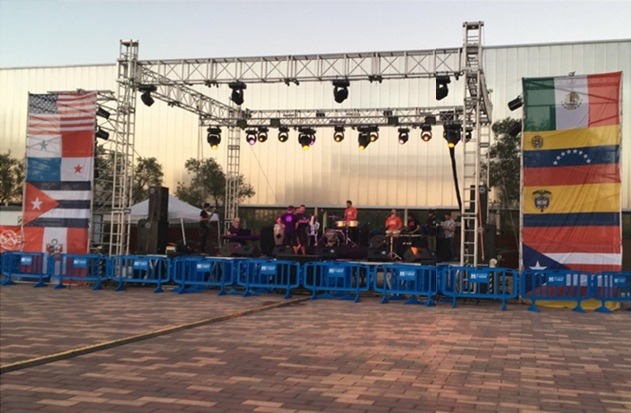
Last August, in a corner of southern Spain, a stage was set up facing a monument sculpted by Miss Whitney—a monument representing the spirit of discovery, specifically the European discovery of the wondrous lands of the Americas. This location in southern Spain is none other than the very spot from which Christopher Columbus and his crew set sail 525 years ago in search of new routes, only to stumble upon unknown lands—the port of Palos de la Frontera.


In the wake of that “accident” came a series of events, tragedies, and invasions, but also *transculturation*—a term coined by Fernando Ortiz to define the complex process of reciprocal communication between cultures. These mutual influences blended various cultures into one—rich like few others, and musically unparalleled.

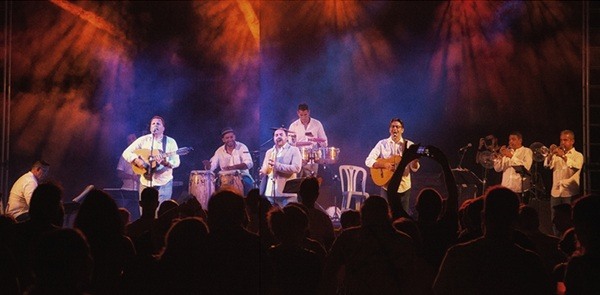
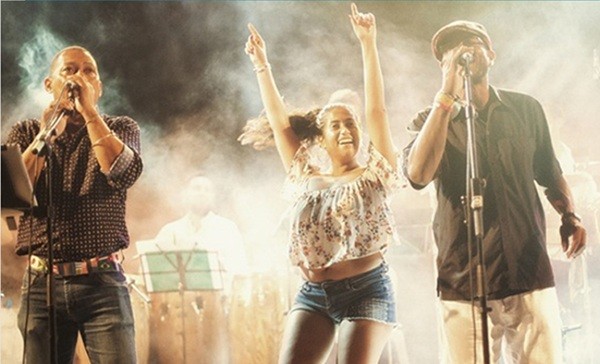
August was the month when those three ships set sail, and August was also the month chosen to celebrate a magnificent festival featuring the music born of that transculturation: the First Huelva Salsa Festival. Seven orchestras showcased diverse styles—ranging from traditional *son*, *nengón*, and *changüí* to repertoires featuring sophisticated jazz arrangements that were both elegant and powerful, as well as the sounds of the genre known as salsa that dominated the Latin music scene in New York City during the 1960s and 70s.

concert - collash 1
concert – collash 1

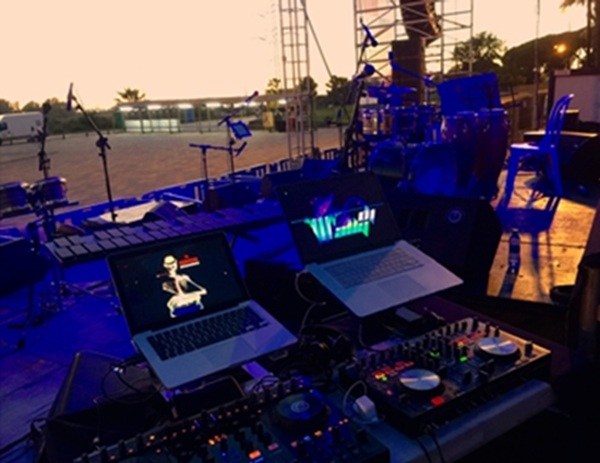
Sessions by DJ Corr and Wally DJ before and after each concert.

pre - concert
pre – concert

Salsa Festival

A look at the festival’s orchestras:


SON DE CUBA

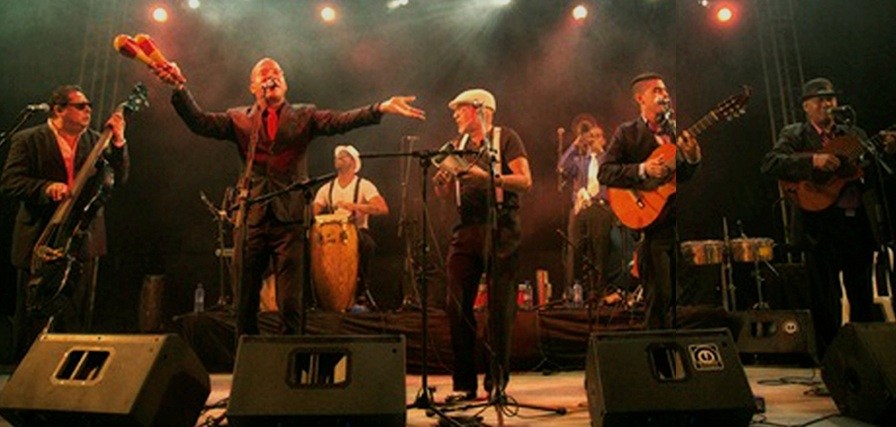
A group of Cuban musicians led by *tres* player Leo Cabezas, featuring traditional *son* music as the main attraction. They opened the concert lineup on the first day in a stunning setting—the only concert held in Punta Umbría right on the beach sand—amidst the fabulous atmosphere typical of “El Mosquito” (a bohemian beach bar that champions live music and boasts what are likely the best sunsets in the province of Huelva).

In addition to the opening performance, they played the closing concert on the final day, inviting musicians from Troveros de Asieta to join them on stage.

Troveros de Asieta invitando a Proyecto Mambo

LA CANDELA

Gilberto Miguel Calderón Cardona—known first as Sonny and later as Joe Cuba—would be proud of the legacy evident in the excellent work of La Candela. This young group has achieved a sound that stays true to the cadence and flavor of the famous “Big Apple” sextet—a feat that is notoriously difficult to pull off.

Rafa Richie Rodriguez, sonero de la Candela

Dancers worldwide were fans of Joe Cuba, and La Candela—his worthy successors—are now gathering their own following within the dance community. They perform fantastic covers of Joe Cuba songs alongside original tracks packed with danceable flavor. This magnificent group from the Canary Islands comes highly recommended for music lovers, dancers, radio broadcasters, and—above all—organizers of dance congresses around the globe.


SEPTETO NABORI

After listening to their album *20 Años*, one could easily predict that their live show would be powerful; indeed, after the concert ended, they were the talk of the audience. It was a marvel to see these Cubans—long based in Italy—delivering the true flavor of *son* and giving it their all on stage.

Septeto Nabori with their audience

Tracks from their album, such as “Ni pa ti ni pa mi” and “Santiago si la lleva,” lifted spirits during a magical night of salsa, *son*, *guaracha*, and mambo.

Cinta Lopa at the percussion workshop, with Santiago Reyther behind her.

Their two *soneros*—Iván Antonio Rodríguez and Yoelis—were fascinating, possessing the distinctive voices of seasoned, old-school *son* singers. Luis Alberto Danger was sublime throughout the entire show.

Bandleader Alejandro Morcate kept the musical machinery running on guitar; bassist Raúl Cardoso added flavor with his syncopated swing; Monchi laid down the grooves on the *tres*; and Yoandy Armenteros and Jose Alberto Ávila handled the percussion, providing the rhythm and spice. A marvelous septet that captivated everyone present.

Ivan Antonio Rodriguez and Yoelis soneros from Septeto Nabori

SONORA LIBRE

Mauricio Ochoa was missing—not because the replacement conga player lacked quality, but because Ochoa is the mastermind behind this superb work and deserved to witness the audience’s appreciation firsthand.

Sonora Libre ensured everyone had a fantastic time, serving as the perfect finale for the festival’s Friday night. Sebastián Cabra handled musical direction, showcasing magnificent arrangements—track after track—that infused the horn section with a strong jazz essence without losing an ounce of swing or flavor.

Salsa Ecstasy with Sonora Libre

With lyrics ranging from upbeat *guarachas* to thought-provoking verses, and salsa played at full intensity, kudos to this stylish group based in Barcelona.

They wrapped up the night by mingling with the guys from Septeto Nabori—a *sonero* face-off filled with great vibes.


JÓVENES CLÁSICOS DEL SON

Led by bassist Ernesto Reyes Proenza, this Cuban group—with over 20 years of history—won awards right from the start. With “El Nene” on vocals, they achieved success that established them as a benchmark in reviving the importance of *son*—the quintessential Cuban popular genre.

Jóvenes Clásicos having a great time on stage

During the concert, *sonero* José Antonio Rodríguez (“Pepitin”) kept the audience constantly engaged, making them dance non-stop to one song after another. They played with *son*, *changüí*, and even *nengón*—traditional tracks from their new album, *El Bar de Paco*, which is highly recommended for lovers of majestic *son*.

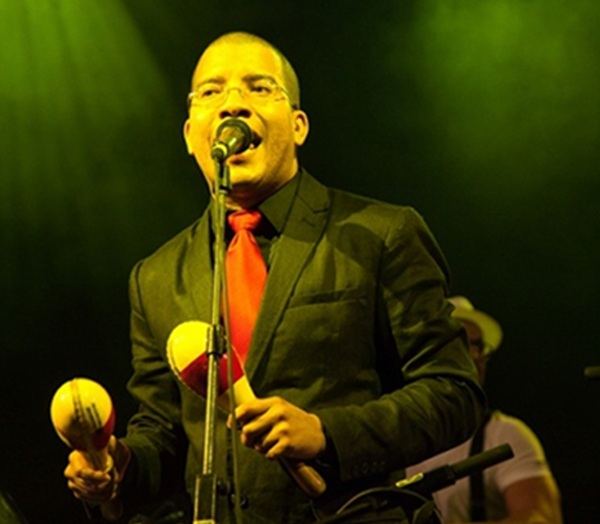
Pepitin on the maracas

César Hechavarría delighted the crowd time and again with his mastery of the *tres* guitar, delivering rich improvisational solos that we wished would never end. José Manuel Rodríguez Arias radiated joy, dancing while playing the cowbell with great flair and rhythm.

ORQUESTA DEL SOLAR

The guys from Orquesta del Solar threw a fantastic *rumba* party—pure, authentic salsa. They mixed original songs with tasty classics like “Fulanito Malanga,” “Conciencia y Guaguancó,” and “Abran Paso,” as well as a crowd favorite among the night’s dancers: “Ahora Sí.”

Jaime Vazquez, conguero del Solar

Our sincerest congratulations go to Julio Mena for leading this superb orchestra for so many years as a national and international salsa reference point. They hold the prestige of having accompanied legends like Meñique, Jimmy Bosch, Cheo Feliciano, and Adalberto Santiago—a sheer delight for dancers!

The orchestra is highly appreciated by dancers and is a regular fixture at congresses and events catering to the dance community.

Naty Georgiades Guaguancó workshop

TROVEROS DE ASIETA

We wrap up our musical review of this fantastic event with the *son*-loving Canary Islanders. Returning to Huelva for the second consecutive year, they showcased their tight, cohesive quality—delivering an elegant, powerful *son* sound. Their exciting repertoire featured the *conjunto* style, including tracks like Arsenio Rodríguez’s “Mulence”—a song with quintessential *rumba* lyrics. A treat for both the ears and the feet—and on a personal level, they are humble, down-to-earth, friendly, and charming. The perfect finale to this magnificent festival!

Troveros revolucionando al publico

ADDITIONAL ACTIVITIES – FIRST HUELVA SALSA FESTIVAL

The concert series was complemented by dance, percussion, and history workshops, offering a wide range of activities designed to bring the worlds of music and dance closer to the audience.

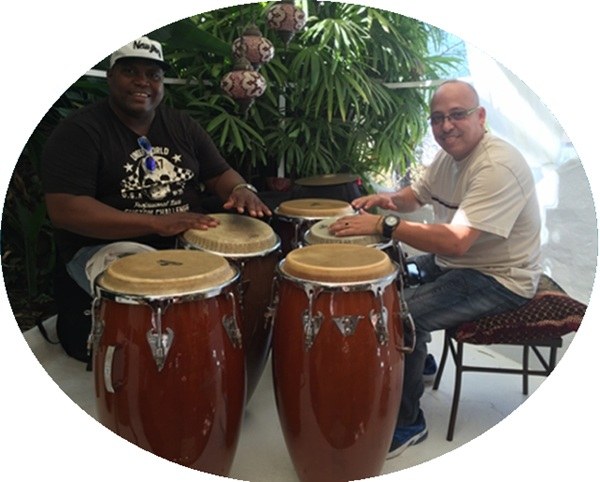
Percussion workshop offered by Santiago Reyther and Lázaro Chino Acebal.

In short, a delightful festival offered free of charge thanks to the Huelva Provincial Council and organized by Música Fundamental, under the leadership of Carlos Ferrer. We are eagerly looking forward to the second HSF!

Audience attending the Sonora Libre concert
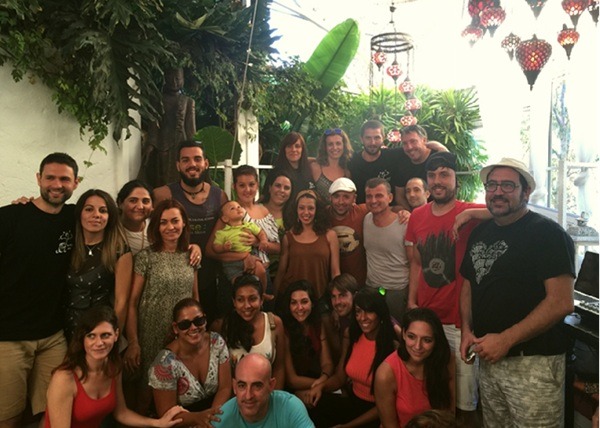
After the "Proyecto Mambo: From Changüí to Mambo" workshop in New York.
After the “Proyecto Mambo: From Changüí to Mambo” workshop in New York.

World Bachata Festival 2016

Europe / Malaysia / Kuala Lumpur

World Bachata Festival 2016

18th – 20th November Kuala Lumpur, Malaysia

Press Release: Liitha Krishnan

World Bachata Festival 2016

There will be Bachata dance enthusiasts from all over the world to experience fun in Asia!

The ever popular and enchanting Latin dance congregation is about to happen again in Malaysia. The 4th World Bachata Festival (WBF) is scheduled for November 2016 and will feature a true celebration of Bachata and other Latin dances, in line with similar events in other major cities in USA, Australia, Spain, Philippines, Japan, India, Singapore, Germany, etc. The WBF has been held since 2010 with each year’s event growing in participation and performances.

Liitha Krishnan, the organizer of WBF is confident this year’s turnout is going to be a raving event for all to enjoy.

Liitha only started learning salsa when she was about 32, which was also after the birth of her three children. A little later, she came across Bachata by chance and realizing it was easier and more sensual than salsa, switched her focus and passion to this new hobby that eventually became a vocation through her founding of her dance school, Shamballa Tribeni Dance in Klang.

Her passion for dance was also taken up seriously by her daughter Kalnish Schubert who, having completed a year’s course at Shiamak Davar’s Dance Academy in Mumbai, is currently pursuing her diploma in dance in Australia. She would be performing and conducting a Bollywood workshop at the WBF since its popularity especially with the foreign participants.

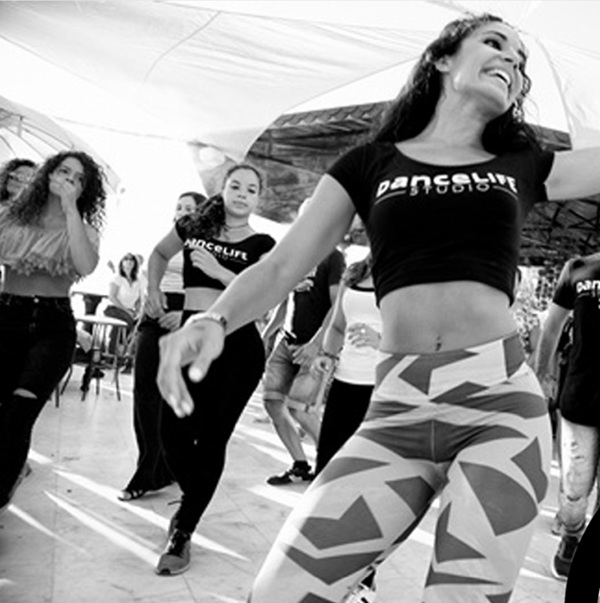
World Bachata Festival 2016 - Kuala Lumpur, Malaysia - Photo 1
World Bachata Festival 2016 – Kuala Lumpur, Malaysia – Photo 1

The WBF was initially organized to provide local enthusiast access to accomplished dancers from other countries and an avenue to improve local talent and performances. After 3 successful festivals, the event has surpassed its objectives and gained much popularity and enthusiasm both locally and internationally thus creating and enlarging the fraternity of Latin dancers as well as creating public awareness and appreciation. While the contributions of accomplished dancers from Spain, Brazil, Cuba and such countries that are home to Latin dances have enchanted all the past festivals, the performances by dancers from Australia, Philippines, Singapore, Japan, Vietnam, etc have also made their presence felt in past years.

This year’s event in its 4th successful year will consists of 3 days and 2 nights of performances, workshops and dance parties providing an avenue to enjoy, learn, practice and socialize within the Latin dance fraternity. The festival has attracted Latin dancers from Australia, Philippines, India, Romania, Cuba, Columbia, Thailand, Singapore, Japan, Kenya, Vietnam and more while performances and workshop are presented by accomplished dancers from these countries as well. Everyone will also be feasted with the best of Latin music by the finest Malaysian and international Latin DJs at the state-of-the- art Bentley Music Auditorium at Wisma Bentley, Petaling Jaya.

The festival that celebrates Bachata, a sensual partner dance from the Dominican Republic, will also include other popular Latin dance forms like Salsa, Merengue, Zouk and Kizomba. More than 30 workshops have been lined up for anyone and everyone interested in trying a hand, or rather a foot, in Kizomba, Salsa, Bollywood, Son Cubana, Pachanga, Afro Cuban and Zumba. A few boot camps have also been slotted in for those with basic dancing skills to learn and have a chance to perform on one of the nights. The workshops and boot camp will be conducted by renowned international dancers.

World Bachata Festival 2016 - Kuala Lumpur, Malaysia - Photo 2
World Bachata Festival 2016 – Kuala Lumpur, Malaysia – Photo 2

This year’s lineup includes Nestor Manuelian, a strong supporter of the WBF and 3 times World Salsa Champion, partnering with an equally accomplished Rebecca Vallejo and featuring for the first time, Coco and Vyara, 10 time National Champions of NZ with over 40 years dancing experience. Some of the other prominent dancers who will be there to spice up the event are Ana Palma & Basil Nadela from Philippines, Ryu from Japan, Dorin & Niko from Romania, Lam & Kas from Australia and Kalnish Schubert, Amar Singh, KL Son Project, Sam Sopiee from Malaysia.

To add a little fire to all the dance, music will be spinned by an array of Deejays comprising DJ Selva, DJ Dorin, DJ Ryu, DJ Sofrito and DJ Gupson who will also be an MC for the WBF. Gupson Pierre who hails from Montreal, Canada will be also conducting a workshop.

Appreciation goes out to Bentley Music Auditorium for their 2nd year support and sponsorship of the venue, Qliq Damansara for sponsorship and special rates for accommodations and many other companies and individuals who have been continuously contributing in ways totally unexpected.

About Nestor Manuelian & Kalnish Schubert

Spice up the event, World Bachata Festival is having the privilege and participation of Nestor Manuelian from Australia, and collaboration with local Bollywood artist, Kalnish Kashna Schubert, in the Latin dance scene. Both of them will be performing Salsa together on the stage of World Bachata Festival.

Nestor Manuelian is the Director of Latin Dance Australia (LDA) and Modus Vivendi Dance Productions, two of the biggest names in the Australian Latin dance industry. He is also a professional dance instructor, choreographer, mentor, event organizer and master of ceremonies.

Nestor Manuelian
Nestor Manuelian

Nestor is renowned for his world-class teaching methods, choreographies and team performances. He is recognized for his ability to coach, mentor and encourage dancers to excel technically and also have a great time doing so! His amazing teaching style has earned him the honor of teaching at the biggest Salsa and Bachata congresses around the world travelling to Asia, the United States and all over Australia and New Zealand.

Nestor made his performance debut in November 2003 and since then he has gone on to win multiple Salsa and Bachata National and International Titles, including 4 World Titles as coach and dancer. He has been stepping up the world ranking with multiple awards, such as:

  • 2x World Bachata Champion (2012 – Hong Kong, 2013 – Miami)
  • 3 Times World Salsa Championships Finalist (2005- 4th, 2006 – 10th, 2007 – 6th)
  • Asian Salsa Open Champion (2007)
  • Australian Bachata Teams Champion (2009)

Kalnish Schubert has been dancing since the tender age of 8. She has been actively dancing Salsa, Bollywood and Bhangra since young. She teaches Kids & Adult Bollywood and Kids Salsa at Shamballa Tribeni Dance and Music School in Klang. Kalnish graduated from Shiamak Davar’s Dance Academy in Mumbai, India in 2014. While in India she was actively involved in shows in India such as Star Parivaar Awards 2013 and Toni and Guy show 2013.

Kalnish Schubert
Kalnish Schubert

She is currently pursuing her Certificate IV in dance at the Dance Factory in Melbourne Australia. Kalnish has also been featured in the Malaysian Government Education Portal for the involvement in dance. She has also performed in various shows, public & corporate events such as:

  • The Malaysian Vesaki festival 2009/2010/2011 The World Bachata Festival, Kuala Lumpur 2010/2012/2015 • The International Indian Food Festival in China 2011 Corporate shows in Bangkok, Thailand in 2011 World Star Road to Hollywood in 2012
  • India International Dance Congress 2014 in Bangalore
  • Osaka Latin Dance Festival 2014 • Sydney Bachata Festival 2015

The 4th WBF is scheduled as follows:

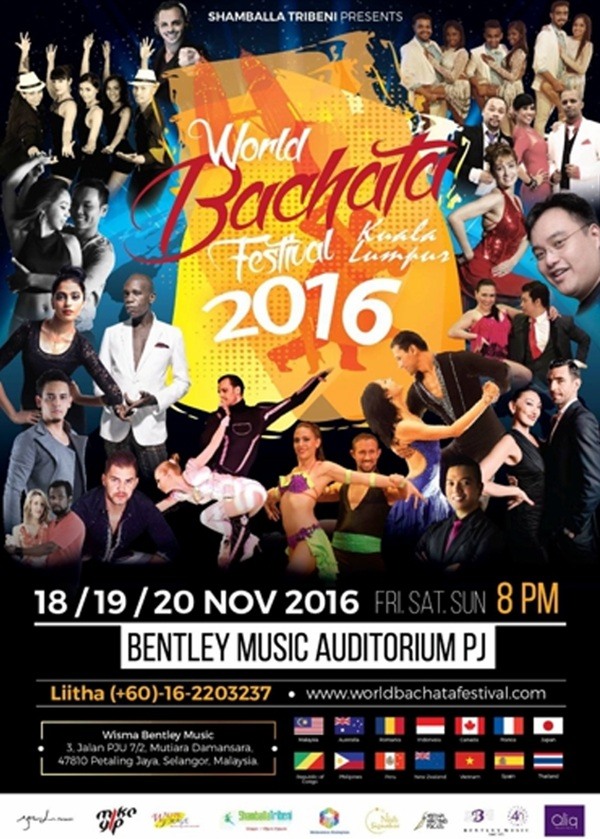
  • Dates: 18th-20th November 2016
  • Venue: Bentley Music Auditorium, Wisma Bentley 3, Jalan PJU 7/2, Petaling Jaya,47810 Mutiara Damansara, Selangor, Malaysia
  • Programs: 3 days 2 nights of Latin Dance Workshops, World-Class Performances and Prestigious Parties. Each night has a special theme with day 1 being “Dressy Casual”, day 2 is “Black & Red” and the final day is “Mexicana”.
World Bachata Festival 2016 Flyers

Get more updates on the Facebook event:

  • Facebook: https://www.facebook.com/events/856083751112454/
  • Call Liitha at +60162203237 or email to [email protected]
  • Official FB page:https://www.facebook.com/Bachata Malaysia/home
  • Official Website: http://www.worldbachatafestival.com/
  • Youtube: link: https://www.youtube.com/watch?v=TQNOo2sqQ6k


  • « Go to Previous Page
  • Page 1
  • Interim pages omitted …
  • Page 10
  • Page 11
  • Page 12
  • Page 13
  • Page 14
  • Interim pages omitted …
  • Page 39
  • Go to Next Page »

International Salsa Magazine (ISM) is a monthly publication covering salsa activities around the world and has been publishing since 2007. It is a worldwide network of volunteers coordinated by ISM Magazine. Together, we work to strengthen salsa events around the world.