• Skip to primary navigation
  • Skip to main content

International Salsa Magazine

  • HOME
  • Previous editions
    • 2026
      • ISM / August 2026
      • ISM / July 2026
      • ISM / June 2026
      • ISM / May 2026
      • ISM / April 2026
      • ISM / March 2026
      • ISM / February 2026
      • ISM / January 2026
    • 2025
      • ISM / December 2025
      • ISM / November 2025
      • ISM / October 2025
      • ISM / September 2025
      • ISM / August 2025
      • ISM / July 2025
      • ISM / June 2025
      • ISM / May2025
      • ISM / April 2025
      • ISM / March 2025
      • ISM / February 2025
      • ISM / January 2025
    • 2024
      • ISM / December 2024
      • ISM / November 2024
      • ISM / October 2024
      • ISM / September 2024
      • ISM / August 2024
      • ISM / July 2024
      • ISM / June 2024
      • ISM / May 2024
      • ISM / April 2024
      • ISM / March 2024
      • ISM / February 2024
      • ISM / January 2024
    • 2023
      • ISM / December 2023
      • ISM / November 2023
      • ISM / October 2023
      • ISM – September 2023
      • ISM – August 2023
      • ISM July 2023
      • ISM Edition June 2023
      • ISM – May 2023
      • ISM April 2023
      • ISM March 2023
      • ISM February 2023
      • ISM January 2023
    • 2022
      • ISM December 2022
      • ISM November 2022
      • ISM October 2022
      • ISM September 2022
      • ISM August 2022
      • ISM July 2022
      • ISM June 2022
      • ISM May 2022
      • ISM February 2022
      • ISM January 2022
    • 2021
      • ISM December 2021
      • ISM November 2021
      • ISM October – 2021
      • ISM September 2021
      • ISM August 2021
      • ISM July 2021
      • ISM May 2021
      • ISM April 2021
      • ISM June 2021
      • ISM March 2021
      • ISM February 2021
      • ISM January 2021
    • 2020
      • ISM December 2020
      • ISM November 2020
      • ISM October 2020
      • ISM September 2020
      • ISM August 2020
      • ISM July 2020
      • ISM June 2020
      • ISM May 2020
      • ISM April 2020
      • ISM March 2020
      • ISM February 2020
      • ISM January 2020
    • 2019
      • ISM December 2019
      • ISM November 2019
      • ISM October 2019
      • ISM Septembre 2019
      • ISM August 2019
      • ISM July 2019
      • ISM June 2019
      • ISM May 2019
      • ISM April 2019
      • ISM March 2019
      • ISM February 2019
      • ISM January 2019
    • 2018
      • ISM December 2018
      • ISM November 2018
      • ISM October 2018
      • ISM September 2018
      • ISM August 2018
      • ISM July 2018
      • ISM June 2018
      • ISM May 2018
      • ISM April 2018
      • ISM March 2018
      • ISM February 2018
      • ISM January 2018
    • 2017
      • ISM December 2017
      • ISM November 2017
      • ISM October 2017
      • ISM September 2017
      • ISM August 2017
      • ISM July 2017
      • ISM June 2017
      • ISM May 2017
      • ISM April 2017
      • ISM March 2017
      • ISM February 2017
      • ISM January 2017
    • 2016
      • ISM December 2016
      • ISM November 2016
      • ISM October 2016
      • ISM September 2016
  • Spanish
  • Download Salsa App
    • Android
    • Apple

Search Results for: Music Awards

Chick Corea

North America / USA /

Chick Corea. The worldwide Jazz sensation
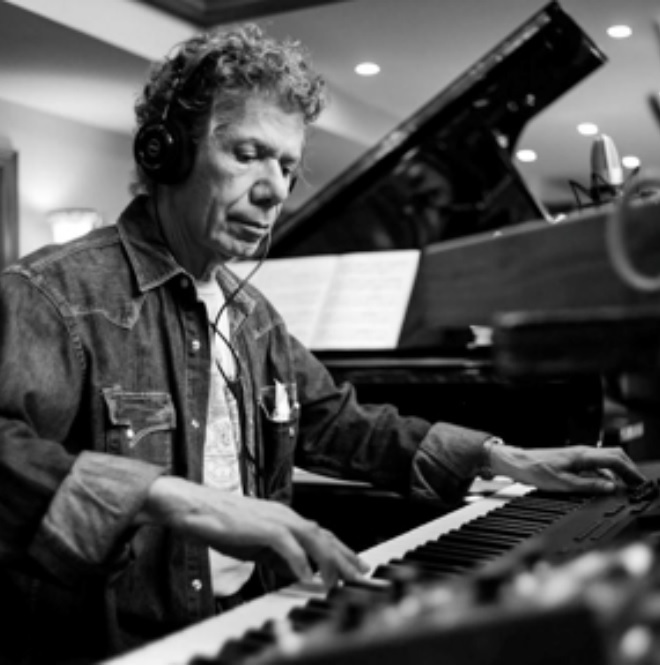
Chick Corea
Chick Corea

Armando Anthony “Chick” Corea is an American jazz and fusion pianist, keyboardist and composer. Many of his compositions are considered jazz standards. As a member of Miles Davis’s band in the late 1960’s, he participated in the birth of the electric jazz fusion movement. In the 1970’s he formed Return to forever. Along with Herbie Hancock, McCoy Tyner and Keith Jarrett, he has been described as one of the major jazz piano voices to emerge in the post-John Coltrane era.

A DownBeat Hall of Famer and EA Jazz Master, 22 – time Grammy winner and keyboard virtuoso, Chick Corea has attained living legend status after five decades of unparalleled creativity and an artistic output that is simply staggering.

Chick is the fourth – most – nominated artist in the history of the Grammys with 63 nominations. He’s also earned 3 Latin Grammy Awards, the most of any artist in the Best Instrumental Album category.

“Chicl Corea: Documentary of Legendary Jazz Great, Pianist and Component http://vimeo.com/10933550”

From straight ahead to avant-garde, bebop to fusion, children’s songs to chamber music, along with some far-reaching forays into symphonic works, Chick has touched an astonishing number of musical bases in his illustrious career while maintaining a standard of excellence that is awe-inspiring. A tirelessly creative spirit, Chick continues to forge ahead, continually reinventing himself in the process.

Chick Corea: European Tour 2017

  • Wroclaw, Poland – 06/22/17: Chick Corea Elektric Band – Hala Orbita – 8:00 pm
  • London, United Kingdom – 06/24/17: Chick Corea Elektric Band – Barbican – 7:30 pm
  • Lviv Ukraine – 06/27/17 : Chick Corea Elektric Band – Alfa Jazz Festival – 9:00 pm
  • Timisoara, Romania – 06: Chick Corea Elektric Band – Timisoara Jazz Festival – 9:00 pm
  • Belgrade, Serbia – 07/02/17: Chick Corea Elektric Band – Kombank Arena – 10:00 pm
  • Skopje, Macedonia – 07/02/17: Chick Corea Elektric Band – Metropolis Arena – 10:00 pm
  • Kongsberg, Norway – 07/07/17: Chick Corea Elektric Band – Kongsberg festival – 5:00 pm
  • Rotterdam, Netherlands – 07/07/17: Chick Corea Elektric Band – North Sea Jazz Festival – 11:00 pm
  • Rotterdam, Netherlands – 07/08/17 Chick Corea & Bela Fleck – North Sea Jazz Festival – 09:00 pm
  • Rotterdam, Netherlands – 07/09/17: Chick Corea & Trondheim Jazz Orchestra – North Sea Jazz Festival – 4:30 pm
  • Dublin, Ireland – 07/10/17: Chick Corea & Bela Fleck – National Concert Hall – 8:00 pm
  • Trentino, Italy – 07/12/17: Chick Corea & Bela Fleck – Sounds of the Dolomites Festival – 1:00 pm
  • Grugliasco, Italy – 07/13/17: Chick Corea & Bela Fleck – Gru Village Festival – 10:00 pm
  • Sant Feliu de Guixols, Girona, Spain – 07/16/17: Chick Corea & Bela Fleck – Festival de Porta Ferrada – 9:30 pm
  • Valencia, Spain – 07/17/17: Chick Corea & Bela Fleck – Jardines de Viveros – 8:00 pm
  • Moritz, Switzerland – 07/21/17: Chick Corea & Bela Fleck – Festival Da Jazzz – 9:00 pm
  • Albany, NY – 08/05/17: Chick Corea Elektric Band & Bela Fleck and The Flecktones – The Palace Theater – 7:30 pm
  • Vienna, VA – 08/06/17: Chick Corea Elektric Band & Bela Fleck and The Flecktones – The Filene Center – 8:00 pm
  • Red Bank, NJ – 08/09/17: Chick Corea Elektric Band & Bela Fleck and The Flecktones – Count Basie Theatre – 7:30 pm
  • Kennett Square, PA o 08/09/17: Chick Corea Elektric Band & Bela Fleck and The Flecktones – Longwood Gardens – 8:00 pm
  • Chautauqua, NY – 08/11/17: Chick Corea Elektric Band & Bela Fleck and The Flecktones – Chautauqua Institute – 8:15 pm
  • Sterling Heights, MI – 08/12/17: Chick Corea Elektric Band & Bela Fleck and The Flecktones – Michigan Lottery Amphitheatre- 7:30 pm
  • Cincinnati, OH – 08/13/17: Chick Corea Elektric Band & Bela Fleck and The Flecktones – PNC Pavillion – 7:00 pm
  • Denver, CO – 08/15/17: Chick Corea Elektric Band & Bela Fleck and The Flecktones – Denver Botanic Gardens – 6:30 pm
  • Salt Lake City, Utah – 08/16/17: Chick Corea Elektric Band & Bela Fleck and The Flecktones – Red Butte Garden Amphitheatre 6:00 pm

For further information and tickets:

411 Cleveland St. #215 Clearwater, FL 33755

(888)712-4425

The Kurland Agency

[email protected]

(617)254-0007

htpps://www.facebook.com/chickcorea

htpps://www.youtube.com/user/ChickCoreaTV
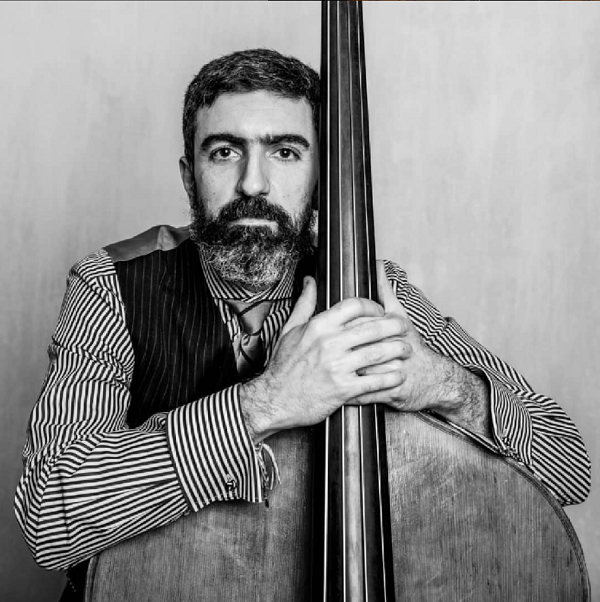
 

Argentine tango bassist and Latin Grammy winner Pedro Giraudo returned to his roots

Latin Grammy winner Pedro Giraudo spoke exclusively to us for International Salsa Magazine, so we are very pleased to bring you the best of our conversation with the Argentinian bassist and composer. Next, these are the highlights of his beginnings and his exciting career in his native country and in the United States, where he currently resides.

Pedro Giraudo posing
Argentine bassist Pedro Giraudo posing for the camera

Pedro’s beginnings in music

Pedro comes from a family of musicians. In fact, his father was a bandleader and his mother sang in a choir, so he was surrounded by music practically since he was born. He has memories of him watching his parents rehearse and play instruments when he was very young, so he was always very familiar with this kind of thing.

During his adolescence, he performed recitals with various ensembles, some of which played classical music, jazz, and tango. His professional advancement was very gradual, but he was doing some activities that prepared him for what was to come years later.

His love for this world grew so big that, once he turned 19, he moved to the United States precisely to study music and learn everything he could about what can be expressed through it. His musical interests initially focused on jazz, but that changed over time. 

Already at the end of his last year in college in New York, he was working regularly with various groups of different genres.

Interest in tango

Although, as we have said, Pedro comes from Argentina, he had not been particularly interested in tango at first, but his numerous trips around the world made him feel a little uprooted and detached from his beginnings. For this reason, nostalgia made him reconnect with the traditional music of his homeland. In addition, the fact that he was Argentinean encouraged many groups to call him, even though his knowledge of tango was not yet very deep at that time.

After giving himself the opportunity to play tango more formally, he also set to work to study it much more to learn about its most famous composers, its various styles, its ways to write music in the genre, among other things. In addition to that, he started to transcribe a lot of music to know what it sounded like in different styles and to gain practice. 

This path eventually led the artist to become part of many tango bands and even to lead some ensembles.

Pedro and friends
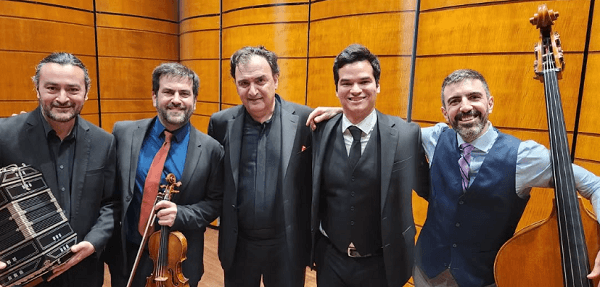
Pedro Giraudo, pianist Ahmed Alom, symphonic director Sergio Alessandro Bušlje, violinist Sami Merdinian, and accordionist Javier Sanchez

Groups Pedro was in

Pedro’s main goal in arriving in the United States was to become a double bassist, and after finally achieving it, he graduated from college and started to explore his role as a composer and leader of his own ensemble. From there, the band varied for characteristics and changed members and in size over the next 15 years. The last thing was a 17-piece big band.

Then, in the year 2014, due to the death of a great friend, Argentine pianist Octavio Brunetti, the Lincoln Center for The Performing Arts asked him to lead an event to celebrate his life and music. Therefore, in 2015, the musician started his tango project, which he would name Pedro Giraudo Tango Quartet, taking this request as a starting point. 

Today, he focuses all his efforts on tango ensembles, although he does recognize that he is increasingly angling for the classical side. For example, for his latest album, Pedro used a symphony orchestra, and since the last few months, he has been conceiving his next project with a chamber orchestra. 

Great collaborations in his career

Throughout his career, Pedro has been able to work with great music glories such as Paquito D’ D’Rivera, Rubén Blades, Pablo Ziegler, William Cepeda, and many others. One of the nicest things about this work for the Argentine is that he is always surrounded by very talented people from whom he can learn a lot.

One of them was bandoneonist Hector Del Curto, who was one of the first people Pedro started playing tango with in New York. Del Curto, in turn, had the great honor of playing with the greats of the golden age of Argentine music, such as Osvaldo Pugliese. 

It was through Hector that Pedro was able to meet and play with Pablo Ziegler, who was the principal pianist of Astor Piazzolla’s Second Quintet and greatly influenced the way tango is played on the piano. In fact, playing along with him on the double bass was an experience of which he learned so much, which he appreciated. 

Pedro and his Grammy
Pedro Giraudo holding his Latin Grammy in Las Vegas

In the case of William Cepeda, the artist made some arrangements for him and he received many valuable lessons from him, such as the importance of keeping musicians engaged with sheet music to prevent them from getting too lax. It was also with Zepeda that he made his first arrangements for a symphony orchestra.

On the other hand, Paquito taught him how to be a practical musician and to make perfect, well done arrangements for any occasion. 

Latin Grammy winner

Pedro is fortunate to be a Latin Grammy winner thanks to his album “Vigor Tanguero” in the category Best Tango Album in 2018. When we asked him about his experience, the double bassist said that there are some details he does not fully understand, such as the elements taken into consideration when voting for an artist in a category. However, that did not overshadow the joy of winning such an important award.

He says his victory was a surprise. At the time, he remembers being on tour with Pablo Ziegler, and after a four-hour rehearsal, his phone had about 40 missed calls congratulating him, while he did not even know that the nominations were being announced that day. To his amazement, he was included.

The final event was in Las Vegas, where Pedro finally heard his name and felt a total joy and pride for all he had achieved. In this respect, he said, “I’m not a person who collects awards, but this is a recognition I’m very proud of, to be honest.”

Read also: French flamenco dancer Fanny Ara lets us know the most important details of her career

Eduardo Tancredi is a renowned Uruguayan pianist and composer specializing in Latin Jazz

Eduardo was a distinguished student at Berklee College of Music in Boston.

Eduardo was an outstanding student at the Berklee College of Music in Boston.

Musical Style: His music fuses a wide variety of Afro-Latin rhythms (such as Uruguayan candombe, Brazilian samba, Cuban son, Peruvian landó, and Venezuelan joropo) with the harmonies and melodies of modern jazz.

Accolades: He has recorded several CDs with his own compositions and has received awards for his outstanding performance in the Latin jazz scene. His album “Ongoing Dreams” was chosen as the best album in its category in 2002 by “The Boston Globe.”

Teaching Experience: During his time in the United States, he was a piano and harmony professor at Berklee College of Music. Since 2003, he has resided in Barcelona and teaches at ESMUC (Escola Superior de Música de Catalunya).

Collaborations: He has collaborated with numerous musical groups as a pianist and is a significant figure in the jazz scene in Spain.

Eduardo Tancredi is a prominent figure in Latin Jazz, known for his ability to integrate diverse Latin American rhythmic influences with the harmonic sophistication of modern jazz.


Latin accents took some time to establish themselves in jazz music. Very few composers ventured into that genre in the early decades of the last century, to the point that their timid attempts were considered exotic and trivial.

Initially, one recalls passages from William C. Handy’s “St. Louis Blues,” some Scott Joplin ragtimes, Jelly Roll Morton’s references to the “Spanish tinge,” or, shortly after, the themes performed by Duke Ellington’s orchestra.

Eduardo Tancredi
Eduardo Tancredi

It was in the 1940s that the Latin touch gained relevance. Cuban Mario Bauzá, who had played trumpet in Chick Webb’s and Cab Calloway’s orchestras, propelled the success of Machito’s band and convinced Dizzy Gillespie to hire conga player Chano Pozo.

Afro-Cuban influence became powerful in the following decades through sones, charangas, rumba, mambo, and salsa. Names like Chico O’Farrill, Tito Puente, Mongo Santamaría, Ray Barretto, and Chucho Valdés became highly regarded, and their works inspired a legion of jazz musicians.

Eduardo Tancredi es un reconocido pianista y compositor uruguayo, especializado en Jazz Latino

Latin jazz today has a strong presence in popular music, and Uruguayan Eduardo “Edú” Tancredi is a brilliant exponent of that style. He was an outstanding student at Berklee College of Music in Boston, where he won awards such as the Quincy Jones Award and the Outstanding Latin Act Award.

After his acclaimed “Ongoing Dreams” from 2002, this CD, “Venimos Tumbando,” recorded in 2007, now arrives with ten formidable compositions and his own arrangements. His background in Latin American folklore plus his jazz studies have achieved a splendid confluence that is enjoyed from beginning to end on this album.

His versatility as a composer is evident in candombes (“La mama vieja” and “Montevideo”), a baião (“Baialona”), a chorinho (“El germen”), a zamba (“Zamba del aire”), and the obvious references to Afro-Caribbean rhythms that unite their exciting cadences with jazz elements. Edú’s works are incisive, stimulating, possess an overflowing swing, and it’s easy to imagine the musicians’ pleasure during their performance.

The arrangements contrast the different orchestral sections, highlighting their diverse sound textures, suggestive harmonizations, and enhancing the dynamics and fiery percussion instruments. Three saxophones, piano, guitar, bass, and drums alternate with ten other guest musicians (vocals, sax, harmonica, two basses, two drum sets, and three percussionists), generating a sonic turbine that captivates the listener from the first note.

This doesn’t mean that all tracks propose an overwhelming rhythm. There are passages of beautiful lyricism, as in the two versions sung by Ana Finger, or the pleasant harmonica of Antonio Serrano, or the director’s piano in “Como un blues.”

The soloists perform at a high level, with special mention of Miguel Zenón’s alto sax, an improviser of fresh ideas, clean musicality, and great inspiration and fervor. The interventions of guitarist Alejandro Luzardo, trumpeter Matthew Simon, tenor saxophonist Eladio Reinón, and baritone saxophonist Xavi Figuerola are also noteworthy.

“Venimos Tumbando” confirms Tancredi’s talent as a composer and pianist and his skill as an orchestra conductor. Abilities he generously demonstrated during his acclaimed performance at the Teatro Solís last December. Thomas Werner

Edu Tancredi & Bandon 33 – Venimos Tumbando (2007)

Tracks:

  1. El Subibaja
  2. Hocus Pocus
  3. Montevideo
  4. El Germen
  5. La Mama Vieja
  6. Baialona
  7. Mapa Del Mundo
  8. Venimos Tumbando
  9. Como Un Blues
  10. Zamba Del Aire

Musicians: Edu Tancredi (Piano) Ana Finger (Vocals) Antonio Serrano (Harmonica) Mathew Simón (Trumpet) Pere Grau (Soprano sax, alto sax) Miguel Zenón (Alto sax) Eladio Reinón (Tenor sax) Juajo Arrom (Trombone) Xavi Figuerola (Baritone sax) Alejandro Luzardo (Guitar) Matías Migues, Paco Weht, Javier Gómez (Double Bass) Santiago Blanco, Salvador Toscano (Drums) Carlos Reyes “Compota”, Alejandro Luzardo, Santiago Blanco, Alexis Liden, Sandro Lustosa, Salvador Toscano (Percussion)

Edu Tancredi & Bandon 33 - Venimos Tumbando (2007)
Edu Tancredi & Bandon 33 – Venimos Tumbando (2007)

Information By:

Ostia Latin Jazz

DJ, Augusto Felibertt

Also Read: Arturo “Chico” O’Farrill. “The Architect of Afro-Cuban Jazz”

David Atanacio Percussionist, Composer and Singer Unveils a New Sound

David Atanacio, grounded in the values of honesty, integrity, loyalty, responsibility, and respect, appears to be an individual of strong moral and ethical character. He is someone who can be fully trusted, a faithful and committed friend and colleague who always tells the truth and acts with righteousness.

His sense of responsibility ensures he fulfills his commitments, while his respect makes him a considerate, open person capable of building harmonious relationships. Together, these values suggest a dependable, upright, and kind personality, making him a positive and admired presence.

Born in New York City and raised in Puerto Rico, specifically in the municipalities of Bayamón and Cataño, David Atanacio has cultivated a unique musical identity rooted in a powerful fusion of Cuban rumba, flamenco rumba, and Afro-Caribbean influences.

David Atanacio Percussionist, Composer and Singer

In 1993, he began his musical journey as a bongo player for his uncle’s “Grupo Típico,” later joining a local orchestra as a conguero in 1996. In 1997, he was presented with the opportunity to become a singer, marking a turning point in his musical destiny.

Recruited to co-found “Grupo Folclórico Yuba Iré,” it was with this group that he began to perfect his mastery of rhythms like La Bomba, La Plena, El Guaguancó, El Yambú, and more. During this same period, David Atanacio discovered his talent for composing and began writing his first songs, including one titled “Lo que dice el Tambor” (What the Drum Says).

He was recommended to work with the “Orquesta Abran Paso” from Puerto Rico, with whom he accompanied luminaries such as Ismael Miranda, Adalberto Santiago, Junior “Hommy” González (RIP), Larry Harlow (RIP), among others.

He then received a call from the Puerto Rican Maestro “Paoli Mejías,” percussionist for “Carlos Santana’s” group, who invited him to be part of his first musical project, “Mi Tambor.” On this album, David’s song “Lo Que Dice el Tambor” was recorded, appearing as Track No. 7. The album was nominated for “Best Latin Jazz Album” at the Latin Grammys in 2004.

David Atanacio: Percussionist, Composer, and Singer Unveils a New Sound

David Atanacio: Percussionist, Composer, and Singer Unveils a New Sound

In 2003, the King of Rhythm, Mr. Afinque “Don Willie Rosario,” invited David to join the front line of his orchestra, where he remained until 2005. After leaving Willie Rosario’s Orchestra, David decided to move with his family to Tampa, Florida.

Even in his new home, David never lost touch with his roots. One day, he received a call to contribute background vocals to the production “Sobrevolando” by the acclaimed Puerto Rican group “Cultura Profética” (2019). This production earned them the Latin Grammy for “Best Alternative Album” in 2020 and a nomination for “Best Latin Rock or Alternative Album” at the 2020 Grammy Awards.

David Atanacio is a “Sonero de Calle” (Street Sonero), with ample talent and ability to succeed. He is a percussionist, composer, and possesses the added artistry of the “Soneo del Guaguancó” (Guaguancó vocal improvisation).

Atanacio is now releasing his musical proposal, “David Atanacio & Champán D’ Barrio,” featuring aged salsa and plenty of flavor.

David Atanacio & Champán D' Barrio
David Atanacio & Champán D’ Barrio

The album contains ten tracks, eight of which are his original compositions. The production features special guest Herman Olivera, who performs a duet with David on a meticulously crafted song titled “De la Vieja Escuela” (From the Old School). The first single from this project, “Lo que dice el Tambor,” is hitting the airwaves, now presented under his orchestrated concept, “David Atanacio & Champán D’ Barrio.”

The Puerto Rican sonero recently released his latest single, “No Me Llores Más” (Don’t Cry For Me Anymore), a masterfully interwoven piece that pays homage to the musical genres that have shaped his artistic journey. The song perfectly fuses Cuban rumba, guaguancó, Spanish flamenco rumba, and son.

More than just a song, No Me Llores Más is a deeply personal sonic exploration that honors the genres that have influenced David Atanacio since his beginnings.

More than just a song, “No Me Llores Más” is a deeply personal sonic exploration that honors the genres that have influenced David Atanacio since his beginnings. Rhythms such as trova, décimas, aguinaldo, bomba, and plena have profoundly impacted his musical development, adding unique nuances to his artistic expression and reaffirming his commitment to the cultural heritage of his homeland and the Caribbean.

“No Me Llores Más” Credits:

  • Lyrics, Music, and Lead Vocals: David Atanacio
  • Background Vocals: Herman Olivera Jr. & Adriel González
  • Musical Arrangement: Carlos García
  • Piano: Yassel Puppo
  • Bass: Kevin Pagan
  • Trombone Solo: Carloscar Cepero
  • Percussion: Diego Centeno
  • Spanish Guitar: Alex García Potia

With an exquisite arrangement by Carlos García and impeccable execution by top-tier musicians, “No Me Llores Más” marks a new chapter in David Atanacio’s career. It’s where tradition and vanguard embrace to the rhythm of the drum, the guitar, and pure emotion.

This track will be available on all digital platforms starting June 14, 2025.

The rumba lives, the son renews, and David Atanacio’s voice celebrates it!

Press Contact: David Atanacio [email protected] 813-569-9581

Reference: Luis Rojas

Also Read: Herman Olivera the sonero of the 21st century

French flamenco dancer Fanny Ara lets us know the most important details of her career

There are countless artists from all over the world who have fallen in love with Latin and Spanish-speaking rhythms due to their colors and richness, so we cannot fail to talk about cases like that of dancer, choreographer and dance teacher Fanny Ara, with whom we had the opportunity to talk for a few pleasant minutes about her beginnings in her native French Basque Country and her current career. 

This talented woman, who we met through her work with Javi Jiménez and his group Barrio Manouche, has a lot of interesting things to say, so we invite our readers to enjoy this story from start to finish.

Dancer Fanny Ara posing
The beautiful Fanny Ara posing for the camera. Photo taken by Tony Abello

Fanny Ara’s beginnings in dance

With respect to how Fanny first became interested in dancing, Fanny explained that her aunt was a Spanish classical dancer and convinced her parents to sign her up for dance classes when she was about six or seven years old, to which they agreed and so they did. The little girl was so pleased with this discipline that she knew at once that she wanted to be devoted to this for the rest of her life.

She studied piano, although nowadays he does not play it, and obtained a degree in music at the Bayonne School of Art and, once he had finished all her studies, she wanted to try his luck in Spain. Been there, she had the opportunity to work side by side with some of the best exponents of flamenco dancing such as Isabel Quintero and Antonio Najarro, sparking her curiosity for looking further into it and specializing in it. 

In the end, she stayed in Spain for a few more years and had no incentive to return to her country of origin. She had already started a new life in a completely different place and a profession that kept her there for the time being.

Moving to the United States

While still living in Spain, Fanny fell in love with an American and went to live with him in San Francisco, where her partner had always lived. She was fortunate enough to move to what was no other than the city with the largest flamenco music scene in the country, so it was not at all difficult for her to adapt to the new world that was opening up before her.

In fact, it did not take long for her to join dance companies, teach classes and perform just like she had been doing in Europe. The only difference is that San Francisco was a big city, while her hometown was very small and Seville, where she lived in Spain, was not a big village either, so this was a big change for her.

San Francisco opened her mind tremendously in many ways that she had not considered, so she decided that this would be her new home indefinitely.

Maria Elena and Fanny
Flamenco dancer Marina Elena Scannell and Fanny Ara. Photo taken by Timo Nuñez

Differences between the American and European market in terms of dance

Given that San Francisco had a much wider variety of cultures and music, Fanny was able to experiment with many other art forms like she had not done before, so she was able to dance different genres from flamenco such as jazz and even salsa, especially at social events.

The fact that her new home did not have the same traditional barriers the dancer encountered in Spain helped her to expand her horizons and try new genres and dances. In addition, being able to work in Canada and Latin America has also allowed her to expand her knowledge to unimaginable levels.

Awards and nominations 

This entire career has also led Fanny to be recognized for her talent. The artist received six Isadora Duncan Dance Award nominations for important categories such as Most Outstanding Individual Dancer and Most Outstanding Musical Performance. In addition, she earned a recognition from New York’s Vilcek Foundation as “Creative Promise in Dance.” 

She feels absolutely happy and lucky to be awarded and recognized for her achievements in several of her greatest works, including “Magia Flamenca,” “A Través de Tus Ojos,” “Tattooed,” “Lilith,” among others.

Biggest challenges of being a dancer and choreographer

According to Fanny, one of the biggest challenges facing an event producer and choreographer like her is the obtaining of economic resources needed to carry out her ideas, which makes it difficult to get financing for her projects, especially after the pandemic.

In addition, many venues and restaurants are not interested in paying what corresponds to a flamenco show, which greatly reduces the chances of making some labour agreements.

Another disadvantage encountered by the artist and her team is the refusal of some theaters to allow them to use their premises, as the flamenco tablao requires a certain footwear and tap, which can be a little damaging to the floor of these establishments. 

However, these problems have not been an impediment for her to continue her work, although she has had to adapt to certain conditions.

Fanny and Barrio Manouche
Fanny Ara dancing with the group Barrio Manouche

What motivates Fanny to create her choreographies

One of the things that move Fanny to create a choreography is to give a voice to those who cannot speak. In the last two productions the choreographer has made, she has sought to address the abuse suffered by human beings, especially women. The plot of the play is about three dancers who have suffered some form of abuse throughout their lives, showing how important it was for Fanny to show what many people suffer today with no one to listen.

What the artist wanted was to bring a message of hope to her audience and give a voice to those who have remained silent in the face of any form abuse to them. Best of all, words were not required to give the message, as the dancers expressed their emotions through their movements and gestures, which was more than enough.

In the case of “Lilith,” Fanny was the lead dancer together with two other musicians who accompanied her to offer a simple but powerful performance about the hard life’s way of a woman, something the artist wanted to illustrate through her work.

Ara sought to raise awareness among the audience during the hour or two her show lasted, so that attendees would go home with a different view of what they had believed until now. 

Read also: Javi Jiménez from Barrio Manouche talks about his career in Spain and then in San Francisco

  • « Go to Previous Page
  • Page 1
  • Interim pages omitted …
  • Page 13
  • Page 14
  • Page 15
  • Page 16
  • Page 17
  • Interim pages omitted …
  • Page 39
  • Go to Next Page »

International Salsa Magazine (ISM) is a monthly publication covering salsa activities around the world and has been publishing since 2007. It is a worldwide network of volunteers coordinated by ISM Magazine. Together, we work to strengthen salsa events around the world.