• Skip to primary navigation
  • Skip to main content

International Salsa Magazine

  • HOME
  • Previous editions
    • 2026
      • ISM / March 2026
      • ISM / February 2026
      • ISM / January 2026
    • 2025
      • ISM / December 2025
      • ISM / November 2025
      • ISM / October 2025
      • ISM / September 2025
      • ISM / August 2025
      • ISM / July 2025
      • ISM / June 2025
      • ISM / May2025
      • ISM / April 2025
      • ISM / March 2025
      • ISM / February 2025
      • ISM / January 2025
    • 2024
      • ISM / December 2024
      • ISM / November 2024
      • ISM / October 2024
      • ISM / September 2024
      • ISM / August 2024
      • ISM / July 2024
      • ISM / June 2024
      • ISM / May 2024
      • ISM / April 2024
      • ISM / March 2024
      • ISM / February 2024
      • ISM / January 2024
    • 2023
      • ISM / December 2023
      • ISM / November 2023
      • ISM / October 2023
      • ISM – September 2023
      • ISM – August 2023
      • ISM July 2023
      • ISM Edition June 2023
      • ISM – May 2023
      • ISM April 2023
      • ISM March 2023
      • ISM February 2023
      • ISM January 2023
    • 2022
      • ISM December 2022
      • ISM November 2022
      • ISM October 2022
      • ISM September 2022
      • ISM August 2022
      • ISM July 2022
      • ISM June 2022
      • ISM May 2022
      • ISM February 2022
      • ISM January 2022
    • 2021
      • ISM December 2021
      • ISM November 2021
      • ISM October – 2021
      • ISM September 2021
      • ISM August 2021
      • ISM July 2021
      • ISM May 2021
      • ISM April 2021
      • ISM June 2021
      • ISM March 2021
      • ISM February 2021
      • ISM January 2021
    • 2020
      • ISM December 2020
      • ISM November 2020
      • ISM October 2020
      • ISM September 2020
      • ISM August 2020
      • ISM July 2020
      • ISM June 2020
      • ISM May 2020
      • ISM April 2020
      • ISM March 2020
      • ISM February 2020
      • ISM January 2020
    • 2019
      • ISM December 2019
      • ISM November 2019
      • ISM October 2019
      • ISM Septembre 2019
      • ISM August 2019
      • ISM July 2019
      • ISM June 2019
  • Download Salsa App
    • Android
    • Apple
  • Spanish

Search Results for: New York

Bandleader and bongosero Ray Degaldo is here to talk about his life and career

The talented percussionist Ray Delgado has made room in his schedule to share some time with us and talk about some of the most curious details of his artistic career, which fills us with pride and gratitude in equal measure. The founder of the Ray Delgado Project has many interesting things to say, and we are more than willing to listen.
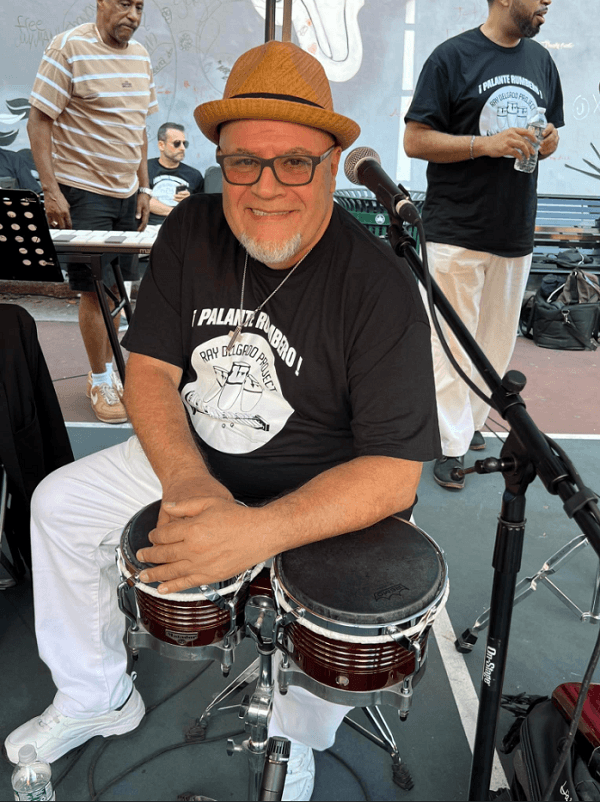
Ray playing the bongo
Ray Delgado playing the bongo live

Ray’s inspirations to become an artist

Ray grew up in a family with deep Puerto Rican roots and was raised between Puerto Rico and New York because his parents constantly moved from one place to another, which made him feel very fortunate because he was being formed between two cultures that allowed him to listen to all kinds of music. In his time, radio remained extremely popular, so this was his vehicle to travel just by listening to certain songs.

Music in English came from the United States and Europe, while music in Spanish came from Cuba, Venezuela, Puerto Rico, the Dominican Republic, Jamaica, and many other countries. Delgado was exposed to all genres, but as a New Yorker, the one that resonated the most with him was salsa and the atmosphere that it brings with it. In fact, he remembers having the joy of seeing the Machito Orchestra, Johnny Pacheco, Héctor Lavoe, Willie Colón, Pete Conde, and many others live.   

These great exponents were the ones who sparked off the young man’s desire to pursue music at some point, but his father did not like the idea at all, as he saw the men in this business as womanizers, drunks, and irresponsible. Obviously, no father wants his son to end up like that, so Ray had to wait to become a responsible adult with a steady job to finally realize his aspirations as a kid.
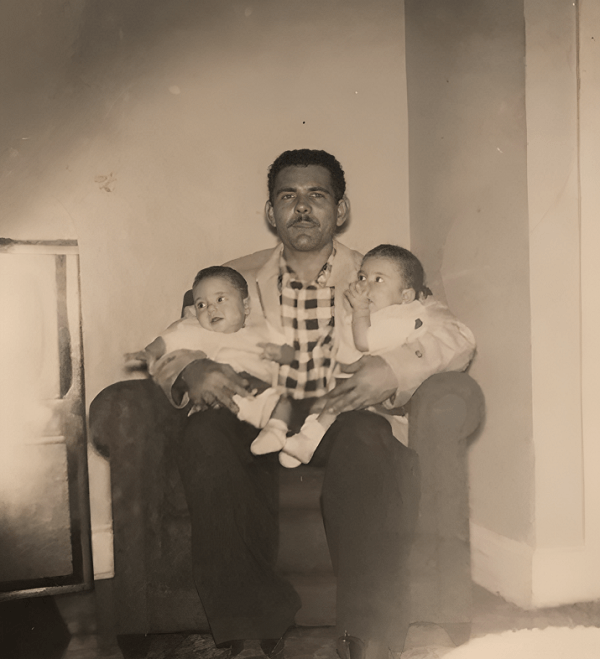
Ray and his father
Ramón Delgado Castro holding his son Ray Delgado and his brother when they were babies

It all started when some older men invited him to play with them, so he found an old bongo drum he kept in his closet and accepted the offer without a second thought.

That was the point of departure for him to play with many other bands in New York, and his consistent work led him to want to be better, to study hard and prepare himself much more.

Ray’s music education

Ray studied at the East Harlem Music School founded by legendary musician Johnny Colón in Manhattan, and focused on timbales with teacher Ray Cruz, but he left the instrument aside for a while when he moved back to Puerto Rico. When returning from the Island of Enchantment, he enrolled at the Harbor Conservatory for the Performing Arts. He also studied with Professor George Delgado, who is the current conguero for the Spanish Harlem Orchestra. He describes him as an excellent teacher and musician from whom he learned so much.

Additionally, he had the support of many musician friends who also helped him and taught him many things that are not learned in an educational institution, including Luis Rivera, Radamés Rojas, Eric Rivera, and many others. Close contact with other artists and groups made him see that many sounded exactly the same and there was little variety, so he decided to form his own orchestra.

In this way, he also learned percussion, which is the area by which he is best known today.
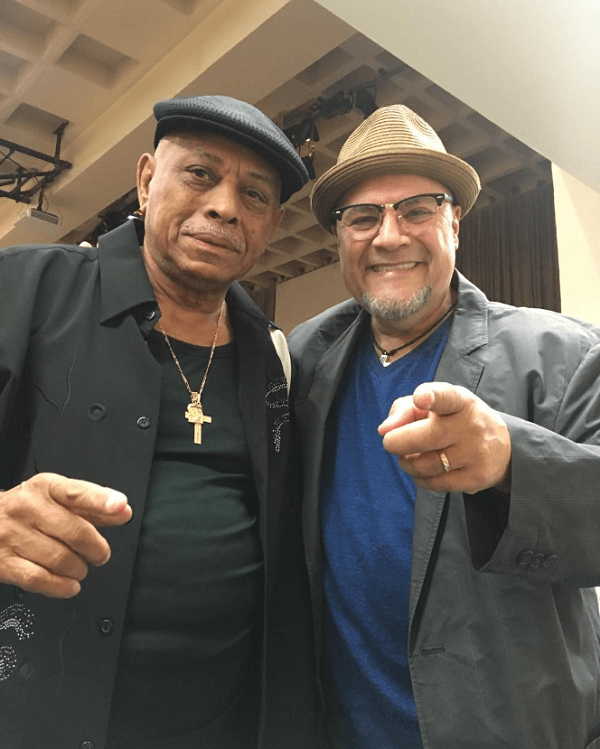
Joe and Ray
Joe Bataan and Ray Delgado

Ray Delgado Project’s birth

Driven by the lack of musical variety in his environment, he wanted to create his own musical project that included vibraphone, percussion, piano, bass, and vocalist. It all started with a workshop for musicians offered by Ray himself in a community room in the building where he lived and he was allowed to use it. After having played and experimented with different styles, the group was getting smaller until all the musicians who signed up ended up leaving.

From there, at every show and opportunity he had to meet new musicians, he would ask for their numbers to recruit them and achieve a chemistry and combination, resulting in the sound he wanted. Ray was in that process from 2009 until now. About three years ago, in 2023, he finally got what he was looking for. 

This group was called Ray Delgado Project, which takes up a huge amount of time and effort. However, the musician says that the New York where his youth was spent, which offered lots of places to go dancing, no longer exists, so there is not much work as back then.

Today, they play many covers of great hits from the 1970s, but they add their own touch to stand out with completely new arrangements. Not so long ago, they released their new version of “Lo Que Traigo es Sabroso,” a hit by Eddie Palmieri, and adapted it to their own style and arrangements. It can be found on Spotify and the main digital platforms. 
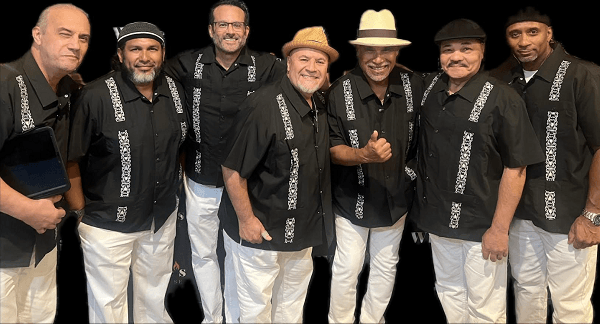
Ray and his orchestra
Ray Fuentes (piano), Abraham Saenz (bass), Danny Sieber (vibraphone), Ray Delgado (director and bongo), Rhadames ”Randy” Rojas (lead vocals) Izzy Diaz (congas), and José ”Cheo” Colón (timbales)

Ray is so happy with what he has achieved so far with their orchestra that ensures that when God calls him, he will be calm and happy to have been able to play and make audiences dance during his lifetime. God willing, we wish him many more years playing with the Ray Delgado Project, enjoying life and bringing joy to those who have the pleasure of listening to him. 

Read also: Leader of K’ndela Salsa Band Eric Cabanilla and all his entertainment company has to offer
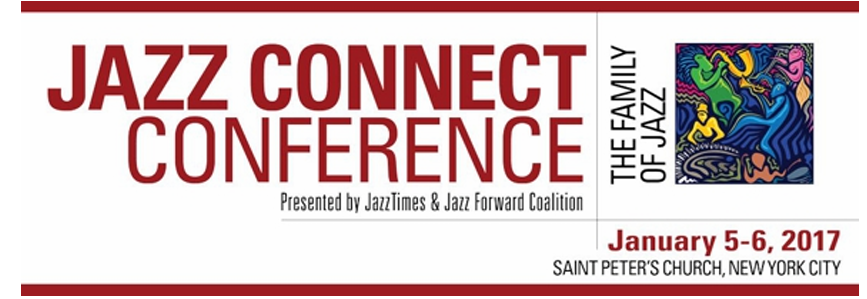
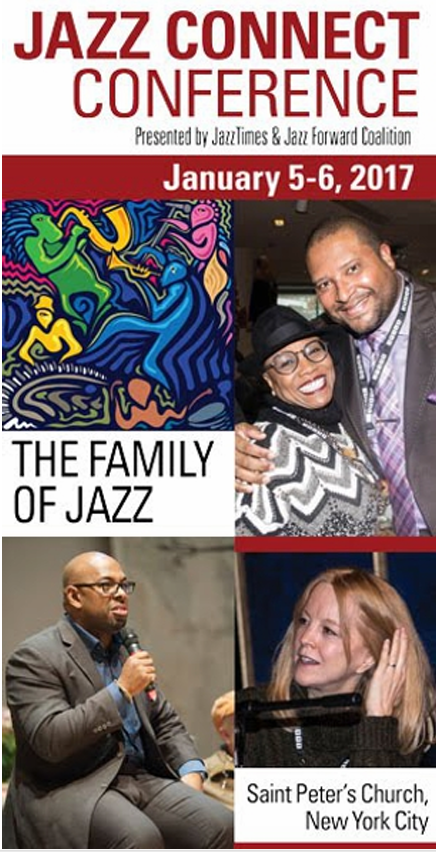
The Jazz Connect Conference

North America / USA  / New York
The Jazz Connect Conference

The Jazz Connect Conference organized by JazzTimes and the Jazz Forward Coalition, will be held January 5-6, 2017 at Saint Peter’s Church (at 54th & Lexington) in New York City and will lead into the annual APAP (Association of Performing Arts Presenters) Conference as well as Winter Jazzfest.

Continuing the momentum from the January 2016 event which hosted over 800 registrants, the 2017 Jazz Connect Conference, with a theme of “The Family of Jazz,” will feature a series of essential workshops, panels and events held over the course of two days. The Early-Bird Pre-Registration rate is only $145, until December 15, with additional discount of 15% offered to members of various organizations, including APAP, Chamber Music America, Jazz Journalists Association, JazzWeek, JazzCorner, ASCAP, BMI, SESAC and AFM Local 802.

With a theme of “The Family of Jazz,” the conference will again bring together a wide cross-section of the jazz community for over a dozen workshops and 5 plenary sessions, on a variety of timely and engaging subjects.

Moderators and panelists include an impressive cross-section of artists and professionals. Returning this year by popular demand will be an “Ask the Experts” networking session enabling emerging artists and professionals to connect and get informed input on their own careers and operations.

The latest schedule reflects the input from and collaboration with numerous organizations such as JazzWeek (radio programmers), the Music Business Association, ASCAP and the Jazz Journalists Association.

In addition to incorporating the involvement of various organizations, the sessions also include a wide range of voices from inside and outside the jazz community, so that we may examine and discuss the full range of issues and trends both within our community and with the music business at-large.

The Jazz Connect conference is organized by Peter Gordon of the Jazz Forward Coalition and Lee Mergner of JazzTimes, with assistance and input from over a dozen industry professionals. The conference has received the support of the Association of Performing Arts Presenters organization, which hosts the world’s leading forum for the performing arts every year in New York City

The Jazz Connect Conference - Flyers
The Jazz Connect Conference – Flyers

Website: www.jazz-connect.org

Willie Colón The “Architect of Salsa” Enters Immortality

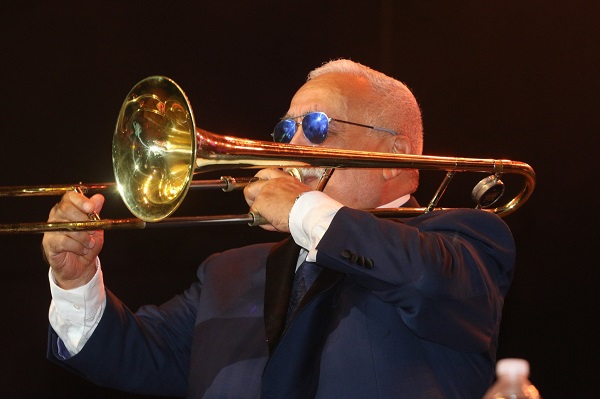
February 21, 2026, will be etched into the history of Latin music as the day the “street trombone” fell silent to become an eternal echo.

A Sorrowful Farewell: February 2026

After several days of uncertainty and reports regarding his delicate health, the passing of William Anthony Colón Román was confirmed in New York City at the age of 75.

Willie Colón, the Architect of Salsa, Passes into Immortality

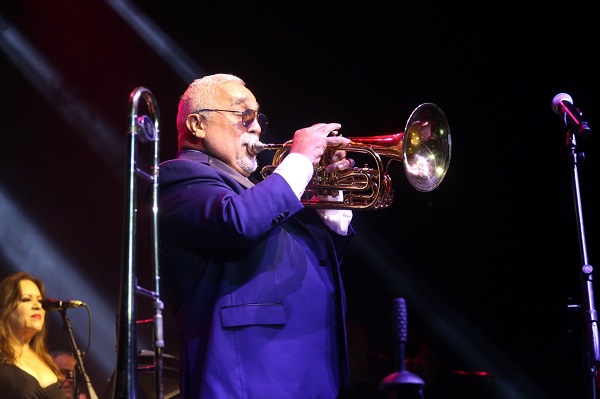
Producer, trombonist, visionary. He was the architect of a sound that broke the mold and redefined salsa from New York for the entire world.

With his aggressive trombone, his innovative musical concepts, and his leadership within the historic Fania All-Stars, he marked an era that can never be repeated.

The musician, who had already shown signs of physical frailty following his retirement from the stage in 2023, suffered severe respiratory complications that kept him hospitalized during his final days.

Iconic figures like Rubén Blades and the entire Fania family have expressed their grief, noting that we haven’t just lost a musician, but the “Malo” (The Bad Boy) who revolutionized the visual and sonic identity of Latinos in New York.

A Legacy of Rebellion and Sophistication

Unlike other bandleaders, Willie Colón didn’t just make music; he told cinematic stories. From his early days with Héctor Lavoe to his era of social consciousness with Rubén Blades, Colón transformed salsa into a vehicle for urban narrative.

With his aggressive trombone playing, innovative musical concept, and leadership within the historic Fania All-Stars
  • Innovation: He was responsible for putting the trombone at center stage, creating that “heavy,” raw sound that defined the Bronx.
  • Identity: Through his iconic album covers (emulating FBI “Wanted” posters), he constructed the mystique of the Latin anti-hero.

His Eternal Anthems

Willie Colón’s catalog is the backbone of every party and social reflection in Latin America. Among his most remembered tracks, more relevant today than ever, are:

Song Significance
El Gran Varón A milestone in social lyrics regarding identity and redemption.
Idilio The most romantic and melodic facet of his mature era.
Pedro Navaja The ultimate expression of narrative salsa produced alongside Blades.
Gitana A classic of sentiment and rhythmic fusion.

Beyond the Trombone: Activism and Service

In his later years, Willie Colón’s life was also defined by his work offstage. He served as an activist, a community leader in New York, and held positions in organizations advocating for Hispanic rights. His life was a testament to the fact that art and social commitment can walk hand-in-hand.

Producer, trombonist, visionary. Architect of a sound that broke molds and redefined salsa from New York to the world.

Producer, trombonist, visionary. Architect of a sound that broke molds and redefined salsa from New York to the world.

The Centennial on the Horizon

Though the Maestro has physically departed in 2026, his office and family have made it clear that his music will live on. Releases of unedited material and tribute concerts are expected as we pave the road toward the centennial of his birth in 2050.

“Time passes, and I am left unable to speak to you”  Willie Colón.

His music will continue to speak for him on every corner where a trombone sounds and in every heart that feels the pulse of urban salsa.

His talent was more than rhythm: it was identity, the barrio, resistance, and living history. Today, we don’t just say goodbye to a musician; we say goodbye to a pillar, a North Star, and an entire chapter of our Latin culture.

Anecdote:

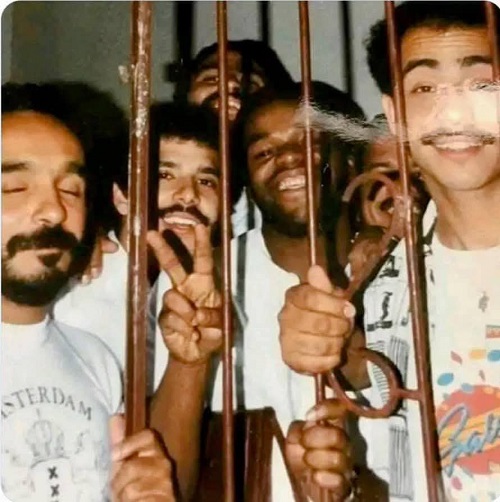
Willie Colón had a notorious incident in Medellín in 1985 when he refused to perform at the Iván de Bedout Coliseum because the promoters of “Rumba Producciones” failed to pay the agreed amount. Police arrested him along with 13 of his musicians, and they were detained for two days at the Belén neighborhood police station.

The audience, who had waited for hours, grew unruly, leading to riots that resulted in six injuries and significant property damage. This episode inspired the song “Especial No. 5,” which narrates Colón’s experience inside cell number five of that station.

Willie Colón had an incident in Medellín in 1985

Special Contribution by Julio Cesar Galindo Alarcón (Lima, Peru)

A posthumous tribute to the great Willie Colón (1950-2026): The greatest disciple of Mon Rivera by his own admission and today a legend of our passionate salsa.

Willie Colón: From “Classic Urban Salsa” to “Symphonic Salsa”

His musical production clarifies and proves that “salsa” does not only originate from Cuban and Puerto Rican rhythms, but also from American, Brazilian, and other Latin influences.

When Willie produced and recorded his 1977 instrumental-only album, El Baquiné de Angelitos Negros, he expanded the orchestral lineup to include violins, saxophone, flute, cello, and trumpet. While the work had little commercial success and went largely unnoticed during his triumphant career, it served as more than just a platform for his “salsa” fusions with Jazz, Funk, Soul, and R&B. It was the starting point for producing grander orchestral arrangements with a larger number of musicians, thus becoming the precursor to what is now known as “Symphonic Salsa.”

Four years after this beginning, in 1981, this “Symphonic Salsa” reached its peak when Willie released his second solo album, Fantasmas dedicated to and motivated by the loss of his younger sister, Cindy. The album included a track he composed, with musical arrangements by Luis Cruz, titled “Toma Mis Manos” (Take My Hands).

This piece, dealing with the somber theme of death, is considered by this author (due to the quality of the composition and the fabulous “Symphonic” orchestration) to be an authentic and grand masterpiece of “Classic Salsa.” It blends Funk, Soul, R&B, and Bossa Nova with Willie’s excellent vocals, serving as a spectacular prelude to that other legendary, yet often overlooked, symphonic track recorded in 1991 by the “Canary of Carolina,” the great Lalo Rodríguez: “El niño, el hombre, el soñador y el loco.”

To conclude, with the immense pain that his departure brings, I accompany this tribute with the aforementioned song: “Toma Mis Manos,” an unforgettable composition by the recent legend of our “salsa” the great Willie Colón, famously known as “The Bad Boy of the Bronx.”

The legendary musician and his wife Julia Colón were married for decades and share three children (

The legendary musician and his wife Julia Colón were married for decades and share three children

Also Read: The legacy of Leopoldo Pineda, the ambassador of the trombone in La Maquinaria Fania All Stars

North America / March 2026

Tony Rosa 03 2026Don Perignon 03 2026Bad Bunny super bowlRay delgado Project 2026Rey Ruiz 03 2026

March 2026 – Festivals

United States flag
UNITED STATES
SFSF 03 2026

San Francisco Salsa Festival

Mar 26 / 28, 2026

San Francisco Airport Marriott Waterfront
1800 OLD BAYSHORE HIGHWAY
Burlingame, CA

$ 200.00 + $ 10.62 Fee

Canto Tropical 2025Luis Medina 2025Thumbnail about the salsa museum

Las Maracas promo

Martinez attorney

Directory of North American nightclubs

Canada flag
CANADA

Ontario, Canada
ONTARIO

Canada, Vancouver
VANCOUVER

United States flag
UNITED STATES
California US circular flag

CALIFORNIA

Florida circle flag
FLORIDA
Illinois circle flag

ILLINOIS

Michigan Circle flag

MICHIGAN

NJ circle flag

NEW JERSEY

New York Cicle flaga

NEW YORK

Ohio State
OHIO

Pennsylvania Circle Flag
PENNSYLVANIA

tEXAS CIRCULAR FLAG
TEXAS

Virginia Cirular Flag
VIRGINIA

Washington DC circle flag
WASHINGTON DC


The Latin sensation in Zurich. Salsa Passion

Europe / Spain

Salsa passion is known as one of the best Salsa Dance School in Zurich to build your foundation. More than 15 years of teaching experiences. See why it’s rated as one of the best in tow.

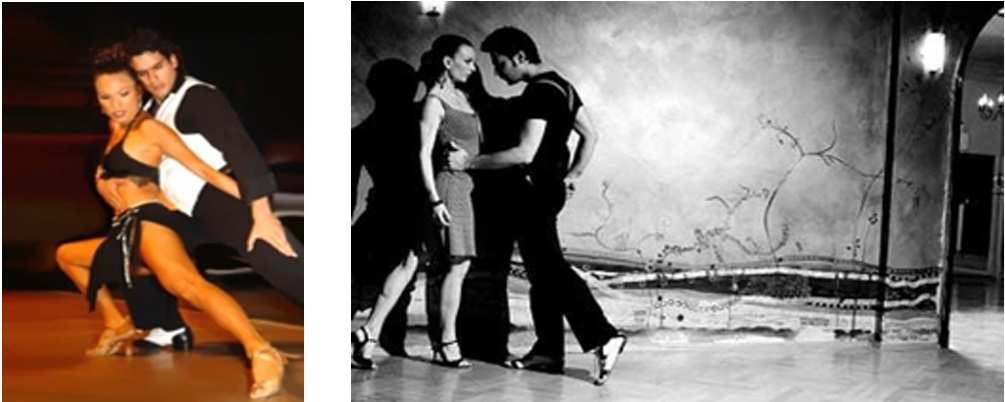
Zurich. Salsa Passion - Photo 1
Zurich. Salsa Passion – Photo 1

Salsa, Kizomba, Bachata, Cha Cha Cha, Lady Styling, Rhythm and dance Technique. Salsa dance Courses and Workshops for Beginner to Advanced levels. As a student you would benefit from Winny’s and diverse dance and music background. From leading to following technique, from rhythm to musicality, Spin, Body control, styling and footwork technique.

Good teaching strategies can be borrowed, but a good teaching heart is unique and cannot be replicated. Whether you want to become an excellent dancer, for fun or just for social reason, we love to help you to achieve your goal and teach with our hearts and passions.

Director of Salsa Passion – Winny. She is one of the best female instructor in Switzerland that can both lead and follow equally well in all Latin Styles such as Salsa Cubana, Cross Body Style, Mambo on2, Salsa Puerto Rican, New York On2, L.A style on1, Son and Cha Cha Cha.

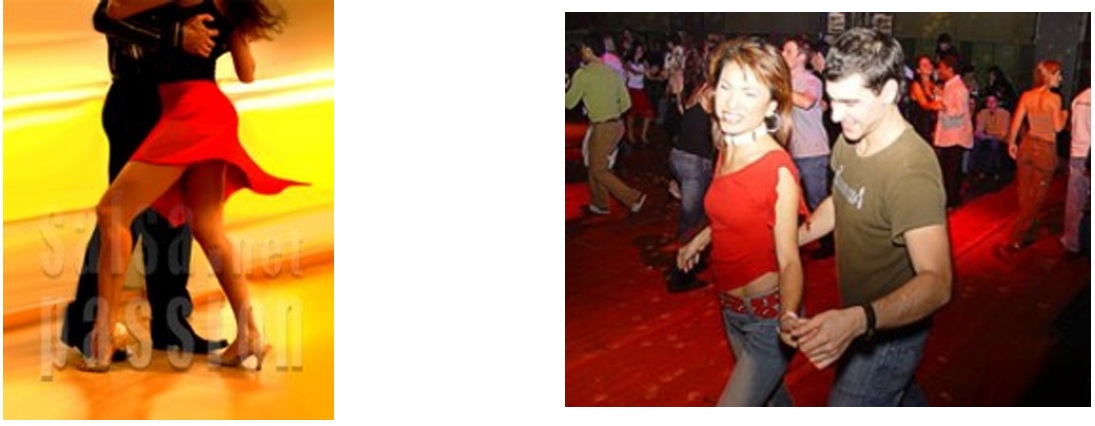
Zurich. Salsa Passion - Photo 2
Zurich. Salsa Passion – Photo 2

Whether you are completely new to the art, or experienced dancer, we have the patient, the knowledge, the experience to bring you further.

Dancing is about social and fun, but while you are investing your time and money to learn, why not learn it properly.

They’ve developed a “step by step” method that is fun and efficient for everyone to learn. We teach the “know how”. You will learn the vocabulary and the techniques of how to put them together, so you can become creative in a long run, and not just coping or try to memories a program.

“For us, teaching is not just a job, is an opportunity to give, and we love it!” Salsa with a smile, Salsa with passion!

What do we teach

Rhythm

How to dance into the rhythm with the style that you have choose to learn.

Music and Interpretation

We teach our classes with live percussion. We also have special training CD to help you to develop your skill.

Coordination, body movement and Posture

Zurich. Salsa Passion

We love to show you how to look good while dancing, not just walking around and making steps. They have warm up and exercise at each course, to help you to perfect your coordination and body movement.

Partner Work – turn patterns and combination for all levels

Any figure or combination without technique is no different then it’s like just making a bunch of movements. We will show you how to makes each figure leadable, what makes a combination easy to follow or the opposite. We taught each figure with leading and follow technique, and how you can become a “smooth dancers”. Read our tricks and tips.

Footwork

Steps and combination to help you develop your dancing technique with balance, speed, and “shine” on the dance floor.

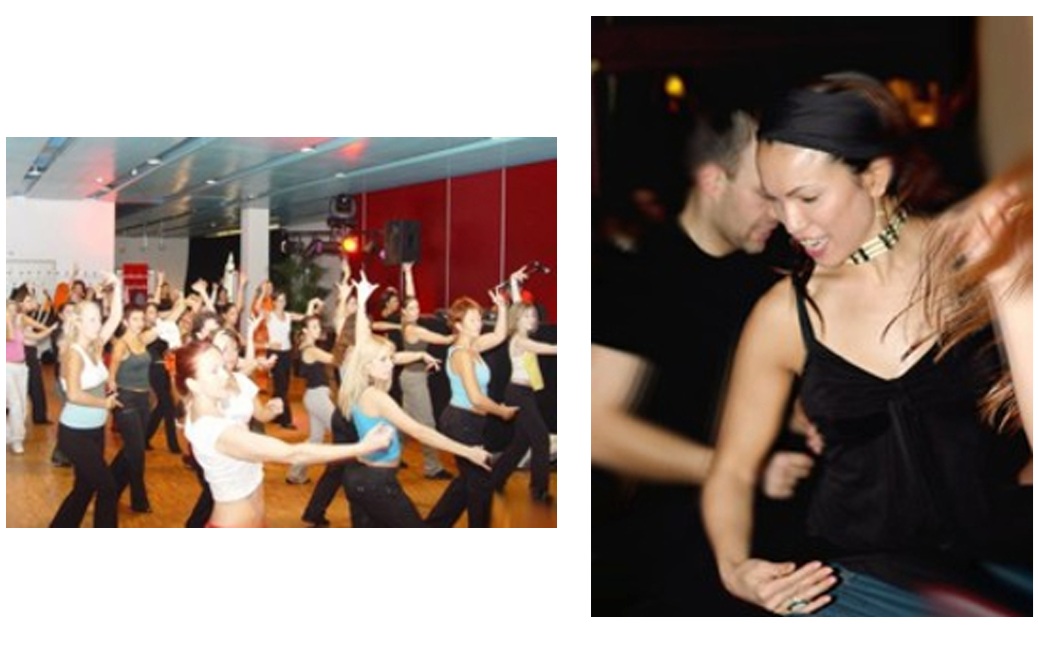
Zurich. Salsa Passion - Photo 3
Zurich. Salsa Passion – Photo 3

Turning /Spinning technique

How to keep your balance when turn, how to gain speed and avoid getting dizzy. We have exercise to develop your turning technique at each of our course, plus tricks and tips how to turn during Partner Work.

Información de contacto:

  • Email address: [email protected]
  • Telephone: +41-76-5173138
  • Location: 4th Floor, Militärstr 84. 8004 ZH
  • « Go to Previous Page
  • Page 1
  • Interim pages omitted …
  • Page 12
  • Page 13
  • Page 14
  • Page 15
  • Page 16
  • Interim pages omitted …
  • Page 116
  • Go to Next Page »

International Salsa Magazine (ISM) is a monthly publication about Salsa activities around the world, that has been publishing since 2007. It is a world network of volunteers coordinated by ISM Magazine. We are working to strengthen all the events by working together.