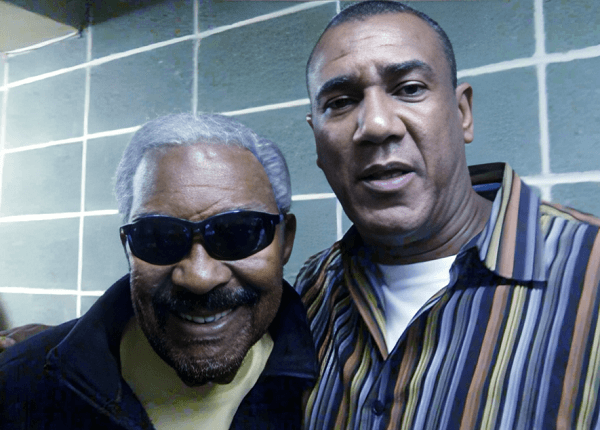
• Skip to primary navigation
  • Skip to main content

International Salsa Magazine

  • HOME
  • Previous editions
    • 2026
      • ISM / August 2026
      • ISM / July 2026
      • ISM / June 2026
      • ISM / May 2026
      • ISM / April 2026
      • ISM / March 2026
      • ISM / February 2026
      • ISM / January 2026
    • 2025
      • ISM / December 2025
      • ISM / November 2025
      • ISM / October 2025
      • ISM / September 2025
      • ISM / August 2025
      • ISM / July 2025
      • ISM / June 2025
      • ISM / May2025
      • ISM / April 2025
      • ISM / March 2025
      • ISM / February 2025
      • ISM / January 2025
    • 2024
      • ISM / December 2024
      • ISM / November 2024
      • ISM / October 2024
      • ISM / September 2024
      • ISM / August 2024
      • ISM / July 2024
      • ISM / June 2024
      • ISM / May 2024
      • ISM / April 2024
      • ISM / March 2024
      • ISM / February 2024
      • ISM / January 2024
    • 2023
      • ISM / December 2023
      • ISM / November 2023
      • ISM / October 2023
      • ISM – September 2023
      • ISM – August 2023
      • ISM July 2023
      • ISM Edition June 2023
      • ISM – May 2023
      • ISM April 2023
      • ISM March 2023
      • ISM February 2023
      • ISM January 2023
    • 2022
      • ISM December 2022
      • ISM November 2022
      • ISM October 2022
      • ISM September 2022
      • ISM August 2022
      • ISM July 2022
      • ISM June 2022
      • ISM May 2022
      • ISM February 2022
      • ISM January 2022
    • 2021
      • ISM December 2021
      • ISM November 2021
      • ISM October – 2021
      • ISM September 2021
      • ISM August 2021
      • ISM July 2021
      • ISM May 2021
      • ISM April 2021
      • ISM June 2021
      • ISM March 2021
      • ISM February 2021
      • ISM January 2021
    • 2020
      • ISM December 2020
      • ISM November 2020
      • ISM October 2020
      • ISM September 2020
      • ISM August 2020
      • ISM July 2020
      • ISM June 2020
      • ISM May 2020
      • ISM April 2020
      • ISM March 2020
      • ISM February 2020
      • ISM January 2020
    • 2019
      • ISM December 2019
      • ISM November 2019
      • ISM October 2019
      • ISM Septembre 2019
      • ISM August 2019
      • ISM July 2019
      • ISM June 2019
      • ISM May 2019
      • ISM April 2019
      • ISM March 2019
      • ISM February 2019
      • ISM January 2019
    • 2018
      • ISM December 2018
      • ISM November 2018
      • ISM October 2018
      • ISM September 2018
      • ISM August 2018
      • ISM July 2018
      • ISM June 2018
      • ISM May 2018
      • ISM April 2018
      • ISM March 2018
      • ISM February 2018
      • ISM January 2018
    • 2017
      • ISM December 2017
      • ISM November 2017
      • ISM October 2017
      • ISM September 2017
      • ISM August 2017
      • ISM July 2017
      • ISM June 2017
      • ISM May 2017
      • ISM April 2017
      • ISM March 2017
      • ISM February 2017
      • ISM January 2017
    • 2016
      • ISM December 2016
      • ISM November 2016
      • ISM October 2016
      • ISM September 2016
  • Spanish
  • Download Salsa App
    • Android
    • Apple

Search Results for: Puerto+Rico

Raúl Eliza: from the army barracks to the stage and recording studios

It is increasingly common to find Puerto Rican artists who have had something to do with the United States Army, and our guest today is yet another example of how the music scene is not entirely separate from the military world. Bandleader and drummer Raúl Eliza has told us his fascinating story, focusing on his most important facets: military and art.

Raúl Eliza playing live
Puerto Rican bandleader and drummer Raúl Eliza playing live at Christmas

Adolescent musical tastes and the beginning of military life

In the 1980s, Raúl was a young resident of the Fairview neighborhood, located between the city of San Juan and Trujillo Alto, who was an obsessive fan of rock music. Of course, that was until he turned 19, when he enlisted in the U.S. Army in search of his purpose in life. 

According to his own tale, his poor academic performance and lack of interest in other disciplines led him to join the navy, where he would love his profession shortly after. At first, he and a group of friends joined up to opt for a different alternative to the one they had, move forward from the stalemate, and be able to travel the world, but in his case, he ended up in love with this world.

In fact, a short time after entering military service, he was involved in the Gulf War, which consisted of the Iraqi occupation of Kuwait and its subsequent liberation by a US military coalition. During those days, Raúl realized that he was into something greater than himself and that the shallowing mindset with which he chose that life could turn into something bigger.

So, the then-soldier dedicated himself to doing his work as good as possible, bringing with it rewards like the opportunity to go to college, become an officer, receive medals, and much more. 

Introduction to salsa

After three or four months of enlisting, he started to feel a wave of nostalgia for his country. He wanted to see his family and missed the music and food of his homeland. Then his sister sent him a package with two cassettes, one by Frankie Ruiz and the other by Eddie Santiago, which he says changed his life completely. He used to listen to them on old-fashioned players with headsets while cleaning the boat or doing the rest of his other assigned tasks.
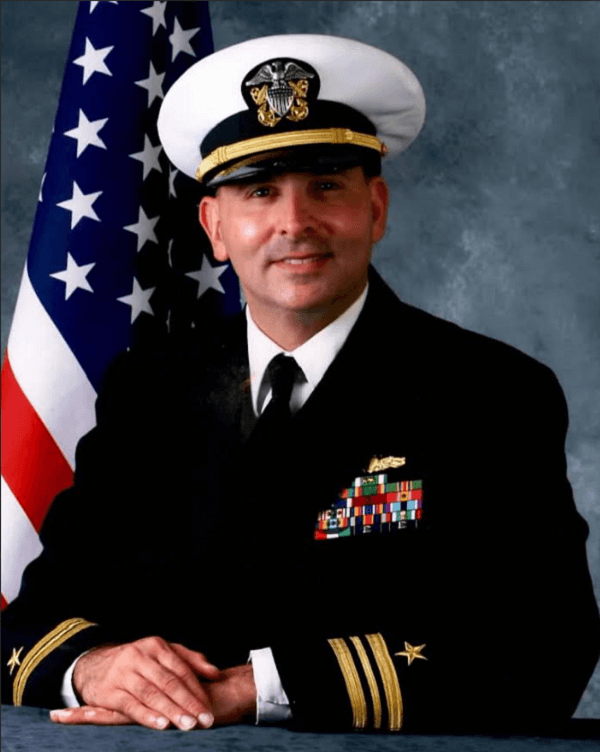
Raúl Eliza in his uniform
Raúl Eliza in his service dress uniform

Subsequently, his brothers sent him cassettes by La Fania, Alex D’ Castro, Gilberto Santa Rosa, Cano Estremera, and many others. This made him reconnect with his roots and realize that he wanted a career in music at some point, which he would end up doing years later.

Raúl’s role as the United States representative for the Supreme Headquarters Allied Powers Europe

As the end of his military career approached, Raúl was designated as the United States representative for the Supreme Headquarters Allied Powers Europe (military wing of NATO) during President Donald Trump’s first term.

This was a tough stage of his service, as the president had a lot of run-ins with other member countries due to the excessive economic and armament burden borne solely by the United States. For this reason, every time he made some sort of announcement about that, Raúl received thousand calls from representatives of other countries asking him for explanations. He had his own office and received orders directly from the Pentagon. 

Thanks to his position, he had a lot of freedom, so he always played salsa music in the background, and when his officers got into his office, they laughed and danced along with the tunes Raúl was listening to at that moment. Everyone knew that when he was in charge, there was always salsa music playing in the room.

Raúl in front of a tank
Raúl Eliza in front of an army tank while on duty

The beginning of his musical career

Finally in 2018, Raúl retired from military service, but already in 2017, he was making arrangements to devote himself to music once his duty with the army had been fulfilled. Specifically, he was in talks with Puerto Rican artists who were sending him samples and demos based on original songs that he had previously sent them. He was also writing his own lyrics and taking bass lessons to get ready for the future.

Once in Puerto Rico in 2018, he released his first single with his orchestra Conciencia Clásica, which is so named because his music was intended to raise awareness to his fans on social issues such as war, the injury suffered by the civilian population during periods of armed conflict, post-traumatic stress in soldiers, and racism, to name a few.

Artists he has collaborated with

Throughout his short career, Raúl has been blessed to count on the support and collaboration of music greats like Andy Montañez, Willito Otero, Jerry Medina, Carlos Esteban Fonseca, Medina Carrión, among others. While it is true that they all had much to contribute to the Puerto Rican artist at the level of knowledge, Montañez wrote him a song he dedicated to his Dominican wife called “Quisquellana,” which he is enormously thankful for.

He also has songs with Choco Orta and those already mentioned above. Raúl came into contact with these figures thanks to his music producer Manolo Navarro, who was the guy who introduced them to the project and managed to get them to collaborate.

Conciencia Clásica's third album
Cover of Conciencia Clásica’s third album ”Conciencia Clásica 3”

Read also: Cristobal Verdecia and his quartet Son Qba in Miami

Latin America / December 2025

Brian Lynch 2025

Malia 2025Alberto Crespo 2025Ángel Luis Canales

Events – December 2025

Colombia December
COLOMBIA
Feria de Cali 2025

Feria de Cali

Dec 25 / 30, 2025

Santiago de Cali, Colombia

Venezuela December
VENEZUELA
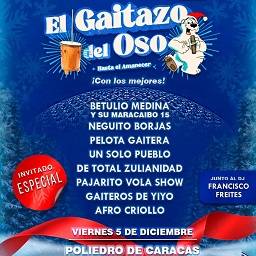
EL Gaitazo del Oso 2025

El Gaitazo del Oso

Dec 5, 2025

Poliedro de Caracas
1090 C. Principal Cacique Tiuna
Caracas 1090, Venezuela

From $ 41

Bella MartinezCalibrated maracas

DIRECTORY OF NIGHTCLUBS

Argentina December
ARGENTINA

Aruba December
ARUBA

Belize December
BELIZE

Bolivia December
BOLIVIA

Brazil December
BRAZIL

Chile December
CHILE 

Colombia December
COLOMBIA

Costa Rica December
COSTA RICA

Cuba December
CUBA

Dominican Republic December
DOMINICAN REPUBLIC

Ecuador December
ECUADOR

Guatemala December
GUATEMALA

Mexico December
MEXICO

Panama December
PANAMA

Peru December
PERU

Puerto Rico December
PUERTO RICO

Venezuela December
VENEZUELA

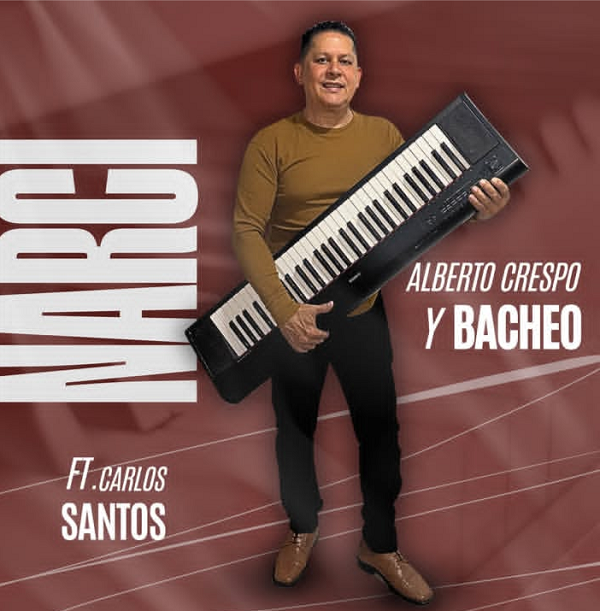
Alberto Crespo and Carlos Santos Release Their Latest Single “Narci” with Grupo Bacheo to the Latin Market

On November 7, 2025, the vibrant Latin music scene celebrates a stellar collaboration that promises to ignite dance floors.

The acclaimed Venezuelan pianist, arranger, and music producer Alberto Crespo joins legendary Puerto Rican sonero Carlos Santos and the talented Grupo Bacheo to present their latest musical track titled “Narci.”

Alberto Crespo and Carlos Santos release their latest song, titled Narci, to the Latin market with Grupo Bacheo

This original composition by Ali Delgado and José Granados, featuring arrangements by Alberto Crespo himself, fuses a modern sound with the unmistakable rhythm of salsa, guaranteeing a musical experience that will delight dancers.

Alberto Crespo: A Piano Master with an International Career.

From his beginnings at the “José Ángel Lamas” Music Conservatory in Caracas, Alberto Crespo demonstrated exceptional passion and talent. His deep immersion in harmony, counterpoint, orchestration, and improvisation has established him as a versatile and well-rounded musician.

By age seventeen, he was already touring with renowned orchestras, sharing the stage with icons such as Naty y Su Orquesta, Celia Cruz, Bobby Capó, Carmen Delia Depini, Carlos Cano Estremera, Andy Montañés, Ismael Miranda, Pete Conde Rodríguez, and José Mangual Jr., among many others.

Alberto Crespo A Piano Master with an International Career

With over three decades of experience in salsa and Latin Jazz, Crespo has consolidated his reputation as a highly prestigious producer, arranger, and pianist. His impressive list of collaborations includes national and international artists such as Maikel Stuart, Frankie Morales (former singer for Tito Puente), Orquesta Bailatino, Grupo Mango, Herman Olivera, Rumberos de Callejón, Gilberto Santa Rosa, and Naty y Su Orquesta. His versatility has led him to be part of the most prominent musical groups in Venezuela.

Carlos Santos: A Classy Sonero with a Legendary Trajectory.

Born on March 13, 1946, in Cataño, Puerto Rico, Carlos Santos is a true sonero whose career took off with Joey Pastrana’s band. His powerful voice and unmistakable salsa flair led him to perform and record with emblematic salsa orchestras, including “Kako y su Trabuco,” “Los Kimbos,” “Conjunto Candela,” and Roberto Roena’s “El Apollo Sound,” in addition to special performances with Ray Barreto and El Conjunto Libre.

Santos has left classics for posterity such as “Chacaboom,” “Las cosas de la vida” and “Amor verdadero” with Joey Pastrana, as well as “Flores para tu altar” and “Me imagino” with Conjunto Candela. His voice also enriched productions by Eddie Palmieri and Los Kimbos with tracks like “Caridad” and “Todo el mundo.” During his time with El Apollo Sound, he garnered hits such as “El Progreso” and “Háblame ahora.”

Carlos Santos Un Sonero con Clase y una Trayectoria Legendaria

Carlos Santos currently resides in Florida, United States, and continues to delight audiences with his international and local performances.

The union of these two pillars of salsa, under the production of Chongo Producción (from New York) and Juancho Producción (in Cali), promises to be a memorable event for Latin music.

Ali Delgado (Caracas) y Juancho Producción (Cali)

Note: “45 RPM is for sale in Cali by Juancho Producción, and will be presented with great fanfare on December 30 at 10:00 a.m. at the Meeting of Music Lovers and Collectors (Encuentro de Melómanos y Coleccionistas) of the Cali Fair, Colombia. 2025.”

Production Credits

General Production

  • Production: Alberto Crespo & Chongo Productions LLC

Musical Team

  • Composer: Ali Delgado / José Granados
  • Vocalist: Carlos Santos
  • Arrangements: Alberto Crespo

Musicians

  • Timbal: Carlitos Padrón
  • Tumbadoras (Congas): Manuel “Manny” Márquez
  • Bongó / Bell: Carlitos Padrón
  • Trumpets: Jorge Maestre “Pitufo”
  • Baritone Saxophone: José Antonio Fariñas
  • Bass: José Soto “Mortadelo”
  • Percussion: Carlitos Padrón, Carlos Crespo
  • Chorus / Background Vocals: Heyzer Cabrera & José Soto “Mortadelo”

Recording and Post-Production

  • Recording Studios:
    • Chongo Estudios (New York)
    • A Tempo Estudios (Caracas)
    • París Recording Estudios (USA)
  • Mixing: Heyzer Cabrera / Alberto Crespo
  • Mastering: Heyzer Cabrera

Important Note by Alberto Crespo:

I was working on the arrangement for the song NARCI, and when I reached the chorus, I wanted to find a beautiful melody with a different harmony, like a chorus of angels singing from heaven. I was pacing around my workspace and the areas near my house, searching for ideas.

My wife, Adriangela, was listening to what I was developing to achieve a final connection, and all of a sudden, she sang that beautiful melody to me. I immediately copied it and added the chords, and honestly, it was something magical, very spiritual… “Ya no estás más a mi lado, cómo te extraño, mi amor, cómo te extraño…” (You are no longer by my side, how I miss you, my love, how I miss you…) That final unison of the chorus is very subtle and sentimental.
Video

Video: Chongo Productions LLC

Carlitos Padron Director de Chongo Producción (desde New York)

Listen to “Narci” on YouTube:

Alberto Crespo y Bacheo

[email protected]

+58 4142521642

Also Read: The Conjunto Bailatino “La Resistencia Salsera” again “Antes los ojos del Mundo” and here, “No hay quinto malo”

70th Anniversary of the Sonora Ponceña at the Roberto Clemente Coliseum

Major guests joined the historic Sonora Ponceña concert, which was held on Saturday, November 1, 2025, at the Roberto Clemente Coliseum in San Juan, Puerto Rico, to mark the 70th anniversary of the musical career of one of the most important orchestras in the salsa scene.

The concert kicked off with a performance by the virtuoso timbalero, singer, and orchestra director Manolito Rodríguez. His orchestra, La Zónika, set the venue on fire with refreshing versions of ‘Encántigo’, ‘Sin tu cariño’ (Without Your Love), ‘Nina’, ‘Antillana’, ‘Maestro de rumberos’ (Master of Rumba Dancers), and ‘Piano man’. It’s worth noting that Manolito was part of “La Ponceña” from 2004 until the end of 2007.

Once La Zónica had warmed up the coliseum stage, the Sonora Ponceña began to deliver its repertoire, which included ‘Prende el fogón’ (Light the Stove), ‘Ñáñara cai’, ‘Ramona’, ‘Boranda’, ‘El rincón caliente’ (The Hot Corner), ‘Tumba Mabó’, and ‘Las mujeres son de azúcar’ (Women Are Made of Sugar) sung by Daniel Dávila; ‘Como amantes’ (Like Lovers), ‘Como te quise yo’ (How I Loved You), ‘Sigo pensando en ti’ (I Keep Thinking of You), ‘Timbalero’—which allowed the timbal player to dedicate himself to the instrument with a spectacular solo, ‘Fuego en el 23’ (Fire in ‘23), and ‘Luz negra’ (Black Light) performed by Darvel García. In fact, shortly after Darvel performed ‘Como amantes’, he was in charge of welcoming the pianist, composer, arranger, and director of the Sonora Ponceña, Papo Lucca, who enjoyed the concert from the stage in a wheelchair.

Omar Ledée, uno de los invitados de la Sonora Ponceña Foto By Conrado Pastrano

The rotation of the repertoire allowed for a dynamic interspersing of performances by the guests whom the concert production granted access to the celebration.

With 90 years of sabor (flavor/soul) and salsa, Luigui Texidor, who left the Sonora Ponceña in 1973, returned smiling and grateful. Texidor, who recently received the welcomed honor of seeing his name mark the street leading to Colonia Las Flores in Santa Isabel, his hometown, sang ‘El pío pío’, ‘Bomba carambomba’, and ‘Noche como boca de lobo’ (Night Like a Wolf’s Mouth / Pitch-Black Night).

Sharing that same celebratory vibe, one of the most remembered voices of “Los gigantes del sur” (The Giants of the South), Yolanda Rivera, who was part of “La Ponceña” until 1982, was heard. Rivera proudly recalled her seven years as a member of the orchestra while thanking the invitation to the historic concert, where she performed ‘Hasta que se rompa el cuero’ (Until the Skin Breaks), a track that featured a powerful bongo solo.

Omar Ledée performed ‘Remembranzas’ (Remembrances), originally recorded in the voice of his father, the late and ever-remembered Toñito Ledée, whom Omar represented in a heartfelt posthumous tribute.

Another fan favorite of the Sonora Ponceña followers is Pichie Pérez, who joined the group in 1983 “in substitution of Miguelito and Yolanda.” The singer performed ‘Te vas de mí’ (You Leave Me) and the updated version of an emblematic track, which for the celebration was titled ‘Jubileo ‘70’ (Jubilee ‘70), and which Pichie himself describes as “one of ‘La Ponceña’s’ iconic tracks and the first unreleased track I recorded.” The vocalist was associated with the orchestra for three decades, from 1983 to 2013. Since his departure, he has been promoting his solo career, making this the first time in 12 years he was heard live with his “alma mater” orchestra.

Orquesta La Zónika de Manolito Rodríguez, abriendo el espectáculo Foto By Conrado Pastrano

Wito Colón, who left the Sonora Ponceña 15 years ago, arrived ready to sing ‘Hachero pa’ un palo’, ‘Vas por ahí’ (You Go Around), ‘Yaré’, ‘Yambeque’which interspersed a powerful tumbadora (conga) solo, and ‘Sola Vaya’ (Go Alone), the latter song performed with Daniel Dávila and Darvel García. The vocalist was hailed by concertgoers as “the champion of the night” for his vocal power, as well as his charisma before the ardent audience.

Undoubtedly, it was an unforgettable night.

Bella Martinez Puerto Rico


Also Read: Bella Martinez, the irreverent Salsa writer

Dominican bandleader and singer Papo Ross is triumphing in Montreal

Canada continues to give us something to talk about when it comes to Latin music, and our daring guest is firm proof of this. Dominican bandleader and singer Jorge “Papo” Ross has given us the great honor of talking about his interesting career both in his native country and Montreal, where he currently resides and moves forward with his musical projects.

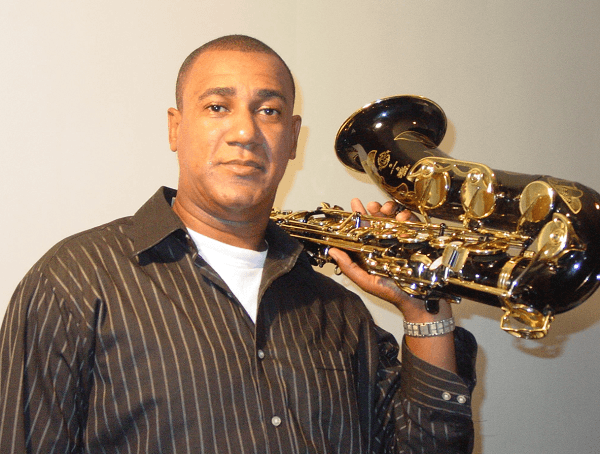
Papo Ross with his saxophone
Dominican bandleader, singer, and musician Papo Ross posing with his saxophone

Papo’s beginnings in the Dominican Republic

Papo’s musical beginnings were in his hometown of San Pedro de Macorís by playing instruments made of tin or wicker that he and his friends themselves created so they could play, which led him to learn to play percussion, albeit in a very crude manner. Among the first instruments he played were the guiro, the tambora, and the conga.

Seeing his interest in music, his late brother, who was a saxophonist and led a band at the time, took him along to play with him so he could learn the trade through practice. However, the young man did not want to stop there and also began creating his own bands, such as Grupo Enriquillo, in which he and the rest of the members used homemade instruments and a marimba, which doubled as the bass. 

He also played with La Moderna de San Pedro, with which he served as the musical director during rehearsals and earned two percent of the orchestra’s contracts. In addition, he founded the group Sui Generis, played with the late merengue musician July Mateo “Rasputín,” and, before leaving the country, played with the recently deceased Rubby Pérez in the 1990s.

Academic training prior to his trip to Canada

After having played with several orchestras, Papo realized that, while it is true that he had gained some experience and knowledge, it was not enough and he needed to train more. That is why he was admitted to study at the Escuela de Música Patria Logroño at the elementary level and the Conservatorio Nacional de Música in Santo Domingo.

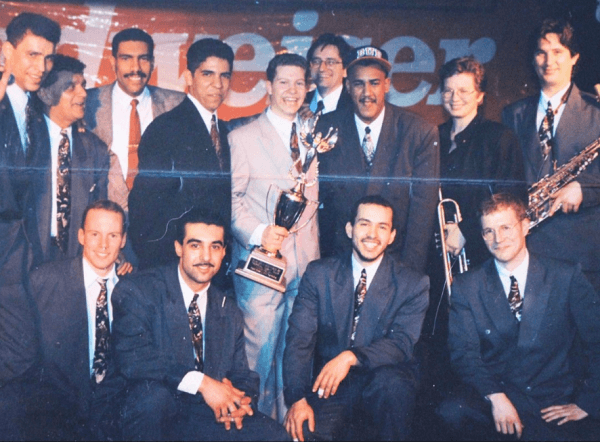
Papo Ross & Pambiche
Papo Ross & Orquesta Pambiche as a whole

At the academy, he learned spoken and sung solfeggio and took some saxophone lessons there in the same place. As for the conservatory, he studied percussion, but did not finish his training in this area, as he was also studying law at the Universidad Central del Este in San Pedro de Macorís. Then when the time came for him to choose one or the other, he obviously opted against university, although he did not get to exercise this career either because he missed a few semesters to complete it.

Moving to Canada

Before arriving in Canada, Papo had already traveled to other places such as Puerto Rico and New York as part of his work and had the opportunity to live there for a few seasons, but the Orquesta Tambora invited him to go to Canada to lead the group, which the artist accepted.

Although it was the best decision, it certainly was not easy, as he had to deal with language barriers and the process of adapting to a music scene completely different from that of his native country. 

The latter and the fact that he belonged to a minority like the Latino community, limited him a lot at first, but he says he keeps no regrets about his decisions and does not complaint about what he has already accomplished.

Rafael Ithier and Papo Ross
Rafael Ithier from El Gran Combo de Puerto Rico and Papo Ross

Papo Ross & Orquesta Pambiche

In 1992, he finally decided to break through his own and create his own orchestra, Papo Ross & Orquesta Pambiche, thanks to all the skills he had developed so far. After having learned to lead an orchestra, compose, arrange, and sing, he felt more than ready to carry out his own project consisting of 13 members, including two trumpeters, a trombonist, two saxophonists, a percussionist, and three singers, among others. None of the original group remain, and Papo practically does not use the big band, but a slightly smaller format called Papo Ross Meren Latin Jazz Approach. 

This band offers its services for private parties and drinks receptions, where Papo sometimes sings with a minus-one and even includes dancers in his shows.

Together with his orchestra, he has played at the Montreal International Jazz Festival on a few occasions, but they have also played in several other cities like Toronto, Regina, Saskatchewan, Victoria, Saint Pierre, Saint John, and many more. He has also collaborated with several other groups and musicians such as Pablo Ramos and the group Calipso.

Outside of Canada, they have played in various places in the United States such as Detroit, Wellington, and Vermont.

Eduardo, Papo, and Dave
Trumpeter Eduardo Sanchez, Papo Ross, and Trombonist Dave Grott

Read also: Colombian dancer and instructor Camila Cepeda takes salsa caleña to Canada

  • « Go to Previous Page
  • Page 1
  • Interim pages omitted …
  • Page 23
  • Page 24
  • Page 25
  • Page 26
  • Page 27
  • Interim pages omitted …
  • Page 105
  • Go to Next Page »

International Salsa Magazine (ISM) is a monthly publication covering salsa activities around the world and has been publishing since 2007. It is a worldwide network of volunteers coordinated by ISM Magazine. Together, we work to strengthen salsa events around the world.