• Skip to primary navigation
  • Skip to main content

International Salsa Magazine

  • HOME
  • Previous editions
    • 2026
      • ISM / May 2026
      • ISM / April 2026
      • ISM / March 2026
      • ISM / February 2026
      • ISM / January 2026
    • 2025
      • ISM / December 2025
      • ISM / November 2025
      • ISM / October 2025
      • ISM / September 2025
      • ISM / August 2025
      • ISM / July 2025
      • ISM / June 2025
      • ISM / May2025
      • ISM / April 2025
      • ISM / March 2025
      • ISM / February 2025
      • ISM / January 2025
    • 2024
      • ISM / December 2024
      • ISM / November 2024
      • ISM / October 2024
      • ISM / September 2024
      • ISM / August 2024
      • ISM / July 2024
      • ISM / June 2024
      • ISM / May 2024
      • ISM / April 2024
      • ISM / March 2024
      • ISM / February 2024
      • ISM / January 2024
    • 2023
      • ISM / December 2023
      • ISM / November 2023
      • ISM / October 2023
      • ISM – September 2023
      • ISM – August 2023
      • ISM July 2023
      • ISM Edition June 2023
      • ISM – May 2023
      • ISM April 2023
      • ISM March 2023
      • ISM February 2023
      • ISM January 2023
    • 2022
      • ISM December 2022
      • ISM November 2022
      • ISM October 2022
      • ISM September 2022
      • ISM August 2022
      • ISM July 2022
      • ISM June 2022
      • ISM May 2022
      • ISM February 2022
      • ISM January 2022
    • 2021
      • ISM December 2021
      • ISM November 2021
      • ISM October – 2021
      • ISM September 2021
      • ISM August 2021
      • ISM July 2021
      • ISM May 2021
      • ISM April 2021
      • ISM June 2021
      • ISM March 2021
      • ISM February 2021
      • ISM January 2021
    • 2020
      • ISM December 2020
      • ISM November 2020
      • ISM October 2020
      • ISM September 2020
      • ISM August 2020
      • ISM July 2020
      • ISM June 2020
      • ISM May 2020
      • ISM April 2020
      • ISM March 2020
      • ISM February 2020
      • ISM January 2020
    • 2019
      • ISM December 2019
      • ISM November 2019
      • ISM October 2019
      • ISM Septembre 2019
      • ISM August 2019
      • ISM July 2019
      • ISM June 2019
    • 2016
      • ISM December 2016
      • ISM November 2016
  • Spanish
  • Download Salsa App
    • Android
    • Apple

Search Results for: Ruben Blades

Jimmy Bosch. The Creole Trombone of New York.

Norteamerica / USA / Nueva York

Jimmy Bosch was born on October 18, 1959 to a Puerto Rican family in the city of Hoboken in the state of New Jersey.

At the elementary school of his hometown, at the age of eleven Jimmy Bosch was offered a trombone which would give the starting point in his career. According to him, that metallic, valveless, long instrument (which was taller than him) was not necessarily what a child dreamed of; Perhaps, at that time, children dreamed of traveling to the moon, or with an electric guitar that would make them look like The Beatles or, failing that, the Rolling Stones. It didn’t take long for that 11-year-old boy to transform this instrument into an expression of his already visible creativity.
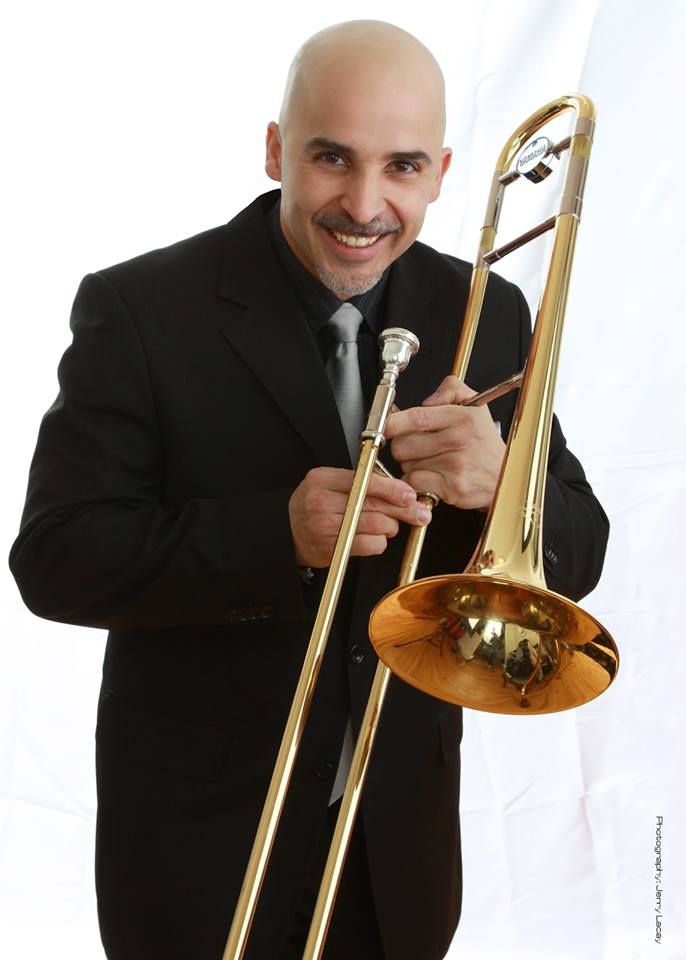
Jimmy Bosch
Jimmy Bosch

At the age of 13, the talented Jimmy was rehearsing with local bands and making his first foray onto the public stage a year or two later. His determination, the Latin blood that ran through his veins and the taste for the genre that had captivated him on so many occasions, led him to play with the most recognized band in the city: Manny Oquendo & Conjunto Libre. His dexterity and ingenuity in playing “moñas” (a section of trombone solos that enrich the melody) helped him to work with them since 1978, which is why it was alongside the Mythical Free Ensemble that Jimmy experienced the freedom to express himself musically with the trombone

On March 11, 1996, Jimmy Bosch debuted with his band at the internationally known S.O.B.’s nightclub. The result was immediate: Publications in the most prestigious newspapers in the Big Apple such as the “New York Times”, praising his excellence and a house full of loyal fans began to crown the dream of this tropical music worker. In this way he becomes a remarkably respected musician and an icon of Latin culture in New York.

His compositions reflect the creativity and depth of who Jimmy Bosch is. He takes his audience on a journey from Bronx-style “funk” to “hot” guajiras, melodious cha-cha-chás, and clearly poetic lyrics awash with feeling. Thus, Jimmy pays tribute to the other teachers who share their presentations generating remembrance and posterity in each one of them.

Jimmy Bosch playing trumpet

In 1998, under the Ryko Latino label, his first solo album, “Soneando trombone”, was released. Jimmy included a “Big Band” with renowned Latin virtuoso artists, such as trumpeter Alfredo “Chocolate” Armenteros, bassist Andy González, and singers like Jimmy Sabater and Pete “El Conde” Rodríguez. They played a mix of Latin styles, including “hard sauce,” of which Bosch is one of its greatest exponents. Bosch not only played a virtuoso trombone, but was also the musical director on that recording.

With his recording debut as a solo artist, Bosch scored a definite success on the international scene. In Europe critics welcomed his musical creations. And in the United States, newspapers such as the Los Angeles Times and The New York Times were full of praise for their brilliant performances.

Jimmy Bosch in concert

At the beginning of 1999, the popular musician returns to the charts with a new production: “Salsa dura“. In this production, including musicians like Steve Turre and Chucho Valdés, it was as diverse, strong, and tough as his first production. The recording also included songs like I’m Still Changing. For the release of “Salsa dura” the Creole trombonist traveled to Europe and performed on countless stages of the Old Continent.

Persevering in his creativity, in 2004 Bosch received new applause in Puerto Rico, presenting his musical proposal at jazz festivals. His bows have accompanied such important figures in the salsa industry around the planet as the aforementioned Free Ensemble of Manny Oquendo and Andy González, Eddie Palmieri, Ray Barretto, Rubén Blades, India, the Lebron Brothers, La Combinación Perfecta, Cachao, Spanish Harlem Orchestra and Celia Cruz among others. He was the musical director of the outstanding Puerto Rican performer Marc Anthony.

The late creator of the Mambo, Israel “Cachao” López, composed for him the song “Lluvia, viento y caña”. The legendary trombone solo can be heard on the Grammy-winning recording, “Master Sessions Vol. 1” produced by Emilio Estefan and Andy García.

This talented musician stamps his signature with his particular way of playing the trombone, becoming his personal stamp in the music industry. Today, Jimmy Bosch is famous for his explosive solos, full of melody, vibration and funk.

Jimmy Bosch live
Jimmy Bosch live

Known by many as “El Trombón Criollo” for the strength of his improvisations, Jimmy radiates his energy to any musical challenge. Jimmy brings us El airplane de la salsa, his latest production, surrounded by high-voltage musicians and soneros.
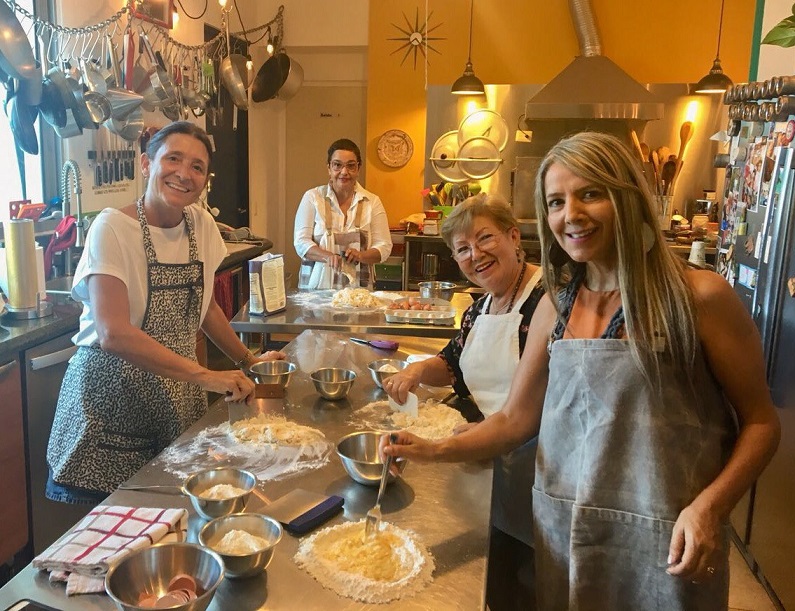
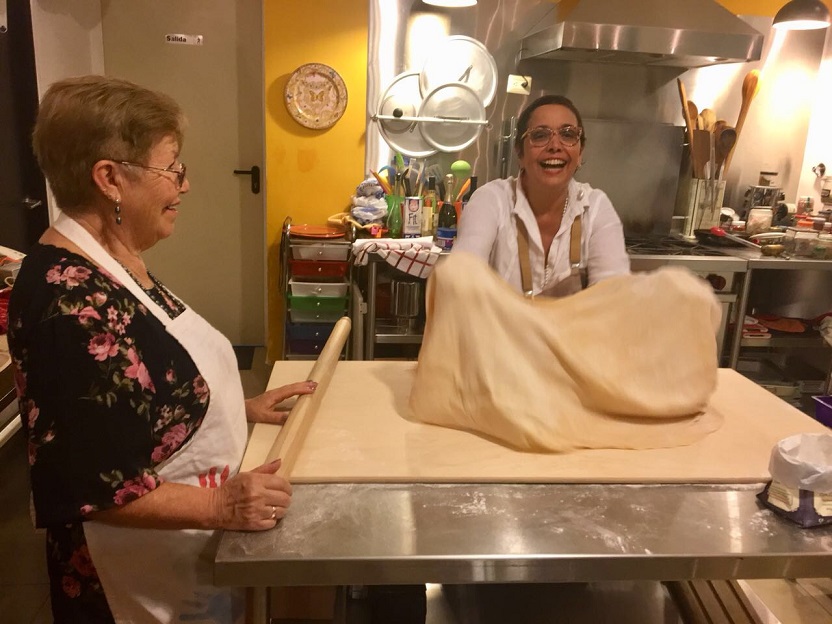
Mariantocook: In this kitchen “La Salsa” puts in the flavor!

Europe

Maiantocook:

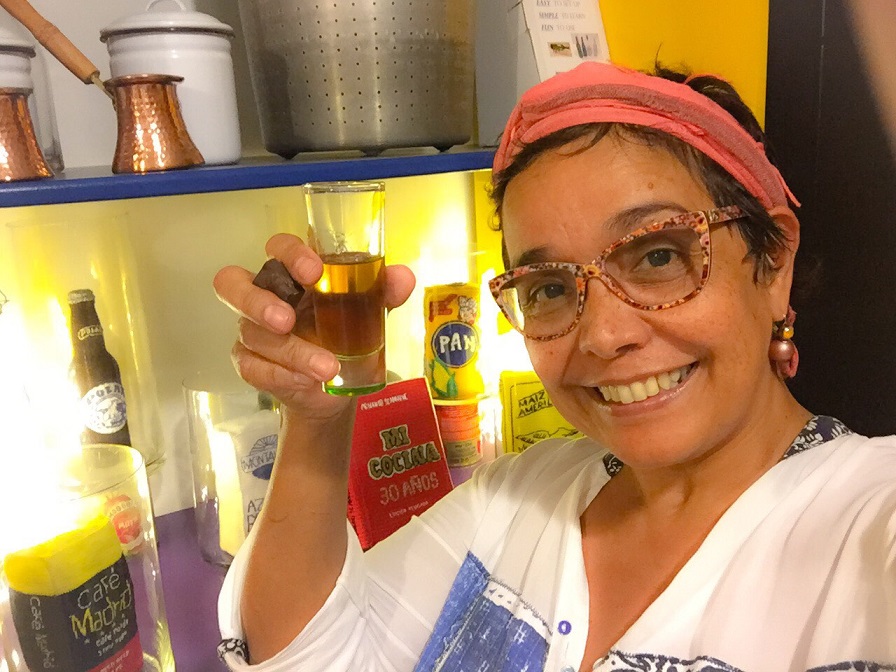
Mixing two passions to a perfect match, is possible. Going into the kitchen of this beautiful woman means tasting a universe of flavors with your tastebuds, soul and hearing, yes your hearing comes included, when we talk about Marianto.

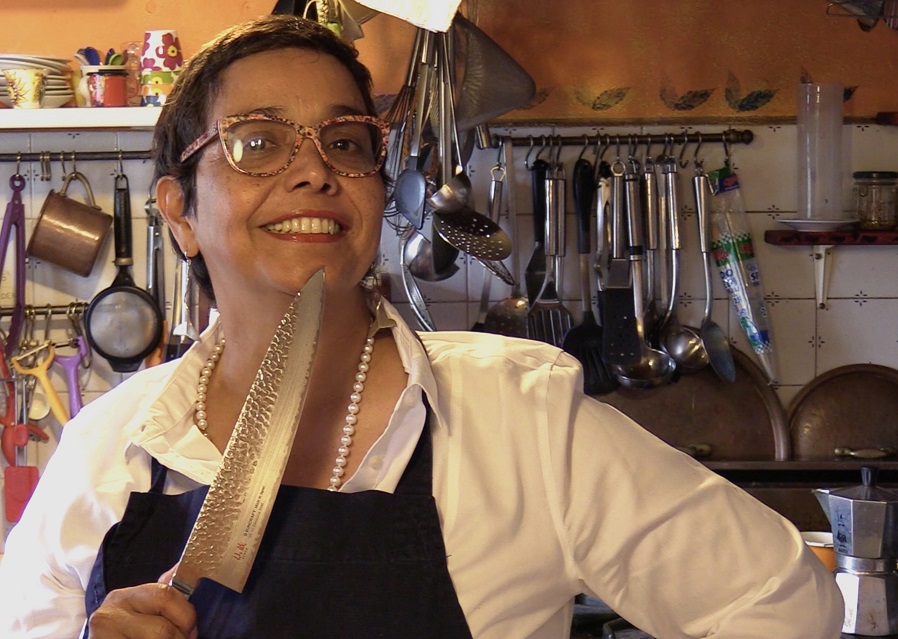
Mariantocook Team
Mariantocook Team
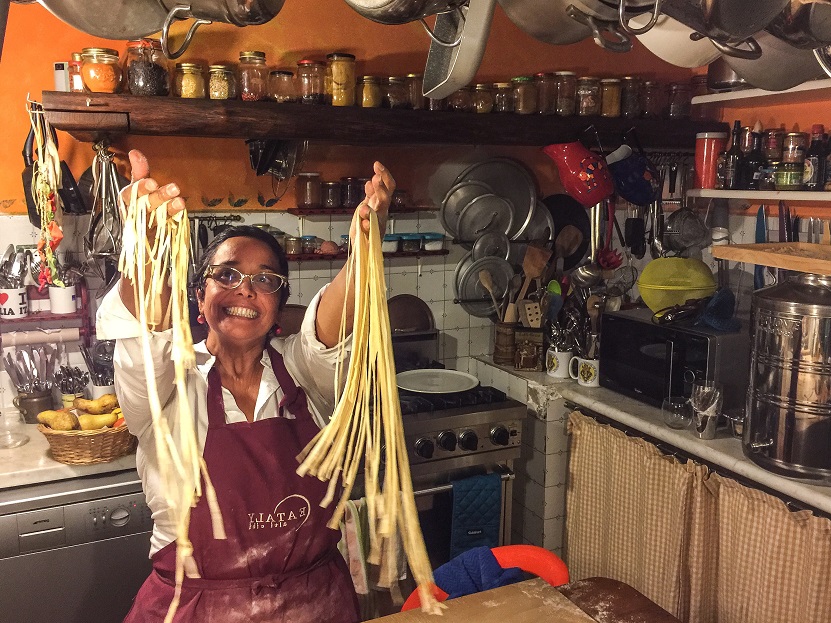
Teaching how to make fresh pasta in your kitchen in Panama

By Carmen Aular

María Antonieta Pérez Mendoza is Mariantocook, a culinary reference for those looking for options to learn professional cooking techniques and run to apply them at home and delight everyone with exquisite flavors, and preparations of an executive chef. She delights her followers constantly with recipes made with love, sense of humor and a lot of stories that she shares with a special happiness in her social media. She opens the doors of her home and shows us how to prepare, in the simplest way, amazing dishes that seem more elaborate. She is, also, very open to helping her followers, when they contact her in private asking for tips and a word of advice.

All this is wonderful and exciting to share, but why did Mariantocook really catch our attention? ¡La Salsa! This Venezuelan chef living in Europe not only makes everything look easy and exquisite in a few minutes, but, as if that were not enough, she enjoys cooking, listening to music and being inspired by it. Her Salsa Brava repertoire has inspired too many interesting and delicious dishes. Music is a ‘must’ in her kitchen.

This’ how it all started

Marianto Cook
Mariantocook

Marianto is a Professional Chef at CEGA (Gastronomic Studies Center) in Caracas, Venezuela, and although her love for cooking began at a young age, her professionalization in the area did not come until many years later. She can cook for private dinners for 25 people or in the kitchen of “my little piece of heaven in Tuscany” as she calls it.. The kitchen is the same, what changes is the context.

In the middle of process to discover something in what could be good no matter the age, Marianto decided to cook; because she could take the kitchen and go anywhere in the world and at any time. And so, she took her kitchen to Italy, where she settled with her family and where she continued to learn from the original source of the recipes.


This entire project that has made a very good impression in social media and that she decided to call Mariantocook, began when her son going off to college in the United States and she needed to do something to not be sad and at the same time learn something new. Many videos, recipes and bloopers later, the result has been fantastic.


Cooking is passion, and that extra flavor in Mariantocook’s kitchen, is the music. There is a careful selection of a theme for cooking, from which derive colors, ingredients and even smells. Creating a menu inspired by music, depends of the chef’s mood. There is nothing tastier than cooking, singing and dancing.


For this passionate cook, the most dynamic and wise menus are inspired by the notes of Salsa, while the most passionate ones come straight from Jazz. After this affirmation we wanted to make a creative exercise and we decided to ask Mariantocook how she imagines a menu to the rhythm of Salsa Brava, a menu, especially designed  for International SALSA Magazine. This was the extraordinary result:


International Salsa Magazine menu to the rhythm of Salsa Brava and masterfully designed by Mariantocook.


Appetizers

“First the tasty percussion” to begin with: Andean sweet ‘Arepitas’ (cornflour tortillas) with banana, ‘Telita’ (type of cheese produced in Venezuela) cheese and colorful sweet pepper jam. Mini dogfish ‘empanaditas’. Arepita Reina Pepiada (specialty of Caracas with chicken and avocado). “Here we have represented a few regions of Venezuela: Los Andes, Margarita and Caracas.” (Different regions of Venezuela with their own and very characteristic flavors). The “arepitas / arepas” are round tortitas made with cornflour, water and salt and are usually enjoyed fried, roasted and even baked.

Arepa with grilled chorizo, arugula and tomatoes
Crab, tomato and lettuce arepa
Chicharrón arepa
Chicharrón arepa
Auyama stuffed tortelli

Entry

“The introduction begins with the instruments of the whole orchestra”: Minced grilled octopus, seasoned with tomato, escalonias, olive oil, coarse salt, pepper and fresh thyme.

Main dish

“Then comes the discharge”: Matricciana and fried pancetta, tomatoes, pepper and pasta with some grated pecorino romano cheese.

Dessert

“It ends with a bolerito”: Pears candied with syrup.

Bon appetit!

Baked rabbit with potatoes
Auyama and mandarin cream with bread croutons
Spaghetti Pommarola, tomato sauce
Stuffed potatoes
Stuffed potatoes

First the music

Before starting to cook, Mariantocook first puts the music, Thinks of a theme, and even improvises her culinary compositions when she has an opportunity. She also selects the wine, and cooks for it. She is a faithful believer of the argued kitchen, and to transmit to the diners what she feels while cooking. Marianto’s kitchen is a deep kitchen that comes from the soul and the heart and looking for memories, not only to be in a kitchen worthy of remembering, but that it also brings back memories to whoever sits at the table.


We want to close this editorial note with three of the questions we asked Mariantocook during a pleasant interview and a lot of learning. Marianto, as a good Venezuelan, flees from the Italian winter and takes refuge in her little house in Panama, where she was able to talk with ISM about her project, her passions (cooking and music), her plans for the future and her motivations.


ISM: What would you advise, from your life experience, both in the kitchen, as in the initiative to undertake the Mariantocook ’s project, to those entrepreneurs who want to start in the world of cooking or who want to venture into culinary art?

Mariantocook: Study, read, learn. Understand the reason for each process in each recipe. Be curious; do not be dogmatic, because dogmas close your head. Be humble, although with self-esteem, but without falling into the fatuous. Keep an open mind to new knowledge. Love everything. Cook with love and passion, no halves, give it your all.

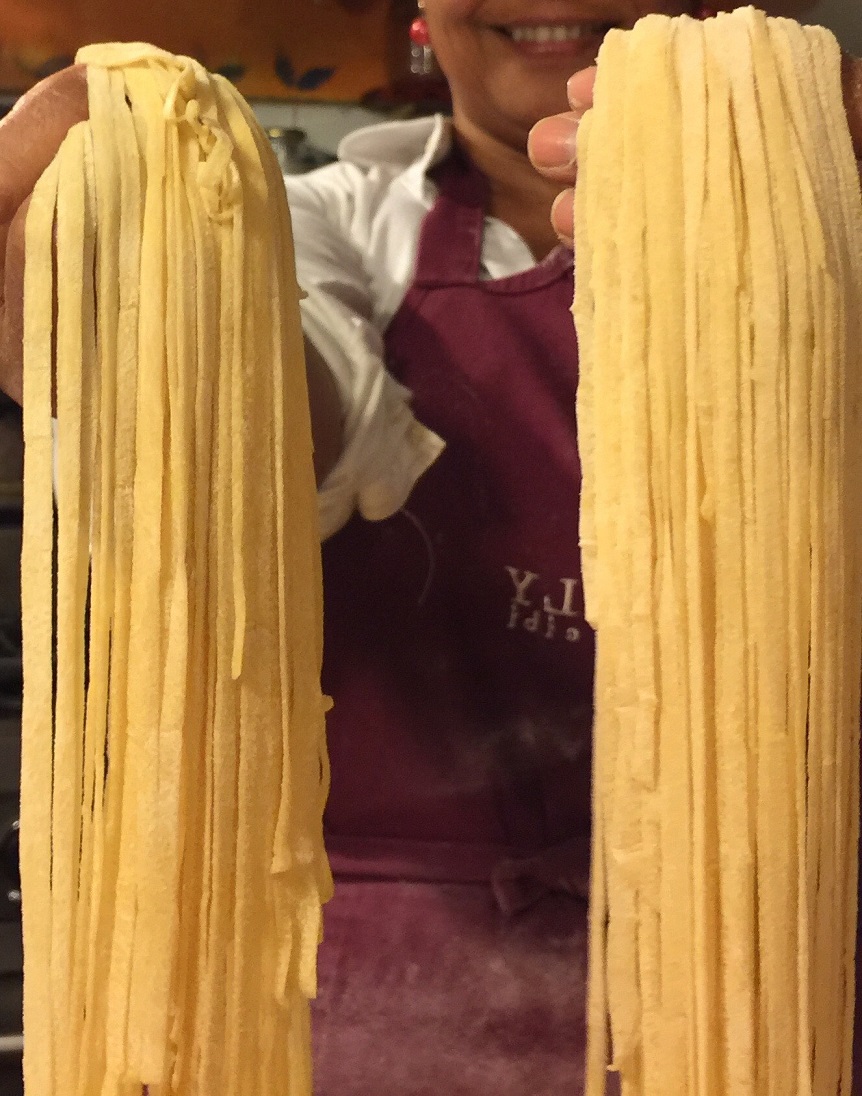
Marianto Cook making delicious fresh pasta
Fresh Pasta
Fresh Pasta
Rigatoni with Portobello mushrooms
Auyama risotto
Auyama risotto
Variation of La Carbonara with smoked salmon

ISM: What are your salsa recommendations?


Mariantocook: ‘El libro de la salsa’ de César Miguel Rondón is the tastiest thing you can give away. Rubén Blades, Adalberto Santiago, Ray Barretto, Bobby Valentín. ¡Salsa Brava!


ISM: What comes with Mariantocook?


Mariantocook: Cooking, editing, music. Learn many things to improve the videos and all the material I’m doing. I want to buy 2 or 3 cameras so that everything looks more professional.

Mariantocook in the kitchen
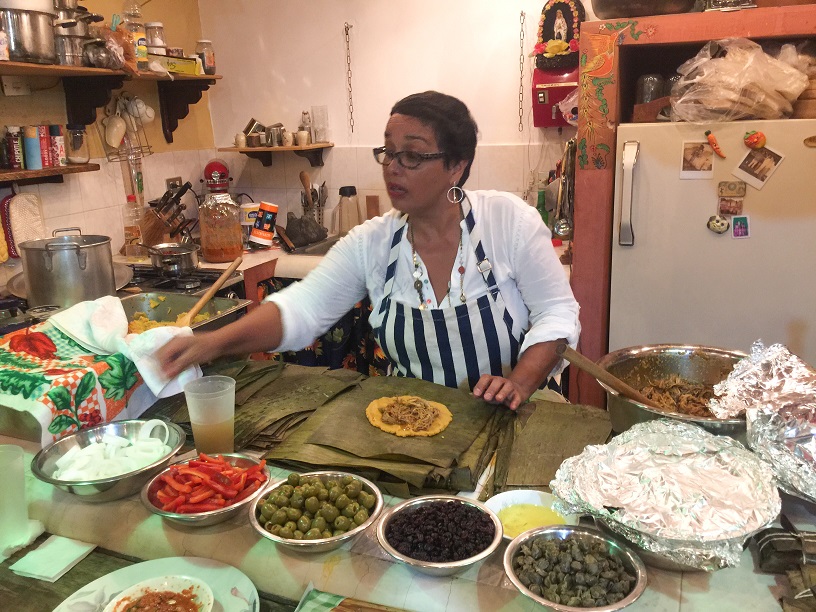
Marianto Cook making hallacas

You can follow Marianto on Instagram: Mariantocook, and by the same name subscribe to her YouTube channel. From wherever, she will always share her human warmth and that magic to cook and teach everything she has learned since she was 10 years old.


Photos: Mariantocook’s courtesy


Oskar Cartaya “My Music, My Friends, My Time” He counted with the collaboration of illustrious friends such as Eddie Palmieri, Giovanni Hidalgo, Dave Valentín and Justo Almario.

Friendship and personal relationships seem to have always played a key role in Oskar Cartaya‘s recording career.

This was demonstrated Cartaya in his first recording, “My Music, My Friends, My Time” (2004) in which he had the collaboration of illustrious friends such as Eddie Palmieri, Giovanni Hidalgo, Dave Valentín and Justo Almario.

Bajista, arreglista, compositor y productor neoyorquino de nacimiento y bayamonés

This is also demonstrated by the second one, “Lifetime Friends”, which he co-led with trumpeter Humberto Ramírez and which was chosen as one of the best Puerto Rican productions of 2015.

For the bassist, arranger, composer and producer – born in New York and raised in Bayamon – connections with other people are a vital element for the development of any musician.

Those connections coupled with the tenacity Cartaya has always shown to continually improve himself as a musician allowed him to be part of the legendary progressive jazz-rock group Spyro Gyra for five years, produce albums for Willie Colón or Herb Alpert, and play with a long list of stars including Jennifer López, Christina Aguilera, Rubén Blades, Héctor Lavoe, Tito Nieves, Tania María, Arturo Sandoval, Steve Winwood and Randy Brecker, among others.

To all of them he has lent the sound of his electric bass, able to insert itself with total naturalness in modern jazz, Cuban rumba, Spanish flamenco or Brazilian cadences, but without ever losing its funky essence, which gives rhythmic impulse to the musical genre before him. For Cartaya, music is not a profession, but a passion of life.

That passion manifested itself at a very early age, when he told his Cuban-born father that he wanted to be a musician when he was just 10 years old. He completed his initial studies at the Escuela Libre de Música de San Juan, which he remembers with pride and affection.

Oskar Cartaya
Oskar Cartaya

However, he has affirmed that his first real musical school were the records of Willie Colón and Héctor Lavoe, which he listened to at full volume in his room.

At the Escuela Libre de Música he was able to meet teachers and classmates who today are great masters of Latin music and colleagues of his, such as Humberto Ramírez himself. He also studied at the Conservatorio de Música de Puerto Rico.

Cartaya recalls that, although he studied chamber music in school, his real passion was Latin music…until he discovered jazz, thanks to an album by the great bassist Stanley Clarke. A new world opened up to his ears.

“I found a freedom in jazz that I didn’t find in Latin styles,” the musician said in an interview. “In salsa, for example, the maximum is when you are playing as part of a unit. Unlike jazz, whose pinnacle is when all the musicians improvise and go crazy playing, but everyone knows what they are doing.”

At 18, Cartaya moved to Los Angeles, where he began studying at the Musicians Institute of Technology. There he practiced for 15 hours a day, a devotion that brought him his first recognition: being accepted as a professor at the prestigious institution, two years after graduating from it.

However, his restless spirit and continuous desire to improve led him to make what he has described as the best decision of his life, moving to New York City. In the Big Apple – the place many consider the jazz capital of the world – he had the privilege of playing and recording with the late Argentine pianist Jorge Dalto; with Willie Colón and Rubén Blades; Celia Cruz, Tito Puente and Dave Valentín.

“I learned a lot, matured and saw firsthand what it was like to be on my own,” the bassist said in an interview about this period of his life. “If the opportunity was going to be given to me, it wasn’t going to come to my house. I would have to look for it.” And so he did.

At that time he also had the opportunity to meet the late rock icon Prince, at his Paisley Park, Minneapolis studios, and to become a member of Spyro Gyra. By being accepted into that group over 10 other bass players auditioning for the position, Cartaya realized that success belongs to those who work hard and have faith in themselves.

“I was able to show a lot of people that there’s nothing worse than feeling bad about yourself if you don’t try,” he said in an interview. “All the nights I played for free or for five bucks to earn a chance were well worth it.”

In 1997, the bassist produced the “Passion Dance” recording project for veteran trumpeter Herb Alpert, an experience he has described as a new learning experience in his career, as well as a chance to expose himself to a wider audience.

“My Music, My Friends, My Time,” released in 2004, is a fusion of Latin, Brazilian, American and Flamenco rhythms that was very well received by critics.

“My Music, My Friends, My Time”

“I wanted to do a project that would fill that gap that exists between Latin music and the world. I truly believe that the world needs to know that Latin musicians can do countless things within music, without throwing away their roots,” Cartaya said of the recording.

“Lifetime Friends,” produced alongside Ramirez, was described upon its release in 2015 as “an album of a cohesive and jubilant band,” in which all participating musicians – representatives of the new jazz generation in Puerto Rico – have a chance to stand out. “It’s the album we always wanted to make… to describe almost 40 years of friendship,” Cartaya and Ramírez indicated.

Cartaya
Cartaya

In 2017, Oskar presented the production “Bajo mundo” in tribute to the great Cuban bassist Israel “Cachao” López. This intense, exuberant album, with a multiplicity of rhythms, colors and guest musicians was distinguished as one of the most outstanding productions of the year by the National Foundation for Popular Culture.

It also won a Latin Grammy Award nomination in the category of Best Latin Jazz Album.

Source: Rafae Vega Curry

National Foundation for Popular Culture

“This biography is part of the archives of the National Foundation for Popular Culture. In our interest to disseminate knowledge about our great figures, it may be cited as a basis for research studies or as an assignment for pedagogical purposes, as long as credit is given to the Foundation and its author, if indicated. All rights reserved. The reproduction of the same in any printed, technical or mass media, with or without commercial purposes, is not authorized without prior written request to the Foundation and its consequent approval”.

Also Read: “The Sun of Latin Music” the first Grammy Award for Salsa Eddie Palmieri’s historic album

Julio Vilchez and his orchestra conquer Miami

Peru continues to give us something to talk about thanks to all the salsa talent coming out that country in recent years and today we had the opportunity to talk with one of them, which is the producer, composer and singer Julio Vilchez. 

After we communicated with Vilchez via email and WhatsApp to schedule an interview, we have managed to have a great conversation in which we knew a little more about the artist’s beginnings in this fascinating world that is music.   

singer Julio Vilchez
This is Peruvian producer, composer and singer Julio Vilchez

Childhood and musical roots in the Vilchez family 

It is not surprising that Vilchez took that parth of life considering that his father, Juan José Vilchez Sanchez, was a talented actor, comedian and professional dancer who carried music in the blood and ran some of the most famous salsa clubs in the city of Lima, which served as a stage for important national and international groups and singers of all genres.   

Having referred with admiration to his father because of all that he achieved in life thanks to music, he assured that music definitely ran through the veins of his family and had always been a very important part of his childhood and youth. 

Seeing all this, the years were not many when Vilchez became interested in musical instruments such as maracas, the bongo bell and the güiro, which led him to participate in groups such as Raíces, La Fragua and Soy Calidad.   

Salsa and other genres 

A large majority of Peruvian artists whom we had the honor to interview have typically ventured in Peruvian Creole music before getting involved in salsa, but not Vilchez. In fact, he pointed out to us that his country was heavily influenced by Cuba musically speaking and there used to be a time when groups from the island visited Peru such as La Sonora Matancera and Los Compadres. Peru also received influence from Colombia, Venezuela and Puerto Rico, although to a lesser extent. 

The artist also remembers that, at home, he and his family always used to listen to Venezuelan singers and orchestras such as La Dimensión Latina, Oscar D’ León, Luisito Quintero, Nati Y Su Orquesta, among others. In the case of Puerto Rico, of course Vilchez and his family used to listen to La Fania All Stars.  

Vilchez was part of Raíces, La Fragua and Soy Calidad
Julio Vilchez was part of groups such as Raíces, La Fragua and Soy Calidad

Formal beginnings of Julio Vilchez in music 

In the neighborhood Vilchez and his family lived in, the singer made friends with other local boys and met up with them to sing in a completely amateur way. In addition to that, he liked to participate in school talent shows, in which he delighted the crowd performing songs from Oscar D’León, Rubén Blades and Willie Colón. 

After attaining the age of 17, he began working alongside his father in the business of running clubs, which gave him the opportunity to spend time with the members of the orchestra La Progresiva del Callao, who performed on Tuesdays, Wednesdays and Thursdays in one of those places.   

Since Vilchez loved to dance and the orchestra focused a lot on its choreographies, the young man identified himself a lot with the group and began to learn the steps the singers performed on stage. One day, the boys saw him dancing and invited him to sing with them in one of their shows, in which he danced very well, but he did not sing in the best way. For this reason, he got the opportunity to stay permanently in the orchestra, but only as a dancer for the moment.   

Over time, he was grabbing experience on stage and getting over stage fright until he managed to keep up with the rest of his orchestra fellows with the passing of days.  

Julio Vilchez with Cano Estremera
Julio Vilchez with Puerto Rican salsa singer Cano Estremera

Vilchez’s time in Venezuela 

Vilchez made friends with a group of Venezuelan musicians who accompanied Oscar D’ León in one of his concerts and invited him to travel with them to Venezuela because they wanted him to be part of the sextet they were going to create, which was meant to perform at a tavern in Caracas. 

Seeing that things were going well in Venezuela at that time, Vílchez decided to accept the invitation and immigrate to the South American country to try his luck. Once there, he spent a lot of time alone because the boys from the sextet traveled a lot, something which took advantage to get to know other groups, one of them being La Selecta de Cúa. One day, Vilchez was walking down the street and heard this orchestra rehearsing, but it needed a singer. That is when Vilchez proposed himself as an option, was admitted and worked for about two years in this orchestra. 

Although he did well in Venezuela, he ended up returning to his native country because he missed his homeland and his father could not get used to having him away, so he packed suitcases and decided to return.   

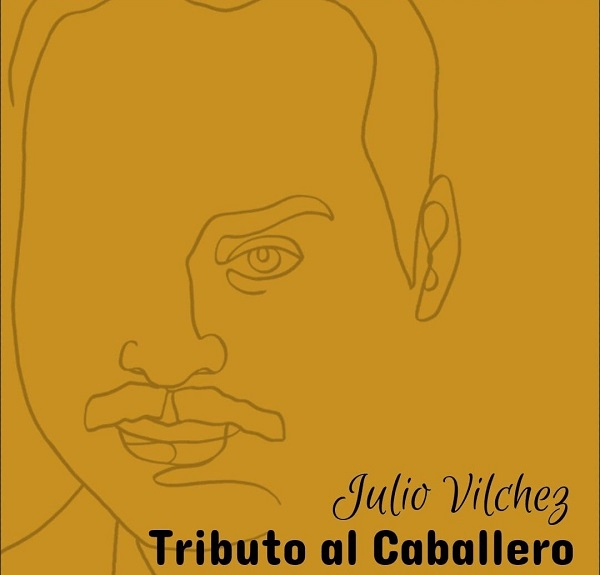
Tributo al Caballero by Julio Vilchez
Cover of the album Tributo al Caballero by Julio Vilchez

Life in the United States 

One of the songs he released in 1995 led him to make a video clip, which started to become very popular on music channels and shows, giving him the recognition Vilchez aimed for so long.  

Since things were not going as he expected on his solo career, he joined the Orquesta La Novel to continue working on music for the next two years. Although his name was not as well known as Vilchez needed it to be, his song was still sounding loud internationally for quite some time, which led him to receive a proposal to perform eight shows with his orchestra in the United States in 2000. 

When Vilchez and the rest of the musicians traveled to Miami, about nine members of the orchestra received proposals to stay in the country and decided to accept. It was there where the artist gathered his courage and says to himself ”I’m staying too”. That was over 24 years ago now.   

At that point, the Peruvian had to look for other musicians to replace the others in order to finish the concert tour they had scheduled. It was then when he contacted José Alberto ”El Canario” through a Peruvian colleague of his to use his band for the remainder of the tour and so he did. Vilchez did two or three shows with this band and stayed in Miami from 2001 to 2004.   

Given the lack of musical proposals, he spent a few years in New York, but returned to Miami some time later to work both with music and with a business sector linked to gastronomy, since living only from music is complicated. In addition to that, his children live in Miami and he wanted to spend more time with them, so this was also a powerful reason to return.   

Read also: Argentine-American composer and guitarrist Alejandro Meola kindly talked to us 

Danilo y Orquesta Universal in one and only performance this month at Flamingo Conference Resort and Spa

North America / USA / California / Santa Rosa

Danilo y Orquesta Universal: Prepare to an evening in the company of the best Hard Salsa and practice this tropical dance with multiples dance lessons for all levels

Enjoy the experience and connection with Salseros of the San Francisco Bay Area in the Saturday Night Live Salsa organized by Santa Rosa Salsa located in the spaces of Flamingo Conference Resort and Spa, which has achieved its fame for the Latin Live entertainment it offers.

Date: Saturday, June 8th

Cost: $15 (Includes dance lessons)

Show: 9:30PM

Salsa Lessons: 7:00PM & 8:00PM (No partner or experience necessary)

Danilo y Orquesta Universal

Bio: When Danilo Paiz was a child, his grandfather took him to the rehearsals of his Big Band era Jazz group. His grandfather, Francisco Perez, known in Nicaragua as Pancho Perez, was the director and saxophonist of both his own groups, “The Black Cats” and “La Centroamericana”. These bands played the music of Benny Goodman, Glen Miller, Perez Prado, Artie Shaw and other music of the ’50s.

This early exposure to Jazz gave Danilo a strong foundation for his composing skills and in his unique and original vocal style.

In his extensive musical career, this compositor has played with talent and internationally known musicians, such as: Ray Baretto, Ruben Blades, Mary Wilson of the Supremes, Benny Velarde and his Super Combo, Ray Obiedo, Dave Valentin, among others.

Danilo demonstrates some of his best work on bongo and vocals on the Ruben Blades’ CD titled “Ruben Blades and Son del Solar, Live!”. More about his Biography as well as Event Dates through http://www.danilo-y-universal.com

Join Danilo y Orquesta Universal for a night of Salsa Dura!

Purchase your Tickets NOW at:

https://www.eventbrite.com/e/DANILO-Y-ORQUESTA-UNIVERSAL-AT-THE-FLAMINGO-june-8-2019-tickets-60293323955


The Flamingo Conference Resort and Spa Details:

Venue: The Flamingo Conference Resort and Spa. 2777 4th St. Santa Rosa, CA 95405

Phone: (707) 545-8530

Age: +21 with ID

FULL BAR | DRESS TO IMPRESS | FREE PARKING

Website: www.SantaRosaSalsa.com

  • « Go to Previous Page
  • Page 1
  • Interim pages omitted …
  • Page 5
  • Page 6
  • Page 7
  • Page 8
  • Page 9
  • Interim pages omitted …
  • Page 24
  • Go to Next Page »

International Salsa Magazine (ISM) is a monthly publication about Salsa activities around the world, that has been publishing since 2007. It is a world network of volunteers coordinated by ISM Magazine. We are working to strengthen all the events by working together.