• Skip to primary navigation
  • Skip to main content

International Salsa Magazine

  • HOME
  • Previous editions
    • 2026
      • ISM / May 2026
      • ISM / April 2026
      • ISM / March 2026
      • ISM / February 2026
      • ISM / January 2026
    • 2025
      • ISM / December 2025
      • ISM / November 2025
      • ISM / October 2025
      • ISM / September 2025
      • ISM / August 2025
      • ISM / July 2025
      • ISM / June 2025
      • ISM / May2025
      • ISM / April 2025
      • ISM / March 2025
      • ISM / February 2025
      • ISM / January 2025
    • 2024
      • ISM / December 2024
      • ISM / November 2024
      • ISM / October 2024
      • ISM / September 2024
      • ISM / August 2024
      • ISM / July 2024
      • ISM / June 2024
      • ISM / May 2024
      • ISM / April 2024
      • ISM / March 2024
      • ISM / February 2024
      • ISM / January 2024
    • 2023
      • ISM / December 2023
      • ISM / November 2023
      • ISM / October 2023
      • ISM – September 2023
      • ISM – August 2023
      • ISM July 2023
      • ISM Edition June 2023
      • ISM – May 2023
      • ISM April 2023
      • ISM March 2023
      • ISM February 2023
      • ISM January 2023
    • 2022
      • ISM December 2022
      • ISM November 2022
      • ISM October 2022
      • ISM September 2022
      • ISM August 2022
      • ISM July 2022
      • ISM June 2022
      • ISM May 2022
      • ISM February 2022
      • ISM January 2022
    • 2021
      • ISM December 2021
      • ISM November 2021
      • ISM October – 2021
      • ISM September 2021
      • ISM August 2021
      • ISM July 2021
      • ISM May 2021
      • ISM April 2021
      • ISM June 2021
      • ISM March 2021
      • ISM February 2021
      • ISM January 2021
    • 2020
      • ISM December 2020
      • ISM November 2020
      • ISM October 2020
      • ISM September 2020
      • ISM August 2020
      • ISM July 2020
      • ISM June 2020
      • ISM May 2020
      • ISM April 2020
      • ISM March 2020
      • ISM February 2020
      • ISM January 2020
    • 2019
      • ISM December 2019
      • ISM November 2019
      • ISM October 2019
      • ISM Septembre 2019
      • ISM August 2019
      • ISM July 2019
      • ISM June 2019
    • 2016
      • ISM December 2016
      • ISM November 2016
  • Spanish
  • Download Salsa App
    • Android
    • Apple

Search Results for: Salsa

Yani Borrell ”El Elegante de La Salsa”

How Yani became the artist he is now 

We were fortunate to speak with the Cuban singer based in Canada, Yani Borrell, who has been kind enough to spare us a few minutes of his busy schedule to reveal unpublished details of his beginnings in music, departure from Cuba, arrival in Canada, current projects, among other things.   

Then these were the most important issues that came up in the conversation we had with the artist for a little over half an hour.  

Cuban singer Yani
This is Yani Borrell, a famous Cuban singer based in Canada

Grupo Constitución 

Yani joined Grupo Constitución being just a 17-year-old. In his native city of Camagüey, there was a small square where concerts were held and Grupo Constitución used to rehearse there. One day, the young man was going through the place and was struck by what the musicians were doing at that moment.   

Suddenly, the musical director asked the vocalist to make a little more complex melody, but failed. However, Yani perceived the sound and reproduced it with his lips loudly. That got the music director’s attention so much that he asked the young man to come over and show the singer what he had done.   

When he repeated it, the musical director of the group was so fascinated that he asked her to join them. This is how Yani began to study music to a more professional level and to hold the necessary auditions to be able to belong to an orchestra in Cuba (this was a mandatory requirement in the country to belong to a musical group).  

 After attracting the attention of other groups due to his talent, Yani was contacted by a more renowned orchestra, Yani decided to leave Grupo Constitución and go with his new companions to seize this new opportunity that life had to offer.  

Making music in Cuba  

We know that the political and economic situation in Cuba has been complicated for some decades, so we wanted to know how Yani lived these years in his native country while devoting himself to music. 

That’s when he started telling us that he had to live through the terrible Special Period, one of the worst crises experienced by the island, so logically he did not have the necessary resources to devote himself fully to his passion and put aside any other job at that time. 

Yani on stage
Yani Borrell performing on stage

This is because Yani thought that being in a mildly famous orchestra would bring him the benefits he was looking for, but unfortunately, it was not so. Rather, he was really struck with the difficult reality that sometimes performances and concerts were paid several months later.   

Yani and many of his colleagues had to borrow in order to survive and wait for the pay day to settle the debts with those same people. This situation persisted for quite some time until he could work for an orchestra established for tourism, with which payments were a little more regular.   

However, she had to make a living doing other activities outside the world of the arts. In his case, Yani was self-employed and even had a small mobile coffee shop where he sold sandwiches. At the same time, he studied music and worked with some orchestras, since it was impossible to live only from music. 

The first level orchestras that toured internationally always pursued better financial compensation for their musicians, but salaries were still insufficient to alleviate the crisis experienced in Cuba.  

Moving to Canada, Toronto 

The process to live Cuba and move to Canada was extremely hard. Yani had already toured the North American country for some time, in fact, he was in about 25 Canadian cities during his tours, so he already knew the territory quite well.  

Before the second tour he would do in that country with his orchestra of the day, the artist was very clear that he was going to ”defect from Cuba” (that is how the act of leaving the country at the first opportunity is called in Cuba). 

While it is true that his standard of living had improved considerably with this international orchestra, this did not offer the stability he wanted, so he resigned from the group, decided to stay and live permanently in Canada and start a new life.   

Today, he is completely satisfied with the results of his decisions and knows very well that he has done the right things for his career and his life in general.  

Yani on radio
Yani Borrell during a radio interview

Adaptation to the Toronto music scene 

One of the hardest decisions was already made, but there were still some challenges to overcome. He had to face language and cultural barriers in order to stand ut and make a place in the city’s Latin music scene. 

At the same time, he worked in factories and even start his own business. He says there were times when he did not even sleep because he played with several local orchestras at the same time, so dividing his time between each of them was a titanic task. However, all the effort paid off. 

After being with one of the most renowned orchestras in the area, Yani realized it was time to create his own project, which he called Yani Borrell & The Clave Kings.   

After all this, he began to be prompted by a group of people who wanted to help him and pushed him to keep growing, thanks to which he released his first solo album in 2013.   

C.W. Entertainment  

The artist management company C.W. Entertainment was very important in Yoni’s growth as an artist, because at one point it joined forces with the artist and boosted his career to such an extent that this team made him one of the most important salsa artists of the time in Canada. So much was the support that it was this label that filmed his first two music videos. 

Although he no longer works with that company for a year and a half, Yani assures that he still has an excellent relationship with its team and thanks these people for everything they have done for him.   

Today, the Cuban already has his own record label and is entirely independent in this aspect.  

Yani Borrell receiving recognition
Yani Borrell receiving recognition at the Caribbean Music and Entertainment Awards

El Elegante de La Salsa (The Elegance of Salsa) 

One of the names by which Yani Borrell has been known throughout his career is ”El Elegante de La Salsa” due to his style when singing in this genre and the use of formal wear in concerts. 

Regarding the story of how the nickname came about, it was precisely a social communicator who was very well liked in the city of Toronto, constantly interviewed the Cuban singer and started refering to him as ”the heartthrob”. 

However, this journalist was the host of the concert in which Yani released his album and referred to him as ”El Galán de La Salsa” (The Salsa Heartthrob) at the moment of presenting him to the public.  

From there, the public started refering to him as ”el galán” and ”el elegante”, which led one of his managers to tell him to start calling himself ”El Elegante de La Salsa”. 

Future performances  

Recently the nominees for the Latino de Oro Music Award have been announced, among which Yoni Borrell appears as one of the nominees for the ”Impact Singer with International Projection” category. 

This was news that Yoni received with great pleasure due to so many years of effort to lift his artistic career. This and each one of the recognitions that the artist has received throughout his career has made him feel very proud and sure that he is on the right path. 

He also revealed for the first time that he will be one of the artists invited to perform on stage that day to animate the event in the city of León, Spain. 

To end the conversation, Yoni finished giving a message to Cuban musicians in which he said that they should always focus on discipline, which he defined as ”the mother of perfection”. He also invited these same young people not to despair and to be constant, since this career is an endurance race, not a marathon. 

Read also: Eddie Ortiz & Son Caribe here in ISM 

John Narváez and Elizabeth Rojas from Salsamania

John and Liz from Salsamania  

Between days 23 and 25 March, 2023, the San Francisco Salsa Festival took place, which brought together some of the cream of The Bay Area Latin music scene. One of those attending this great event was the main editor of International Salsa Magazine, Mr. Eduardo Guilarte.   

On site, he had the opportunity to share with other guests and some of the organizers such as Elizabeth Rojas, affectionately known as Liz, and John Narváez. We had the chance to talk with both dance professionals to know more about their beginnings, festivals and projects. Do not miss it!  

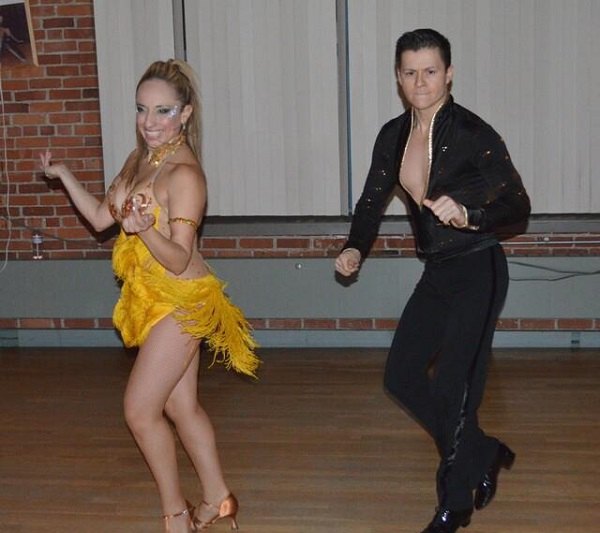
John and Elizabeth
Colombian dancers John Narváez and Elizabeth Rojas

Beginnings   

After several attempts to schedule a meeting with John and Liz, we finally managed to talk with these Colombian dancers and entrepreneurs, who began by thanking us for the contact and the opportunity to promote their passion for salsa and the community they represent.   

This love they have for the aforementioned musical genre has much to do with their roots. Both were born in Colombia and left the country when they were 12 years old (they are the same age) because of the violent situation caused by the guerrilla that existed in those years.   

Although those were hard times, John says these were very nice years from which he has fond memories. He remembers almost all his family members singing or playing an instrument, while he was the only dancer. All this influenced him in such a way that Latin music remains his north after so many years.  

Moving to the United States 

Since the social situation did not allow them to live in their country, they decided to move to the United States and apply for political asylum. At the beginning, it was not easy and the focus was on working hard to get ahead in this new country and to learn English. However, all that changed over time. 

With the arrival of economic and family stability, priorities changed. John comments that his interest in music and dance perked back up due to the family gatherings that his relatives celebrated such as birthdays, quinceañeras, weddings, among others. 

Although at the time dancing was not considered a serious profession, both John and Liz began to practice it at amateur level. Once they turned 21, they started going to the most popular salsa clubs, but it was all for recreational purposes. It was years later before they began to analyze all the technical and historical part of dancing to understand it better and take it more seriously.  

John, Liz, and Barbara
John and Liz with Barbara on Despierta América

Dancing as a profession 

John and Liz started to take dancing seriously in 1999. They both attended a three-day salsa event in Los Angeles, but what they did not know is that this was the first world salsa congress in America.   

This gave them the opportunity to share with the best salsa dancers in the world and they saw such impressive things that they were inspired to return next year with a well-established dance team with which they could participate fully in these activities. 

Being full of motivation, they decided to create Salsamania Dance Company and performed with their team at the festival. They started doing the same thing every year, which helped them gain experience and evolve their styles. 

After earning the trust of the festival organizers thanks to their talent and professionalism, they were given the opportunity to start teaching salsa workshops at the aforementioned congress. This is how little by little John and Liz began to build the reputation and credibility they have today.   

 In 2004, it got to a point where John took the important decision to quit his job to devote himself to dancing and Liz was quick to do the same. His resignation came with the opportunity to take a three-month trip to Hong Kong to teach salsa in a community where people did not dance it. 

They managed to build a community from nothing, since at that time, Hong Kong was not a place where people listened to salsa. However, everything went well and the dancers managed to seamlessly connect with the local audience. As John rightly said, ”salsa is a universal language and you don’t have to speak that language to feel the music”. 

On returning to the Bay Area, they began to practice dancing as a profession in the United States. 

On this point, Liz commented that her parents became very upset with her when she quit her job because of dancing, but today, they admit that it was the right decision and support her totally.  

Liz and John dancing
Liz and John during a social dance in Boston

Salsamania Dance Company 

Liz told us that it was difficult to create Salsamania Dance Company because it requires a lot of discipline and healthy coexistance between different types of personalities to create a group like this and keep it together. Fortunately, John is an industrial psychologist, so he helped to prevent these aspects to be a problem. 

Basically, Liz is responsible for the company’s management and John is the one who takes care of the human part of all the staff. 

They started the whole process like any regular company and drew up the contracts for all those who were going to work with them, making Salsamania a much more established, structured and serious project in the eyes of everyone else. Today, it is one of the largest companies in the Bay Area.   

They also took it a step further and built a salsa academic program with a thoroughness and detail that has not been seen in other projects of this kind.   

San Francisco Salsa Festival  

San Francisco Salsa Festival is one of the biggest salsa events in California and the United States in general and we were fortunate to have representation there with our editor Eduardo Guilarte.  

It began to be celebrated in 2008 with the support of international salsa promoter Albert Torres, who was a fundamental piece in the development of the festival and talent recruitment for an event of this size, as there were many things John and Liz had to learn. That is why they are both incredibly grateful for what the congress organizer did for them back then.  

To recruit artists, the dancers only require candidates to be good teachers, to share with the salsa community and to put on a good show for the audience. 

They also often invite colleagues they have known for years and some recommended to whom they give them the opportunity to shine and make themselves known during those days. 

Every year, they look for dancers, dance instructors, DJs and live orchestras. For Liz and John, the thing about live bands is very important, as they are concerned that there are so many clubs and venues that no longer hire these talents. This year, they focused on local bands that play on Thursdays and Fridays in San Francisco and were very happy with the results.  

It is expected that the next San Francisco Salsa Festival is scheduled between days 22 and 24 March, 2024 at the same venue, which is the Marriott Waterfront Hotel.   

The orchestras hired to perform for next year are Cabanijazz, The Latin Rhythm Boys and Orquesta Boyacán. The dancing couples are Alex and Judy from Colombia, Colombians Felipe from Colombia and Kathe and Mauricio and Danny from Mexico.   

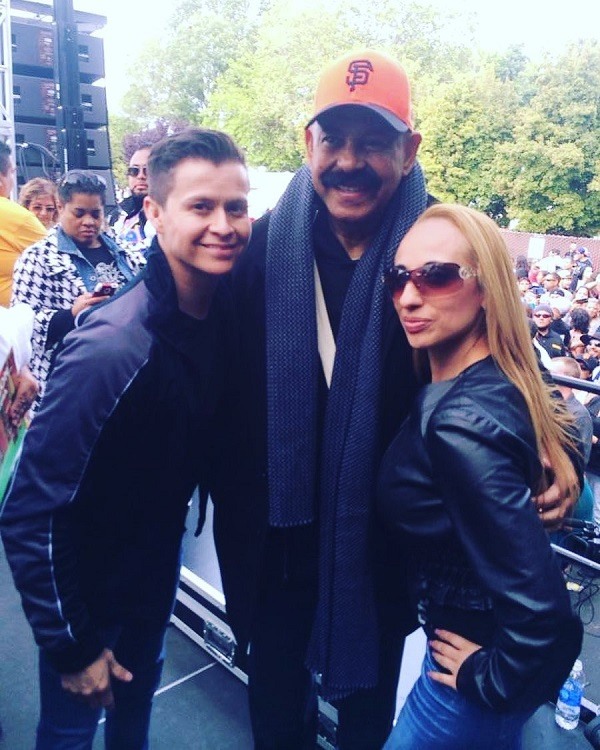
John, Liz, and Oscar D’ León
John and Liz with Venezuelan singer Oscar D’ León

Difficulties in the pandemic 

As dancing is an activity with a lot of physical contact and closeness, we were curious to know how they lived the pandemic and what they did to keep their project afloat in this situation. 

Though they admit that those months were not easy, they have always been very disciplined with their money and had enough to resist as long as possible without working.   

They tried to make up for lost time by teaching classes via Zoom as did most of their colleagues and designing new choreographies to apply when they went back to their usual activities. 

In addition to this, both had not spent time with their respective families in a long time, so they also took advantage of the absence of work to reunite with their loved ones and take up those important contacts that were lost due to stress and routine. 

Read also: Here we have Salseros With Attitude 

Betsy Colombian Salsa, Bolero and Son Cubano Singer

Betsy, Colombian singer who began her career at the age of 17, in Bucaramanga in the tropical genre.

She is part of the most recognized orchestras of her region, standing out as one of the most powerful voices of the genre.

Betsy Colombian Salsa, Bolero and Son Cubano singer

She recorded with local orchestras, tropical productions and at the same time consolidated as a commercial voice.

Her love for salsa, bolero and son has led her to belong to important orchestras such as RUMBATA directed by maestro Edwin Rey and LA JOHND BAND directed by JOHN DENNIS ESCOBAR from Cali.

Betsy records with the maestro Edwin Rey, the album “SINCERIDAD”, interpreting in the single PROMESAS, she a song called MI CUMBIA, composed by MARIO ENCALADA, CHILENO and Colombian folklor is heard again with a young and modern oxygen.

In 2020, she recorded the single “SENTIR”, original arrangements of You Salsa de Perú, generating a very positive result to the ear of the public lover of romantic salsa.


In 2021, with the help of producer ALBERTO RUEDA and MS PRODUCCIONES, he releases the album “Una vida de Son”, composed of 10 salsa hits, among which stand out: (Los olores del amor, Siempre Seré, Si te Preguntan, Caretas), in a new, fresh version with that wonderful Cuban touch.

Betsy, Colombian singer who began her career at the age of 17 in Bucaramanga in the tropical genre.
Betsy Colombian singer who began her career at the age of 17 in Bucaramanga in the tropical genre.

With this album, she was nominated as best female singer SALSA, in the last edition of the CRISTO REY Awards, in the city of CALI, which took place on October 21, 2021.

In 2022, she released the album esencia, sabor y son, which contains 10 tracks of emblematic salsa songs, in Cuban son version, such as DIME POR QUÉ, CASI TE ENVIDIO and with an interesting bet on the songs YA LO SE and UN SUEÑO y NADA MÁS, by Calle Real and Polo Montañez respectively.

At the end of 2022, she won the PANORAMA DE PLATA AWARD, as PERSON OF THE YEAR IN SANTANDER, for her outstanding musical performance during the year and for taking the Department to other regions of the country.

Betsy At the end of 2022, she was awarded the SILVER PANORAMA AWARD.

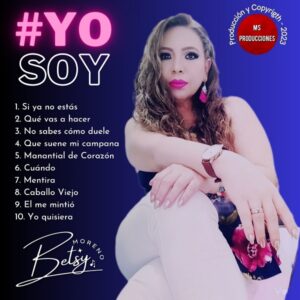
For 2023, the album “YO SOY” is released, which contains the title “Si ya no estás”, written by maestro Jorge del Valle, Cuban composer, with arrangements by maestro Alberto Ardila Rueda and recorded in the studios of MS PRODUCCIONES in Bucaramanga.

In addition, this musical cut is part of the new record production entitled “Yo Soy Betsy”, which has several songs such as: “Caballo Viejo”, “Cuando”, “El Me Mintió”, “Manantial de Corazón”, “Mentira”, “No Sabes Como Duele”, “Que Suene Mi Campana”, “Que Vas Hacer”, “Yo Quisiera” and “Si Ya no Estas”.

Betsy, Colombian singer of SALSA, BOLERO Y SON CUBANO presents her album “YO SOY BETSY”.

By 2023, the album "YO SOY" is released, which contains the title "Si ya no estás".
By 2023, the album “YO SOY” is released, which contains the title “Si ya no estás”.

Betsy Moreno, Colombian singer, specialist in Bolero, Salsa and Son Cubano, launches her album: “YO SOY”, which contains the title: “Si ya no estas”, written by maestro Jorge del Valle, Cuban composer, with arrangements by maestro Alberto Ardila Rueda and recorded in the studios of MS PRODUCCIONES Bucaramanga – Santander – Colombia.

“Si Ya No Estas” is a romantic song arranged by Alberto Ardila Rueda, a song for lovers of romantic son.

In addition, this song is part of the new record production called “Yo Soy Betsy”, which has several songs such as: “Caballo Viejo, “Cuando”, “El Me Mintió”, “Manantial de corazones”, “Mentira”, “No Sabes Como Duele”, “Que Suene Mi Campana”, “Que Vas Hacer”, “Yo Quisiera” and “Si Ya No Estás”. This is a highly recommended production for lovers of good music and is already available on all streaming platforms.

Follow BETSY MORENO’s career on her social networks and all digital platforms.

Instagram: @betsycantanteoficial

Facebook: betsycantantebucaramanga

Youtube: Betsy Cantante Oficial

Tik Tok:   @betsycantanteoficial

Twitter:  @betsycantanteoficial

E-mail:  [email protected]

Contacts and Bookings: + 57 316 6348316

Also Read: Henry Benavides surprises with “Por Cuenta Propia,” his new project

Colombia a Cradle of Salsa Talents

Latino America / Colombia / Medellin

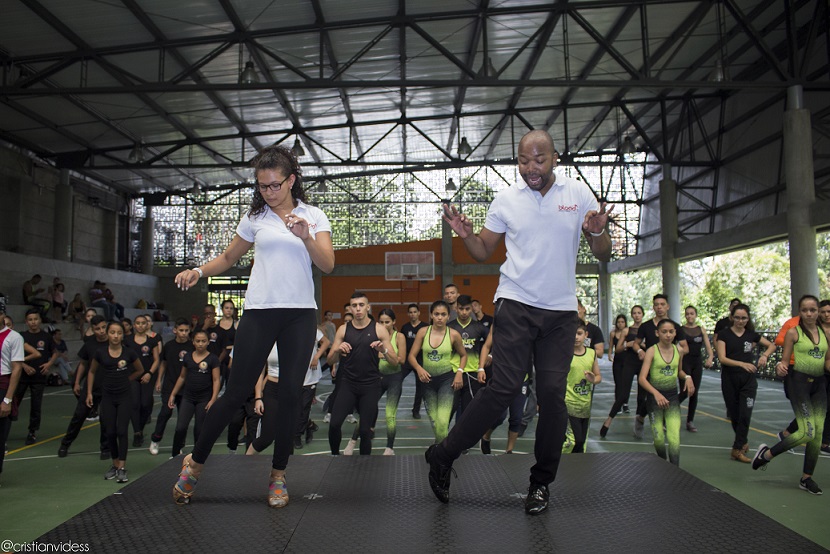
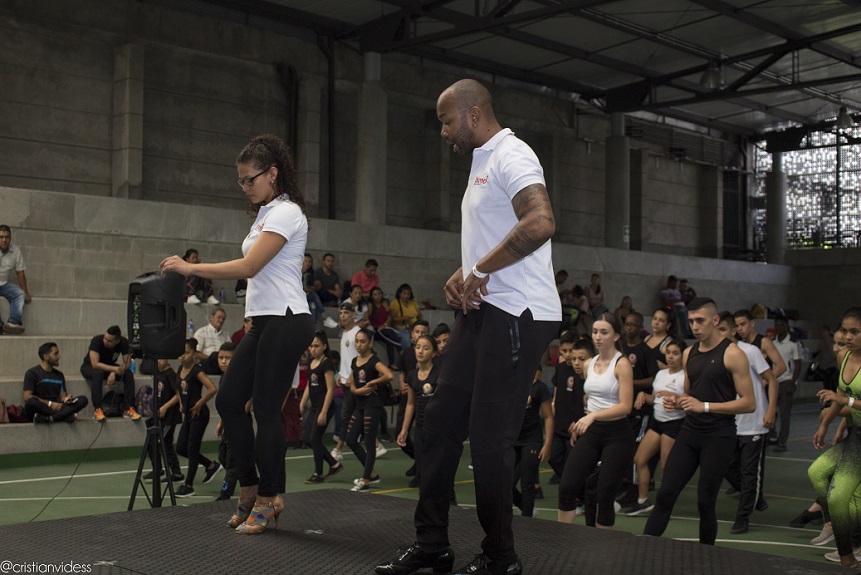
1 Cradle of Salsa Talents “Medellín dressed up with the Guaguancó Salsa Fest”

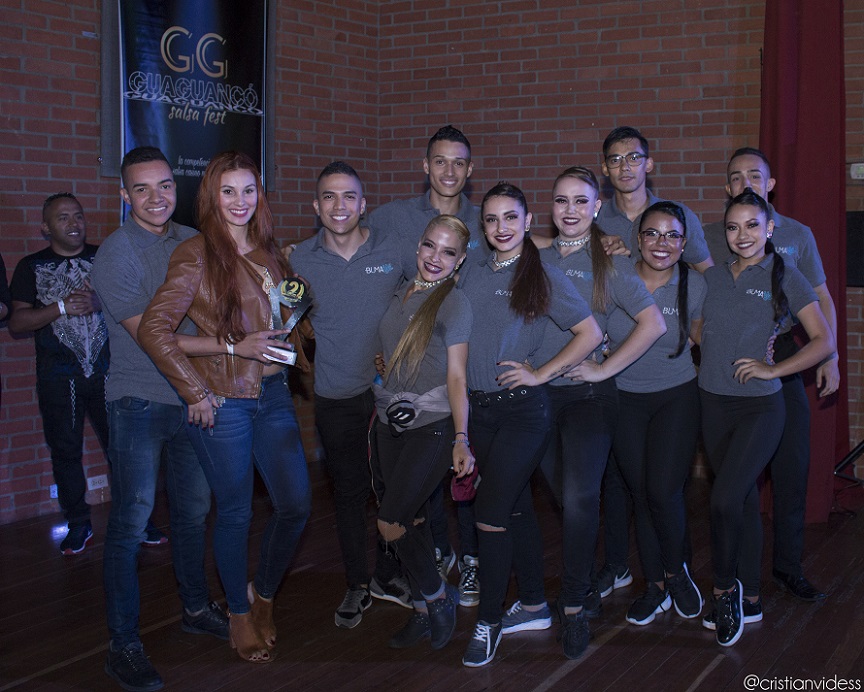
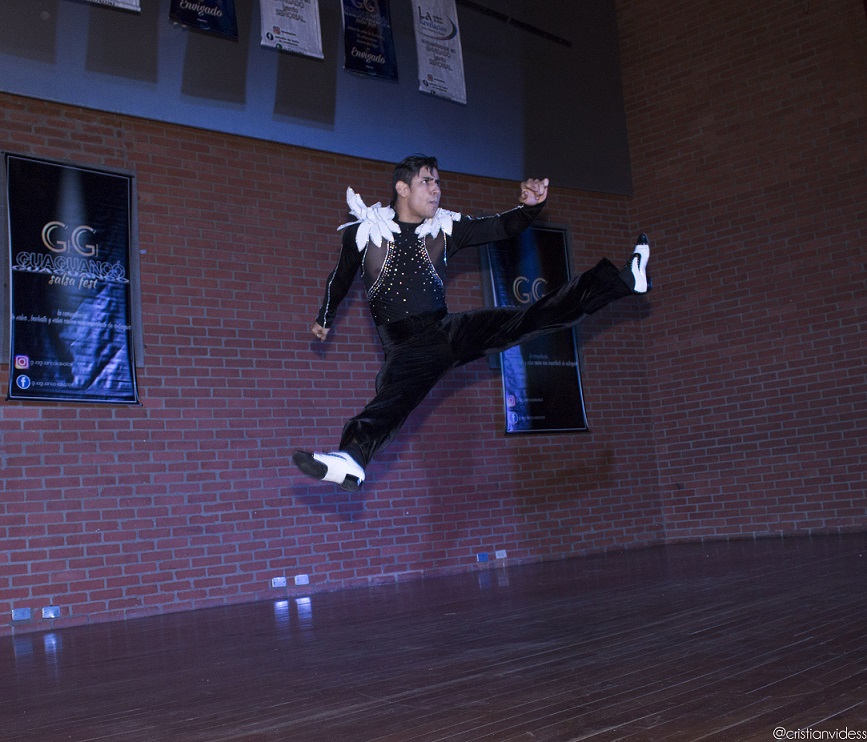
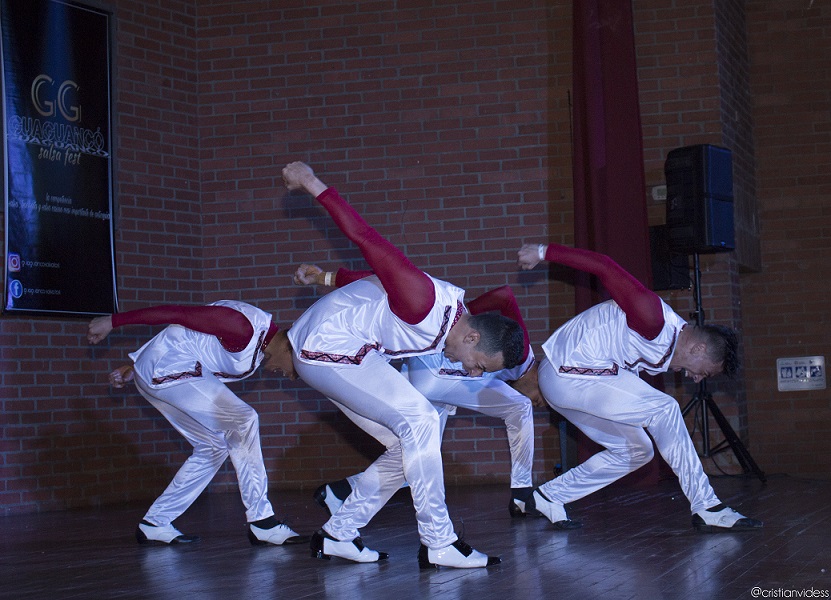
On July 10, 11 and 12 in Medellín, 3 days of great experiences were lived, we were part of the 1st edition of a great festival, the Guaguancó Salsa Fest, developed in the beautiful town of Envigado.

We were able to see a gala of great talents of dancers from all over the country, from Cali, Bogotá, Ibagué, Barranquilla, Popayán and local schools.

From the first day we were able to demonstrate the professionalism of soloists, couples and groups, from the largest to the stars of the festival, the smallest, who left the audience in shock with their talent.

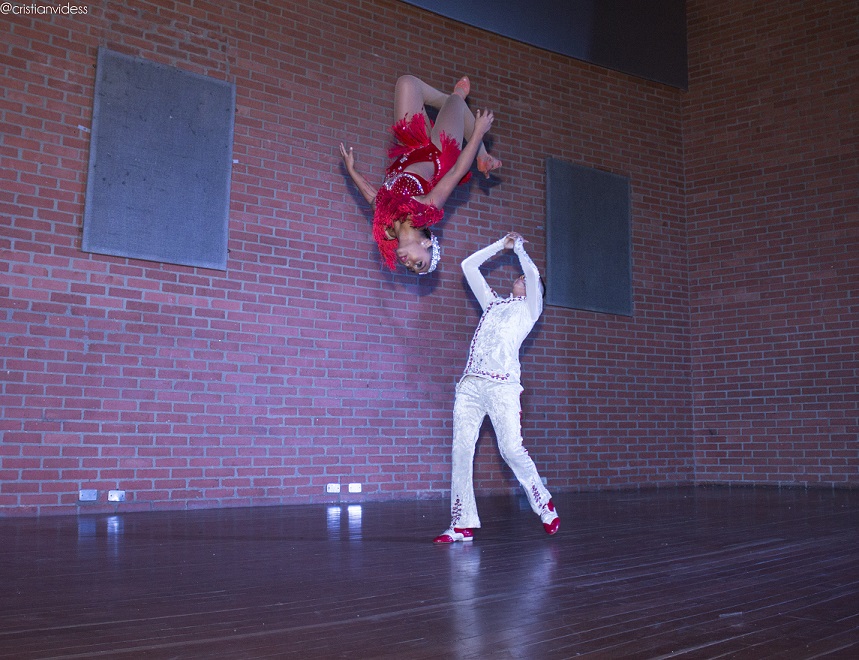
Semifinals and finals were full of high-level choreographic samples, steps, turns, cleans, tricks and the best acrobatics filled the afternoons of that weekend with a great show, equally full of parties for the local celebrations in Envigado. The most attractive categories were those guided by acrobatics, the well-known Cabaret, children and adults showed their best tricks, movements of great technique and high level of complexity.

In future editions we will be showing the great results of the competitors, academies that have been working to give the best of their talent in the national and international competitions to which they have a place.

Meet and learn the Venezuelan Salsa

Latin America / Venezuela / Caracas

Meet and learn the Venezuelan Salsa

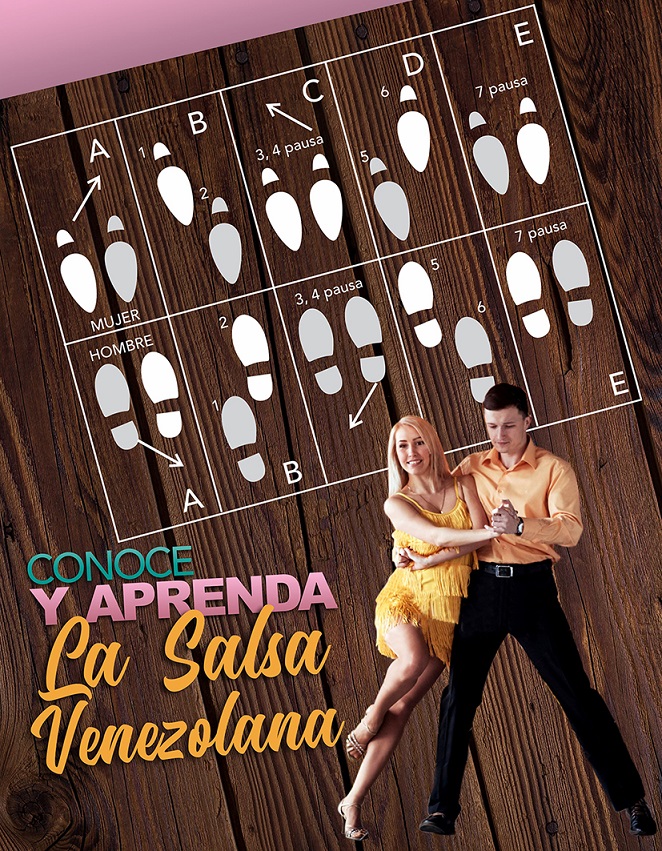
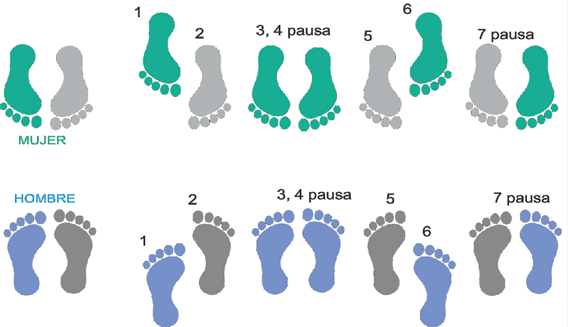
Did you know that in Venezuela the basic traditional Salsa is known as “Salsa Cero”, where the only thing anyone needs is “Not knowing how to dance”, knowing the basic steps of salsa, hearing and feeling the rhythm of the music and the musicalization.

The basic steps of the sauce are:

  1. Paso de lateral and/or lateral: This basic step consists of three steps that are executed on the first three beats of the bar. The fourth beat of the measure is a pause where no step is performed. The three steps are repeated in reverse in a second measure to complete a sequence of the step.
  2. Cruzado o cross: en este paso los pies se mueven de la siguiente manera: En el golpe 1, el pide derecho da un paso por delante del pie izquierdo, de manera que lo cruza. En el golpe 2, el pie izquierdo cruza al pie derecho, y así sucesivamente.
  1. Gait: It is a very similar step to the side, but this time it consists of taking two “2” steps forward and two “2” backwards, advancing in short steps and repeating the cycle. With this step the dancer can execute it alone or with a partner, the latter is not performed and is usually executed in a couple but not face to face, since the two people cannot perform the march at the same time.     
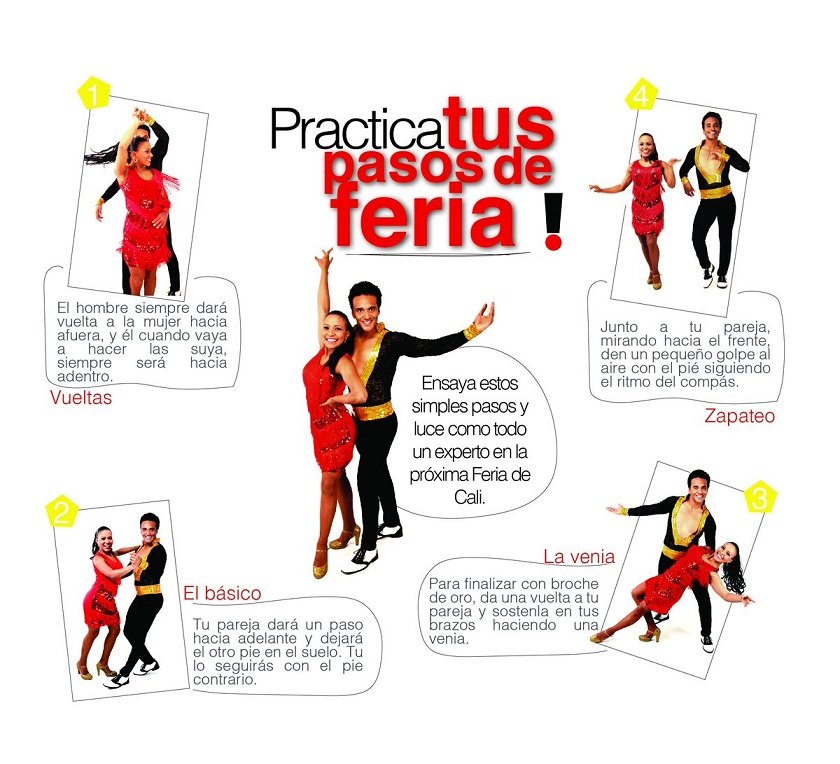
  1. Turns: The turns in both the man and the woman can be done with any of the steps mentioned above. The turn is usually done in step 1 where the man invites the woman to perform her basic step to turn, everything will depend on the entry made by the couple. There are different types of laps, we mention the basic ones on this occasion:
a.   Return of the woman/man.

b.   Back in Croos.

c.   Return of the man.

d.   Right left.

e.   The butterfly.

f.    The Bridge.

g.    The 70.

h.     Sixty.

Did you know that Salsa Cero is not just for learning to dance?

Many people who practice or learn “Salsa Casino” take the workshop and/or zero salsa classes to learn to “count” the music that is being danced since musical counting is the fundamental basis of any dance.

One of the characteristics of this rhythm is the corporal expression, since there are details or corporal messages that make the couple understand how to move or what turn they are going to perform and these details can be known with the look, position of the hands and the body. before and during the return to perform. These details are very important especially in the man who is the one who controls and/or manipulates the woman so that she dances to the beat.

Among the different styles of salsa, Venezuelan salsa has a very special and interesting detail and that is that it is a very sensual style, in which the dancers make thousands of turns and constantly hug each other, showing their potential, emotion and feelings at the moment.

  • « Go to Previous Page
  • Page 1
  • Interim pages omitted …
  • Page 22
  • Page 23
  • Page 24
  • Page 25
  • Page 26
  • Interim pages omitted …
  • Page 409
  • Go to Next Page »

International Salsa Magazine (ISM) is a monthly publication about Salsa activities around the world, that has been publishing since 2007. It is a world network of volunteers coordinated by ISM Magazine. We are working to strengthen all the events by working together.