• Skip to primary navigation
  • Skip to main content

International Salsa Magazine

  • HOME
  • Previous editions
    • 2026
      • ISM / June 2026
      • ISM / May 2026
      • ISM / April 2026
      • ISM / March 2026
      • ISM / February 2026
      • ISM / January 2026
    • 2025
      • ISM / December 2025
      • ISM / November 2025
      • ISM / October 2025
      • ISM / September 2025
      • ISM / August 2025
      • ISM / July 2025
      • ISM / June 2025
      • ISM / May2025
      • ISM / April 2025
      • ISM / March 2025
      • ISM / February 2025
      • ISM / January 2025
    • 2024
      • ISM / December 2024
      • ISM / November 2024
      • ISM / October 2024
      • ISM / September 2024
      • ISM / August 2024
      • ISM / July 2024
      • ISM / June 2024
      • ISM / May 2024
      • ISM / April 2024
      • ISM / March 2024
      • ISM / February 2024
      • ISM / January 2024
    • 2023
      • ISM / December 2023
      • ISM / November 2023
      • ISM / October 2023
      • ISM – September 2023
      • ISM – August 2023
      • ISM July 2023
      • ISM Edition June 2023
      • ISM – May 2023
      • ISM April 2023
      • ISM March 2023
      • ISM February 2023
      • ISM January 2023
    • 2022
      • ISM December 2022
      • ISM November 2022
      • ISM October 2022
      • ISM September 2022
      • ISM August 2022
      • ISM July 2022
      • ISM June 2022
      • ISM May 2022
      • ISM February 2022
      • ISM January 2022
    • 2021
      • ISM December 2021
      • ISM November 2021
      • ISM October – 2021
      • ISM September 2021
      • ISM August 2021
      • ISM July 2021
      • ISM May 2021
      • ISM April 2021
      • ISM June 2021
      • ISM March 2021
      • ISM February 2021
      • ISM January 2021
    • 2020
      • ISM December 2020
      • ISM November 2020
      • ISM October 2020
      • ISM September 2020
      • ISM August 2020
      • ISM July 2020
      • ISM June 2020
      • ISM May 2020
      • ISM April 2020
      • ISM March 2020
      • ISM February 2020
      • ISM January 2020
    • 2019
      • ISM December 2019
      • ISM November 2019
      • ISM October 2019
      • ISM Septembre 2019
      • ISM August 2019
      • ISM July 2019
      • ISM June 2019
    • 2016
      • ISM December 2016
      • ISM November 2016
      • ISM October 2016
  • Spanish
  • Download Salsa App
    • Android
    • Apple

Search Results for: Spanish in the United States

The multifaceted artist Yamila Guerra and all her projects

Who is Yamila Guerra

Yamila Guerra is a Cuban singer, dancer, actress and TV host who has always felt a great passion for music from an early age and knew she wanted to devote her life to the world of entertainment. She is the daughter of the famous Cuban duo Rosell y Cary and sister of famous producer, bandleader, arranger, composer, classical guitarist Yalil Guerra, who is a great friend of International Salsa Magazine.

Yamila Guerra in a studio

We had the honor of talking with Yamila for a while and know a little more about her both personally and professionally. It was really a pleasure for us to have had her here and to know more about her great career.

Inclination for the arts from an early age and academic background

Yamila reveals that she has always felt very attracted to the art world and started this journey doing impressions of certain Cuban and foreign artists who she saw on TV. Some of them were friends of her parents’or colleagues because they shared the stage with them in all the activities they did in Cuba.

Evidently, the fact that she grew up in an artistic and musical environment included a lot in the inclination she had towards this world, but it was not the only thing that made her dedicate herself to all this. She always felt a natural and organic attraction to the world of entertainment, music and art.

Seeing that her career began at the Cuba’s National Ballet School, it can be said that the first area in which she began to develop was dance. When she took the physical tests, she was admitted to the institution and attended as a listener until she was old enough to be able to participate in the classes. She feels that she had a complete training because, besides studying classical ballet, she learned all the Cuban dances such as contradanza, Cuban son, cha cha chá, danzón, among others.
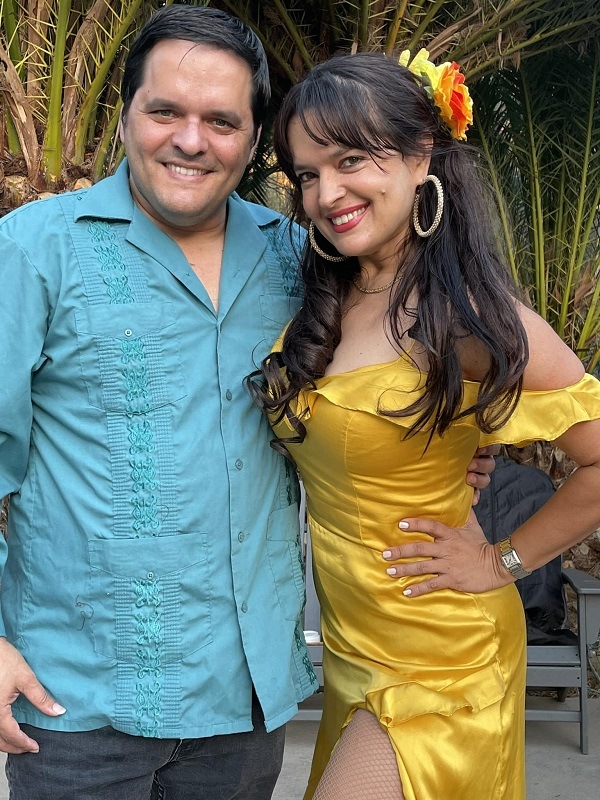
Yamila Guerra with his brother Yalil Guerra

At the School of Artistic Varieties, she developed in areas such as acting, singing, music and much more. All these disciplines mentioned above helped her a lot with her professional future.

Once in the United States, she studied at Berkley College of Music and took singing lessons in some genres such as blues, jazz, country, ballads, among others. At other schools, she studied art history, marketing, business, sales and other areas that have served her professionally speaking.

Life in Spain

Guerra tells us that she left Spain and moved to Miami because she could not tolerate its cold climate and wanted to be closer to her family in Cuba, but she has many good memories and is thankful to the European country, as it gave her the opportunity to be a TV host on channels such as TVE, Canal Satélite Digital, Antena 3 and Telecinco. Likewise, she was able to take her music to different stages and many parts of Spain. She felt that the Spanish people welcomed her art with open arms.

Once she moved to Miami, she worked on  ”Sábado Gigante” as an actress with Don Francisco, whom she thanks for the opportunity his team gave her.

Yamila Guerra, His brother Yalil Guerra and their parents Rossel and Cary

How business, economics and legality have helped her in her career

One of the first pieces of advice Yamila gives to anyone who wants to work in entertainment in the United States is to master the English language. The artist defines herself as an eternal student because she has always liked to learn everything, especially languages. In fact, when she was in Spain, she paid for an English academy once a week to learn that language because she knew it would be very important in her career in terms of negotiation.

She also stresses that it is important to find out about legal and business issues to deal with clients and partners in the best possible way and avoid loopholes that naturally arise in the entertainment world. Yamila believes that it is very important to separate art from business and ”not to be trusted with money”. The Cuban highlights the importance of being pragmatic about making decisions and not allowing the artistic part to prevent people from making the right decisions at the level of business.

Social media

The talented performer considers that social networks are a fundamental part of her work and promotion, so she thinks it is important to have a presence on each and every one of them and design a strategy depending on the characteristics of each one. She considers that it is very important to post videos and photographs in order to promote her work, but also use her platforms to talk about other more personal topics such as family, beauty, nutrition, love and other things. That variety of facets is what attracts so many people to her content.
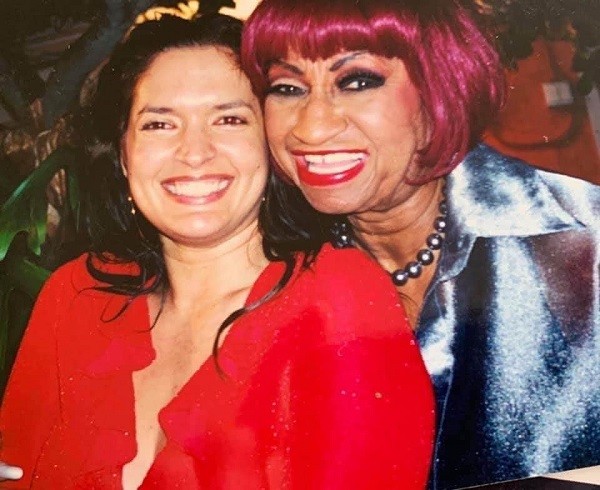
Yamila Guerra with Celia Cruz

As for her personal tastes, she confesses that she loves Tik Tok because she considers it a very organic and authentic platform. This is where she posts videos of herself acting and giving her opinion about all kinds of topics, something that gives her great exposure.

On this same issue, she stated that social networking has become essential to all types of professions and that we must all be present on them as much as possible because they have become part of our letter of introduction to others.

Tradicional Cubano

Yamila had been wanting to make an album fully dedicated to traditional Cuban music, which she considers to be the most flavorful, since it does not need a lot of instrumentation to feel it. It is very old, but it does not lose its flavor and its validity over the years. This is how her latest album ”Tradicional Cubano” came about.

This album includes composers such as Ignacio Piñeiro and Celina González. Guerra wanted to rescue this repertoire that she listened to when she was a child, since it always caught her attention and she was fascinated to be able to portray the Cuban culture and the lives of Cubans.

Read also: We interviewed IndiviDúo singers Tiffany Joy and Maqui Reyes
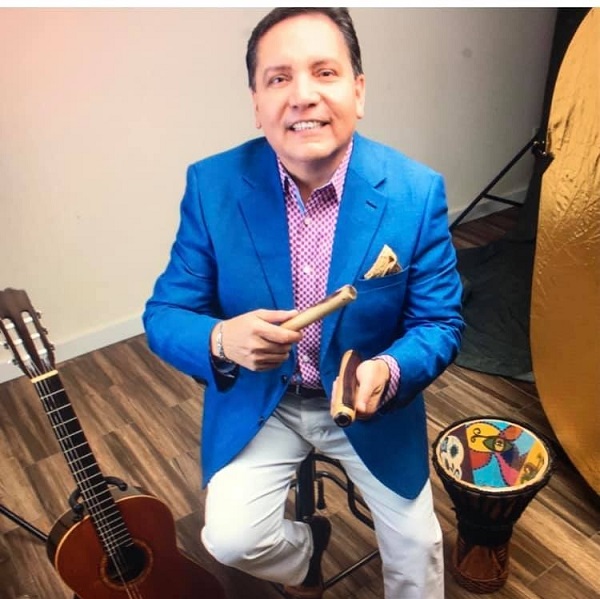
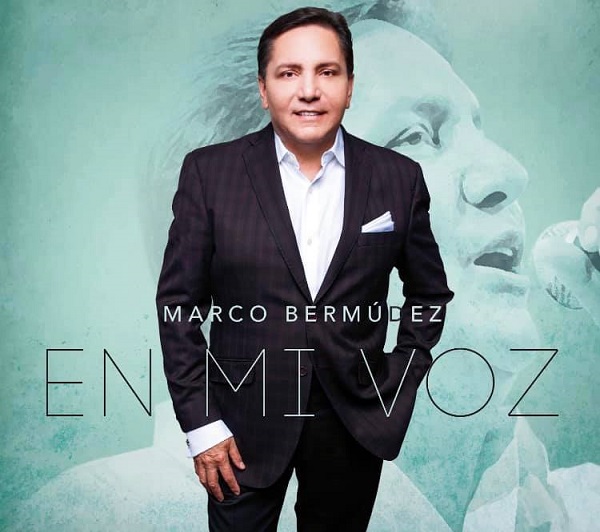
Marco Bermúdez extraordinary Musician, Percussionist, Singer, Composer

On october 19, 1961 in Portoviejo, Ecuador, Marco Bermudez Brito was born. Extraordinary Musician, Percussionist, Singer, Composer.

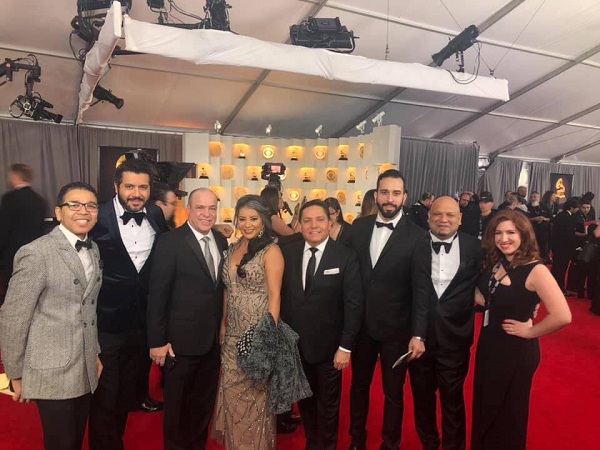
Nobody is a prophet in his own land. At the age of 23 he traveled to the United States as a singer. And in 2004, being a member of the Spanish Harlem Orchestra (SHO), he won the Grammy in the category Best Salsa Album for the album Across 110th street.

On a day like today, October 20, Marco Bermudez was born in Portoviejo, Ecuador. He is an excellent performer, composer and studio musician in all styles of Latin music.

Marco Bermúdez
Marco Bermúdez

He was born into a family with a rich musical heritage and has resided in New York for the past thirty-four years. Marco has toured the world with Latin music greats: Tito Puente, Celia Cruz, Cheo Feliciano, Oscar D’ Leon, Tito Nieves, Domingo Quiñones, Jose Alberto and all the artists on the RMM Records label.

Marco’s discography includes: RMM All Stars 10th Anniversary CD/DVD Live at the Continental Arena New Jersey; Recorded a Selena (RMM) and Tropical Tribute to the Beatles CD/DVD recorded live at Radio City Music Hall in New York.

Marco is currently one of the singers of the Spanish Harlem Orchestra. As a performer and composer, Bermudez has collaborated in the record productions of the SHO, writing the lyrics of the songs Son de Corazón, Regalo de Dios, Qué Bonito, La Fiesta began.

(One more year of life for this Ecuadorian performer, composer and musician who has performed in different variations of Latin music.

Marco Berudesz en Mi Voz

Experiences with Isidro Infante y La Élite, Conjunto Clásico, Tito Puente, Celia Cruz, Cheo Feliciano, Oscar D’León, Tito Nieves, Domingo Quiñones, José Alberto “El canario”, and Ralph Mercado’s RMM Records family in which he participated in productions such as “RMM All Stars 10th Anniversary – Live in Continental Arena of New Jersey”, “Recorded a Selena”, “Recorded a Selena”, “Recorded a Selena”, “Recorded a Selena”, “Recorded a Selena”, “Recorded a Selena”, “Recorded a Selena”, “Recorded a Selena”, and “Recorded a Selena”; the album “Recorded a Selena” (RMM) and “Tropical Tribute to the Beatles”, a CD/DVD recorded live at Radio City Music Hall in New York.

The pinnacle of his career came when he became part of the Spanish Harlem Orchestra’s line-up of singers, collaborating in different record productions and strengthening his facet as a composer through titles such as “Son de corazón”, “Qué bonito”, “Regalo de Dios” and “La fiesta empezó”.

He has also been part of The Mambo Legends project sharing microphones with Frankie Vázquez and Jorge Maldonado.His story is told to us when he was in Ecuador on vacation with his wife.

“From a very young age, I was always surrounded by music,” she says proudly. He refers to his parents, siblings and most of all to his uncle, the great singer Eduardo Brito.

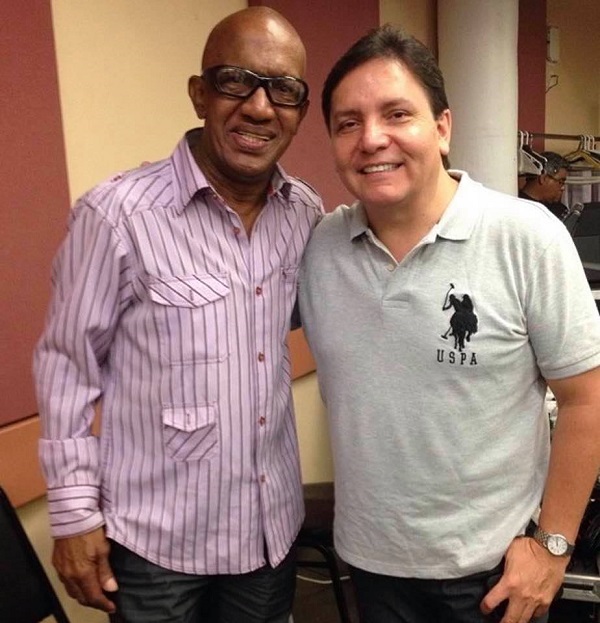
Eddie Palmieri y Marco Bermudez

Marco, at the age of 9, together with his brother Eduardo formed the duo Hermanos Bermúdez Brito, being the first to record the pasillo Romance de la tejedora manabita, lyrics by Paco del Casty and music by Filemón Macías, Marco’s uncle: “Con horma de esperanzas/y encajes de clavellina/ va tejiendo su sombrero/ la manabita más linda” (With a last of hopes/and lace of carnation/ she weaves her hat/ the prettiest manabita).

In the early eighties, brothers Mariano and Venancio Larrea invited him to join the Marfil group, from Guayaquil. That was when the group turned to salsa music, which was just becoming popular in these parts.

But his life and stage changed in 1984, when he and his brother joined the Manabita orchestra Los Profetas, which would perform in Los Angeles, Miami and Chicago.

With the illusion of succeeding in the north, Bermúdez stayed and formed El Combo de Nueva York, which was the staff orchestra of a chain of nightclubs in Queens.

Roberto Roena y Marco Bermudez

At that time, Marco was concerned about his musical training, besides being a singer and composer, he was also a percussionist. His entry into the big leagues of salsa came when he was part of La Élite, led by maestro Isidro Infante, for 6 years.

There he achieved fame as the interpreter of the songs Santo, Militar and Montuno and for the album Tributo Tropical a Los Beatles.

He was also part of La Charanga de Johnny Almendra and Los Jóvenes del Barrio, and was one of the singers of the legendary Conjunto Clásico orchestra. “Even when there is a tour they call me because I know the repertoire and I know the routine”.

At the beginning of 2003 he made a great leap when he joined the SHO, an orchestra that besides winning the Grammy and achieving nominations for two of its albums, is considered “the best salsa orchestra in the world”, according to the Puerto Rican critic Jaime Torres Torres, who in referring to Bermúdez affirms: “He is the only recognized Ecuadorian salsa singer who dominates the difficult art of soneo and clave”.

Spanish Harlem Orchestra

About the renowned SHO, Bermúdez says that in reality this orchestra “is the sound of the Harlem neighborhood, where urban salsa was born.

We are inspired by masters like Tito Puente and Mario Bauza, who left us that legacy”. And although every salsa singer is mistakenly called a sonero, very few are.

The soneo is an improvisation by the singer when the percussionist solos on the drums, he explains.

The next SHO album will feature three songs by Bermúdez: Son de corazón, Regalo de Dios and La fiesta empezó. “I like to write everything, romantic, jocular, nature and rumba songs,” says Marco who is currently selecting songs for his solo album which he hopes will be released this year. It will include a recording with Las Leyendas del Mambo, Tito Puente’s legendary orchestra.

These are his plans. His dream: “to come to Ecuador as a soloist or with SHO because I have had recognition abroad, but it must be nice to be recognized in your country”. Although they say that no one is a prophet in his own land, Bermúdez, the sonero, will surely be.

At the age of 9, together with his brother Eduardo, he formed the duo Hermanos Bermúdez Brito, being the first to record the pasillo Romance de la tejedora manabita.

In the early eighties, the brothers Mariano and Venancio Larrea invited him to join the Marfil group, from Guayaquil.

In 1984, together with his brother, he joined the Manabita orchestra Los Profetas, which would perform in the United States. He stayed in New York and formed El Combo de Nueva York, which was the staff orchestra of a chain of nightclubs in Queens.

Later he was part of La Élite, led by maestro Isidro Infante, for 6 years.

He was also part of La Charanga de Johnny Almendra and Los Jóvenes del Barrio, and was one of the singers of the Conjunto Clásico orchestra.

At the beginning of 2003 he joined the “Spanish Harlem Orquestra” of Maestro Oscar Hernandez. He has collaborated, among others, with the band of “Mister Moña” Jimmy Bosch and “La Mambo Legends.

You can read: Héctor “Bomberito” Zarzuela Calidad y Tuning en la Maquinaria Fania All-Star

Marco Bermudez

Michel “El Buenon” is a singer, composer and considered the most sought-after salsa singer in the Dominican Republic

On September 7th in the province of Baharona in Batey 7, Dominican Republic, Michel Batista or better known as Michel “El Buenon” was born, he is a singer and composer.

Considered the most sought after salsa singer, he is a man with a big heart and a story worth admiring, because despite all the vicissitudes he went through during his childhood and youth, he became great, as his grandmother Dona Crisiana instilled in him.

From a very young age he attended Sunday school at the Baptist church with his mother Crisiana Abraham, with whom he attended the evangelical church shepherded by herself, where he also sang in the church choir on Sundays.

In elementary school she participated in a music festival where she won first place at only 8 years of age.

Later she competed in a regional festival in the town of Barahona in the radio station Radio Barahona, winning first place at the age of 12.

He then migrated from the south to the city of Santo Domingo, where he began singing in bars, nightclubs and hotels like the Sheratton, Napolitano, El Embajador.

In addition to the resorts Talanquera, Casa de Campo Sosua, Puerto Plata, among others.

At the beginning he was part of the Tabú Combo, a group from Puerto Príncipe based in New York City, recording hits such as “Inflaciones General”, “La Llave”, “Relimen” and composing the song “Apipi”, known in French and in Spanish as “El Jardinero”, which he recorded with his friend Wilfrido Vargas.

He would later be part of Johnny Ventura’s orchestra for 5 years, from 1982 to 1987.

He recorded the song “Tuyo Más Que Tuyo” by Bienvenido Fabián, then he joined again the Tabú Combo Superstar orchestra with Adolfo Chanci, its director.

In 1995 he went solo and recorded his first salsa CD titled “Amigo De Qué”, which was played all over Latin America, occupying for 12 weeks the first place of the radio station La Mega in the city of New York.

Later he released his second album “Brujería”, and seven others: “De Ahí Nadie Como Él” (2001), “100% Sabroso” (2002), “Llego Michel El Buenon” (2005), “Víveme” (2005) and “Extrañándote” (2005), which contained ballads interpreted in the rhythm of salsa in the style of “El Buenon”, this production has unpublished songs of Michel himself such as “Que Te Vaya Bonito” and “Yo Que Me Lo Creo”.

Throughout his career he has been winner of the Casandra Awards 2005-2006-2007 and nominated in 2008 and 2011.

Among his languages interpreting songs are English, Portuguese, Italian, Papiamiento, Creole, Spanish and French as he did in the song “Se Finit” by Charles Asnabul and the song Wonderful World in tribute to Mr. Luis Armstrong.

In his repertoire of the most outstanding songs in 2008 are “La Primavera”, “Cuando Los Sapos Bailan Flamenco”, “La Playa”, “Víveme”, “Tú Ni Te Lo Imaginas”, “Hoy Daría Yo La Vida”, “Me Has Echado Al Olvido”, “A La Primer Persona” and “Wonderful World”, all with hits and diffusion in all the radios and discotheques of his country.

Among his most outstanding albums in the last ten years are “Extrañándote”, “Todo Terreno”, “Estilo Y Conciencia”, “Arriba Siempre De Pura Sangre”, “Reserva Especial Impecable”, “El Insuperable De La Salsa” and “Claro, Fino, Nítido, Control Total”.

Throughout his career he has traveled to all of Europe, the United States, the Lesser Antilles, Switzerland, England, Colombia, Panama, Costa Rica, Venezuela, Mexico, Curacao, La Reunion, Tahiti, Africa, Japan, Dubai and Colombia, the latter was where he recorded the video clip of his song “Maldito El Tiempo” written by Alexander Pires.

Michel “El Buenon”

You can read: Génesis de la Salsa, su esencia, características, ritmo, historia y expansión

Omar Ledezma Jr talks about his experience at the Tempo Latino Festival

His reaction to the scholarship

We are here with Venezuelan percussionist and musician Omar Ledezma Jr. Good afternoon, Mr. Ledezma, how are you? Nice to meet you.

Same to you, Karina. It’s great to be participating again in the activities of International Salsa Magazine, a magazine that I have much appreciation and I’m find of it. Here we are always at your service.

man with glass
Venezuelan Grammy Award–winning singer and percussionist Omar Ledezma Jr

According to your website, you received a scholarship to study at Berkeley College of Music. How did you receive the news that you were selected?

That was interesting because when I arrived in the United States, I applied for the scholarship, so I had to extend my stay here in order to attend the audition in a December. In January, I got a letter that said I passed the audition and awarded the scholarship to study at the school. That was one of the most important news in my life.

So you were in the United States at the time you received the scholarship.

Yes, because there was no way I could have done that in Caracas, where I am from. So, I had the opportunity to travel to Boston to apply for the scholarship. Thank goodness, I had the opportunity to come and everything worked out fine.

Regarding technical and musical issues, what differences between your native country and the United States did you notice?

The first thing I noticed was that there were many opportunities. Really, I can say that I didn’t face the same constraints as in Caracas. When I started playing, I had many opportunities to go abroad to take my art. I already had the experience of having done it in my country with many other artists.

I think It would’ve been no different if I was in Caracas because I would have taken all the opportunities, played with many people and made my career there. However, I was able to go to Boston and took that opportunity. A few months later, I was already playing with school teachers, classmates, graduates and new people I met in a very interesting way. Despite my constraints related to the language, you can establish such interaction with all of them.

man playing the timbales
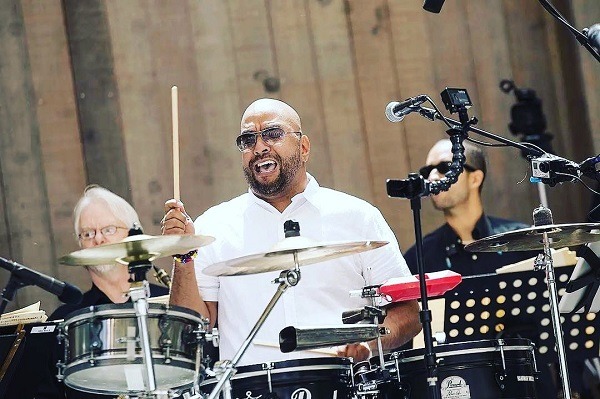
Omar Ledezma Jr playing the timbales

We understand that you are teaching at the SF Community Music Center and work hand in hand with other academic institutions, what made you dedicate yourself to teaching and training young talent?

I think it is important to lay the groundwork for the future. The present is lived now and the past provides us with experience, but we should always open the road forward for the future and new generations. I think that legacy for musicians is very important. We have to pass those teachings on to new generations.

Do you feel that the language shut doors on you at the beginning?

Not really. I have always thought that language should not be a limitation to fulfill your dreams. You have to respect the language of the country you are moving to, but without forgetting the mother tongue with which you were born, which is why I am a big supporter of bilingualism. You have to learn English, but without forgetting Spanish. It is a very important tool for young people whose parents were born outside the United States and moved here, but they should not forget their roots.

His experience at the Tempo Latino Festival

You have already told us that you have had the opportunity to tour the world. Could you tell us a little about your experience with Tempo Latino?

It was a very important experience for me and the group that I’m in, Pacific Mambo. It was an incredible experience with a massive attendance and it was surprising that we were able to meet that many people after the pandemic. We were playing in an arena full of people where we were warmly received.

It was very nice to feel the warmth of the live audience again and massively.

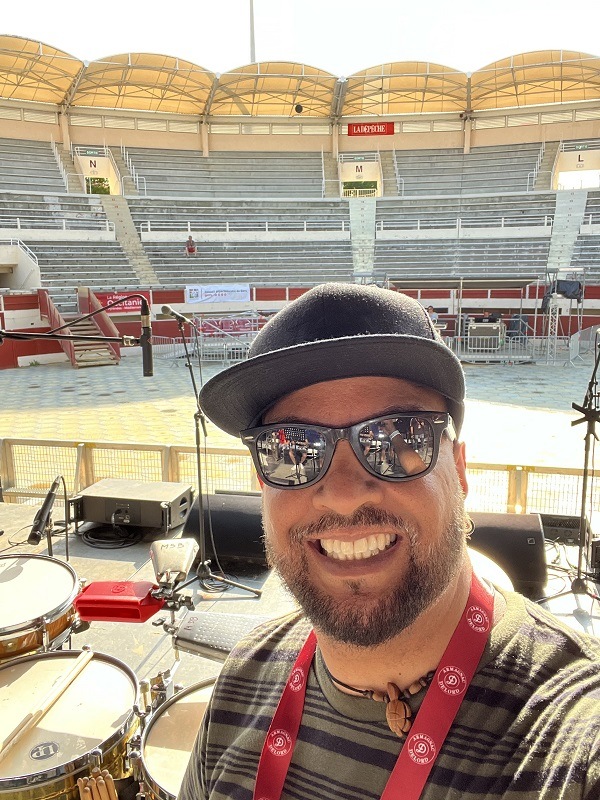
Omar Ledezma Jr in the arena at the Tempo Latino Festival

How was the flight, the arrival, the reception and everything that happened before the show?

It’s interesting because when I lived on the Northeast United States coastline, it was very easy for me to travel to Europe, Latin America, the Caribbean and other parts of the United States. Moving to California makes it more difficult because the trip is longer. It takes me about 11 hours to get to any port in Europe, and then being there, you have to make connection to get somewhere else. In our case, it was a full day of travel, as we arrived through Portugal. It was there that we waited for our connection to get to France. There were many people entering through the port of Lisbon, but there was no problem at all.

Already in France, the welcome the Tempo Latino staff was absolutely incredible. The audience was already waiting for our show. Then, we arrived to the village where the festival takes place and traveled a very beautiful route with spectacular scenery. Despite the fatigue, we fully enjoyed the trip.

When you played in the arena, how many people were there?

It is difficult to count the amount of people people there. I don’t have the exact numbers, but I can tell you that the arena was packed at the time of getting to the stage. We had the responsibility of opening for other well-known groups such as Los Van Van, so the arena was already full of people at the time of performing our show.

How was the audience reception towards you?

The audience reception was very warm and touching. People did not expect the band to have that contact and respect for the public like every time we perform. Many people enjoyed the hits we have had throughout our career such as OverJoyed by Stevie Wonder, Pink Panther Mambo, among other songs. When I did my solo with the timbales and the drums, I achieved a sound very much like We will rock you by Queen and I had to keep playing it because people were singing the song. An amazing thing that had never happened to me in my career.

Pacific Mambo performing at the Tempo Latino Festival

I heard that when you left France, you turned out to be infected with Covid-19, could you tell us what it went?

Yes, it came a surprise for me because I had not been infected since I went back to work on the street after the pandemic. I returned to my activities in the schools where I work and started providing shows again, but I had never tested positive for Covid-19 despite having been exposed. In fact, I have traveled to play in many places and even went on vacation to Venezuela, but I never contracted the virus.

When I return from my travel at the Tempo Latino festival, I was feeling a little sick and thought it was the fatigue of travel, but it turned out to be Covid-19. Fortunately, symptoms were very mild and I followed the treatment prescribed by the doctors. It took a little while for the virus to go away, but it all worked out. It was a period of forced vacation, as I had to wait about 20 days for the tests to be all negative.

Are you planning other international tours to Europe or Latin America?

We are negotiating to go to the East Coast and Canada in November. We are also making preparations for another small tour in the fall.

Today, the San Francisco Jazz Organization is going to broadcast our concert for subscribers, which makes us very happy.

What projects do you have on hand?

With regard to the band is concerned, we have talked about the possibility of making a new album and the way we want to do it. We are already looking for the music, the composers and the songs for the pre-production of this new musical work.

Pacific Mambo performing at the Tempo Latino Festival

Jazz, soul and rap singer Danay Suárez has an incredible talent

Cuban talent for the world

Danay Suárez (https://www.facebook.com/danaysuarezoficial) is a Cuban jazz, soul and rap singer who has achieved a lot of international notoriety in recent years thanks to her talent and dedication in each of her musical works. We are honored to talk to her and this is what we asked her:

Danay Suárez has given concerts in many cities of the United States and Europe

Questions for Danay Suarez

I have been able to see that you are a self-taught artist. Would you say that your musical progress was to do with ear or do you already have any formal education related to music?

I was trained as a lyric singer by one of the most important musical theater companies in Cuba (Opera de la Calle). My training involved rhythm, harmony, music theory and acting classes. Most of my musical progress is to do with living my career, improving my thoughts, stage, recording studios, reaching culture, entering various musical genres and meeting and collaborating with musicians from around the world.

You’ve gone into jazz, soul, reggae, traditional Cuban music and hip hop. However, it can be said that you started with socially conscious rap and were even called “The queen of Latin rap”. Did you experiment with all these rhythms and genres at the same time or in stages during your career?

I sing several genres because I am not static or orthodox, creativity inspires me, I need to move my ideas and explaining them with rhythm is a great and good challenge. Which is why I combine the freedom delivered by jazz gives to move the words and the possibility afforded by rap to create a speech with creating pleasant and danceable moments, perhaps alluding to reggae because this genre allows you to intellectualize while dancing. I listen to a lot of music and think I might go to new places and be inspired by new sounds.

Danay Suárez has been known as The Queen of Latin Rap

We saw a spectacular video of you singing your song “Yo Aprendí” with The Kennedy Center Orchestra. How can two seemingly different genres join in something so special? Tell us how was that experience, how they became interested in you for that project and how these musical elements came together. 

I don’t think two different genres came together, my arrangement for the symphony was very similar in its harmonic and melodic base. Making art and taking all the things we do to a level of excellence is what makes the worlds integrate and complement each other without being forced. For me the symphony is the complete picture, I place a high value on my words and I think many of them are divinely inspired, visual, parables, timeless most of the time. Sometimes I feel that only a symphony can support them at the highest level. Living my lyrics as I have imagined them is a dream come true, a dream fulfilled I want to repeat many times.

You have made music for Netflix and already some video games. How did they come to you? Why do you think they became interested in your music?

Together with my publishing company Kobalt Music, I was given proposals on synchronizing such as these video games, series, and some offers I’ve refused because I belive that they do not build anything of value that can be linked to the message of my songs. You never know what makes people connect with my music, but they can be the rhythm, the word, or the artist.

This Cuban singer has made music for Netflix and video games

Last year, you released your album “Vive”, which is very different from what you have been doing and come any closer to Christian music.

“Vive” is a thoroughly evangelical album because it was born in a period of deeped intimacy with the Lord, all my work is partly biographical and a portrait of the moment I’m living or I got over it, so I can already it. Those who know my work can see the sincerity through the music of each stage I’ve lived. At the end, the most honest approach I can offer to my music is my own testimony.

You have been in the United States and several European countries. How has been the responses of your music been in all these places? How are you perceived there?

The reception has always been extraordinary, people cry at my concerts and I know it’s because they listen to any advice that can transform their lives, they have a vivid and real moment, which is sealed with values that make good. That motivates me to always bring life to my people with the songs, I know that there is a thirsty world from which I’ve been part and that’s why I do not take lightly to make music, I do not even treat it strictly as a business. What I do is I finance my music through other businesses to allow me do things correctly. In the case of the non-Spanish speaking public, my answer is that music is a universal language that is felt and enjoyed in the same way when it’s genuine.

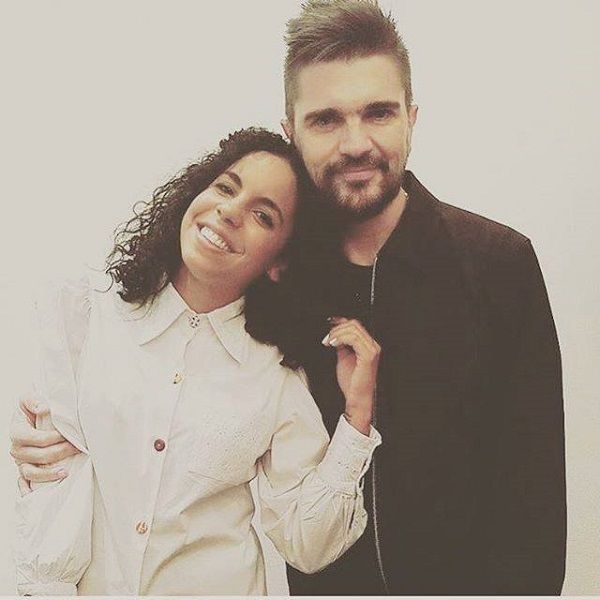
Danay Suárez next to Colombian singer Juanes


Home

  • « Go to Previous Page
  • Page 1
  • Interim pages omitted …
  • Page 14
  • Page 15
  • Page 16
  • Page 17
  • Page 18
  • Interim pages omitted …
  • Page 23
  • Go to Next Page »

International Salsa Magazine (ISM) is a monthly publication covering salsa activities around the world and has been publishing since 2007. It is a worldwide network of volunteers coordinated by ISM Magazine. Together, we work to strengthen salsa events around the world.