• Skip to primary navigation
  • Skip to main content

International Salsa Magazine

  • HOME
  • Previous editions
    • 2026
      • ISM / March 2026
      • ISM / February 2026
      • ISM / January 2026
    • 2025
      • ISM / December 2025
      • ISM / November 2025
      • ISM / October 2025
      • ISM / September 2025
      • ISM / August 2025
      • ISM / July 2025
      • ISM / June 2025
      • ISM / May2025
      • ISM / April 2025
      • ISM / March 2025
      • ISM / February 2025
      • ISM / January 2025
    • 2024
      • ISM / December 2024
      • ISM / November 2024
      • ISM / October 2024
      • ISM / September 2024
      • ISM / August 2024
      • ISM / July 2024
      • ISM / June 2024
      • ISM / May 2024
      • ISM / April 2024
      • ISM / March 2024
      • ISM / February 2024
      • ISM / January 2024
    • 2023
      • ISM / December 2023
      • ISM / November 2023
      • ISM / October 2023
      • ISM – September 2023
      • ISM – August 2023
      • ISM July 2023
      • ISM Edition June 2023
      • ISM – May 2023
      • ISM April 2023
      • ISM March 2023
      • ISM February 2023
      • ISM January 2023
    • 2022
      • ISM December 2022
      • ISM November 2022
      • ISM October 2022
      • ISM September 2022
      • ISM August 2022
      • ISM July 2022
      • ISM June 2022
      • ISM May 2022
      • ISM February 2022
      • ISM January 2022
    • 2021
      • ISM December 2021
      • ISM November 2021
      • ISM October – 2021
      • ISM September 2021
      • ISM August 2021
      • ISM July 2021
      • ISM May 2021
      • ISM April 2021
      • ISM June 2021
      • ISM March 2021
      • ISM February 2021
      • ISM January 2021
    • 2020
      • ISM December 2020
      • ISM November 2020
      • ISM October 2020
      • ISM September 2020
      • ISM August 2020
      • ISM July 2020
      • ISM June 2020
      • ISM May 2020
      • ISM April 2020
      • ISM March 2020
      • ISM February 2020
      • ISM January 2020
    • 2019
      • ISM December 2019
      • ISM November 2019
      • ISM October 2019
      • ISM Septembre 2019
      • ISM August 2019
      • ISM July 2019
      • ISM June 2019
  • Spanish
  • Download Salsa App
    • Android
    • Apple

Search Results for: Tango

Yes, I speak the ancient African Lucumi toungue: The second language of salsa

Many Latin Americans have left the name of their culture very high around the world, making people from other nationalities and even continents feel fascinated by these elements and end up adopting them as their own. Such is the case of Nigerian Oluwakemi Odusnya, better known as Kemi, who has been kind enough to share with us a little of her story, her knowledge of the Lucumi language and her relationship with Latin music.   

people practicing Yoruba
A group of people practicing the Yoruba religion

Kemi’s coming to the United States   

Kemi tells us that she was born in Nigeria, but moved to the United States when she turned 18 in search of a better future for herself. That was more than 10 years ago, so the young woman already had a good idea of how things are handled in her country of residence.   

Taking advantage that this is the land of opportunity, she studied computer science and graduated as a software engineer, the profession she is in now.   

Additionally, she discovered other passions and hobbies such as Latin music and dancing, especially tango, but we will talk about that a little later on.   

In his country of origin, he learned to speak English, which is the official language of Nigeria, and Lucumi, which we will talk about in the next section.   

Lucumi and its relationship with Latin music   

After talking a little bit about her personal life, Kemi went on to explain what the Lucumi language was and how it was perceived today. Contrary to what many online sources might say on the subject, the Nigerian explained that Lucumi and Yoruba were pretty much the same thing, but with a different name.   

The group of people who spoke Locumi are no longer called that way because many Nigerians have moved to other countries, so there are other terms to define them today.  

Kemi moved on by explaining that, in her country, there are about 300 languages in general, but the official one is English. This in order that the speakers of the other languages can communicate with each other without any problem. Among these native languages, we can mention the ”Pidgin English” which is the result of mixing English with elements from local languages.   

In the specific place Kemi grew up, villagers speak Yoruba, which was formerly known as Lucumi. The name change of the language and many terms used in it have been the direct reault of the immigration of many Nigerians to other countries, especially to the West.    

In Kemi’s particular case, she was pleasantly surprised to discover the lyrics of Celia Cruz and to find many of the words of her own Lucumi language.    
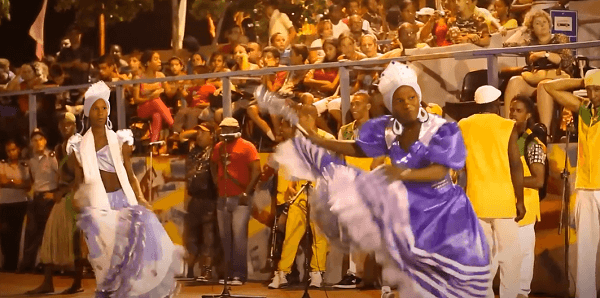
Yoruba dancing
Yoruba dancing and singing in Cuba

Lucumi and Latin music 

For Kemi, the relationship between Lucumi and a part of Latin music is more than evident. Something that particularly caught his attention was that several songs by Cuban artists constantly made reference to the Yoruba divinities: Oshun, Yemayá, Changó, Elegguá, Oggun, Oyá and Obbatalá.   

”For me it was very impressive to see the extent of our culture, since there are many Africans who have had to leave their lands in search of a better place to live, but they do not want to distance themselves emotionally from their country. On the contrary, they want to be as connected as best they can to their country and Latin music, specifically Cuban music, is an excellent tool to stay bonded to their roots” said Kemi on the subject.   

”Many just like me who have come to this country find in Latin music and dance a way to stay connected to our traditions. Sometimes, even we feel that we and Latinos have the same ancestors,” Kemi says with a laugh.   

How new generations perceive Yoruba culture and its elements   

Something Kemi pointed out is that the new Nigerian generations no longer perceive Yoruba culture in the same way. In fact, a large portion of the immigration from the African country no longer feels a real connection with the customs of their own country because they became ”westernized” in some way, especially the younger part.  

Another important detail highlighted by Kemi is that, in today’s Nigeria, Santeria and other religions like that have begun to be perceived as dark, so many people no longer feel comfortable practicing these cults. In fact, there has been a rise of Christianity and Islam in the country, so not a few locals ended up designing their own ritual by mixing these religions with Yoruba culture so that the latter is not seen as impure.   

Those who practice the Yoruba religion in Nigeria are aware that their worship is a mixture of Yoruba culture and Christianity, but they can not say it openly because it looks bad,” Kemi says about this.   

To close, Kemi also said that she is neither a Santera nor a practitioner of any religion. Her family is Muslim and she grew up adhering to Islam, but that changed when she moved to the United States. Today, she has a great deal of respect for these aspects of the Yoruba religion, but does not perform any of these practices.  

Kemi in our interview
Kemi during our interview via Zoom

Kemi’s love for tango 

Kemi has a great love for tango, to the point that she practices it two or three times a week for entertainment and physical activity. 

Initially, Kemi enjoyed dancing salsa because it reminded her so much of the music of her homeland and Yoruba culture, but after some health complications on her hips, she had to opt for something slower and calmer. That’s when she started to try tango and ended up liking it very much. 

After the pandemic, she found that there was a dance academy near he rhome, which motivated her to dance tango to the point where these lessons have become a very important part of her life. She also sees dancing as a way to connect with others and be on the same page.   

Read also: Patrón Latin Rhythms manager talks about the band and its plans 
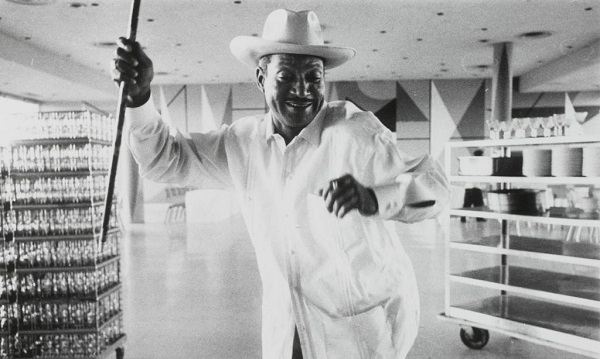
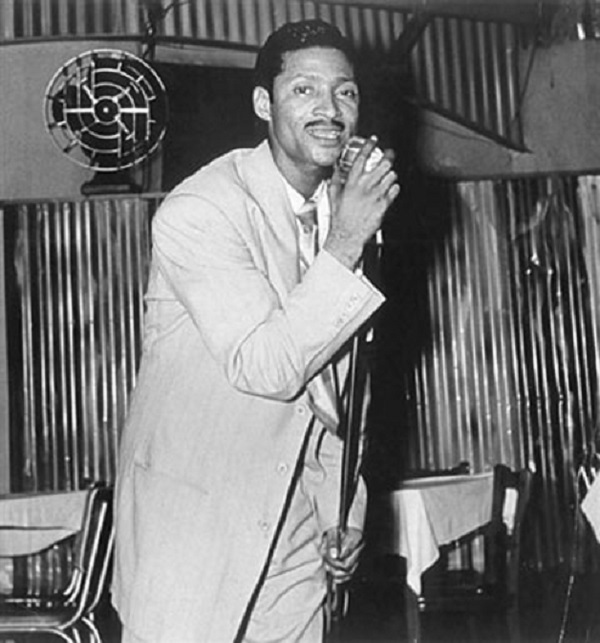
Benny More

Latin America / Cuba

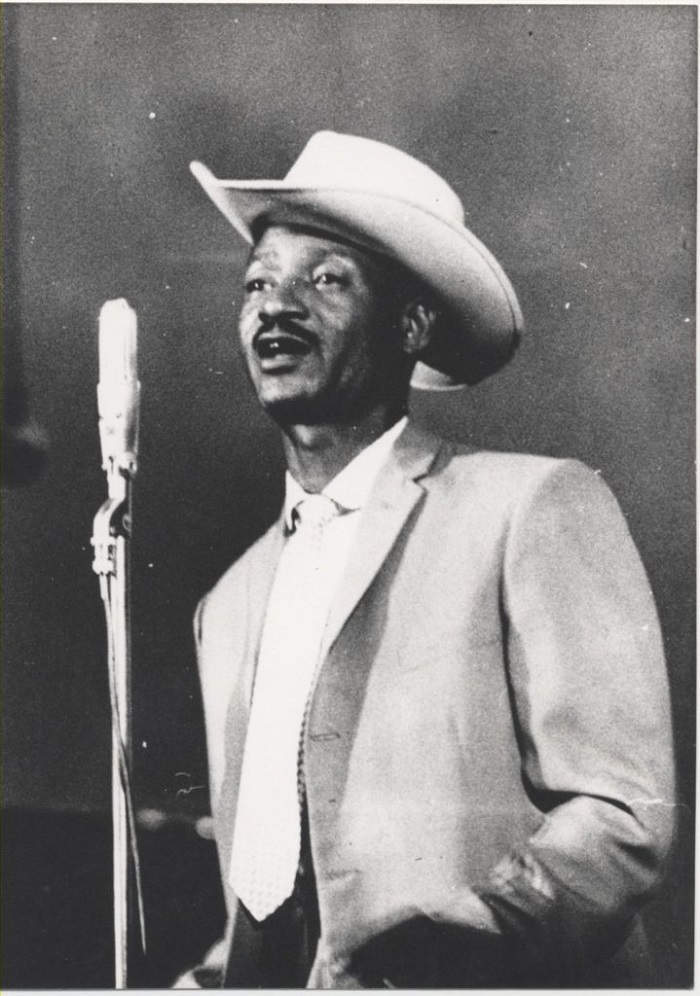
Benny More. The story of the biggest crowd idol that Cuba has given.

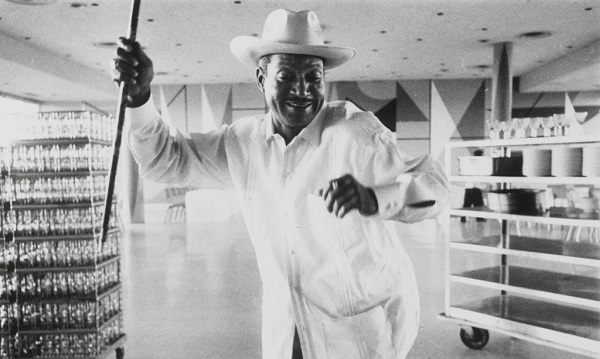
Benny More. He is not just another musician, he is unanimously the greatest popular artist that has ever existed in Cuba. It is the symbol, the myth, the legend, as the summary of Cuban popular music that is very rich and abundant. Benny symbolizes the peasant party, the sarao, the bohemia, the download, the coffee, the bar, the theater, the party, the carnivals, the show. El Bárbaro del Ritmo is the best of popular music.

Benny More
Benny More

Born on August 24, 1919 at 7:00 a.m. m. in the Pueblo Nuevo neighborhood of the town of Santa Isabel de las Lajas, belonging to the Cienfuegos province. His parents were named Virginia Moré and Silvestre Gutiérrez, and Benny was the oldest of 18 siblings. His surname Moré came from Ta Ramón Gundo Moré (a slave of Count Moré), who according to the tradition of the Congos, was their first king in Santa Isabel de las Lajas.

He was gifted with a flowing tenor voice that he colored and phrased with great expressiveness.

This context was definitive for his future career in music, he learned to play the insundi, the yuka drums, those of Makuta and Bembé, invokers of deities, with whom he sang and danced perfectly, but also to interpret the son, the guaracha and the rumba.

Since he was a child he manifested his great vocation for music, as he would spend all day humming a popular song or improvising and directing ensembles made up of machetes, bongos made from milk cans, guitars made from a board and nails made from strings of string. sew, two sticks as keys, etc. And when he was ten years old, he “grated” a “real” three that had been lent to him, with which he would escape from his mother to the parties near his house.

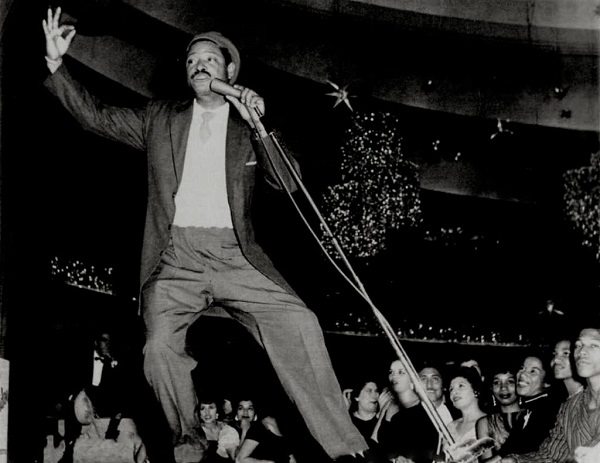
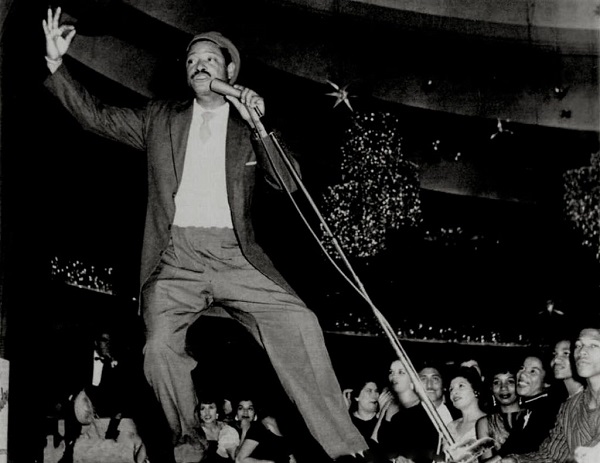
Benny More in concert

Moré was a master in all genres of Cuban music.

He could always be found standing on a table singing and reciting a son manigüero, surrounded by listeners. He spent his childhood and adolescence as Bartolomé, without the opportunity to study or get a permanent job. Like his brother Teodoro, Bartolomé was enrolled in the José de la Luz y Caballero School of Public Instruction, where he always stood out for his conduct and application.

He was gifted with a flowing tenor voice that he colored and phrased with great expressiveness.

This context was definitive for his future career in music, he learned to play the insundi, the yuka drums, those of Makuta and Bembé, invokers of deities, with whom he sang and danced perfectly, but also to interpret the son, the guaracha and the rumba.

Since he was a child he manifested his great vocation for music, since he would spend all day humming a popular song or improvising and directing ensembles made up of machetes, bongos made with milk cans, guitars made with a board and nails with strings of thread. cook, two sticks as keys, etc. And when he was ten years old, he “grated” a “real” three that had been lent to him, with which he would escape from his mother to the parties near his house.

Why is the Bacardi symbol a bat?

Moré was a master in all genres of Cuban music.

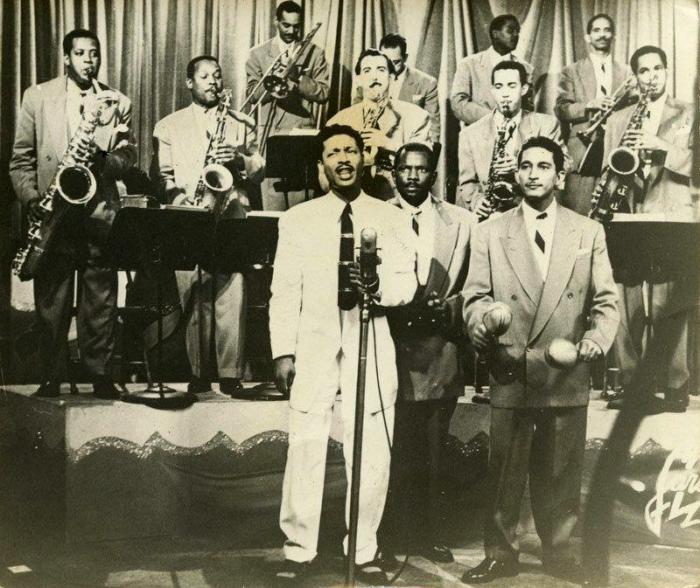
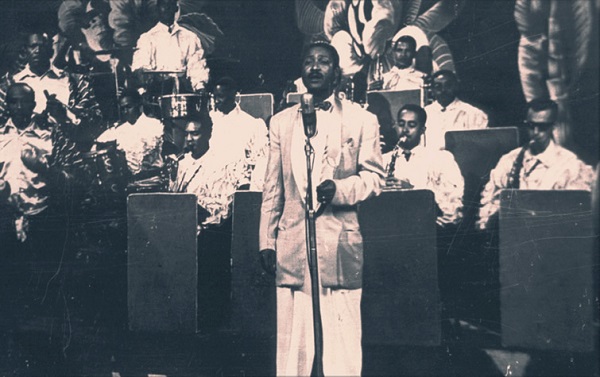
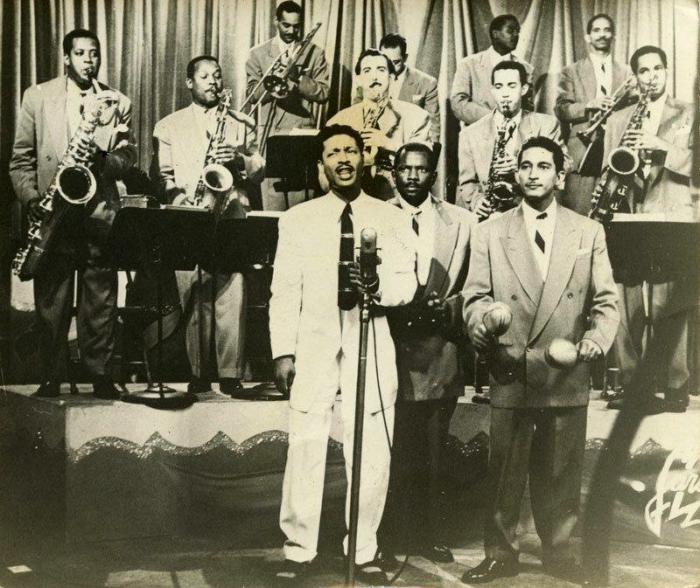
Benny More with the orchestra

He could always be found standing on a table singing and reciting a son manigüero, surrounded by listeners. He spent his childhood and adolescence as Bartolomé, without the opportunity to study or get a permanent job. Like his brother Teodoro, Bartolomé was enrolled in the José de la Luz y Caballero School of Public Instruction, where he always stood out for his conduct and application.

His voice particularly stood out in the son montuno, the mambo, and the bolero.

Since he was a child, his aptitude for singing and improvisation stood out, which he demonstrated when, barely seven years old, he escaped to entertain Guateques and parties nearby and stayed singing notes with his mother to prevent him from sleeping while ironing until late at night. .

Benny went through a complicated life, but he was willing to do anything to achieve his dreams of success. With almost twenty years of age, in 1940 Bartolomé said goodbye to his mother at the Ritz Hotel in Central Vertientes, where she worked, and traveled hidden, indistinctly, on a train and in a truck, to the City of Havana. He was definitely coming to try his luck in the bustling city. Since then he would be seen in the famous neighborhood of Belén, with a guitar acquired in a pawnshop, wandering through cafes, bars, hotels, restaurants, and even brothels.

That same year he told his cousin, a fellow downloader: “I’ll stay in Havana, here I get up or I sink.” From then on the saga of the downloads began in the bars on the avenue of the port. Once, recalling those times, he confessed: “I went out into the street with a guitar on my shoulder to sing to the tourists. I am not ashamed of it; Carlos Gardel also did it in Argentina and he is the king of tango”

At that time, the Supreme Court of Art began to be broadcast on the CMQ station. Bartolomé Maximiliano Moré appeared on that program animated by Germán Pinelli and José Antonio Alonso. After presenting it and at the moment of starting his presentation, the bell rang for him. Later Bartolomé returned to Monte y Prado to the Supreme Court and on this second occasion he won the first prize. Possessor of a fresh voice, with a beautiful timbre, sensual and evocative, of a black peasant, despite his misery, Bartolo continued to sing with all the inner strength that Cuban rhythms demanded of him.

One of his escapades Siro Rodríguez, a member of the famous Trio Matamoros, heard him sing in the bar of El Templete restaurant, on Avenida del Puerto, and was very impressed by the boy’s voice and tuning. Bartolomé’s entry into the group led by Miguel Matamoros can be considered his true debut as a professional singer, since with said group he had a stable job for the first time as a musician and made his first recordings on 78 revolutions per minute records.

Benny knew he had a voice, an atche (luck), and a destiny. Perhaps he sensed it, intuited it, or simply trusted in his triumph. When he started with Miguel Matamoros and his group, he already wanted to make changes to the picket line. In Mexico, when Miguel got sick, he was able to direct the group, took command and made the friends enjoy themselves at the El Patio cabaret.

When the contract ended, the Matamoros group returned to Havana, but without Bartolomé, who decided to try his luck alone in Mexico. When communicating his decision to the famous author of the son El que sowing his corn, Miguel Matamoros would reply: “It’s very good, but you have to change your name from Bartolo, which is very ugly. You’re not going anywhere with him. You’re right, Bartolo replied, from today I’ll be called Benny, yes, Benny Moré.

The owner of the business was hypnotized by the tasty atmosphere that Benny created as a manager. After singing with several leading orchestras in Mexico, he stood up nicely with the most famous band of the 20th century: Pérez Prado and the Cuban mambo.

With this meeting, two geniuses came together: in Benny Moré there was talent and natural intuition; in Pérez Prado, in addition to all that, mastery of technique and an enormous facility for making music.

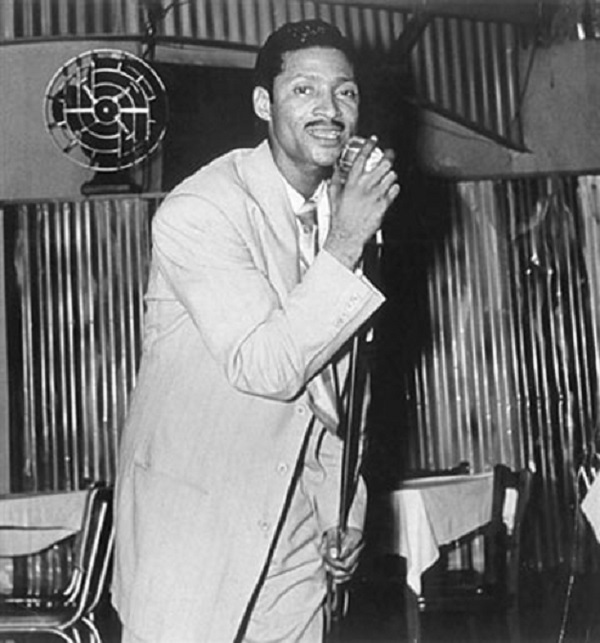
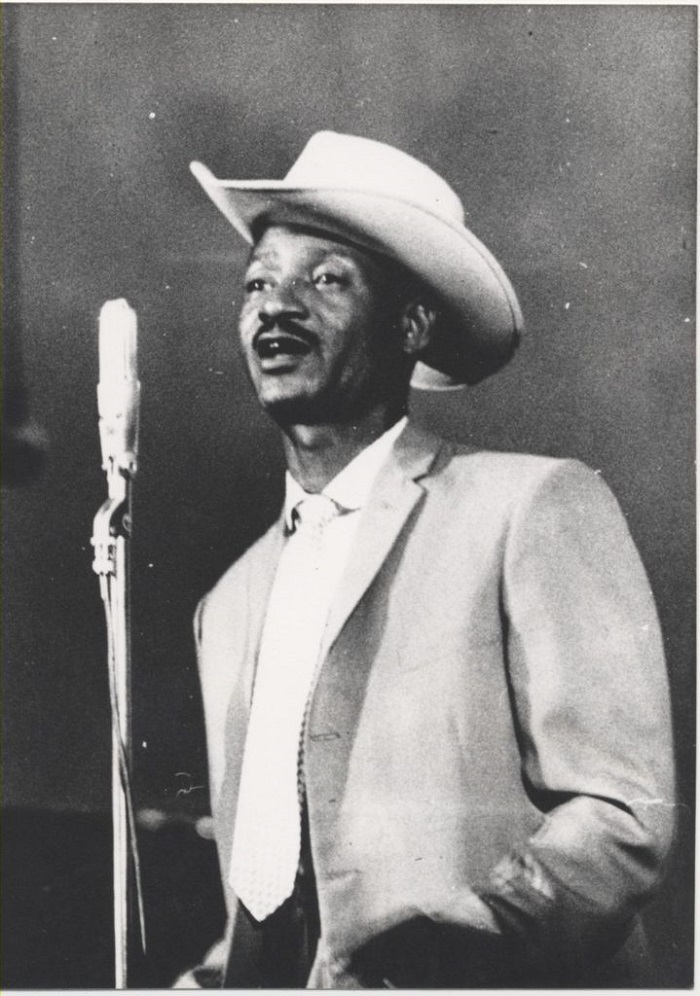
Benny More singing
Benny More singing

With Pérez Prado he conquered the noble Aztec people on tours of different states of that sister country. Due to the success achieved by Benny, the town awarded him the title of “Prince of the mambo” and Pérez Prado that of “King of the mambo”. He sang like no one else in the world and began his international rise.

By that time Benny’s voice was already known in Panama, Colombia, Brazil, Puerto Rico, Haiti, Venezuela, and of course, in his native Cuba. In the lively world of nightlife in Mexico City, the Cuban singer performed in countless theaters, among others the Margo, the Blanquita, the Folliers and the Cabaret Waikiki, alternating with renowned artists such as the legendary vedette Yolanda Montes (Tongolele ), the Mexican Toña la Negra, and the prominent Cuban pianist and composer Juan Bruno Tarraza, for whom Benny sang the bolero Ya son las doce. He participates in many films and upon his return to Cuba, he was already sure that he had to be counted on.

Nostalgia for his family, friends, for the Homeland, and the desire to obtain laurels on his Island, where he considered that he was not well known, made him return to his beloved Lajas at the end of 1950. The older sonero was definitely in Cuba, he had left behind comforts, material and spiritual satisfactions, friends and even the loves that winners usually do not lack.

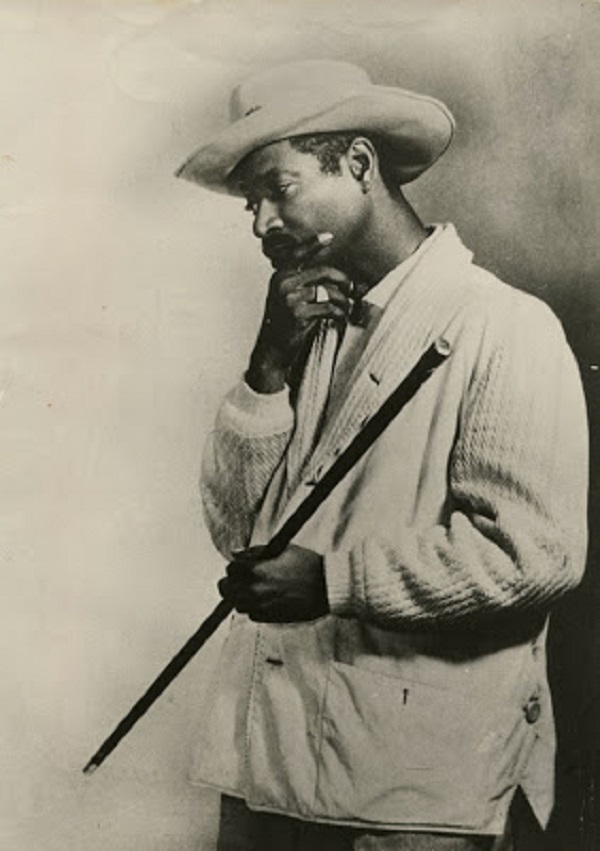
Benny More Photo
Benny More Photo

For the next two years, he performed by contract for a program called “De fiesta con Bacardi”, which aired on the Cadena Oriental radio station with the Mariano Mercerón orchestra, and the singers Fernando Álvarez and Pacho Alonso.

As Benny Moré was an exclusive artist for RCA Víctor, this firm demanded his presence in Havana to make different recordings. To fulfill this commitment, he made alternate trips to Havana and thus maintained his commitment to the eastern radio network. After the engagement at Casa Bacardí and master Mercerón, in 1952 Benny Moré returned to Havana.

Certainly Benny concluded an era, closed a chapter of Cuban musical life, that stage of nightlife that was already declining. Benny’s life was related to a world that has already disappeared. Then everything became myths and legends. Benny kept singing, but now it would be on scratch records, which were digitized.

Today’s “oidores” (listeners) must travel back in time, abstract themselves, imagine those seedy bars in the Havana port full of curious tourists. Of Chinese inns that sold “complete” for poor people who passed the hat, after singing through the streets of Havana.

Benny More
Benny More

Europe / May 2024

Calibrated maracasMartinez attorney

fRANCE FLAG
FRANCE
DIRECTORY OF NIGHTCLUBS

Salsabor
Salsabor Paris
31 rue Chapon 75003
Paris, France
+33 1 42 71 61 61

Selsero
Salseroparis
9 Rue du Petit Pont, 75005
Paris, France
+33 6 50 16 74 76

La Peña
La Peña Saint Germain
3 passage de la Petite Boucherie 75006
Paris, France
+33 1 46 33 19 89

Cubana
Cubana Café
47 rue Vavin 75006
Paris, France
+33 1 40 46 80 81

Canela
Canela Club Latino Paris
77 Rue du Faubourg du temple 75010
Paris, France
+33 6 46 78 28 35

Balajo
Le Balajo
9 rue de Lappe 75011
Paris, France
+33 01 47 00 07 87

La Pachanga
La Pachanga Officiel
8, rue vandamme 75014
Paris, France
+33 1 40 47 63 69

Pachamama
Pachamama PARIS
46 rue du Faubourg Saint Antoine 75012
Paris, France
+33 1 55 78 10 00

Cuba Compagnie
Cuba Compagnie Café
48 BD Beaumarchais 75011
Paris, France
+33 1 48 06 07 11

O'Sullivans By The Mil

O’Sullivans Backstage By The Mill
92 Boulevard de Clichy 75018
Paris, France
+33 1 53 09 08 49

Germany circular Flag
GERMANY
DIRECTORY OF NIGHTCLUBS

Clärchens

Clärchens Ballhaus

Auguststraße 24
10117 Berlin, Germany
+49 30 555785440

Havanna
Havanna Berlin
Hauptstr. 30
10827 Berlin-Schöneberg, Germany
+49 30 78899655

SODA
Soda Club Berlin
Schönhauser Allee 36
10435 Berlin, Germany
+49 30 44056071

Zapatissimo
Zapatissimo Dance School
Kolonnenstrasse 29
10829 Berlin, Germany
+49 176 20470772

Brotfabrik
Brotfabrik Frankfurt
Bachmannstr. 2-4
60488 Frankfurt, Germany
+49 69 24790800

Latin Palace Changó
Latin Palace Changó
Münchener Strasse 57
60329 Frankfurt, Germany
+49 69 27220807

Cascadas
Cascadas
Ferdinandstr. 12
20095 Hamburg-Mitte, Germany
+49 69 27220807

Spain Flag
SPAIN
DIRECTORY OF NIGHTCLUBS

ACM City
ACM CitY
Carrer Can Pallarès 2, Cerdanyola del Vallès
08290 Barcelona, Spain
+34 675 30 26 64

Antilla
Antilla Barcelona
C/ d’Aragó, 141
08015 Barcelona, Spain
+34 610 90 05 58

Mojito
Mojito Club
Rosselló, 217
08008 Barcelona, Spain
+34 654 20 10 06

Morena
Morena Barcelona
calle 11 num.29
08860 Castelldefels, Spain
+34 691 46 57 72

Que Chimba
¡Qué Chimba!
Av. del Vallès, 117
08223 Terrassa, Barcelona, Spain

Seven Dance
Seven Dance (Dio Club)
Carrer del Perill 10
08012 Barcelona, Spain
+34 934 51 61 18

Azucar
Azúcar SalsaDisco
Calle de Atocha, 107
28012 Madrid, Spain
+34 639 64 29 06

El Son
Discoteca El Son
C. de la Victoria, 6
28012 Madrid, Spain
+34 671 05 67 91

Prisma Discoteca
Discoteca Prisma
C. de Alcalá, 192
28028 Madrid, Spain
+34 638 92 16 98

Sala Olvido Madrid
Sala Olvido
C/ Olvido 15
28026 Madrid, Spain
+34 619 22 29 19

The Host Madrid
The Host
C/ Ferraz nº 38
28008 Madrid, Spain
+34 918 05 36 48

Disco Bar Cuba Live
Cuba Live
Ramón y cajal número 2
07011 Palma de Mallorca, Spain
+34 618 86 78 20

Discoteca El Edén Boliviano
El Edén Boliviano
Carrer Gremi de Tintorers, 49A
07009 Palma, Illes Balears, Spain
+34 676 64 68 26

United Kingdom circular flag
UNITED KINGDOM
DIRECTORY OF NIGHTCLUBS

Rosies
Rosies Birmingham
259-262 Broad St
B1 2HF Birmingham, UK
+44 121 632 4936

Revolucion de Cuba
Revolucion de Cuba Leeds
64-68 Call Lane
LS1 6DT Leeds, UK
+44 113 350 6556

All Stars Salsa
All Stars Salsa Fridays
122 Oakleigh Road North
N20 9EZ London, UK
+44 7956 941172

Salsa Soho
Bar Salsa Soho
96 Charing Cross Rd
WC2H 0JG London, UK
+44 20 7379 3277

Salsa Temple
Bar Salsa Temple
Victoria Embankment, Temple
WC2R 2PH London, UK
+44 20 7395 3690

Earl's Court
Earl’s Court Salsa & Bachata Club
St Philips Church, Upper Grand Hall, Earls Court Road
W86QH Earl’s Court, UK
+44 7831 715368

Juju's
JUJU’s Bar & Stage
Ely’s Yard 15 Hanbury Street
E1 6QR London, UK
+44 020 7770 6109

LightHouse
The LightHouse Bar & Club
62 Rivington Street
EC2A 3AY London, UK
+44 20 3325 9745

Wimbledon Salsa Bachata
Wimbledon Salsa & Bachata Club
Drake House, 44 ST George Road
EC2A 3AY London, UK
+44 7831 715368
MAY 2024 FESTIVALS by Karina Bernales

Albania circular flag
ALBANIA
Afrolatin 2024

Albania Afrolatin Festival

May 08 / 13 2024

Grand Blue Fafa Resort
Rruga Kompleksit
Golem, Albania 1000

€ 82.90

Austria circular flag
AUSTRIA
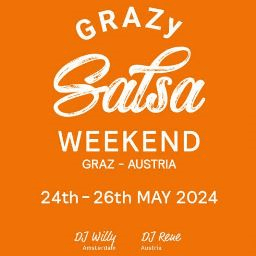
Grozy 3024

Grazy Salsa & Bachata Festival

May 24 / 26 2024

Die Tanzvilla am Geidorfplatz
Albrechtgasse 1
Graz, Austria 8010

€ 119

Belgium circular flag
BELGIUM
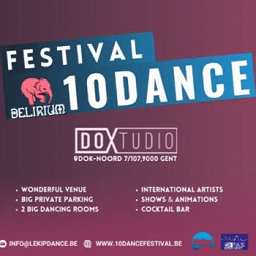
10 Dance 2024

10 Dance Delirium Salsa Festival

May 24 / 26 2024

Doxtudio Dance Studio
Dok-Noord 7/107
Ghent, Belgium 9000

€ 82.05

Bulgaria JPG
BULGARIA
Paradise 2024

Paradise Salsa Holiday

May 22 / 27 2024

Kotva Hotel
8240 Sunny Beach
Sunny Beach, Bulgaria

€ 89

Czech Republic circular flag
CZECHIA
pRAGUE Salsa 2024

Prague Salsa Marathon

May 08 / 13 2024

Romantic Grotta
Havlíčkovy Sady
Prague, Czech Republic 12000

€ 200

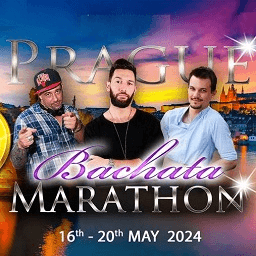
Bachata Marathon 2024

Prague Bachata Marathon

May 16 / 20 2024

Romantic Vineyard Gazebo
Havlíčkovy sady
Prague, Czech Republic 120 00

€ 128

Prague Marathon

Prague Kizomba Marathon

May 23 / 27 2024

Na Marjánce Ballroom
Belohorska 35/262
Prague, Czech Republic 169 00

€ 138

Denmark circle flag
DENMARK
Baila Siempre 2024

Baila Siempre Salsa Weekend

May 09 / 12 2024

Baila Siempre Dance Studio
Kometvej 4
Horsens, Denmark 8700

Kr 1.000

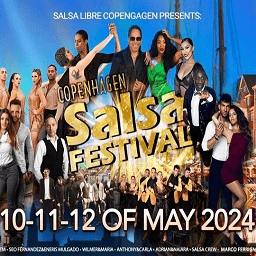
Copenhagen Salsa 2024 Copenhagen Salsa Festival
May 10 / 12 2024Kedelhallen
Nyelandsvej 75
Frederiksberg , Denmark 2000DKK 1.000
Aarhus Dance 2024

Aarhus Dance Festival

May 16 / 19 2024

Studenterhus Aarhus
Nordre Ringgade 3
Aarhus, Denmark 8000

DKK 599

Estonia cicle flag
ESTONIA
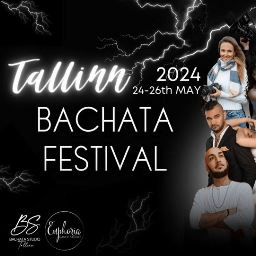
Tallinn 2024

Tallinn Bachata Festival

May 24 / 27 2024

Bachata Studio Tallinn
Kopli 25
Tallinn, Estonia 10412

€ 119

fRANCE FLAG
FRANCE
Agen Kizomba 2024

Agen Kizomba

May 17 / 20 2024

Mairie Espace Culturel François Mitterrand
Avenue François Mitterrand
Boe, France 4755

€ 70

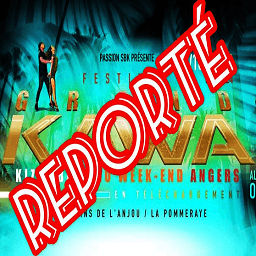
Kawa 2024

KAWA – Kizomba Afro Week-End

May 17 / 20 2024

Les jardins de l’Anjou
9 Chem. de Vaujou
Mauges-sur-Loire, France 49620

€ 60

Bordeaux Kizomba 2024

Bordeaux Kizomba & Salsa Congress

May 31 / Jun 02 2024

Mercure Bordeaux Aeroport Hotel
1 avenue Charles Lindbergh
Merignac, France 33700

€ 59.90

Germany circular Flag
GERMANY
Salsafestival Augsburg 2024

Salsafestival Augsburg

May 03 / 05 2024

Park Theater Hotel
Klausenberg 6
Augsburg, Germany 86199

€ 89

Pure Bachata 2024

Pure Bachata Summer Festival

May 03 / 05 2024

Tanzschule Tanzraum Dance Studio
Salierring 33
Cologne, Germany 50677

€ 100

Ritmo Festival 2024

Ritmo Dance Festival

May 17 / 19 2024

Kesselhaus & Maschinenhaus (Kulturbrauerei)
Schönhauser Allee 36
Berlin, Germany 10435

€159

Ritmo Berlin 2024

RITMO Berlin festival

May 17 / 19 2024

Kesselhaus in der Kulturbrauerei
Knaackstraße 97
Berlin, Germany 10435

€ 199

KizombaInvasion 2024

KizombaInvasion

May 17 / 20 2024

Tanzschule Piet & Müller Convention Centre
Oscar-Walcker-Straße 32-34
Ludwigsburg, Germany 71636

€ 100

DJ Got Us 2024

DJ Got Us Fallin in love

May 24 / 26 2024

V8 Hotel the Original / Motorworld Region Stuttgart
Charles-Lindbergh-Platz 1
Boblingen, Germany 71034

€ 70

Cologne Salsa 2024 Cologne Salsa Congress
May 24 / 26 2024Bürgerhaus Hürth Convention Centre
Friedrich-Ebert-Strase 40
Hurth, Germany 50354€129

Greece circular flag
GREECE
Salsa Srping 2024

Salsa Spring Festival

May 16 / 19 2024

Club Hotel Casino Loutraki
Hotel
Posidonos 48
Loutraki, Greece 203 00

€ 95

Italy circle flag
ITALY
Salsa on Tour 2024

Salsa on Tour International Salsa Festival

May 09 / 12 2024

Garden Toscana Resort
Via dei Cavalleggeri 1
San Vincenzo, Italy 57027

€ 100

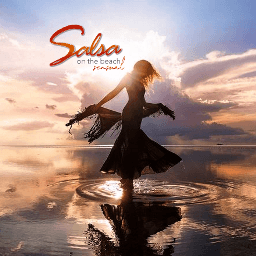
Salsa on 2024

Salsa on the Beach

May 10 / 12 2024

Hotel Bibione Palace

Via Taigete, 20
Bibione, Italy 30028

€ 295

Sicily Latin 2024

Sicily Latin Festival

May 23 / 26 2024

Hotel Fontane Bianche Beach Club
Viale dei Lidi, 519, Fontane Bianche Syracuse, Italy 96100

€ 100

Lithuania circle flag
LITHUANIA
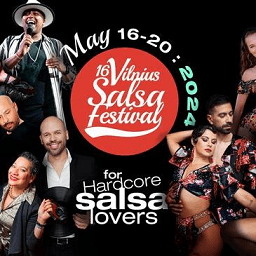
Vilnius Salsa 2024

Vilnius Salsa Festival

May 16 / 20 2024

The House Of Polish Culture
Naugarduko str. 76
Vilnius, Lithuania

€ 112.66

Netherlands circular flag
NETHERLANDS
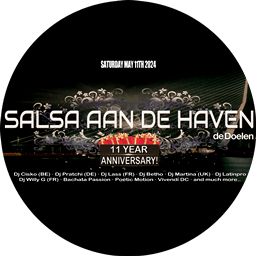
Salsa Aan 2024

SADH 11 Year Anniversary!

May 11 2024

Concert – en Congresgebouw de Doelen
Schouwburgplein 50
Rotterdam, Netherlands 3012 CL

€ 24

KizzLab 2024

KizzLab Festival

May 16 / 19 2024

Het Forum Conference Center
Elmpterweg 50
Roermond, Netherlands 6042 KL

€ 71

Norway Circle Flag
NORWAY
Nordic Salsa 2024

Nordic Salsa & Bachata Experience

May 03 / 05 2024

Samfunnssalen Event & Konferanse
Arbeidersamfunnets plass 1
Oslo, Norway 0181

NOK 1,190

Poland flag
POLAND
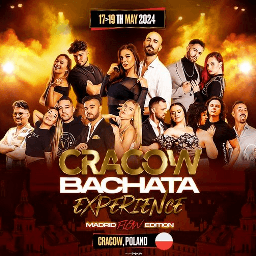
Cracow Bachata 2024

Cracow Bachata Experience

May 17 / 19 2024

LOFToDANCE Lukasz Ras
Kamienna 2-4
Cracow, Poland 30-001

€ 65

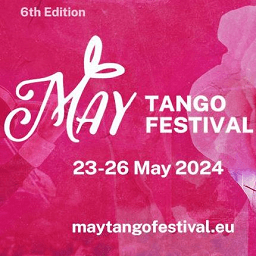
May Tango 2024

May Tango Festival

May 23 / 26 2024

Zabrze
Amic, Uhlica Karola Miarki, 41-800
Zabrze, Poland

3 City Social 2024

3 City Social

May 30 / Jun 02 2024

SoSalsa Solidarity of Salsa
Elektryków 1
Gdansk, Poland 80-863

Zł 399

Portugal Circular Flag
PORTUGAL
Open Summer 2024

Kizomba Open Summer Festival

May 22 / 27 2024

Salgados Palace Hotel
Herdade dos Salgados
Albufeira, Portugal 8200-424

€ 80

Porto Santo 2024

Porto Santo Latin Week

May 26 / Jun 02 2024

Vila Baleira Resort
Sitio do Cabeço da Ponta
Porto Santo, Portugal 9400-909

Danças do Mundo 2024

Danças do Mundo na Zona Oeste

May 31 / Jun 02 2024

Centro de Atividades Sociaisda Praia Azul
Rua da Varandinha, Praia Azul
Silveira, Portugal 2560-411

€ 40

Serbia And Montenegro circular flag
SERBIA AND MONTENEGRO
Neighborhood 2024

Neighborhood LAF Varijanta Bachata Salsa Kizomba

May 01 / 05 2024

Dom omladine Beograda
Makedonska 22
Belgrade, Serbia and Montenegro 11000

€ 60

Spain Flag
SPAIN
Esencia Paradise 2024

Esencia Paradise Dance Congress

May 02 / 05 2024

Gran Casino Costa Brava
Av. Vila de Tossa, 27-43, Lloret de Mar
Barcelona, Spain 17310

€ 70

Vamos A Bailar 2024

Vamos A Bailar International Congress

May 08 / 12 2024

Evenia Olympic Resort

Semyora de rossell 35
Lloret de Mar, Spain 17310

€ 413

Bachata Spain 2024

Bachata Spain

May 09 / 12 2024

Barceló Punta Umbría Beach Resort
Av. del Decano, s/n
Punta Umbria, Spain 21100

€ 99

Dominican 2024

A lo Dominican Festival Barcelona

May 15 / 19 2024

Hotel Guitart Gold Central Park Aqua Resort
Constantí Ribalaigua, 7
Lloret de Mar, Spain 17310

€ 110

Valencia Baila 2024

Valencia Baila 2024

May 24 / 26 2024

Hotel & Spa Peñíscola Plaza Suites
Avinguda del Papa Luna, 156
Peniscola, Spain 12598

€ 50

Barcelona Temtation 2024

Barcelona Temptation Festival

May 28 / Jun 03 2024

Hotel Evenia Olympic Park
Semyora de Rossell 35
Lloret de Mar, Spain 17310

€ 90

eSencia Bilbao 2024

eSencia Bilbao Festival 2024

May 31 / Jun 02 2024

Hotel Occidental Bilbao
Zumalacárregui Etorbidea, 40
Bilbao Vizcaya, Spain 48006

€ 89

Esados Unidos Dance 2024

Estilos Unidos Dance Festival

May 31 / Jun 02 2024

Servigroup La Zenia Hotel
Urbanización, P.º del Mar, 4, La Zenia
Alicante, Spain 03189

€ 55

Switzerland circle flag
SWITZERLAND
Family Swiss 2024

Family Swiss Bachata Festival

May 17 / 20 2024

Salle Des Quais Dance Studio
Chem. du Lac 43
Grandson, Switzerland 1422

CHF 119,00

Kianda festival 2024

Kianda Festival Switzerland

May 24 / 26 2024

Bungalow Dance Studio
Alfred-Aebi-Strasse 71
Biel, Switzerland 2503

€ 90

United Kingdom circular flag
UNITED KINGDOM
Mambo City 5 Star

Mambo City 5 Star Congress

May 03 / 06 2024

Radisson Blu Edwardian Hotel
140, Bath Rd, Hayes
Middlesex, United Kingdom UB3 5AW

£ 103.82

Birdland announces the new Latin Live Jazz Shows this February

North America / USA / New York

The famous Latin Jazz’s Nightclub brings to their stage four renowned artists of the New York Jazz scene to present their biggest hits during this month

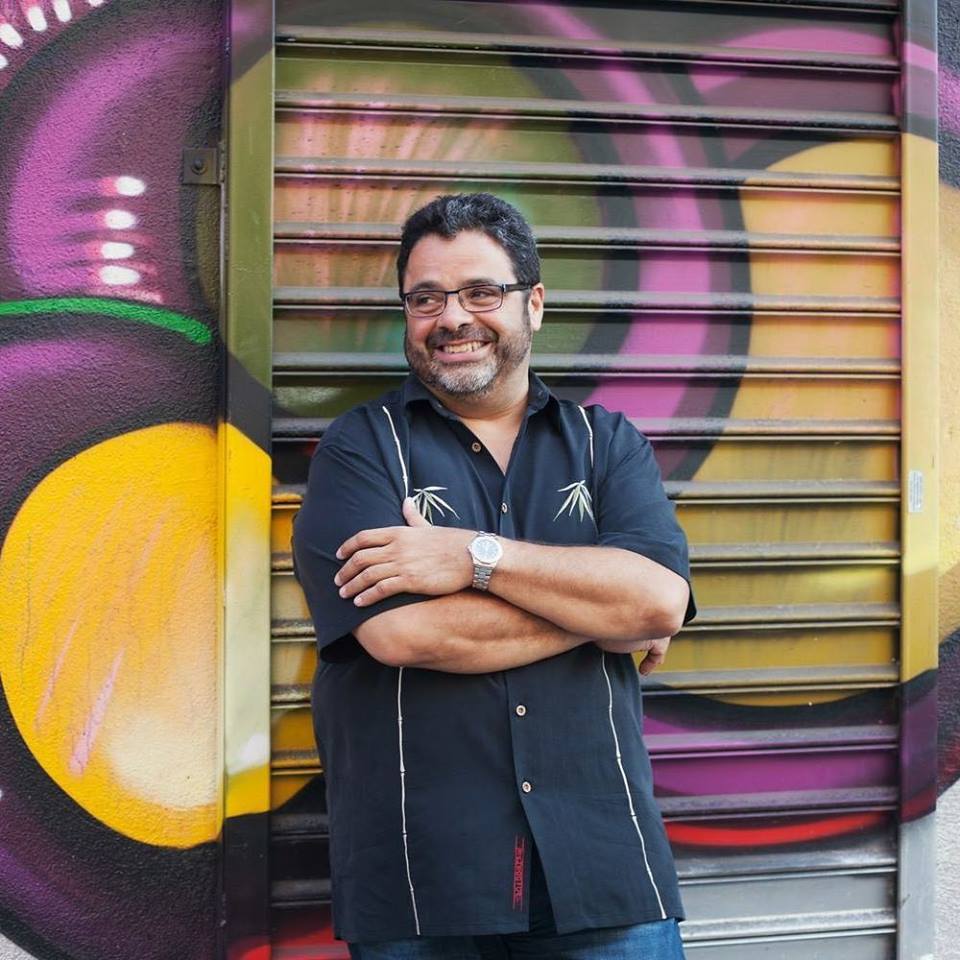
Birdland kicks off the New Latin Live Jazz Shows with  Arturo O’Farrill, a modern composer and pianist. He combines European harmony and instruments with those from India, Africa, and the Caribbean to bring a never heard ensemble sound to bear.

Arturo O'Farrill
Arturo O’Farrill

“Resist” comprises a weaving together of different influences into a new fabric, partly rough-textured, but with an internal dialogue that honors of each musical idea. There is the combination of flute (Alejandro Aviles) and tuba (Earl McIntyre) – two ends of the tonal and pitch spectrum, in duet with one another plus trumpet (Adam O’Farrill).

Sometimes they play the same notes, only octaves apart, and sometimes in counterpoint with one another. Latin percussion (Carlos “Carly” Maldonado) combines with African drums (Neil Clarke) and drum set (Zack O’Farrill), held together by the bassist Bambam Rodriguez. Special guest slam poet Baba Israel is also featured.

  • DATE: Sunday, February 3rd
  • SHOW: 9:00PM & 11:00PM
  • PRICE: $40 General Seating

Continuing with the Live Jazz entertaiment in this famous Nigthclub will be Claudia Acuña, celebrating the release of her album “TURNING PAGES”. This new album is an exquisite reintroduction to a singer who has thrived at the cusp of jazz and Latin American music.

Slated for release on February 1st, 2019, the project captures an artist in the process of reinventing herself, with a program of strikingly melodic original songs expressing her singular vision. Please, visit her Facebook Page: https://www.facebook.com/pg/Claudiaacunamusic/

  • DATES: From Wednesday, February 6th to Saturday, February 9th
  • SHOWS: 7:00PM & 9:45PM
  • PRICE: $20 – $30
Claudia Acuña
Claudia Acuña

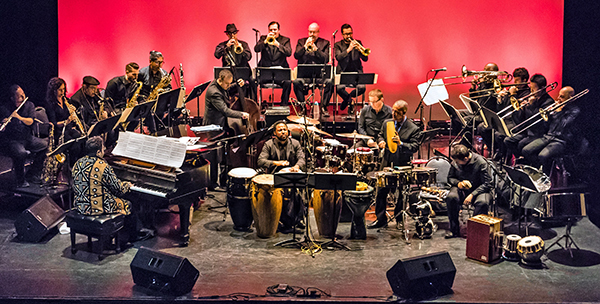
The third important Latin Orchestra that will be present in this venue during two Sundays in February is: THE AFRO LATIN JAZZ ORCHESTRA, which is the resident large format ensemble of the nonprofit Afro Latin Jazz Alliance (ALJA) founded by Arturo O’Farrill in 2007 and dedicated to preserving the heritage of big band Latin jazz, supporting its performance for new audiences. For more information about the orchestra and other ALJA initiatives, please visit them at www.afrolatinjazz.org

  • DATES: Sunday, February 10TH & Sunday, February 17TH
  • SHOWS: 9:00PM & 11:00PM
  • PRICE: $40 General Seating

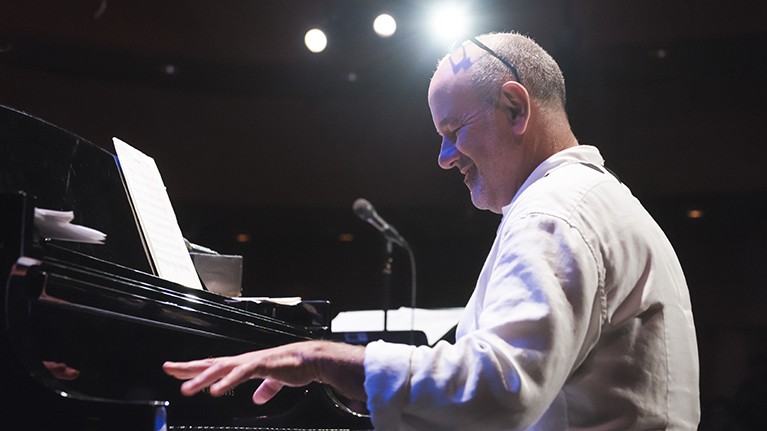
And finally, the Grammy nominated Argentine pianist, composer and bandleader Emilio Solla has chosen Birdland for the official premiere of his brand new TANGO JAZZ ORCHESTRA on February 24th, a 17 piece band that incorporates many of the best NY jazz players.

SOLLA has written music for and recorded/performed with Paquito D’Rivera, Arturo O’Farrill, Edmar Castañeda, and many others tango and Latin Jazz genius, and his album “Second Half” was nominated for a 2015 Grammy Award as Best Latin Jazz Album. For major information please, visit www.emiliosolla.com

  • DATES: Sunday, February 24TH
  • SHOW: 6:00PM
  • PRICE: $30
Emilio Solla
Emilio Solla

Birdland Details:

  • $10 food/drink minimum per person
  • Dinner is served between 5:00PM – 1:00AM
  • Venue: 315w 44th St, NY, New York 10036
  • Website: birdlandjazz.com
Afro latin jazz orchestra: Birdland
Afro latin jazz orchestra

Benny Moré. The story of Cuba’s biggest crowd idol

Latin America / Cuba / La Habana

Who is Benny Moré? He is not just another musician, he is unanimously the most brilliant popular artist that has existed on the Afro-Cuban island. He is the symbol, the myth, the legend, it is undoubtedly the summary of the popular, rich and abundant music of Cuba.

Benny Moré symbolizes the peasant “Guateque”, the “Sarao”, the bohemian, the coffee, the bar, the theater, the party, carnivals, the show. “El Bárbaro del Ritmo” was the most popular in Afro-Cuban music.

Benny Moré
Benny Moré

He was born on August 24, 1919 at seven in the morning in the Pueblo Nuevo neighborhood of the town of Santa Isabel de las Lajas, belonging to the Cienfuegos province. His parents were Virginia Moré and Silvestre Gutiérrez, and Benny was the oldest of 18 siblings. His last name Moré came from Ta Ramón Gundo Moré (slave of the Count Moré), who, according to the tradition of the Congos, was his first king in Santa Isabel de las Lajas.

Benny was gifted with a fluent tenor voice that gave life with great expressiveness and this context was definitive for his future career in music. He learned to play the insundi, the yuka drums, the Makuta and Bembé, invocators of deities, with whom he not only sang and danced to perfection, but also played the son, the guaracha and the rumba.

Since he was a child he expressed his great vocation for music, he would spend all day humming a song or improvising and directing ensembles composed of machetes, bongos made with milk cans, guitars made with a board and nails with strings of string sew, two sticks as keys, and so on.

Benny Moré singing
Benny Moré singing

Moré was a teacher in all genres of Cuban music

The “Bárbaro del Ritmo” could always be found standing on a table singing and playing, surrounded by listeners. Bartolomé spent his childhood and adolescence, with no opportunity for study or permanent employment. Like his brother Teodoro, Bartolomé was enrolled in the School of Public Instruction “José de la Luz y Caballero”, where he always stood out for his conduct and application.

Why is the Bacardi symbol a bat?

Since he was a child, Moré had skills for singing and improvisation, which he demonstrated when he was barely seven years old, when he would run away for a few hours to entertain parties in the neighborhood and loved singing notes with his mother, to prevent her from sleeping while ironing late into the night.

His voice was particularly highlighted in the Son Montuno, the Mambo, and the Bolero

Benny Moré live
Benny Moré live

Benny went through a complicated life, but he was willing to do anything to achieve his dreams of triumph. With almost 20 years of age, in 1940 Bartolomé said goodbye to his mother at the Hotel Ritz in the Central Vertientes, where she worked, and traveled hidden, indistinctly, by train and truck to the City of Havana. He was definitely in the mission to try his luck in the bustling city!

Since then, he was seen by the famous neighborhood of Belen, with a guitar acquired in a pawnshop, wandering through cafes, bars, hotels, restaurants, and even brothels. That same year he told his cousin: “I stay in Havana, I rise up here or I sink”. From that moment began the saga of concerts at the bars of the port avenue … Once remembering those times, he confessed: “I threw myself into the street with a guitar on my shoulder to sing to tourists. I am not ashamed of it; Carlos Gardel also did it in Argentina and is the king of tango. ”

At that time, the CMQ station began broadcasting the Supreme Court of Art. Bartolomé Maximiliano Moré appeared in that program that Germán Pinelli and José Antonio Alonso encouraged. After presenting it and at the moment of beginning his presentation, they rang the bell.

Later Bartolomé returned to Monte and Prado to the Supreme Court and on this second occasion he won the first prize. Possessing a fresh voice, beautiful timbre, sensual and evocative. Bartolo sang with all the inner strength that claimed the Cuban rhythms.

In one of his raids, Siro Rodríguez, member of the famous Matamoros Trio, heard him sing in the bar of El Templete restaurant, on Avenida del Puerto, and was very impressed by the boy’s voice and tuning.

The entry of Bartolomé to the group of Miguel Matamoros was a fact and can be considered as his real debut as a professional singer, because with this group he had for the first time a steady job as a musician and made his first recordings on 78 revolutions per minute discs.

Benny knew he had a voice, the luck and a destiny. Perhaps he sensed it, intuited it, or simply trusted his triumph. When he started with Miguel Matamoros and his group, I already wanted to make changes in the picket line.

In Mexico, when Miguel became ill, he was able to direct the group, took control and enjoyed the “Cuates” in El Patio cabaret. When the contract ended, the Matamoros group returned to Havana, but without Bartolomé, who decided to try his luck by himself in Mexico.

When he communicated his decision to the famous author of El Son Siembra Su Maíz, Miguel Matamoros said: “It’s very good, but you have to change the name of Bartolo, which is very ugly. With that name you will not go anywhere”, You are right, Bartolo replied, from today I will call myself Benny, yes, Benny Moré. ”

The owner of the business was hypnotized by the very tasty atmosphere that Benny led as director. After singing with several push orchestras in Mexico, he planted himself beautifully with the most famous band of the 20th century: Pérez Prado and the Cuban mambo.

With this meeting two geniuses joined: Benny Moré had talent and natural intuition; in Pérez Prado, in addition to all that, the mastery of technique and an enormous facility to make music. With Perez Prado he conquered the noble Aztec people on tours of different states of that sister country.

Benny Moré
Benny Moré

Due to the success achieved by Benny, the town gave him the title of “Prince of Mambo” and Pérez Prado, “King of Mambo“. He sang like nobody else in the world and began his international promotion.

By that time, Benny’s voice was known in Panama, Colombia, Brazil, Puerto Rico, Haiti, Venezuela, and of course, in his native Cuba.

In the joyful world of nightlife in Mexico City, the Cuban singer performed in many theaters, including Margo, Blanquita, Folliers and Cabaret Waikiki, alternating with renowned artists such as the legendary star Yolanda Montes (Tongolele), the Mexican Toña la Negra, and the outstanding cuban pianist and composer, Juan Bruno Tarraza, of whom Benny sang the bolero “It’s already twelve o’clock”.

Benny participates in many films and upon his return to Cuba, he was already certain that he had to be counted on.

The nostalgia for his family, friends, for the Homeland, and the desire to obtain laurels on his Island, where he considered that he was not known enough, made him return to his beloved Lajas at the end of the year 50. The ‘sonero mayor’ was definitely in Cuba, where he had left behind comforts, material and spiritual satisfactions, friends and even the loves that the successful do not usually lack.

During the following two years he acted by contract for a program called “De fiesta con Bacardí”, which was aired by the Eastern radio station with the orchestra of Mariano Mercerón, and the singers Fernando Álvarez Pacho Alonso.

Benny Moré
Benny Moré

As Benny Moré was an exclusive artist of RCA Víctor, this firm claimed his presence in Havana to make different recordings. In order to fulfill this commitment he gave alternative trips to Havana and thus maintained his responsibility with the eastern radio station.

After the commitment at Casa Bacardí and maestro Mercerón, in 1952 Benny Moré returned to Havana.

Certainly, Benny concluded an era, closed a chapter of Cuban musical life, that stage of nightlife that was already declining.

Benny’s life was related to a world that has already disappeared. Then everything became myths and legends … Benny kept on singing, but now it would be on scratch discs, which were digitized.

The “oidores” (listeners) will be transported in time, imagine the bars of the Havana port full of curious tourists. From Chinese restaurants selling “complete” to poor people who passed their hats, after singing through the streets of Havana – Cuba.

Benny Moré in concert
  • « Go to Previous Page
  • Page 1
  • Interim pages omitted …
  • Page 7
  • Page 8
  • Page 9
  • Page 10
  • Page 11
  • Interim pages omitted …
  • Page 21
  • Go to Next Page »

International Salsa Magazine (ISM) is a monthly publication about Salsa activities around the world, that has been publishing since 2007. It is a world network of volunteers coordinated by ISM Magazine. We are working to strengthen all the events by working together.