• Skip to primary navigation
  • Skip to main content

International Salsa Magazine

  • HOME
  • Previous editions
    • 2026
      • ISM / April 2026
      • ISM / March 2026
      • ISM / February 2026
      • ISM / January 2026
    • 2025
      • ISM / December 2025
      • ISM / November 2025
      • ISM / October 2025
      • ISM / September 2025
      • ISM / August 2025
      • ISM / July 2025
      • ISM / June 2025
      • ISM / May2025
      • ISM / April 2025
      • ISM / March 2025
      • ISM / February 2025
      • ISM / January 2025
    • 2024
      • ISM / December 2024
      • ISM / November 2024
      • ISM / October 2024
      • ISM / September 2024
      • ISM / August 2024
      • ISM / July 2024
      • ISM / June 2024
      • ISM / May 2024
      • ISM / April 2024
      • ISM / March 2024
      • ISM / February 2024
      • ISM / January 2024
    • 2023
      • ISM / December 2023
      • ISM / November 2023
      • ISM / October 2023
      • ISM – September 2023
      • ISM – August 2023
      • ISM July 2023
      • ISM Edition June 2023
      • ISM – May 2023
      • ISM April 2023
      • ISM March 2023
      • ISM February 2023
      • ISM January 2023
    • 2022
      • ISM December 2022
      • ISM November 2022
      • ISM October 2022
      • ISM September 2022
      • ISM August 2022
      • ISM July 2022
      • ISM June 2022
      • ISM May 2022
      • ISM February 2022
      • ISM January 2022
    • 2021
      • ISM December 2021
      • ISM November 2021
      • ISM October – 2021
      • ISM September 2021
      • ISM August 2021
      • ISM July 2021
      • ISM May 2021
      • ISM April 2021
      • ISM June 2021
      • ISM March 2021
      • ISM February 2021
      • ISM January 2021
    • 2020
      • ISM December 2020
      • ISM November 2020
      • ISM October 2020
      • ISM September 2020
      • ISM August 2020
      • ISM July 2020
      • ISM June 2020
      • ISM May 2020
      • ISM April 2020
      • ISM March 2020
      • ISM February 2020
      • ISM January 2020
    • 2019
      • ISM December 2019
      • ISM November 2019
      • ISM October 2019
      • ISM Septembre 2019
      • ISM August 2019
      • ISM July 2019
      • ISM June 2019
    • 2016
      • ISM December 2016
  • Spanish
  • Download Salsa App
    • Android
    • Apple

Search Results for: World Salsa

“Sonido Bestial Sinfónico” solidifies classical sound in salsa

The February 27, 2026, performance of Sonido Bestial Sinfónico, which reunited “The Kings of Salsa,” Richie Ray and Bobby Cruz, at Puerto Rico’s Coca-Cola Music Hall, served as a farewell for Bobby Cruz. With a sold-out crowd thanks to Alexandra Fuentes’ production and a promotional alliance with the radio station Salsoul the legendary salsa vocalist said goodbye to the stage, insisting that while death had come looking for him, it had taken Willie Colón instead.
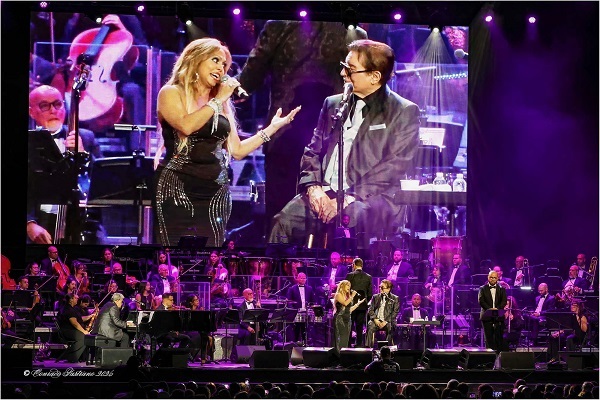
"Sonido Bestial Sinfónico" solidifies classical sound in salsa
“Sonido Bestial Sinfónico” solidifies classical sound in salsa

During Sonido Bestial Sinfónico, the audience also celebrated the 81st birthday of virtuoso pianist Richie Ray (born February 15) and the 88th birthday of singer Bobby Cruz, who celebrated his birthday the day before the event. Midway through the performance, the duo took a moment to blow out the candles on a cake brought onto the CCMH stage.

The concert was conducted by maestro Cucco Peña, featuring the voice of Yanira Torres and the Philharmonic Orchestra of Puerto Rico. From the local salsa scene, standout musicians included timbalero maestro Edwin Clemente, Emanuel Navarro on congas, and Richie Carrasco on bongo and cowbell, alongside the essential bass swing provided by Edwin Morales, director of the Orquesta Mulenze. Richie Ray’s wife, Angie Maldonado, and Jerry Medina were featured on backing vocals.

This symphonic concert, which celebrates more than six decades of “The Kings of Salsa” in music, had been postponed from its original date of October 25, 2025.

The repertoire included major hits popularized by the duo that have become classics of tropical music. Following a symphonic medley opening, the setlist included “Sonido Bestial,” “Agúzate,” “Richie’s Jala Jala,” “La Lluvia,” “Míster Trumpetman,” “El Diferente,” “Mi Amigo Juan,” “Yo Sé Que Te Amo,” “La Zafra,” “Juan en la Ciudad,” “A Mi Manera,” and a reprise of “Sonido Bestial,” among others.
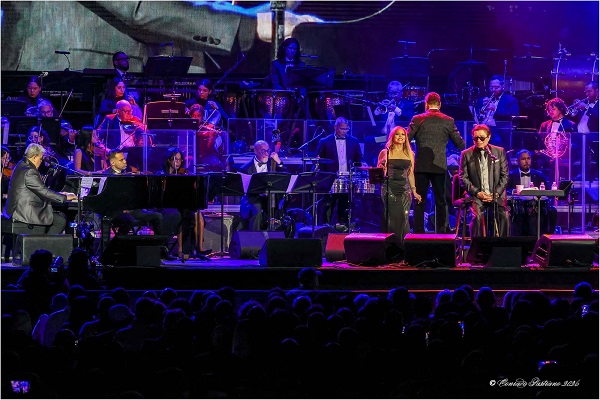
The performance on Friday, February 27, 2026 of the Symphonic Bestial Sound concert that reunited "The Kings of Salsa", Richie Ray and Bobby Cruz
The performance on Friday, February 27, 2026 of the Symphonic Bestial Sound concert that reunited “The Kings of Salsa”, Richie Ray and Bobby Cruz

The show’s pinnacle featured Cucco Peña singing “Idilio” alongside Norberto Vélez in a heartfelt tribute to the late Willie Colón. The conductor acknowledged that figures like Willie Colón have made it possible for Puerto Rico to hold an important place on the global stage, affirming that “music is the face of Puerto Rico to the world.”

Richie Ray interjected a segment in which he shared his testimony of conversion to Christianity, extending an invitation to anyone who wished to join the ministry he now leads as a pastor. During this segment, the song “Hombres de Valor” was performed.

Another significant moment occurred when Bobby Cruz sang “La Novia,” clarifying that he is “free, but not available.” In addition to the hits achieved during the duo’s monumental and historic musical career, Richie Ray led several classical music pieces adapted for salsa.
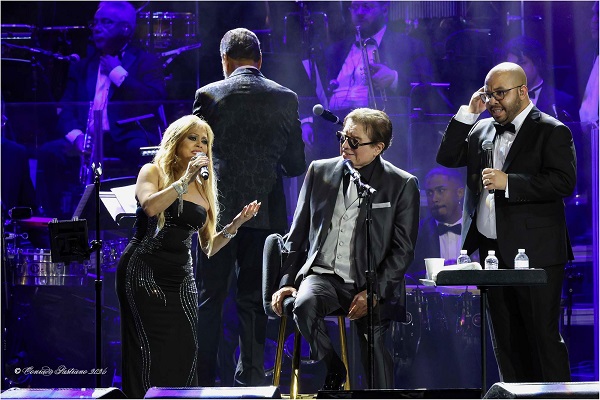
The Coca-Cola Music Hall in Puerto Rico served as Bobby Cruz's farewell concert. It was a sold-out show.
The Coca-Cola Music Hall in Puerto Rico served as Bobby Cruz’s farewell concert. It was a sold-out show.

The patriotic finale featured the performance of “Mi Bandera,” which served as a farewell from both Richie and Bobby to the island, as both artists reside within the Puerto Rican diaspora in the continental United States. Events of this magnitude are what give deep meaning to maestro Cucco Peña’s statement: “Music is the face of Puerto Rico to the world” within the universal musical scene.

Bella Martinez Puerto Rico


Also Read: Don Perignon and La Puertorriqueña Release Classique et Savoureux
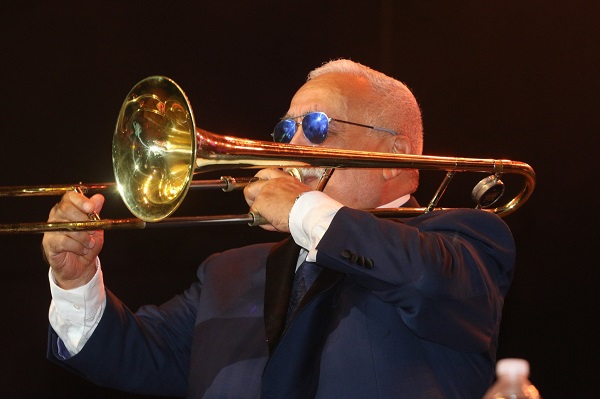
 

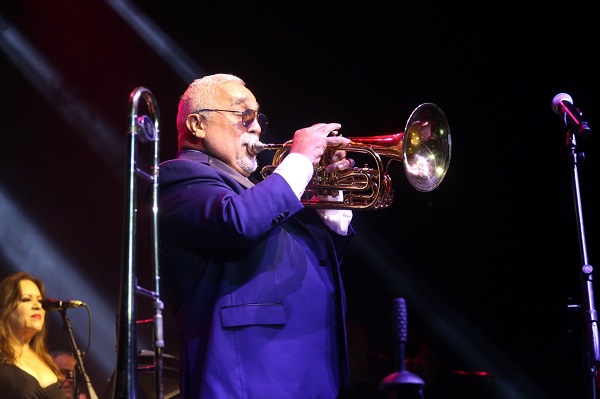
Willie Colón The “Architect of Salsa” Enters Immortality

February 21, 2026, will be etched into the history of Latin music as the day the “street trombone” fell silent to become an eternal echo.

A Sorrowful Farewell: February 2026

After several days of uncertainty and reports regarding his delicate health, the passing of William Anthony Colón Román was confirmed in New York City at the age of 75.

Willie Colón, the Architect of Salsa, Passes into Immortality

Producer, trombonist, visionary. He was the architect of a sound that broke the mold and redefined salsa from New York for the entire world.

With his aggressive trombone, his innovative musical concepts, and his leadership within the historic Fania All-Stars, he marked an era that can never be repeated.

The musician, who had already shown signs of physical frailty following his retirement from the stage in 2023, suffered severe respiratory complications that kept him hospitalized during his final days.

Iconic figures like Rubén Blades and the entire Fania family have expressed their grief, noting that we haven’t just lost a musician, but the “Malo” (The Bad Boy) who revolutionized the visual and sonic identity of Latinos in New York.

A Legacy of Rebellion and Sophistication

Unlike other bandleaders, Willie Colón didn’t just make music; he told cinematic stories. From his early days with Héctor Lavoe to his era of social consciousness with Rubén Blades, Colón transformed salsa into a vehicle for urban narrative.

With his aggressive trombone playing, innovative musical concept, and leadership within the historic Fania All-Stars
  • Innovation: He was responsible for putting the trombone at center stage, creating that “heavy,” raw sound that defined the Bronx.
  • Identity: Through his iconic album covers (emulating FBI “Wanted” posters), he constructed the mystique of the Latin anti-hero.

His Eternal Anthems

Willie Colón’s catalog is the backbone of every party and social reflection in Latin America. Among his most remembered tracks, more relevant today than ever, are:

Song Significance
El Gran Varón A milestone in social lyrics regarding identity and redemption.
Idilio The most romantic and melodic facet of his mature era.
Pedro Navaja The ultimate expression of narrative salsa produced alongside Blades.
Gitana A classic of sentiment and rhythmic fusion.

Beyond the Trombone: Activism and Service

In his later years, Willie Colón’s life was also defined by his work offstage. He served as an activist, a community leader in New York, and held positions in organizations advocating for Hispanic rights. His life was a testament to the fact that art and social commitment can walk hand-in-hand.

Producer, trombonist, visionary. Architect of a sound that broke molds and redefined salsa from New York to the world.

Producer, trombonist, visionary. Architect of a sound that broke molds and redefined salsa from New York to the world.

The Centennial on the Horizon

Though the Maestro has physically departed in 2026, his office and family have made it clear that his music will live on. Releases of unedited material and tribute concerts are expected as we pave the road toward the centennial of his birth in 2050.

“Time passes, and I am left unable to speak to you”  Willie Colón.

His music will continue to speak for him on every corner where a trombone sounds and in every heart that feels the pulse of urban salsa.

His talent was more than rhythm: it was identity, the barrio, resistance, and living history. Today, we don’t just say goodbye to a musician; we say goodbye to a pillar, a North Star, and an entire chapter of our Latin culture.

Anecdote:

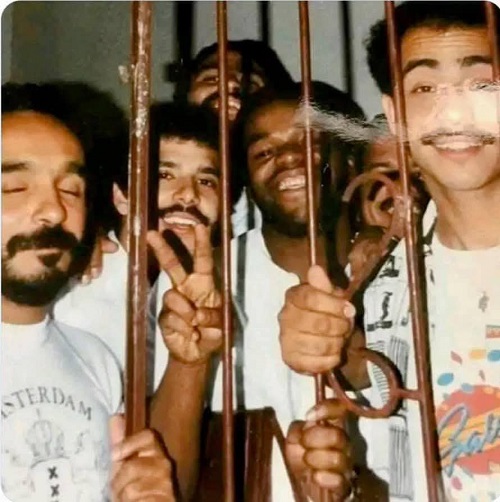
Willie Colón had a notorious incident in Medellín in 1985 when he refused to perform at the Iván de Bedout Coliseum because the promoters of “Rumba Producciones” failed to pay the agreed amount. Police arrested him along with 13 of his musicians, and they were detained for two days at the Belén neighborhood police station.

The audience, who had waited for hours, grew unruly, leading to riots that resulted in six injuries and significant property damage. This episode inspired the song “Especial No. 5,” which narrates Colón’s experience inside cell number five of that station.

Willie Colón had an incident in Medellín in 1985

Special Contribution by Julio Cesar Galindo Alarcón (Lima, Peru)

A posthumous tribute to the great Willie Colón (1950-2026): The greatest disciple of Mon Rivera by his own admission and today a legend of our passionate salsa.

Willie Colón: From “Classic Urban Salsa” to “Symphonic Salsa”

His musical production clarifies and proves that “salsa” does not only originate from Cuban and Puerto Rican rhythms, but also from American, Brazilian, and other Latin influences.

When Willie produced and recorded his 1977 instrumental-only album, El Baquiné de Angelitos Negros, he expanded the orchestral lineup to include violins, saxophone, flute, cello, and trumpet. While the work had little commercial success and went largely unnoticed during his triumphant career, it served as more than just a platform for his “salsa” fusions with Jazz, Funk, Soul, and R&B. It was the starting point for producing grander orchestral arrangements with a larger number of musicians, thus becoming the precursor to what is now known as “Symphonic Salsa.”

Four years after this beginning, in 1981, this “Symphonic Salsa” reached its peak when Willie released his second solo album, Fantasmas dedicated to and motivated by the loss of his younger sister, Cindy. The album included a track he composed, with musical arrangements by Luis Cruz, titled “Toma Mis Manos” (Take My Hands).

This piece, dealing with the somber theme of death, is considered by this author (due to the quality of the composition and the fabulous “Symphonic” orchestration) to be an authentic and grand masterpiece of “Classic Salsa.” It blends Funk, Soul, R&B, and Bossa Nova with Willie’s excellent vocals, serving as a spectacular prelude to that other legendary, yet often overlooked, symphonic track recorded in 1991 by the “Canary of Carolina,” the great Lalo Rodríguez: “El niño, el hombre, el soñador y el loco.”

To conclude, with the immense pain that his departure brings, I accompany this tribute with the aforementioned song: “Toma Mis Manos,” an unforgettable composition by the recent legend of our “salsa” the great Willie Colón, famously known as “The Bad Boy of the Bronx.”

The legendary musician and his wife Julia Colón were married for decades and share three children (

The legendary musician and his wife Julia Colón were married for decades and share three children

Also Read: The legacy of Leopoldo Pineda, the ambassador of the trombone in La Maquinaria Fania All Stars

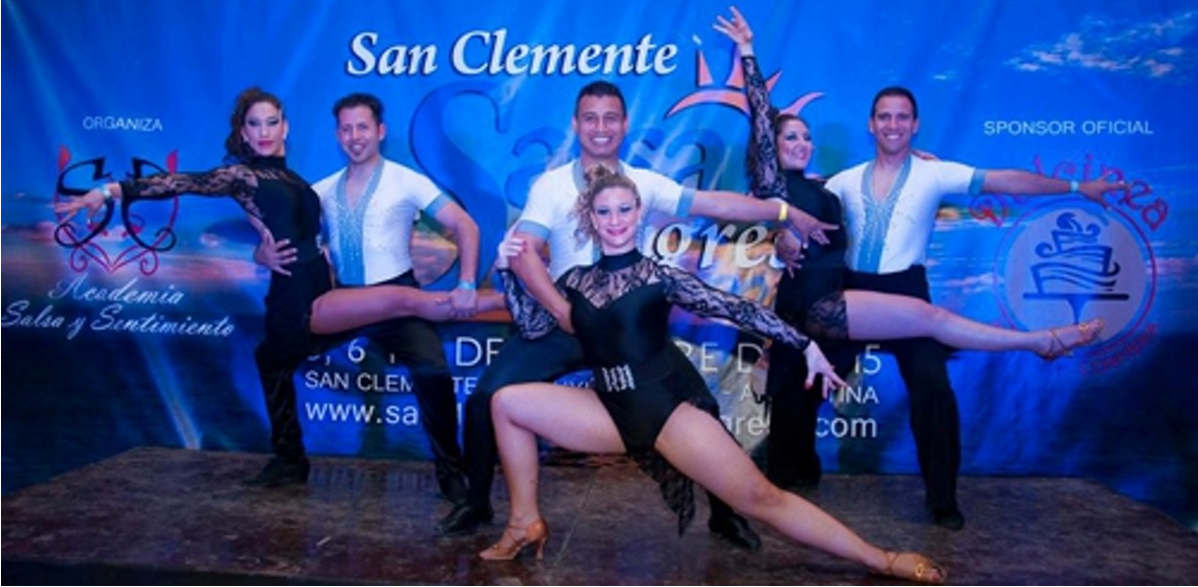
Salsa y Sentimiento Academy

Latin America / Argentina / San clemente del Tuyú

Salsa y Sentimiento is renowned as the first dance academy in the Partido de la Costa. Founded in April 2012 by its current director, Mr. Gerardo Osvaldo Russo, the academy offers a wide range of classes for both adults and children.

The curriculum includes Salsa, Bachata, Reggaeton, Pop Dance, Contemporary, “Ritmos” (various rhythms), Tango, and Introduction to Dance. Beyond daily classes, the academy is a vibrant community hub that organizes parties, festivals, conventions, and events. These activities bring together Salsa and Bachata enthusiasts from across the country and around the world, making it a premier destination for international visitors every year.

Salsa y Sentimiento Academy - San Clemente Salsa Congress
Salsa y Sentimiento Academy – San Clemente Sals

Gerardo Osvaldo Russo

Mr. Gerardo Osvaldo Russo was born on July 3, 1984, and resides in the coastal town of San Clemente del Tuyú, Argentina. His passion for Latin music began in 2005 when he first started dancing and listening to Salsa. This spark soon grew into a lifelong dedication to various Caribbean rhythms.

In 2009, he pursued a professional certification in Caribbean Rhythms at “SAOCO” Studio, one of the top training facilities in Argentina. To complete his studies, Gerardo demonstrated immense commitment by traveling 300 kilometers (approx. 185 miles) every week. It was during this time that he made the pivotal decision to dedicate his life to teaching and developing the ambitious dance projects he had envisioned for the future.

“He mentions that the city where he lived offered no way to get trained since there were few resources, and he couldn’t manage to carry out everything he had in mind. Additionally, his motivation was to grow personally as an instructor and dancer, allowing him to share all the knowledge he was acquiring with the people attending his classes. In 2008, he began teaching—initially as a hobby for a year and a half—until he made the decision to work 100% in his profession. Consequently, today he has his own dance studio called ‘Academia Salsa y Sentimiento,’ which opened in 2012 and where he currently serves as coordinator and instructor. He is also in charge of organizing the ‘San Clemente Salsa Congress,’ which he has done for about 3 years, and he organizes annual Salsa, Bachata, and other Caribbean rhythm parties for his institution; these include seminars and training sessions with high-quality, experienced instructors.”

The reason behind the opening of the “Salsa y Sentimiento Academy” was essentially a need among the people, not only in their own city but also in neighboring towns within the Partido de la Costa—the region where San Clemente del Tuyú is located. This provided them the opportunity to learn how to dance, express themselves, and find a place of freedom and belonging, while also meeting people and socializing. Consequently, it is known for being the first registered dance academy in the entire region, with the founder feeling very proud of both the team and himself.

In short, they mention that their goal has always been for people to feel identified with the activities they perform, finding a place where they can learn and have fun while recharging their energy. Students joining the academy can do so without any prior experience or knowledge of the rhythm they wish to practice. For this year, 2017, they plan to launch their official website to provide more information beyond their Facebook account. At the academy, students can start from scratch, but those who already have experience are also welcome since there are several different levels.

We work with people from 3 years old and up. The greatest goal achieved was creating an International Salsa Congress, where they aimed to take their students to compete. In 2016, they were able to do so with the reggaeton group led by teacher “Maximiliano Laplaca,” reaching the finals of one of the most important competitions in Argentina and South America, called the “Argentine Aerobics and Dance Tournament” (TAAD).

This year, along with other businesses in the city, they are working to provide benefits to their students. The goal is not only for them to have the chance to learn and have fun, but also to access discounts and benefits at shops in San Clemente. There is also a project for the coming years to train teachers who graduate from our Academy.

At the end, Gerardo Russo gives us a message for both current students and future apprentices: “My message as a teacher, but primarily as a human being, is for you not to stop chasing your dreams. As long as you work hard with responsibility, passion, and respect, things can be achieved. I also want to tell anyone who wants to come to the Salsa y Sentimiento Academy that they will find a place not only to learn to dance and train, but also a supportive group of people. It is a place where you can freely express yourself and bring out everything you have inside. Both adults and children are united by our passion for dance. We are teachers who love what we do and wish to pass it on to new generations. We are always open to hearing from anyone with new ideas to build a better SALSA Y SENTIMIENTO ACADEMY every year”.

For this year, 2017, the schedule for the various rhythms mentioned above has been available since January and February, so that everyone is informed before joining.

This magnificent Academy is located at 21st Street No. 139, between 24th and 1st Streets in San Clemente del Tuyú, Argentina

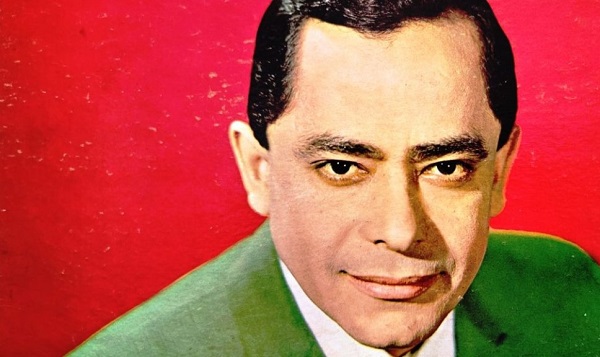
Tito Rodríguez The Unforgettable “Gentleman of Salsa”

A journey through the life and legacy of Pablo Rodríguez Lozada, the voice that defined an era between mambo and bolero.

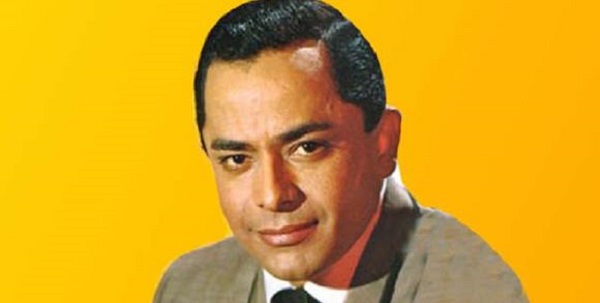
Pablo Rodríguez Lozada, known worldwide as Tito Rodríguez, was born on January 4, 1923, in Santurce, Puerto Rico. From early childhood, young Tito displayed a natural affinity for Caribbean rhythms, organizing the ensemble Sexteto Nacional alongside his lifelong friend, Mariano Artau.

Pablo Rodríguez Lozada, conocido mundialmente como Tito Rodríguez

The Early Steps of a Prodigy

At the age of 13, his professional career began to take shape when he joined Conjunto Típico Ladí (also known as Conjunto de Industrias Nativas), led by Ladislao Martínez. Shortly after, he joined the Cuarteto Mayarí under the direction of Plácido Acevedo, where he played maracas and sang second vocals. Although this stint lasted only four months and left no studio recordings, it was fundamental to his musical development.

In 1939, at just 16 years old, Tito emigrated to New York City with hopes of carving out his own musical path. His first jobs in the Big Apple included collaborations with his brother Johnny Rodríguez’s orchestra and recordings with Cuarteto Marcano.

After passing through prestigious groups like Cuarteto Caney and the orchestras of Enric Madriguera and Xavier Cugat, he had to pause his rising career in 1945 to serve in the U.S. Army.

El legado de Tito Rodríguez es analizado este domingo en el Viejo San Juan. (Foto UA Latino)

The Rise of the “Mambo Devil”

Upon his discharge, Cuban pianist José Curbelo recruited him for his band. It was at the China Doll nightclub where Tito met Japanese-American chorus girl Takeku Kunimatsu (Tobi Kei), who would become his wife and lifelong partner.

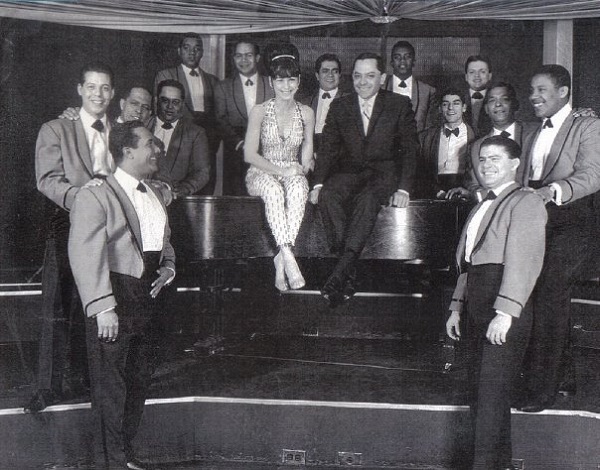
In 1948, Tito founded his own group: the Mambo Devils. During the height of the mambo craze, Rodríguez entered into a legendary musical rivalry with Tito Puente and Machito’s orchestra.

Under the Tico Records label, he renamed his group Los Lobos del Mambo. Ever conscious of the importance of formal training, he enrolled in the Juilliard School of Music, where he studied percussion, vibraphone, and xylophone.

Un recorrido por la vida y el legado de Pablo Rodríguez Lozada, la voz que definió una era entre el mambo y el bolero

Reinvention: From Mambo to Bolero

In 1953, he signed with RCA Victor, formally establishing the name Tito Rodríguez and his Orchestra. Years later, in 1960, he achieved massive mainstream success with United Artists and the album Live at the Palladium.

However, in 1963, an artistic union dispute prevented him from performing with his usual musicians. Refusing to back down, he took on the challenge of radically shifting his style: he traded the frenzy of mambo for the intimacy of boleros accompanied by a string orchestra. The result was the album From Tito Rodríguez with Love, a commercial phenomenon that established him as an unparalleled romantic crooner.

Return to Puerto Rico and the Beginning of the End

After dissolving his orchestra in 1966 due to contractual issues, he returned to Puerto Rico to star in his own television program. However, nostalgia and his enduring passion brought him back to New York for the record Estoy como nunca.

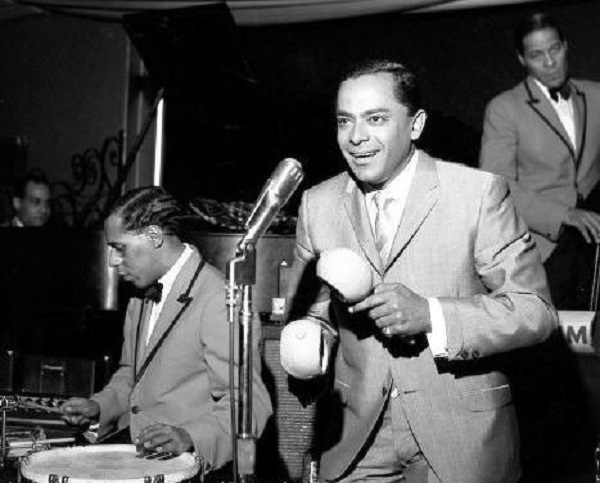
Tito Rodriguez era excelente tanto en guarachas como en boleros. Esto lo convirtió en uno de los artistas más versátiles de la época.

It was in 1967 when the first symptoms of leukemia appeared. Despite the diagnosis, Tito continued to work. In 1971, he founded his own label, TR Records, releasing the iconic album Inolvidable (Unforgettable).

A Final Farewell on Stage

In 1972, he celebrated 25 years in the industry with a show at the El Tumi club in Lima, Peru, alongside Lucho Macedo’s orchestra. This live recording would prove to be a premonition of his end.

Ignoring medical advice, he gave his final performance at Madison Square Garden on February 2, 1973, alongside Machito’s orchestra. During the show, his health failed, and he had to be hospitalized. Finally, on February 28, 1973, Tito Rodríguez passed away in New York in the arms of his wife.

Per the singer’s express wish, his remains were returned to Puerto Rico. At his funeral, legendary figures of the music world paid their respects, including his old rival, Tito Puente. Today, his ashes rest alongside those of his wife, while his voice continues to resonate as one of the most elegant and versatile pillars in the history of Latin music.

Also Read: Tito Rodríguez, Jr. “The Palladium legacy lives on”

Chicago International Salsa Congress

North America / USA / Chicago

Mission of the Chicago International Salsa Congress

The mission of the Chicago International Salsa Congress is to unite cultures and generations, engender leadership through empowerment opportunities in its showcase and to keep alive the history of the many cultures collaboration in the creation and evolution of Latin and Afro-Caribbean music and dance.

Chicago International Salsa Congress

The Chicago International Salsa Congress is brought to you by a special group of dedicated individuals whose energy, skills, passion and perseverance unite to bring you the number one Latin Music and Dance event in the Midwest!

In 2002 they produced the first Chicago International Salsa Congress (CISC) now in its 14th year. The CISC fosters personal awareness, develops leadership, creativity and inspires highest performance by providing emerging artists an opportunity to learn from and perform with professional artists in the congress showcase.

Schedule: Chicago International Salsa Congress

Día Horario Actividad
Jueves 2/9/17 3:00 PM – 11:30 PM Onsite Registration opens
7:30 PM Rueda Summit
8:30 PM – 9:30 PM Opening Night! Meet & Greet the STARS of the 2017 CISC
9:30 PM – 10:30 PM Dance Showcase
10:30 PM – 3:00 AM CISC Concert Series featuring Carpacho y Su Super Combo!
Viernes 2/10/17 9:00 AM – 4:30 PM Onsite Registration
9:30 AM – 3:30 PM Workshops
4:00 PM – 5:30 PM Emerging Artist Showcase / Chicago Midwest Salsa & Bachata Open Competition (Elimination)
5:30 PM – 7:30 PM Youth Performance Challenge w/Natasha Silva
6:00 PM – 8:00 PM Kizomba Bootcamp with Philippe & Upa Danca
6:30 PM – 11:30 PM Onsite Registration
8:00 PM – 10:00 PM Dance Showcase
10:30 PM – 3:00 AM CISC Concert Series: Tromboranga / Bachata Ballroom / Kizomba Party!
Sábado 2/11/17 9:00 AM – 4:30 PM Onsite Registration
9:30 AM – 3:30 PM Workshops
4:00 PM – 5:30 PM Emerging Artist Showcase
5:30 PM – 7:30 PM Youth Performance Challenge w/Natasha Silva
6:30 PM – 11:30 PM Onsite Registration
8:00 PM – 10:00 PM Dance Showcase
10:30 PM – 3:00 AM CISC Concert Series: Jimmy Bosch with Yoko, La Japonesa Salsera! / Bachata & Kizomba
Domingo 2/12/17 9:00 AM – 4:30 PM Onsite Registration
9:30 AM – 3:30 PM Workshops
12:00 PM – 2:00 PM Youth Performance Challenge w/Natasha Silva
4:00 PM – 5:30 PM Emerging Artist Showcase / Chicago Midwest Salsa & Bachata Open (Finals)
6:30 PM – 11:30 PM Onsite Registration
8:00 PM – 10:00 PM Dance Showcase
10:30 PM – 3:00 AM CISC Concert Series: Herman Olivera with Nelson Gonzalez / Bachata & Kizomba
Photo 1: Chicago International Salsa Congress

INSTRUCTORS

Enjoy 3 days of over 70 workshops covering Beginner, Intermediate and Advanced levels of dance styles, movement and musicality. The instructors are from American and European continent to don’t stop dancing.

PERFORMERS

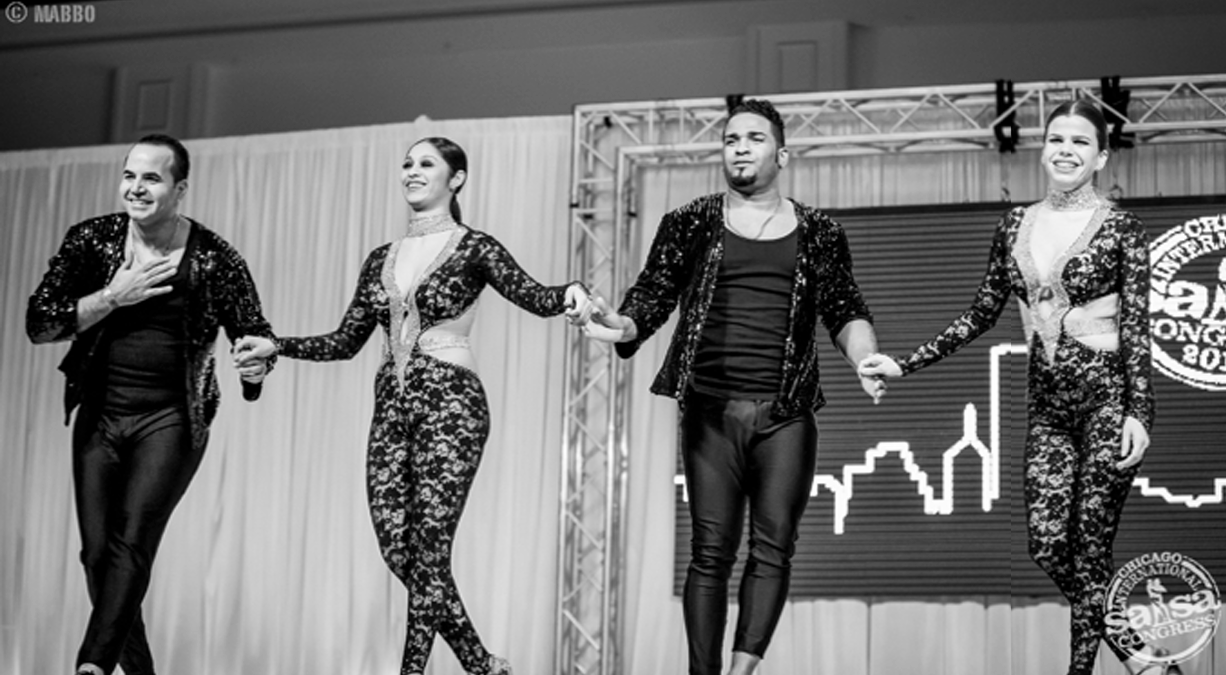
The CISC produces seven Dance Showcases to excite your senses and inspire your creativity. Featuring world-class dancers from near and far, you will be captivated as we unleash their talents on the stage. The shows include our Matinee Emerging Artists Showcases at 4:00PM and World Class Dance Spectacular at 8:00PM featuring national and international performers.

LIVE MUSIC

CICS will present an unforgettable dancing experience in an elegant Grand Ballroom where Latin Music’s top artists and salseros connect. Enjoy four nights of non-stop dancing on our spacious dance floor until 3:00 AM to the hottest sounds of yesterday and today. The Chicago International Salsa Congress Concert Series is unmatched in celebrating Latin Music’s timeless presence in honoring the legendary pioneers while inviting a forward vision as new, young artists take up the torch and carry it forward.

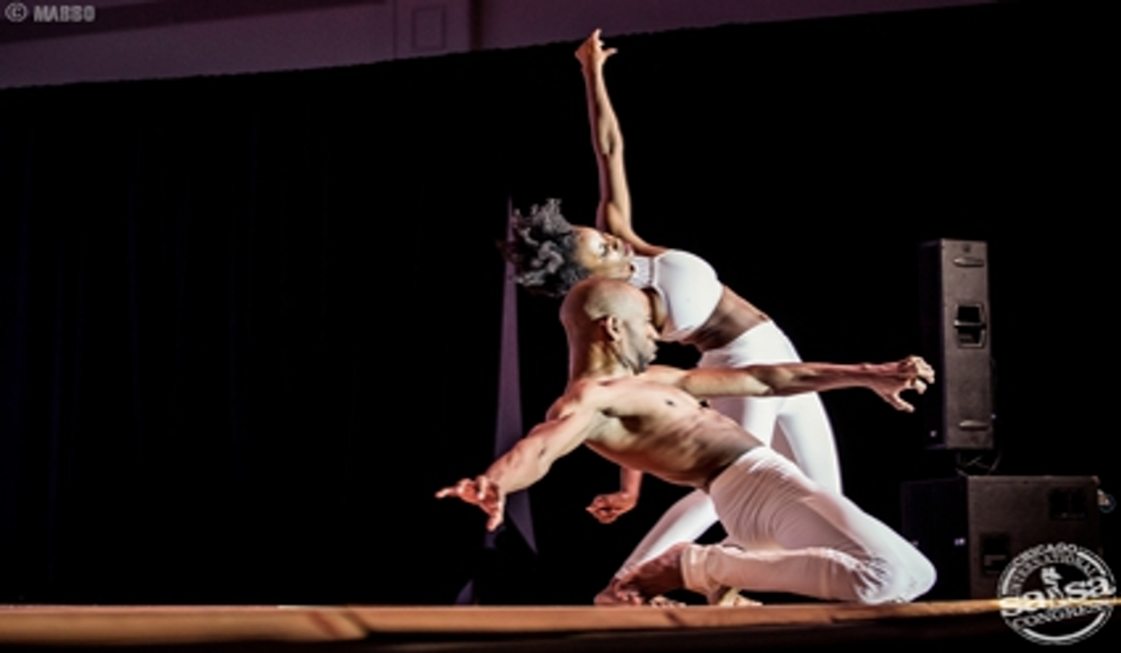
Photo 2: Chicago International Salsa Congress

TROMBORANGA SALSA ORCHESTRA

As part of the new generation of independent latin orchestras, Tromboranga is the pure essence of “Salsa Dura”. Tromboranga’s spicy ingredients are the trombones sound, solid and strong percussion, and they recover the essence of “soneos” (voice improvisation among the chorus). With influences from the salsa music from the 60s and 70s, maintaining a raw, strong and a very danceable sound.

His original songs like “Humildad”, “Palo pa la campana”, “Amigo el ratón”, “Adios que te vaya bien”, talks about stories that can describe the life of any of us, and they have become number one in Latin radios and dance floors worldwide. Tromboranga is made up of musicians from the Caribbean and Europe, all residents of Barcelona, Spain.

JIMMY BOSCH

(18 October 1959, Jersey City, New Jersey), known also “El Trombón Criollo”, is a trombonist, composer and producer of Afro-Cuban jazz, salsa and Cuban music.

At thirteen he was already part of different local bands of Latin music. At age 18, while studying classical music at Rutgers University, he meets Manny Oquendo and joins his band. He plays with Manny Oquendo about two decades; then comes to work with Marc Anthony. In 1996 he created his own band, “Los Masters”, with whom he recorded two albums. He has his own record label, JRGR Records.

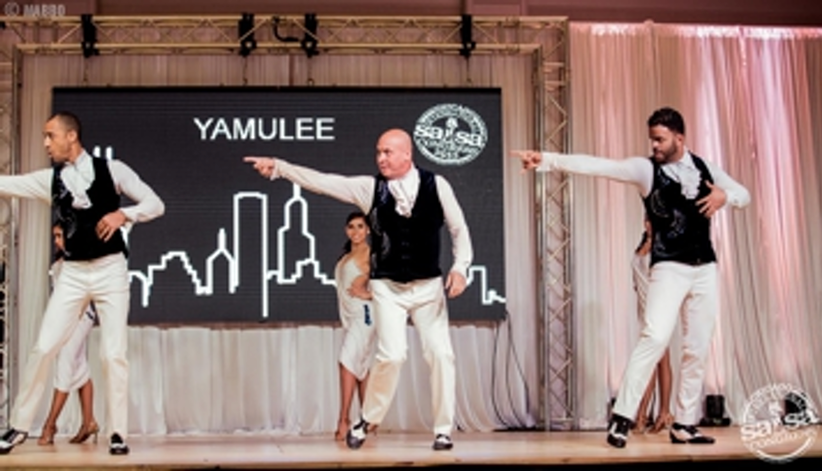
Photo 3: Chicago International Salsa Congress

YOKO LA JAPONESA SALSERA

Born in Osaka, Japan, Yoko Mimata began her artistic career at the age of fifteen as a vocalist in a rock band her native Osaka. Las Estrellas, a salsa band composed of former members of the famous Japanese orchestra “Orquesta de la Luz”, invited Yoko to join them as lead vocalist.

Subsequently, in 1997, settled in the Big Apple, city in that began to venture into the salsero environment. Her great debut took place at the Salsa Congress in New York in 2006, where she performed with the orchestra Chino Nuñez and Friends. Later she became the lead vocalist and participated in the recording of the second album by Chino Nuñez, “Dr. Salsa”; In which she sings duet with Ray Sepulveda “Hoy les cantamos”.

NELSON GONZÁLEZ

(Born May 30, 1948) is a Puerto Rican tres player. He specializes in the Cuban tres, and only occasionally plays the Puerto Rican tres (similar to the cuatro). He is a prolific session musician and has been a member of renowned salsa ensembles such as Fania All-Stars, Orchestra Harlow and Típica 73. He has authored a book on the tres guitar method published by Mel Bay. Together with Pancho Amat and Papi Oviedo he is considered one of the most influential modern tres players.

Photo 4: Chicago International Salsa Congress

HERMAN OLIVERA

He is a salsa singer from Newark, New Jersey. Born to Puerto Rican parents, he began his career in New York City where he earned his reputation as a “sonero,” that is, an expert in the demanding art of lyric extemporization. In a genre overrun by pop-oriented singers, Herman’s musicality and mastery in this regard garnered him the sobriquet of “El Sonero del Siglo XXI”. Today Herman counts among the most in-demand and hardworking salsa singers around. His voice literally permeates the sound of hard-hitting salsa from the 1980s to the present-with album credits with the likes of Tito Puente and Eddie Palmieri, among many others where he has contributed to the continued vitality and development of the sonero tradition.

DJS

The fifteen DJs at this year’s congress will definitely get your feet, hips, shoulders, and everything else grooving on the dance floor with the best Salsa, Mambo, Cha Cha Cha on the planet!!!

VENUE INFORMATION

HYATT REGENCY O’HARE is just 5 minutes from O’Hare airport with a free shuttle. Easy access by train or car. Beautifully appointed guest rooms, great amenities and nearby shopping and dining make this a perfect getaway for your CISC weekend.

Photo 5: Chicago International Salsa Congress


  • « Go to Previous Page
  • Page 1
  • Interim pages omitted …
  • Page 3
  • Page 4
  • Page 5
  • Page 6
  • Page 7
  • Interim pages omitted …
  • Page 189
  • Go to Next Page »

International Salsa Magazine (ISM) is a monthly publication about Salsa activities around the world, that has been publishing since 2007. It is a world network of volunteers coordinated by ISM Magazine. We are working to strengthen all the events by working together.