





Luis Conte is recognized as one of the most respected and prolific percussionists in contemporary music. Famous and respected around the world, this Cuban artist has backed acts such as James Taylor, Madonna, Eric Clapton, Carlos Santana, Phil Collins, Rod Stewart, Shakira, Aretha Franklin, Céline Dion, Selena and hundreds more.
The Grammy winning musician Luis Conte known for flawless technique and an unparalleled ability to seamlessly incorporate Latin percussion and world drumming into popular music. He is a master of percussion instruments such as the cajon, congas, timbales, bongos, clave, cowbell, shakers, maracas, pandeiros, and guiro. In addition to Latin and World rhythms, Luis teaches Hip-Hop, Electronica, Jazz, Reggae and many other styles.
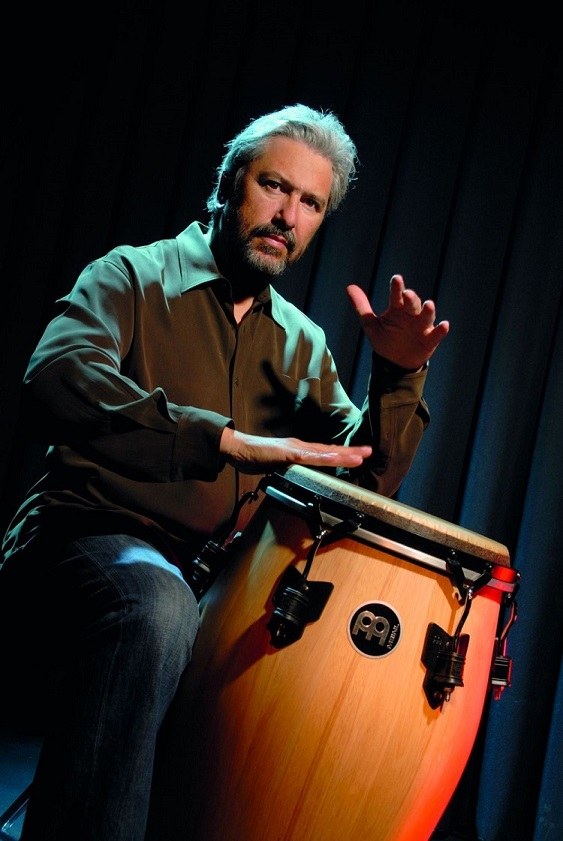
Conte is originally from Santiago de Cuba, where he grew up surrounded by the most authentic traditions of traditional popular music and the strong rhythmic presence of the music from Santiago. Living in Santiago he could see and hear the Santiago conga, the carnivals, the street rumbas. His father took him to events. He also remembers the Santiago trova. There was always music in his house and his father’s troubadour friends played. To all this he attributes a lot of his way of playing and interpreting all forms and styles of music.
Very young he emigrated to Spain and then to the United States, there he settled in Los Angeles. In this city he began his musical career as a guitarist in various rock groups. Later he developed his talent on drums and percussion at Los Angeles City College, he quickly became one of the most respected percussionists internationally.
Conte proved himself versatile musically, at the age of 18 he began to move in the musical circle, and by 1973, he was playing regularly in local clubs. He quickly became a busy studio musician, and throughout the 1970s, he played in the Latin Jazz band Caldera. His first tour was in 1974 with The Hues Corporation, they had a hit titled “Rock the Boat”. From there everything continued, always making new contacts and relationships with musicians and, since then, he has worked with countless artists and recorded on more than 2,000 albums.
Some of Luis’ musical influences :
His live performance and touring career took off when he joined Madonna’s touring band in the 1980s. To date, Conte has built an extremely successful career including a run composing and playing in ABC TV’s Dancing with the Stars band, among dozens or hundreds of other tv and film projects.
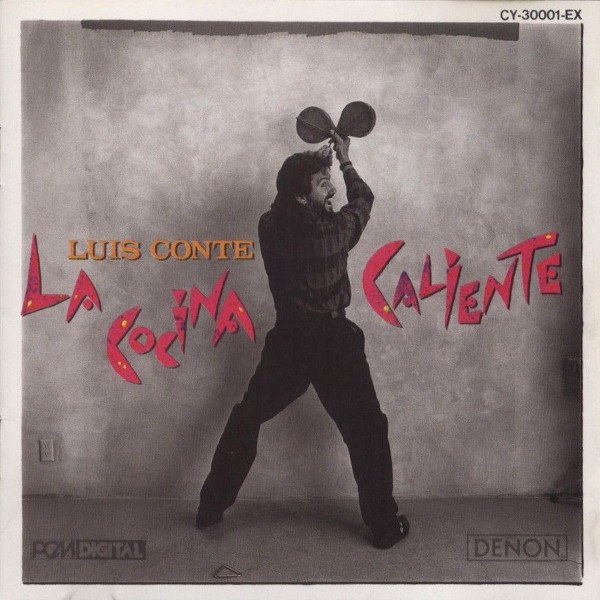
His debut as a bandleader came in 1987, when he released La Cocina Caliente, which included a Latinized version of Chopin’s “Susarasa”. Conte also played percussion on the Pat Metheny Group release ‘We Live Here’, in 1995, on the Pat Metheny ‘From This Place’, in 2020 as well as I Mother Earth’s first two albums Dig (1993) and Scenery and Fish (1996).
Conte has toured as part of James Taylor’s “Band of Legends.” He has also played alongside such famed musicians as Alex Acuña, Jaguares, Larry Klimas, and David Garfield, both as a bandleader and a sideman.
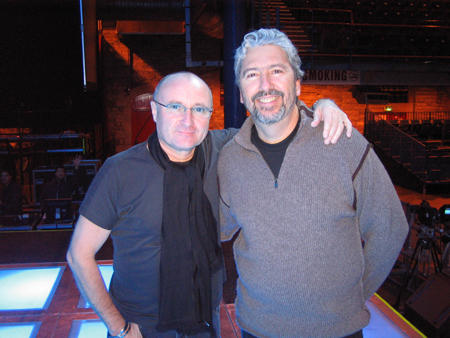
Luis Conte was part of Phil Collins 1997 “Dance into the Light” tour and 2004 “First Farewell Tour”, performing in both of them Afro-Cuban percussion and adding more depth into the concert songs. He also performed during The Phil Collins Big Band tours in 1996 and 1998 and again during the Phil Collins Not Dead Yet tours 2017/2018. In 1999 Conte collaborated in Maná MTV Unplugged project.
The cinema has also had the collaboration of this great artist who has participated in the recording of the soundtracks of well-known titles of contemporary filmography such as Transformers (1 and 2), The Lost City (Andy García), Hankock, Rain Man, Mission: Impossible, The Italian Job, among others.

Knowledge is nothing if it is not shared so that more people can progress and grow music, and Luis Conte knows it. For this reason he began the following initiatives.
Luis Conte has created an extensive repository of world percussion lessons. Students in the percussion course have unlimited access to a collection of guided, high quality percussion lessons and an extensive library of play-along tracks.
In addition, it has its own line of drumsticks and instruments supported by Meinl Percussion and the company of instruments of Zildjian. Has launched its line of congas, drums and shakers that was unveiled at the NAMM Show (2005).
Conte has the Guide to Latin Percussion Vol. I in its 2nd Edition, with the aim to help you become a well-equipped percussionist capable of performing comfortably in the most common musical situations within the Afro-Caribbean/Brazilian spectrum.
Luis Conte has always shown a deep love for his country. He carries his name with pride wherever he goes. In 2009 he had the opportunity to return to Cuba and it was a dream come true.
In an interview he stated: “When I returned to Cuba I realized that it had not been complete, my heart was missing something and that was to be back in Cuba, I am already whole.”
Conte listens and always tries to be aware of what is happening musically in Cuba. Cuba is a source of music.
He eagerly awaits the opportunity to travel to Cuba and be able to play with the great interpreters of the island.
For him, the Cuban is in the field with its royal palms, the sea breeze, the beaches, the mountains of the East, cane, tobacco and rum… the rumba, the changüí, the danzón, the mambo, the son, the tres guitar, the tomb, the bongo and the harpsichord… the maracas and the güiro. Always affirms: “Cuba is Cuba!”
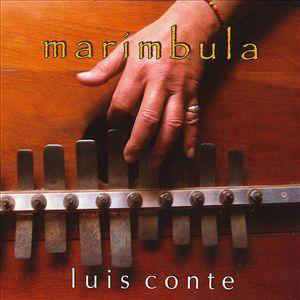
In addition to having participated in countless albums for various artists, many of them worldwide success, Luis Conte has his own discography, among which is:
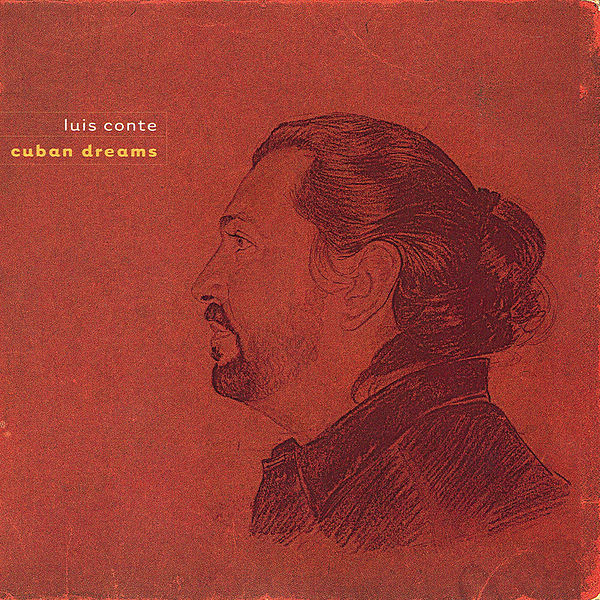
Luis Conte’s genius stems from his ability to integrate the powerful rhythms of his native Cuba with the American necessities of American pop music. His long and varied career has included numerous awards.
“Percussionist of the Year” – Modern Drummer Reader’s Poll (2009, 2010, 2011, 2012)
“Percussionist of the Year” – Drum Magazine (2007, 2008, 2009)
“Studio Percussionist of the Year” – Drum Magazine (2007, 2008, 2009)
Nominated for the 2015 Grammy Awards in the category of “Best Music Album in the World” for Our World in Song, Wind Music International (2014).
From 2018, is the Cultural Ambassador of Instituto Latino de la Música (ILM).
For this 2020, Conte had a tour scheduled with James Taylor, but the dates have been postponed and are being rescheduled to 2021, so no one will be left wanting to see his magnificent presentation
” I really don’t know how I got started playing. As far back as my memory will go, I owned a drum. It’s like asking someone how long they’ve been breathing.”
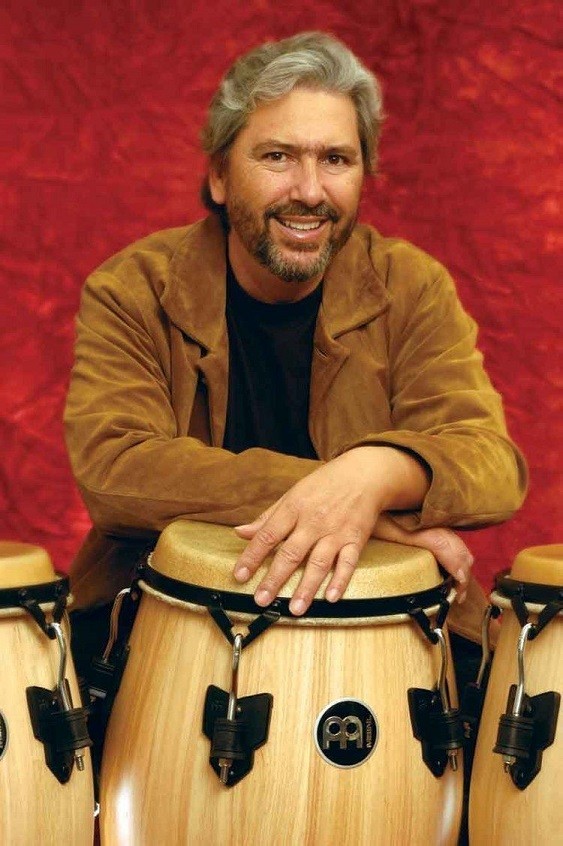
Eduardo Zayas was born in the 1960s, a time of turmoil and conflict in our Nation.
Born in Ponce Puerto Rico and raised in the town of poets, Juana Díaz. He fell in love with salsa during his sister’s Quinceañero, when he first heard the Fania Stars records. From that moment he grew in a fascination for that hot music.
He completed his basic education in his longed-for town of Juana Díaz where he graduated from Luis Llorens Torres High School. “I study psychology at the Inter-American University in Ponce Puerto Rico”
The 70s were his greatest influence while growing up on the same street where the family of the great Tito Gómez lived, as well as other great musicians such as Héctor Tricoche.
During that period, rumbones were found on every corner.
Since childhood he was inclined to write poetry and shared his creations with family, friends and teachers.
At an early age he had the opportunity to write a poem and recite it on local radio.
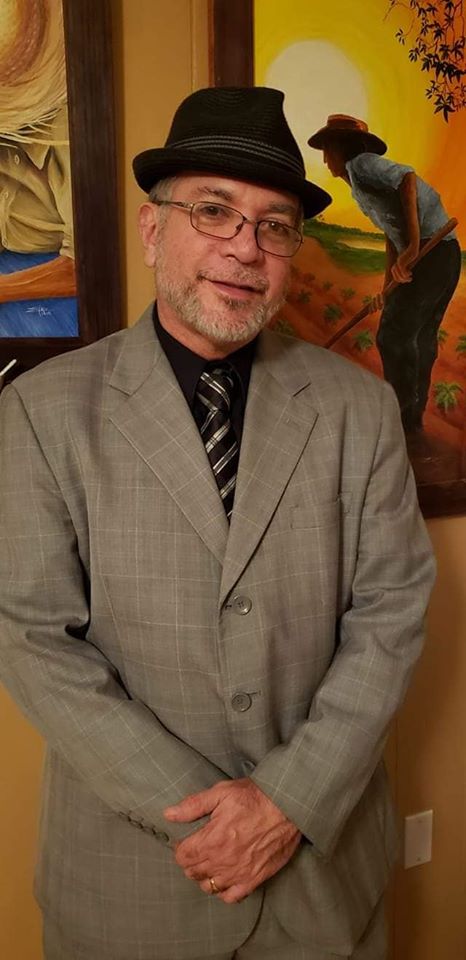
While studying at the University; His interest in traveling and learning about new things motivated him to enlist in the American military service where he served for 26 years in different military branches until his retirement in 2007.
In those years he had the opportunity to visit many places and observe many experiences and events that fed his muse.
He was fortunate that his last military station was the beautiful island of Hawaii where he worked as a counselor for the military organization in cases involving discrimination issues and organizing educational and cultural events.
During that period he had the opportunity to demonstrate his poetic abilities by writing poems and works for his events.
Upon retirement in 2007, he was fortunate to be selected to work as a civilian employee with the United States Government Federal Service in Washington DC.
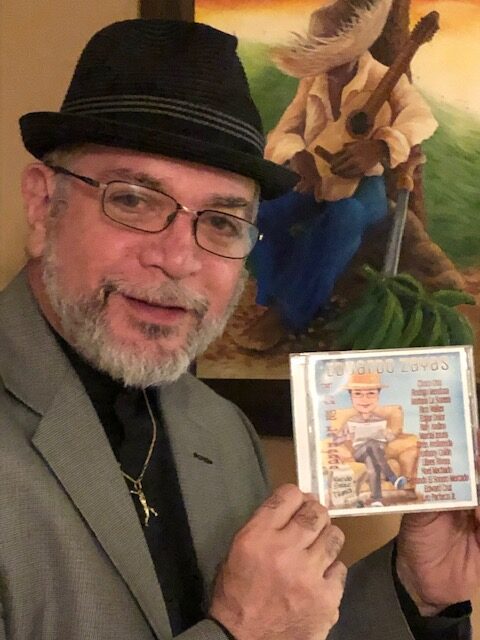
Eduardo began writing songs since his early years in the military.
His love for music is so great that he has continued to write songs and had the opportunity in 2019 to produce his own musical production “Nacido Entre Titanes” with a great cast of musicians and singers.
All the songs in his productions are his own, until now some of his songs have been recorded by other artists such as Julita Stephens, Iván Montero and Awilda Hernández.
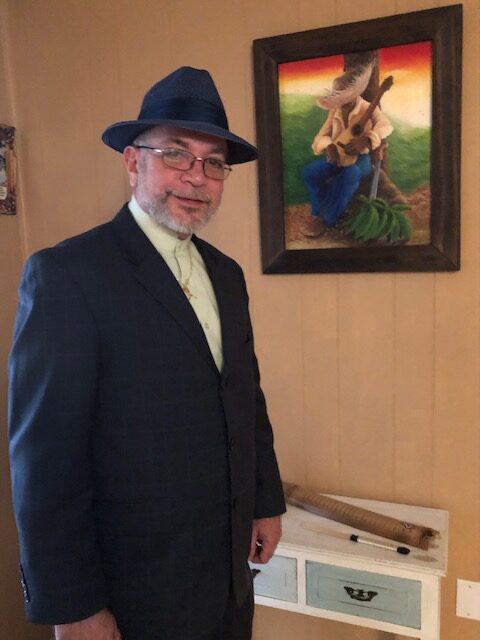
Others are soon to leave, their music is based on personal experiences and observations of events throughout their lives, their themes carry messages for reflection.
He feels the great purpose of his work is to be able to create good music and bring joy and positive messages to dancers and those who like to listen to great quality.
We are in Salsa!!!
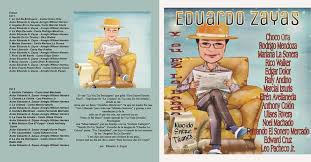
Discography of Eduardo Zayas
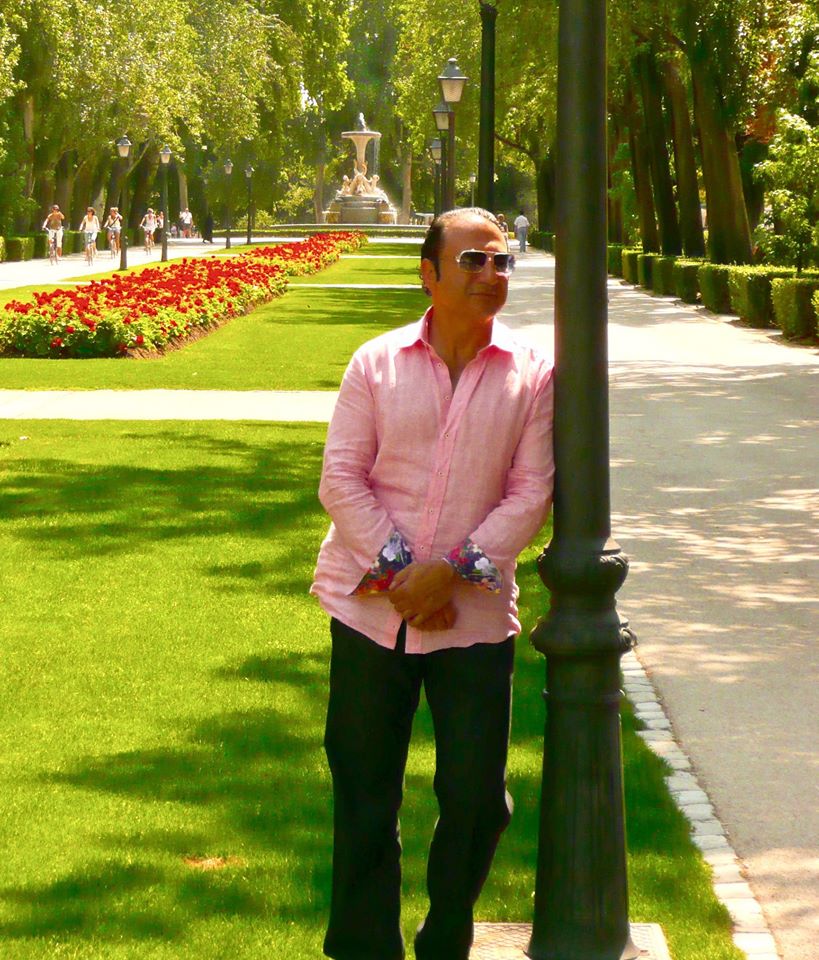
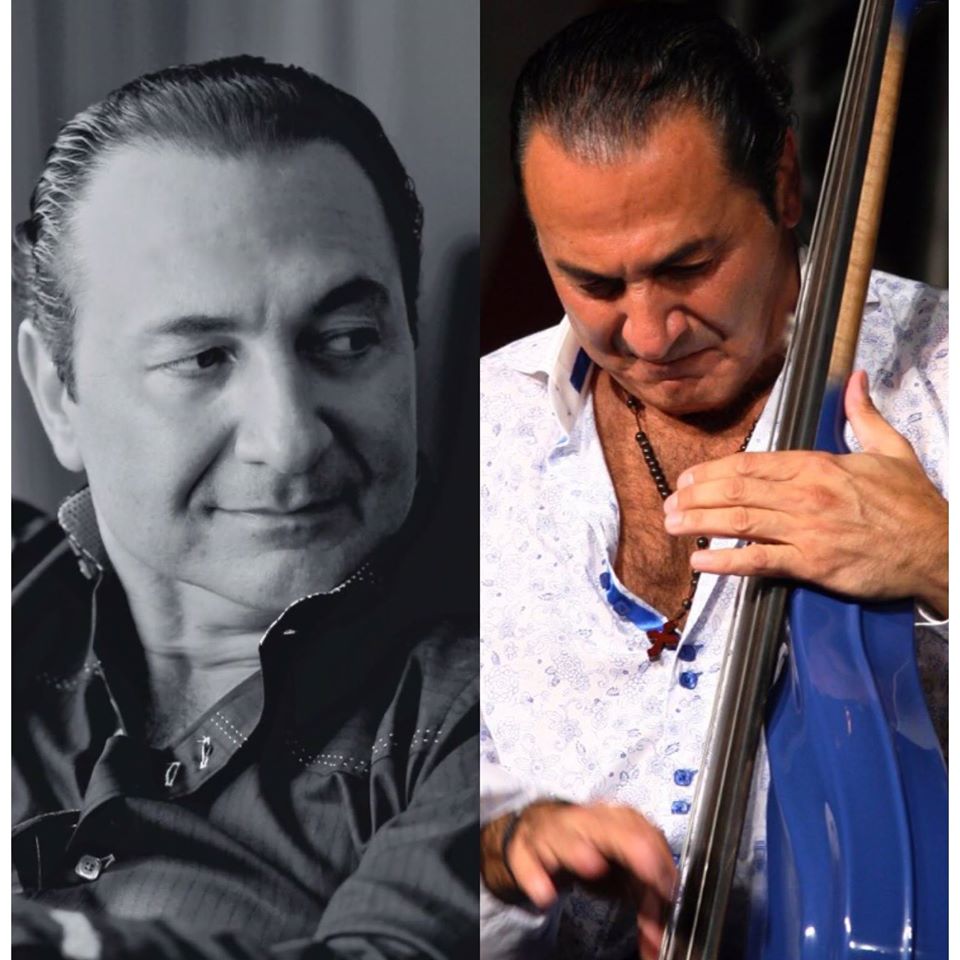
Sirak Miguel Baloyan, talented musical creator, prodigy son is now among the best exponents of music in the world.
Sirak, from a very young age, was amazed at his creative ability that has led him to countless recognitions and satisfactions. His particular interpretative expression with different musical instruments gives an example of his originality and style.
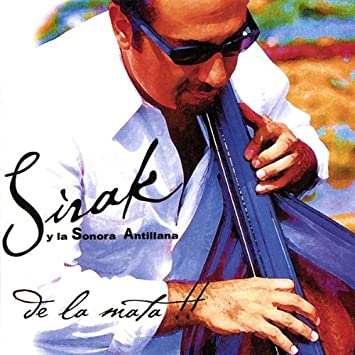
The experience of living and traveling around the world has taught him the styles, culture, rhythms and different musical genres around the planet.
Now, with more than 20 years of experience, we see his impressive work both in his albums as an artist and in his productions and compositions for performers of the highest level.
In 2002 he obtained the PLATINUM AWARD for his production of the album “SABOR A MEXICO” by singer Bertín Osborne.
He is affiliated with the society of composers ASCAP. In his multifaceted experience and participation within the musical range we can include; Graduated from Dick Grove Music School Los Angeles, Graduated from San Diego State University, student at the Puerto Rico Conservatory of Music, artistic director and producer of the SBB Records record label, research studies in the Afro-Antillano genre and director of renowned radio programs , among others.
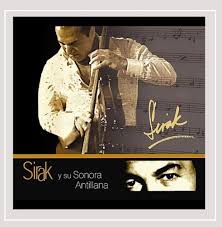
Sirak, with more than 130 musical works (Ballads, Bolero pop, Bolero Trio, Bossa Nova, Chachachá, Dance/Pop, Flamenco, Jazz, Latin Jazz, Mariachi, Norteño, Rock, Salsa, etc.) demonstrates his skill as a composer. His compositions have been recorded by artists of great international prestige.
In 2002, Sirak’s innovations still continue. His dream of bringing together excellent musicians from the Antilles (Caribbean) now comes true with the formation of his well-known orchestra LA SONORA ANTILLANA.
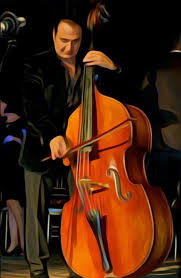
His new album DE LA MATA will surely become one of the most innovative albums of the moment. DE LA MATA, a top quality project, promises to be very successful in the Latin American and European markets. Album recorded in Puerto Rico, it has 10 songs inspired by Sirak and produced by himself, it includes the most prestigious arrangers of the tropical genre such as: Jose Madera, Tommy Villarini, Rafael Torres, Tito Rivera, Mandy Vizoso and Sirak.
On Feb 24, 2008, Sirak y Su Sonora Antillana performed on OSCAR night at a concert sponsored by Billboard Magazine and Children Uniting Nations. The guests at this annual event are movie and music personalities.
Previous years have featured artists such as Prince, Wyclef Jean, Ruben Studdard, Stevie Wonder, Chaka Khan, The Black Eyed Peas, Gladys Knight, Al Green and many more.
Singer-songwriter, 2 Shows at the Oscars, winner of awards: M.V.Award, cd triple platinum, walk of fame, 100 videos on YouTube, 150 compositions (salsa, bolero, ballad, latin jazz, bossa nova, etc.) 200+ articles press.
To see his YOUTUBE channel (98 videos):
http://www.youtube.com/user/sirakbaloyan
For more information:
Thanks to his (Wilmer Sifontes) participation with this group, he got several offers to return to the United Kingdom, so from 1996 he decided to settle down definitively in that country.
His musical duality has allowed him to work with different musical groups and bring the intoxicating rhythms of the American continent to those latitudes. He tells us that; “Fortunately, music is a universal language, it is the flag that one carries and allows you to make your way in other spaces”.
Wilmer, sometimes we imagine that the passion for music comes from a family inheritance, I see that this is not the case with you, how were your musical beginnings?
“In my family there are no musicians, however, as a child I always listened to music, on the way to my house there were places where the orchestras rehearsed, and that I liked it, I started playing salsa, it was always my forte, the music worm began at 10 years old, when the theme of Pedro Navaja with Ruben Blades and Willie Colon was in fashion, in the classroom a classmate imitated that little grave on the desk, this impressed me so much that from that moment the message came to me and I said -this will be my thing-“.
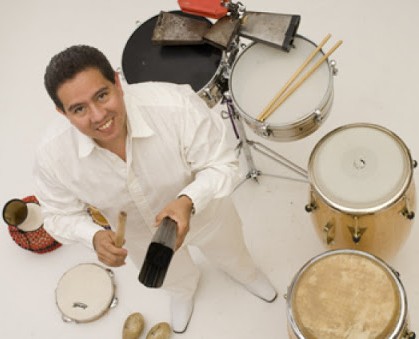
That would be his entrance to the world of music
“Yes, that was a message -but look at it-, I was a sportsman -I played Volleyball and Basketball-, and my sportsman friends wanted to be musicians, they were all adults and I was always with them as a boy, but they had no musical skills, no instruments, this prompted me to look for someone who would help me get into music, so, through my cousin I met the bassist José Machado
-he belongs to a family of musicians from La Vega-, they were my first teachers, they were always rehearsing and I saw, -a visual teaching – because I was a kid, they had a Cuban Son group called “Los Machados”.
At some point he played with them
“After a while we started playing with the “Machados”, people were impressed to see such young boys playing, from him I received my first drumsticks, although I wanted to play bongo”.
How was that evolution?
“In the neighborhood I continued with different groups, then with my cousin we created the “Orquesta La Conclave” and here we developed, we played in all the cultural events”. “We were rehearsing at Catia and Jesús Gómez -one of the singers of Sonero Clásico del Caribe- was always passing by and one day he told us that he needed a timbalero and a pianist, that if we wanted to work with him and we said yes, they played every night at La Caneca, a very famous place that was on Sucre Avenue in Catia”.
“This was my first night job, then I went to Silencio and played in different clubs”.
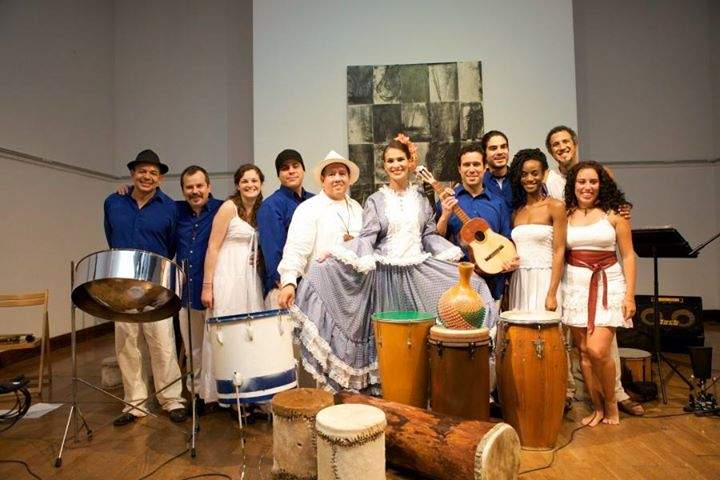
He is an empirical musician
“I made several attempts to study but… It was a little difficult, there were very rigorous classical schools at the time and I could not enroll, in one I went – La Lamas- together with my cousin, we took the exam and they scratched us (laughs), it is a very nice anecdote, we both sang without knowing the Black Tomasa”.
How does it come to perfection then?
“I was playing by ear, it wasn’t something formal, as he already works in the nights in the clubs, a friend told me that in the Central University of Venezuela, Alberto Borregales and Orlando Poleo were giving classes, when I arrived I saw a great amount of people and I said: -whoa, here they are not going to accept me with that crowd- by chance, the teacher Borregales, makes a small group due to the little space that there was in the classroom, and at that moment I was going to evaluate them to decide who was left and who was not, fortunately I passed the test and I stayed”.
The experience of the street helped him
“(laughs), yes.”
Formally, Borregales was their teacher
“Yes, but my first teachers were the Lp, besides the radio, I listened to a program called “Latin America the Cosmic Race”, with Borregales I entered with a greater discipline, he taught me to analyze, he indicated us what to read, what to listen. Later I was with Poleo in Caricuao, then in San Agustín and eventually went to Sarria. In the neighborhood I learned from Carlos “Tabaco” Quintana, he was one of my favorites, he was my inspiration, he was a timbalero with a terrible swing, excellent, in the neighborhood there were many good ones”.
“Apart from them I also learned from; Daniel Milano Mayora, Jesus Milano Palacios, in the Aquiles Nazoa Library -of Caricuao-, the Bigott Foundation and the Grupo Autóctono de la Vega”.
How was that jump from salsa to folklore?
“I was offered to join the Grupo Autóctono de la Vega, with a great trajectory -it must be 40 or 50 years old by now- there is no role for the amount of people who have passed through there, it is the first group that makes the San Juan demonstrations in Caracas, this is from the Rivas and Ochoa family, it was my first school of folklore, they did dances, sports and then it was dedicated only to folklore music, both have been my teaching, I did not leave either of them”. “Then I played with many other folk and salsa groups, music is one of the most important things in society.”
The Grupo Autóctono de la Vega opened its doors to him, but the Agrupación Entreverao marked his future
“Yes, Entreverao marked my future, let’s say it was a show group, a quartet, its musical structure was very particular, harp, bass, drums and singer, then the percussion was introduced, the percussionist Rhay Herrera was their Director, I got a lot of experience with this group, we had a lot of work and learning, with them we made the first trip to the UK in 92”.
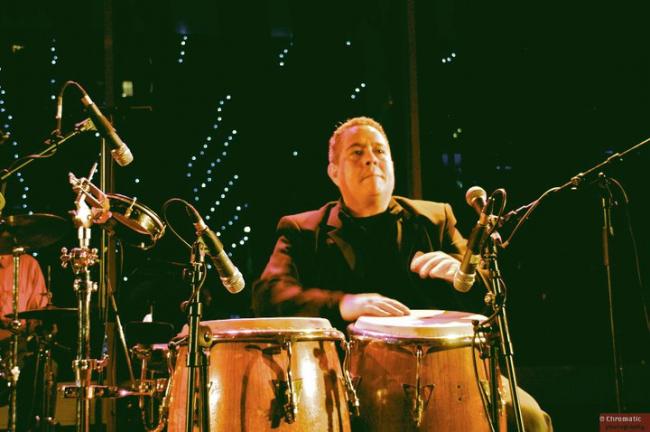
How did you decide that London would be your destination, why not another place more tropical, warmer, you did not think that you would face another culture, another language, another climate?
“I was playing with Erick Franchesky, at that time he had 3 songs stuck in New York, we were going to go four or five of the band, it was almost confirmed, but it didn’t happen, music is like that, sometimes it offers you villas and castles and tomorrow you have nothing.” “I also had other proposals to come to the United Kingdom, the first thing that came out was this, that is, my destiny wanted me to come here”.
“Being out of your country, you learn other things, and that’s one of the particularities of my work, you learn to be more tolerant with people, as I know a lot of folklore from other places has allowed me to arrive, the culture is different to ours, is strong above all if you do not master the language, even if it is the basics, the climate if it was a shock, this is a fridge, (laughs)”.
I can’t imagine the English dancing and listening to Salsa, do they like the genre?
“In the 90’s Salsa was very fashionable around here, there were many places to play, the acceptance of the music is excellent, when the Salsa boom, everyone wanted to learn to dance it, there are clubs to learn to dance, they have fallen in love with Latin American culture, they have been very receptive to those we have come to work with”. “I am the first Venezuelan to make a legal Folkloric Group in this country”.
Tell us a little about that project; AfroAmerica Project
He founded it in 2007, it is an official group of typical and traditional Afro-Venezuelan music, people love Latin American music, they receive it very well, the name is due to a magazine that Jesus “Chucho” Garcia made, which speaks of Afro-Cuban music”.
He continues to work with this project
“Yes, it is a group like Un Solo Pueblo, 90% is Venezuelan music, fulia, tambor, parranda, Calipso, Larense music, there are people who are outside Venezuela and do not know their music, then, we must show what we are, show our culture”.
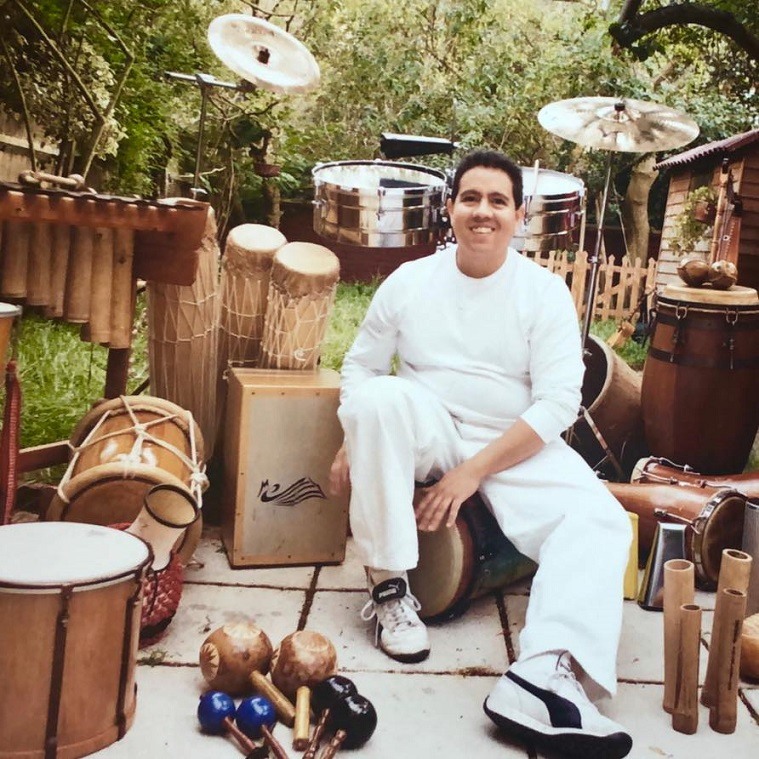
What groups have you worked with in the UK?
“Any number of bands, when I arrived in the UK I started with a man named Kora, he played an African harp, his band was World Music, his music was a mix of African rhythms and the idea was to play Latin American percussion, as I have the virtue of playing different styles of music work with him”.
“Although I did a lot of Salsa in the early years, the other bands I remember are Conjunto Sabroso, Hussein Zahawy, Tumbaito, Ensamble Criollo, La Papayera, Salsa Nueva, The Voices of Naturale, La Charanga Rivera, Tango Tierra, Ensamble Criollo, Clara Rodríguez, Ola Onabule, AfroAmerica Project, Cubanito, Chacón y Su Timba, Bahareque, Salsa Céltica, Kora Colours, Los Charlys Orchestra, Classico Latino, Bilongo all Stars, among others”.
It’s easy for him to move through different genres
“Yes, I owe this to my country, thanks to all that learning I have been able to do so many things and share with so many people in different parts of the world.”
Thanks to this duality you have worked with and accompanied different artists, which ones do you remember?
“Among those I remember are Herman Olivera, Willie González, Maelo Ruiz, José Mangual Jr, Luisito Carrión, Roberto Torres,Tony Vega, Pedro Brull, Tito Gómez, Tito Nieves, Cano Estremera, Giovanni Hidalgo, Andrés Cepeda, Aterciopelados, Leroy Burges, Rodolfo Arcardi, Henry Fiol, Alci Acosta, and the Bands and groups in Venezuela are; Orquesta la Grande, Catatumbo, Entreverao, Criollo y Sabroso, Orquesta la Raza, and with whom I have participated are; Grupo Cosecha, Grupo Autóctono, Jesús Ruiz, La Gran Compañía and Eric Franchesky -who- among many others”.
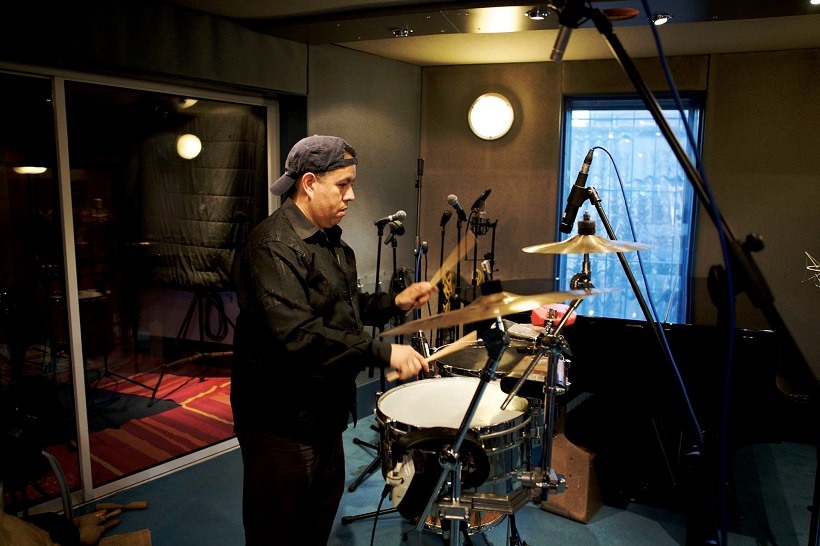
Celtic Sauce, explain that to me, it sounds a little strange
“It’s a Scottish group that mixes Celtic music with Salsa, with them I started doing substitutions for the timbalero, it’s very nice and interesting, they use the traditional instruments of Scottish Folk and the instruments of Salsa and Latin Jazz, they have also mixed it with pop, with rock, with Indian music, that gives them a unique and characteristic sound to this group, with this group I have traveled the world”.
Another band you have worked with is Sidestepper, very famous for fusing elements of Antillean and Colombian music with electronic music.
“Yes, the band was formed in Colombia, by the English producer Richard Blair, he revolutionized the traditional sounds of the region by mixing them with avant-garde sounds, with them I made an interesting work”.
Tell us about the Salsa Nueva Project
“That is the project of the Venezuelan pianist Elena Riu, is the fusion of Salsa with classical arrangements, you can be listening to a kind of montuno, a tumbao’ on the piano and the minute it disappears and leaves a passage well classic, is Latin in classical music, had original themes, is a theme that is called sal-si-ta -so separated-, had songs by Ruben Blades, Ismael Rivera, very cool.
“She needed a rhythmic element and invited me to accompany them, two months later we recorded an album in a church”.
How do you feel about conducting one of the most popular bands in London, El Conjunto Sabroso?
“It has given me a lot of foundation and satisfaction, it was founded by Mrs. Luisa Elena Caicedo, since I arrived here I started to work with them, she listened to my references and called me to make substitutions, then I was their director and assistant director”.
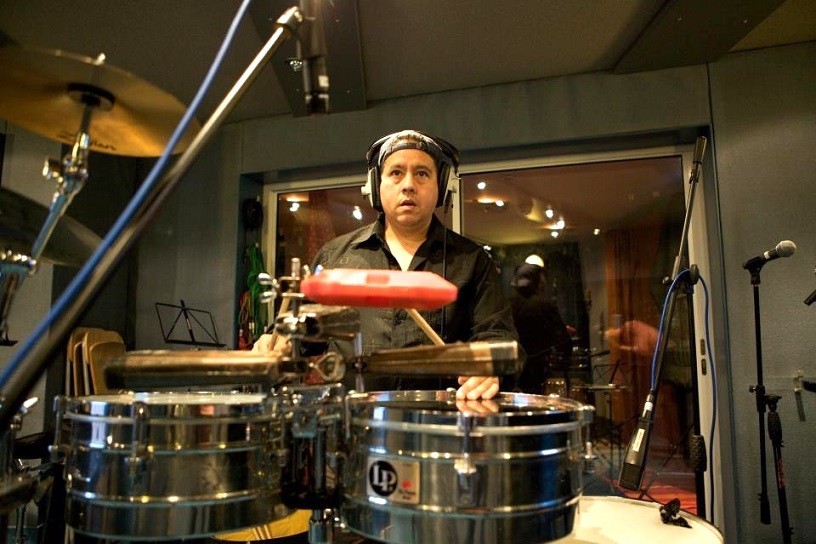
With you, the saying goes… No one is a prophet in his own land
“I think that yes, many people have been prophets, but… after death or after many years -laughs-, I don’t know, at this moment it is so difficult to put a definition to this, although I believe that nobody is a prophet in his land”.
From whom or from whom has he taken his musical influence?
“There are several, the list is long, Carlos “Tabaco” Quintana, Orlando Poleo, Alberto Borregales, Alfredo Villamizar, Orestes Vilato, Tito Puente, Dave Wackel, Ray Barreto, Un Solo Pueblo, Guaco, Paquito de Rivera, Giovanni Hidalgo, Paoli Mejias whom I had the pleasure to meet and accompany, El Trabuco Venezolano, La Fania All Star, Irakere Orchestra, and Puerto Rican and New York Salsa, among many others”.
How has your musical growth been?
“I have learned a lot from each culture, from the Colombian, Cuban, Argentinean, African, knowing the folklore of other places teaches you a lot, sharing with people from all over makes you grow and learn every day, this is part of the particularity of my profession.”
How do you see the market right now, there is a great variety of music, everyone has their own style, what do you think of all this new, but sometimes not good?
“I don’t know if it’s taking a turn or not, the truth is that Europe is different, it has another kind of market, which is not that I’m involved, previously there were many festivals, pop and rock are the popular music of this country, but, reggaeton has been influenced by society, it has been injected with a lot of money, apart from the impact of social networks, it reaches more people, social networks have changed the way music is sold in the world.
“People are scared of reggaeton, for me it depends on who is doing it, the market has changed because of the networks, anyone makes music, anyone plagiarizes music from others, we are in a time of change and music does not escape from it.”
What do you think about tributes and copies, is the musician’s creativity running out?
“When people are alive it is always good to highlight their contribution to the world, there will always be a reference to someone, but it is good that people are creative, and there are the brazen ones who shoot the songs and put other lyrics on them, it is like winning people over with other people’s work”.
“The musical genius has not declined, what happens is that there are no promotions, people who do not do commercial work, it costs a little more to reach, fight against the great machines that bet on other things, musical geniuses are born for generations, are counted.”
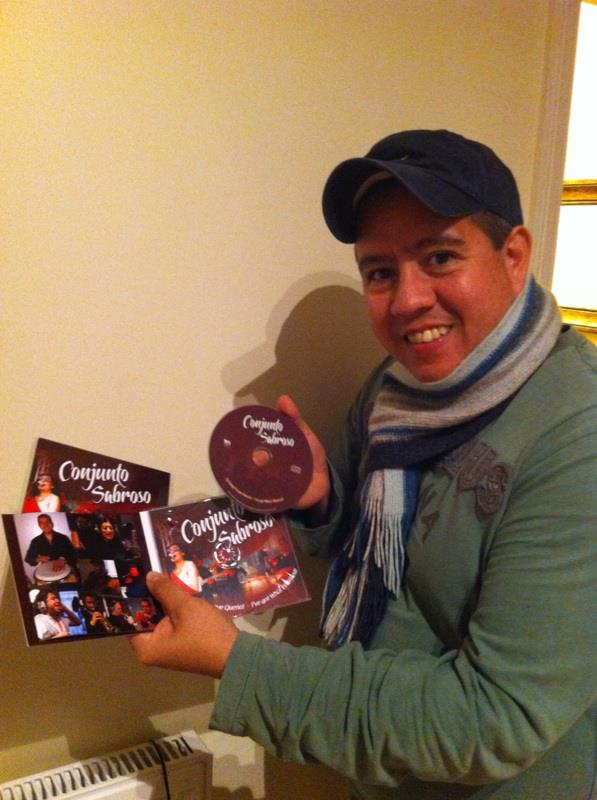
The first production of the Conjunto Sabroso is entitled “Ya tengo lo que quería, realmente”
“You never get to have everything you want, but at that moment, we had what we wanted, in that production there are arrangements by Naty Martínez”.
Among your personal projects, which ones would stand out and what new proposals do you bring to the public?
“I was the founder of Ensamble Criollo, we still work with this, AfroAmerica Project, Wilmer Sifontes y Su Combo Caribe, Will Sifontes and his Latin Sound and I’m still working with Conjunto Sabroso as musical director, besides, I’m making a solo album, -let’s say it’s called Latin Jazz- it’s a mix of everything, of my musical career, I already have 3 numbers, there will be duets, quartets, guests, the production is going to be called “Handmade”.
If you were to choose between folklore and salsa
“I’ll take them both, they’re different loves, I still do folklore, salsa and fusions.”
What recommendation do you have for the relay generation
“My recommendation is that they prepare themselves, musically, but first of all their idiosyncrasy, we have to have very clear the bases of what we are and develop them with modern techniques and other elements from other countries, to have discipline, today it is easier to have the information, there are more institutes, the internet”.
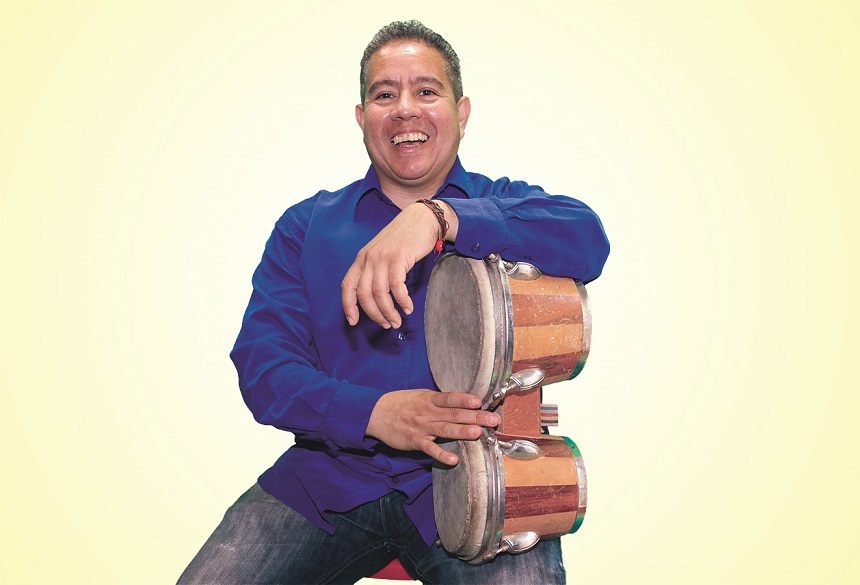

By Eling Blanco, ISM Journalist Correspondent, Caracas, Venezuela