• Skip to primary navigation
  • Skip to main content

International Salsa Magazine

  • HOME
  • Previous editions
    • 2026
      • ISM / May 2026
      • ISM / April 2026
      • ISM / March 2026
      • ISM / February 2026
      • ISM / January 2026
    • 2025
      • ISM / December 2025
      • ISM / November 2025
      • ISM / October 2025
      • ISM / September 2025
      • ISM / August 2025
      • ISM / July 2025
      • ISM / June 2025
      • ISM / May2025
      • ISM / April 2025
      • ISM / March 2025
      • ISM / February 2025
      • ISM / January 2025
    • 2024
      • ISM / December 2024
      • ISM / November 2024
      • ISM / October 2024
      • ISM / September 2024
      • ISM / August 2024
      • ISM / July 2024
      • ISM / June 2024
      • ISM / May 2024
      • ISM / April 2024
      • ISM / March 2024
      • ISM / February 2024
      • ISM / January 2024
    • 2023
      • ISM / December 2023
      • ISM / November 2023
      • ISM / October 2023
      • ISM – September 2023
      • ISM – August 2023
      • ISM July 2023
      • ISM Edition June 2023
      • ISM – May 2023
      • ISM April 2023
      • ISM March 2023
      • ISM February 2023
      • ISM January 2023
    • 2022
      • ISM December 2022
      • ISM November 2022
      • ISM October 2022
      • ISM September 2022
      • ISM August 2022
      • ISM July 2022
      • ISM June 2022
      • ISM May 2022
      • ISM February 2022
      • ISM January 2022
    • 2021
      • ISM December 2021
      • ISM November 2021
      • ISM October – 2021
      • ISM September 2021
      • ISM August 2021
      • ISM July 2021
      • ISM May 2021
      • ISM April 2021
      • ISM June 2021
      • ISM March 2021
      • ISM February 2021
      • ISM January 2021
    • 2020
      • ISM December 2020
      • ISM November 2020
      • ISM October 2020
      • ISM September 2020
      • ISM August 2020
      • ISM July 2020
      • ISM June 2020
      • ISM May 2020
      • ISM April 2020
      • ISM March 2020
      • ISM February 2020
      • ISM January 2020
    • 2019
      • ISM December 2019
      • ISM November 2019
      • ISM October 2019
      • ISM Septembre 2019
      • ISM August 2019
      • ISM July 2019
      • ISM June 2019
    • 2016
      • ISM December 2016
      • ISM November 2016
  • Spanish
  • Download Salsa App
    • Android
    • Apple

Search Results for: live music

How Money Is Made Today: Recording Artists, Record Labels, and Digital Platforms

Carlos Navarro is a renowned multi-percussionist, producer, bandleader, and singer, known for leading the Orquesta Son y Clave. Here are some key details about him and his music:

  • Musical Style: He specializes in genres like salsa, mambo, merengue, and Latin jazz.

  • Orquesta Son y Clave: The band has gained popularity in recent years, even sharing the stage with world-class artists like The Rolling Stones.

  • Collaborations: He has worked with major talents in Latin music in Los Angeles, including Tito Nieves, Luis Barbarán, and others.

  • Family Connection: He is the brother of the famous singer Cherry Navarro.
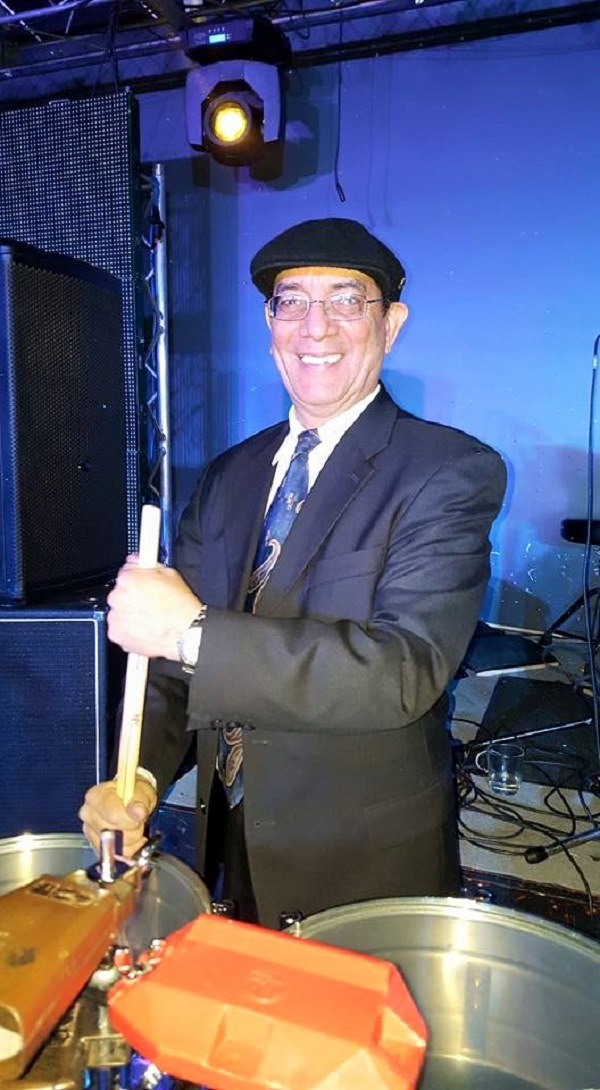
    Carlos Navarro reconocido multi-percusionista, productor, bandleader y cantante, conocido por liderar la Orquesta Son y Clave
    Carlos Navarro reconocido multi-percusionista, productor, bandleader y cantante, conocido por liderar la Orquesta Son y Clave

1). What’s the current process for recording, music production, and royalty distribution?

The current process begins with recording, which can now be done in professional studios or in home studios equipped with high-quality technology. Next is music production, which includes editing, mixing, and mastering to ensure the material meets industry standards.

Once the final product is complete, it’s distributed digitally through aggregators or distributors who place it on platforms like Spotify, Apple Music, and YouTube, among others. As for royalties, these are mainly collected by collective management societies and the platforms themselves, who distribute the income based on streams, downloads, or licenses, assigning it to the author, performer, and producer as stipulated in their contracts.

2). What is the impact of digital platforms that artists use to release their music?

Digital platforms have transformed the music industry by democratizing access. Today, any artist, regardless of their fame or resources, can distribute their music globally. The biggest impact is visibility: a song can reach millions of listeners without the need for a traditional record label.

However, there is also the challenge of market saturation, which requires artists to accompany distribution with solid strategies for digital marketing, branding, and social media presence.

3). How are the revenues distributed once the product is complete?

Revenue distribution varies according to contractual agreements, but generally, it’s split between authors and composers (publishing royalties), performers and producers (master recording royalties), and the distribution company or label.

In the digital environment, streaming platforms pay a percentage for each stream, which first goes to the digital distributor and is then divided according to the percentages agreed upon in publishing and production contracts. This system makes good administrative management essential so that everyone involved receives what they’re owed.
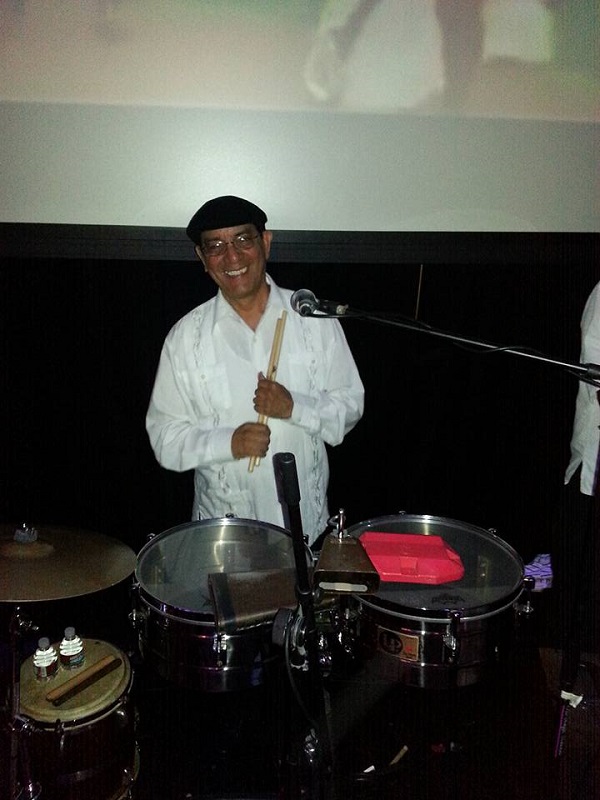
At The Blind Tiger Super Club in Santa Barbara California. Son y Clave Orchestra Carlos Navarro. Great venue.

4). Name some current business models for producing a record.

  • Independent Digital Distribution: The artist pays a digital distributor (e.g., DistroKid, CD Baby, TuneCore) and keeps most of their rights.
  • Record Label Contract: The label invests in production and promotion in exchange for a percentage of royalties and even the master rights.
  • Licensing and Sync: Producing music geared toward films, commercials, and video games, generating income from usage licenses.
  • Crowdfunding: Fans support the funding of the album in exchange for exclusive rewards.
  • 360 Deal: The label or company handles not only production and distribution but also concerts, merchandise, and image rights, in exchange for a larger percentage.

5). What strategies can artists use to monetize their work in the digital environment?

  • Streaming and Digital Downloads: Maximizing presence on Spotify, Apple Music, Deezer, etc.
  • YouTube and Content ID: Monetizing through views, ads, and copyright control.
  • Digital and Physical Merchandise: T-shirts, vinyl records, NFTs, and exclusive products.
  • Social Media and Subscriptions: Platforms like Patreon or TikTok offer the possibility of direct income from fans.
  • Licensing and Sync: Offering music for TV series, films, video games, and advertising campaigns.
  • Virtual Concerts and Exclusive Experiences: Monetized live streams, digital meet-and-greets, or access to exclusive content.

6). What do you think about creating a digital platform among us, the Latin musicians, where the profits go to the artists?

I think that’s an extremely valuable and necessary proposal. A digital platform created by and for Latin musicians would have a direct impact on the independence and sustainability of our artistic projects. By eliminating traditional intermediaries and ensuring most of the profits go directly to the artists, it would foster a fairer and more equitable industry.

Furthermore, this kind of initiative would not only allow for a better distribution of income but also the creation of a strong community where we can support each other, give visibility to emerging talents, and preserve the cultural identity of our music. In a market dominated by global platforms that prioritize volume over quality, having our own space would be a strategic tool to strengthen our voice as Latin artists and give true value to our creative work.
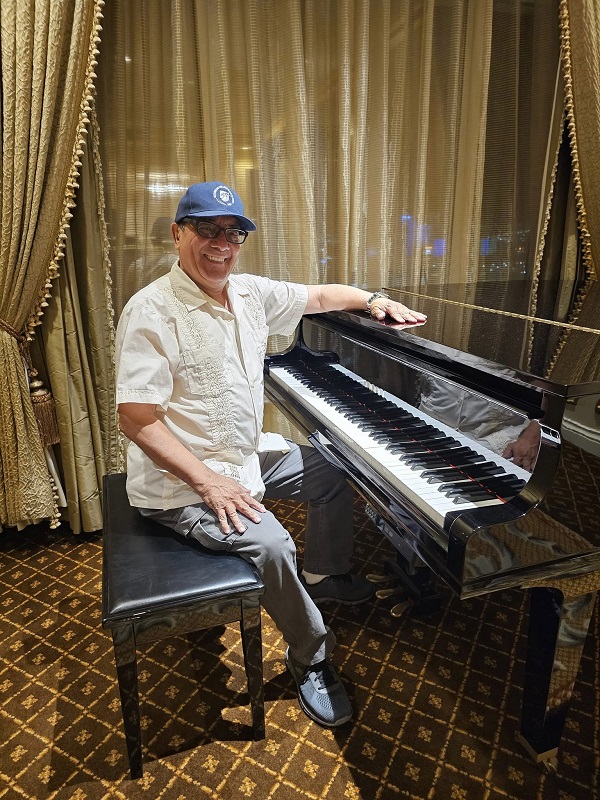
Carlos Navarro
Carlos Navarro

Also Read: How Money is Made Today as a Recording Artist with Record Labels and Digital Platforms

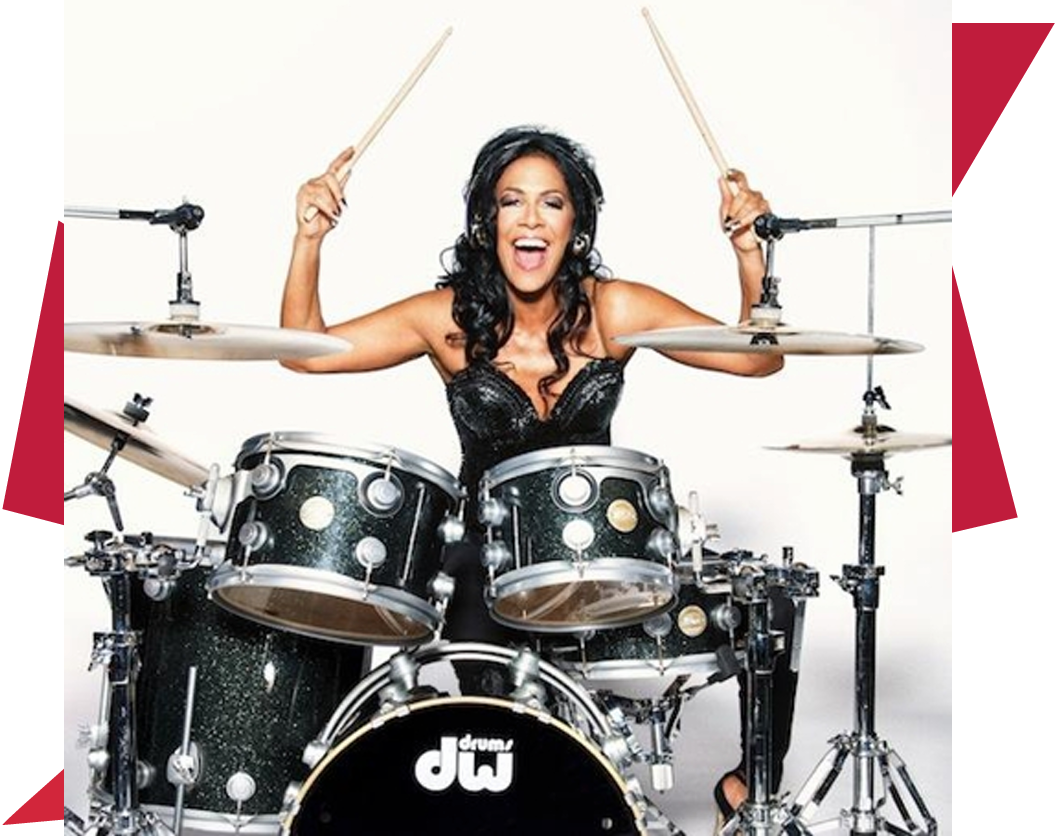
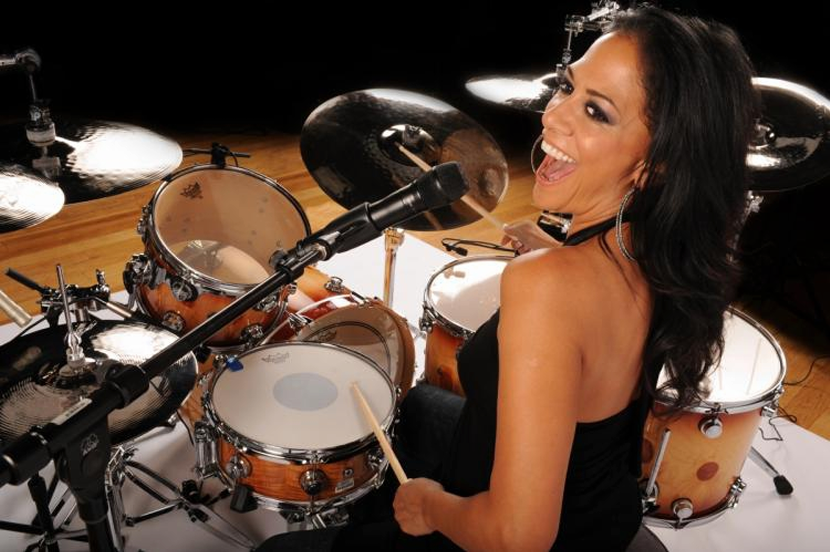
Sheila E. A drummer with a Latin heart

European Union

Guided by the forces of family, faith, and music, Sheila E. has made a name for herself as one of the most talented musical icons over the decades. With a fearless nature and a passion for sharing her gifts with others, Sheila truly follows the beat of her own drum. She touches the lives of so many, with her dynamic music career at the heart of everything. Sheila’s eagerness to share her music, openness as an author, and fire for her ministry make her such a relatable, inspirational figure for people of all ages.

Sheila E.
Sheila E.

Born into a musical family, Sheila Escovedo (Sheila E.) has been driven by an inner rhythm her entire life. As a young girl, she was immersed in the diverse music scenes of the Bay Area-influenced and inspired by her percussionist father Pete Escovedo; musical uncles Coke Escovedo, Alejandro Escovedo, Mario Escovedo, and Javier Escovedo; and godfather Tito Puente. Growing up in the Escovedo household, musical instruments were for everyone. “Nobody cared as long as you could keep time (or have a good time),” she writes in her memoir, The Beat of My Own Drum.

“The idea to record another solo album was actually spawned while I was writing the autobiography”, recalls Sheila E. “I realized that some of the experiences I was writing about should be songs. That’s when I also began looking back at songs I’d written several years earlier and forgotten about, but whose themes needed to be talked about in the book. Both fed each other”.

As the musical half of Sheila E.’s storied life and career, Icon pulsates from start to finish with colorfull fusions of the pop, R&B, funk, rock, Latin and jazz influences that shaped her unique style.

“The 16-track set opens with the soaring “Butterfly,” the first of four interludes that subtly yet powerfully illuminate the versatile talent behind the music. “Butterfly” reflects part of the journey in my book,” explains Sheila E., nicknamed butterfly by a family friend. “It’s who I am as a person. I always wanted to fly, to be the first female astronaut on the moon. It’s me running track, running free. That’s how I play.” The album takes off from there, with most songs produced live, specifically solos, in one or two takes. “I’m used to playing live,” says Sheila E., who also produced the project. “Why would I punch in my soul?”

She unleashes that soul on feisty first single, “Mona Lisa.” Drawn from Sheila E.’s Latin roots, the track vibrantly chronicles a story about a woman who never lost sight of her dream: to perform. That’s just one of several potential singles on Icon. “Fiesta” opens with guest rapper B. Slade’s teasing declaration, “Just drop that beat on that.” T

Sheila E. Photo 1
Sheila E. Photo 1

hen the hot club jam powers up as Sheila E. drums out an infectious beat throbbing with intensity-“Can’t nobody rock a party like Sheila E.,” raps B. Slade-before closing with her coquettish laugh. A mid-tempo downshift yields the feel-good track “Lovely Day.” Its message about focusing on the bright side of life takes the song on a surprising turn as it morphs into a gospel/funk vibe reminiscent of Sly Stone.

Joining Sheila E. on her musical reverie are two singular storytellers in their own right: singer Ledisi and pioneering rapper MC Lyte. The latter’s signature edgy flow spices up the saucy themed “Nasty Thang,” while outlining the drama and glamour that often com 1 es with a life in the music industry. Ledisi adds a poignant touch to “Girl Like Me,” an honest, empowering message about surviving abuse.

An abuse survivor herself, Sheila E. originally penned the song to perform with her 2007 female band C.O.E.D. (Chronicles of Every Diva). Rounding out Icon is a new version of the funky tour de force “Leader of the Band.” The song features Sheila and the E Family (father Pete and brothers Juan and Peter Michael) as well as Prince, on piano. “I love playing this song,” says Sheila E., “so I re-recorded, while still leaving a little room for Prince. It’s about how I was influenced by my pops [the legendary Pete Escovedo] and [songwriter/producer/ musician] George Duke.

That a female can be in charge and bring it just as hard.” Icon ends as it begins with another moving interlude, “Now Is the Hour.” A duet featuring Sheila E. and her beloved “moms,” Escovedo matriarch Juanita, the clip dates back to Sheila E.’s childhood. Family, faith and music were guiding forces for Sheila E. growing up in the Bay Area. In addition to percussionist dad Pete, the Oakland, Calif. native counts former Santana member/Azteca founder Coke Escovedo, solo recording artist Alejandro Escovedo, The Dragons front man Mario Escovedo and from The Zeroes Javier Escovedo as uncles

Fellow Latin star Tito Puente was her godfather. In addition to being weaned on Latin jazz and Motown, Sheila E. was exposed to a diverse array of Bay Area acts and artists. Those influences ranged from the rock of Jefferson Airplane and the Grateful Dead to the R&B/pop of the Pointer 1 Sisters and the funk of Tower of Power and Sly & the Family Stone. “I used to sit on the corner outside of the local community center with Twinkies and 7-Up listening to Tower of Power, Sly and Larry Graham rehearse,” recalls Sheila E. “The sounds of the Bay Area molded me.”

Sheila E. Photo 2
Sheila E. Photo 2

So it’s no surprise that after such a music-immersive childhood, the gifted drummer/percussionist began amassing an impressive string of credits playing not only with her dad but also with pioneering talents like George Duke, Marvin Gaye, Lionel Richie and Herbie Hancock. Following a Bay Area gig in the late ’70s, Sheila E. met Prince backstage.

Their Purple Rain recording sessions-including her vocals on the 1984 classic “Erotic City”-morphed into launching her solo career that same year. Debut album The Glamorous Life spun off the Grammy Award-nominated top 10 hit of the same name plus a second top 40 single “The Belle of St. Mark.”

Between her ’80s tenure as drummer, songwriter and musical director for Prince’s backup band, Sheila E. released three more solo albums (Romance 1600, Sheila E. and Sex Cymbal) and scored two more classic hits with “A Love Bizarre” and “Hold Me” a romantic ballad. After taking some time away from the spotlight, she then decided to tap into her Latin Jazz roots and under the name E-Train, released (Writes of Passage and Heaven).

Sheila E.’s fierce, dynamic verve onstage has made her a major concert draw since the ’90s. Along the way, she has acted in several films (“Krush Groove,” “The Adventures of Ford Fairlane,” “Chasing Papi”) and launched various music projects (E Train, The E Family). Adding to her arsenal of credits such names as Ringo Starr (as a member of Ringo Starr’s All Star Band in 2001, 2003 and 2006), Gloria Estefan and Beyoncé as well as performing on the 2012 Academy Awards with pop hitmaker Pharrell Williams and composer Hans Zimmer.

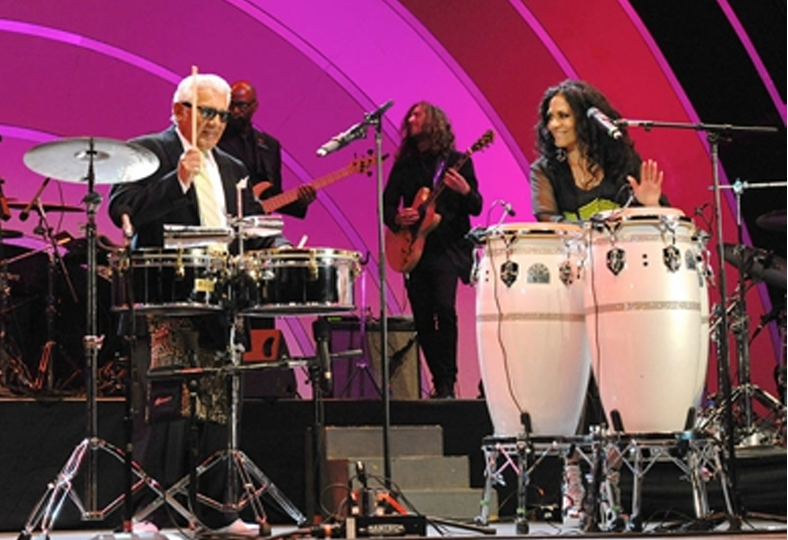
Sheila E. in concert

She was the first female Music Director for a late night talk show (“The Magic Hour” with Magic Johnson) and received an Emmy® nomination as Musical Director for “Fiesta Latina – A Performance at The White House.” Sheila E. was recently among the rost 1 er of stars chosen to perform at the Kennedy Center Honors whose 2013 honorees included artists Herbie Hancock, Billy Joel and Carlos Santana. Away from the spotlight, music doubles as a source of healing and giving back for Sheila E. In tandem with the city of Oakland, she staged the first annual “Elevate Oakland” benefit concert in February of 2014.

A host of Bay Area artists and other acclaimed musicians performed at the city-donated Fox Theatre. The goal: to raise funds to improve student academic achievement and attendance through music and arts programming. But this isn’t Sheila E.’s first time giving back. Between gigs, she has also crisscrossed the country, speaking at schools and colleges, shelters, church organizations, music classes and clinics about music’s effect on her life and career. “Sharing music in any way I can is my ministry,” she 1 says. And that was part of the inspiration for penning the autobiography “The Beat of My Own Drum.” Several years ago Sheila E. publicly acknowledged she was an abuse survivor

“The book was the beginning of the healing,” says Sheila E. “I’d talked about the abuse in my ministry and addressed it in some of the song lyrics I’d written. But it was challenging to sit down and really write about it in detail for the book. But through pain comes realization, understanding and the opportunity to help others overcome those challenges.” After ringing in 2014 in concert with Sergio Mendes on New Year’s Eve at Disney Hall, Sheila E. is now ready for her Icon debut.

Sheila E. Icon
Sheila E. Icon

With no Google or YouTube artist script to follow back then, she says her career drive was propelled by one thing: “I just did it because I loved it. And that’s what Icon represents. I started all this as Sheila Escovedo then became this persona named Sheila E. Now Sheila E. and Sheila Escoved 1 o are the same person, still making music that comes from the heart.”

Salsa Pal Bailador

Europa /

Salsa Pal Bailador. The success of a passionate venture that goes against commercial trends

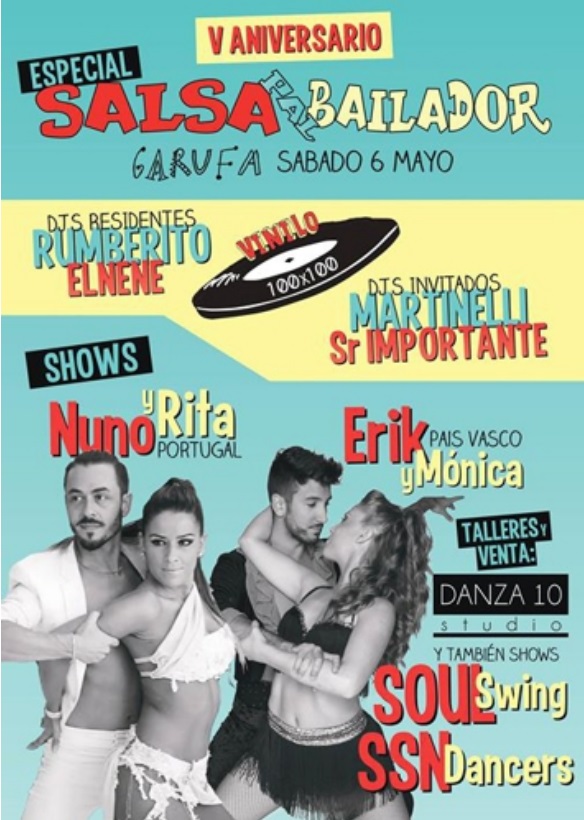
Salsa Pal Bailador - Anniversary
Salsa Pal Bailador – Anniversary

By Roberto “Vene Barral”

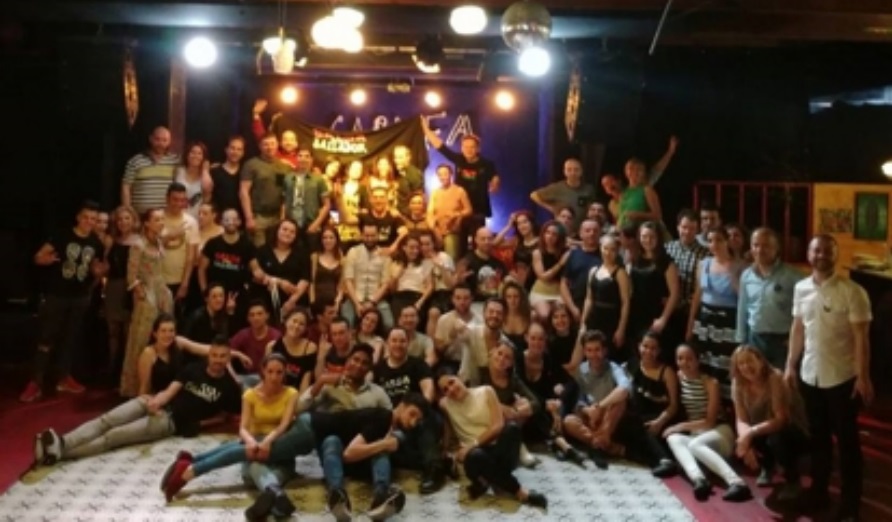
Last Saturday, May 6, the Garufa concert hall in A Coruña, a beautiful city in Galicia, central Spain, hosted the 5th Anniversary of Salsa pal Bailador. This event, created with the humble goal of offering a space to enjoy only quality salsa, has now become one of the most successful social events in Spain.

On the surface, the idea seems simple: organize a monthly event that brings together and gives free rein to all those who are passionate and nostalgic for pure, unadulterated salsa. But we must remember that we live in a consumer society that constantly tells us what we “have” to listen to, what fashions and styles are in and out. This is where SpB took a bold stand, going against what DJs and events were promoting at the time.

SpB emerged when kizomba, an African rhythm from Cape Verde, was spreading from neighboring Portugal into Spain. Along with the already established bachata, these were the trendy styles played at every social event that wanted to be a hit with audiences. But SpB’s proposal was even more daring. Not only did it focus exclusively on the most classic, least commercial, and least-known salsa, but it also had the audacity to schedule the event on a difficult day—Sunday—and at an even more challenging time: in the evening, starting at 8 p.m.

Perhaps in other parts of the world, organizing such an event would guarantee success with the public. But here, for the reasons already explained, it was a real challenge that was only expected to work because of the sheer tenacity that comes from having a passion for what you do.

So who are the impulsive salsa enthusiasts behind the success of Salsa pal Bailador?

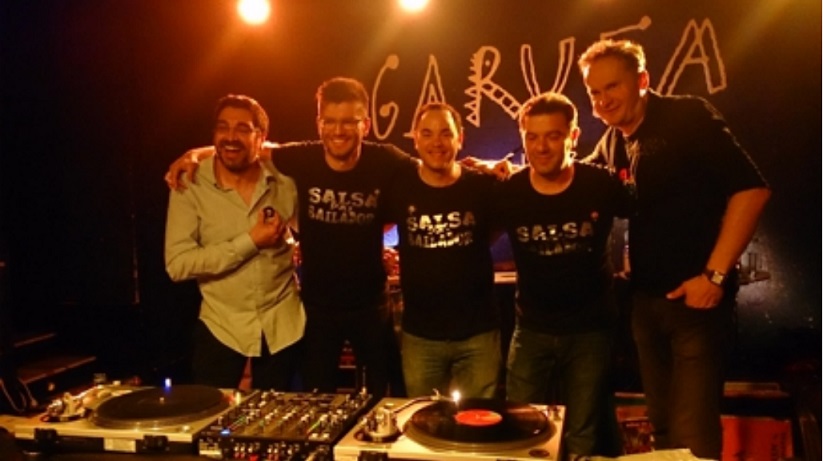
DJs - Salsa Pal Bailador
DJs – Salsa Pal Bailador

For one, there’s one of the organizers of these sessions, Martín Fernández, an Argentine who has lived in Galicia for decades. He turned salsa and this event into his dream and his challenge, striving not only to make each edition better than the last but also to bring in dancers, DJs, and collaborators from other parts of Spain and abroad (Portugal, Italy, etc.). More importantly, he has tried to support all the local schools, dancers, and DJs in Galicia, as well as the salsa orchestra created by Galicians, the Orquesta Sonoridad. This is something to keep in mind, as the exposure for all these artists is possible thanks to the celebration and promotion of events like this one.

For its 5th anniversary edition, we enjoyed workshops and shows by Erik and Monika Eym Salsa from the Basque Country and Nuno and Rita from Portugal. There were also local shows like SSN Dancers, a group from a school in Betanzos, and Soulswing, a magnificent group of dancers from A Coruña, led by Javi Azúcar, who is a choreographer and guest DJ at several SpB sessions.

Over the years, many artists have participated in SpB sessions: figures such as Juan Matos, Yemambo, Carla Vocconi, Carlos Flow, Zergyo and Eva Mambo, Rui and Leonor, Nuno and Nágyla, or the local groups Mambo Sins and Son Candela, choreographed by the talented dancer Nuria Rodríguez Dieste, just to name a few.

Second, we have the two hosts who not only help organize all SpB events but also work hand-in-hand to ensure that each SpB session ends later, with more people asking for just one more song to dance to. I assure you that if the rules didn’t require a closing time, we would have the first after-hours venue where people consumed music, not substances, to stay awake. They are Manu Rumberito and El Nene del Bronx.

Salsa Pal Bailador - dance with me with Lugo - DJ Rumberito + El Nene
Salsa Pal Bailador – dance with me with Lugo – DJ Rumberito + El Nene

They are as unique as they are complementary, two tireless treasure hunters, searching for gems that haven’t yet been played on our dance floors, are unknown to our ears, or are classics we haven’t enjoyed in a long time or don’t get to hear very often. This is a luxury that, in these times of commercial music suffocation, very few of us can enjoy.

In addition, their passion for always seeking a more authentic, raw, and—why not say it?—more imperfect sound, but also one that is more acoustic and real, led them to start using vinyl records in their sessions. This trend has become SpB’s hallmark and has spread throughout Europe over time. Fortunately, we can now enjoy it at more and more events.

And, since passion is a state of mind that takes root everywhere, they found their alter egos in Madrid. Of course, they couldn’t celebrate SpB’s anniversary without them. These two turntable phenomena, Chema Sr. Importante and Marcin Martinelli, were the two guest DJs for such a special occasion. Other famous DJs have been featured at SpB sessions, including Hugo Leite, Nuno Melo, Dj Mito, Alexis Rodríguez, and Chris Beat, along with other local DJs such as Melao, Montuno, Sergio Elbembee, and the aforementioned Javi Azúcar. These DJs, like the guest dancers, aren’t unapproachable people; they come down to the dance floor to dance, chat, and enjoy themselves with the audience like everyone else.

Salsa Pal Bailador - Anniversary - DJs and workshops that will be presented
Salsa Pal Bailador – Anniversary – DJs and workshops that will be presented

At this point, many of you may be wondering: How is it possible that in a medium-sized city without a large Latin American population, an event featuring such a particular style of music can be so successful?

Well, it’s true that, fortunately for Galicians, in addition to having been welcomed with great hospitality in all the Latin countries to which we have emigrated, we have many returnees and natives from across the Atlantic living with us. This gives us the opportunity to enjoy many Cuban, Venezuelan, Colombian, and other styles of music and orchestras, which are very successful among both Galician and Latin American audiences.

But the truth is, we can say that they are different phenomena. People go to listen to the traditional music of these groups or orchestras for the pleasure of hearing those familiar tunes; it is more of a sensory delight.

However, when we talk about a social event, we associate it more with fun, leisure, and enjoyment in the sense of recreation. That’s what dancing at a social event means to us, where people of any age or condition simply let the music guide their bodies for pure joy, without any other pretensions.

It might be easy to conclude that this is the reason for the success of this type of event, and why they are so popular in this corner of the country. But we must remember that we are talking about A Coruña, a place that does not have the size or population of other large cities like Madrid, Barcelona, or Valencia. It’s a place where public attendance at these social events is high, where several social events are organized every week and on several days a week, and yet the public has been responding for decades. So what’s the secret?

Without wanting to diminish the great effort made in many other places, which despite this does not always have the deserved result, I believe that part of the success of this event is due to the courage to commit to formats or ideas that may not have an immediate and massive response or support but which, in return, offer sufficient quality to end up convincing even the most skeptical.

Therefore, in these times of commercial bombardment and mass-produced products, committing to creativity, innovation, and quality is a risky move. But we all know that if you don’t take risks, you don’t win, and SpB has taken that risk. As a result, every year it attracts more people from more places, including Portugal, Madrid, Valladolid, Asturias, Valencia, the Basque Country, Barcelona, etc. That is why, on its fifth anniversary, it has reaped its well-deserved rewards.

Salsa Pal Bailador - Congratulations
Salsa Pal Bailador – Congratulations

Congratulations to SpB and to its loyal audience, which is growing every day. Keep betting on quality!

Next event:

Salsa Pal Bailador

Sunday, June 4, 2017

Sala Garufa Club C / Riazor 5, A Coruña, Galicia, Spain

After the success of its fifth anniversary celebration, the Salsa Pal Bailador event returns on Sunday, June 4, to the Salsa Garufa Club in A Coruña, Spain. It will be a night of PURA SALSA, featuring 100% vinyl with DJs Manu Rumberito and El Nene del Bronx. There will also be two shows featuring the talents of Baila Conmigo Lugo and Euphoria Ladies Project from Vigo.

More information:

  • http://www.facebook.com/spb.salsapalbailadorlacoruna
  • http://www.facebook.com/SalsaGarufaClub/

Unity, The Latin Tribute to Michael Jackson

North America / USA /

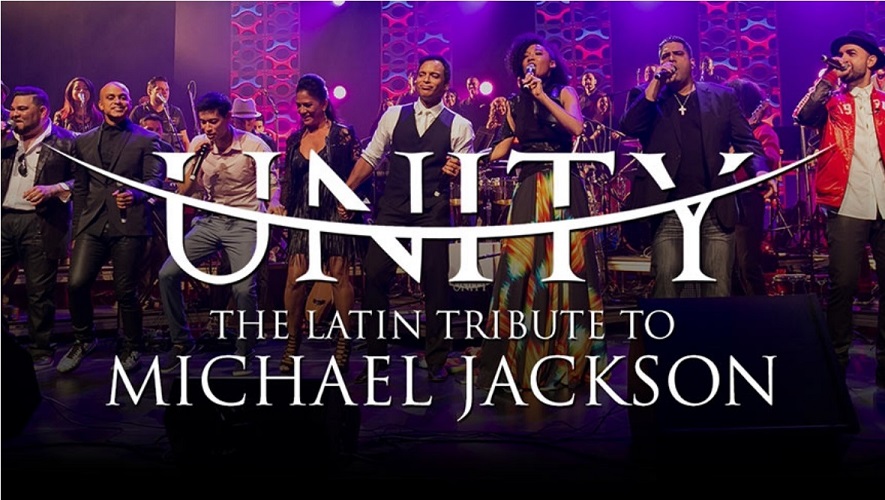
Unity, The Latin Tribute to Michael Jackson is a testament to the power of music and one man’s indomitable spirit. The passion project of Peruvian-born, Miami-raised producer / multi-instrumentalist / arranger Tony Succar, Unity features more than 100 musicians, such Latin superstars as Tito Nieves, Jon Secada and Obie Bermudez and the mixing magic of Jackson’s  legendary engineer Bruce Swedien in the first ever Latin album salute to The King of Pop.

Unity, The Latin Tribute to Michael Jackson

Fueled by his relentless commitment, quiet determination and passionate faith in the loving message behind much of Jackson’s music, Succar has spent the last four years carefully creating Unity: The Latin Tribute to Michael Jackson. He overcame seemingly insurmountable obstacles, turning each roadblock into a stepping stone to take the project to new heights. In the process, he married Jackson’s timeless pop and R&B tunes, such as “Thriller”, “Bilie Jean”, and “I Want You Back” to his glorious salsa and tropical rhythms, creating innovative, vibrant arrangements that snap to life with exhilarating energy.

“American funk, soul, jazz – all those styles that were influencing Michael – were inspired from African music”, Succar says. “Same with Afro – Peruvian music, Cuban music. These songs were meant to be. Their original flavor lends itself to these Latin rhythms”.

Succar, 28 grew up listening to his parents play Jackson’s music, and by 13 had begun his own music career. He started on piano and segued to percussion, graduating with a degree in jazz performance at Florida International University in 2008. But it wasn’t until after the superstar’s untimely passing in 2009 that Succar, who earned his Master’s in Jazz performance from FIU in 2010, took a deep dive into the music and the man.

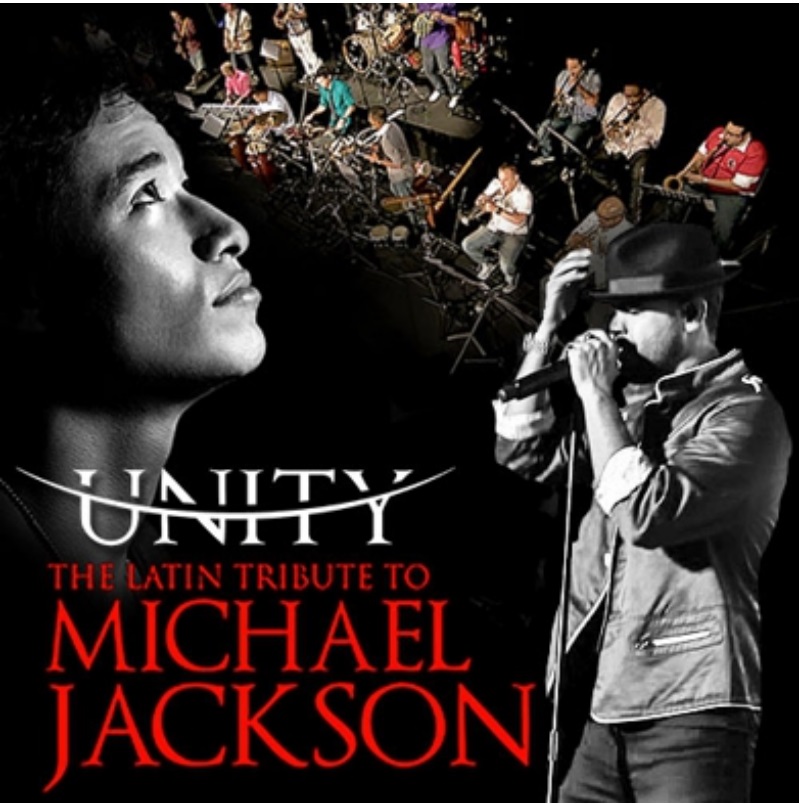
Unity, The Latin Tribute to Michael Jackson - Flyers
Unity, The Latin Tribute to Michael Jackson – Flyers

“That’s when I became a fanatic, memorizing all his lyrics” he says. “He was an amazing singer. I started analyzing every single detail”.

As Succar pored through Jackson’s material, revisiting songs like “Man In the Mirror”, “Earth Song” and “They Don’t Care About Us” – all of which are reimagined on Unity – he came to a realization: “Michael wasn’t only a musician, he was a spiritual person. He was speaking to people’s hearts through his music. He was a true role model and leader, not only in the music industry, but life in general”, he says.

Concurrent with his discovery, Succar arranged a salsa-infused version of “Thriller” for a Halloween party at Miami’s legendary, now closed Van Dyke Café. The reaction was so immediate and overwhelmingly positive to the performance of this new arrangement, that Succar recorded a version in his bedroom with his band, posted in online and gave away copies. Djs started playing the track and Succar began getting requests from around the world for a full album of Latin – flavored Jackson songs. “That sparked it”, Succar says. “I was such a fan. I felt like I had to do something”.

Photo 1: Tony Succar

He launched a Kickstarter campaign and raided more than $10,000, which allowed him to record basic tracks and the idea and harmonious ideal of Unity was born. “The one thing that stood out in Michael’s usic was love. The reality was unity,” He says. “I also wanted the title to stand for something: a real marriage between Latin roots and American pop culture and to help keep Michael’s legacy alive”.

Part of keeping Jackson’s legacy alive meant incorporating elements of the original production in each of his fresh renditions for Unity. “Even the horn lines, I would transcribe them from Quincy Jones’ produtions and then apply them to the arrangement in a different way,” Succar says. “The essence of every song was respected. I gave it my best to create this very thin line between what Michael did with his production and what I brought to the project”.

As Succar proceeded, an astounding number of coincidences buoyed the project. Succar’s initial plan was to record the album with one vocalist, soulful Broadway veteran Kevin Ceballo, but as Succar finalized the arrangements, the idea of a compilation album cae to him. The first artist he reached out to was legendary salsa singer Nieves. He heard nothing back for months . Then, one day in the studio someone suggested Nieves fo “I Want You Back”. Succar explained he’d had no success contacting Nieves.

Photo 2: Tony Succar

It’s turned out a studio visitor knew Nieves, called his manager, sent Nieves an MP3, and within 10 minutes, Nieves was on the phone asking when he should come in to record his vocals.

Nieves became the project’s godfather, bringing in other Latin stars, such as India and Jean Rodriguez. “If it weren’t for Tito, I would never have been able to develop this into what it is, “Succar say. “He really opened the doors for me”. Nieves even brought in his son, Tito Nieves Jr. to duet on the album closer, an emotional take on “You are Not Alone”.

As the project progressed, Succar sought out Secada, but once again, was running into walls. He had switched to a different studio and the recording engineer just happened to have worked wih Secada and upon hearing Succar’s story, gave Succar the singer’s direct email. Secada immediately replied that he wanted to record “Human Nature,” his favorite Jackson track.

But there was more to come. Succar contacted Swedien about mixing some tracks, but failed to get a yes after more than a year’s effort. He met his engineer Nick Valentin through a mutual friend, who piped up that he’d been Swedien some music and next thing Succar knew, he’s sitting beside his hero at Swedien’s ranch as Swedien mixed “Earth Song” and “Smooth Criminal. “He was the cherry on top,” Succar says. “When we were mixing, he would put up the original Michael songs and put on our remixes to compare and contrast. He mixed the tracks on the same Harrison 32C model console he mixed ‘Thriller’ on”.

The groundbreaking album, a joint project between Universal Music Classics, Universal Music Latin Entertainment and Universal Music Mexico, embodies Jackson’s spirit of harmony and bringing diverse cultures together through music.

Members of Unity, The Latin Tribute to Michael Jackson

Where there once was nothing but a dream, Succar now sees unlimited possibilities. Not only will there be a tour to support Unity: The Latin Tribute to Michael Jackson, but he is considering future Unity projects that could salute the music of other timeless artist, such as the Beatles or the Bee Gees, filtered through a Latin musical lens. “Unity is going to become a movement,” he says. And given how far Succar’s come already, who could possibly doubt him?

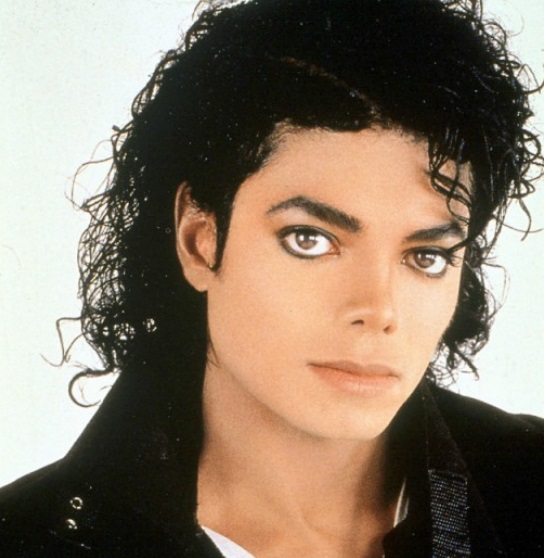
Michael Jackson
Michael Jackson

How to make money today as a recording artist with record labels and digital platforms

Israel Tenenbaum Interview: The Changing Music Industry

The music industry has evolved, and artists’ income streams are no longer limited to album sales. Today, an artist can monetize their work in multiple ways, with or without the support of a record label and digital platforms.

Israel Tenenbaum (Los Angeles, California) is an American pianist, arranger, and music producer with a notable career in salsa and Latin jazz. He has worked with renowned artists and has lived in several countries, including Puerto Rico and Colombia.

Israel Tenenbaum (Los Angeles, California) is a pianist, arranger, and music producer.

1) What is the current process for recording, music production, and royalty distribution for Mr. Tenenbaum?

Well, let’s see. You’re talking about the current recording process, which is essentially the same, but it’s now generally done remotely. We grew up with recording environments where we would gather everyone (the musicians) in one place and record everything there.

But with remote recording capabilities, many musicians are now very well-equipped and they record at home. You can also take advantage of this because it gives you access to other talents, beyond the local environment you’re in. They don’t compare to what a musician or band leader might have locally, or for finding other guests, and so on.

So, remote recording is definitely in operation. I’ve been working with remote production for a while. In fact, it was pure chance that about six or eight months before the pandemic hit, I had just moved to California and I started to solidify and organize my global network of musicians, recording studios, producers, and a bunch of arrangers, and so on.

And when the pandemic hit, I was ready because I had already organized everything. Everyone thought it was a 90-day vacation. After 90 days, they thought, “Well, it’ll take a little longer.” And by the time they realized it was going to be a long haul, six months had already passed. It took them almost six more months to get organized themselves.

It was advanced, pure chance. And so that served me a great deal. And currently, I have that very solidified. I work with a dozen cities in seven countries. Thank you, thank you.

How does royalty distribution work? Does that still exist?

Yes, royalties still exist. What has changed dramatically is the way royalties are generated.

Let me explain it very simply. When we lived in the era of the physical product—which was what sold the most, whether it was the LP or the CD—you might earn 7, 8 cents per song on each copy in the U.S. If you wrote all your compositions and recorded all your compositions and recorded 10 songs on your album, you would automatically get 8 cents for each song on every album sold. So if you sold, say, 10,000 copies, that’s 10 songs at 8 cents, which is 80 cents per album. Then you have about $8,000, more or less. And on top of that, you have royalties because you’re selling the album. The album has two sources of copyright: the recording itself.

The owner of the recording has one royalty, and the composer has a completely separate royalty. So, these are the royalties you earn money from through sales, usually.

So, the record label would give a piece to the artist, say, 10%. That’s a huge royalty. And has that changed today? Nowadays, that hasn’t changed. It’s still between 7 and 15%, maybe 20% if you’re a superstar, but it’s more or less the same, somewhere between 7 and 12%. The difference is that now, that’s not what’s selling.

So this hasn’t completely changed because it was one thing to earn 8 cents every time your song was sold. Those were very easy numbers. If I earned a dollar for the compositions and then I earned another dollar or two more from the album sales, that’s three dollars per album. And if it was 10,000 albums, it was thirty thousand dollars. Simple as that. Now, it’s not like that. Now you’ll be paid thirty thousand dollars at a rate of approximately a third of a cent.

2) What is the impact of digital platforms that artists use to place their music?

Of course, for Israel, the use of digital platforms is almost inevitable because that’s how music is being distributed.

So, there’s a certain “democratization” in a sense—there’s easier access to that distribution—but the thing is, thousands and thousands of songs are uploaded to platforms every day. So, you’re competing with hundreds of thousands and millions of people, artists, and songs that are being uploaded all the time. And you have to compete with that to be found among those millions of people who are all competing for the public’s attention.

So, there are some interesting impacts. For example, it forces those who are really looking to build a career to think of themselves as a business from a promotional standpoint. “What do I do to promote my music? How do I get afloat? How do I show myself? How do I stand out from the crowd to get noticed?”

So that’s one thing that happens with artists. The artist really just wants to create, so part of the impact is an additional burden that takes artists away from their creative space. They have to spend a lot of time worrying about whether they’re getting plays, whether the numbers are moving, whether they’re being heard, how they can promote, whether to invest money in promotion. I mean, there are a lot of scattered impacts. It’s a loaded question with many answers, depending on the act you’re listening to and what you’re looking at.

The impact is certainly very strong… there’s access, and as an artist, I can reach and distribute my music so that it’s accessible to a large number of people that I didn’t have access to before.

Of course, it forces me to make a much bigger effort to try to stand out in that environment, among so many others who are competing for listeners’ attention. The royalties don’t really justify all the effort; they don’t pay for the effort.

The album, the music, and the recording have always been a promotional tool for the artist itself. It has never been a major source of income, but at least before, there was a system where the possibility of a real income existed. Now it’s practically nil.

So, there are a number of things behind that loaded question.

3) How is income distributed once the product is finished? How is the distribution? You already explained it in the first question, but a little more in detail.

It depends on the arrangements, the agreements the artist has. If it’s a solo artist, they’re hiring other people to come to the studio to record their album. So, those people are working on a commission basis, and they don’t have any other benefits beyond the payment they receive for coming to do the recording.

But it could be a group, a band, and in that group, they divide what the group generates, what the recording generates, into equal parts, let’s say.

It depends if you’re with a record label or a performing rights organization. I don’t remember what it’s called in Venezuela. In Colombia, it’s called SAYCO. In the United States, it’s called ASCAP or BMI (here in Venezuela, it’s SACVEN). Correct, SACVEN.

So, how that distribution is made depends on many factors. But in general, let’s say that the distribution platforms, which are the most widely used means today for artists who are 90 to 95% independent, use these distribution platforms that are aggregators. They put your music and distribute it to Spotify, iTunes, etc., etc., all the others. They collect money and pay you normally between 80 and 100% of what it generates. That also generates other income; it generates author’s rights that are paid directly from the platform. That is, Spotify pays for author’s rights. So it pays two types of royalties: one is for the composition and the other is for the recording. So for the composition, it pays one amount of money, and for the recording, the performance, it pays another amount depending on how that platform is organized.

For the copyright, they pay for the performance of the album because it’s considered a sale.

At the moment, what’s the difference between platforms and radio? You’re listening to the radio, and you can’t choose what’s going to play. You’re at the mercy of the DJ or the programmer or the radio station and the playlist that person has made, and you’re bound to what they chose to play.

On platforms like Spotify, you can listen to a playlist, but if you want to skip a song, you skip it, and if you want to repeat it, you repeat it, or you can make your own playlist.

So, if you have control of the recording and you can arrange it, when that happens, it’s considered that they have to pay a royalty as if it were a sale. A different royalty is generated, which is different from what happened, for example, with Pandora. Pandora was basically sitting and listening, and you could give Pandora information, telling it, “I like this music more,” or you’re listening to a playlist. Perfect. Besides that, well, that’s basically it, and obviously, anything that sells physically, because it’s still selling, and vinyl and LP sales are increasing. That’s back in style and is growing.

CDs are still being made. There is still a CD market, depending on the music you make, but there is a market, for example, for Latin music, for jazz. Something moves in Japan and China, but in Japan and some European countries, the CD still moves in a real way.

4) Name some current business models. You as a producer.

Let’s say there are several possibilities of what can happen. I can work as a producer, I can work with an artist strictly on the production—a business model where the artist is completely the owner of their own work.

As the owner of the LatinBaum Records label, I have to manage and participate directly with the artist. We cover costs and make investments alongside the artist to produce and promote the music in exchange for an equitable distribution of the profits.

The big record labels, the multinationals, are working with artists on what are essentially called “360-degree contracts” in which the record label is involved and has a piece of all professional activity, including merchandise such as hats, t-shirts, mugs, pens, whatever. As a record label, I get a piece of what’s sold in souvenirs; that’s marketing. Also, the work you do physically, meaning your events and presentations.

So, they control your book, they control your schedule, they control the artist’s schedule. They earn between 20 and 50% from the artist’s presentations, depending on the artist, their popularity, etc. And they also earn from composition royalties, they earn from album royalties, they earn from every angle.

Now, that business model depends on the investment that each party is willing to make. As they say in Colombia, “you eat rarer.” In other words, it depends on the circumstances of the moment, the artist, a number of factors. There isn’t just one business model that works now. You can also consider the artist doing everything themselves.

That’s another possibility; the artist has to set up their entire production infrastructure, etc. That’s another matter. It’s more complicated because the artist has to understand that their career and their art are now part of a company’s assets. They have to think of themselves as a business and develop their own business model that works for them within their capabilities and what they’re willing to do and their knowledge, right? Above all, “How much can I do?” I’m a single person, so I can compose the songs, I can do the arrangements, I can make the sheet music, I can hire the musicians, hire the recording studio, do the promotion, design the ads, I can do the marketing, I can also sell myself as an artist for presentations. I also sweep the floor, I also make the coffee, and I also serve. Do you get me? I mean, there’s a point of being multi-talented.

Yes, but there’s a very important point where one, or the artist, feels this obligation or has the obligation to have to do so many things that they don’t do any of them well. This is where record labels still play an important role in helping to guide the artist and providing them with services at a moderate price or within the artist’s reach according to their sales, their popularity, the things they can do. And also, these independent labels play the role of guiding and helping the artist and making certain things easier for them because they have some infrastructure that makes the artists’ work a little easier. So, the record label hasn’t disappeared. What has disappeared is what never really existed, which is money. The musician is always fighting for a few bucks to be able to do things, and if they’re lucky, they find an independent label that’s willing to help and invest time, effort, and money in advancing and promoting their career.

But the matter of the dream of being “discovered,” that no longer happens. It no longer exists. The only one who discovers themselves is you, and it’s up to you to show yourself to the world and look for connections, look for opportunities, and for business.

5) What strategies do artists use to monetize their work in the digital environment?

The work that the artist has to do on platforms is definitely a matter of persistence. It’s about regularly posting and telling their story, showing their art, and sharing their art and the reason for their art with the public. We are trafficking in emotions. That’s what the artist does; that’s the currency. It’s about making those emotions known and moving them and telling your story so that people identify with your story, with your music, with your art, and become a support for your career.

The most important thing here is consistency, persistence, always being on top of it. It’s not about “I’m eating a fried egg, let me take a picture of the fried egg.” No. If that’s what moves you and that’s what moves your audience, then go for it, but that’s not what it’s about.

People sometimes confuse being regularly present with having to take selfies all the time, and pictures of their food, and a picture of the neighbor’s dog, and “I’m laughing, and I already put on some crazy pants,” and so on. It’s not that. It’s about sharing your personality with the public, and to the extent that you, as an artist, define it, you should do it regularly. That’s on one hand. On the other hand, advertising is key. You have to invest in advertising.

Someone once spent about $30,000 on a production and went to several record labels, and none of them wanted to buy it. They didn’t want to take the product. Finally, they told one record label, “I’ll give you the album for free. You don’t have to give me a dime in royalties. I’ll sign the contract, but please release it.” The obligation and the commitment here are for you to release the album. And they didn’t take the money. Why? Because a production that costs $30,000 still has a cost of $60,000 or $80,000 that needs to be put into promotion for it to be heard, for it to sell. That’s what it is; that’s what they say.

That’s why it’s so hard for the small musician or artist to compete with the big stars, because they have enormous budgets with which they can produce their work, and the small one can’t compete. That’s why consistency is important, because it’s a way to promote and advertise yourself in a way that is, shall we say, theoretically free, right? It’s at your fingertips or has a very low cost, and if you do it constantly, you gain a space.

But you definitely have to invest money in advertising and promotion. There’s nothing like running an ad and telling everyone on a massive scale, “Here I am, here’s my product, this is my music.” At the end of the day, it’s like selling a can of beans; it’s the same thing. You have to put a good label on it; you have to run an ad on television, in the newspaper, on the radio, whatever it takes to sell your brand of beans. It’s that simple.

When you’re in the recording studio, 90% of what you do is art, and 10% is profit, plotting the commercial side, the hook. The moment the product leaves the studio, that’s inverted 180 degrees. It becomes 10% art and 90% commerce, 90% business, and what you have to do is take advantage of the tools.

Bonus Track.

6) What do you think about us Latinos creating a campaign to create a platform like Spotify, on a global level, so that musicians receive their royalties and money directly without going through other hands?

What do you think? Latin music, all Latin artists.

I think it’s a good idea, but what would be the purpose of… for musicians to have all the royalties directly without having to go through all that advertising, but to do their productions directly.

“Here’s the public, they stream it, and the money goes directly to the musicians, to you.”

Well, advertising cannot be avoided. How is the public going to find out that the music is there and that your music is available?

First of all, there has to be promotion, which can’t be avoided. One or two, you’re going to have to deal with all the Latin artists. The circumstances and conditions of your platform are no different from Spotify’s, or iTunes’, or any other. Why? Because you have to deal with different conditions that already pre-exist. That is, there’s a system that already pre-exists. All the music that is created and distributed, they have to deal with those predispositions. You have to deal with the SACVENs of the world, ASCAP, SAYCO, or whatever. You have to deal with the distribution chains; you have to pay either the author or you have to pay SoundExchange. You have to go through that whole procedure anyway. It’s exactly the same.

The idea is nice, but it’s utopian because there are systems in place globally, and you have to find that other formula to try to achieve what you’re proposing behind your question.

Thanks, Augusto. Likewise, I’m at your service for whatever I can help with. Blessings and greetings to the family.

Ralph Riley (Hong Kong)

Music Producer

Ralph Riley en Rolo Estudio. Puerto Rico

1. The Recording and Production Process

When it comes to recording and production, the proper process involves capturing tracks for multitrack recording on tape or disk, followed by mixing and mastering. The technical complexity of the process is directly proportional to the number of tracks and artists involved in the production. Production costs and logistics also affect the final quality of the music produced.

Regarding copyright, it involves several key players: composers, publishers, record labels, and Performing Rights Organizations (PROs). Copyright royalties are generated from different uses of the song, such as streaming, physical sales, public performances, and synchronization in other media. It can be a complicated process that a lot can be written about and one that is constantly changing. The best advice is to do a lot of research or enlist the help of professionals who offer this consultation and/or full service for a fee.

2. The Impact of Digital Music Platforms

Digital music distribution platforms have significantly impacted how artists create, share, and monetize their music. They have democratized access to audiences around the world, providing opportunities for independent artists to bypass traditional gatekeepers and reach global listeners directly. However, this shift has also created challenges related to revenue generation and competition for visibility.

Here are some of the key challenges:

  • Revenue Inequity: Streaming royalties are often perceived as low, making it difficult for artists to generate substantial income from streaming alone.
  • Market Saturation: The ease of access to digital distribution has led to a highly saturated market, making it challenging for artists to stand out and get noticed.
  • Competition for Visibility: Artists need to actively promote their music and engage with their audience to compete with the sheer volume of content available on these platforms.
  • Dependence on Algorithms: Success isn’t solely dependent on the quality of the music, but is also influenced by the platform’s algorithmic recommendations, which can be unpredictable and require a strategic approach to navigate.

In conclusion, digital platforms have revolutionized the music industry, offering unprecedented opportunities for artists to connect with global audiences and build their careers. However, navigating the complexities of these platforms and finding sustainable income models remains a key challenge for artists in the digital age. This revolution, especially in the age of AI, continues to evolve rapidly.

3. Final Thoughts on Fairness

In summary, it seems to be always a little unfair to the vast majority of artists. It’s a complicated topic and I’d recommend a resource such as, for example, https://www.indiemusicacademy.com/blog/music-royalties-explained for better insights.

4. Popular Business Models

Some popular business models used in the music industry for record production include traditional record label deals, revenue-sharing models, and direct-to-fan approaches. Sometimes, it’s a combination of these. Streaming services and digital distribution also play a significant role in the current landscape.

For example, the direct-to-fan approach can include:

  • Direct Sales: Artists can sell their music directly to fans through their own websites, online stores (like Bandcamp), and social media platforms.
  • Crowdfunding: Platforms like Patreon allow artists to connect with fans and receive direct financial support through subscriptions or one-time donations.
  • Streaming Platforms: Artists can directly upload their music to platforms like SoundCloud, Bandcamp, and even Spotify and Apple Music.

5. How Artists Get Paid in the Digital Realm

Artists can typically monetize their music in the digital environment through streaming platforms, digital downloads, merchandise, fan subscriptions, live streaming, and licensing. Additionally, artists can explore opportunities in social media monetization, crowdfunding, and brand partnerships.

Here’s how the payment system works and the factors that influence an artist’s earnings:

The “Pro-Rata” Payment Model

Spotify doesn’t pay artists directly for each play. Instead, it uses a “pro-rata” model:

  1. The company pools all its revenue (from Premium users and advertising) into a common fund for a set period, typically a month.
  2. Spotify keeps a portion (about 30%), and the rest (around 70%) goes into a “royalty pool” for rights holders.
  3. An artist’s share of this pool is determined by their “stream share,” which is the percentage of their streams compared to the total streams on the platform during that period.

Average Per-Stream Rate

While there’s no fixed rate, many sources estimate the average payout to artists on Spotify is between $0.003 and $0.005 per stream. This means an artist would need approximately 1 million streams to earn between $3,000 and $5,000.

Factors Affecting the Payout Rate

The actual amount an artist receives can vary significantly based on these factors:

  • Listener’s Location: Subscription prices and ad revenue vary by country. A stream from a user in a country with a higher subscription fee (like the US or UK) will generate more revenue than a stream from a country with a lower fee.
  • Listener’s Subscription Type: A stream from a Premium subscriber is worth much more than a stream from a free user (with ads).
  • Artist’s Deal: Spotify pays the rights holders (record labels, distributors, publishers), not the artists directly. The artist’s contract with their label or distributor determines what percentage of the royalties they receive. Independent artists who use a distribution service typically keep a larger percentage.
  • Minimum Threshold: As of early 2024, Spotify requires a song to have at least 1,000 streams in the previous 12 months to be eligible to generate royalties.

In short, an artist’s earnings on Spotify aren’t a simple calculation. They are the result of a complex revenue-sharing system that is influenced by a global audience, different subscription types, and each artist’s specific contracts.

I also manage music production through cassiorecords.com

How to make money today as a recording artist with record labels and digital platforms

Also Read: Understanding the music business

  • « Go to Previous Page
  • Page 1
  • Interim pages omitted …
  • Page 51
  • Page 52
  • Page 53
  • Page 54
  • Page 55
  • Interim pages omitted …
  • Page 149
  • Go to Next Page »

International Salsa Magazine (ISM) is a monthly publication about Salsa activities around the world, that has been publishing since 2007. It is a world network of volunteers coordinated by ISM Magazine. We are working to strengthen all the events by working together.