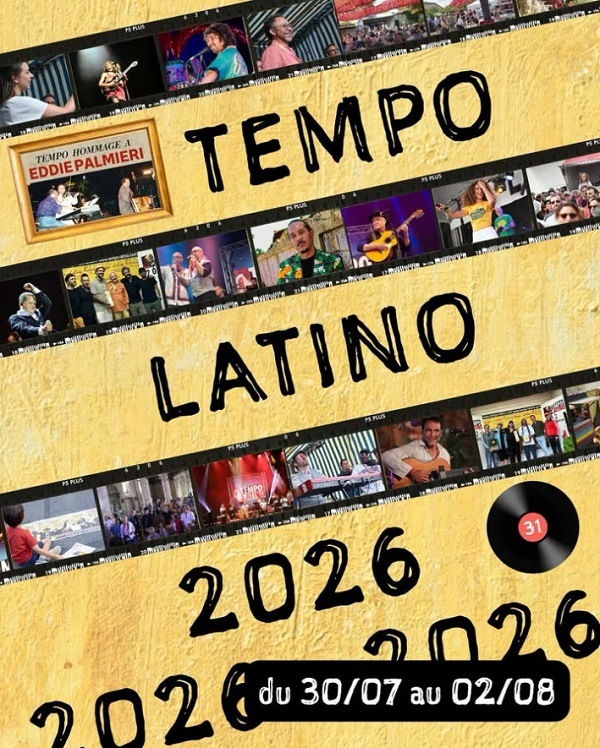
That has been a very long year waiting a new edition of the biggest Latin music event in Europe! This July, fans of our music will finally be able to enjoy the 31st edition of Tempo Latino, which is one of the largest international festivals of Afro-Cuban, Afro-Caribbean, and Latin music. During the four days of the festival, the audience can enjoy the best of salsa, Latin jazz, mambo, timba, and fused rhythms every year.
This festival is usually held in the small village of Vic-Fezensac in southwestern France, since 1994, which is when its first edition took place. Nowadays, the event is typically held during the last days of July and the first days of August.
A little of the history of Tempo Latino
As mentioned previously, the festival began, and is still held, in Vic-Fezensac, a small village of around 3,700 inhabitants located in the Gers, which is well known for its bullfighting tradition. This association was founded in 1993 by music lover and Latin music DJ Eric Duffau, an artist who sought a different alternative to traditional commercial communities and aimed to bring traditional musical roots to the heart of Europe.
The first edition, which took place in the summer of 1994, aimed to transform the small French village into the mecca of salsa, Cuban son, and Afro-Latin jazz for four days a year.
An initiative that began as a small project has grown into one of the biggest salsa festivals of the world, which already enjoys the support of 500 local volunteers who organize into neighborhoods and homes. To this day, Tempo Latino has achieved a perfect balance between an ambitious production and a local and friendly atmosphere. It should also be stressed that it has been held on a regular basis since 1994, except for 2020 and 2021 due to the COVID-19 pandemic.
Evolution and golden age
The festival expanded so much thanks to its authenticity and freshness that it has come to be known as “The One” and has established itself as a mandatory stop for the greatest Latin music glories, including Celia Cruz, Eddie Palmieri, Rubén Blades, Willie Colón, Tito Puente, Los Van Van, El Gran Combo de Puerto Rico, La Sonora Ponceña, Oscar D’León, Cheo Feliciano, Ismael Miranda, Johnny Pacheco, and many others.
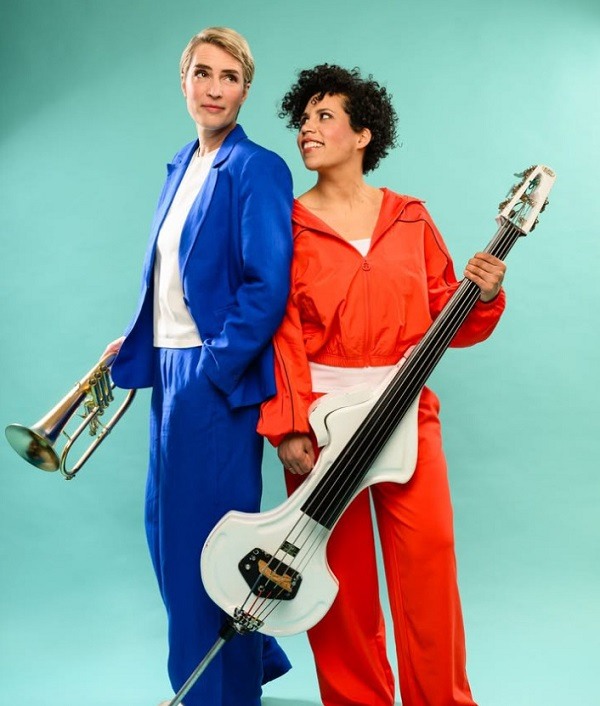
Similarly, since its foundation, the festival has also served as a springboard for new musical talent, including solo artists and groups performing salsa brava, Latin hip-hop, Afro-Cuban funk, and other genres from places such as Cuba, Colombia, Venezuela, Puerto Rico, and New York.
Activities beyond the concerts
Tempo Latino has come to a point where it is no limited only to stage performances, which are still the main attractions for attendees. They also offer dance workshops, which are designed for both amateurs and professional dancers interested in learning more about the roots and evolution of Latin rhythms.
Similarly, the festival also offers music and percussion workshops, introducing both amateur and professional musicians to important topics such as the clave, rhythm, and a bit of the history of Latin and Afro-Cuban music. In the case of percussion workshops, instructors teach students how to play the congas, timbales, bongos, and campana. As for wind instruments and musical combos, classes are given in trombone, trumpet, and saxophone.
We also cannot fail to mention the international market, where attendees can buy all sorts of things from our countries, such as instruments, clothing, traditional cuisine, handicrafts, souvenirs, and more.
Stages and structuring of the festival
Another of the great attractions of Tempo Latino is its “geo-rhythmic” network of locations, where you can find both concerts and peripheral activities that can be enjoyed simultaneously. Below are some of those that will be available for the 2026 edition:
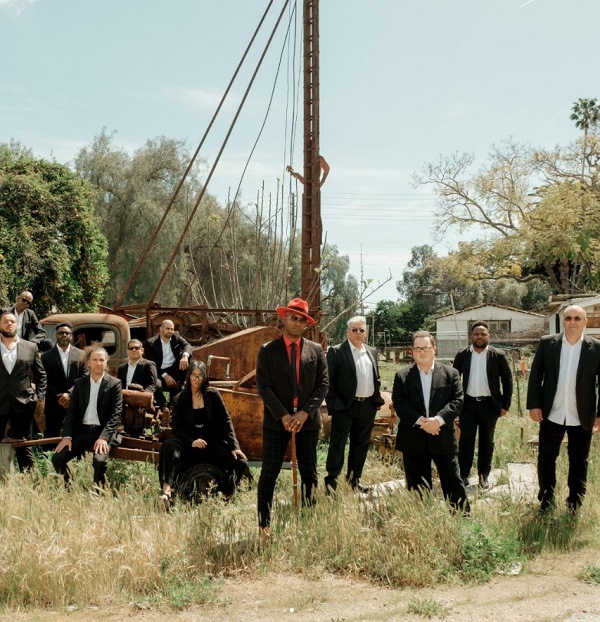
- Tempo Arena: This stage is located in the Vic-Fezensac bullring, known for its open acoustics and intense energy every night of the festival. Among the top artists that will perform there are Maïté Hontelé Y La Novia, Orquesta Akokán (Friday, July 31), Matt Bianco, Rogê (Saturday, August 1), Alfredo Rodríguez, and Tony Succar (Sunday, August 2).
- La Conga (Tempo Social Club): This other stage is also very popular because it has a beachy vibe with real sand and operates from early morning until late into the night. As for the artists who will be performing, we can mention the queen of Argentine electronic cumbia, La Yegros, DJ Çarava, and DJ Lafuriosa.
- Camp Tempo: This open-air format is packed every year with new musical proposals, alternative fusions, brass bands, and street groups that give life to the village during the day. In the 2026 edition, some of the alternative bands will include Chicos y Méndez, Chicharrón, Pixvae, and Aguanomas.
- Saint-Pierre Church: This venue is solely and exclusively reserved to small, intimate acoustic concerts where, as a general rule, only pianists and Latin jazz artists perform in the festival’s most solemn format.
Read also: How Artificial Intelligence changed the music biz forever

- Russian composer, artistic director, and saxophonist Yaacov Mayman conquers New York - October 12, 2026
- Zach Phillips brings us the latest news on The NAMM Show - September 30, 2026
- Buena Vista Social Club The Musical is making it on Broadway - September 28, 2026