How to Go Beyond the Surface and Discover the True Depth of Music.
Embarking on the journey of dedicated music appreciation requires stripping away passive habits and superficial routines. The first step is breaking free from the pattern of the casual listener who consumes music out of habit or social imitation.
Becoming a true music lover demands transforming accidental listening into an act of conscious, critical, and passionate exploration.

Context and Era: The Historical Framework of the Work
To fully grasp an album or a single track, it is essential to ground yourself in the historical and social environment in which it was conceived.
Always ask yourself: When was this recorded? What political, social, or cultural events shaped it? Which aesthetic movements defined that moment? Music never emerges in a vacuum; it is the living reflection of a specific time and place.
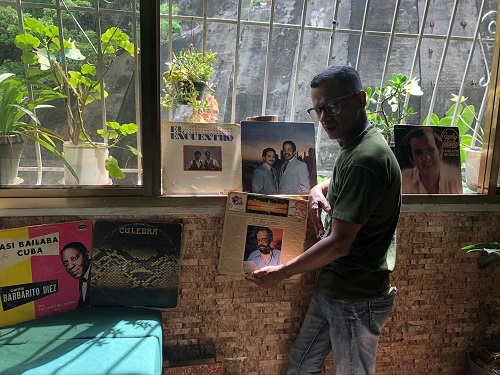
The Credits: The Architecture Behind the Artist
A common rookie mistake is focusing entirely on the lead vocalist, bandleader, or prominent name on the album cover.
A record production is a collective effort. Take the time to examine the liner notes in detail: identify the session musicians, producers, arrangers, sound engineers, graphic designers, record labels, and countries of release. Learning to read the credits will reveal the invisible network of talent behind that distinct sound.
Language, Jargon, and Cultural Roots
Study the genre-specific jargon and regional idioms of each era. In genres like Caribbean music or jazz, for example, diving into street slang and local vernacular is vital.
Understanding this linguistic landscape allows you to decipher the narrative context, the cultural mindset behind the compositions, and the true impact of the lyrics with greater fidelity.

The Creative Trinity: Lyrics, Composition, and Arrangement
Look deeper into the intellectual ownership of every piece. Research who wrote the lyrics, who composed the melody, and who crafted the arrangements. A single song can undergo a radical transformation depending on the arranger’s vision or the original composer’s sensibility. Avoid defining a track strictly by its frontperson; explore everything orbiting around it.
Key Tip: Don’t just listen. Research, contextualize, and listen again. True musical appreciation is born within this continuous exercise.
By interconnecting musicians, recordings, eras, record labels, and geographies, you will begin weaving a mental map of complex musical relationships. With practice, you will sharpen your ear and cultivate your own rigorous, passionate aesthetic judgment.
Essential Decalogue for the Initiated Music Lover
- Listen before judging: Take the time to process a work fully before forming quick opinions.
- Move beyond genre labels: Categories are often commercial tools; genuine creativity knows no boundaries.
- Explore the liner notes: Acknowledge the sonic architects working behind the scenes.
- Question what you read: Fact-check information and cross-reference official biographies, reviews, and historical accounts.
- Appreciate complete albums: Respect the record as the complete, conceptual journey the artist intended.
- Trace the roots: Investigate the primary origins and influences that shaped your favorite styles.
- Quality over quantity: Amassing thousands of audio files is not the same as cultivating musical culture or critical judgment.
- Compare versions: Analyze different interpretations, arrangements, or covers of the same composition.
- Expand your timeline: Seamlessly transition between historical recordings and contemporary releases.
-
Enjoy the journey: Being a music lover is an intimate passion of constant discovery, not a competition.
-
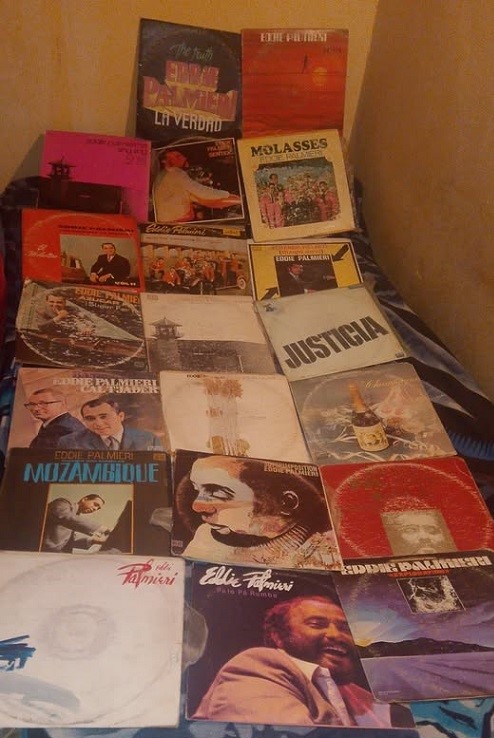
The tribute that DJ Augusto Felibertt pays to Eddie Palmieri

- Teresa Carreño: The Walkyrie of the Piano Who Conquered the World - September 29, 2026
- Charlie Palmieri The Giant of the Blancas y las Negras - September 29, 2026
- Ray Barretto: The Unshakable Beat of Latin Jazz and Salsa - September 29, 2026