After several days of reaching out, we managed to speak with Cassava’s musical director, Rodrigo Chávez, with whom we had the pleasure of sharing a few moments to learn more about his band and his remarkable career in Toronto, Canada.
During our conversation via WhatsApp, the artist also told us about his music classes at community centers and benefit concerts supporting the underprivileged in various countries. We hope this interview is enjoyed by everyone who reads it.
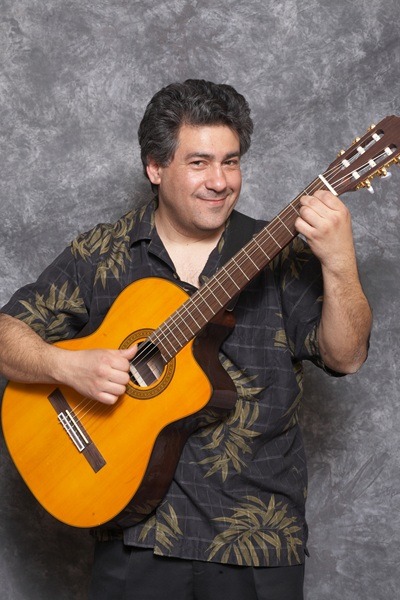
What Inspired Rodrigo to Pursue Music
During his childhood in Chile, his home country, he listened to the music his mother played around the house. Neither she nor any of his closest relatives were involved in music professionally, yet they used to listen to all kinds of genres, from tango to Venezuelan, Colombian, and Paraguayan folk music.
This appreciation he developed for music led him to take guitar lessons and, later on, classical guitar. As he got older, he had the opportunity to travel to other Latin American countries and, consequently, discover the musical styles they offer. On this topic, he said:
“It was a box of surprises because you travel to any country in Latin America and there are 50 or 60 rhythms to learn, and each country is unique—it’s different from the others. So, maybe around the age of 14 or 15, I awakened to studying rhythms and dedicated myself more to percussion than to the guitar, though I never gave up the guitar.”
Academic Background
Regarding the formal guitar training he received, his parents entrusted Rodrigo’s education to the strict concert guitarist Adrián Lamura, who taught him techniques for playing, plucking, and arpeggiating the guitar properly in the classical style as well as other forms. Unfortunately, shortly afterward, he and his family had to move to Argentina following the coup d’état led by Augusto Pinochet in 1973.
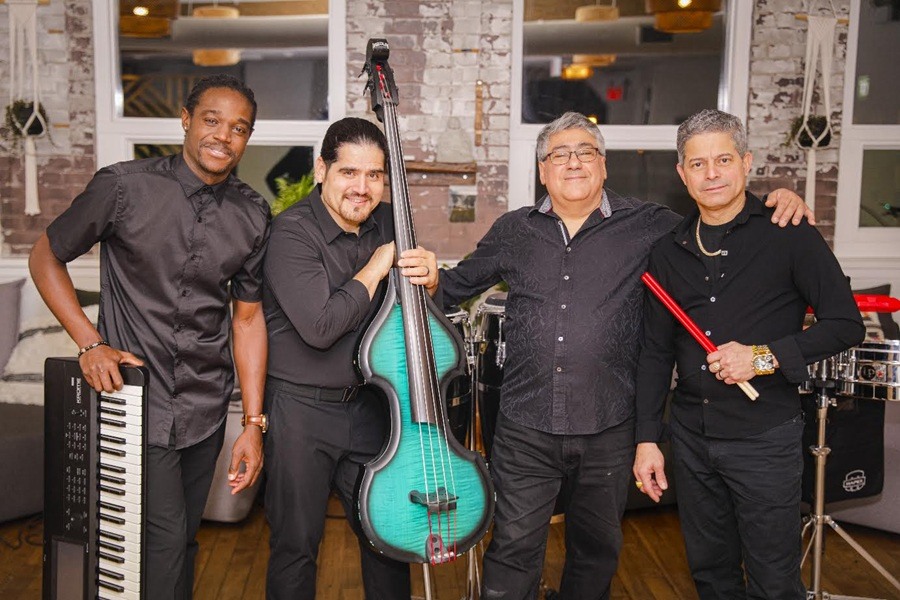
Once in Argentina, he entered the Buenos Aires Conservatory, and a few years later, Rodrigo began playing percussion and learning Argentine, Chilean, Venezuelan, Cuban, and Brazilian rhythms. In addition to that, he continued playing classical guitar until finally, around the age of 21 or 22, he went to try his luck in Canada, the country where he resides to this very day.
He also spent a short time in Cuba, where he had great teachers like Justo Pelladito and Ángel Chang, from whom he learned everything he could about Cuban percussion.
Cassava
Prior to the band he leads today, he was in an Andean music group made up of Chileans and Peruvians called Nazca. At the same time, Rodrigo also hung out with many Cubans who had recently arrived in Toronto, with whom he played other Latin genres such as salsa, merengue, and cumbia. That was when he was inspired to create his own band, Cassava, in 1997—a year when there weren’t many Latin groups in Canada, though they were arriving little by little.
One of those Latin artists who came to that country looking for opportunities was Orlando Cardozo (current pianist for the Afro-Cuban All Stars), the group’s first pianist and a personal friend of Rodrigo’s. It was with him that he recorded Cassava’s first songs and albums, while the lead singer was Adis Rodríguez, originally from Cienfuegos, Cuba, and the percussionist and timbales player was Chendy León.
The current and sole pianist is Camagüey native David Labrada, the timbales player is Odlanier Diago, and Adis remains the singer, though on an occasional basis since she has other side projects such as the band Habana 1950. As a permanent singer, Cassava has also brought on Jesús Molinares, better known as Tuti, a Peruvian vocalist who excels at salsa improvisation.
Workshops for Students and Community Centers
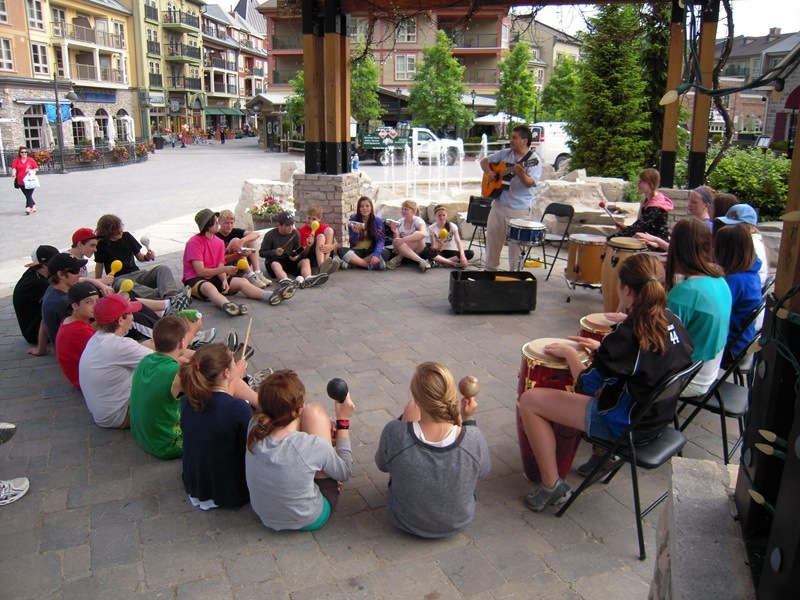
Rodrigo and Cassava’s work is not limited solely to recording and performing live; they also dedicate a large part of their time to offering percussion and rhythm workshops for students and community centers, placing special emphasis on instruments such as the congas, bongo, and güiro.
One of Rodrigo’s main goals with these classes is to earn respect for Latin percussion, which is often perceived as something very simple to learn when that is not the case. Rodrigo and his bandmates want their students to understand that mastering an instrument requires many years of study, no matter how easy it might look.
They also aim to showcase Latin America’s musical diversity through classrooms and institutes, demonstrating that each country is a completely different universe from the next, and that our continent is not limited only to salsa, merengue, and bachata. There is much more, and one must always look far beyond the obvious.
Read also: Panamanian bandleader, composer, and jazz percussionist Ed East puts Iowa to enjoy Latin music

- Cassava’s director Rodrigo Chavez shares some details about his career and current group - November 21, 2026
- Cuban producer, classical singer, and philanthropist Gerardo Contino in our December edition - November 17, 2026
- What Artists Need to Know About the Music Industry - October 30, 2026