






| DIRECTORY OF NIGHTCLUBS | ||
|
|
|
|
|
|
|
|
|
|
|
|
|
|
|
|
|
|
|
|
|
|
|
|



| DIRECTORY OF NIGHTCLUBS | ||
|
|
|
|
|
|
|
|
|
|
|
|
|
|
|
|
|
|
|
|
|
|
|
|
Born in the La Paternal neighborhood of Buenos Aires, his parents were in the textile manufacturing business, and from an early age, he showed an entrepreneurial spirit. Despite belonging to a socially and economically well-off family, he worked as a street vendor, selling newspapers, magazines, and even coffee on trams and at racetracks.

Ignoring his parents’ wishes for his professional future, he ventured into singing under the pseudonym Carlos Torres. In 1946, at just seventeen years old, he traveled to Brazil with an unknown orchestra. Problems quickly arose, as he had to ask for the intervention of the Argentinian ambassador to return to Buenos Aires, with the intention of studying medicine at Otto Krausse University, as his parents wished.

In 1952, he also traveled to Havana, where he worked with the orchestras of Felo Bergaza, Arnoldo Nalli, and Julio Cuevas. He studied singing with the Italian professor Eduardo Bonessi.
In June 1954, he visited Bogotá, and in December, he traveled to Medellín. In February 1955, Sonora Matancera (from Cuba) went on tour in Colombia. They met at the Teatro Colombia in Bogotá. According to Carlos himself, Rogelio Martínez, director of Sonora, asked him if he was from Cuba, and Carlos replied, “I am Argentinian!” Martínez retorted, “Well, you’re an Argentinian with a taste of Cuba; you have to get on the vehicle!” “What vehicle?” Carlos asked. “Ours!” Don Rogelio replied and proposed that he travel to Havana, to which he agreed.
After several months of rehearsal, on August 17, 1955, they recorded their first 78 RPM record. His first single was the bolero-tango “Una canción” (by Aníbal Troilo), and on the other side, the guaracha “Las muchachas caraqueñas” (by Billo Frómeta). Later, he would record other songs such as: “Ave María Lola,” “El solterito,” “Cuartito 22,” “¡Ay, cosita linda!”, “Un poquito de cariño,” “Tu rica boca,” “En el mar,” “Boquita golosa,” “El novio celoso,” “Apambichao,” “Lamento náufrago,” and “La mamá y la hija,” among others; in addition to the boleros: “Alma Vendida,” “No pidas más perdón,” “El amor no existe,” “Cruel indiferencia,” and “Cuando tú seas mía.”

As a distinguished horseman, he became the owner of several thoroughbred horses, which he named after his songs: “Pachangueando,” “La Espumita,” and “El Manotón.” Apart from horse racing, Carlos was a football fan and supported his neighborhood club: Argentinos Juniors (the club where Diego Armando Maradona was born), and Boca Juniors, to whom he dedicated “Pachanga de Boca,” celebrating the title the “Xeneize” team won in 1962, and the album Somos la mitad más uno, celebrating Boca’s Metropolitano championship with Maradona in 1981. He also dedicated songs to other teams, for example, “Equipo de José” (the Racing champions of 1966-67); the one he recorded when Estudiantes de la Plata became world champions in 1968, under the technical direction of Osvaldo Zubeldía; or Chacarita Juniors (Metropolitano champions of 1969), among others.
Throughout his life, he resided – in addition to Cuba – in Colombia, Mexico, and Venezuela, where in 1978 he performed as a singer with the orchestra Los Solistas de Renato Capriles, and participated in their first two LPs, but he always returned to his Argentina.

It was the last time he would be seen in performances, as on June 20, 1991, he died of a myocardial infarction while watching a horse race in Buenos Aires. May he rest in peace and eternal glory!
Also Read: Argentina y sus géneros musicales de origen y los tropicales
By:


| DIRECTORY OF NIGHTCLUBS | ||
|
|
|
|
|
|
|
|
|
|
|
|
|
|
|
|
|
|
|
|
|
|
|
|
Europe/ Suiza / Ginebra
At International Salsa Magazine, we believe that what makes someone special is their passion and love for what they do and bring to others. This is the case with John Erban, the Venezuelan tango dancer and instructor that we had the pleasure to meet this month.

John Erban is based in Geneva, Switzerland. He is preparing his next European tour in order to give Tango classes, shows, festivals and more. With an interesting beginning, this Venezuelan left an engineering career to follow a passion that was growing inside of him:
Dance. The Colombian influence in his family was very important to him to take that step into dance. His beginning was centered in a more Latin/Caribbean style, starting with salsa and Venezuelan folklore.
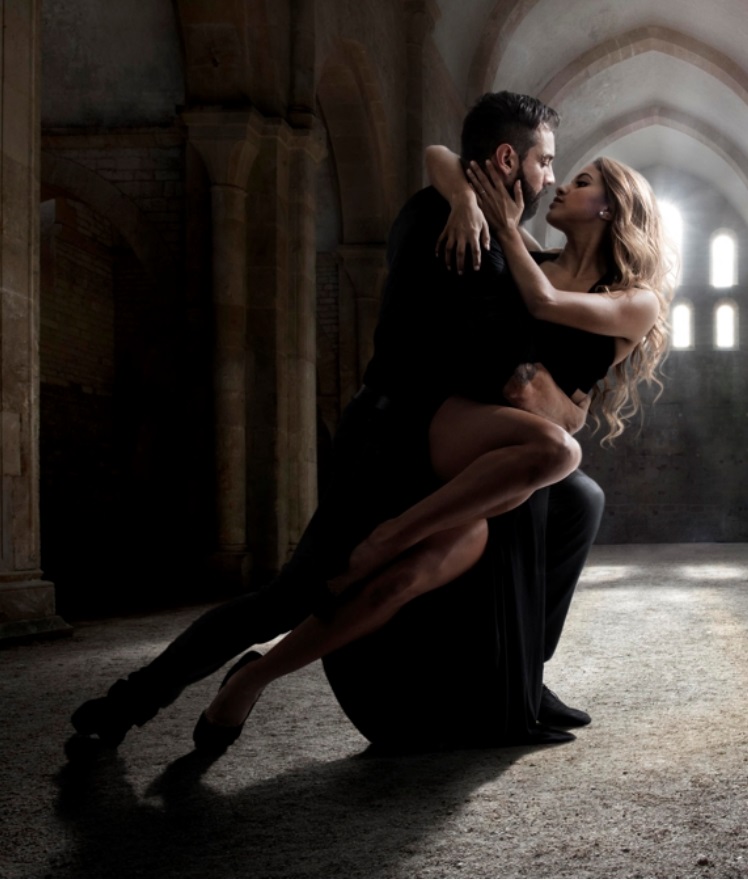
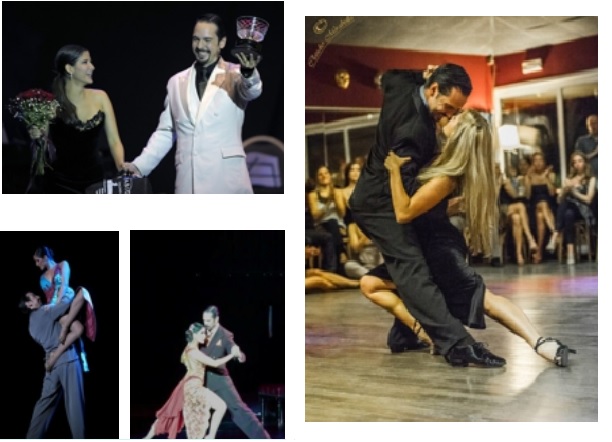
After many years of mastering these styles, giving shows and performances, John met the style that changed his life, Tango. Thanks to the Tango Caracas Company, this dancer started a career in the Tango scene and in 2006, after only three months of practicing with his partner in that moment, John went to the worldwide Tango Championship in Argentina and the couple could passed to the semi- final, something remarkable for a Venezuelan contestants couple.
Later, in 2007, they made it to the finals and in 2008 the couple took part again of the contest and won the 3rd place.

After that, many doors opened for John in the Tango scene around the world, making a dance tour in TokyoJapan, and different countries of Asia. This was a learning process for John in so many ways, because he had the opportunity to meet so many different cultures, languages, perspectives and, overall, dances.
He returned to Argentina in 2009, this time with the amazing dancer Clarissa Sanchez as his new dancing partner, but it was just until 2011, the year of victory, where they were tied in the first place with a Colombian couple After this, John’s career just got off the ground, working and dancing a lot in Argentina, having tours in United States and Europe.

Currently, John is working by himself in Switzerland, organizing a big Milonga once a month in Geneva, and being invited to jury, perform, Dj and teach in Festivals and other cultural events around the world. In November begins his next European tour, with confirmed countries as France, Spain, Italy, Switzerland and the U.K.
Some of his awards
But having a lifestyle where you have to travel worldwide makes difficult being near to your family and the ones you love and that is a lesson that John has learned after many years of working hard. “When you travel like this, you have to internalize a state of separation, and it has been very hard for me, but I’m still working on that”.
Nevertheless, John is making all to have his son with him, and being close with his family as much as he can. Future goals for John are continue traveling, working and dancing. He is also working for next year in developing his own clothing line, videoclip production and online tango lessons through his new website.
Travel gives him a great opportunity to learn and see all types of languages and cultures. He also wants to create a dance academy and dance company, in order to make festivals, workshops and more.
John talks about Venezuela, its current situation, Europe, the people he’s helping and more, but the most remarkable and beautiful thing is how passionate he is talking about Tango and dance in general. When you talk with him, the desire of learn to dance starts growing, he’s just inspiring.
When we asked him what is the thing that he loves the most about Tango, he says that is the energy that you want to give and show to others, the energy that you want your partner feel, the sensations, the moves…
He knows that Tango is a very strict style with specific rules and it requires a lot of discipline, but he is innovating the style, giving it his signature and personality, and that is what he wants to develop, a new way of Tango style that could captivate anyone.
Finally he gives us tips for beginners in Tango and in dance in general. “Stay humble, always. Ego is an obstacle that every dancer has to defeat. Also you need to have discipline, learning Tango and every dance is like to learn a new language, you have to practice a lot and put all you effort to achieve your goal”. The best advice from a professional.

John Erban is such and unique person, with so much talent and vibrant personality. To know more about him and his work, check his page https://www.facebook.com/Johnerbantango/ www.johnerbantango.com Instagram y Twitter: @johnerbantango Email: [email protected]


| DIRECTORY OF NIGHTCLUBS | ||
|
|
|
|
|
|
|
|
|
|
|
|
|
|
|
|
|
|
|
|
|
|
|
|