• Skip to primary navigation
  • Skip to main content

International Salsa Magazine

  • HOME
  • Previous editions
    • 2026
      • ISM / March 2026
      • ISM / February 2026
      • ISM / January 2026
    • 2025
      • ISM / December 2025
      • ISM / November 2025
      • ISM / October 2025
      • ISM / September 2025
      • ISM / August 2025
      • ISM / July 2025
      • ISM / June 2025
      • ISM / May2025
      • ISM / April 2025
      • ISM / March 2025
      • ISM / February 2025
      • ISM / January 2025
    • 2024
      • ISM / December 2024
      • ISM / November 2024
      • ISM / October 2024
      • ISM / September 2024
      • ISM / August 2024
      • ISM / July 2024
      • ISM / June 2024
      • ISM / May 2024
      • ISM / April 2024
      • ISM / March 2024
      • ISM / February 2024
      • ISM / January 2024
    • 2023
      • ISM / December 2023
      • ISM / November 2023
      • ISM / October 2023
      • ISM – September 2023
      • ISM – August 2023
      • ISM July 2023
      • ISM Edition June 2023
      • ISM – May 2023
      • ISM April 2023
      • ISM March 2023
      • ISM February 2023
      • ISM January 2023
    • 2022
      • ISM December 2022
      • ISM November 2022
      • ISM October 2022
      • ISM September 2022
      • ISM August 2022
      • ISM July 2022
      • ISM June 2022
      • ISM May 2022
      • ISM February 2022
      • ISM January 2022
    • 2021
      • ISM December 2021
      • ISM November 2021
      • ISM October – 2021
      • ISM September 2021
      • ISM August 2021
      • ISM July 2021
      • ISM May 2021
      • ISM April 2021
      • ISM June 2021
      • ISM March 2021
      • ISM February 2021
      • ISM January 2021
    • 2020
      • ISM December 2020
      • ISM November 2020
      • ISM October 2020
      • ISM September 2020
      • ISM August 2020
      • ISM July 2020
      • ISM June 2020
      • ISM May 2020
      • ISM April 2020
      • ISM March 2020
      • ISM February 2020
      • ISM January 2020
    • 2019
      • ISM December 2019
      • ISM November 2019
      • ISM October 2019
      • ISM Septembre 2019
      • ISM August 2019
      • ISM July 2019
      • ISM June 2019
  • Download Salsa App
    • Android
    • Apple
  • Spanish

Search Results for: Cuba

Bandleader and bongosero Ray Degaldo is here to talk about his life and career

The talented percussionist Ray Delgado has made room in his schedule to share some time with us and talk about some of the most curious details of his artistic career, which fills us with pride and gratitude in equal measure. The founder of the Ray Delgado Project has many interesting things to say, and we are more than willing to listen.
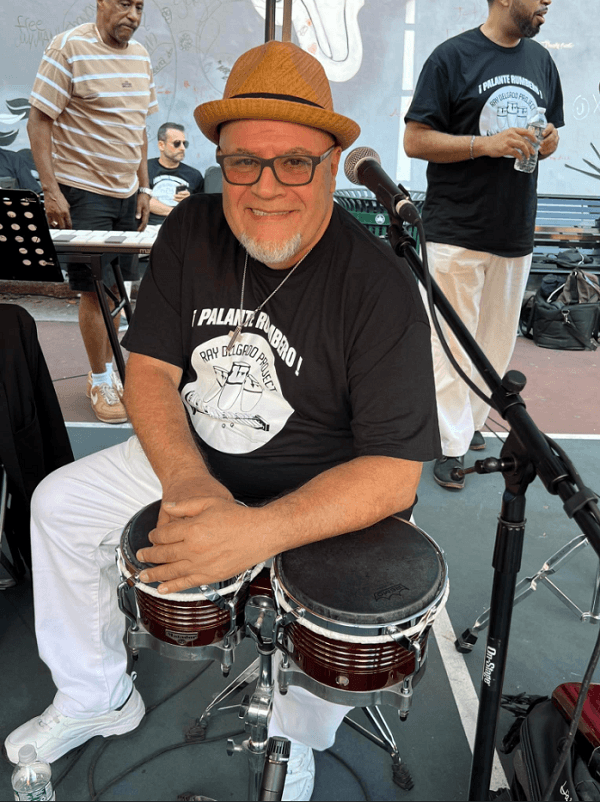
Ray playing the bongo
Ray Delgado playing the bongo live

Ray’s inspirations to become an artist

Ray grew up in a family with deep Puerto Rican roots and was raised between Puerto Rico and New York because his parents constantly moved from one place to another, which made him feel very fortunate because he was being formed between two cultures that allowed him to listen to all kinds of music. In his time, radio remained extremely popular, so this was his vehicle to travel just by listening to certain songs.

Music in English came from the United States and Europe, while music in Spanish came from Cuba, Venezuela, Puerto Rico, the Dominican Republic, Jamaica, and many other countries. Delgado was exposed to all genres, but as a New Yorker, the one that resonated the most with him was salsa and the atmosphere that it brings with it. In fact, he remembers having the joy of seeing the Machito Orchestra, Johnny Pacheco, Héctor Lavoe, Willie Colón, Pete Conde, and many others live.   

These great exponents were the ones who sparked off the young man’s desire to pursue music at some point, but his father did not like the idea at all, as he saw the men in this business as womanizers, drunks, and irresponsible. Obviously, no father wants his son to end up like that, so Ray had to wait to become a responsible adult with a steady job to finally realize his aspirations as a kid.
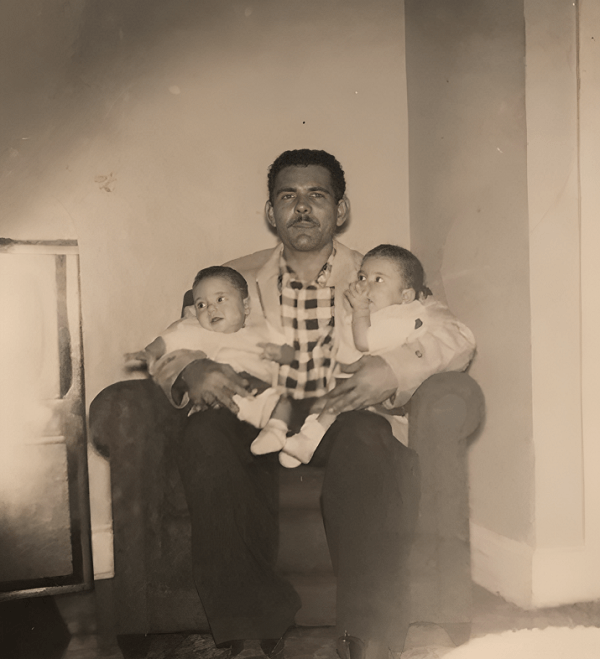
Ray and his father
Ramón Delgado Castro holding his son Ray Delgado and his brother when they were babies

It all started when some older men invited him to play with them, so he found an old bongo drum he kept in his closet and accepted the offer without a second thought.

That was the point of departure for him to play with many other bands in New York, and his consistent work led him to want to be better, to study hard and prepare himself much more.

Ray’s music education

Ray studied at the East Harlem Music School founded by legendary musician Johnny Colón in Manhattan, and focused on timbales with teacher Ray Cruz, but he left the instrument aside for a while when he moved back to Puerto Rico. When returning from the Island of Enchantment, he enrolled at the Harbor Conservatory for the Performing Arts. He also studied with Professor George Delgado, who is the current conguero for the Spanish Harlem Orchestra. He describes him as an excellent teacher and musician from whom he learned so much.

Additionally, he had the support of many musician friends who also helped him and taught him many things that are not learned in an educational institution, including Luis Rivera, Radamés Rojas, Eric Rivera, and many others. Close contact with other artists and groups made him see that many sounded exactly the same and there was little variety, so he decided to form his own orchestra.

In this way, he also learned percussion, which is the area by which he is best known today.
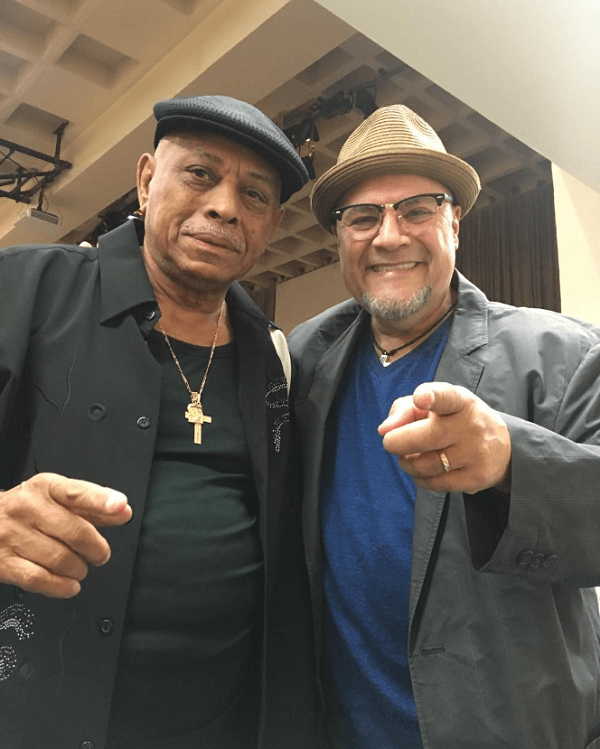
Joe and Ray
Joe Bataan and Ray Delgado

Ray Delgado Project’s birth

Driven by the lack of musical variety in his environment, he wanted to create his own musical project that included vibraphone, percussion, piano, bass, and vocalist. It all started with a workshop for musicians offered by Ray himself in a community room in the building where he lived and he was allowed to use it. After having played and experimented with different styles, the group was getting smaller until all the musicians who signed up ended up leaving.

From there, at every show and opportunity he had to meet new musicians, he would ask for their numbers to recruit them and achieve a chemistry and combination, resulting in the sound he wanted. Ray was in that process from 2009 until now. About three years ago, in 2023, he finally got what he was looking for. 

This group was called Ray Delgado Project, which takes up a huge amount of time and effort. However, the musician says that the New York where his youth was spent, which offered lots of places to go dancing, no longer exists, so there is not much work as back then.

Today, they play many covers of great hits from the 1970s, but they add their own touch to stand out with completely new arrangements. Not so long ago, they released their new version of “Lo Que Traigo es Sabroso,” a hit by Eddie Palmieri, and adapted it to their own style and arrangements. It can be found on Spotify and the main digital platforms. 
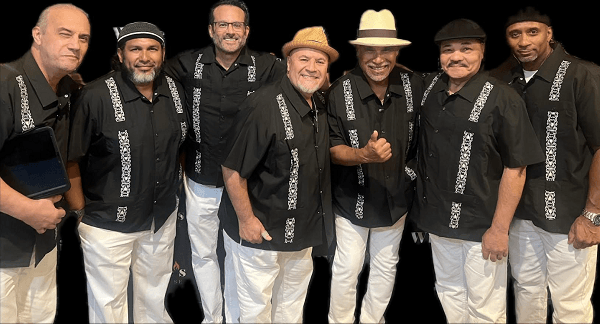
Ray and his orchestra
Ray Fuentes (piano), Abraham Saenz (bass), Danny Sieber (vibraphone), Ray Delgado (director and bongo), Rhadames ”Randy” Rojas (lead vocals) Izzy Diaz (congas), and José ”Cheo” Colón (timbales)

Ray is so happy with what he has achieved so far with their orchestra that ensures that when God calls him, he will be calm and happy to have been able to play and make audiences dance during his lifetime. God willing, we wish him many more years playing with the Ray Delgado Project, enjoying life and bringing joy to those who have the pleasure of listening to him. 

Read also: Leader of K’ndela Salsa Band Eric Cabanilla and all his entertainment company has to offer

Latin Bayarea WebSite

North America / USA

Latin Bayarea WebSite

Sitio web de Latin Bayarea

At present, the search for information about Latin music and its culture in California (USA) has been put into the technology, because it is a very practical tool. On the internet, you can find an online site where you can investigate practically everything: music, culture, entertainment, clubs and concerts. The Web site is Latin Bay Area.

Among its many events that advertise monthly is that of:

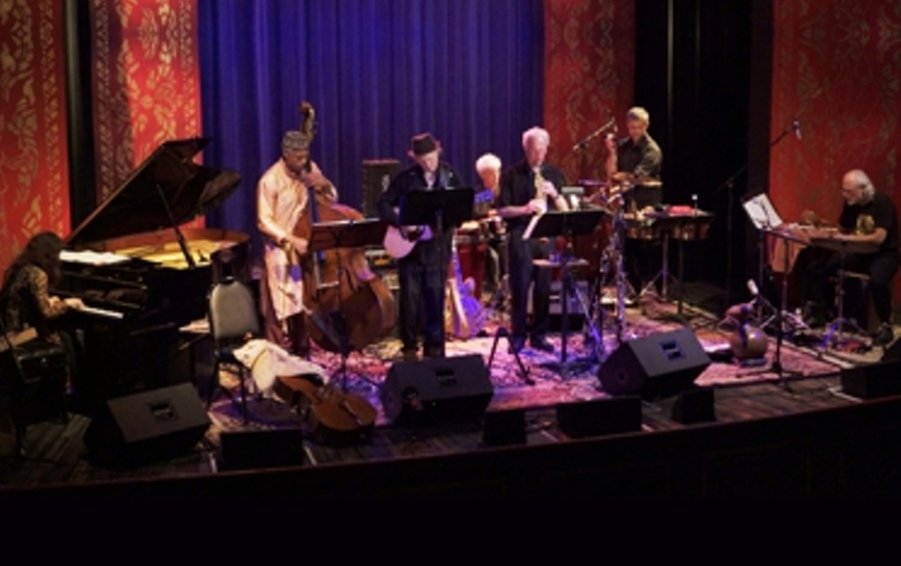
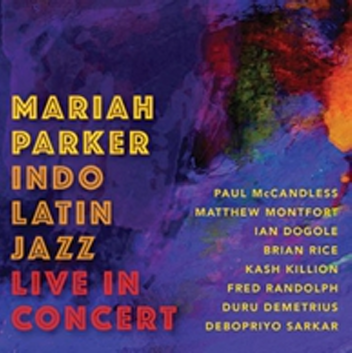
Mariah Parker’s Indo Latin Jazz Ensemble CD Release Concert

This concert celebrates the upcoming release of Mariah Parker’s new CD, Indo Latin Jazz Live in Concert.

According to Latin Beat Magazine, Mariah Parker’s Indo Latin Jazz Ensemble “blends the rhythmic syncopations of Latin jazz music with the entrancing, asymmetrical meters of East Indian rhythms resulting in first- class world music. Intriguing melodies that draw musical inspirations from the tempos of Brazil, Cuba, India, and Spain make for an uplifting serene yet passionate musical journey into an idealworld.”

Sunday, January 22, 2017, 7:00 PM Freight and Salvage

2020 Addison Street

Berkeley, California

Tickets: $24 in advance, $28 at the door

For more info, call (510) 644-2020 or visit www.thefreight.org

Featuring Mariah Parker (composition, piano, santur), Paul McCandless (woodwinds), Matthew Montfort (guitar), Kash Killion (bass, cello), and percussionists lan Dogole, Brian Rice, and Michaelle Goerlitz.

Indo Latin Jazz Live in Concert CD Release 1/20/17

Lanzamiento del CD "Indo Latin Jazz Live in Concert", 20/01/17
Lanzamiento del CD “Indo Latin Jazz Live in Concert”, 20/01/17

In 2009, Mariah Parker launched her Indo Latin Jazz Ensemble with a sold- out debut concert at Yoshi’s in Oakland, California. Mariah’s new release for AncientFuture.com records, “Indo Latin Jazz Live in Concert,” captures the magic of that first performance, as well as subsequent Northern California concerts at the Freight & Salvage in Berkeley, the Throckmorton Theater in Mill Valley and a studio session at Bob Weir’s TRI Studios in San Rafael. These multi-track live recordings were painstakingly mixed and mastered over a seven-year period by veteran Ancient Future producer Matthew Montfort. Indo Latin Jazz Live in Concert is a follow-up recording to Sangria, Mariah’s debut CD, which received airplay on over 468 New World, Jazz, and Latin radio programs, and earned over 365 reviews and media placements, including two songs that ascended to the Smooth Jazz Now Top 100 Songs of 2009 Chart.
Bios Mariah Parker

Mariah Parker in concert

(Composition, piano, santur) http://www.mariahparkermusic.com

“Parker, who holds a degree in music from UC Santa Cruz, wrote the eight instrumental compositions on this exquisite collection of pieces that fuse Latin rhythms with influences from South America and India with a dash of straight-up American jazz. It’s an intoxicating blend of East and West performed by musicians of astounding virtuosity. Like all the best jazz bands, this group is as disciplined as it is innovative, stopping on a dime when the composition calls for it and soaring into gorgeous landscapes of free association the next moment that are as pleasing as they are adventurous.

Mariah Parker's
Mariah Parker’s

This is sophisticated stuff, an album of global fusion performed by a group with character, charisma and the confidence that comes across when world-class musicians at the top of their games come together and create magic in the here and now of a live performance.” -Marin Independent Journal

Mariah Parker has been playing music from the time she could reach the keys on the grand piano in her family home. While completing her degree in music at UC Santa Cruz, she worked with ethnomusicologist Fred Lieberman and drummer Mickey Hart on the “Planet Drum” project and became fascinated with the possibilities of bridging musical concepts from different traditions.

She has performed her original compositions in festivals in the US and Europe. A gifted composer and band leader, she released her first solo recording of her compositions, “Sangria,” in February of 2009. This release received extensive airplay and critical acclaim worldwide.

“Dazzling…. Parker’s subtle and sensuous sounds reflect exotic flavors of India, the Middle East and Latin America.” -Palo Alto Daily News.

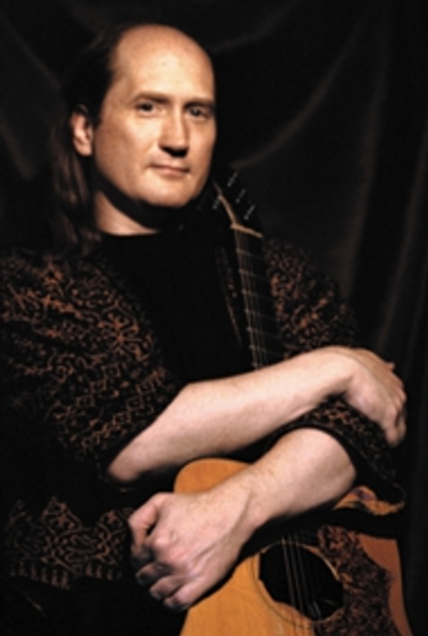
Matthew Montfort (Scalloped Fretboard Guitar)

Matthew Montfort
Matthew Montfort

Recently recognized as one of the world’s 100 Greatest Acoustic Guitarists, Montfort is a pioneer of the scalloped fretboard guitar and the leader of the seminal world fusion music ensemble Ancient Future. He has performed concerts worldwide, including at the Festival Internacional de la Guitarra on the golden coast of Spain near Barcelona and the Mumbai Festival at the Gateway of India in Bombay.

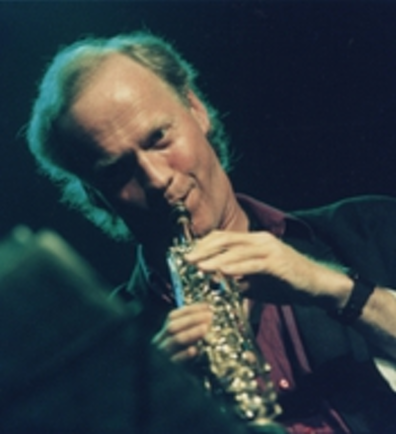
Paul McCandless (Reed Virtuoso)

Paul McCandless
Paul McCandless

During a distinguished career spanning three decades, Grammy-winning woodwind virtuoso Paul McCandless has brought a soaring lyricism to his playing and composing that has been integral to the ensemble sound of two seminal world music bands, the original Paul Winter Consort and the relentlessly innovative quartet, Oregon.

A gifted multi-instrumentalist, McCandless has specialized in an unusually broad palette of single and double reed instruments that reflect his grounding in both classical and jazz disciplines.

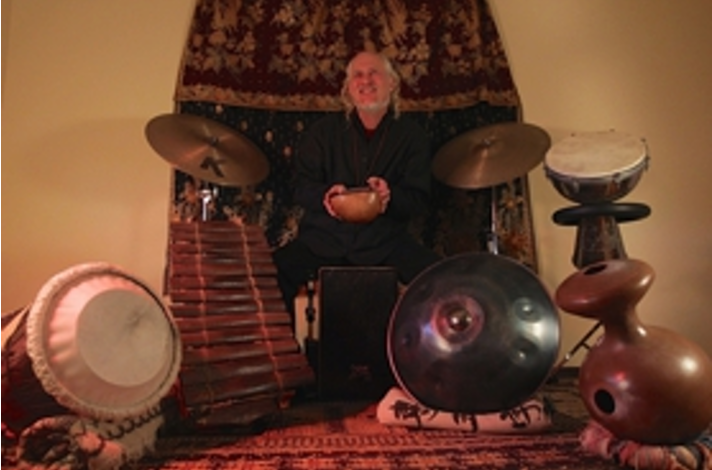
lan Dogole (Global Percussion)

Ian Dogole is an accomplished bandleader, composer, and multi- percussionist who has recorded and performed with artists such as Hamza el Din, Tito La Rosa, Ancient Future, and Alex de Grassi on a wide variety of percussion instruments, including udu, cajon, hang, African talking drum, kalimbas, cymbals and dumbek.

Ian Dogole
Ian Dogole

Kash Killion (Bass, Cello)

Kash Killion plays cello, bass and assorted African and Middle Eastern stringed instruments, and has worked with Donald Byrd, George Cables, Billy Higgins, Cecil Taylor, John Zorn, Sun Ra, Butch Morris, George Lewis, Reggie Workman, and the Sun Ra Arkestra.

Brian Rice (Latin Percussion)

Brian Rice is a highly acclaimed musician specializing in Latin, Afro- Cuban, and Brazilian percussion who performs with acts such as Mike Marshall with Choro Famoso and the Antionio Calogero Quartet featuring Paul McCandless and Mike Manring.

Brian Rice
Brian Rice

Michaelle Goerlitz (Latin Percussion)

A talented percussionist with a focus on Brazilian, Afro Cuban, Venezuelan and Peruvian rhythms, Michaelle has played, recorded and toured with Mark Levine, Wayne Wallace, Houston Pearson, Denise Perrier, Joan Jeanrenaud, the Pickpocket Ensemble, Samba Rio, Novo Tempo, Bossa 5-0, and many others.

Latin America / March 2026

Adriana Mosquea 03 2026Andy Durán 03 2026Porfi Jiménez 03 2026Willie Colón 03 2023El Caballero de la SalsaSymphonic Bestial Sound 2026

March 2026 – Festivals

Puerto Rico circular flag
PUERTO RICO
42 Zalsa 03 2026

Día Nacional de La Zalsa

Mar 22, 2026

Plaza de la Independencia
Av. Franklin Delano Roosevelt
San Juan 00920, Puerto Rico

$ 30.00 + ivu & c.s

Bella MartinezCalibrated maracas

DIRECTORY OF NIGHTCLUBS

Argentina flag
ARGENTINA

Aruba circular flag
ARUBA

Belize circular flag
BELIZE

Bolivia circular flag
BOLIVIA

Brazil flag
BRAZIL

Chile circular flag
CHILE

Colombia
COLOMBIA

Costa Rica circular flag
COSTA RICA

Cuba circular flag
CUBA

Dominican Republic
DOMINICAN REPUBLIC

Ecuador circular flag
ECUADOR

Guatenala circular flag
GUATEMALA

Mexico Circular flag
MEXICO

Panama circular flag
PANAMA

Peru circular flag
PERU

Puerto Rico circular flag
PUERTO RICO

Venezuela circular flag
VENEZUELA


Willie Colón The “Architect of Salsa” Enters Immortality

February 21, 2026, will be etched into the history of Latin music as the day the “street trombone” fell silent to become an eternal echo.

A Sorrowful Farewell: February 2026

After several days of uncertainty and reports regarding his delicate health, the passing of William Anthony Colón Román was confirmed in New York City at the age of 75.

Willie Colón, the Architect of Salsa, Passes into Immortality

Producer, trombonist, visionary. He was the architect of a sound that broke the mold and redefined salsa from New York for the entire world.

With his aggressive trombone, his innovative musical concepts, and his leadership within the historic Fania All-Stars, he marked an era that can never be repeated.

The musician, who had already shown signs of physical frailty following his retirement from the stage in 2023, suffered severe respiratory complications that kept him hospitalized during his final days.

Iconic figures like Rubén Blades and the entire Fania family have expressed their grief, noting that we haven’t just lost a musician, but the “Malo” (The Bad Boy) who revolutionized the visual and sonic identity of Latinos in New York.

A Legacy of Rebellion and Sophistication

Unlike other bandleaders, Willie Colón didn’t just make music; he told cinematic stories. From his early days with Héctor Lavoe to his era of social consciousness with Rubén Blades, Colón transformed salsa into a vehicle for urban narrative.

With his aggressive trombone playing, innovative musical concept, and leadership within the historic Fania All-Stars
  • Innovation: He was responsible for putting the trombone at center stage, creating that “heavy,” raw sound that defined the Bronx.
  • Identity: Through his iconic album covers (emulating FBI “Wanted” posters), he constructed the mystique of the Latin anti-hero.

His Eternal Anthems

Willie Colón’s catalog is the backbone of every party and social reflection in Latin America. Among his most remembered tracks, more relevant today than ever, are:

Song Significance
El Gran Varón A milestone in social lyrics regarding identity and redemption.
Idilio The most romantic and melodic facet of his mature era.
Pedro Navaja The ultimate expression of narrative salsa produced alongside Blades.
Gitana A classic of sentiment and rhythmic fusion.

Beyond the Trombone: Activism and Service

In his later years, Willie Colón’s life was also defined by his work offstage. He served as an activist, a community leader in New York, and held positions in organizations advocating for Hispanic rights. His life was a testament to the fact that art and social commitment can walk hand-in-hand.

Producer, trombonist, visionary. Architect of a sound that broke molds and redefined salsa from New York to the world.

Producer, trombonist, visionary. Architect of a sound that broke molds and redefined salsa from New York to the world.

The Centennial on the Horizon

Though the Maestro has physically departed in 2026, his office and family have made it clear that his music will live on. Releases of unedited material and tribute concerts are expected as we pave the road toward the centennial of his birth in 2050.

“Time passes, and I am left unable to speak to you”  Willie Colón.

His music will continue to speak for him on every corner where a trombone sounds and in every heart that feels the pulse of urban salsa.

His talent was more than rhythm: it was identity, the barrio, resistance, and living history. Today, we don’t just say goodbye to a musician; we say goodbye to a pillar, a North Star, and an entire chapter of our Latin culture.

Anecdote:

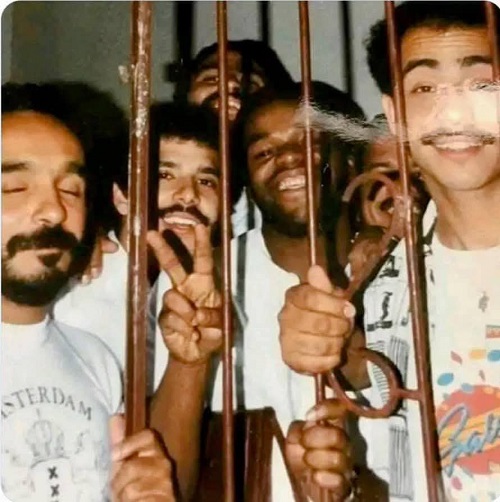
Willie Colón had a notorious incident in Medellín in 1985 when he refused to perform at the Iván de Bedout Coliseum because the promoters of “Rumba Producciones” failed to pay the agreed amount. Police arrested him along with 13 of his musicians, and they were detained for two days at the Belén neighborhood police station.

The audience, who had waited for hours, grew unruly, leading to riots that resulted in six injuries and significant property damage. This episode inspired the song “Especial No. 5,” which narrates Colón’s experience inside cell number five of that station.

Willie Colón had an incident in Medellín in 1985

Special Contribution by Julio Cesar Galindo Alarcón (Lima, Peru)

A posthumous tribute to the great Willie Colón (1950-2026): The greatest disciple of Mon Rivera by his own admission and today a legend of our passionate salsa.

Willie Colón: From “Classic Urban Salsa” to “Symphonic Salsa”

His musical production clarifies and proves that “salsa” does not only originate from Cuban and Puerto Rican rhythms, but also from American, Brazilian, and other Latin influences.

When Willie produced and recorded his 1977 instrumental-only album, El Baquiné de Angelitos Negros, he expanded the orchestral lineup to include violins, saxophone, flute, cello, and trumpet. While the work had little commercial success and went largely unnoticed during his triumphant career, it served as more than just a platform for his “salsa” fusions with Jazz, Funk, Soul, and R&B. It was the starting point for producing grander orchestral arrangements with a larger number of musicians, thus becoming the precursor to what is now known as “Symphonic Salsa.”

Four years after this beginning, in 1981, this “Symphonic Salsa” reached its peak when Willie released his second solo album, Fantasmas dedicated to and motivated by the loss of his younger sister, Cindy. The album included a track he composed, with musical arrangements by Luis Cruz, titled “Toma Mis Manos” (Take My Hands).

This piece, dealing with the somber theme of death, is considered by this author (due to the quality of the composition and the fabulous “Symphonic” orchestration) to be an authentic and grand masterpiece of “Classic Salsa.” It blends Funk, Soul, R&B, and Bossa Nova with Willie’s excellent vocals, serving as a spectacular prelude to that other legendary, yet often overlooked, symphonic track recorded in 1991 by the “Canary of Carolina,” the great Lalo Rodríguez: “El niño, el hombre, el soñador y el loco.”

To conclude, with the immense pain that his departure brings, I accompany this tribute with the aforementioned song: “Toma Mis Manos,” an unforgettable composition by the recent legend of our “salsa” the great Willie Colón, famously known as “The Bad Boy of the Bronx.”

The legendary musician and his wife Julia Colón were married for decades and share three children (

The legendary musician and his wife Julia Colón were married for decades and share three children

Also Read: The legacy of Leopoldo Pineda, the ambassador of the trombone in La Maquinaria Fania All Stars

Adriana Mosquea: Between Strings, Winds, and Spirituality

Vocal Excellence, Instrumental Versatility, and Artistic Training

Adriana Carolina Mosquea Santana, born on August 25, 1993, in Santiago de los Caballeros, Dominican Republic, is a multi-faceted artist who has built a solid career as a solo singer, bassist, stage actress, and vocal coach.

Adriana Mosquea Between Strings, Winds and Spirituality

Early Training and First Steps

She began her musical journey at the age of five in school and church choirs. At nine, she entered the Centro de la Cultura de Santiago, where she studied singing, electric bass, and classical guitar. By age 17, she became the only female voice and bassist for the fusion group Oveja Negra.

After an accident that hindered the mobility of her hands for eight months, she defied medical diagnoses and achieved a full recovery through self-directed therapy, resuming her career with groups such as Sol Latino and La Piña Tá Dulce.

The Leap into Lyrical Music and Theater

In 2014, she received a scholarship from the La 37 por las Tablas school, joining the elite vocal group Les Cantatis. Under the tutelage of Roberto Guzmán and María Ligia Grullón, she performed pieces by Vivaldi, Pergolesi, and Tchaikovsky, and participated in the opera Carmen. In 2019, she was part of the choir for the opera La Traviata at the National Theater, conducted by José Antonio Molina.

Solo Career and National Projection

As a soloist, she has released tracks such as Humo y Humo and Zombie, performing at festivals like Arte Vivo and the Alliance Française. Her multidisciplinary project, Circo Imaginario, led her to open for the iconic Dominican rock band Toque Profundo.

Her appearance on Dominicana’s Got Talent in 2019 earned her massive recognition and excellent reviews from the judges. That same year, she joined Belkys Concepción y las Damas as a bassist and backing vocalist, sharing the stage with legendary figures like Johnny Ventura and Fefita la Grande.

Adriana Carolina Mosquea Santana, born on August 25, 1993 in Santiago de los Caballeros, Dominican Republic

Professional Background and Academic Formation

Adriana’s dedication goes beyond performance; she is an art scholar. She holds a degree in Art History and is currently pursuing a degree in Special Needs Education, focusing on music pedagogy.

Key milestones in her professional journey include:

  • Oveja Negra: Her first professional group at 17, where she served as the bassist.
  • Son Santiaguero & Sol Latino: Projects where she explored Cuban Son and alternative rock.
  • Belkys Concepción: She performed as the bassist for the band led by “The Mother of Merengue,” highlighting Belkys’ overwhelming energy on stage.

Innovation During the Pandemic and Recent Collaborations

Between 2020 and 2021, she produced her album Arte, Magia y Libertad (Art, Magic, and Freedom) in collaboration with Venezuelan producer Daniela Yánez. Her singles have received nominations at the Indie Dominican Awards and Expo Cibao.

Additionally, she participated in the In Memoriam segment of the 2020 Soberano Awards and composed part of the soundtrack for the film La Soga 3. In 2025, she stood out in a tribute to Maridalia Hernández, performing the duet Te Ofrezco.

Pedagogical Work and Vocal Coaching

Currently, Adriana is a prominent vocal coach. She has been a key figure in the technical evolution of the artist Tokischa, working on projects nominated for the 2025 Latin Grammys and 2026 Premios Lo Nuestro. She is a graduate in Art History and is currently completing a Degree in Pedagogy at CESUMA University in Spain.

Excelencia Vocal, Versatilidad Instrumental y Formación Artística

“Singing is a means of expression and healing. My focus is on a balanced life and technical discipline to set the voice free.”

The Multi-instrumentalist and the Winds of Communication

Although her primary instrument is the bass (and double bass in her early years), Adriana is proficient in guitar, piano, drums, and ukulele. her foray into woodwind instruments, such as the clarinet and saxophone, was born from a spiritual search:

“Wind instruments work with air, which is communication. As an artist, I needed to work on my ability to communicate what I was keeping silent.”

Identity, Flavor, and Spirituality

Proud of her roots, Adriana describes Santiago de los Caballeros as a peaceful “city-countryside.” Her palate travels between the Dominican Sancocho de siete carnes and the Venezuelan Mondongo, a dish she confesses has captivated her.

Adriana Mosquea
Adriana Mosquea

For her, music and spirituality are tools for self-knowledge. She defines spirituality as the acceptance of human duality—seeking balance between light and shadow, far from the pretensions of the ego.

Also Read: Dominican bandleader and singer Papo Ross is triumphing in Montreal

  • « Go to Previous Page
  • Page 1
  • Interim pages omitted …
  • Page 16
  • Page 17
  • Page 18
  • Page 19
  • Page 20
  • Interim pages omitted …
  • Page 138
  • Go to Next Page »

International Salsa Magazine (ISM) is a monthly publication about Salsa activities around the world, that has been publishing since 2007. It is a world network of volunteers coordinated by ISM Magazine. We are working to strengthen all the events by working together.