• Skip to primary navigation
  • Skip to main content

International Salsa Magazine

  • HOME
  • Previous editions
    • 2026
      • ISM / July 2026
      • ISM / June 2026
      • ISM / May 2026
      • ISM / April 2026
      • ISM / March 2026
      • ISM / February 2026
      • ISM / January 2026
    • 2025
      • ISM / December 2025
      • ISM / November 2025
      • ISM / October 2025
      • ISM / September 2025
      • ISM / August 2025
      • ISM / July 2025
      • ISM / June 2025
      • ISM / May2025
      • ISM / April 2025
      • ISM / March 2025
      • ISM / February 2025
      • ISM / January 2025
    • 2024
      • ISM / December 2024
      • ISM / November 2024
      • ISM / October 2024
      • ISM / September 2024
      • ISM / August 2024
      • ISM / July 2024
      • ISM / June 2024
      • ISM / May 2024
      • ISM / April 2024
      • ISM / March 2024
      • ISM / February 2024
      • ISM / January 2024
    • 2023
      • ISM / December 2023
      • ISM / November 2023
      • ISM / October 2023
      • ISM – September 2023
      • ISM – August 2023
      • ISM July 2023
      • ISM Edition June 2023
      • ISM – May 2023
      • ISM April 2023
      • ISM March 2023
      • ISM February 2023
      • ISM January 2023
    • 2022
      • ISM December 2022
      • ISM November 2022
      • ISM October 2022
      • ISM September 2022
      • ISM August 2022
      • ISM July 2022
      • ISM June 2022
      • ISM May 2022
      • ISM February 2022
      • ISM January 2022
    • 2021
      • ISM December 2021
      • ISM November 2021
      • ISM October – 2021
      • ISM September 2021
      • ISM August 2021
      • ISM July 2021
      • ISM May 2021
      • ISM April 2021
      • ISM June 2021
      • ISM March 2021
      • ISM February 2021
      • ISM January 2021
    • 2020
      • ISM December 2020
      • ISM November 2020
      • ISM October 2020
      • ISM September 2020
      • ISM August 2020
      • ISM July 2020
      • ISM June 2020
      • ISM May 2020
      • ISM April 2020
      • ISM March 2020
      • ISM February 2020
      • ISM January 2020
    • 2019
      • ISM December 2019
      • ISM November 2019
      • ISM October 2019
      • ISM Septembre 2019
      • ISM August 2019
      • ISM July 2019
      • ISM June 2019
      • ISM May 2019
      • ISM April 2019
      • ISM March 2019
      • ISM February 2019
      • ISM January 2019
    • 2018
      • ISM December 2018
      • ISM November 2018
      • ISM October 2018
      • ISM September 2018
      • ISM August 2018
      • ISM July 2018
      • ISM June 2018
      • ISM May 2018
      • ISM April 2018
      • ISM March 2018
      • ISM February 2018
      • ISM January 2018
    • 2017
      • ISM December 2017
      • ISM November 2017
      • ISM October 2017
      • ISM September 2017
      • ISM August 2017
      • ISM July 2017
      • ISM June 2017
      • ISM May 2017
      • ISM April 2017
      • ISM March 2017
      • ISM February 2017
      • ISM January 2017
    • 2016
      • ISM December 2016
      • ISM November 2016
      • ISM October 2016
      • ISM September 2016
  • Spanish
  • Download Salsa App
    • Android
    • Apple

Search Results for: Cuba

Salsa Nor’s Rueda Congress 2016

Europe / Norway / Tromsø

Salsa Nor’s Rueda Congress – 01 Sep 2016 – 04 Sep 2016 Trondheim, Norway

Salsa Nor's Rueda Congress 2016 - Photo 1
Salsa Nor’s Rueda Congress 2016 – Photo 1

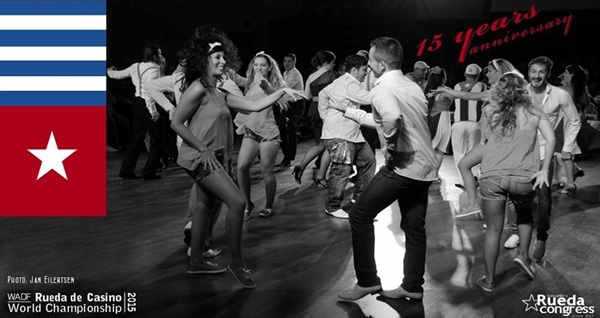
SalsaNor is organizing its 15th annual Rueda Congress this year, and we will celebrate this milestone inspired by the Cubans! When they have lived for 15 years, they dress up in the most extravagant outfit, having a great meal, partying, taking photos and not least – dancing the night away. If your dress is too much for the entire night, do as the Cubans do
Salsa Nor's Rueda Congress 2016 - Photo 2
Salsa Nor’s Rueda Congress 2016 – Photo 2

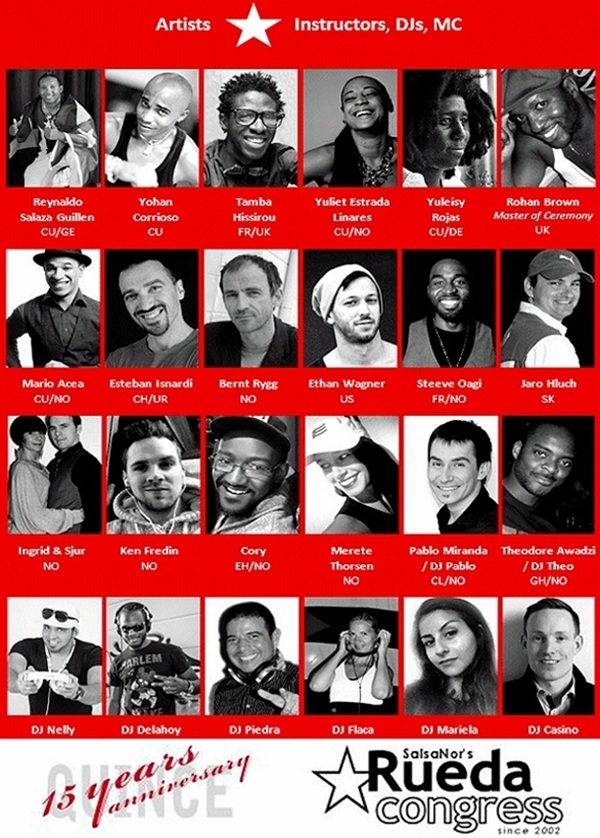
The Rueda Congress Saturday evening will start with a Gala dinner, followed by a salsa & rueda party – Fiesta Los Quince. We will have the Cubans to teach us a proper Quince dance, and there will be surprises!!

– and prizes for the most Cuban quinceanera!
Salsa Nor's Rueda Congress 2016
Salsa Nor’s Rueda Congress 2016

Seating at 19.00, dinner at 19.30, party at 22.00

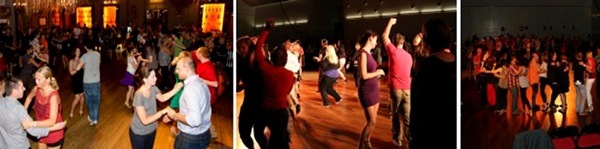
Don’t miss the 3 course dinner! There will be program between the courses, and you will have a great chance to socialize with the other participants at the congress over a good meal. Note that the Gala dinner must be ordered in advance, and is available online until August 15th.

Salsa Nor's Rueda Congress 2016 - Photo 3
Salsa Nor’s Rueda Congress 2016 – Photo 3

Why not browse the internet for information about the Cuban quinceanera tradition to be inspired?

PROGRAMME

Salsa Nor's Rueda Congress 2016 - Programme
Salsa Nor’s Rueda Congress 2016 – Programme

Thursday September 1st

  • 17:30: Registration, Hotel Scandic Lerkendal
  • 19:00: World Championship – first rounds, First rounds of Rueda de Casino WADF World Championship 2016. World Champ, Hotel Scandic Lerkendal
  • 20:00 – 21:30: Dinner pre-ordered upon sign-up Hotel Scandic Lerkendal
  • 21:30 – 01:00: Opening party, Salsa and rueda party, Included in the Rueda Congress pass. Hotel Scandic Lerkendal
Salsa Nor's Rueda Congress 2016 - Photo 4
Salsa Nor’s Rueda Congress 2016 – Photo 4

Friday September 2nd

  • 10:30 – 11:00: Daytime social, 10:30 in Hotel Scandic lobby, 11:00 in Trondheim city center, If weather allows, outdoor rueda at Torvet
  • 14:00: Registration, Hotel Scandic Lerkendal
  • 16:00 – 18:30: Workshops, Hotel Scandic Lerkendal
  • 18:30 – 20:30: Dinner Hotel Scandic Lerkendal
  • 21:00 – 22:30: World Championship finals, World Champ, Hotel Scandic Lerkendal
  • 22:30 – 02:30: Rueda Congress Championship Party, Salsa and rueda party, shows, social rueda de casino., Hotel Scandic Lerkendal

Salsa Nor's Rueda Congress 2016 - Photo 5
Salsa Nor’s Rueda Congress 2016 – Photo 5

Saturday 3. September

  • 10:00: Registration at Hotel Scandic Lerkendal
  • 10:15 – 17:00: Workshops, Hotel Scandic Lerkendal Schedule.
  • 19:00: Doors open. Seating for the Rueda Congress Gala Dinner, Hotel Scandic Lerkendal
  • 19:30: Rueda Congress Gala Dinner, 15 years anniversary dinner, programme and entertainment during the dinner congress. Hotel Scandic Lerkendal
  • 22:00 – 02:30: Fiesta los Quince – Rueda Congress Anniversario 15, Quince! 15 years anniversary Rueda Congress party, Salsa and social rueda, shows, presentation of the congress artists. Hotel Scandic Lerkendal

Sunday 4. September

  • 09:45: Info desk opens at, Hotel Scandic Lerkendal
  • 10:00 – 17:00: Workshops, Hotel Scandic, Lerkendal
  • 16:30 – 18:30: Dinner Hotel Scandic Lerkendal
  • 17:00 – 23:00: Salsa matinee, Salsa and rueda party, surprises,, Juan y Juanita contest, social rueda de casino
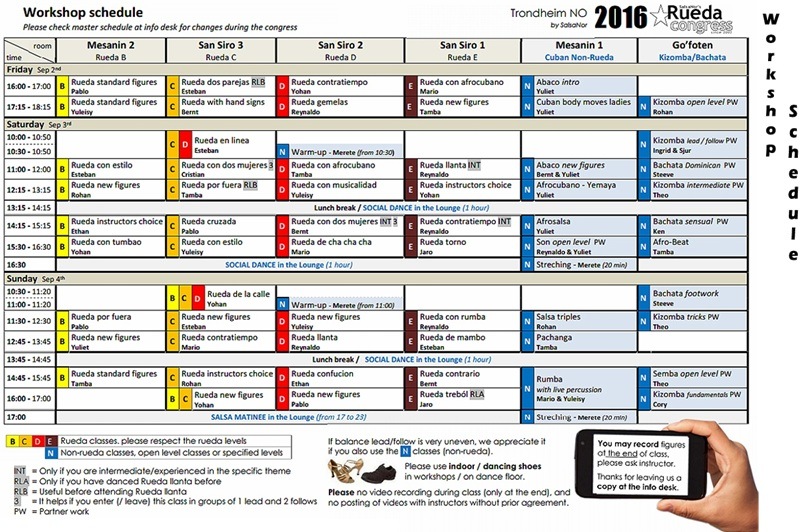
Congreso de Rueda de SalsaNor 2016 - Schedule
Congreso de Rueda de SalsaNor 2016 – Schedule

For tickets and prices http://ruedakongressen.no/
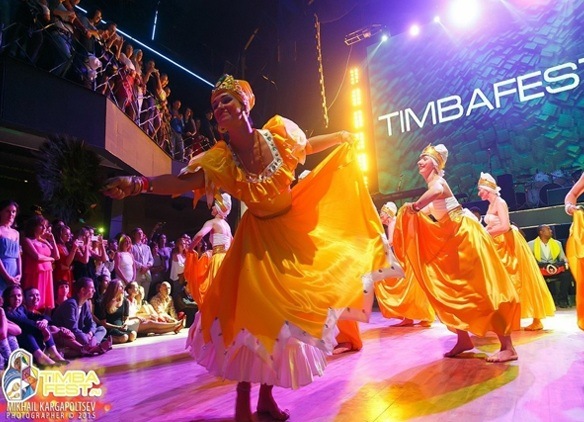
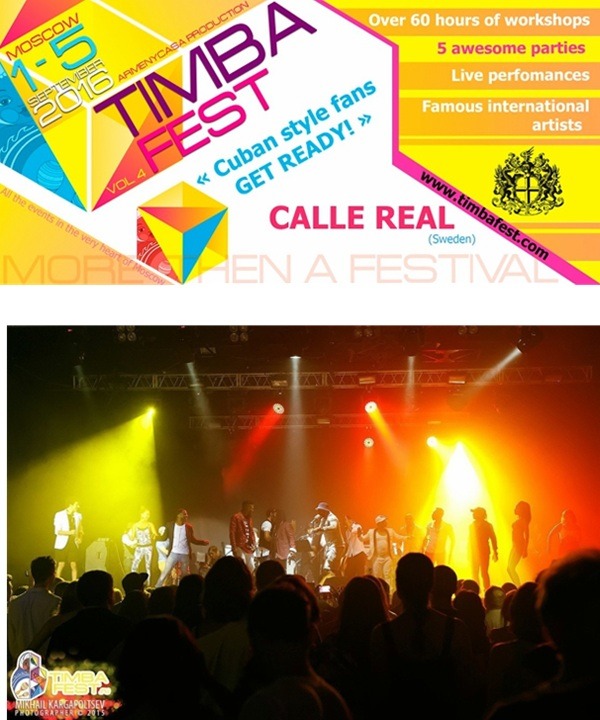
Timbafest-International Salsa Festival in Moscow

Europe / Russia  / Moscow

First weekend of September

01 Sep 2016 05 Sep 2016 AC production presents the 4rd international Afro-Cuban Dance & Music Festival TIMBAFEST!

What is Timbafest about?

Timbafest - scenery
Timbafest – scenery

It’s not like other Timba event in Russia and even more!

For the 4th time, in September Moscow is waiting for real Cuban style fans from all over the Europe and CIS. Exclusively for you there will be the best professional instructors, world famous bands, exciting and unforgettable atmosphere, crazy sleepless nights and, of course, a lot of Timba!

TIMBAFEST MEANS:

More than 1000 participants from the whole Europe and CIS Over 60 hours of workshops

Famous international artists

Live performances

5 awesome parties

All the events in the very heart of Moscow

Tours around the city

5 days of fun and communication!

Timbafest - Collash
Timbafest – Collash

For more information and details please write Elena Torres https://www.facebook.com/elena.torress1

Havana Restaurant/Bar Chicago

North America / USA / Chicago
Havana Restaurant/Bar Chicago

Havana Restaurant/Bar Chicago

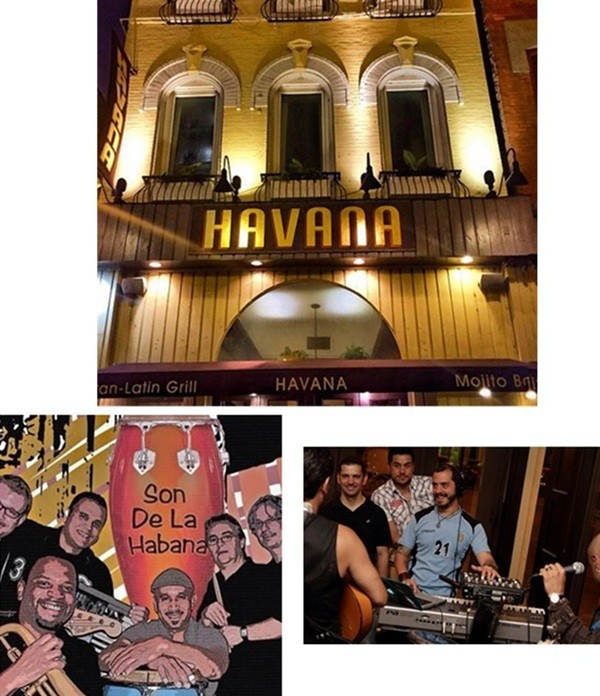
Winner of OpenTable.com’s Diners’ Choice Award in 2009, Havana is a restaurant/bar with live music located in the popular River North neighborhood of Chicago which offers dishes designed by gourmet gastronomy Cuban and Cuban-American specialty drinks. It also has a variety of delicious desserts to compliment your perfect meal.

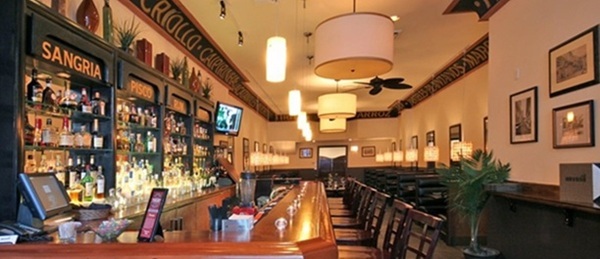
This restaurant shows in its interior unique 1940 Art-Deco themes that make you feel as if you were in the heart of the authentic tropical island.

Its large levels provide private spaces for a celebration with friends or to enjoy an evening with that special someone, or just sitting at the Bar enjoying a drink, or if you prefer dancing in the lounge with live music that presents the septet “Son de la Habana” (Led by Manases Rivera).

This band makes a combination of Latin Jazz and dance music, including Salsa and modern Cuban dance.

Havana Restaurant/Bar Chicago - Photo
Havana Restaurant/Bar Chicago – Photo

FOOD MENU

Dishes range from Mexican-style carne asada to apricot-chipotle pork chops to a traditional Cuban sandwich and fries served with chimichurri for dipping.

The bar is fully stocked to mix up fun variations on classic Latin coolers, including guava-infused mojitos, and strawberry caipirinhas, a Brazilian “margarita” made with cachaca. Havana along with a large variety of unique lunch and dinner selections, also offers many delectable Cuban desserts to complete your perfect meal, such as Cuban Coconut Rum Flan and Guava Cheesecake.

Havana Restaurant/Bar Chicago - FOOD MENU
Havana Restaurant/Bar Chicago – FOOD MENU

Este oasis cubano is open from Monday to Thursday: 11:00 – 22:00; Friday: 11:00-2:00 and Saturday: 12:00-3:00

  • Address: 412 North Clark, Chicago IL 60654
  • Website: havanachicago.com
  • Twitter: @HavanaChicago
  • Facebook: Havana


Percussion Design: Giovanni Hidalgo “Mañenguito” Revolution on the Congas

“A technical and historical analysis of the virtuosity, timbral hybridization, and legacy of one of the most influential percussionists in jazz and global Latin music.”

The Heir to “Mañengue”

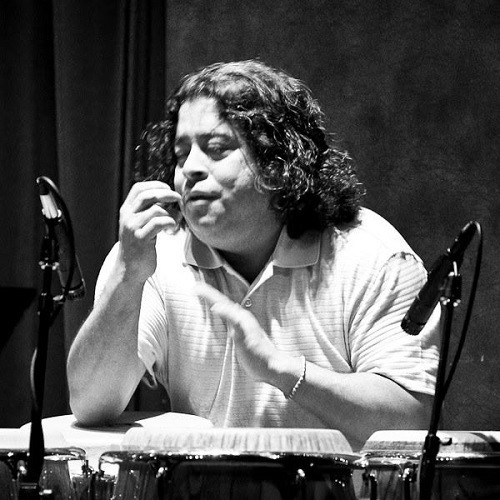
Giovanni Hidalgo, born in San Juan, Puerto Rico, in 1963, is universally considered one of the most virtuous and innovative percussionists of all time.

Hidalgo uno de los percusionistas más influyentes del jazz

Affectionately known as “Mañenguito” because he is the son of legendary percussionist José “Mañengue” Hidalgo, he grew up in an environment where Afro-Caribbean rhythms were not only heard, but formed an everyday language.

Unlike many percussionists of his generation, Hidalgo’s training combined the rigor of empirical street-level learning with a methodical study of sight-reading (solfège) and formal technique.

From his early years, he displayed hand independence and speed that would redefine the global standard of conga (tumbadora) playing.

Technical Innovation: Rudiments Translated to the Conga

Giovanni Hidalgo’s major revolution within the percussion landscape lies in his adaptation of classic drum set rudiments to the congas.

Traditionally, conga execution relied on structured rhythmic patterns built around open tones, slaps, muted tones, and the heel-toe movement (marcha).

Hidalgo elevated this technique to an entirely new level:

  • Hand and Finger Independence: He developed finger and wrist speed capable of replicating five-stroke rolls, flams, paradiddles, and ruffs at blistering speeds on the drumheads.
  • Expanding the Set: He popularized the use of 4-, 5-, and up to 6-conga setups tuned melodically, transforming percussion into a harmonic and melodic instrument within the ensemble.
  • Multilimb Polyrhythm: The ability to maintain independent clave lines while improvising melodic solos of high mathematical complexity.

Musical Career and Key Collaborations:

Hidalgo combinó el rigor del aprendizaje empírico de la calle con un estudio metódico del solfeo y la técnica formal

“Mañenguito’s” career is defined by his ability to effortlessly transition between salsa dura, Latin jazz, Puerto Rican folk music, and world music.

Career Highlights:

  • Batacumbele: In the 1980s, alongside musicians like Ángel “Cuqui” Santos and Dave Valentín, Hidalgo was part of the legendary group Batacumbele. The band revolutionized Caribbean music by integrating elements of Cuban songo with bomba, plena, and jazz.

  • Dizzy Gillespie and the United Nation Orchestra: At age 25, he was recruited by bebop icon Dizzy Gillespie. This era catapulted him onto the international jazz stage, performing at the world’s most prestigious festivals.

  • Planet Drum: His collaboration with Mickey Hart (drummer for the Grateful Dead), Zakir Hussain, and other international percussion masters culminated in the Planet Drum project, which won the first-ever Grammy Award for Best World Music Album (1991).

  • Trio with Michel Camilo: His recordings and live performances alongside Dominican pianist Michel Camilo and bassist Anthony Jackson represent one of the pinnacles of contemporary Latin jazz due to the level of energy and technical precision executed.

  • Eddie Palmieri: The union of Giovanni Hidalgo and Eddie Palmieri stands as one of the most explosive and revolutionary partnerships in the history of Latin jazz and Afro-Caribbean music. When Hidalgo’s technical virtuosity and speed on the congas met Palmieri’s aggressive, dissonant, and orchestral piano style, the result forever transformed contemporary percussion.

    El Diseño de la Percusión La Revolución de Giovanni Hidalgo Mañenguito en las Congas

The Clash of Two Worlds (Late ’80s)

In the mid-1980s, Eddie Palmieri already a living legend for his innovations with La Perfecta and his salsa dura and Latin jazz productions brought the young Puerto Rican Giovanni Hidalgo into his group.

  • The Impact: Hidalgo introduced a revolutionary language to the ensemble by adapting drumstick techniques to open-hand playing.
  • The Synergy: In Giovanni, Palmieri found a percussionist capable of matching the power, polyrhythmic complexity, and harmonic tension he delivered from the piano.
  • Highlights: The solidity of Giovanni’s conga work on tracks like “La Libertad / Comparsa” launched Hidalgo onto the international stage as the most influential conguero of his generation.
  • The Innovation: Giovanni Hidalgo led the rhythm section with solos that defied the physics of conga playing through sheer speed, subtle dynamics, and refined tuning adjustments.
  • Impact: Giovanni served as a generational bridge between the established masters of the Palladium era and the technical avant-garde of the new millennium.
  • Award: The album Listen Here! won the Grammy Award for Best Latin Jazz Album in 2006, crowning a golden era of collaborations.

In May 2010, Hidalgo was awarded an Honorary Doctorate of Music from Berklee College of Music and is widely considered one of the leading Latin percussionists in the world today.

Tito Puente (“The King of Timbales”) and Giovanni Hidalgo (“Mañenguito”) represent one of the most powerful intergenerational encounters in the history of Latin music. Puente adopted Giovanni not only as his principal conga player during several key periods, but also as a virtuoso soloist capable of matching his speed, precision, and stage presence.

Golden Latin Jazz Giants and International Projects, among others.

Fania and Latin Jazz Supergroups: Alongside Puente, Giovanni was part of various “All-Star” ensembles that toured the most important jazz festivals in Europe and Japan (such as the North Sea Jazz Festival and Montreux).

The Generational Bridge: Puente represented the golden age of the Palladium Ballroom in New York, while Giovanni contributed the technical avant-garde of the new millennium. This synergy kept Puente’s music relevant to new generations of percussion students.

Conocido afectuosamente como Mañenguito

Comparative Chart: Hidalgo’s Contributions to Percussion:

Technical Dimension Traditional Execution (Pre-Hidalgo) Giovanni Hidalgo’s Innovation
Finger/Hand Use Based on wrist and hand weight Individualized finger control for extreme articulation and speed
Setup Configuration 1 to 3 congas in a primary rhythmic pattern 4 to 6 congas tuned melodically in intervals
Rhythmic Vocabulary Afro-Cuban claves and regional patterns Integration of marching rudiments, bebop, and Indian polyrhythms

 Conclusion and Resilience

Giovanni Hidalgo did not merely alter the physics of playing the conga he expanded the creative boundaries of the instrument itself.

Despite the health challenges he has faced over the years, including complications from diabetes that affected his hands, his dedication and technical adaptability have demonstrated the strength of his musical spirit.

Entrevista a Giovanni Hidalgo por Dj. Augusto Felibertt

His legacy extends far beyond his recordings: “Mañenguito” taught the world that the conga is not just an accompanying rhythmic instrument, but a solo voice with infinite melodic, dynamic, and expressive possibilities.

Also Read: Learn to Play Percussion with Giovanni “Mañenguito” Hidalgo

Añá The Divine Voice of the Batá Drums and Their Ancestral Heartbeat

In the vast universe of Afro-Cuban spirituality and Yoruba tradition, batá drums are not merely musical instruments: they are living, consecrated entities.

Tambores Añá La Voz Divina de los Batá y su Latido AncestralTambores Añá La Voz Divina de los Batá y su Latido Ancestral

The soul that resides within these sacred drums is known as Añá (or Aña), the deity (orisha) of divine sound and primordial vibration. To speak of the Añá drums is to enter a direct channel of communication between the earthly realm and the spiritual world.

Origin: The Secret Born in Yoruba Land

The presence of Añá dates back to the ancient Yoruba Empire (in present-day Nigeria and Benin). In Yoruba mythology, the deity Añá represents the divine voice and breath through which Olodumare (the Creator) ordered the cosmos.

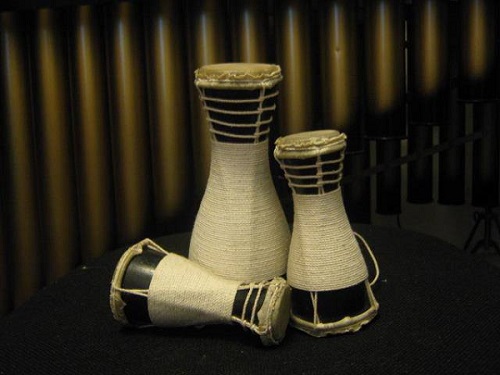
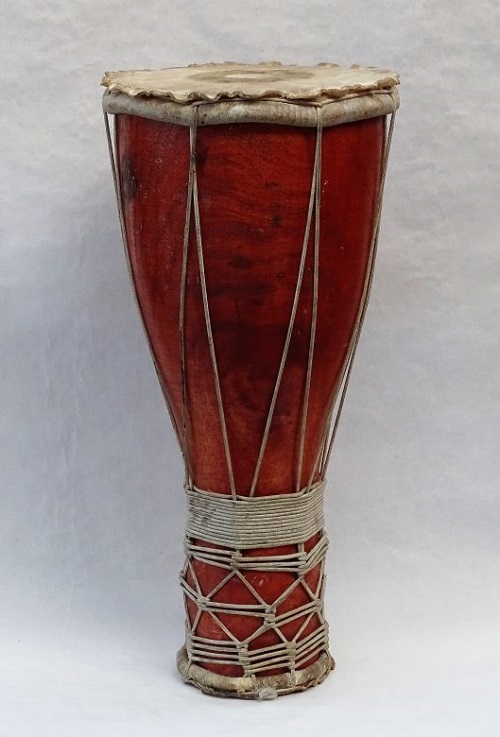
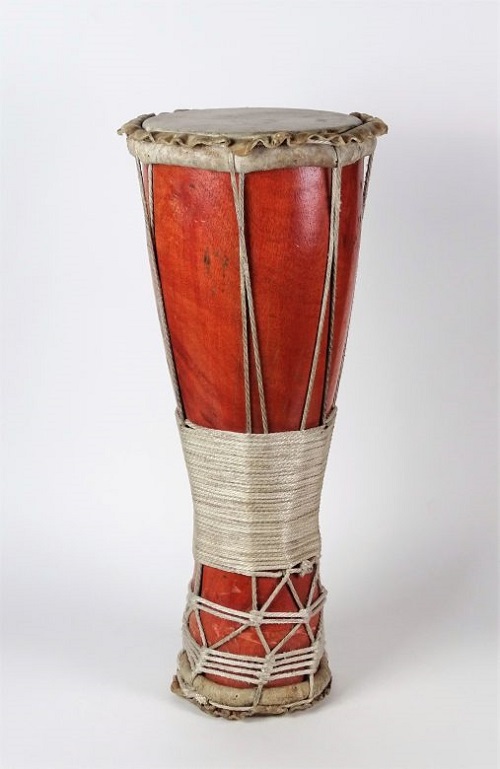
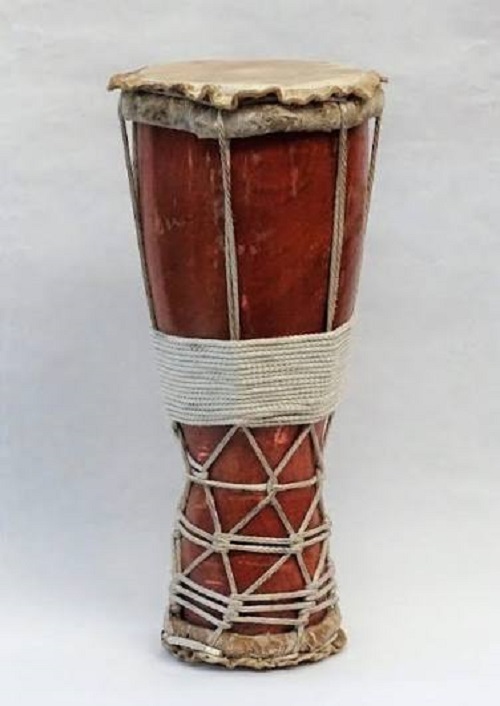
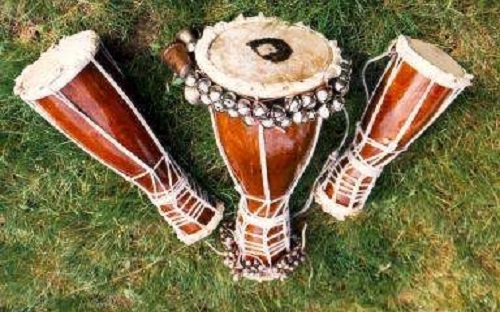
To encapsulate this force, a sacramental trio of hourglass-shaped, hand-carved wooden drums was structured:

Iyá: The mother drum, lowest in pitch, responsible for leading the liturgy and performing improvisations.

Iyá El tambor madre
Iyá El tambor madre

Itótele: The medium drum, which engages in a direct dialogue with the Iyá.

Itótele El tambor mediano

Okónkolo: The smallest drum, responsible for holding down the rhythmic foundation.

Okónkolo El más pequeño

Consecrating a set of batá drums with the fundamento (sacred core) of Añá requires strict liturgical rites involving sacred botany (omiero), prayers, and offerings so that the deity takes permanent residence within the wood. Only sworn priests, known as Omo Añá or Oluwos Batá, are authorized to play these sacred instruments.

Evolution: The Transatlantic Journey and the Cuban Flourishing

Through the transatlantic slave trade during the colonial era, Yoruba scholars arrived in the Caribbean primarily in Cuba under the Lucumí designation. Despite the oppressive conditions, practitioners fiercely preserved the secret of Añá.

Toward the second half of the 19th century, in the town of Guanabacoa (Havana), the first set of Añá drums consecrated on American soil was consecrated and baptized. In this new sociocultural environment, the ancestral rhythms remained intact within the liturgy of Regla de Ocha (Santería).

The drumming patterns evolved into a complex system of tonal languages where the drum does not merely accompany, but speaks to and summons each orisha through specific rhythmic phrasing.

Significance: A Tonal Language Between Humanity and Orishas

The importance of the Añá drums lies in their mystical function: they serve as the sacred bridge that harmonizes the Ori (an individual’s head and destiny) with the deities and ancestors.

In Lucumí cosmogony, Añá’s vibration possesses the power to alter the state of consciousness of the initiated, facilitating spiritual trance or possession through which the deity descends to earth.

“Añá does not play to entertain the human ear, but to summon the spirit and maintain cosmic balance through sound.”

Furthermore, on a musical level, it represents one of the most complex rhythmic legacies on the planet. Its polyrhythmic technique has had an immeasurable influence on the development of Afro-Cuban music, Latin jazz, and salsa.

Present Day: Preservation of Faith and Global Expansion

Today, the Añá tradition experiences a dual phenomenon: the rigorous preservation of its rituals and a remarkable global expansion.

Although the secrets required to consecrate a legitimate Añá remain closely guarded under strict priestly discretion, Santería worship and admiration for batá percussion have transcended the borders of Cuba and Nigeria.

Today, there are consecrated Añá drum sets established by babalawos and Omo Añá in countries such as the United States, Venezuela, Mexico, Spain, and Puerto Rico.

Los Tamborea Bata son entidades vivas y consagradas

While non-sacred batá drums (known as aberikuló, which do not carry the secret of Añá) are used freely on secular stages, true Añá drums remain reserved exclusively for private ceremonies, keeping alive the voice of an ancient deity.

To visually understand how the drum’s sound articulates the liturgical call within the tradition, check out the resource “The Function of Añá Within Batá Drums.”


Also Read: Pancho Quinto Is Considered One of Cuba’s Great Rumberos

International Salsa Magazine Recommends:

Añá Loógúnsi Fundamento Drum

  • « Go to Previous Page
  • Page 1
  • Interim pages omitted …
  • Page 15
  • Page 16
  • Page 17
  • Page 18
  • Page 19
  • Interim pages omitted …
  • Page 148
  • Go to Next Page »

International Salsa Magazine (ISM) is a monthly publication covering salsa activities around the world and has been publishing since 2007. It is a worldwide network of volunteers coordinated by ISM Magazine. Together, we work to strengthen salsa events around the world.